Skip to content

Tag: censorship

British First World War Propaganda: From A to Z

Reviewed by Edward Corse


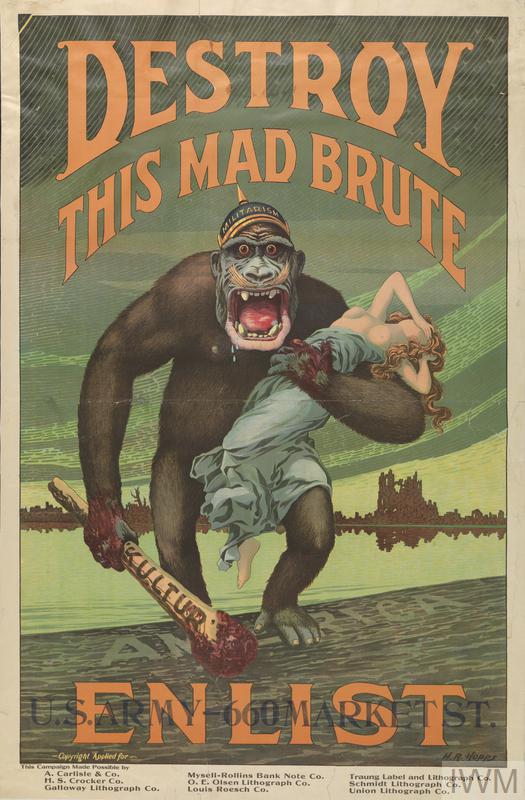
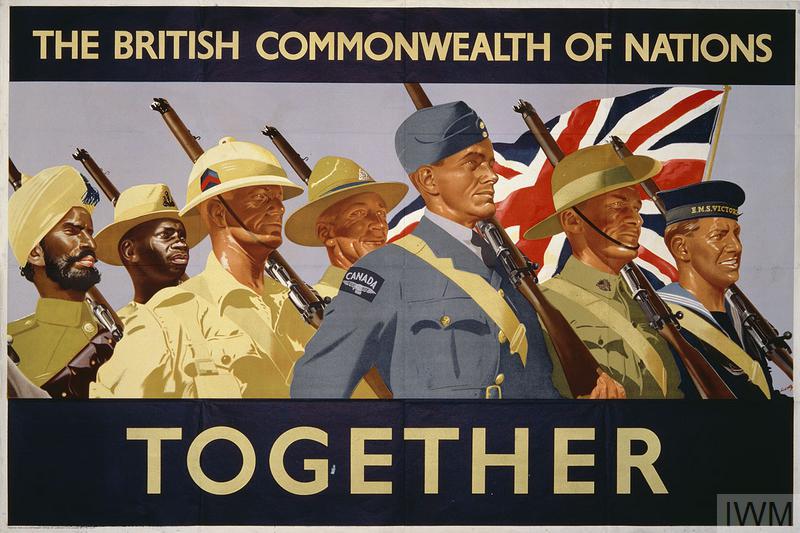
David Monger’s British First World War Propaganda: From A to Z is an interesting and innovative way of constructing an analysis of an important historical subject and demonstrates that propaganda in this period went beyond the ‘falsehood in war-time’ that sometimes shrouds study of the topic. He divides the book into 26 main chapters, one for each letter of the English alphabet, devoting each chapter to a short study guided by a word or phrase he has chosen. The benefit of such an approach is that it can draw in new readers to a topic with bite-sized summaries of a variety of different issues relating to the topic who might be attracted to this style of book compared with a lengthy academic monograph, such as Eberhard Demm’s Censorship and Propaganda in World War I: A Comprehensive History (2019). Other historians of propaganda have also navigated similar innovative approaches in recent years with David Welch completing his The Story of Propaganda in 50 images (2022) a few years ago – although Welch’s method with 50 images is naturally more flexible than an A–Z approach. Whilst Monger restricts himself to one word or phrase per chapter (with one exception), other approaches such as the Imperial War Museum’s The First World War A-Z: From Assassination to Zeppelin – Everything You Need to Know (2014), allows itself multiple entries for each letter. Monger’s book is in this sense, therefore, if not unique, certainly more restricting than other comparable titles.

Leave a Comment

Censorship and Propaganda in World War I: A Comprehensive History

Reviewed by Pip Gregory.

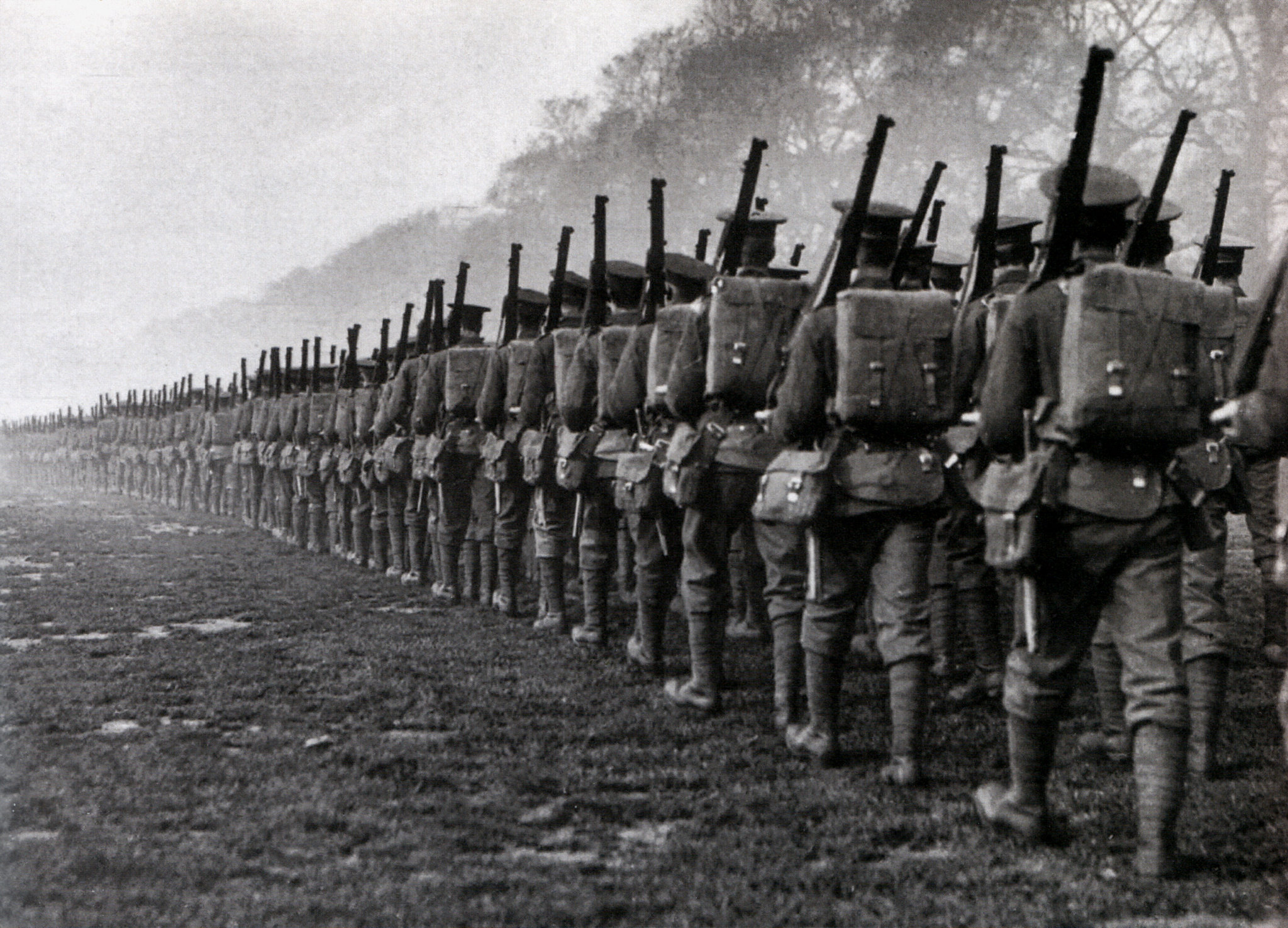
Eberhard Demm’s Censorship and Propaganda takes on a vast task in attempting to provide a comprehensive insight into First World War propaganda. There is an abundance available out there, across all combatant nations, and its relationship with censorship adds further levels of complexity. There are studies that address aspects thereof, but tying that all together is a daunting task. Demm’s new book builds upon his fabulous articles for the online encyclopaedia 1914-1918, plus a number of other works. This new and highly comprehensive volume presents a depth of analysis around propaganda; its design, influence and those who controlled and contributed to it, as well as considering its impact, and legacy that has otherwise been lacking in other studies. Naturally, within Demm’s study of both censorship and propaganda there are aspects for which there is more evidence available, namely the propaganda, and others less so, but what evidence Demm has found he has utilised effectively to demonstrate the value of the widespread of wartime propaganda and its partner in (avoiding) crime, censorship.

Leave a Comment