Skip to content

Tag: Neutrality

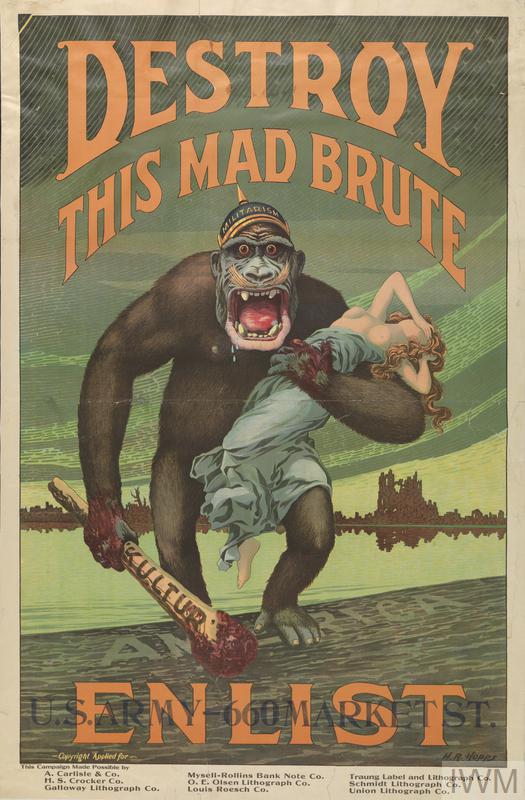
British First World War Propaganda: From A to Z

Reviewed by Edward Corse


David Monger’s British First World War Propaganda: From A to Z is an interesting and innovative way of constructing an analysis of an important historical subject and demonstrates that propaganda in this period went beyond the ‘falsehood in war-time’ that sometimes shrouds study of the topic. He divides the book into 26 main chapters, one for each letter of the English alphabet, devoting each chapter to a short study guided by a word or phrase he has chosen. The benefit of such an approach is that it can draw in new readers to a topic with bite-sized summaries of a variety of different issues relating to the topic who might be attracted to this style of book compared with a lengthy academic monograph, such as Eberhard Demm’s Censorship and Propaganda in World War I: A Comprehensive History (2019). Other historians of propaganda have also navigated similar innovative approaches in recent years with David Welch completing his The Story of Propaganda in 50 images (2022) a few years ago – although Welch’s method with 50 images is naturally more flexible than an A–Z approach. Whilst Monger restricts himself to one word or phrase per chapter (with one exception), other approaches such as the Imperial War Museum’s The First World War A-Z: From Assassination to Zeppelin – Everything You Need to Know (2014), allows itself multiple entries for each letter. Monger’s book is in this sense, therefore, if not unique, certainly more restricting than other comparable titles.

Leave a Comment
Towards ‘Neutrality Studies’: An Integrative Perspective on the History of War and International Relations

By Maartje Abbenhuis

In the history of warfare, neutrals rarely feature. When they do, they tend to be relegated to the peripheries, as marginal characters in a belligerent drama that takes centre stage. Unsurprisingly, then, ‘Neutrality Studies’ is not a well-established academic field, although there are more than a few scholars who specialise in neutrality. Still, no academic journal is dedicated to the subject, and no Anglophone academic publisher specialises in the field.

Leave a Comment

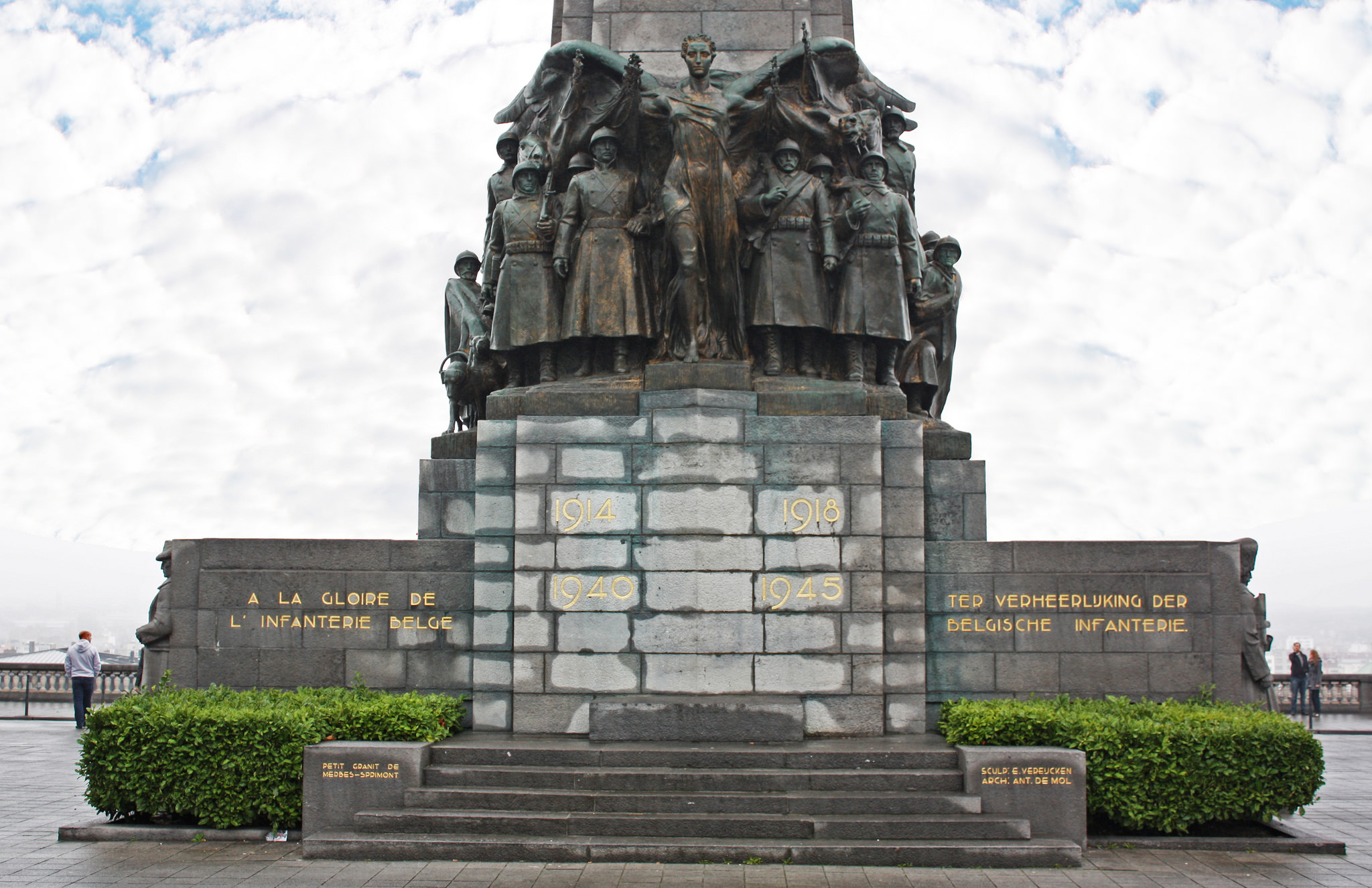
Belgian Neutrality and its Reinterpretation ahead of the First World War

Written by Mario Draper.

Léon Arendt will not be a familiar name to most readers. His role as the Political Director at the Belgian Ministry of Foreign Affairs from 1896 to 1912 was hardly likely to make him a household name beyond Belgium’s borders. Yet, his conceptualisation of these borders and of Belgium’s wider relationship with neutrality – imposed in perpetuity by the Great Powers (Britain, France, Russia, Austria-Hungary, and Prussia) in 1839 – marks him out as a singularly important figure in defining the strategic paradigm at the outbreak of the First World War. For here was a man who proposed the controversial view in 1911 that neutrality was but a tool of independence and not an end in itself. In other words, were neutrality to jeopardize continued independence, Belgium was within its rights to reinterpret its duties and forgo its strict adherence to the 1839 Treaty of London. 

Leave a Comment

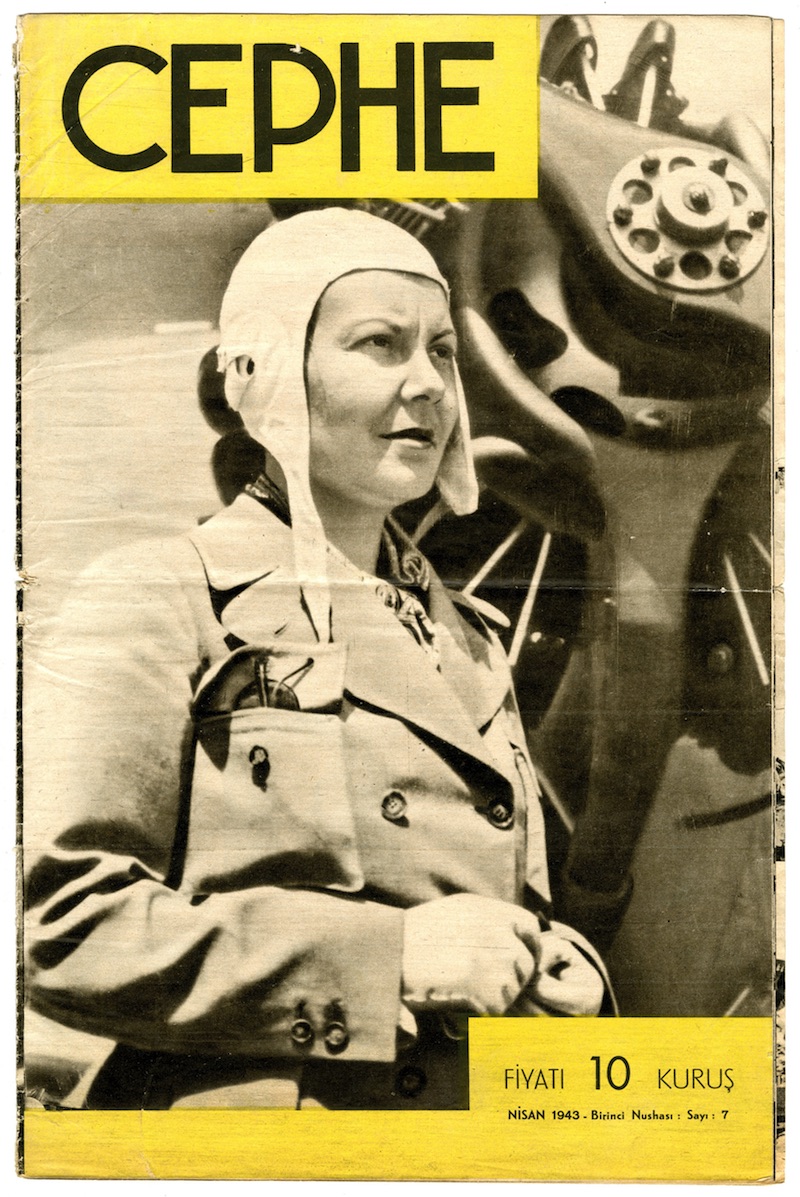
Keeping the Pot Boiling: British Propaganda in Neutral Turkey during the Second World War

Written by Edward Corse.

Neutral Turkey was geographically surrounded by the Second World War. The Germans occupied land to the north and west; Italy occupied parts of Greece; the British were to the south in places such as Cyprus, Egypt and Iraq; the French were in Syria; and Russia, Turkey’s traditional enemy, loomed in the east in the form of the Soviet Union.

To try to keep itself out of the war, Turkey signed a number of agreements: a Treaty of Friendship with Britain in April 1939 followed by a Tripartite Agreement with Britain and France in October 1939; then later a Treaty of Non-Aggression with Germany in June 1941. Working to balance the interests of the warring parties was the very essence of maintaining neutrality.

However, being neutral did not mean that the war had no impact. Both Britain and Germany had Ambassadors in Ankara – Sir Hughe Knatchbull-Hugessen and Franz von Papen, respectively – and the cities of Ankara and Istanbul were awash with their spies and propaganda.

Leave a Comment