Skip to content

Tag: Book Review

British First World War Propaganda: From A to Z

Reviewed by Edward Corse


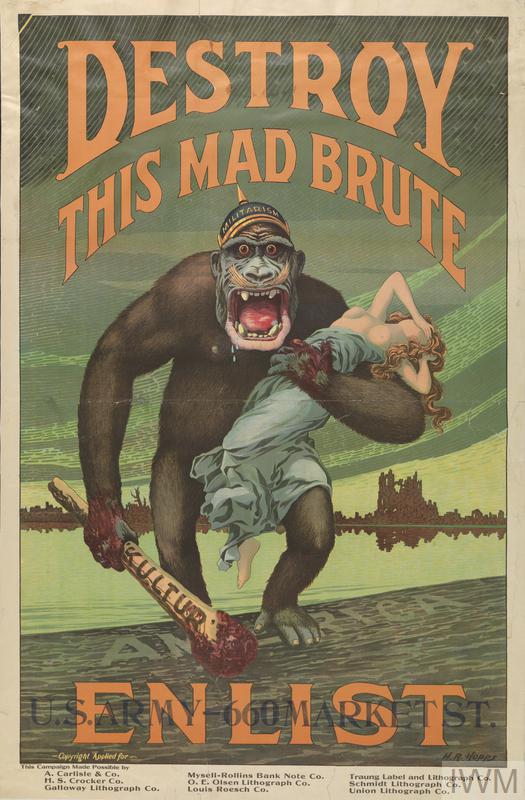
David Monger’s British First World War Propaganda: From A to Z is an interesting and innovative way of constructing an analysis of an important historical subject and demonstrates that propaganda in this period went beyond the ‘falsehood in war-time’ that sometimes shrouds study of the topic. He divides the book into 26 main chapters, one for each letter of the English alphabet, devoting each chapter to a short study guided by a word or phrase he has chosen. The benefit of such an approach is that it can draw in new readers to a topic with bite-sized summaries of a variety of different issues relating to the topic who might be attracted to this style of book compared with a lengthy academic monograph, such as Eberhard Demm’s Censorship and Propaganda in World War I: A Comprehensive History (2019). Other historians of propaganda have also navigated similar innovative approaches in recent years with David Welch completing his The Story of Propaganda in 50 images (2022) a few years ago – although Welch’s method with 50 images is naturally more flexible than an A–Z approach. Whilst Monger restricts himself to one word or phrase per chapter (with one exception), other approaches such as the Imperial War Museum’s The First World War A-Z: From Assassination to Zeppelin – Everything You Need to Know (2014), allows itself multiple entries for each letter. Monger’s book is in this sense, therefore, if not unique, certainly more restricting than other comparable titles.

Leave a Comment

The Age of the Gas Mask: How British Civilians Faced the Terrors of Total War

Reviewed by Daniel Schuster

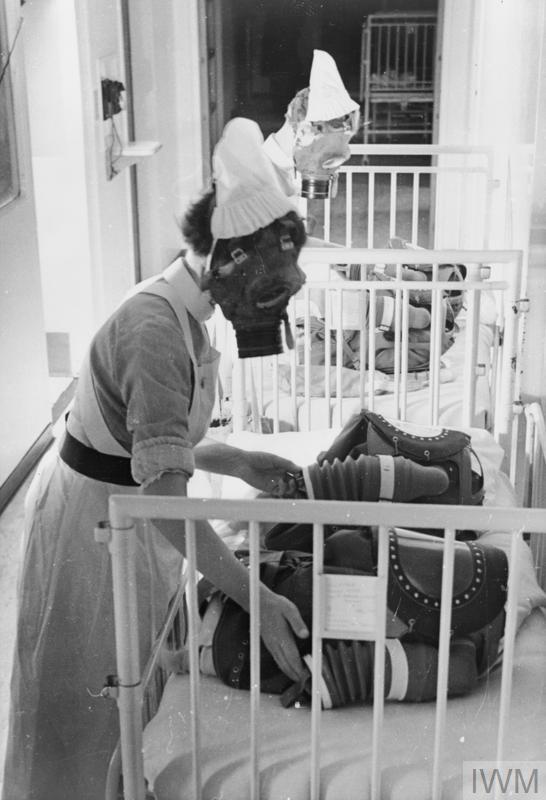
Susan R. Grayzel’s The Age of the Gas Mask offers a compelling material history of one of the twentieth century’s most unsettling objects. Tracing the civilian gas mask from the ‘weaponisation of the air’ in the First World War through to its ubiquitous presence during the Second, Grayzel demonstrates how the advent of chemical warfare fundamentally altered the relationship between civilians and the state. The book is at its strongest in showing how, during the interwar period, the expected horror of renewed use of chemical weapons permeated cultural life, with novels, political debates, and visual culture repeatedly returning to nightmarish scenes of women and children suffocating in poisoned air.

Leave a Comment

Red Cross Rose: An Aussie Civilian in France, 1916-1920

Reviewed by Emma Hanna

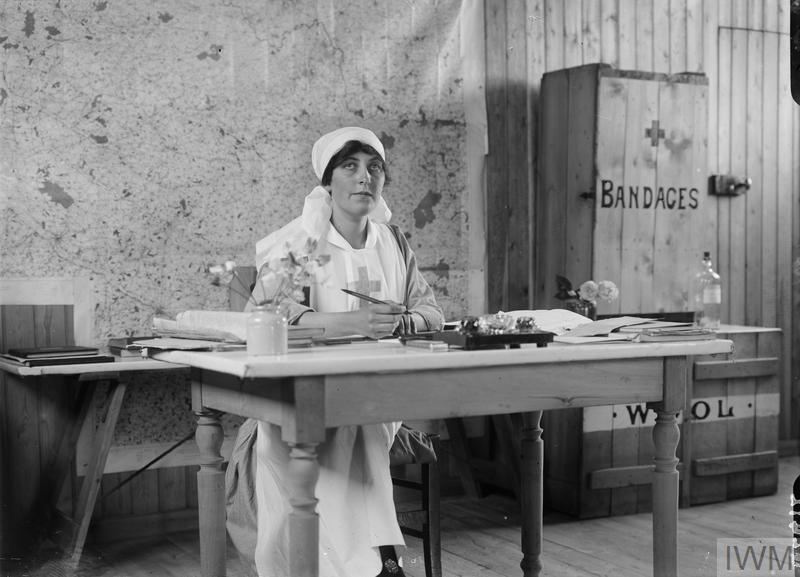
In recent years, the wartime service of civilians near the battlefields of the Great War has been highlighted by histories of the organisations with whom they worked. Historians such as Geoffrey Reznick and Michael Snape have worked to explain how and why voluntary-aid organisations such as the Young Men’s Christian Association (YMCA) sought to care for servicemen’s well-being wherever they were fighting. The service of hundreds of men and women who worked along the lines of communication, in camps, ports, hospitals and by prisoner of war camps, should be more visible in the war’s histories. These workers fulfilled the roles which military authorities were unable or unwilling to do. They were proud to have shared similar dangers and deprivations to those bearing arms, although they were not permitted to wear any uniform or identifying insignia until late 1917.

Leave a Comment

Nordic Media Histories of Propaganda and Persuasion

Reviewed by Edward Corse

Nordic Media Histories of Propaganda and Persuasion, edited by Fredrik Norén, Emil Stjernholm and C. Claire Thomson, is a welcome addition to the historical literature on the topic of propaganda. The book, published by Palgrave Macmillan, is Open Access and well worth downloading here to explore issues around propaganda and persuasion in a Nordic setting. The book stems from a conference held in the summer of 2020 in hybrid format hosted by Lund University. I attended this fascinating conference virtually and I am excited to see the final result of the work the convenors and contributors have compiled over the past couple of years. Written in English, the 18 authors are largely based in the Nordic countries themselves, with two exceptions: Nicholas J. Cull (University of Southern California, USA), who has written one of the afterwords; and one of the editors, C. Claire Thomson (UCL, UK).

Leave a Comment