
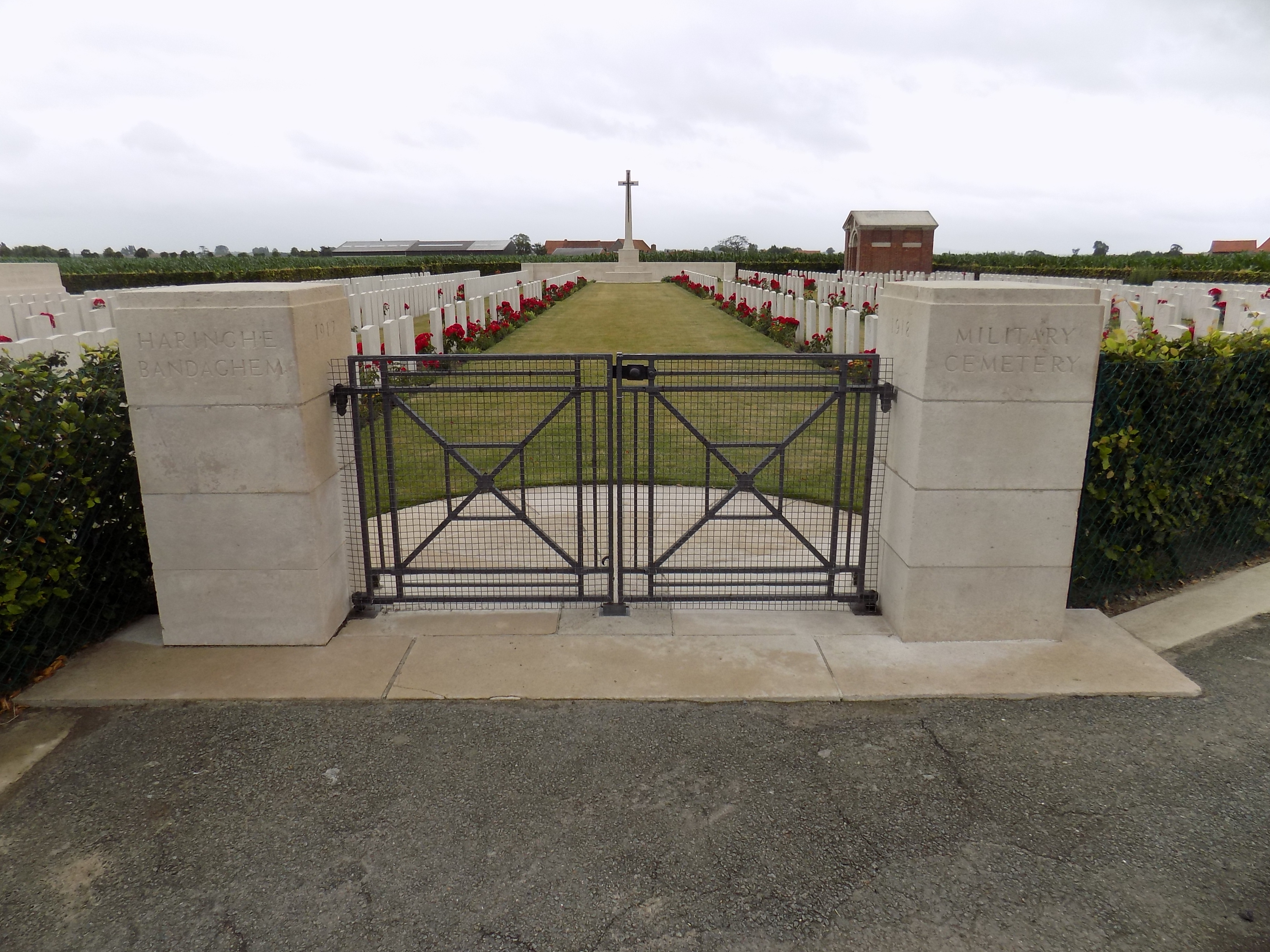
Written by Mark Connelly I first visited a Commonwealth War Graves Cemetery when I was sixteen years old. It was Dud Corner Cemetery and the Loos Memorial in France. I can remember the moment vividly. Having developed a deep interest in the First World War, I was on my first battlefield trip. Although my reading had made me aware of the work of the Commission, nothing prepared me for the beauty, calm and dignity of…
Leave a CommentMunitions of the Mind Posts
Written by Laura Waters
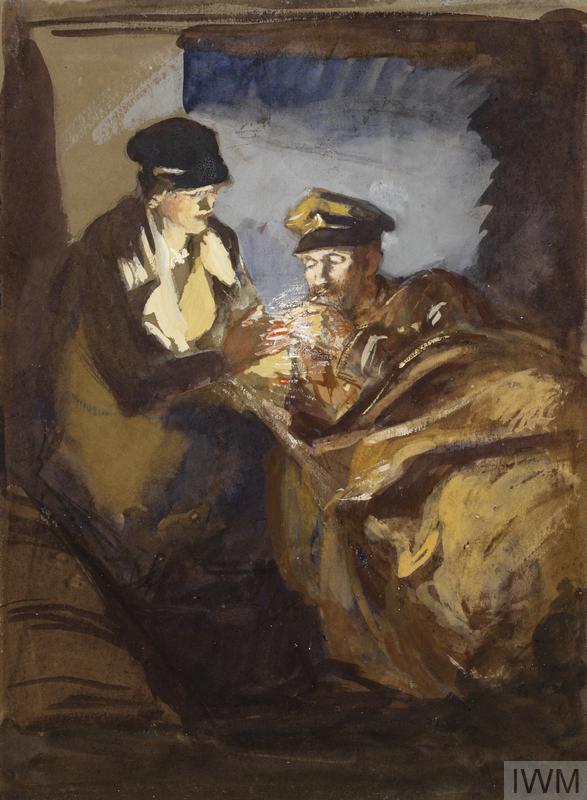
People have been drawing people for millennia. Art is crucial to how we perceive ourselves, it both forms us and we form it. So when we think about identity during wartime, especially masculine identity as it relates to the male body, art is a vital source, often giving us as much information as written primary documents. Going into the Great War, we know that masculinity and gender expression were sometimes hotly contested in British society. The rise of eugenics, the classical body aesthetic, and the numerous debates over sports and exercise in schools all pushed and pulled at an ideal image of the male body, cementing its importance to one’s masculinity. As an added concern, men were expected to fulfil the role of heterosexual patriarch, to be domestic, to emote (but only within specific parameters).
Leave a Comment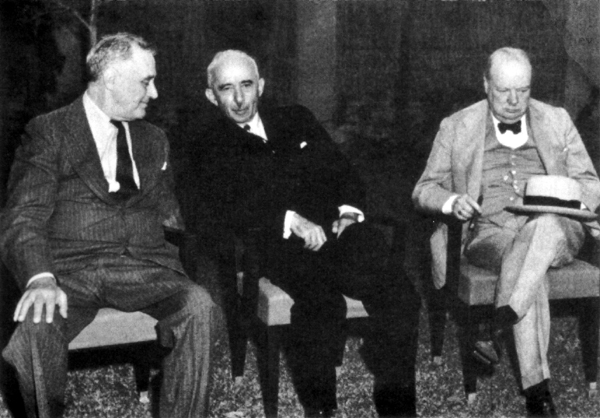
Reviewed by Edward Corse
The Second World War produced some intriguing quasi-conflicts amongst the much larger and better-known battles of that period. Onur İşçi’s analysis of the relations between Turkey and the Soviet Union at that time carefully plots out one such fascinating story – one that is understudied and often misunderstood.
Leave a Comment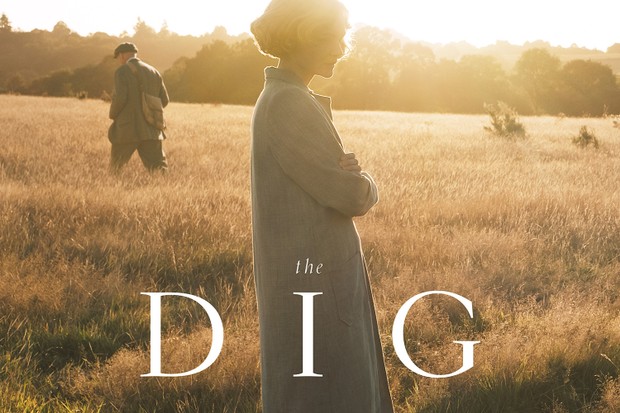
Reviewed by Oliver Parken
The sleepy Suffolk village of Sutton seems an unlikely backdrop for a major feature film. The Dig, starring Carey Mulligan, Ralph Fiennes and Lily James brings a true story well known to Sutton’s locals to the big screen for the first time. Based on John Preston’s literary adaptation of the same name (2007), The Dig recasts one of the most significant archaeological discoveries of the twentieth century on British and European soil––the excavation of a Dark Age ship, packed with a priceless collection of treasure, in the late-1930s.
Leave a Comment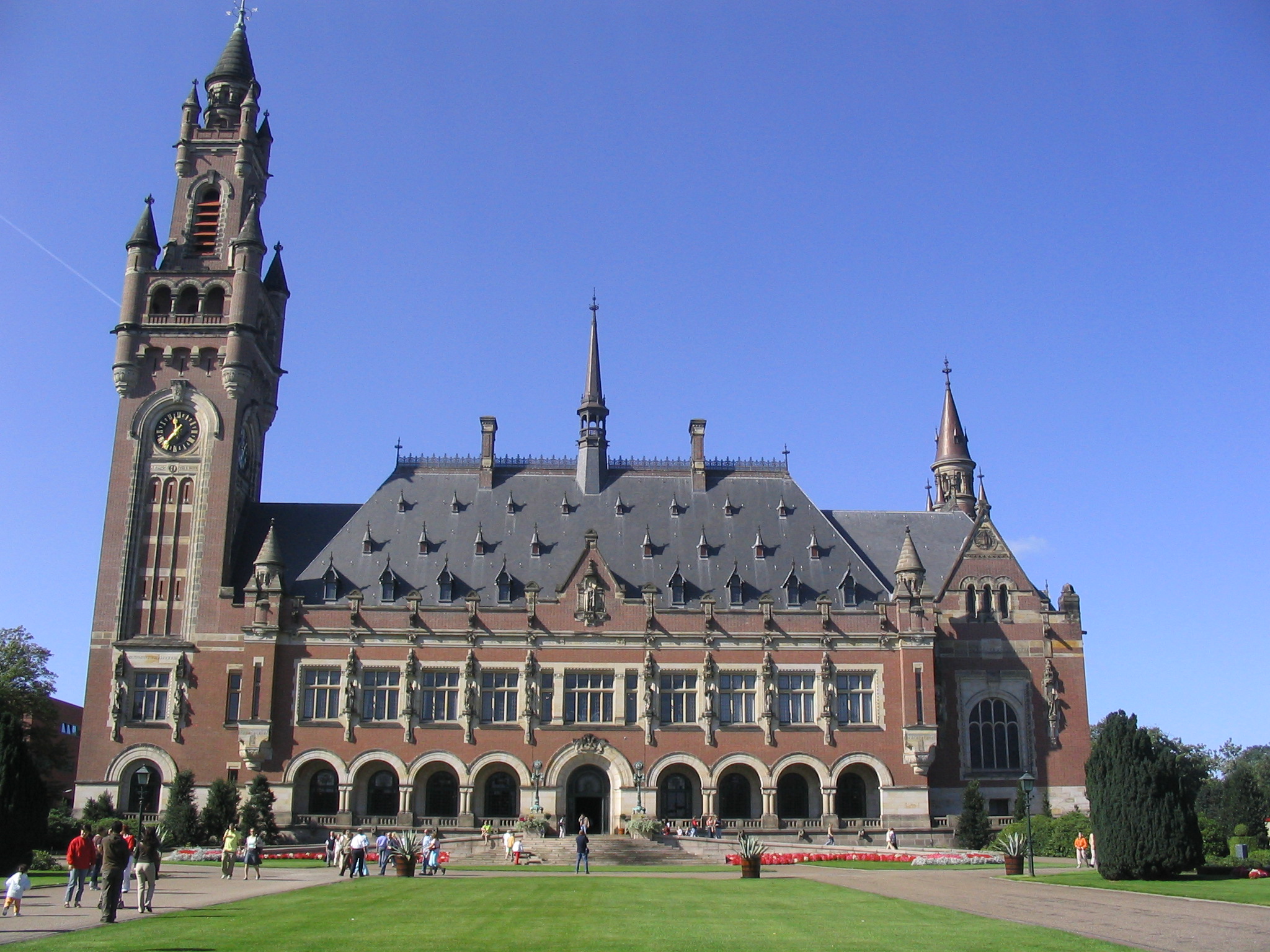
In the history of warfare, neutrals rarely feature. When they do, they tend to be relegated to the peripheries, as marginal characters in a belligerent drama that takes centre stage. Unsurprisingly, then, ‘Neutrality Studies’ is not a well-established academic field, although there are more than a few scholars who specialise in neutrality. Still, no academic journal is dedicated to the subject, and no Anglophone academic publisher specialises in the field.
Leave a Comment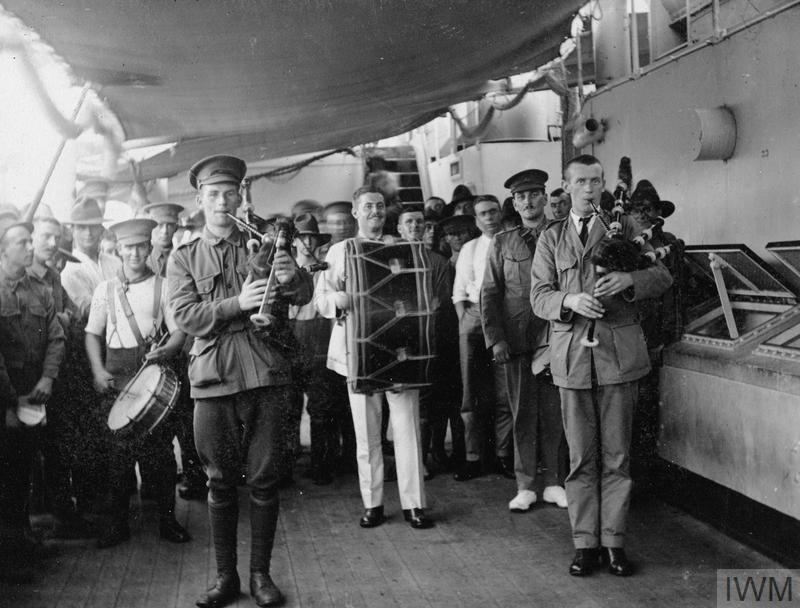
Reviewed by Dominiek Dendooven
While reading Sounds of War I was reminded of my late grandma. Born in 1908, she spent the war years in Café Transvaal near the station of Poperinghe, next to a large storage hall. Maybe this was the very same place the Guards converted into a theatre, as related by Emma Hanna in her fine book. Much chance then that the child later to become my granny witnessed British army bands performing there. Anyway, ‘oma’ often recollected how the British troops marched towards Ypres preceded by a band and singing loudly, adding: “But when they returned from the trenches they were no longer singing. Oh no”.
Leave a Comment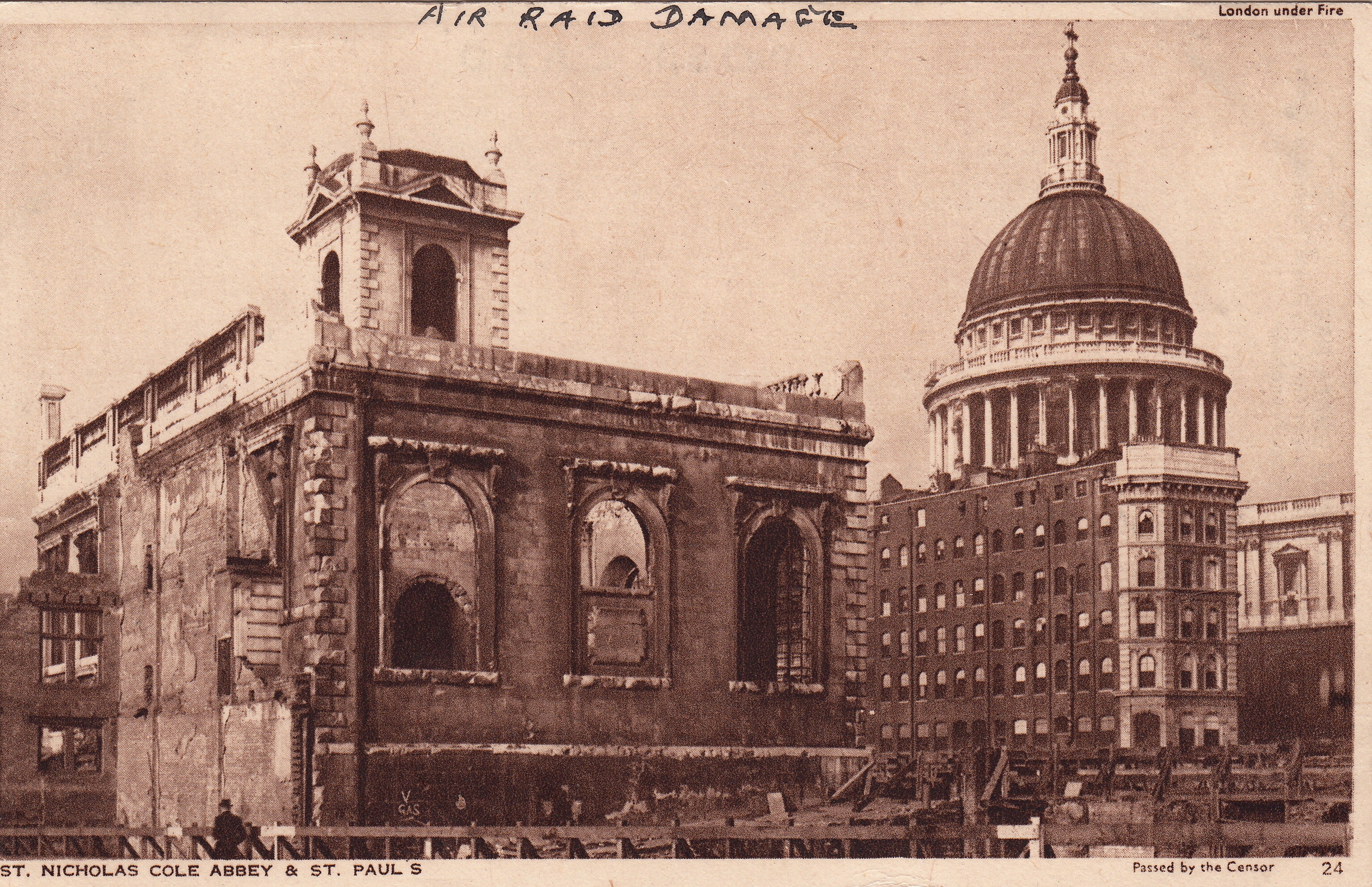
Reviewed by Oliver Parken
Memories of Britain’s war continue to soothe a fragile national psyche. Brexit and the Coronavirus pandemic, two of the greatest political challenges in living memory, have often been unambiguously linked with the myths of Britain’s war. Given the recent turn to the right in mainstream British politics and the conservative underpinnings of Britain’s war memory, politicians and commentators draw freely from the past to provide stability in the present. Britain ‘stood alone’ in forging a Brexit deal as it did against continental Europe in 1940. Beating Covid-19 demands a pulling-together and sacrifice of civil liberties of society reminiscent of the ‘Blitz spirit’ (itself part of a larger, more egalitarian framing of the war which nonetheless feeds into right-wing narratives).
Leave a Comment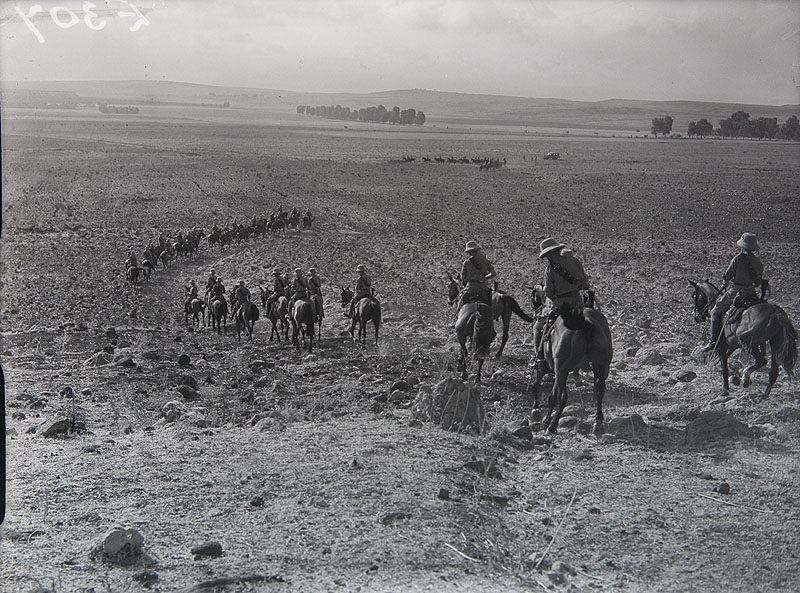
Written by Philip Boobbyer.
The collapse of the Italian empire in North and East Africa in 1940-41 created a major headache for British administrators, even while it was a great success for the military. Policymakers had to come up with a way of controlling vast, far-flung territories in a rapidly changing situation. There were only a tiny number of competent people available to manage negotiations, run the finances and police the rule of law. This kind of problem was nothing new for an advancing army. It is one thing to win battles, another to govern defeated territories efficiently in a time of transition.
Leave a Comment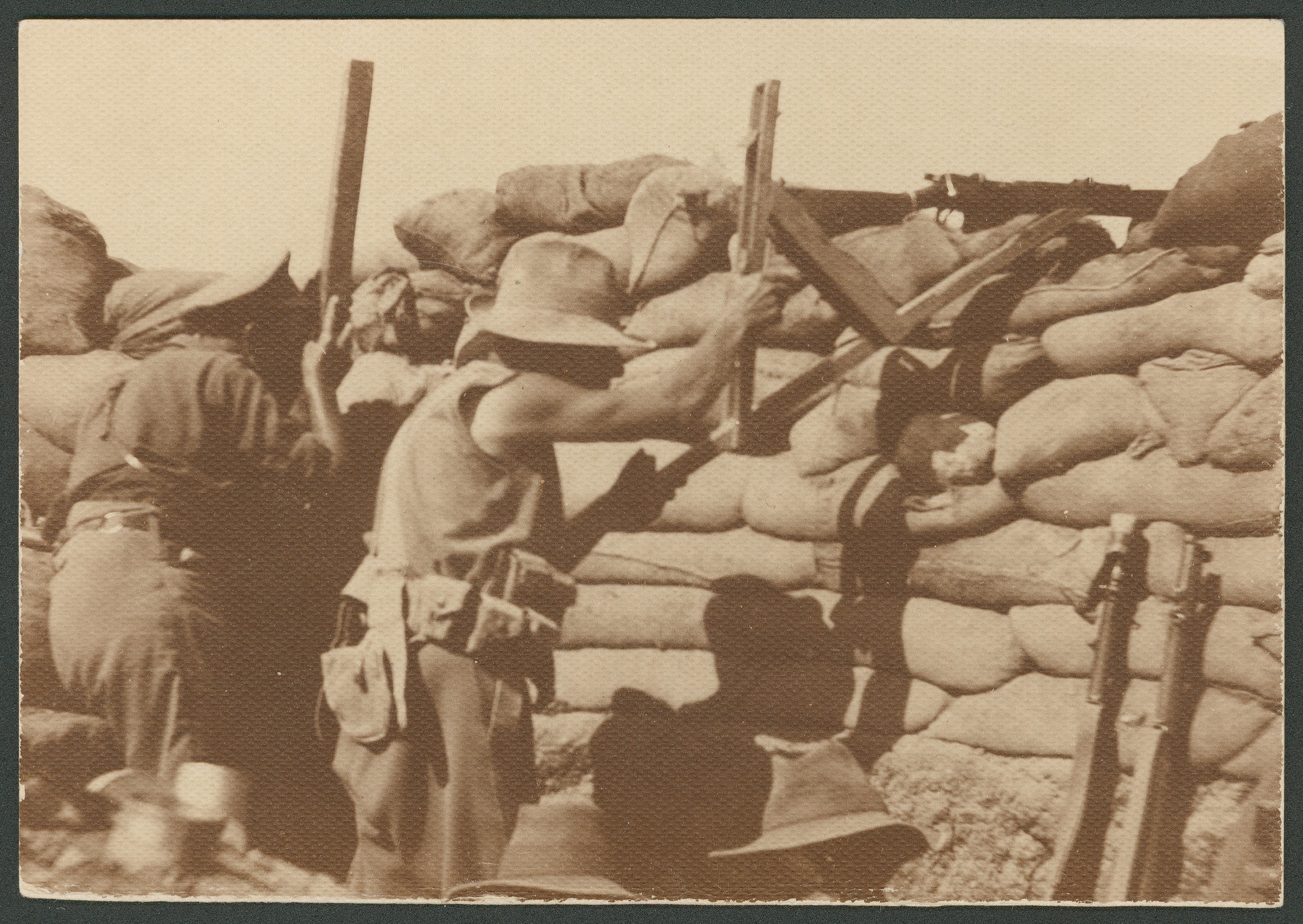
Written by Julian Daggett.
General Allenby, as Basil Liddell Hart observed, was something of an enigma. In the public eye he became both a great and popular First World War general. His war, however, did not start well. The official historian, James Edmonds, held that his career in France was one of ‘gross stupidity’. Allenby was a cavalry officer; at the outbreak of the war he commanded the Cavalry Division and – by late 1915 – Third Army. He also commanded a fearsome reputation, being known as ‘the Bull’ – a rough, headstrong general who just butted forward in a blind sort of fashion. The initial, tactically impressive, triumph of Third Army at The Battle of Arras (1917) almost changed Allenby’s reputation on the Western Front. But the triumph was short-lived; the fighting soon turned into the familiar attritional grind and Allenby reverted to type. Three of his divisional commanders broke ranks and complained to Haig about Allenby’s murderous orders. In June 1917 Allenby was recalled to Britain.
Leave a Comment
Reviewed by Will Butler.
This edited collection, which covers a diverse range of inter-related subjects, is a triumph, and a welcome collection to the study of the use of propaganda during the Second World War. It brings together a diverse range of scholars (both established and early career), who all tackle their subjects with aplomb, taking the reader on an exploration of their individual areas of study, without losing sight of the overall theme of the collection.
Leave a Comment