
Skip to content

Tag: Education

Overlooked but not Overwhelmed: Lower Middle Class Experiences and Legacies of the First World War

Written by Andrew Whittaker

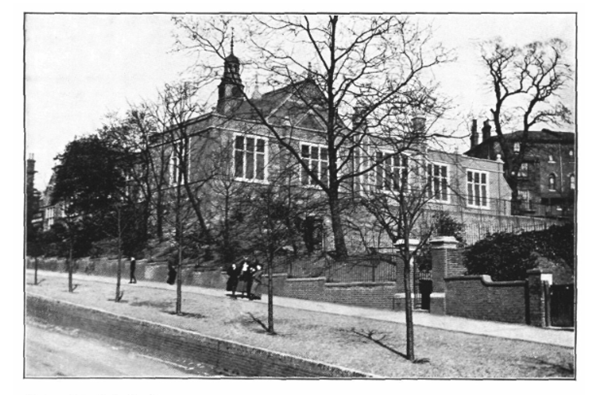
Many of the narratives surrounding British First World War experiences and legacies of service in the armed forces are derived from one of two contrasting class-based perspectives—the social élite or the working classes. The former made up an extremely small proportion of the pre-war male population, the latter a large majority. The experiences and legacies of the lower middle class (who, according to the social stratifications of the time, were situated in between) have been largely overlooked. These were the white-collar salaried employees and the shopkeepers and other small businessmen who comprised a significant one in five or so of the pre-war male population. A longitudinal study from birth to death of the 1350 largely lower middle class men eligible for service in the war who had attended Colfe’s Grammar School, Lewisham, reveals some alternative narratives.

Leave a Comment
Mapping the Future: The Diercke Atlas in the Third Reich

Written by Mike Anderson.

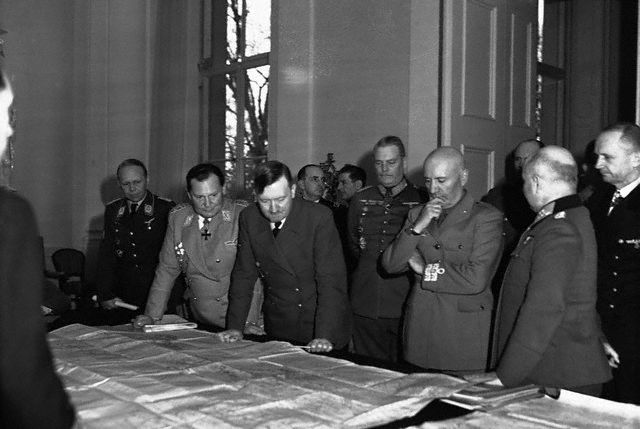
Cartography has only become a tool for historical research in the past few years. Traditionally, geography and history have been separated – the old adage ‘geography is about maps, history about chaps’ meant that there were few interdisciplinary crossovers. However, in recent scholarship maps have begun to be viewed as tools to understand the worldview of historical cultures and historical actors in and of themselves. When applied to Nazi Germany, this new perspective on cartographic agency reveals a hitherto largely ignored method of instilling propaganda. This article examines how the portrayal of the conquest of Lebensraum in Eastern Europe in geography classrooms and the Diercke Schulatlas für Höhere Lehranstalten, the most popular German school atlas, eclipsed any scholarly or factual analysis of the area.

Leave a Comment