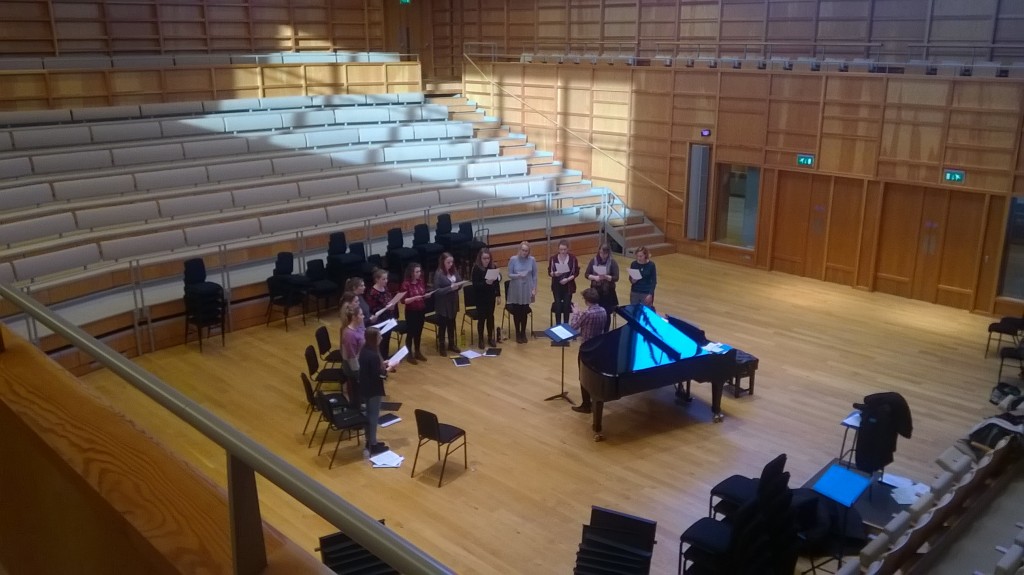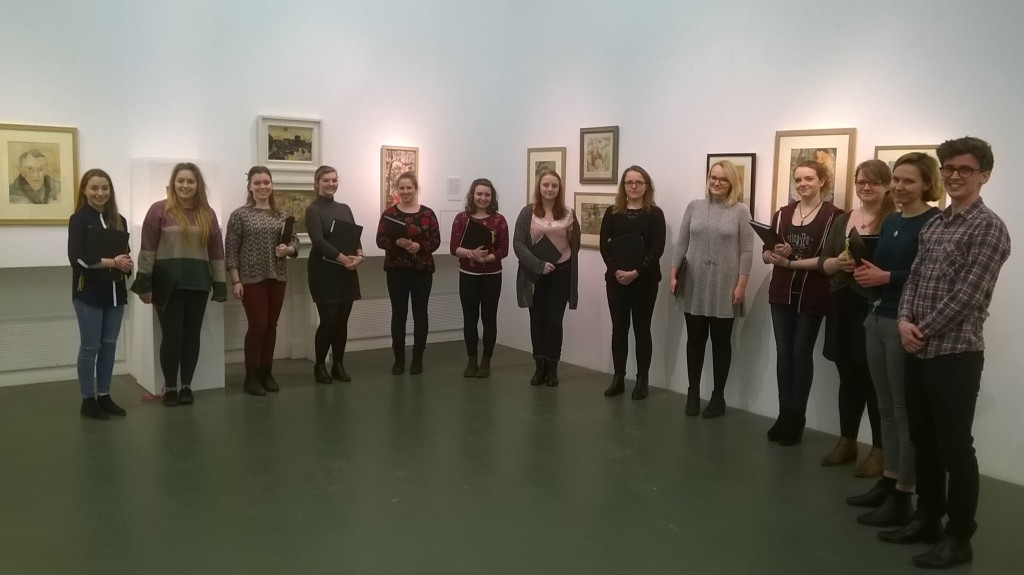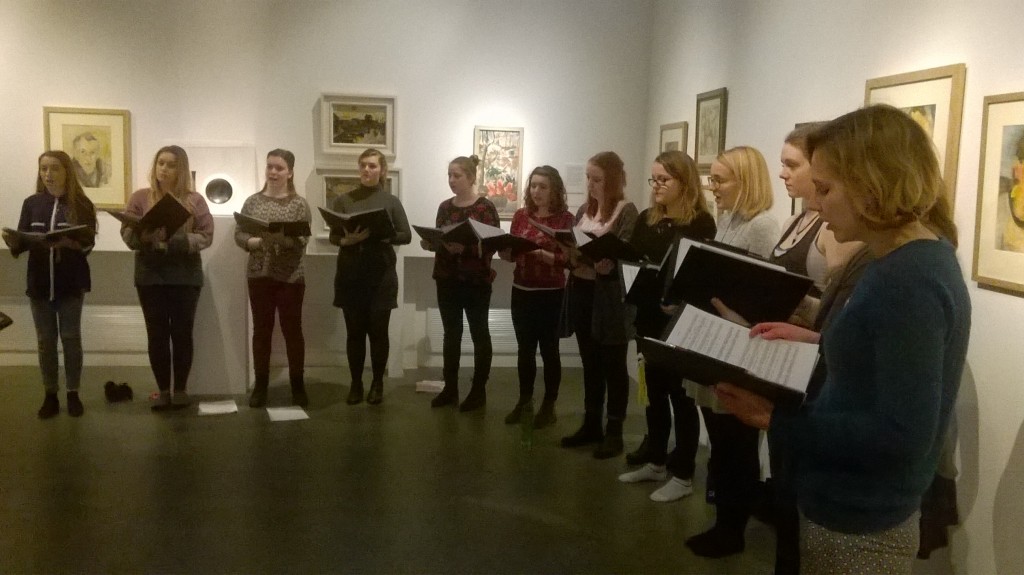
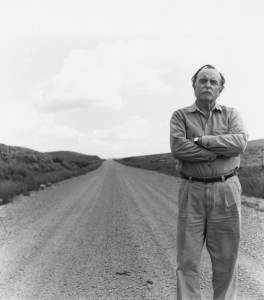
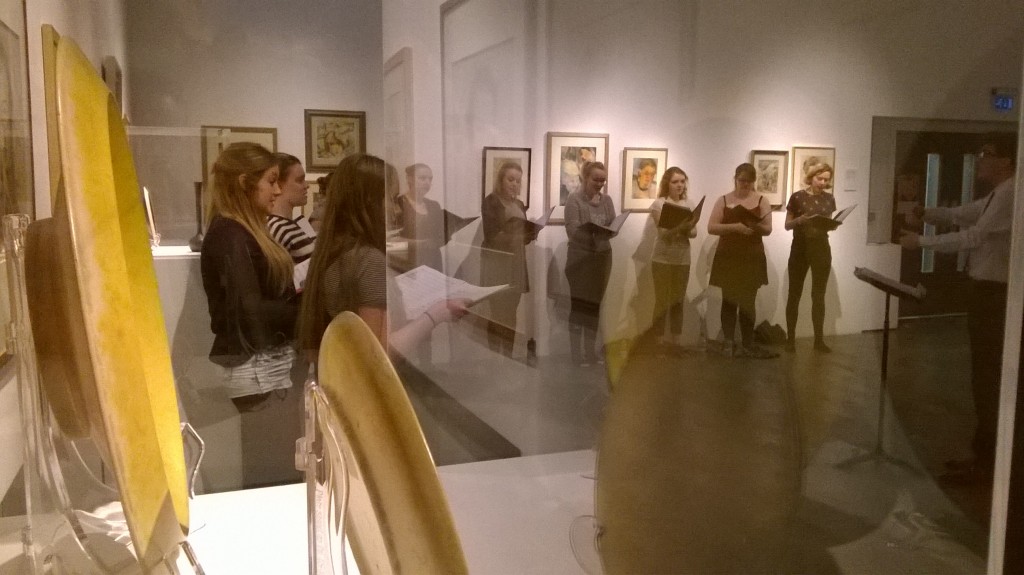
The #EarBox series in which music speaks to visual art – and vice-versa – returns next week to Studio 3 Gallery on Weds 18 May with a short musical ‘happening,’ centred on Alvin Lucier’s otherworldly Unamuno, in which four semitones are articulated in a changing sequence; this focused pitch-collection, which is presented in twenty-four different patterns, creates an intense yet beautiful soundworld, which promises to be something remarkable, with singers spaced around the gallery’s sonorous acoustic
The short programme juxtaposes ancient and modern music, opening with twelfth-century plainsong and Cornysh’s meditation on love and fidelity, Ah Robin, and finishing with a dramatic re-telling of the Song of Roland, an epic poem written sometime between 1040 and 1115, based on the Battle of Roncevaux in 778, featuring Cory Adams on percussion. Staying with the Norwegian theme, Lillebjørn Nilsen’s haunting, lilting contemporary piece, Danse, ikke gråte nå (Dance, do not cry now), has echoes of old folk-song, with drone harmonies beneath a skirling melody.
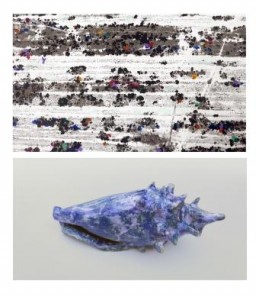 The backdrop to the event will be a new exhibition of works by Philip Hughes devoted to the strange landscape of Dungeness, including paintings, prints and photographs, as well as a special garden installation made in collaboration with the ceramist, Psiche Hughes (more details here).
Admission to the event is free, and the performance will last twenty minutes. Join Minerva Voices to hear Lucier’s unique piece amidst the new exhibition in Studio 3 Gallery .
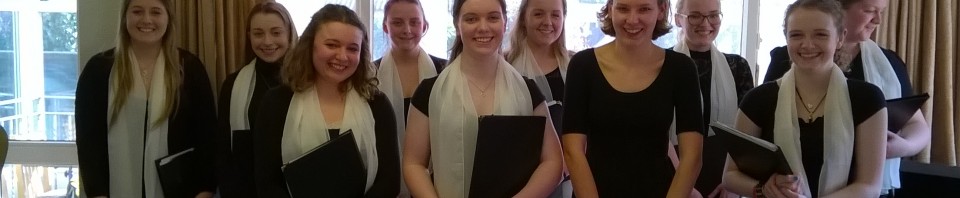
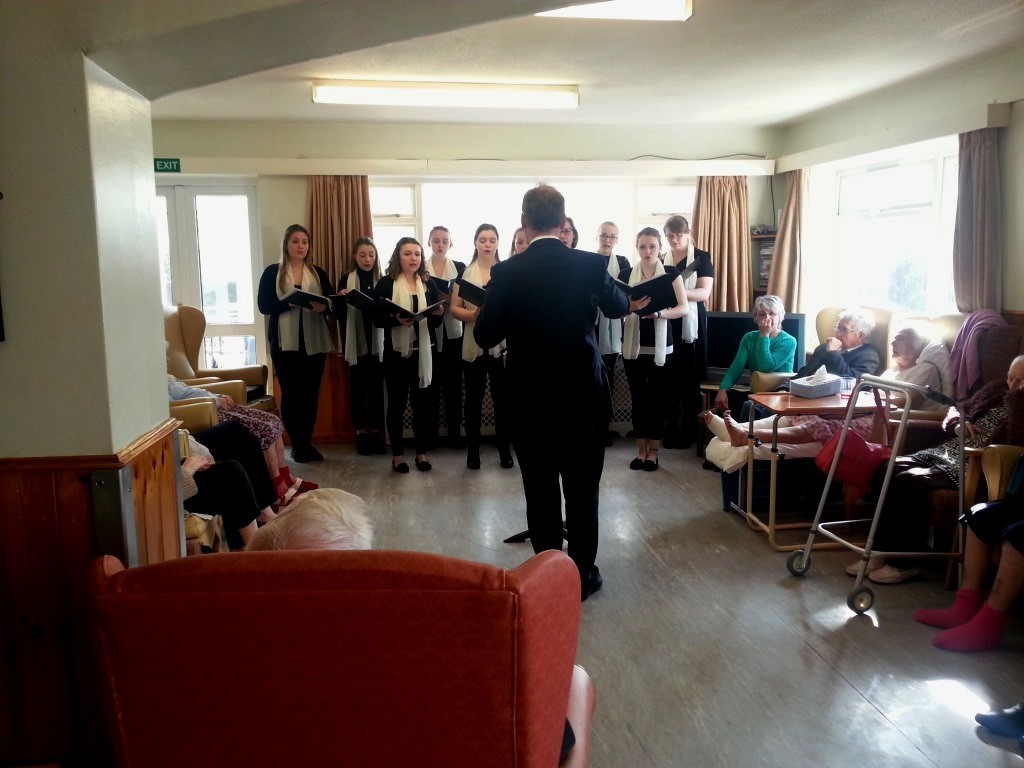
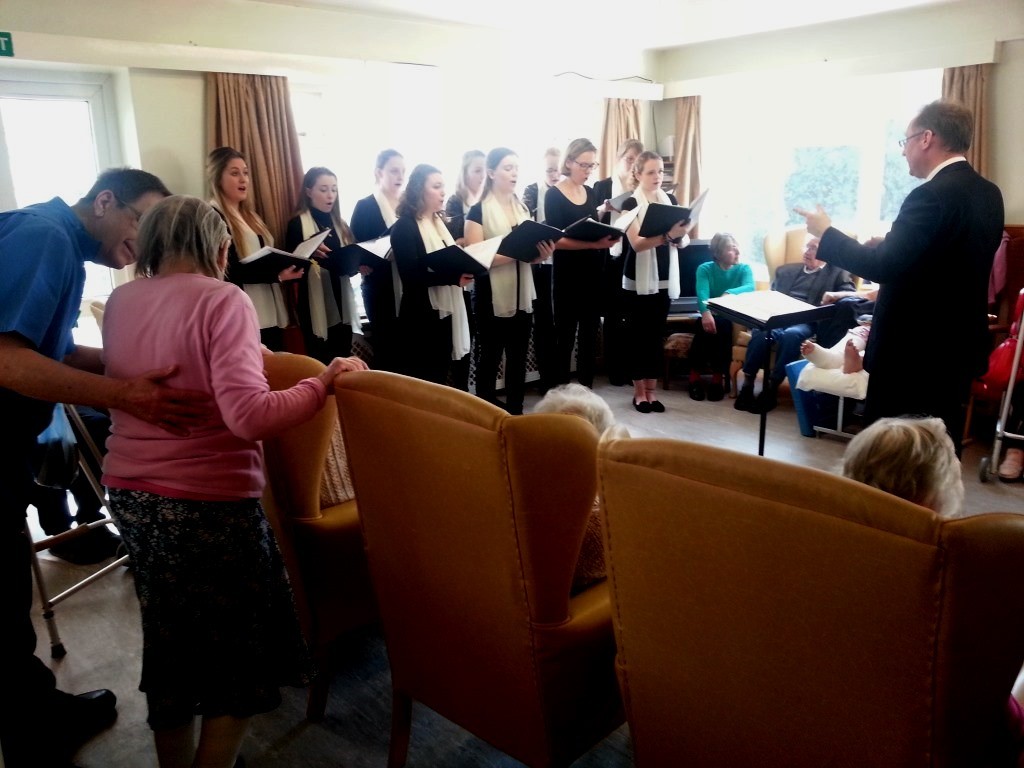
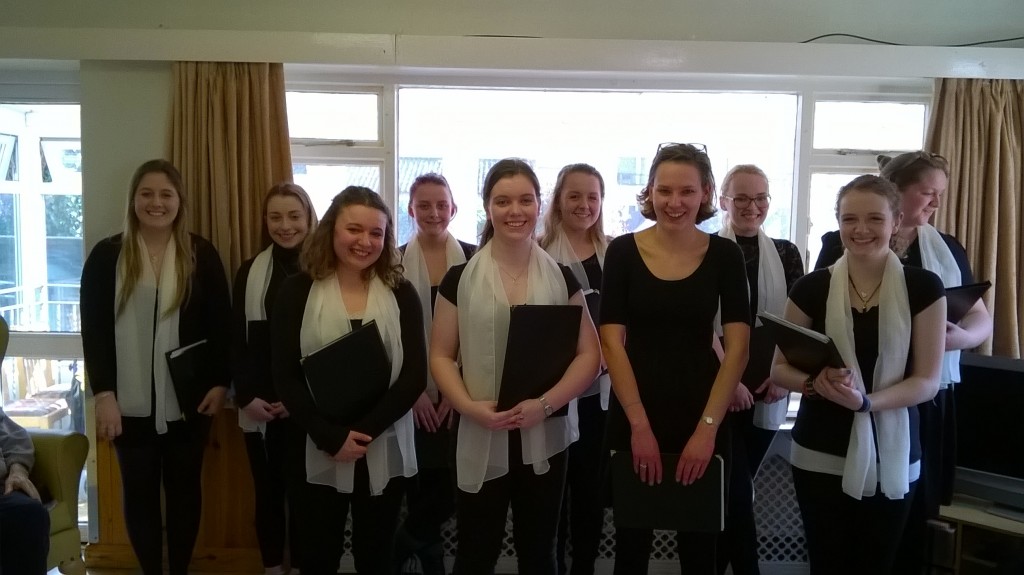 Thanks to Sarah and the team at the home for their hospitality; it was a pleasure to come and sing!
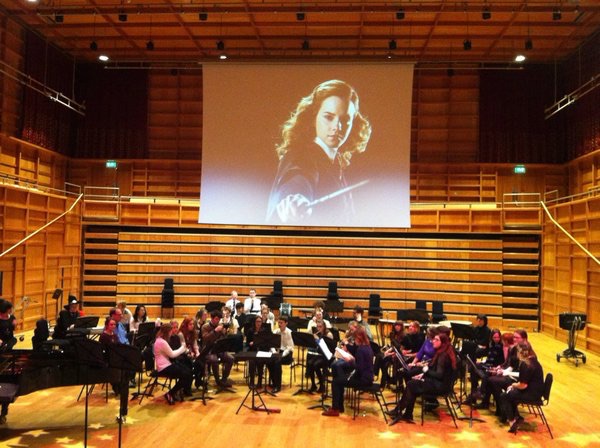
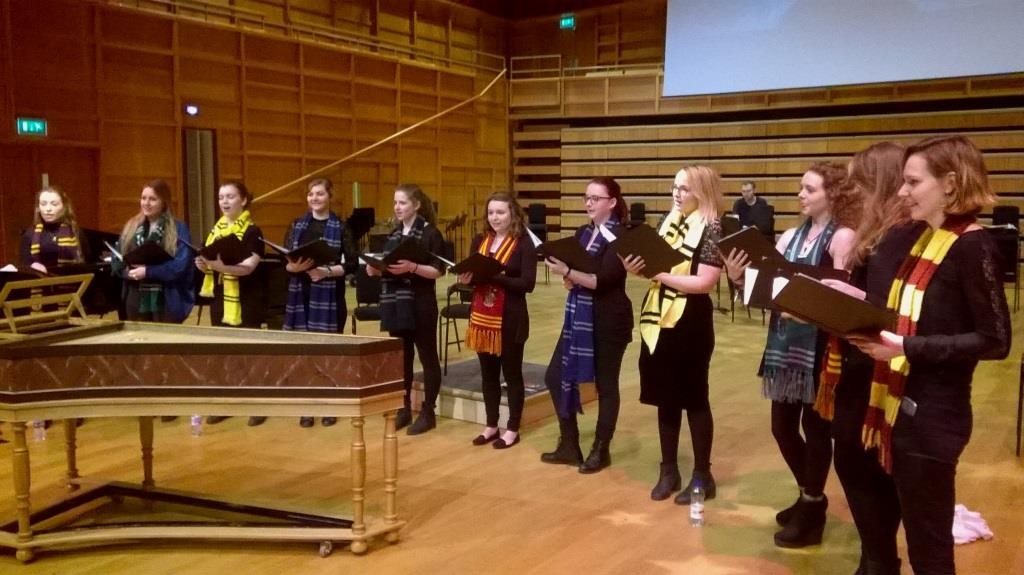
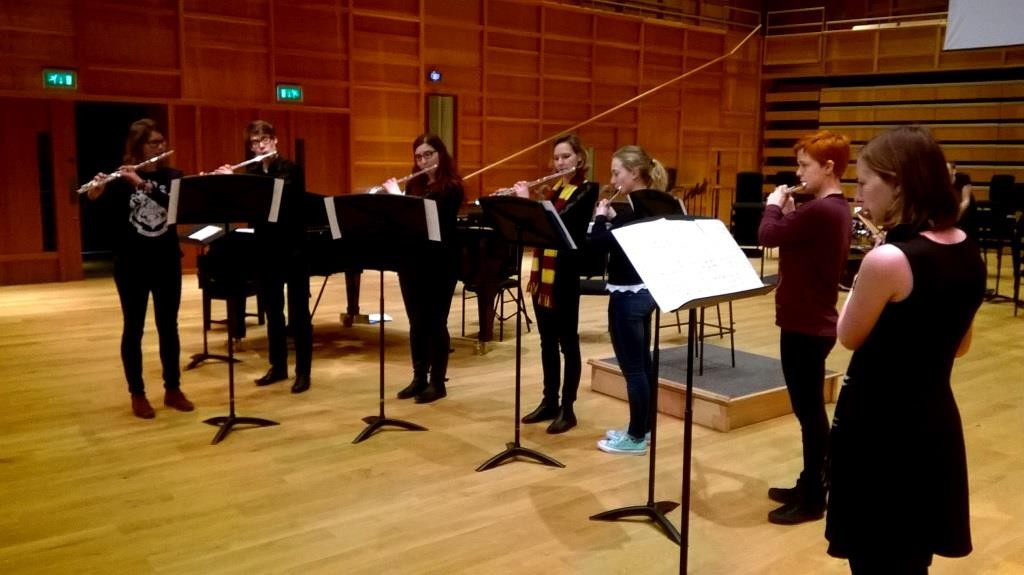
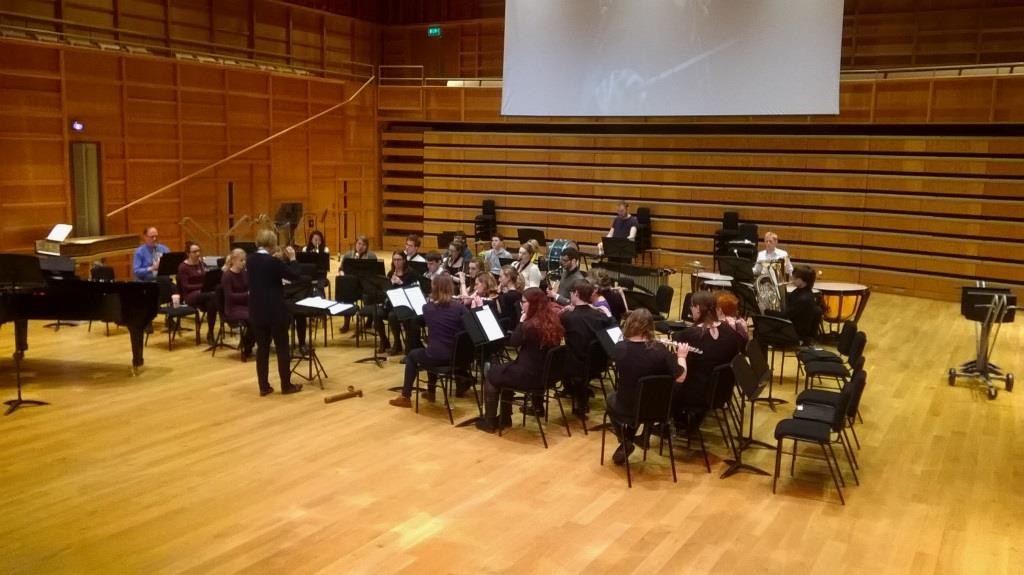
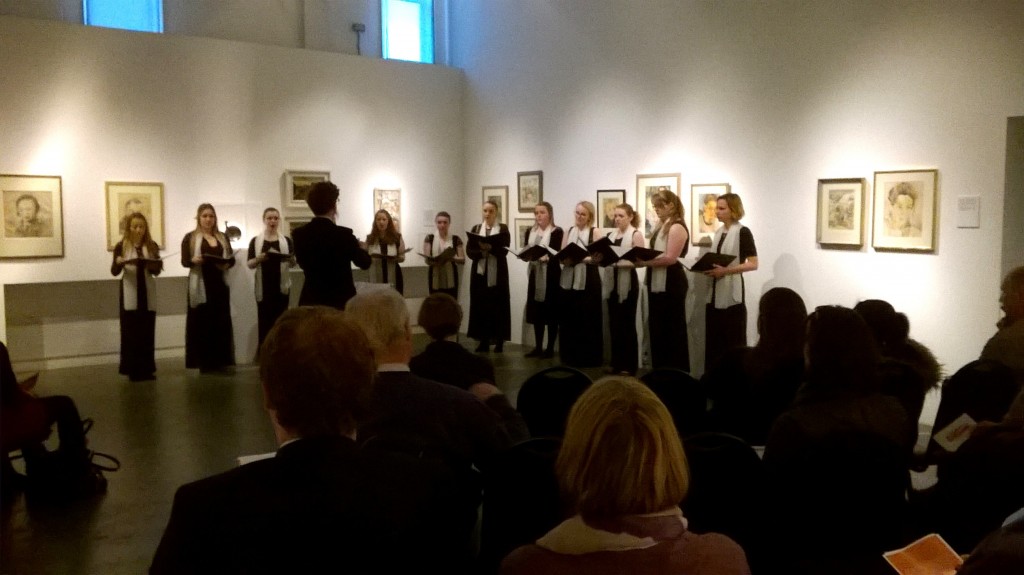
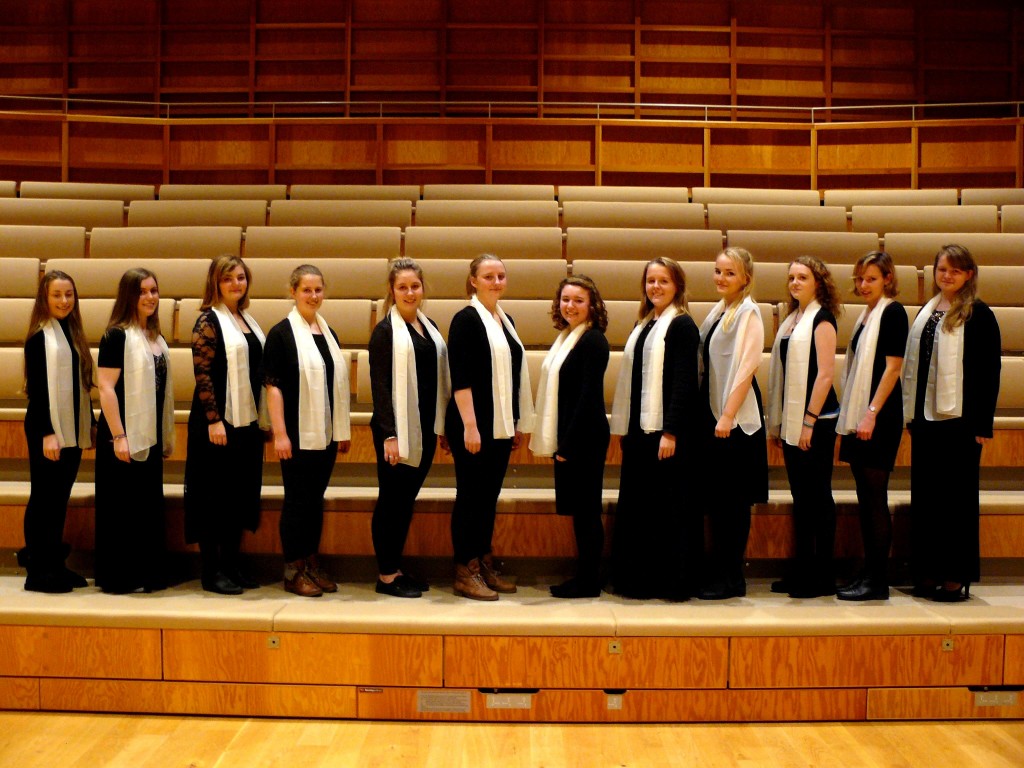 Fresh from its concert at Studio 3 Gallery last week, the University’s auditioned upper-voices chamber choir will bring the Crypt to shimmering life on Friday 26 February with Vivaldi’s masterpiece, in a programme that also explores repertoire from the medieval to the present day. The first half of the concert will include works by Hildegard von Bingen, Mozart and Brahms, as well as Veljo Tormis’ filigree Spring Sketches and Bob Chilcott’s radiantly colourful Song of the Stars. It’s a terrific opportunity to hear Vivaldi’s radiant, celebratory Gloria in an upper-voices edition which may well have been familiar to audiences during Vivaldi’s lifetime, written as it was for the young voices of the Ospedale della Pietà in Venice.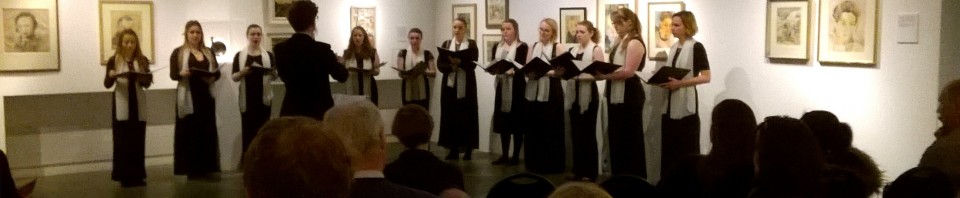
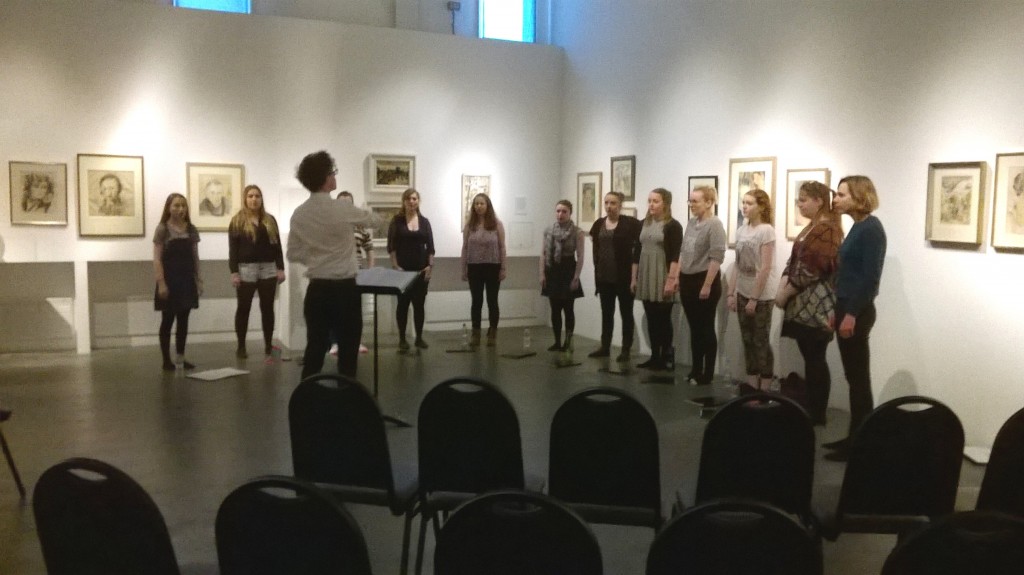
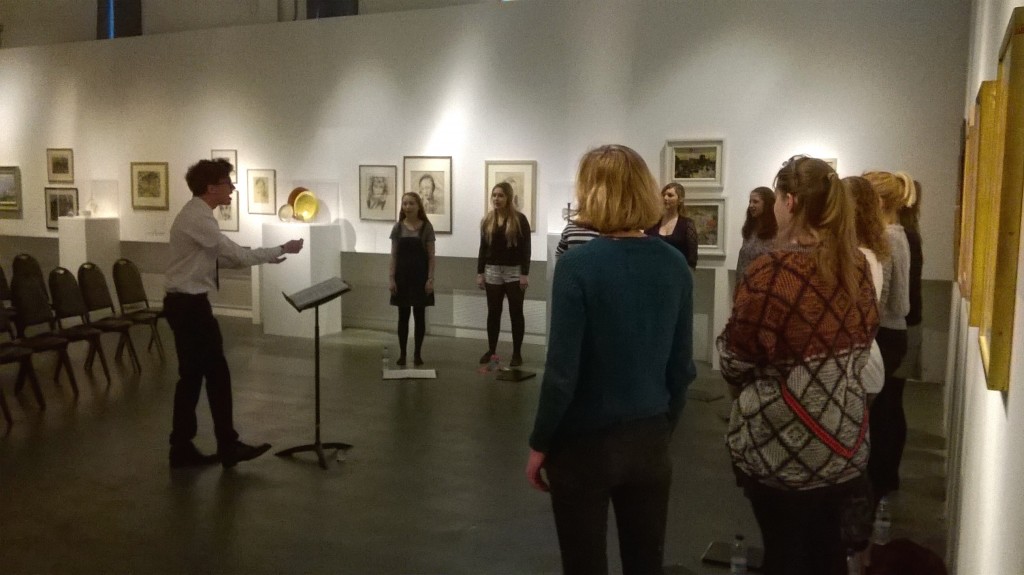
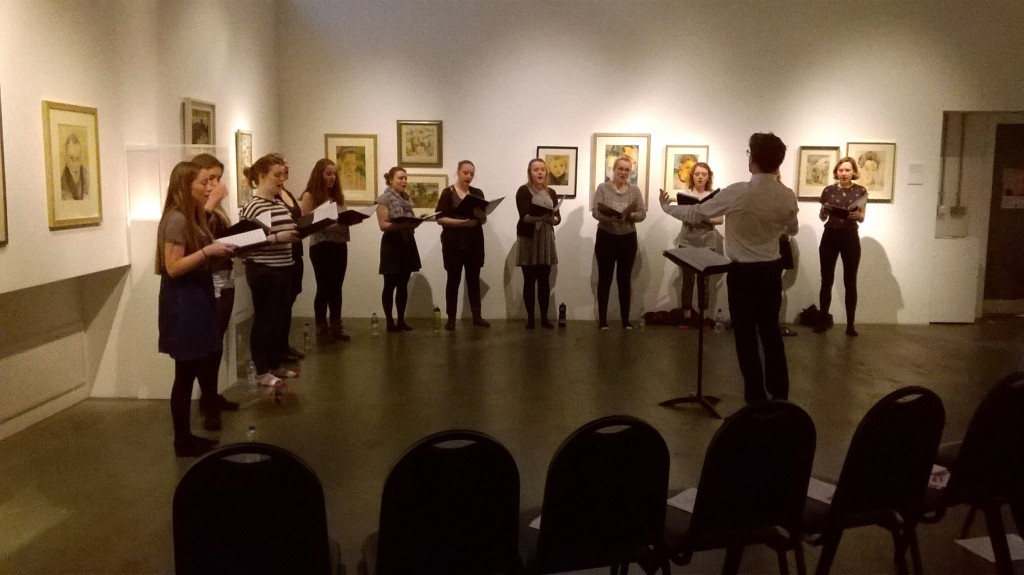
 If you missed them, then the choir will be back in action in two weeks time, on Friday 26 February, when it gives its annual performance in Canterbury Cathedral Crypt in a programme which includes Vivaldi’s bright and shining Gloria.
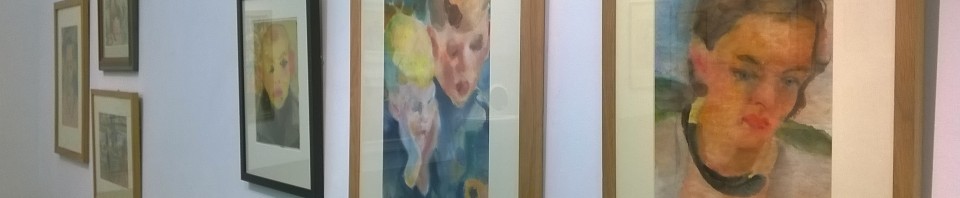
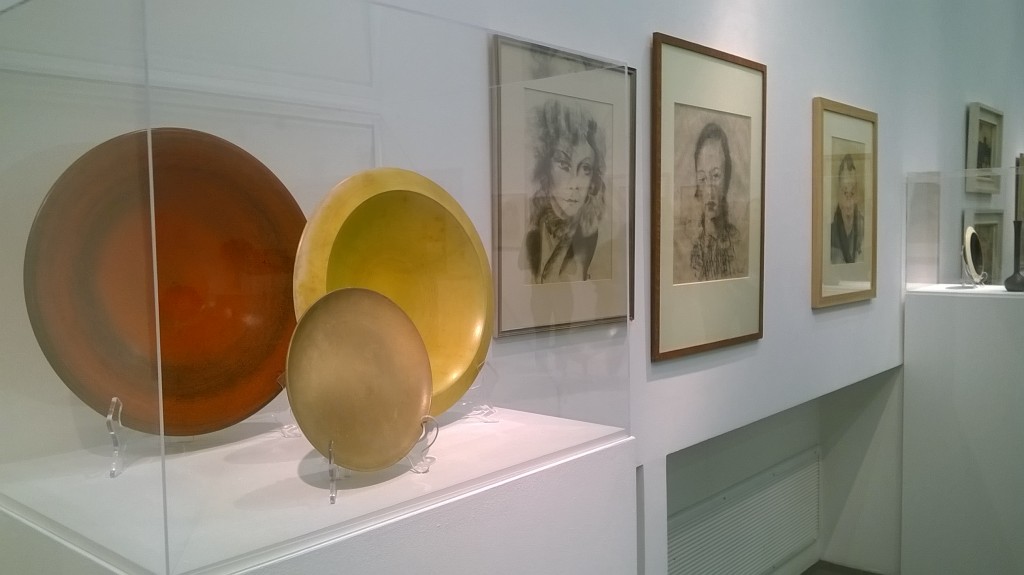 Fleeing the country and re-locating to England, the Bauhaus-trained Grete Marks had to sacrifice her successful pottery factory – all her pottery and paintings that were left behind were either lost or destroyed. Kurt Schwitters, a leading figure of the German avant-garde, fled to Norway prior to being interviewed by the Gestapo, eventually also travelling to England where, selling small paintings for small fees, he eventually died in obscurity in London in 1948.
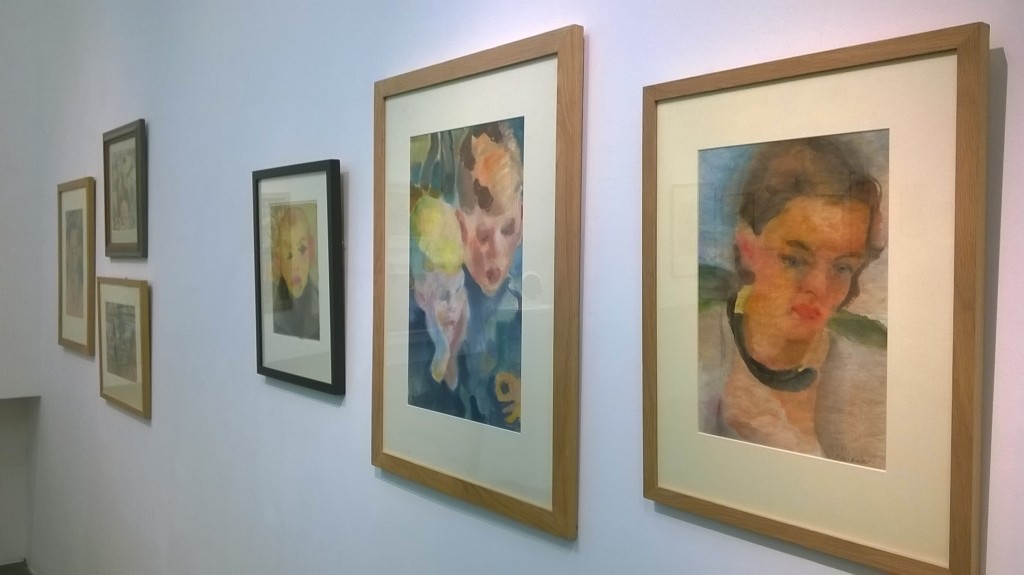 The works on display in the gallery, predominantly pictures and some surviving pottery by Marks, include stark portraiture of friends made in England, as well as landscape views created in the Lake District and Spain. The images speak of loss, the post-emigration portraits looking out at the viewer with a sense of isolation. The floating colours of Two Boys from 1930 have a life and movement absent from stark portraits made after her arrival in England, whilst the landscapes seem to show a desire to engage with and to find a new home – they speak of new efforts to build a connection, a need to continue to create.
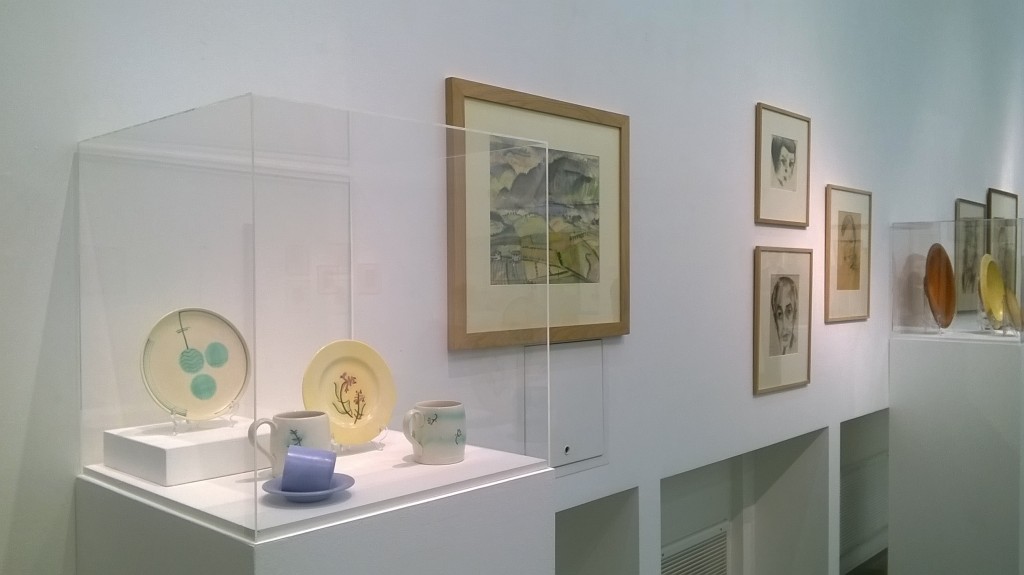 Amidst the mute testimony the exhibition provides, there is a particular poignancy about some of the music in the programme which Minerva Voices will perform at the #EarBox event next week. Gounod’s intimate motet, Da Pacem Domine, ‘Give peace, Lord,’ acquires a greater profundity in the context of the upheaval and terror implicit in the paintings. The medieval Kyrie setting, written by Hildegard von Bingen, sees two creative women looking at one another across the intervening centuries. There is also something especially moving about Brahms’ famous lullaby, Wiegenlied, which bids a moving, poignant farewell;’ Lullaby, good night…Tomorrow morning, if God wills, you will wake once again.’
 The new exhibition reawakens the importance of Marks and Schwitters; come and experience the dialogue between art and music for yourself on Friday 12 February; admission free, more details