 The second volume in the Magnificat series by Andrew Nethsingha and The Choir of St John’s College, Cambridge takes a keen look at settings of the Evening Canticles across the years, from 1932 to 2019 from stalwart composers of the canon in Sumsion and Howells to perhaps lesser-known figures including Sydney Watson (who conducted the first performance of Walton’s epic The Twelve) and Giles Swayne, as well as contemporary titans Arvo Pärt and Julian Anderson.
Swayne’s wonderfully dynamic Magnificat I setting revels in repetition, bearing African influences, pitching glowing upper-voices over repeated lower voices, whilst a radiant ‘Amen’ recedes skywards. There is the usual vigorous, robust setting by Walton, a richly celebratory response to the text’s jubilation. Luminous cluster-chords opens Lennox Berkeley’s meditative, contemplative setting, which pushes ahead with a wonderfully expressive flow, in contrast to Swayne’s rhythmically robust response. Pärt’s hushed, timeless incarnation of the text is filled with a reverential awe in its widely-spaced textures and unhurried pace.
The disc finishes with the challenging, bracing setting by Julian Anderson, written for the college’s 150th anniversary in 2019. His Magnificat is vibrant with polyrhythms and a dizzying web of textures; contrasting lyrical, melodic lines unfold over glowing sustained chords in Anderson’s richly colourful tonal language. In contrast is a sedate, darker-hued Nunc Dimittis – which brings the whole disc to a reverentially hushed conclusion.
The introductory essay by former Archbishop of Canterbury, Dr Rowan Williams, speaks of “these ancient hymns, so redolent of continuities yet so full of radical surprise,” words true both of the canticles and of this absorbing treasury, impeccably performed by St John’s College Cambridge Choir under the direction of Andrew Nethsingha.
Magnificat 2 is released on 16 April on Signum Classics.
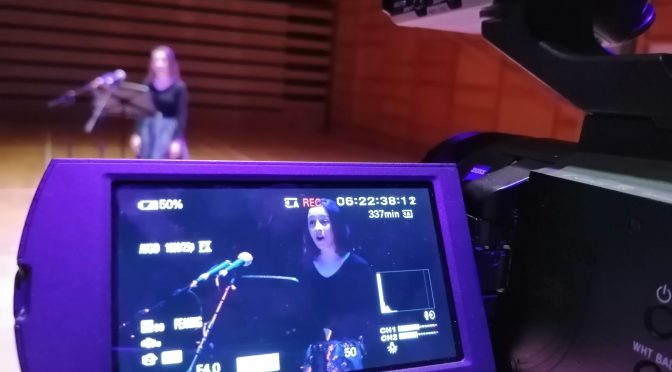
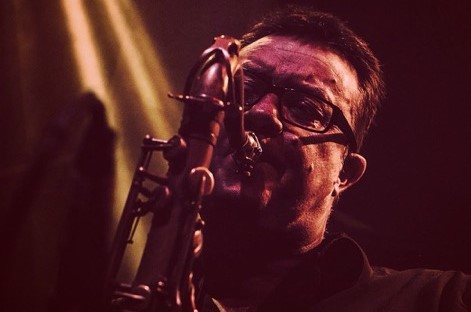

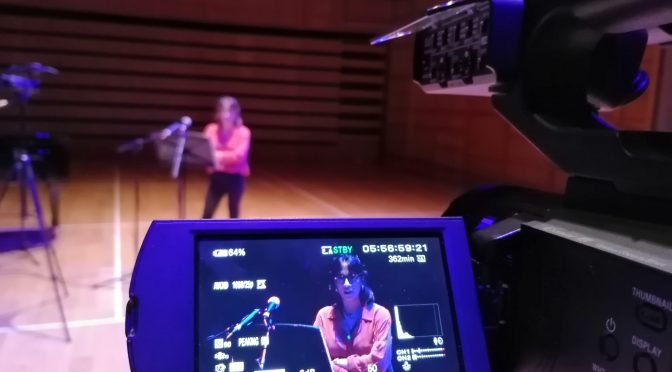
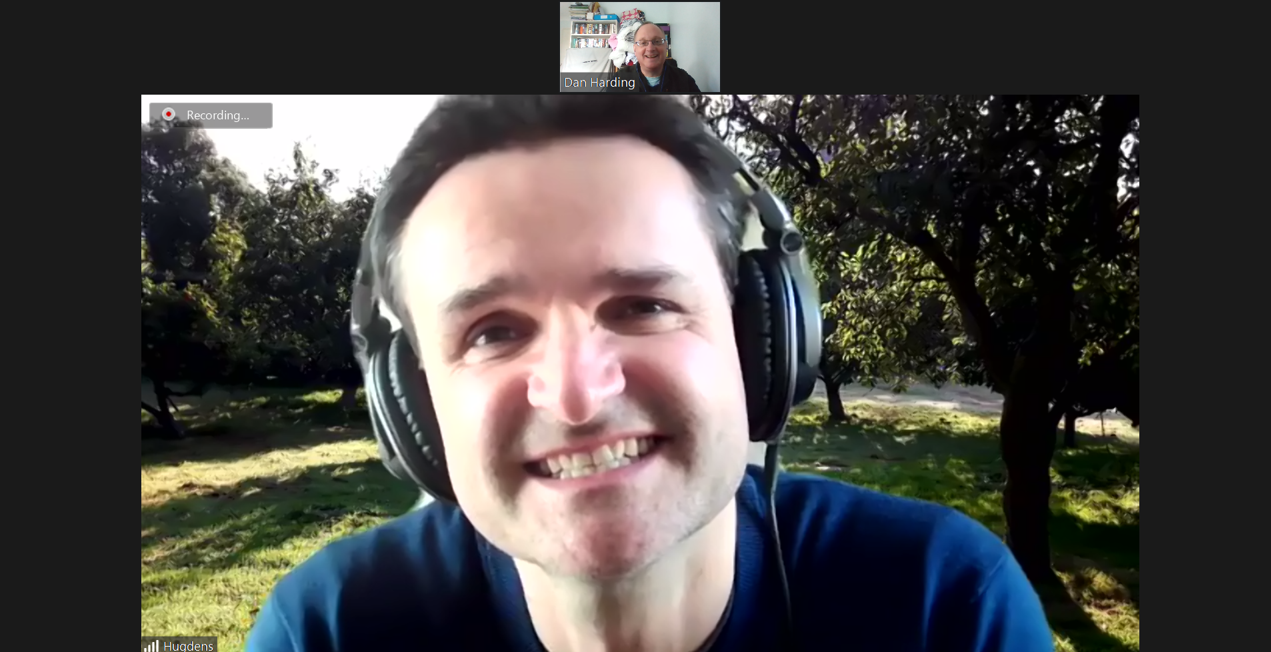 In this first episode, Hugh reflects on the challenges of recording the natural world; the concept of authenticity and being true to the practice of capturing the environment in sound, in single, unedited takes; and similarities between listening to soundscapes and to music, and the idea of defeating time.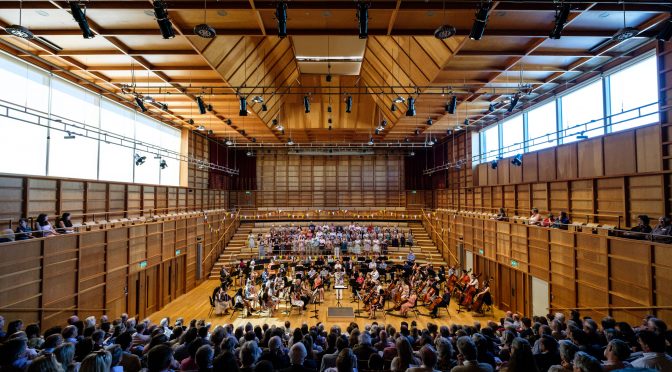
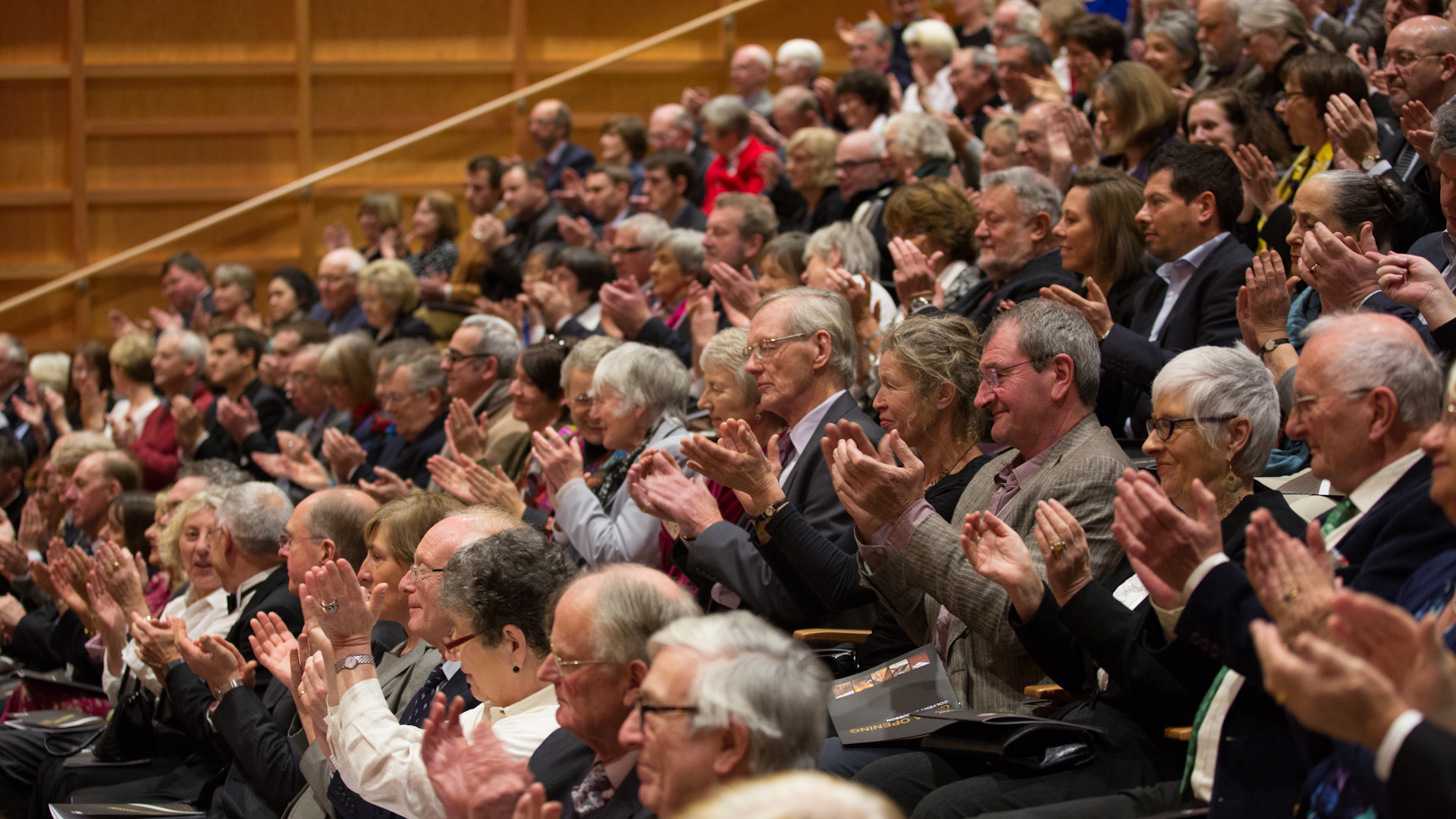
 “Barry’s legacy will greatly enhance the lives of the musical students who pass through the University of Kent,” said Head of Music Performance, Dan Harding “as one of the bequests that generously support the Music department’s activities each year; from concerts on campus and around the region, workshops with professional musicians, exploring new repertoire and keeping the department pianos and instruments in tip-top condition, the legacy is a wonderful gift that will allow the Music department to continue to develop and enrich the lives of students, staff and members of the local community who take part in its activities each academic year.”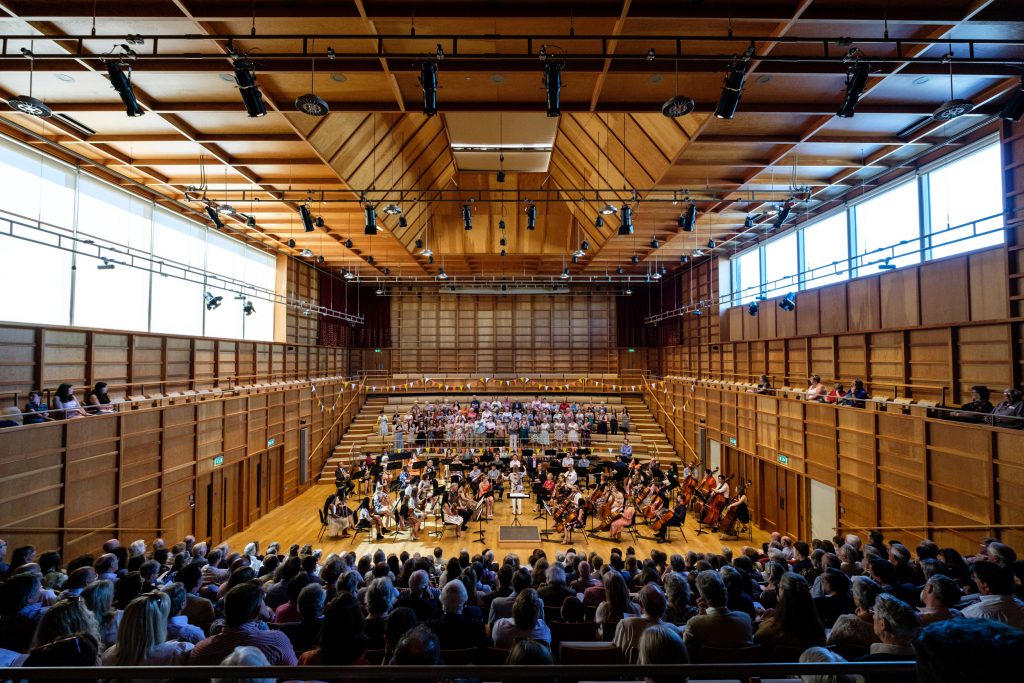
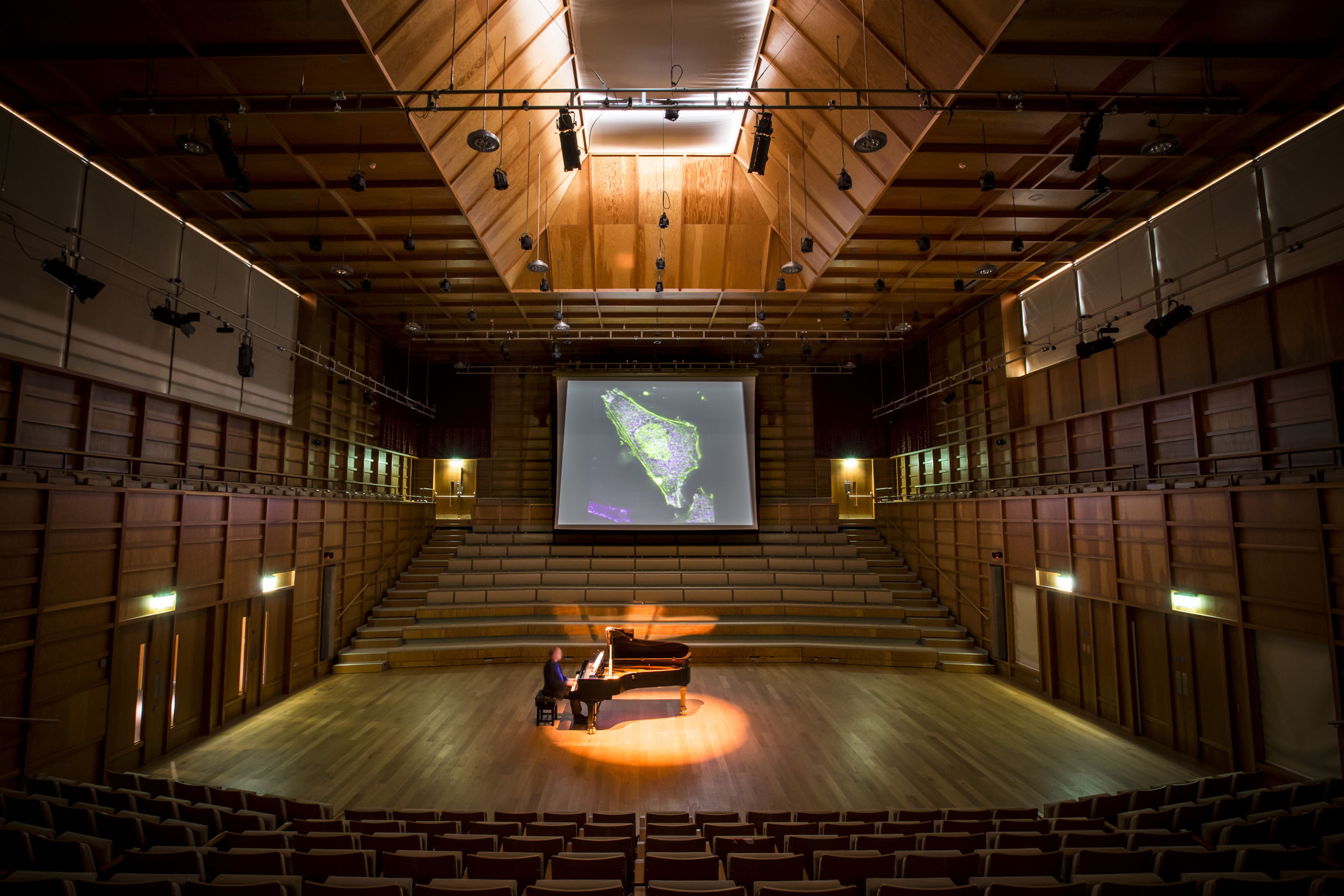
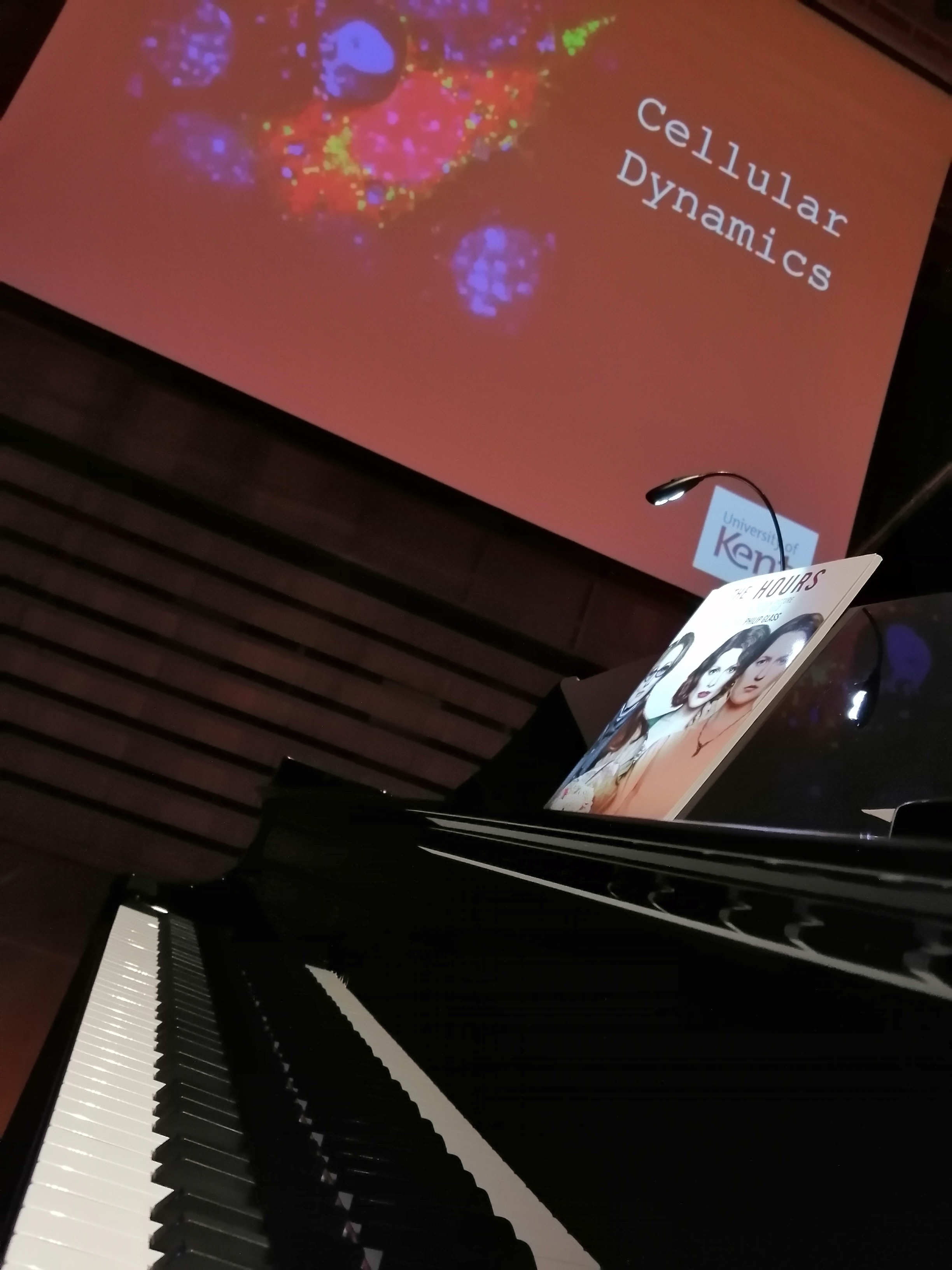 Filmed during lockdown, the unfolding series brings together image and music in a meditative presentation of both the materials and the methods involved in research, uncovering the hidden beauty in the most mundane of objects in the research laboratory and transforming the process of investigation into an artistic experience, filtered through piano music by Philip Glass, Debussy, John Cage and Tarik O’Regan.
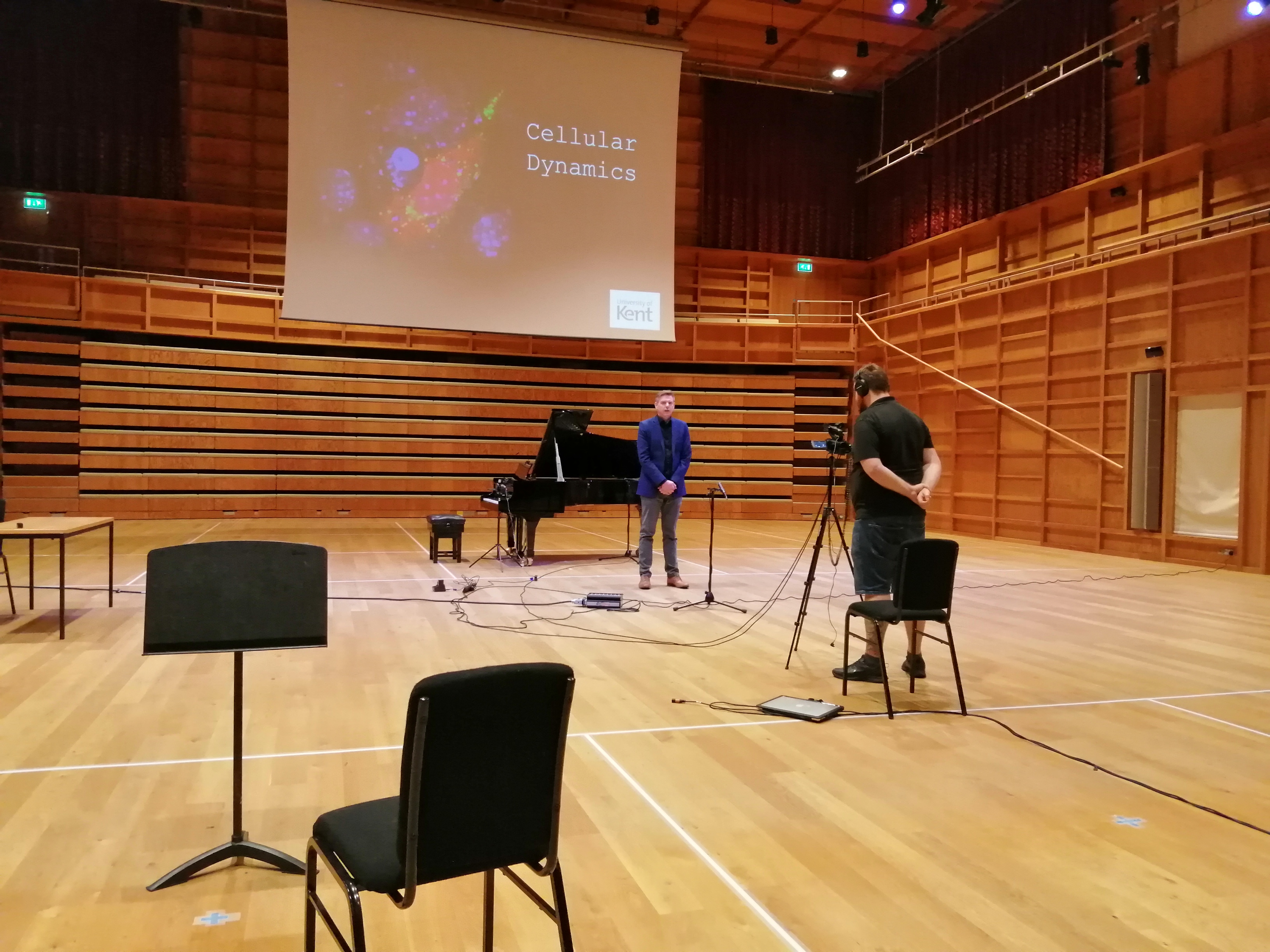 Colyer-Fergusson Hall becomes an immersive platform for highlighting processes operating in both science and music – viral infection and the process of mutation linked to compositional processes in music, together taking the viewer on an odyssey through sub-molecular events at the cellular level.