Continuing the series profiling Music Performance Scholars at the University. This week, first-year flautist and bass reading Computer Science, Robert Loveless.
I first started flute back in primary school, where if you wanted music lessons in school, flute was the only option. I gave it a shot and have never looked back since! After a while my teacher introduced me to the West Sussex Youth Orchestra in which I moved up through the various bands and orchestras throughout my years there. Although this seemed daunting at first, it was here that I became hooked on the buzz of ensemble playing. As well as discovering loads of new music, I started playing piccolo there.
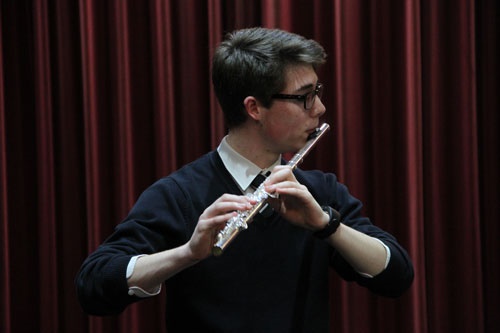 I later moved to Hurstpierpoint College where I had the opportunity to join a whole host of new ensembles. This included choirs as I had now started singing, however the Jazz band was my new favourite because I had started working on some jazz repertoire with my new teacher. Improvisation was especially enjoyable for me – In my lessons I would try to get away with as much as he would resist before he would give in to join me in a jam session until the lesson was up! I also gained a keen interest in chamber music on the singing side and would later get to sing with the choir in residence at the national pilgrimage in Walsingham. Other personal highlights include performing Vivaldi’s La Tempesta Di Mare Concerto accompanied by a full orchestra – a memorable experience! During my A-levels at Hurst I took Music Technology which allowed me to dabble in writing and recording my own music. The technological aspect of this was particularly interesting to me as a computer scientist and is an industry I still follow closely.
Now at Kent, I am very glad to be able to not only continue with music and developing my skills but also meet likeminded people with whom I share a common passion. I currently participate in the Concert Band, Flute Choir, Chorus and Cecilian Choir. The performances these ensembles have been in so far were thoroughly enjoyable and I am really looking forward to those yet to come, in particular the upcoming cathedral concert.
Read more in the series here.
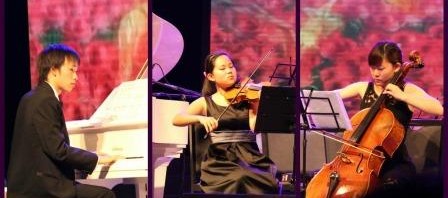
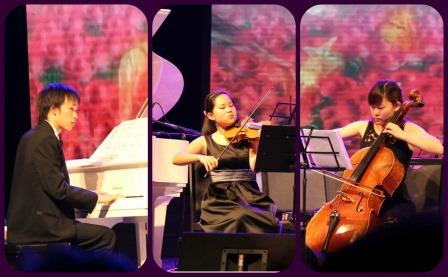 The Radiance Trio was formed in the summer of 2013 by violinist, Lydia Cheng (University of Kent), cellist, Angel Ji (University of Toronto), and pianist, Marcus Chiam (University of Toronto) after their trio debut of Butterfly Lovers at the Central Conservatory of Music in Beijing, China. The name is taken from the debut composition with the same title by the trio’s pianist and composer, Marcus Chiam.
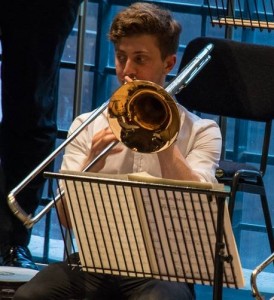 At my secondary school I was given the opportunity to perform the Davide Trombone Concertino with the orchestra which was exhilarating.
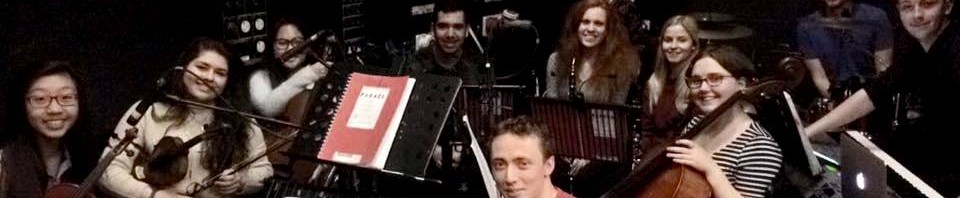
 The festival also offers site-specific sound-installations, spoken word performances and live music; the Quarterhouse will also welcome a Panel Discussion addressing the future of DIY spaces and how they can foster new creative ideas. Folkestone will be buzzing. Probably quite literally.
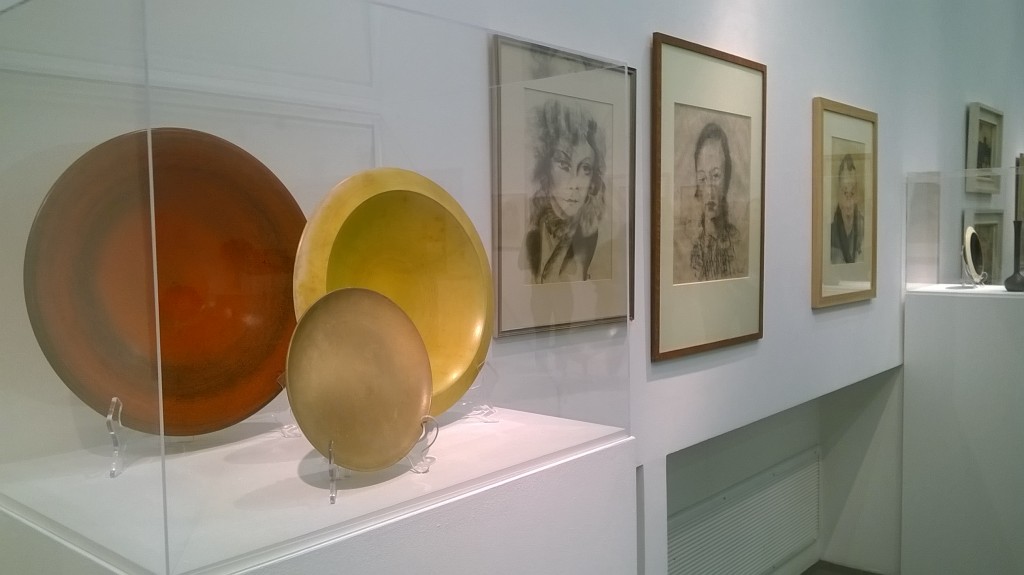 Fleeing the country and re-locating to England, the Bauhaus-trained Grete Marks had to sacrifice her successful pottery factory – all her pottery and paintings that were left behind were either lost or destroyed. Kurt Schwitters, a leading figure of the German avant-garde, fled to Norway prior to being interviewed by the Gestapo, eventually also travelling to England where, selling small paintings for small fees, he eventually died in obscurity in London in 1948.
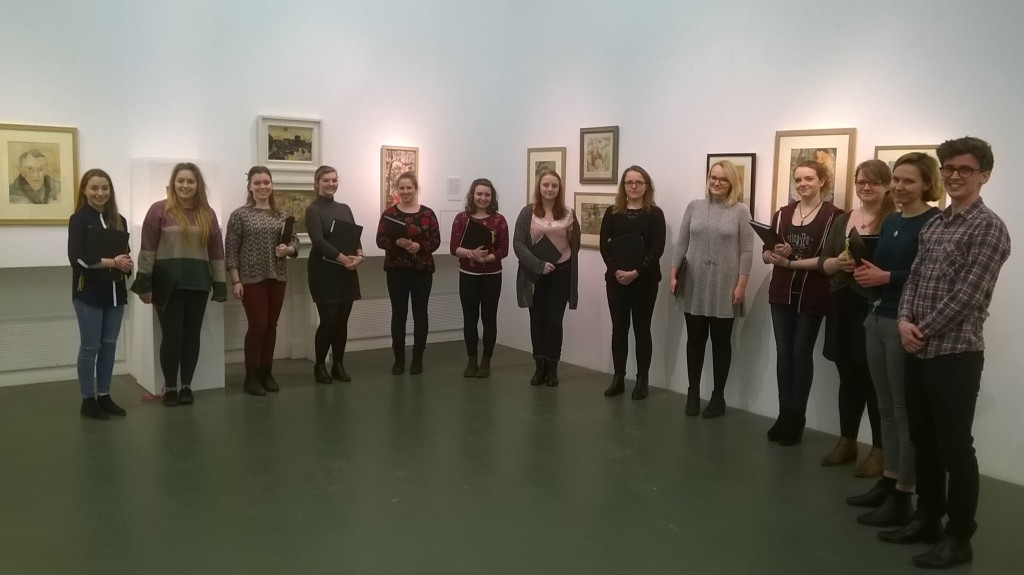
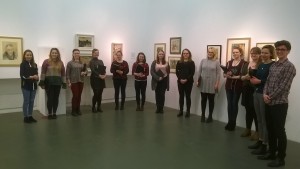
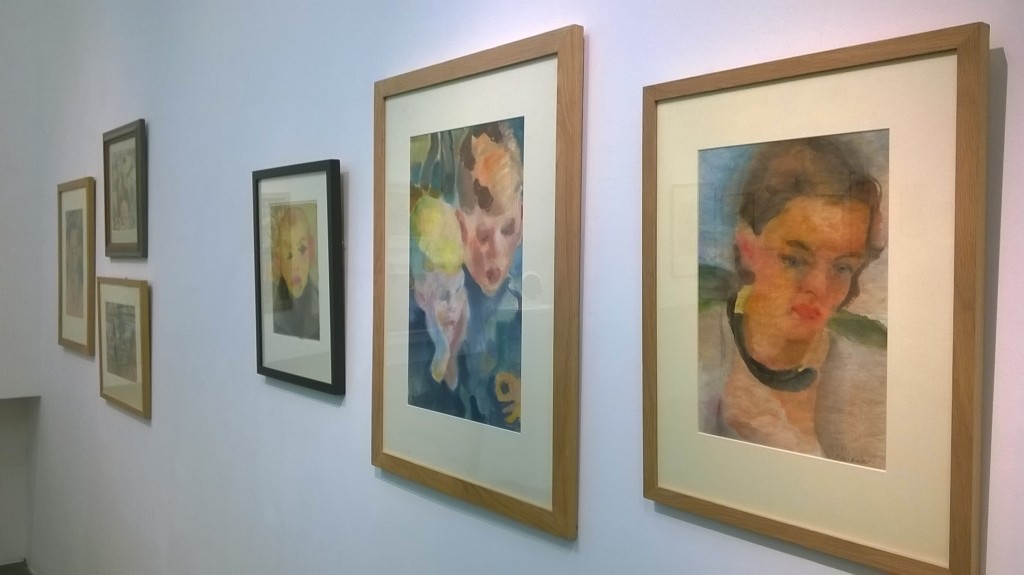 The works on display in the gallery, predominantly pictures and some surviving pottery by Marks, include stark portraiture of friends made in England, as well as landscape views created in the Lake District and Spain. The images speak of loss, the post-emigration portraits looking out at the viewer with a sense of isolation. The floating colours of Two Boys from 1930 have a life and movement absent from stark portraits made after her arrival in England, whilst the landscapes seem to show a desire to engage with and to find a new home – they speak of new efforts to build a connection, a need to continue to create.
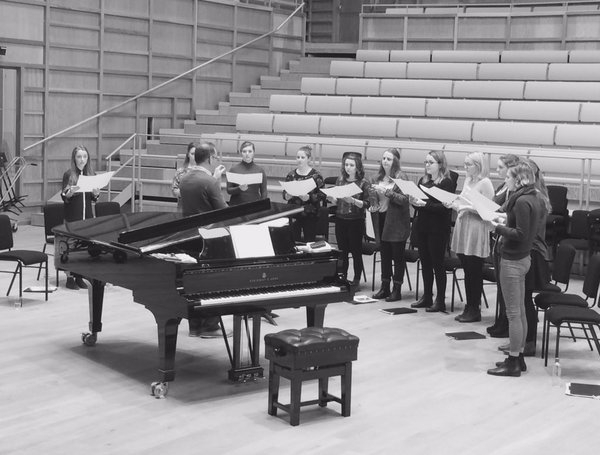
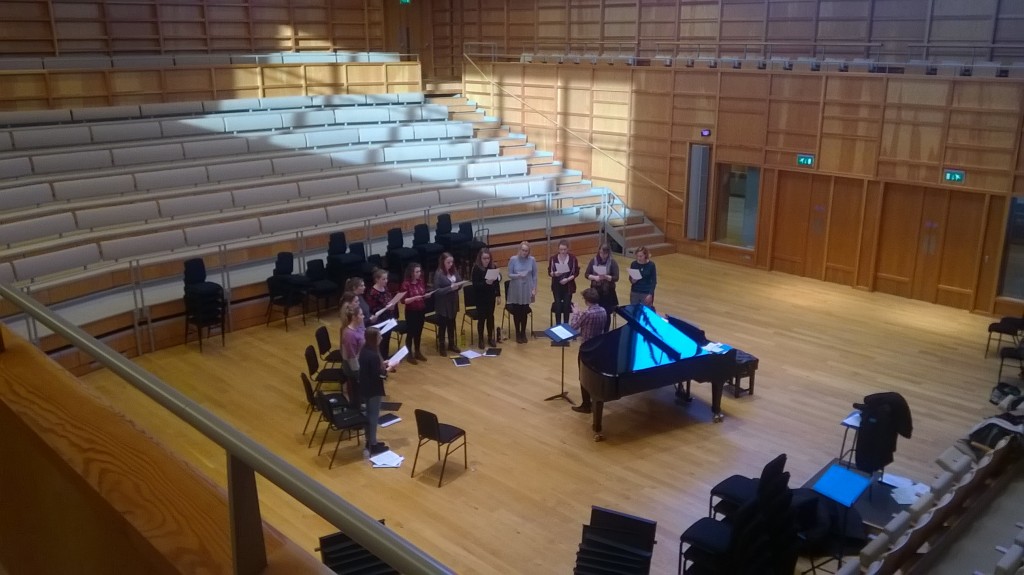
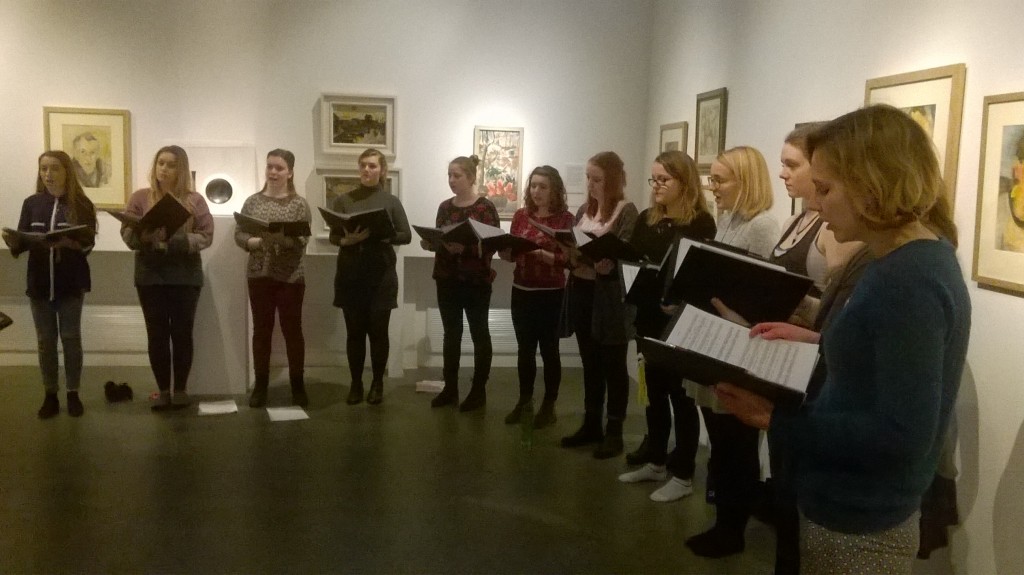
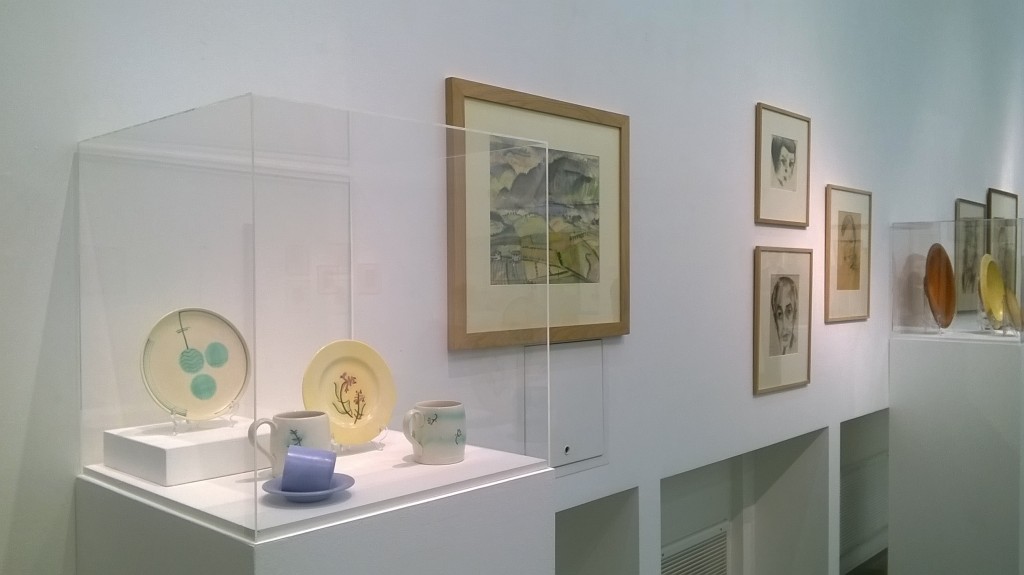 Amidst the mute testimony the exhibition provides, there is a particular poignancy about some of the music in the programme which Minerva Voices will perform at the #EarBox event next week. Gounod’s intimate motet, Da Pacem Domine, ‘Give peace, Lord,’ acquires a greater profundity in the context of the upheaval and terror implicit in the paintings. The medieval Kyrie setting, written by Hildegard von Bingen, sees two creative women looking at one another across the intervening centuries. There is also something especially moving about Brahms’ famous lullaby, Wiegenlied, which bids a moving, poignant farewell;’ Lullaby, good night…Tomorrow morning, if God wills, you will wake once again.’
 The new exhibition reawakens the importance of Marks and Schwitters; come and experience the dialogue between art and music for yourself on Friday 12 February; admission free, more details