Continuing the series profiling Music Scholarship students at the University of Kent. This week, first-year violinist reading Psychology with Forensic Psychology, Melody Brooks.
Being part of a musical family and having such a musical name, it seems only natural that would be drawn to music. My parents have fostered in me a love of all genres of music, and waited for me to decide which instruments I wanted to play.
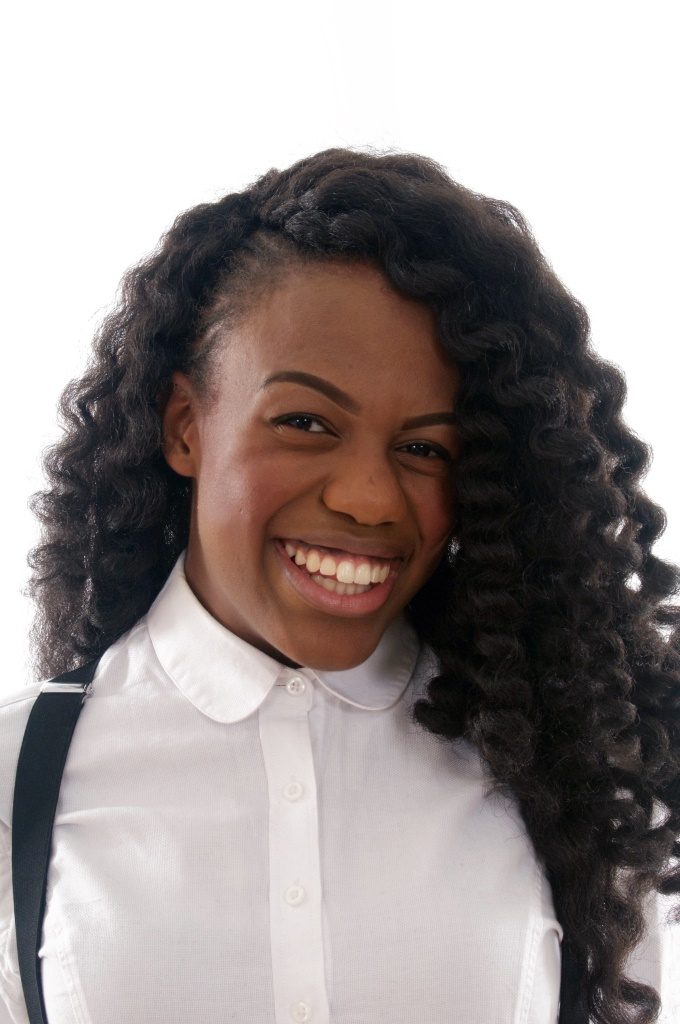 The first instrument I chose was the violin, after seeing an orchestra perform at my primary school. Flute and piano soon followed. After gaining entrance to my secondary school (Parmiter’s School) because of my music, I was encouraged to participate in a number of musical groups including Orchestra, Junior and Senior Flute Choir (in which I took the opportunity to play piccolo, alto flute and bass flute), Senior String Ensemble and Concert Band.
I also studied Music at GCSE and AS-Level, which widened my exposure to different genres of music and allowed me to truly appreciate composers and performers alike. I also participated in the school play, Lady Windermere’s Fan, as part of the musical ensemble.
Outside of school, I participated in the CAN Music Academy (Children Achieving Now) in both the orchestra and the choir. I also participated in the Kuyumba Youth Music (KYM) String Orchestra. The KYM experience was one of growth, as it was an extremely competitive environment based on merit and fostered in me the spirit of hard work and practice.
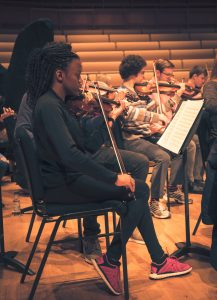
Singing was always encouraged in my church, and my church is well-known for its lively, inviting music. Often, I would participate in a string ensemble or play violin to accompany a meditational song. From the age of 11, I was encouraged to lead Praise and Worship with my friends, singing gospel music. We then formed a singing group called ‘Amplified Praise’ and sang in venues such as the ExCel London Centre and Pontins in Wales.
Here at Kent, I currently play in the Symphony Orchestra and String Sinfonia. I have enjoyed being a member of both groups. The Orchestra is amazing and is exposing me to different composers. String Sinfonia is smaller, but just as much fun. I love being able to develop my skills alongside those more able than me and to enjoy music once again.
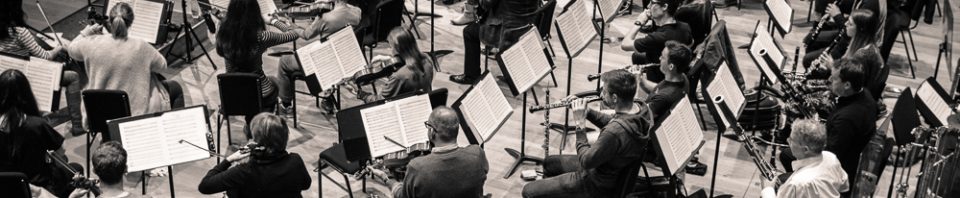
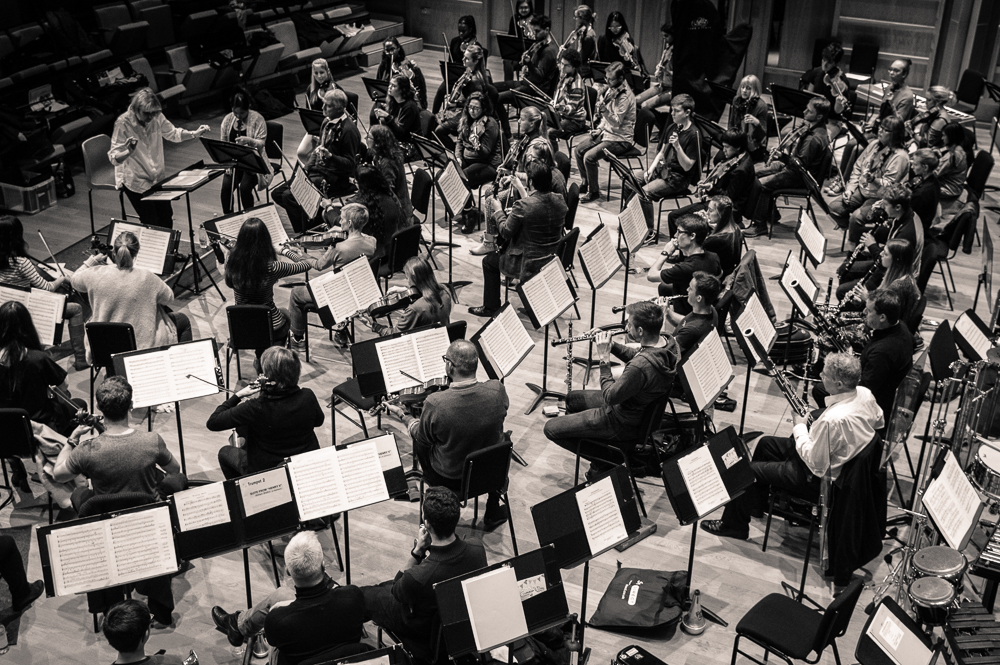 Such communal music-making offers the opportunity for students (and, it must be said, quite a few staff as well…) to escape the stress of their course commitments, and embark on a shared creative endeavour as they work towards a termly public performance. Each spring term, that performance is unveiled in the sonorous surroundings of the Nave of Canterbury Cathedral, always a highlight of the University’s performing calendar, and which regularly sees alumni making their own musical pilgrimage to the Cathedral to participate, and to relive the heady excitement of standing at the very top of the choral risers to sing, or of navigating the steps to the Crypt in the gloom clutching highly fragile musical instruments at various levels of expense.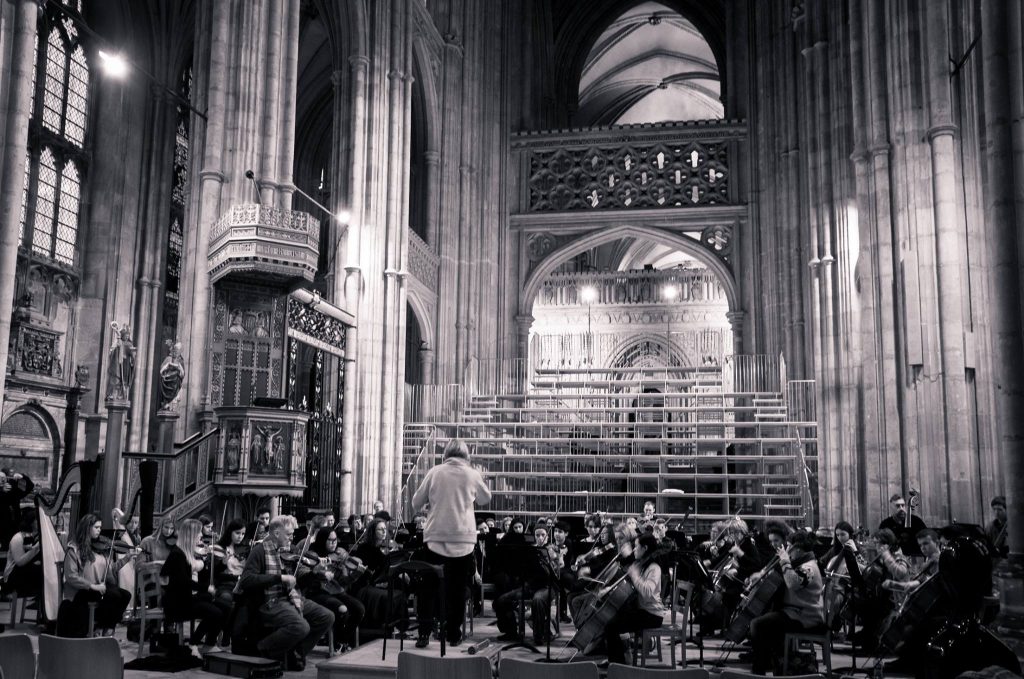
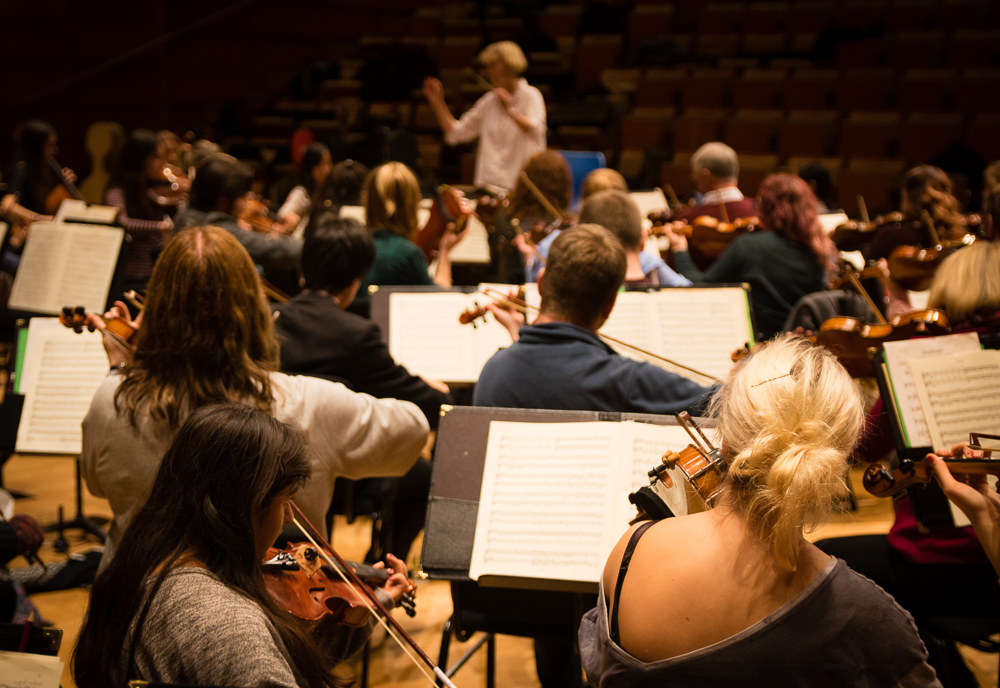 The wonder of it all is that everyone gives up their free time to attend weekly evening rehearsals, and, as concerts loom, additional rehearsals and workshops at weekends. No-one is obliged to take part – excepting the Director of Music, who arrives in the concert-hall each Thursday clutching oversize scores, a selection of conductor’s batons and the fierce determination to master that term’s repertoire – and when concerts are in the offing and more rehearsals are taking place, time-management (or, in the case of some of the players, parental child-management) skills are called in to play, as everyone makes time for them on top of their coursework or vocational commitments.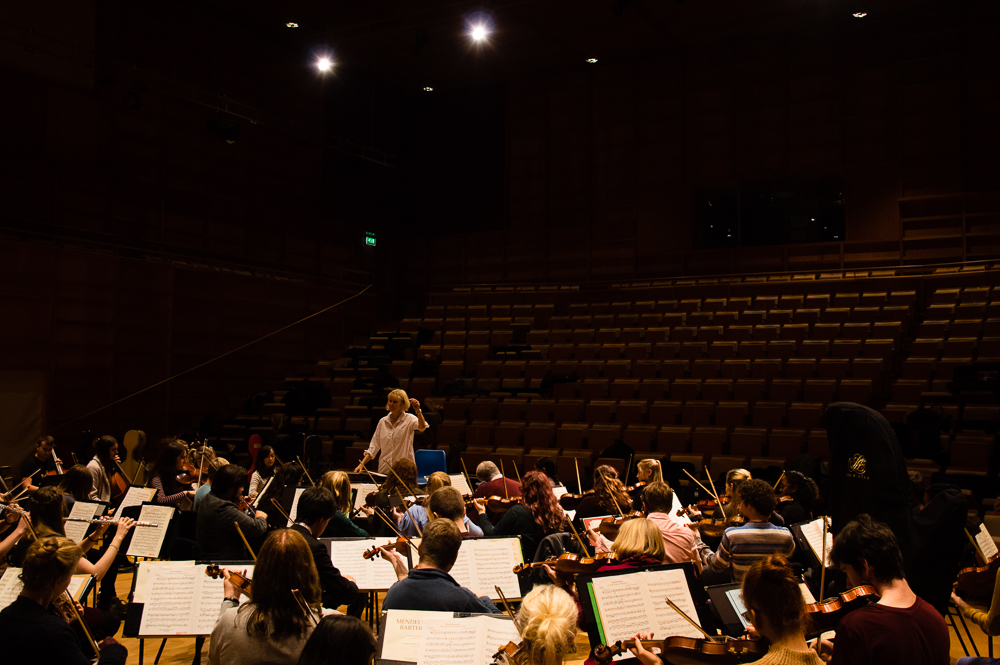
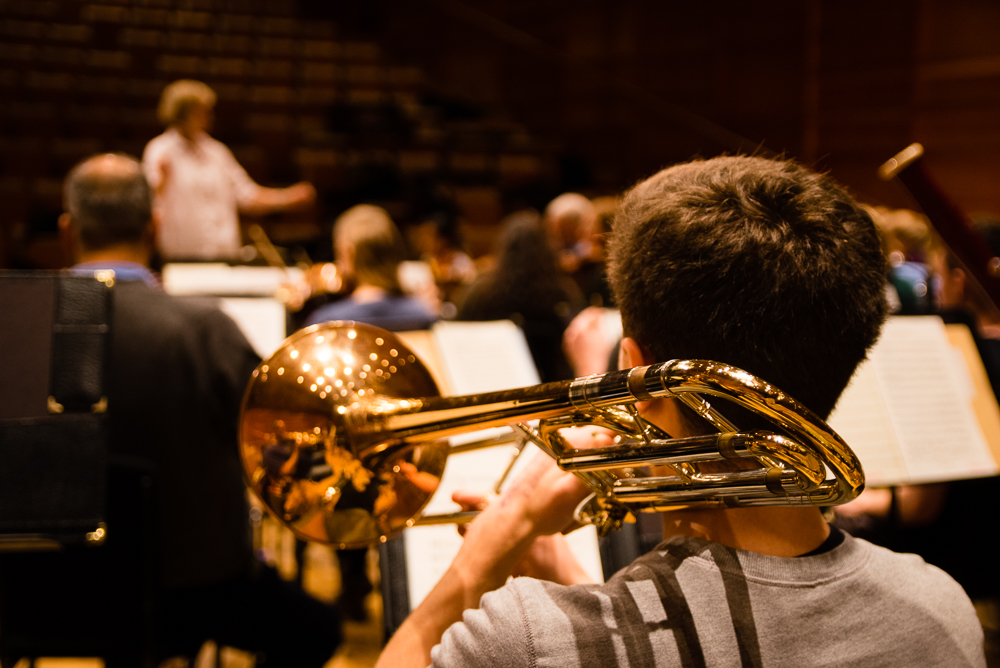 The orchestral repertoire which they have embraced over the years has ranged from epic monsters of the Romantic Period – the Berlioz in 2016 being a memorable example – to energetic orchestral showpieces including the Symphonic Suite from Bernstein’s West Side Story, or Verdi’s Requiem. It’s hard work, particularly at the end of a long working day, especially for those students who have the additional task of commuting from Medway on a Thursday evening as well, where they have been studying Fine Art or Business and Management; and yet the enthusiasm with which the players embrace the works which the Director of Music hurls at them is wondrous to behold.
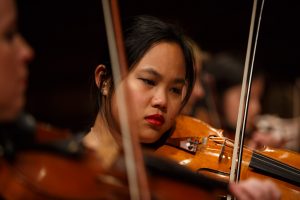 This year, the Symphony Orchestra will be led – for the first time for the entirety of the Cathedral concert – by Lydia Cheng (picture right), a second-year Music Scholarship student from Canada, who came to Kent for the strength of its Law degree as well as for the extra-curricular music-making opportunities that it offers. Elsewhere in the orchestra, a former member of the National Youth Orchestra sits amongst the woodwind, and a current member of the National Youth Jazz Orchestra lurks in the brass section. There’s an international flavour to the orchestral members, too, including players from Malaysia, America and South Africa.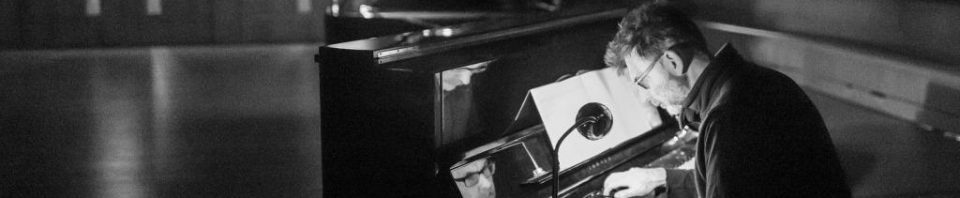
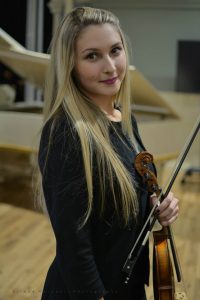 As I grew older, I became increasingly captivated by my instrument. I have learnt that a successful performance requires many challenges to be overcome such as gaining high self-confidence and learning to communicate musically with the audience.
 Set against the backdrop of Soft Formalities, the gallery’s new exhibition, the Chamber Choir will unveil a choral programme in the venue’s sonorous acoustic, ranging from Purcell to Alec Roth, taking in madrigals by Hassler and Lassus, and works by Tavener, Peter Warlock and Alexander Campkin.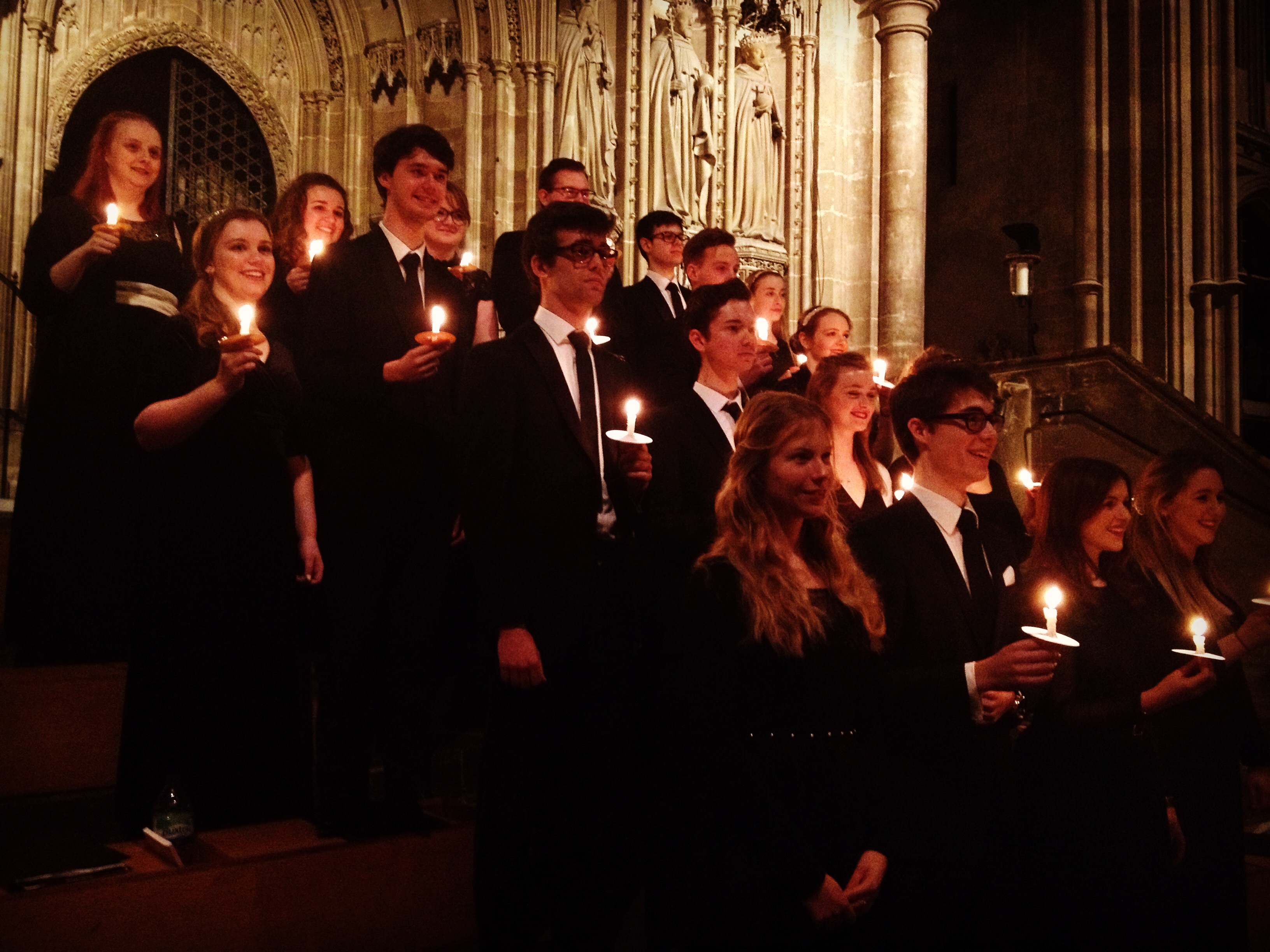

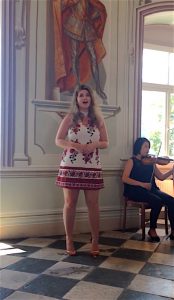 My introduction to the world of the Theatre started at age 10, when I was picked for the children’s choir in Joseph and the Amazing Technicolour Dreamcoat at the Adelphi Theatre in the West End. Having been “bitten by the performing bug”, this marked the start of many musical possibilities. I then went on to participate in Bill Kenwright’s touring production of Joseph in the following year, and appeared on Children in Need as part of the Joseph Cast. In 2012, my passion for singing increased when I was in the English National Opera cast of Carmen at the London Coliseum and was swiftly followed by recording Andrew Lloyd Webber’s children’s recording of Cats with The Really Useful Company.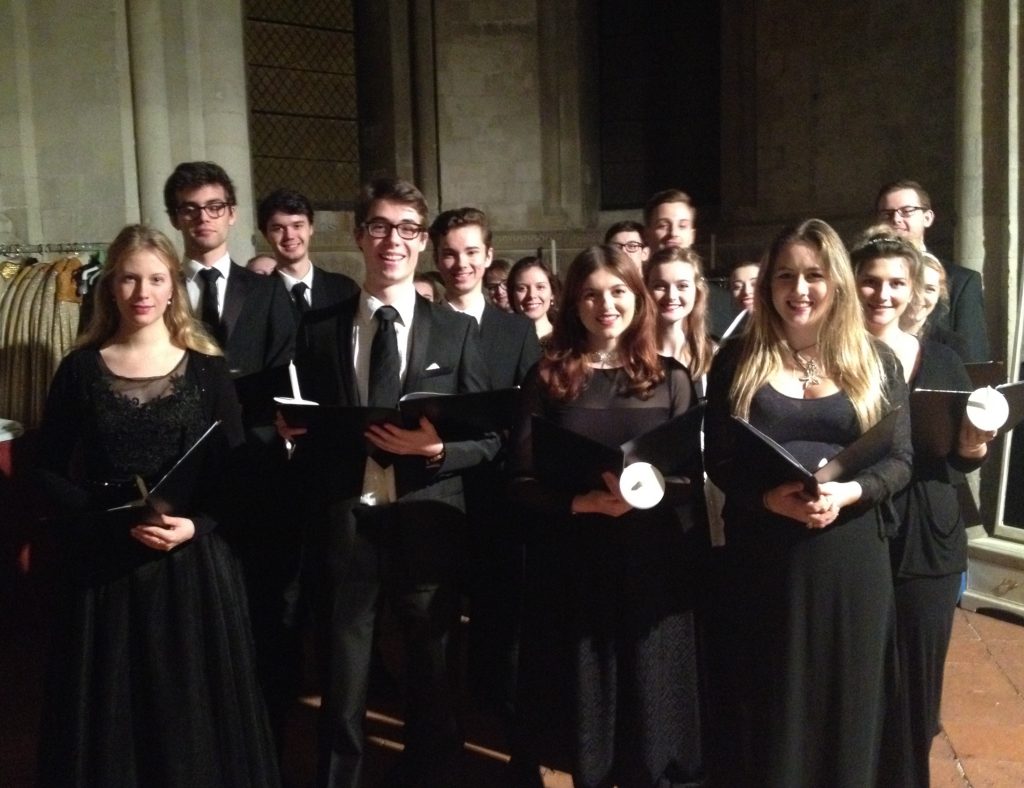
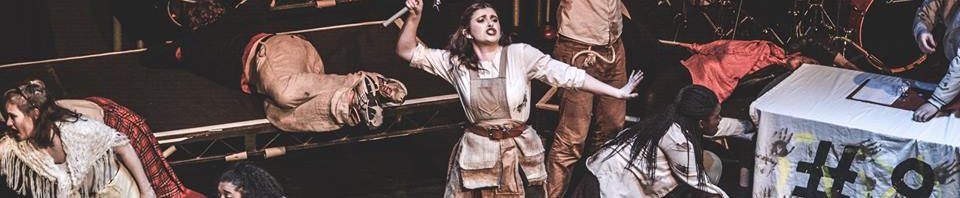
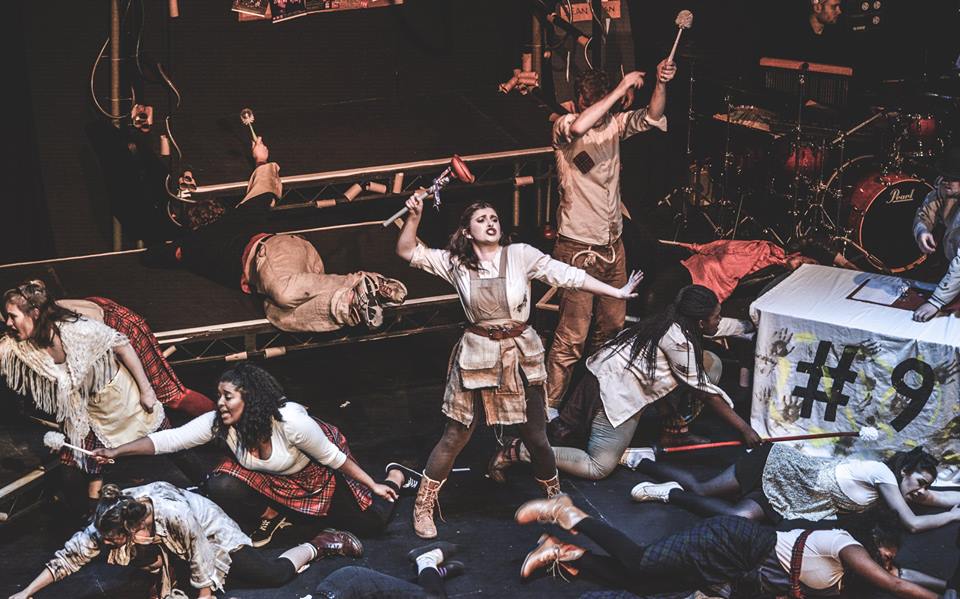
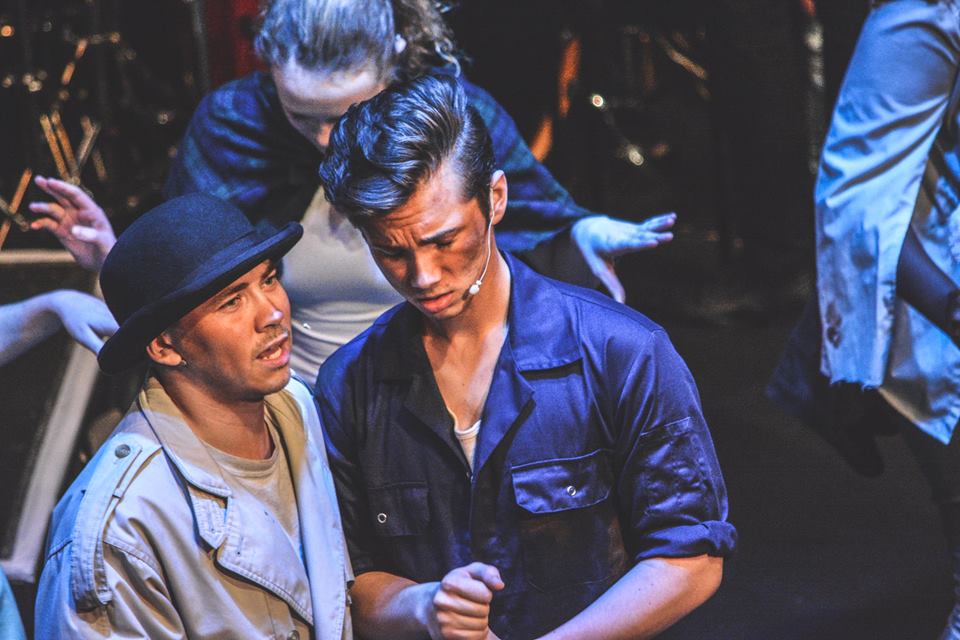
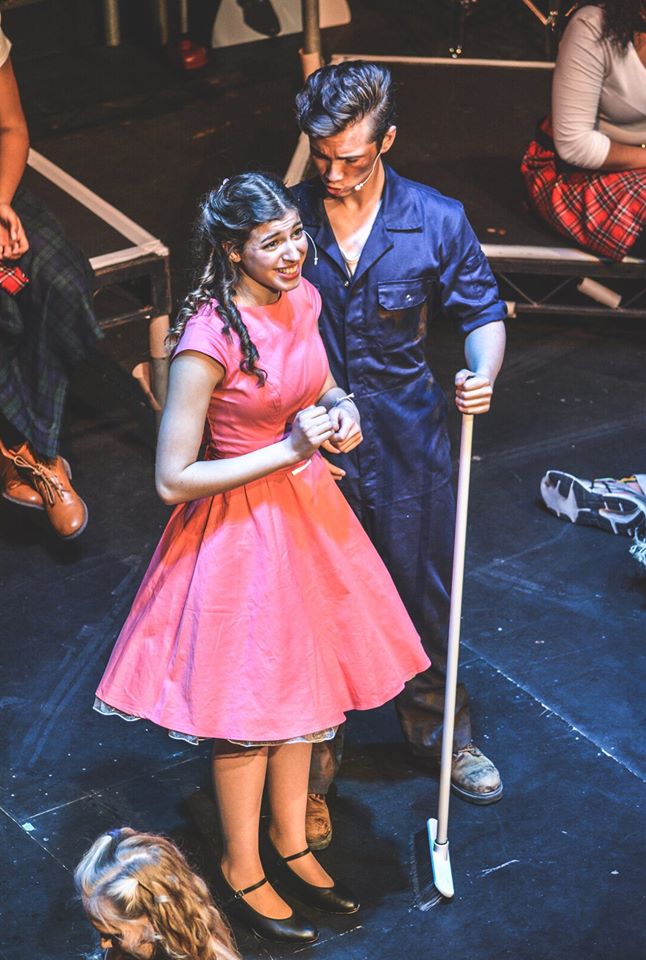
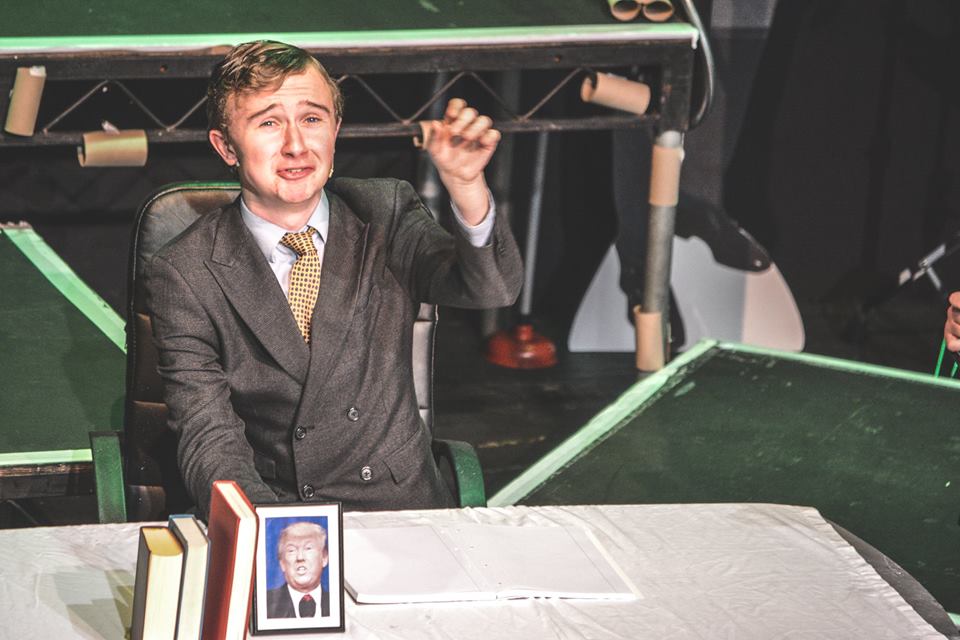
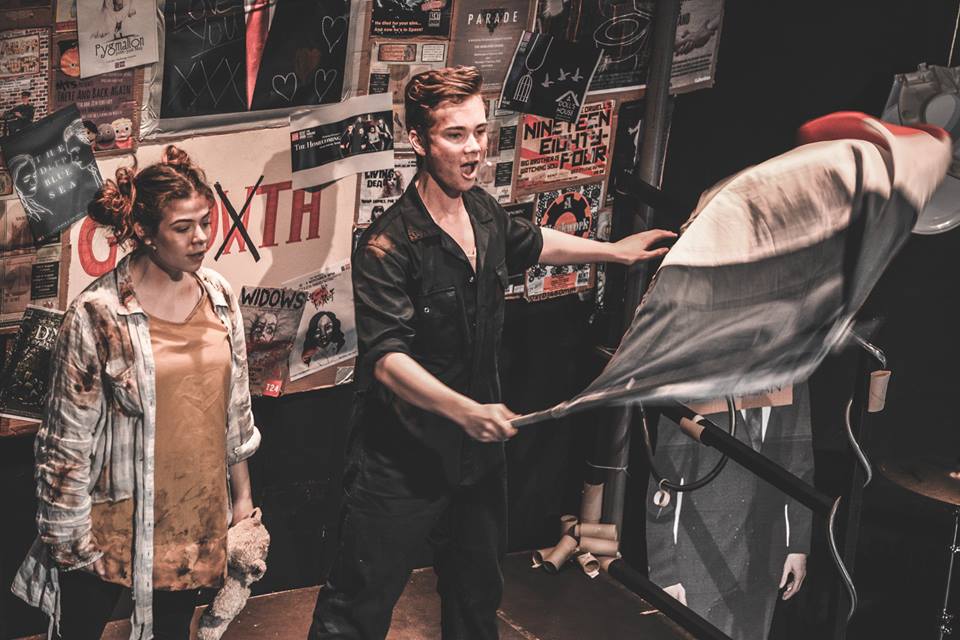
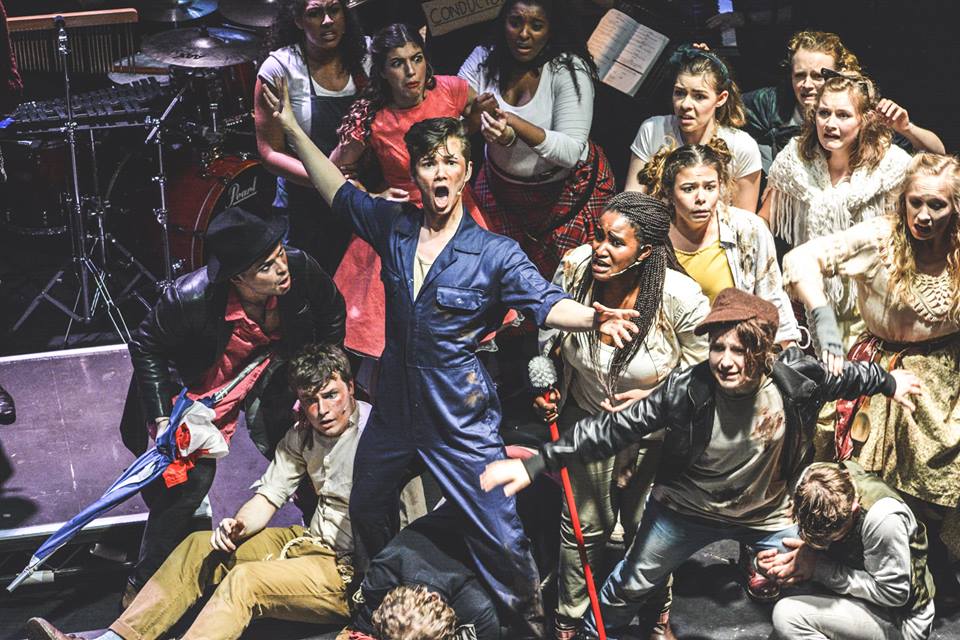 Supported by a tight-knit and musically agile pit band under the baton of Jack Gray, this was a top-notch production greeted rightly with terrific applause from a packed house; bravo to everyone involved!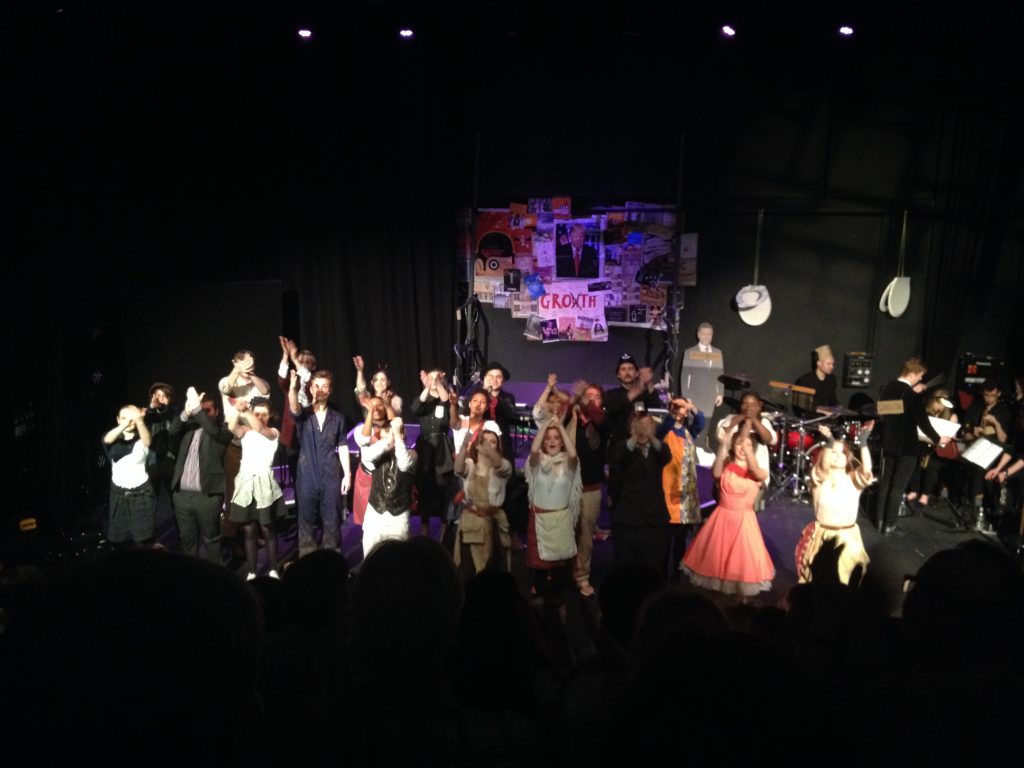
 Main images courtesy of the Musical Theatre Society
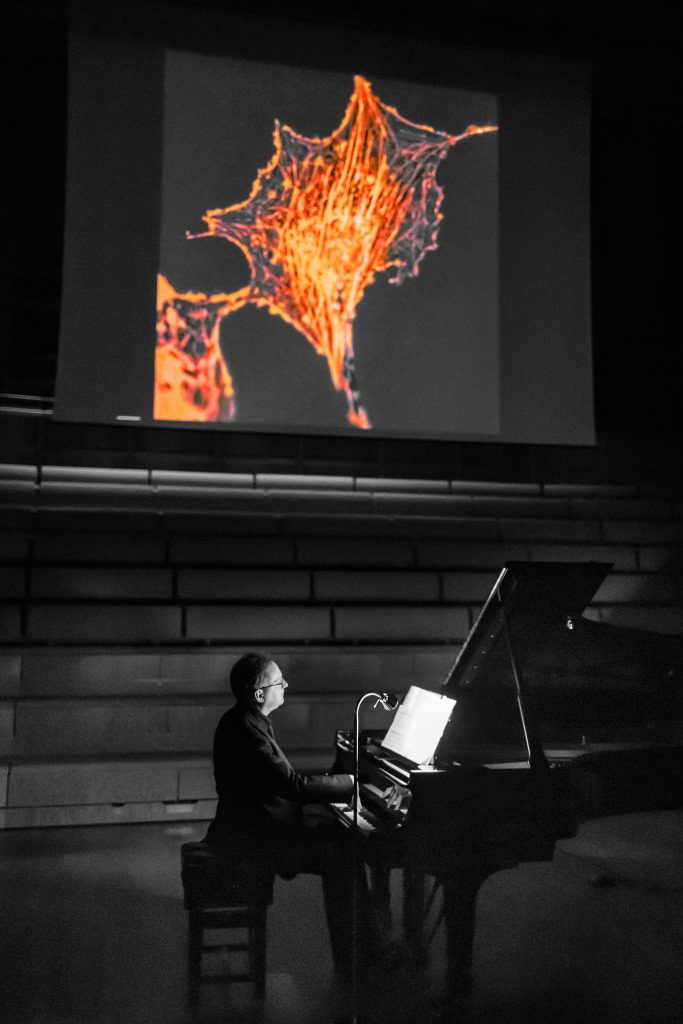
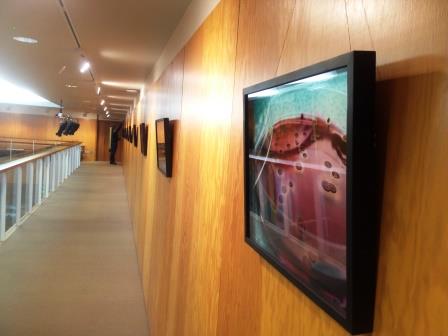 Curated by Dr Dan Lloyd, the collection of images, each generated through engagement with current research, showcases the beauty in scientific data.
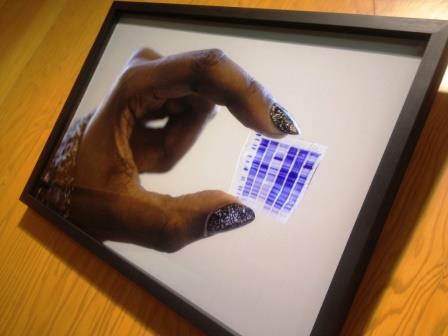 Every image shown has a story to tell, and explores cutting-edge research in the fields of biomedical science, biochemistry, genetics and biotechnology. In addition to introducing new and interesting concepts at the forefront of scientific research, the exhibition aims to encourage the viewer to explore their own perspectives on art within the context of the biological sciences.
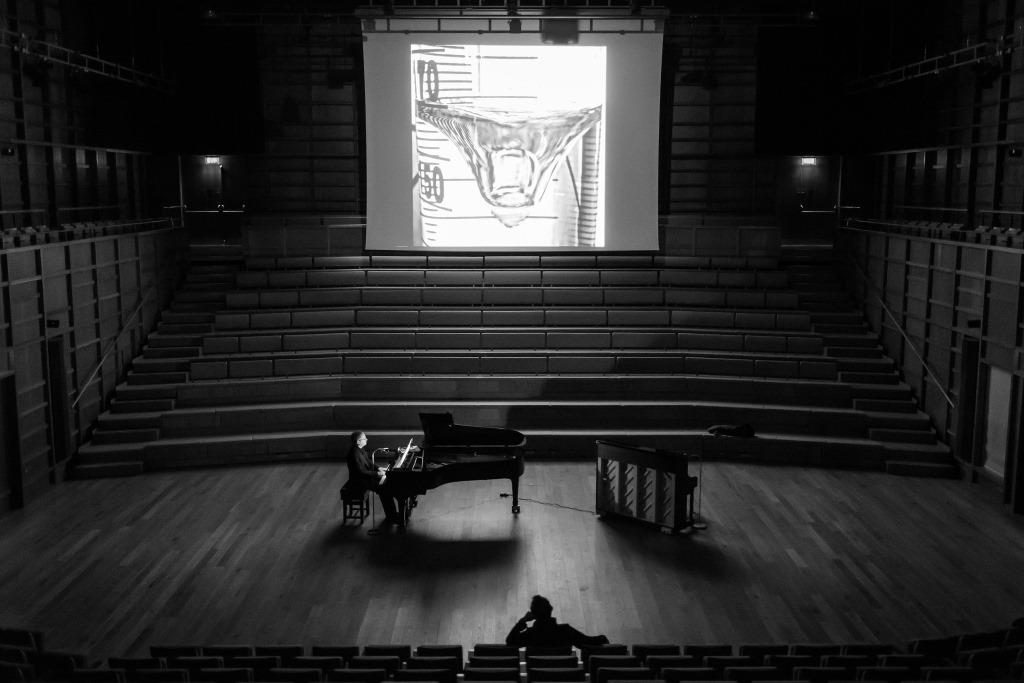
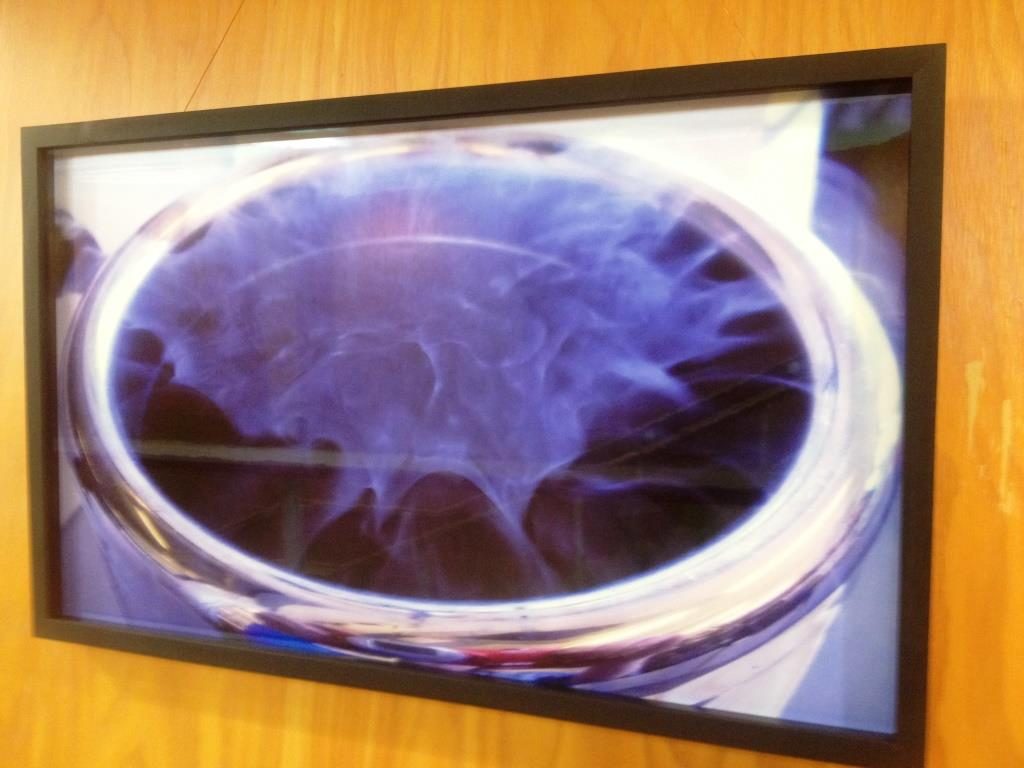 The exhibition forms the backdrop to an exciting lunchtime concert on Weds 1 February in the concert-hall, Cellular Dynamics, which brings together science and music in image-projection and time-lapse photography, accompanied by live music for piano by Philip Glass and Tarik O’Regan, and Gavin Bryars’ My First Homage for two pianos, performed by Dan Harding and Matthew King (details