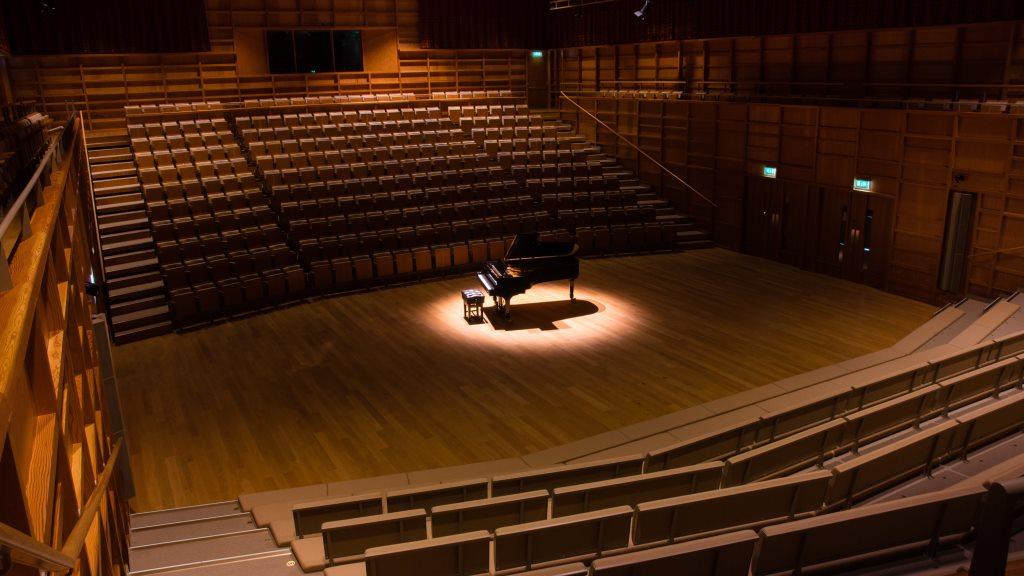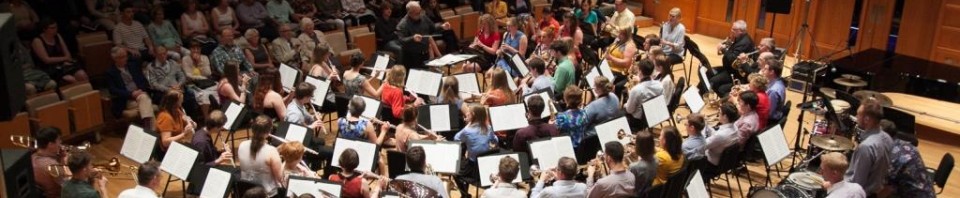
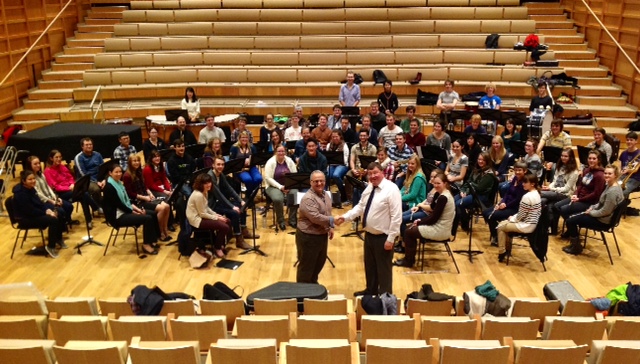
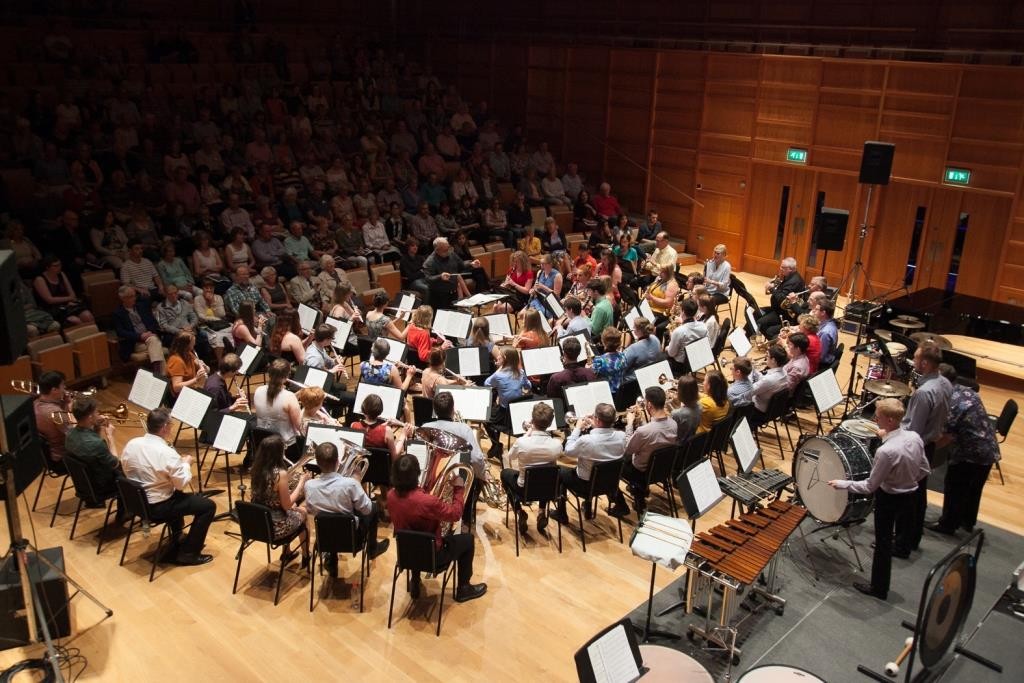
Depending upon what time you pass by Colyer-Fergusson on a Wednesday night, you’ll either hear stirring film scores such as Gladiator, swing classics by Count Basie or versions of Stevie Wonder tunes ringing out. It can only mean one thing: rehearsal night for the University Concert Band and Big Band (though thankfully not at the same time…)
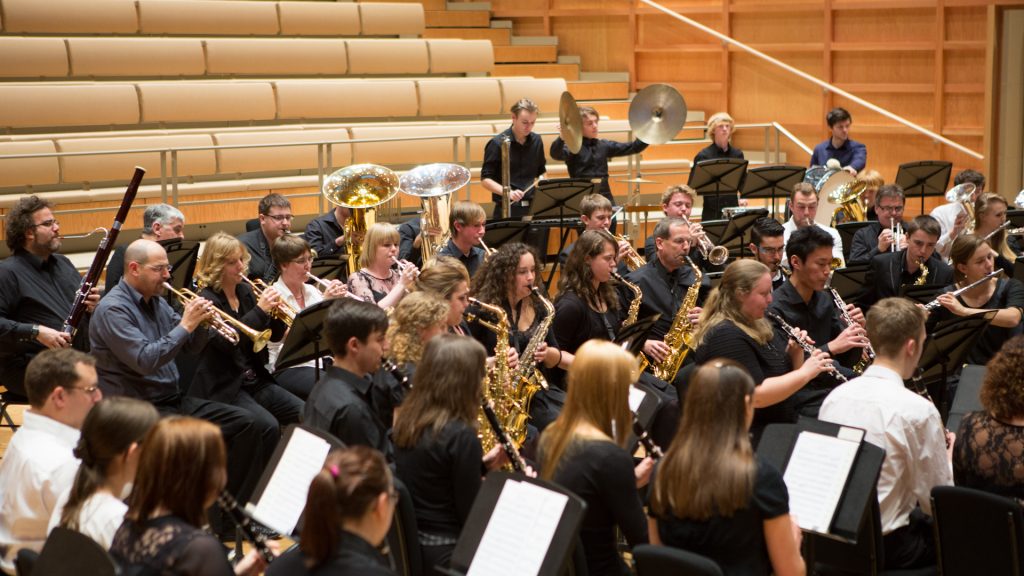
 On the conductor’s podium is the sprightly figure of Ian Swatman – Bob Marley devotee and possibly the most dedicated fan Hull City will ever have – vigorously taking charge of Wednesday rehearsals and leading the assembled forces through repertoire in preparation for their various termly concerts. In December, the Big Band can be found in Santa hats and jazz-infused versions of seasonal repertoire for the popular Christmas Swing-along, whilst both forces combine each March for their roof-raising Spring concert, and for a farewell concert each June.
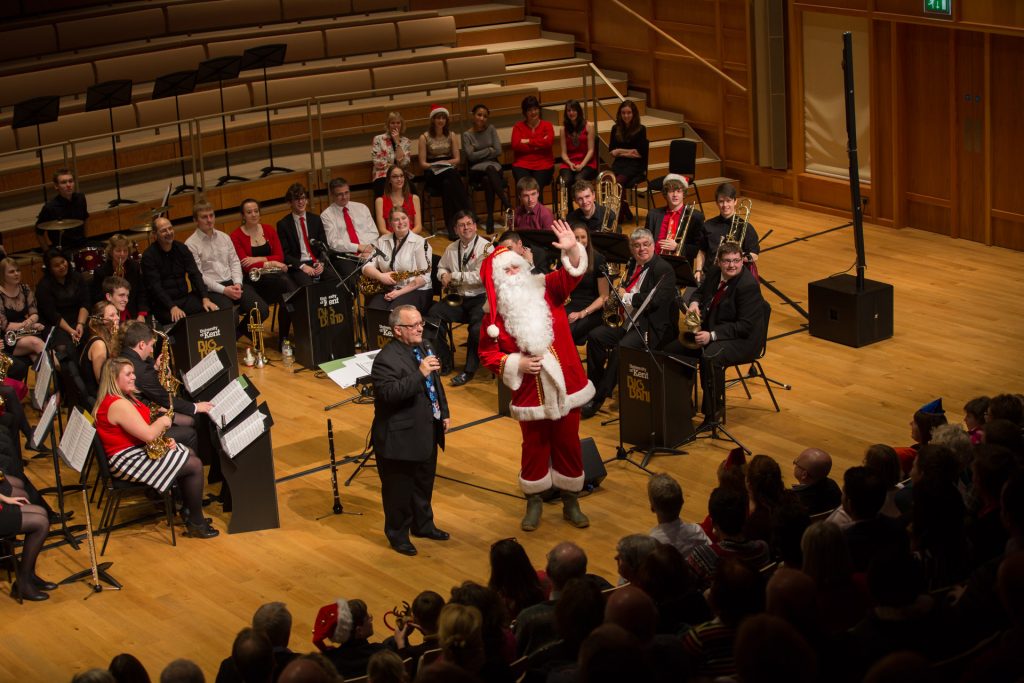
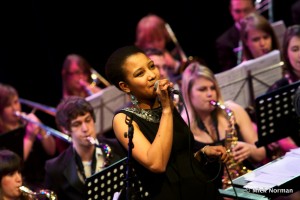
Both national and international students, staff and members of the local community find themselves grappling with the complexity of the repertoire Ian hurls at them each year, as they sweat blood to get the music under the fingers. Each year, too, auditions are held for solo singers, for the opportunity to sing with the Big Band.
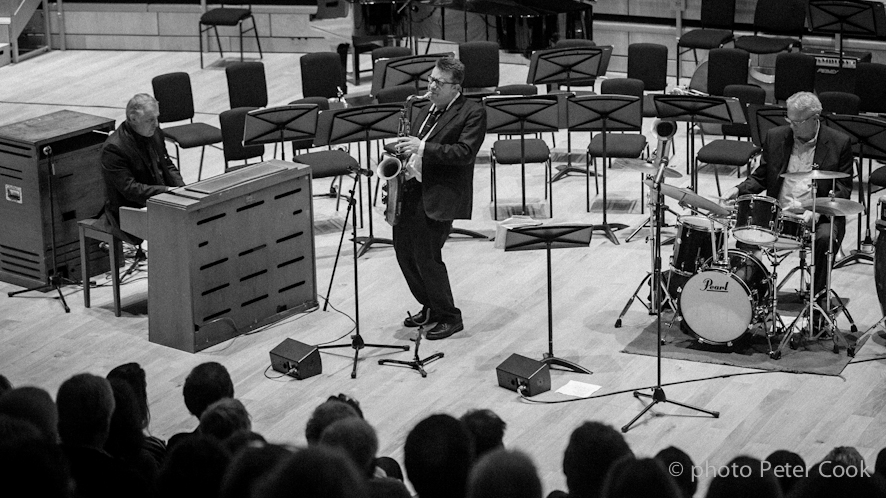
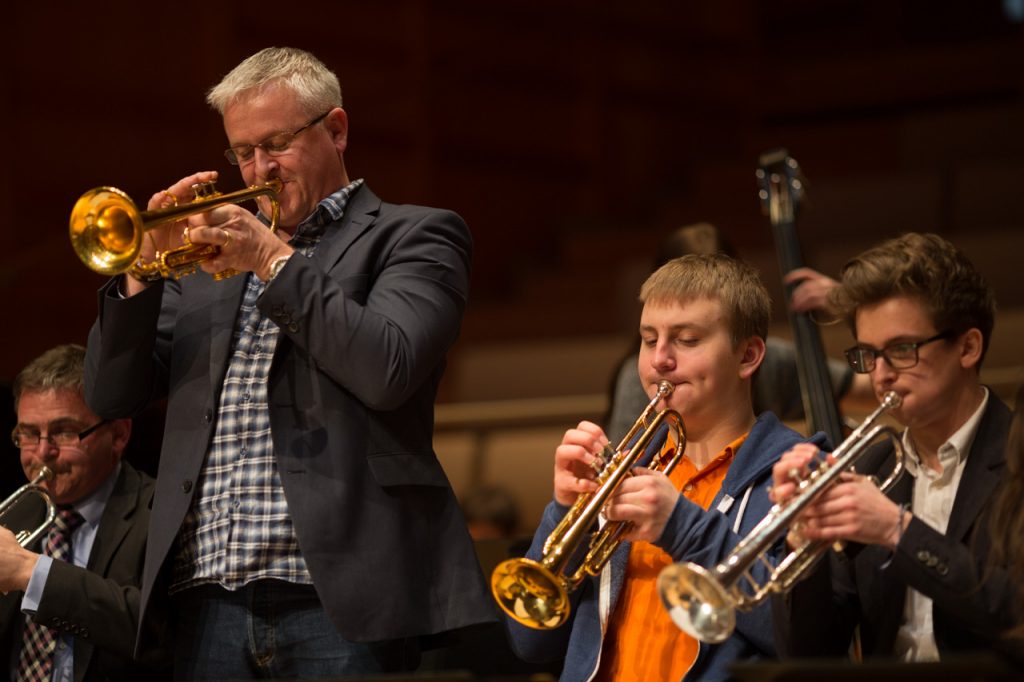
A particularly exciting aspect to the working life of the Big Band is the opportunity to work with guest musicians; in the past, this has included trombonist Mark Bassey, trumpeter Mike Lovatt from the John Wilson Orchestra, and saxophonist Phil Veacock from the Jools Holland Orchestra. It’s a great opportunity for the young stars of tomorrow to work with, and learn from, accomplished professional performers.
The Concert Band has worked with composer James Rae too, when James was commissioned by the Music department to write a piece for the gala concert to open the Colyer-Fergusson Building in December 2012. As part of an action-packed weekend, the Concert Band gave the world premiere of James’ Platform One.
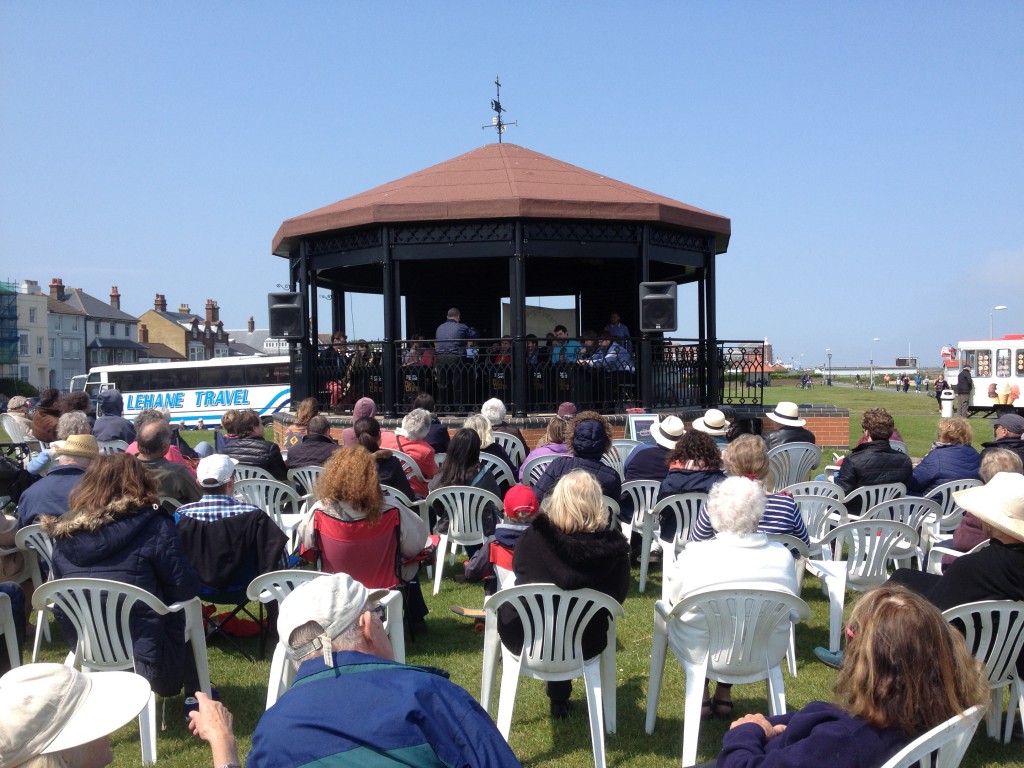 The groups don’t just perform in the adaptable acoustics of Colyer-Fergusson Hall. The Big Band also launches the annual Summer Music Week, a musical farewell to the University’s academic year, with a trip to the seaside to perform on the Memorial Bandstand at Deal, which involves combining rehearsals and coach-trips with a visit to the promenade chip shop and the roving ice-cream stand. (It’s a hard life…). The band has also headed down the road to perform alongside pupils at St Edmund’s School, and also in Whitefriars in the heart of the city.
Whether it’s epic film soundtracks, 70s funk, classic big band standards or soul ballads: Wednesday evenings certainly sound unlike any other on campus…
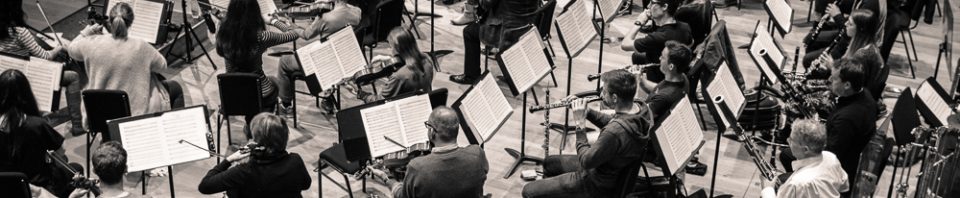
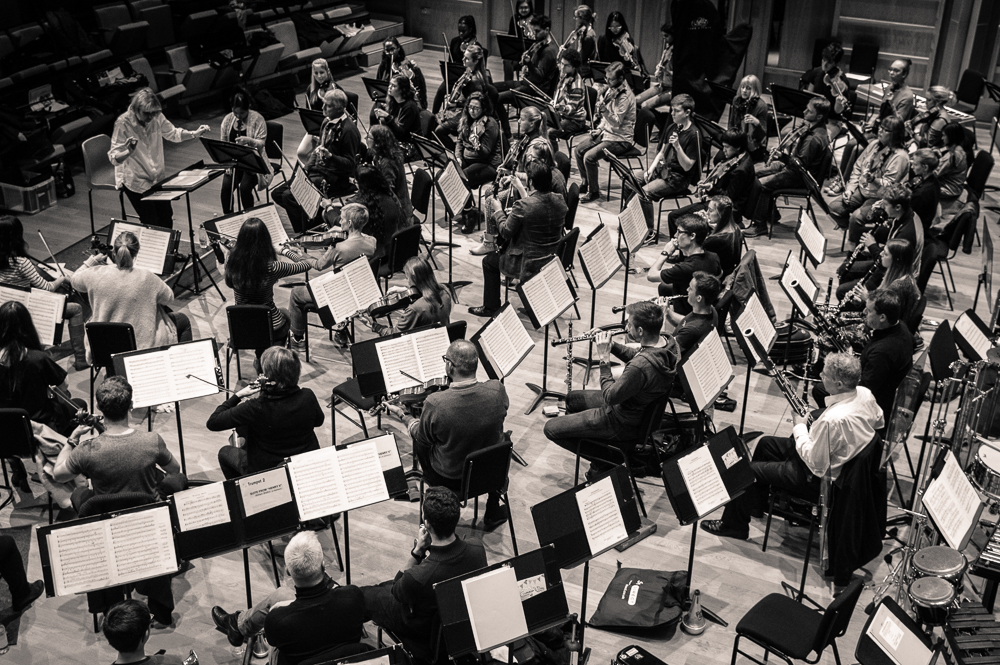 Such communal music-making offers the opportunity for students (and, it must be said, quite a few staff as well…) to escape the stress of their course commitments, and embark on a shared creative endeavour as they work towards a termly public performance. Each spring term, that performance is unveiled in the sonorous surroundings of the Nave of Canterbury Cathedral, always a highlight of the University’s performing calendar, and which regularly sees alumni making their own musical pilgrimage to the Cathedral to participate, and to relive the heady excitement of standing at the very top of the choral risers to sing, or of navigating the steps to the Crypt in the gloom clutching highly fragile musical instruments at various levels of expense.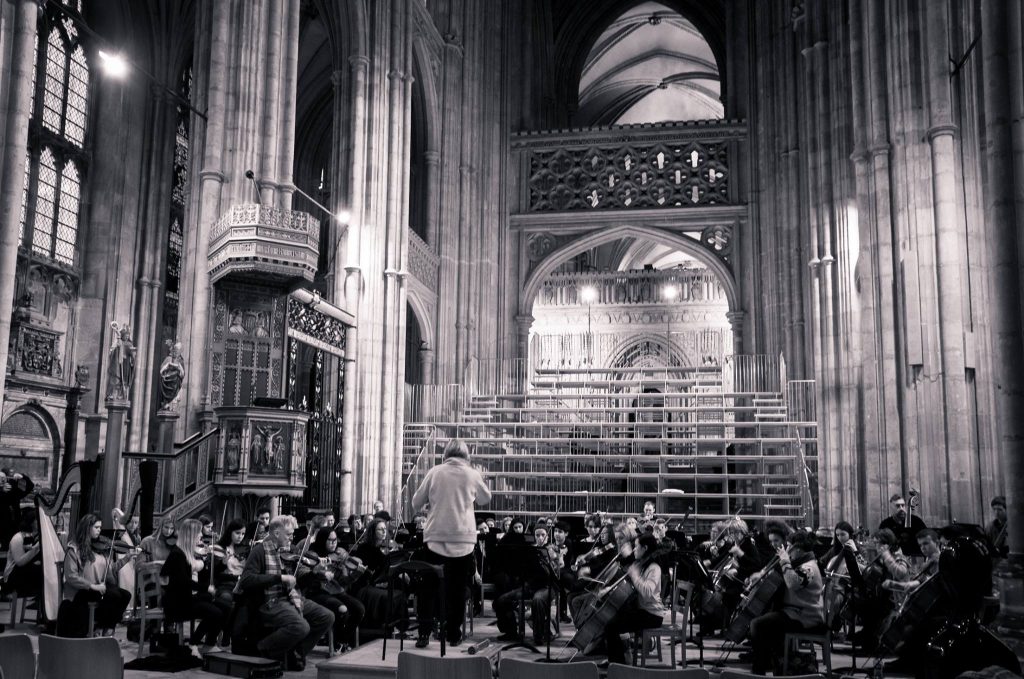
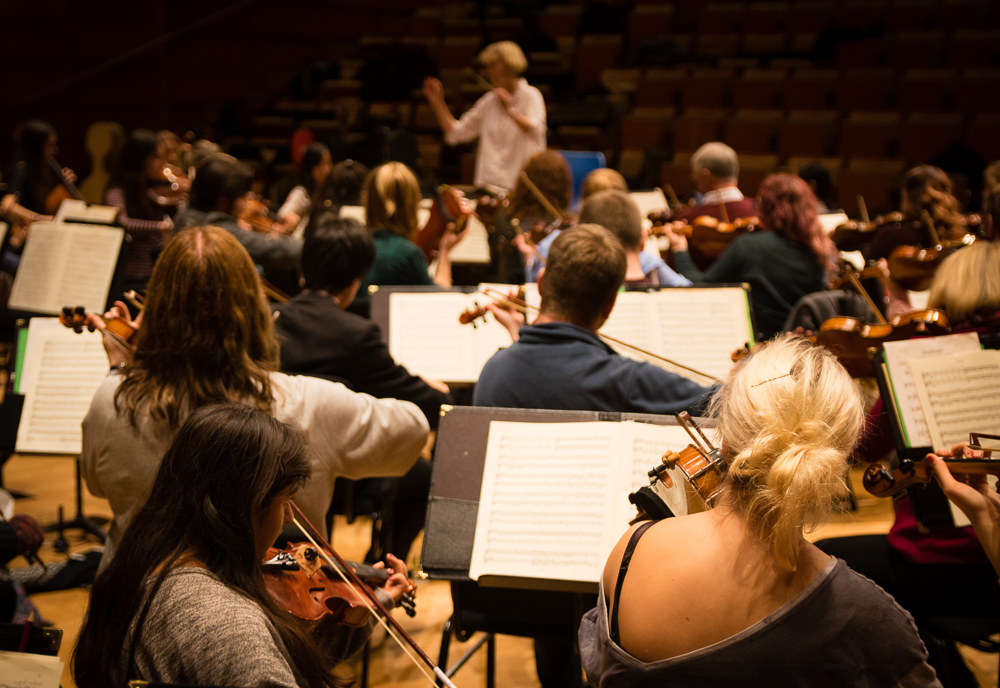 The wonder of it all is that everyone gives up their free time to attend weekly evening rehearsals, and, as concerts loom, additional rehearsals and workshops at weekends. No-one is obliged to take part – excepting the Director of Music, who arrives in the concert-hall each Thursday clutching oversize scores, a selection of conductor’s batons and the fierce determination to master that term’s repertoire – and when concerts are in the offing and more rehearsals are taking place, time-management (or, in the case of some of the players, parental child-management) skills are called in to play, as everyone makes time for them on top of their coursework or vocational commitments.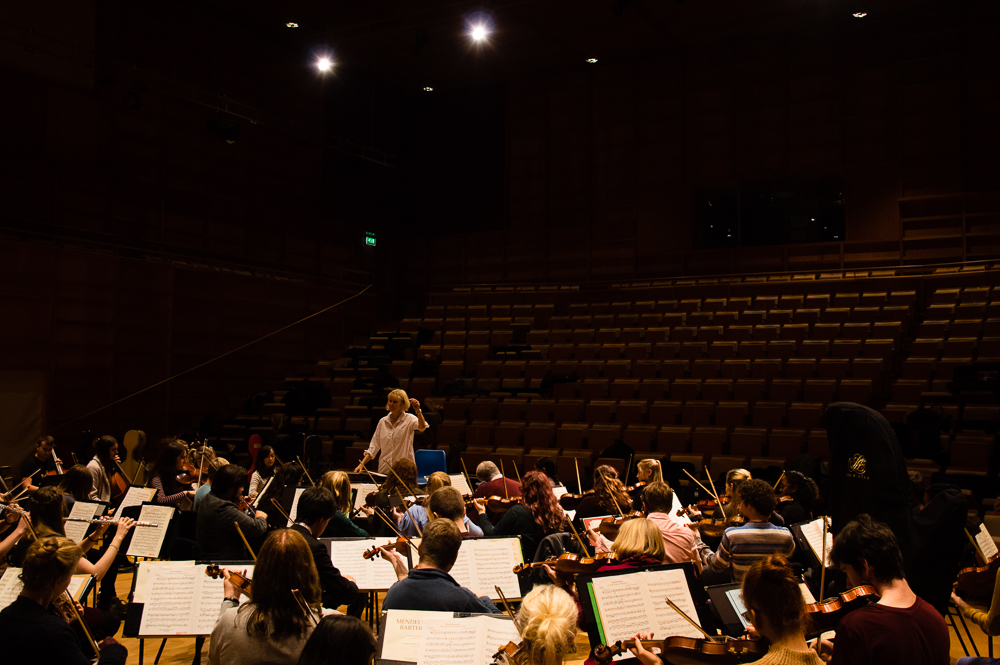
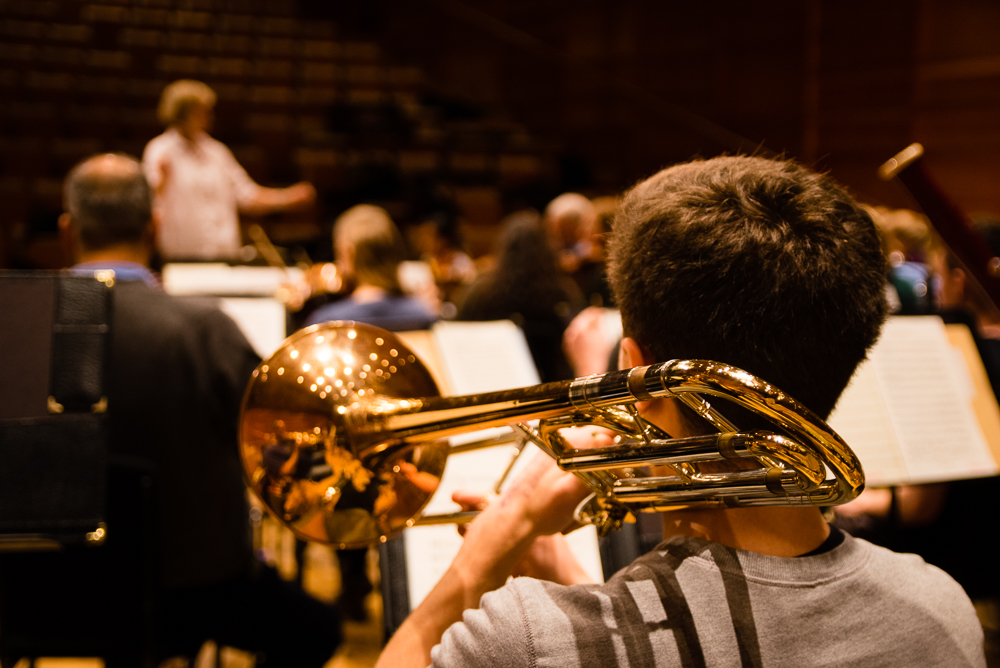 The orchestral repertoire which they have embraced over the years has ranged from epic monsters of the Romantic Period – the Berlioz in 2016 being a memorable example – to energetic orchestral showpieces including the Symphonic Suite from Bernstein’s West Side Story, or Verdi’s Requiem. It’s hard work, particularly at the end of a long working day, especially for those students who have the additional task of commuting from Medway on a Thursday evening as well, where they have been studying Fine Art or Business and Management; and yet the enthusiasm with which the players embrace the works which the Director of Music hurls at them is wondrous to behold.
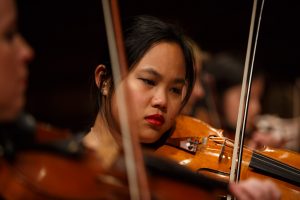 This year, the Symphony Orchestra will be led – for the first time for the entirety of the Cathedral concert – by Lydia Cheng (picture right), a second-year Music Scholarship student from Canada, who came to Kent for the strength of its Law degree as well as for the extra-curricular music-making opportunities that it offers. Elsewhere in the orchestra, a former member of the National Youth Orchestra sits amongst the woodwind, and a current member of the National Youth Jazz Orchestra lurks in the brass section. There’s an international flavour to the orchestral members, too, including players from Malaysia, America and South Africa.

 Set against the backdrop of Soft Formalities, the gallery’s new exhibition, the Chamber Choir will unveil a choral programme in the venue’s sonorous acoustic, ranging from Purcell to Alec Roth, taking in madrigals by Hassler and Lassus, and works by Tavener, Peter Warlock and Alexander Campkin.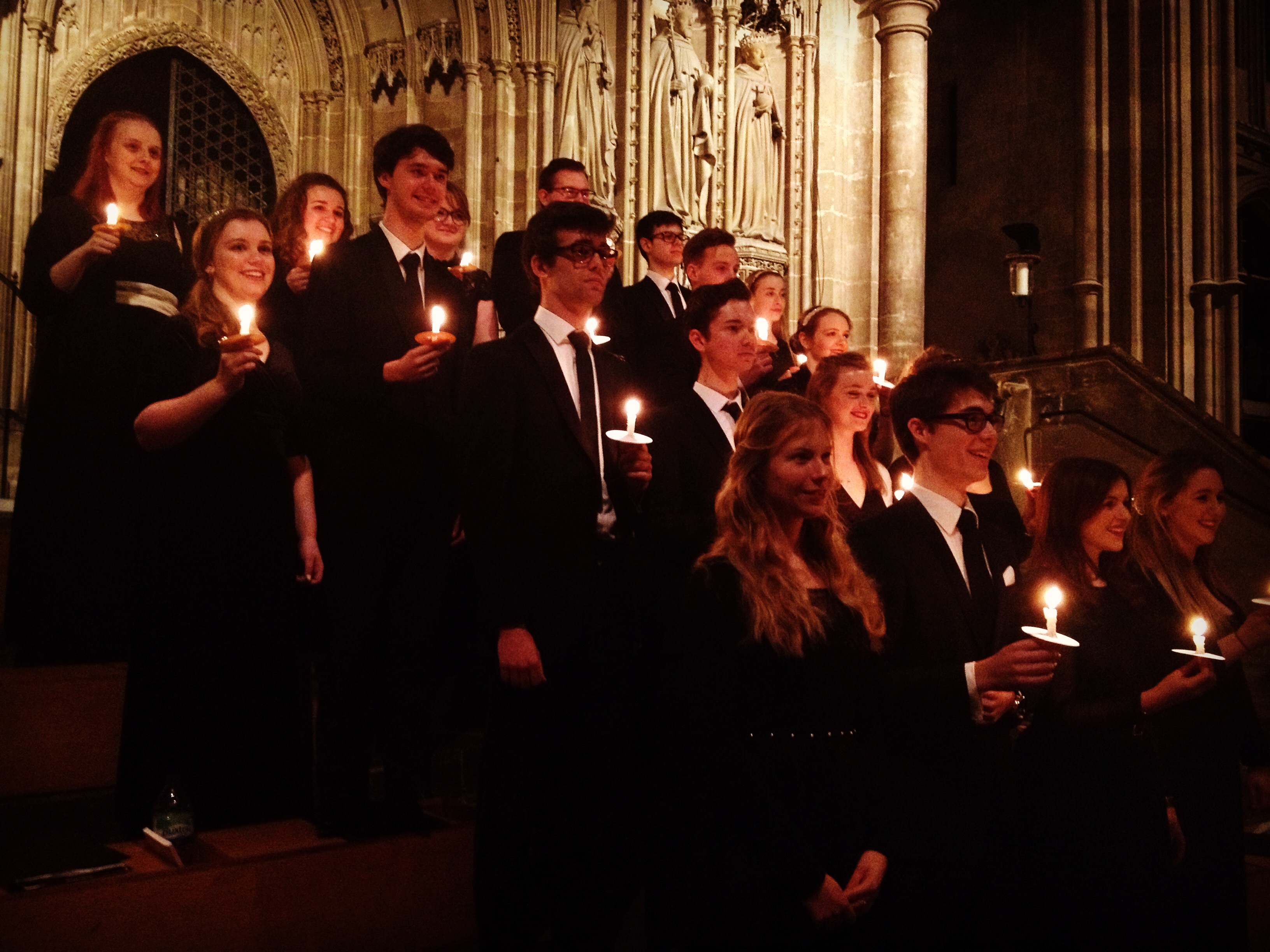

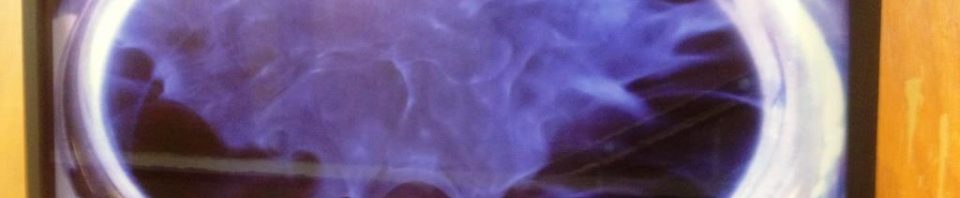
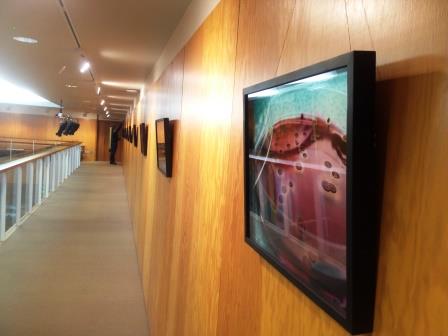 Curated by Dr Dan Lloyd, the collection of images, each generated through engagement with current research, showcases the beauty in scientific data.
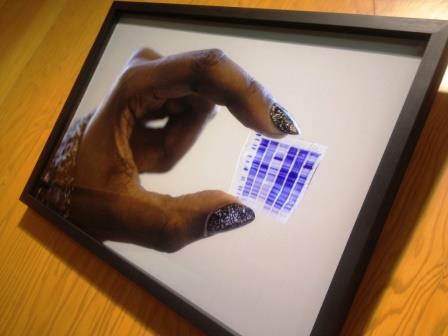 Every image shown has a story to tell, and explores cutting-edge research in the fields of biomedical science, biochemistry, genetics and biotechnology. In addition to introducing new and interesting concepts at the forefront of scientific research, the exhibition aims to encourage the viewer to explore their own perspectives on art within the context of the biological sciences.
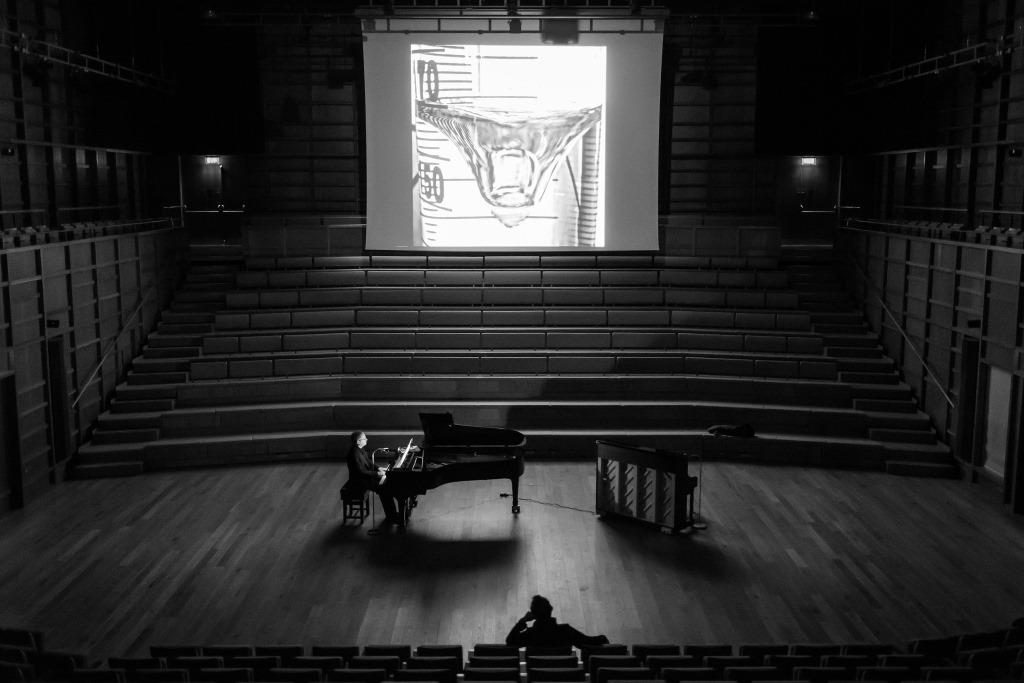
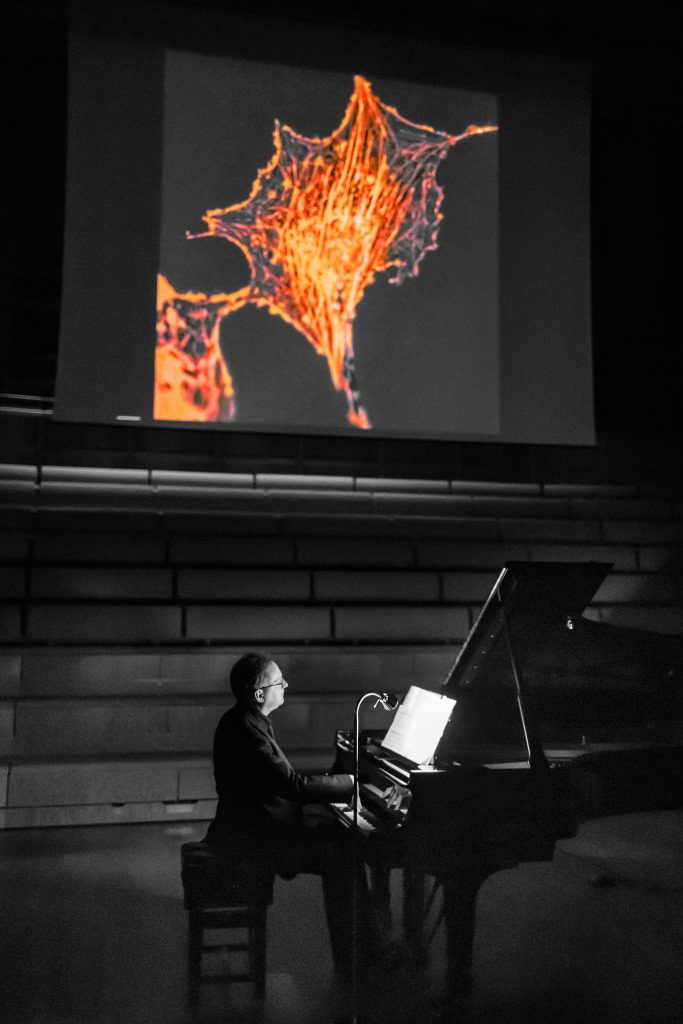
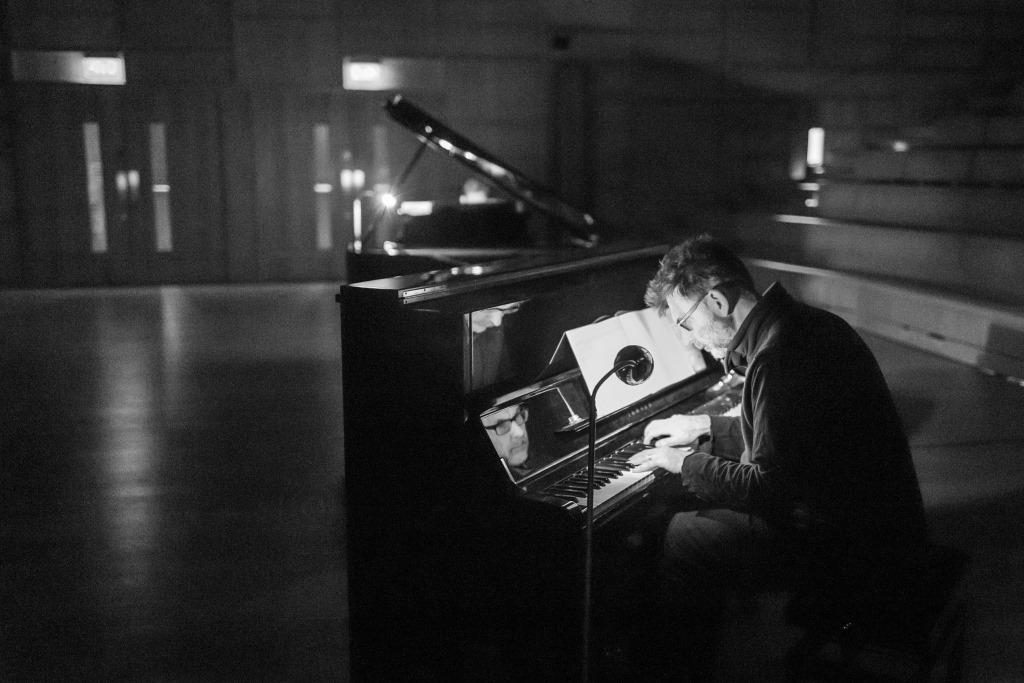
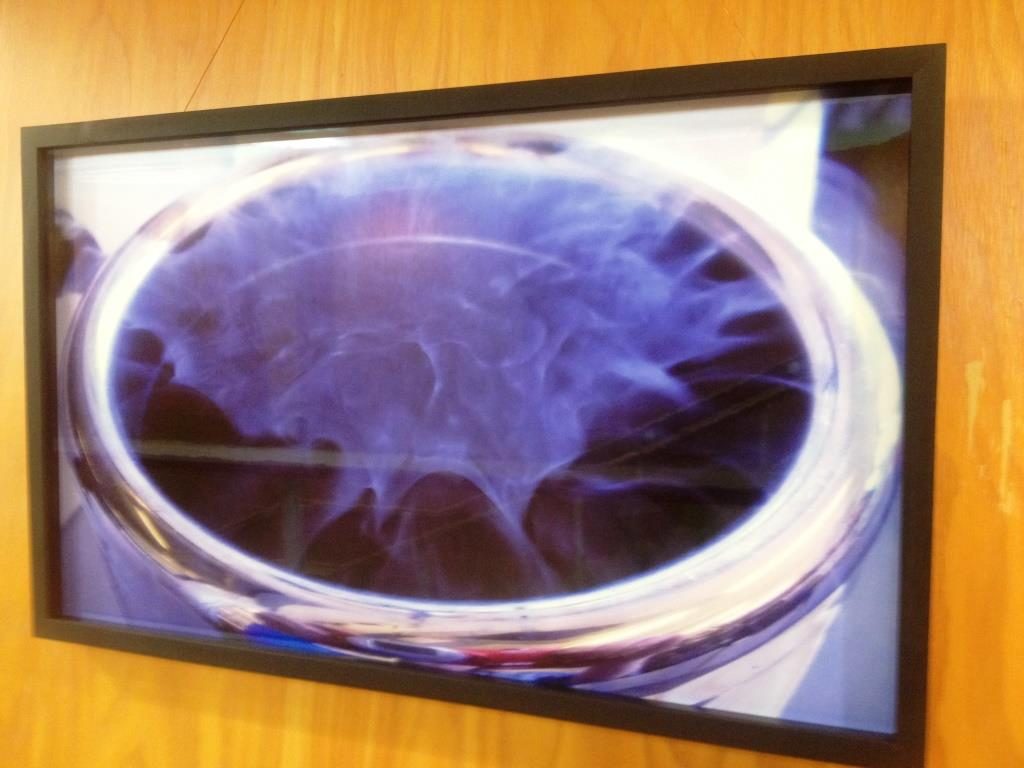 The exhibition forms the backdrop to an exciting lunchtime concert on Weds 1 February in the concert-hall, Cellular Dynamics, which brings together science and music in image-projection and time-lapse photography, accompanied by live music for piano by Philip Glass and Tarik O’Regan, and Gavin Bryars’ My First Homage for two pianos, performed by Dan Harding and Matthew King (details

 As usual, we’ve performances in the majestic surroundings of Canterbury Cathedral with the Chorus and Symphony Orchestra in Tchaikovsky and Puccini for the annual Colyer-Fergusson concert, and the Chamber Choir and Ensemble will fill the Crypt with Fauré’s evocative Requiem in a new chamber edition. The Concert and Big Bands return in March with a dazzling evening of concert band classics and big band swing, and the Musical Theatre Society is back in action too. CantiaQuorum brings its usual eclectic and innovative approach to programming with a new series of concerts, and our popular Lunchtime Concert series ranges from the shores of Scotland to the heady sensuality of Argentinian tango.
 A new collaboration with the School of Biosciences forms the backdrop to a concert bringing together live music with beautiful images from its cutting-edge research, which will also be exhibiting in the Colyer-Fergusson gallery throughout the spring term; and there’s a look ahead to warmer weather and seaside pleasures with events to come during our annual Summer Music Week festival in June.