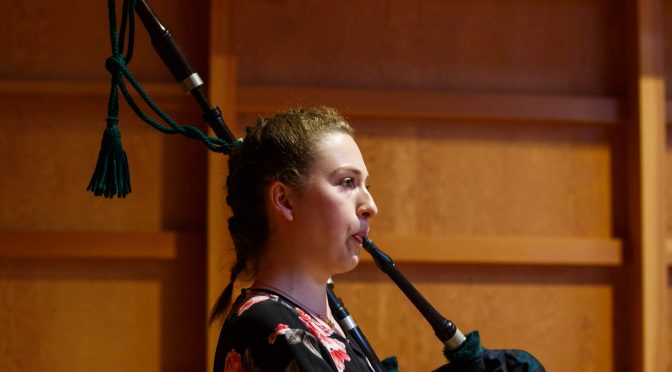
As part of her Music Performance Scholarship, first-year Biochemistry student and highland bagpiper, Eloise Jack, recently took part in a piping course at the National Piping Centre in Glasgow. Here, Eloise reflects on her experience.
Thanks to the music scholarship I received from the University, I was able to attend an intensive piping course from the 24th-28th of June at The National Piping Centre in Glasgow. Each day consisted of three one-to-one sessions, with time between the lessons to practice in one of the centre’s practice rooms. Throughout the week I had lessons with four different instructors, covering different styles and playing techniques, and also tuning the pipes and general maintenance.
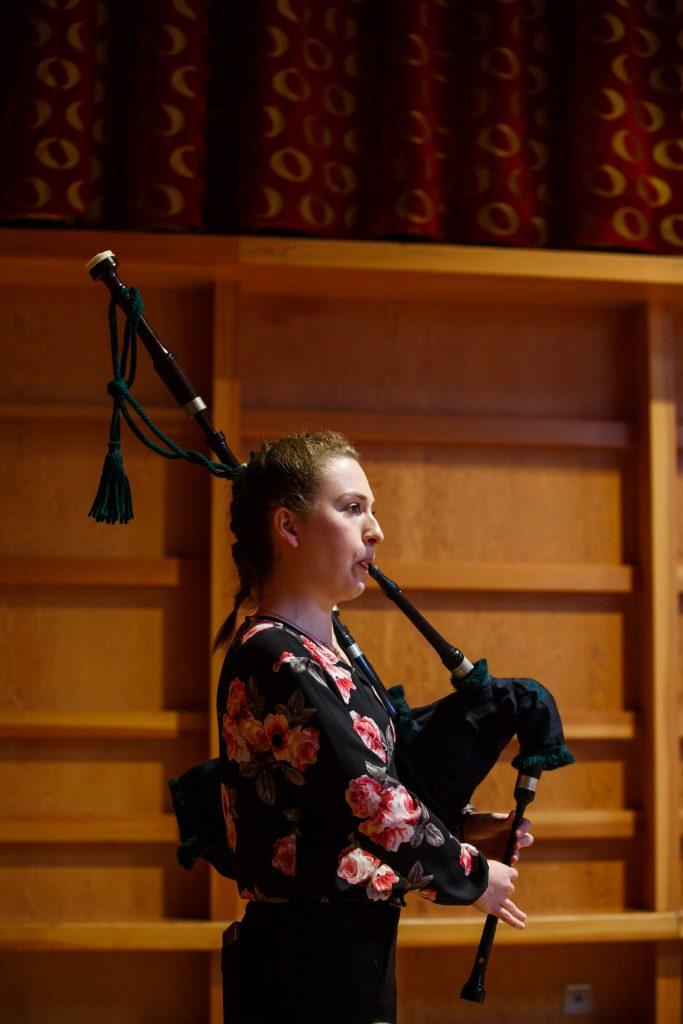
In the first lesson I set my goals for the week with Finlay MacDonald, head of piping studies at the National Piping Centre. These included: –
• Expanding my musical repertoire and learning new styles of tunes.
• Learning the correct technique to tune my bagpipes myself, by ear (Usually someone else tunes my pipes for me using an electronic tuner.)
• Developing my embellishment techniques and overall piping technique.
Each further lesson was different and tailored to my needs, and depending on what instructor I had depended on what we worked on in the lessons.
I usually play marching tunes as I play with a marching band, however I wanted to expand my solo music repertoire. During the course, I was introduced to and started learning music in four different styles, including a jig, a reel, a strathspey and a four-part 2/4 march.

Tuning my pipes by ear was something that I was very keen to learn, as I normally have to rely on someone else to tune them for me. It is a difficult technique to master because you have to keep a steady pressure whilst trying to tune the drones so that the reeds in the drones and in the chanter vibrate steadily.
In completing this course, I managed to achieve all the goals I initially set. I also completed some much-needed maintenance on my pipes which was an unexpected expense, but the results in terms of the sound I can now achieve made it well worth it. They not only sound better when played, but the adjustments make it easier for me to practice tuning as make it easier to hear when they are in tune.
 I really enjoyed the course. Being able to focus on just bagpiping really helped and I would definitely attend another intensive course in the future so that I can continue to develop my overall technique and repertoire.
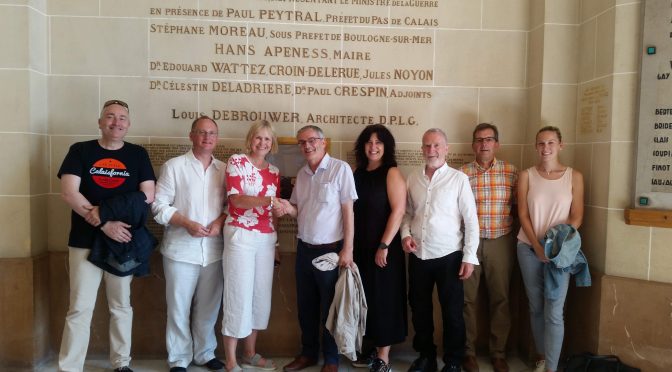
 Following an approach earlier this year from the city council about a shared endeavour, we found ourselves boarding the Eurotunnel early on Wednesday morning, travelling to meet the representatives from Calais at the historic L’Église Notre-Dame de Calais, the first stop on our tour of the plethora of cultural venues threaded throughout the city.
 Our next stop was La Halle, a flexible space on the Place d’Armes which can open its striking concertina-door, which occupies one entire side of the covered hall, onto the plaza. The space hosts outdoor and indoor performances as well as festivals throughout the year.
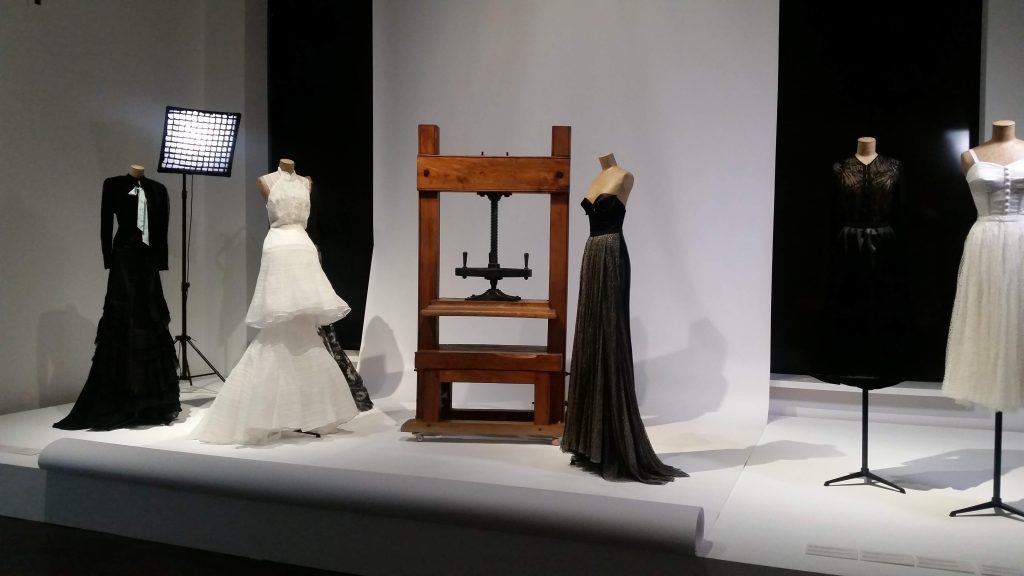
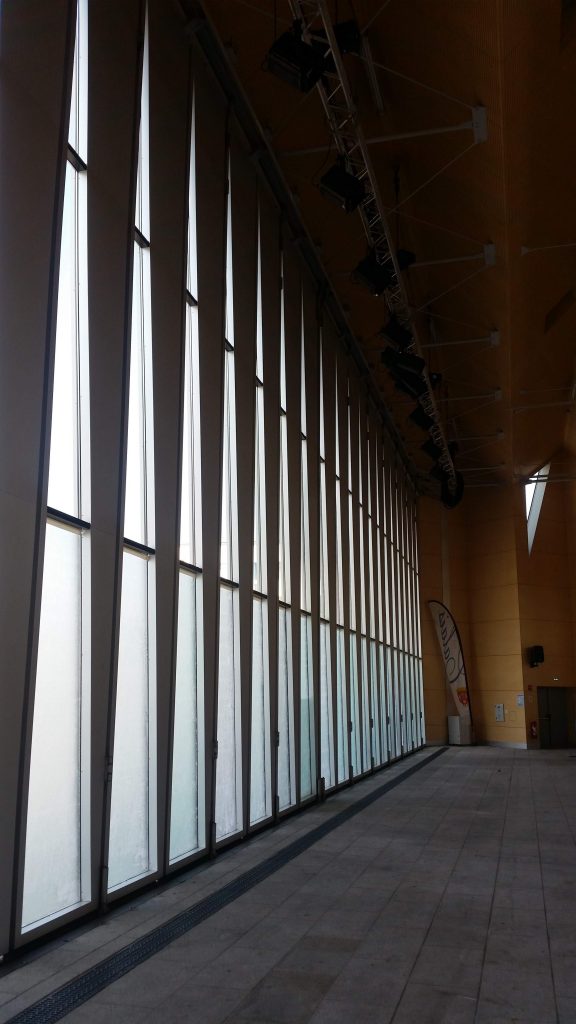 Next on our cultural odyssey was the Museum of Lace and Fashion, housed inside an original lace factory from the nineteenth century, with vast echoing galleries and an auditorium.
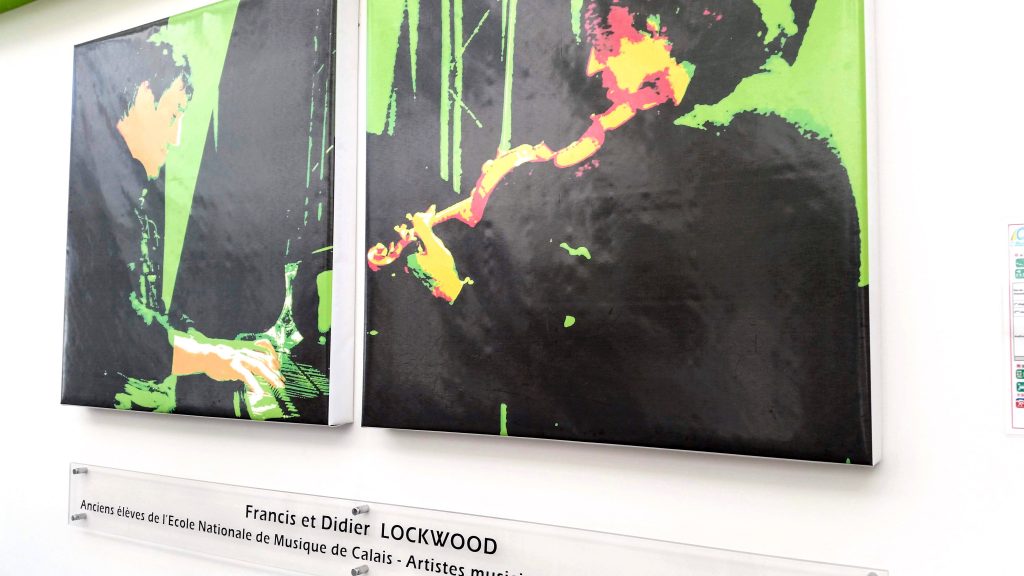
 The Forum Gambetta is a bright, modern venue that would be ideal for a bustling big band set; its jazz atmosphere has seen its stage graced by legendary French jazz violinist Didier Lockwood.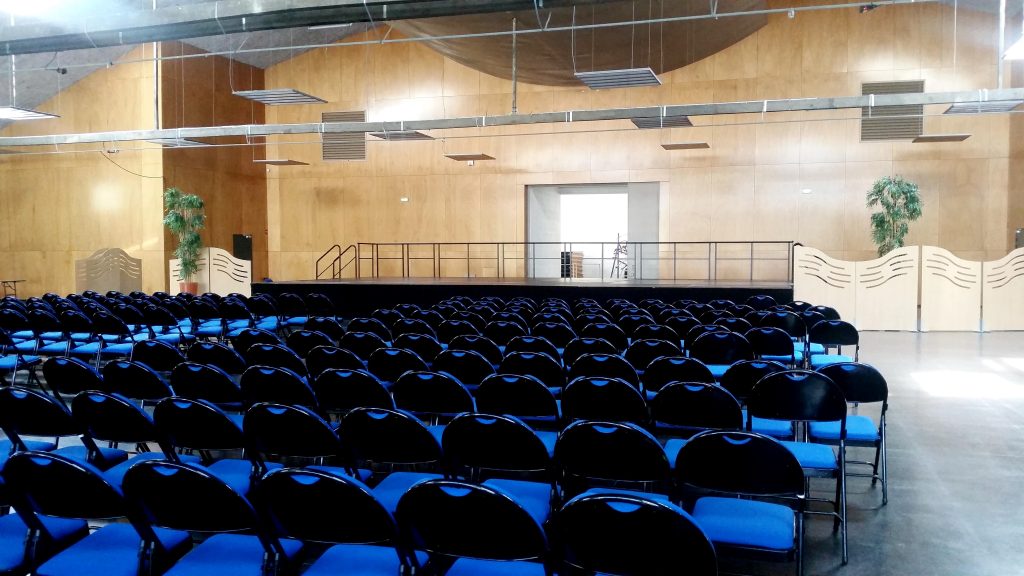
 Our steps then led us to the Musee des Beaux-Arts, which houses artwork from the sixteenth century to the present day.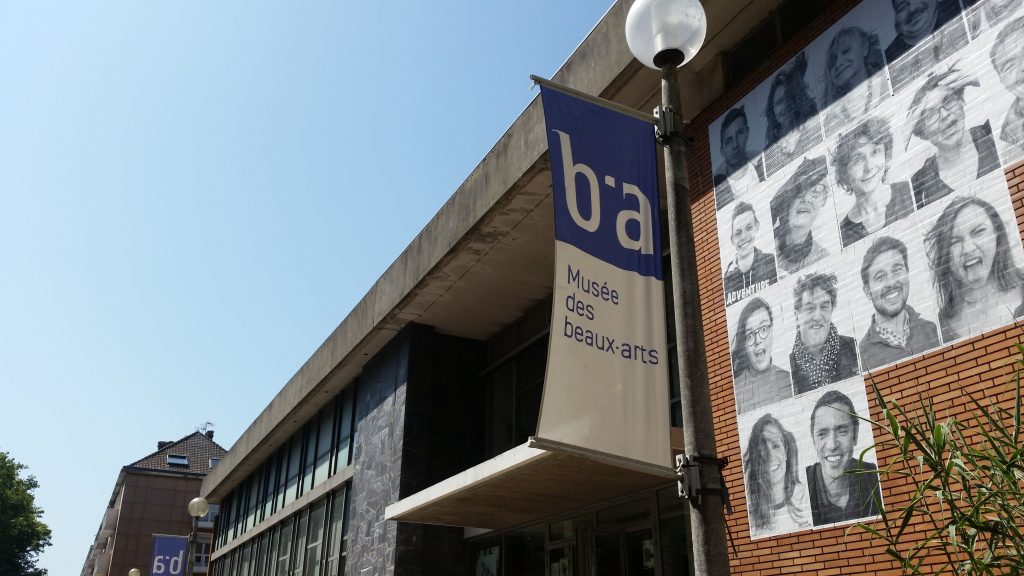
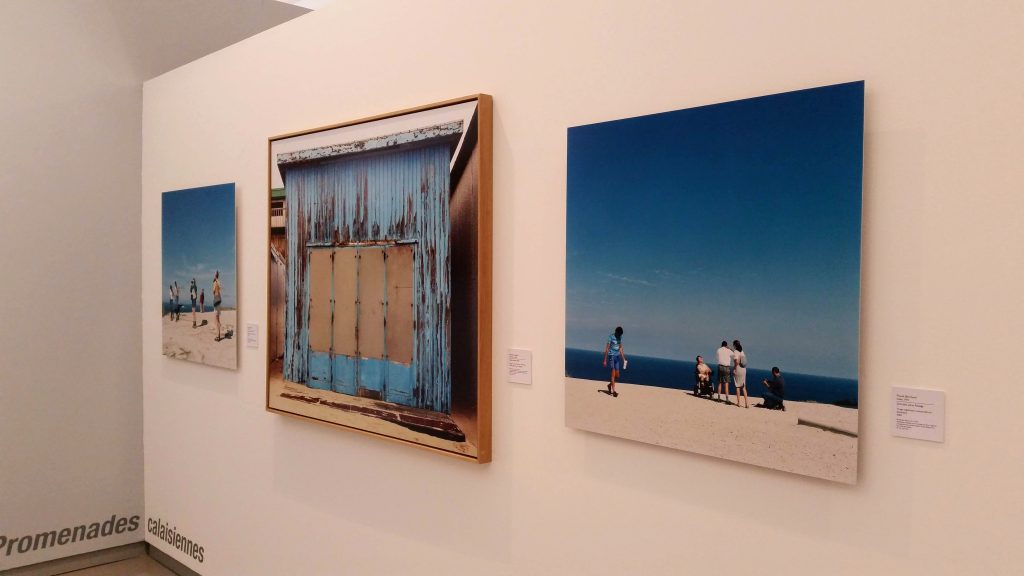
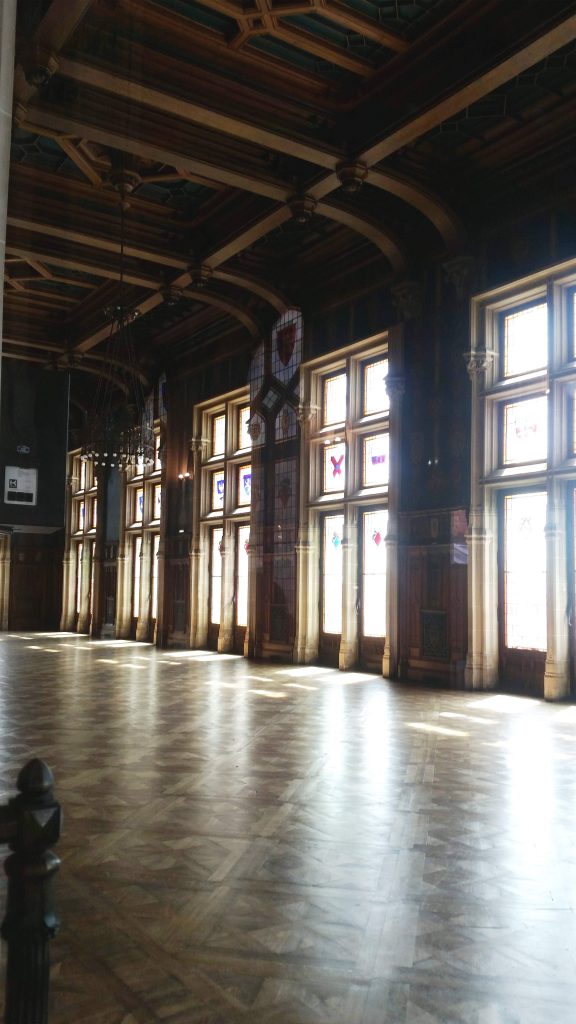
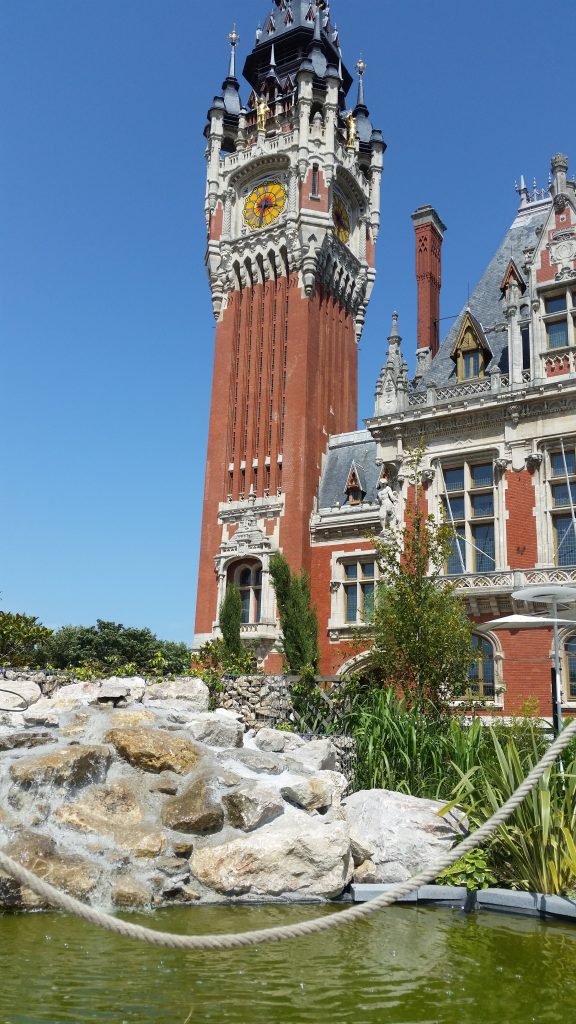

 With such rich history rubbing shoulders with modern venues, artistic exhibitions, festivals and all within walking distance of each other, Calais offers fertile ground for some exciting artistic collaborations – we’re looking forward to building and developing ideas in the new academic year.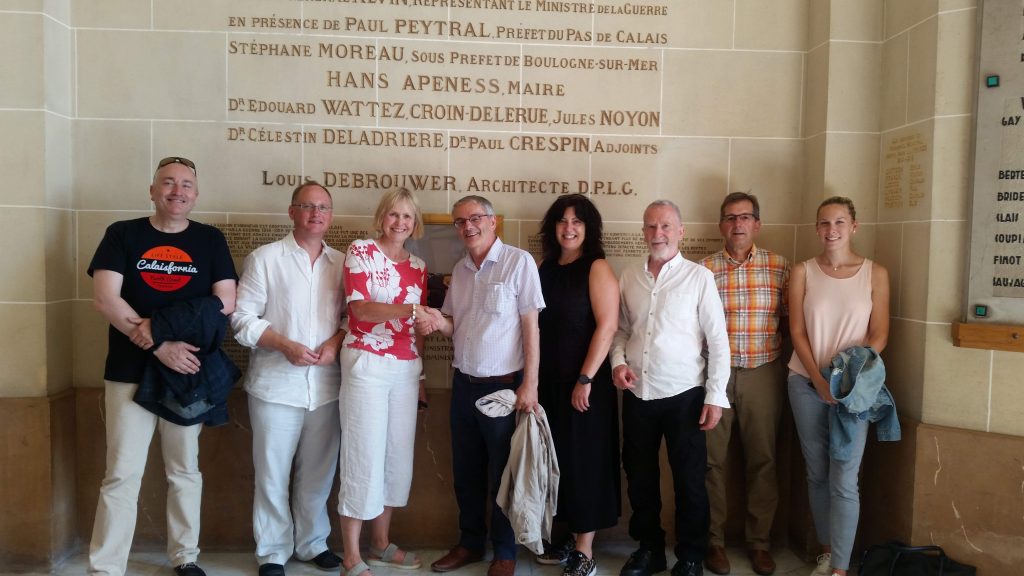


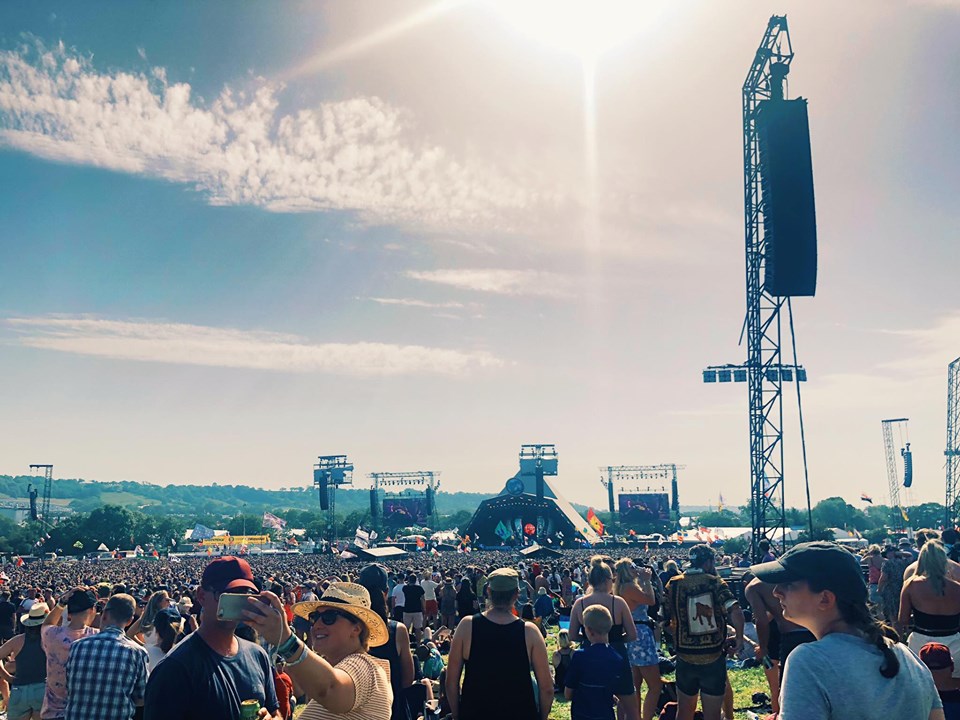 Sharing the stories behind her song-writing, she let the audience know that her first single, 2017’s Don’t Kill My Vibe, was written in difficult circumstances, and the fact that she could sing a song about respect at Glastonbury was something special. She then launched into a fierce rendition of the song, with a new-minted intensity, exhorting the audience with fierce gestures to clap along and showing a masterfully defiant side. There was a new-found swagger to her material as well; ‘Don’t stay if you don’t mean it, ‘Cos you f~cked me up again / Just walk away, and we’ll just leave it / ‘Cos I won’t give my heart in vain.’