It’s been a busy few days here in the Music department, a sure sign that the Christmas period is well and truly here.
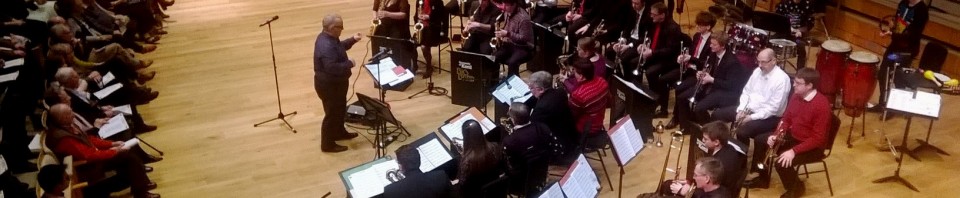
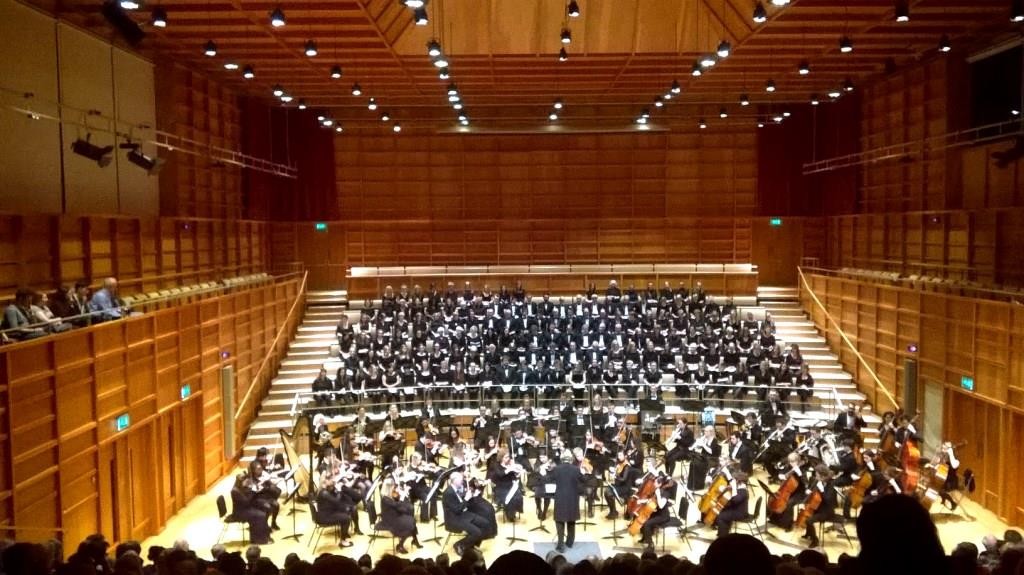
Last weekend, the Chorus and Symphony Orchestra came together in a seasonal performance of Vaughan Williams’ The First Nowell, brimful of carols familiar and unfamiliar; Shostakovich’s wry Symphony no.9 stepped out in sprightly form in the first half, and the Chorus also turned their hand to international linguistics with the choral interlude in Finlandia. There was a suitably seasonal conviviality to the hubbub backstage, including the taking of many selfies and a competition to see who could fit the largest number of performers into their selfie, a feat won hands-down by clarinettist Rianna Carr, whose prize-winning photo can be seen online somewhere on Twitter…
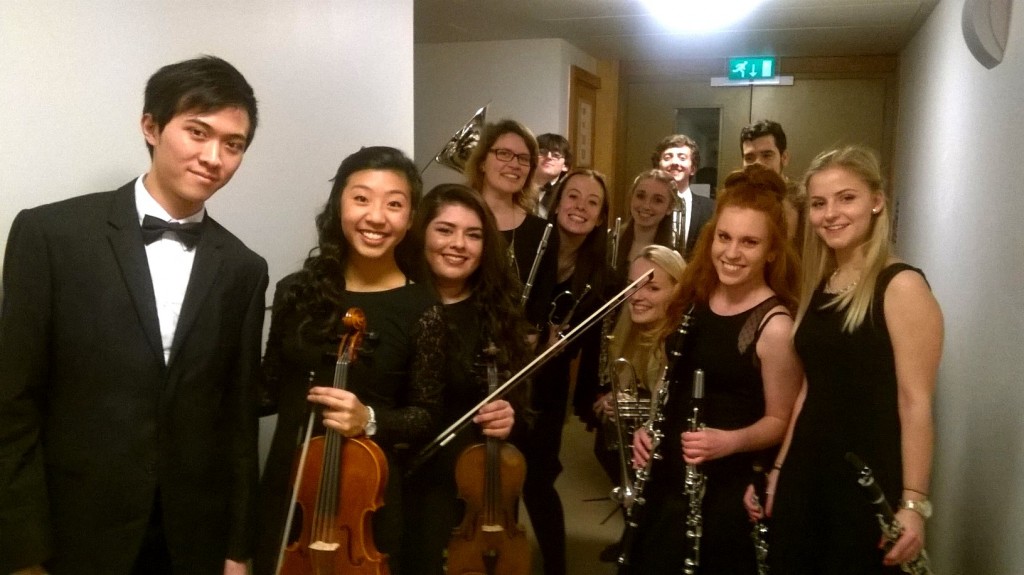 Members of the Orchestra backstage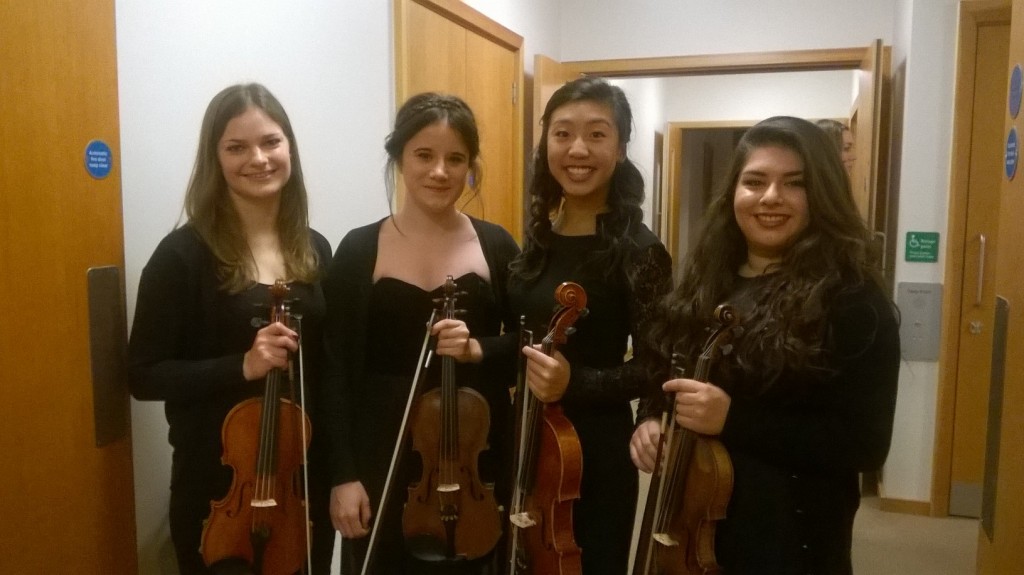
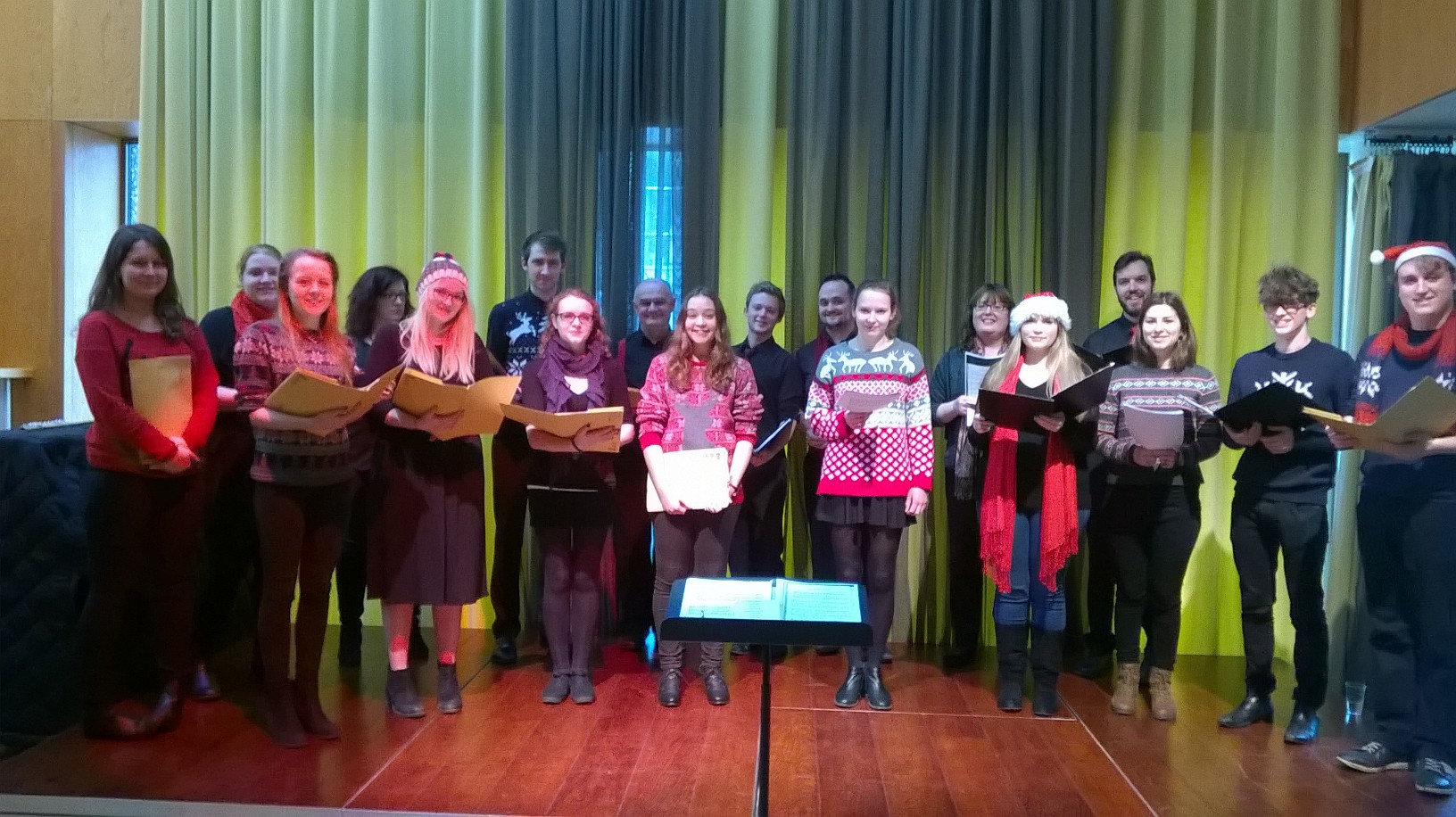
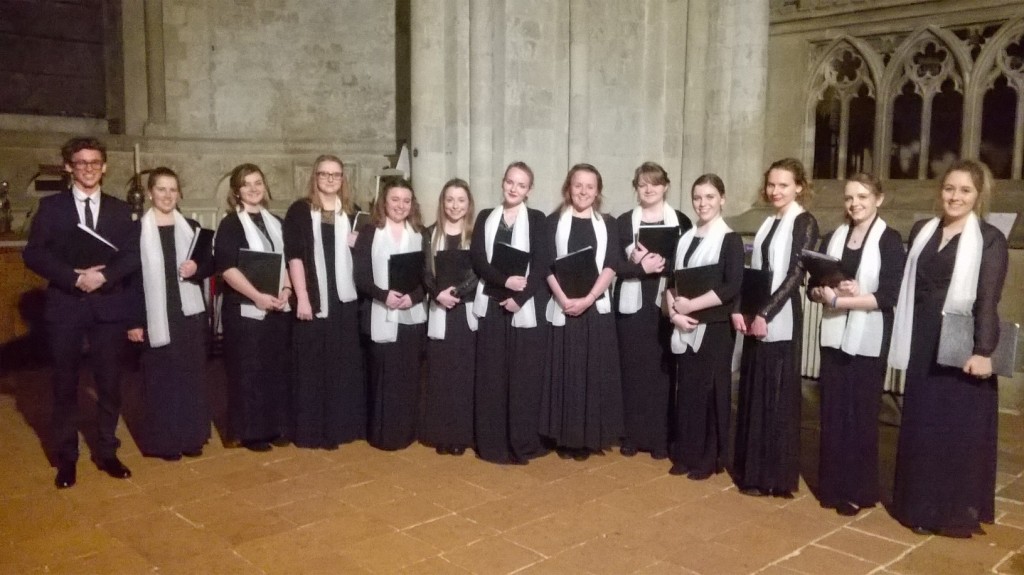
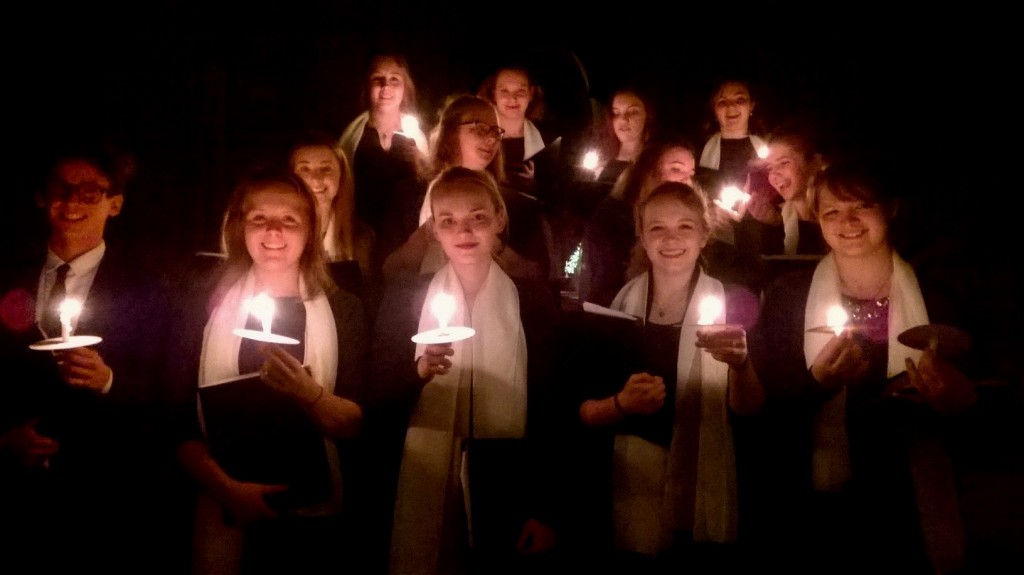
And last night, Minerva Voices, the new upper-voices choir, filled the Nave of Canterbury Cathedral as part of the annual University Carol Service, including a soaring rendition of the opening verse of Once in Royal David’s City from second-year BioSciences student and Music Scholar, Charlotte Webb.
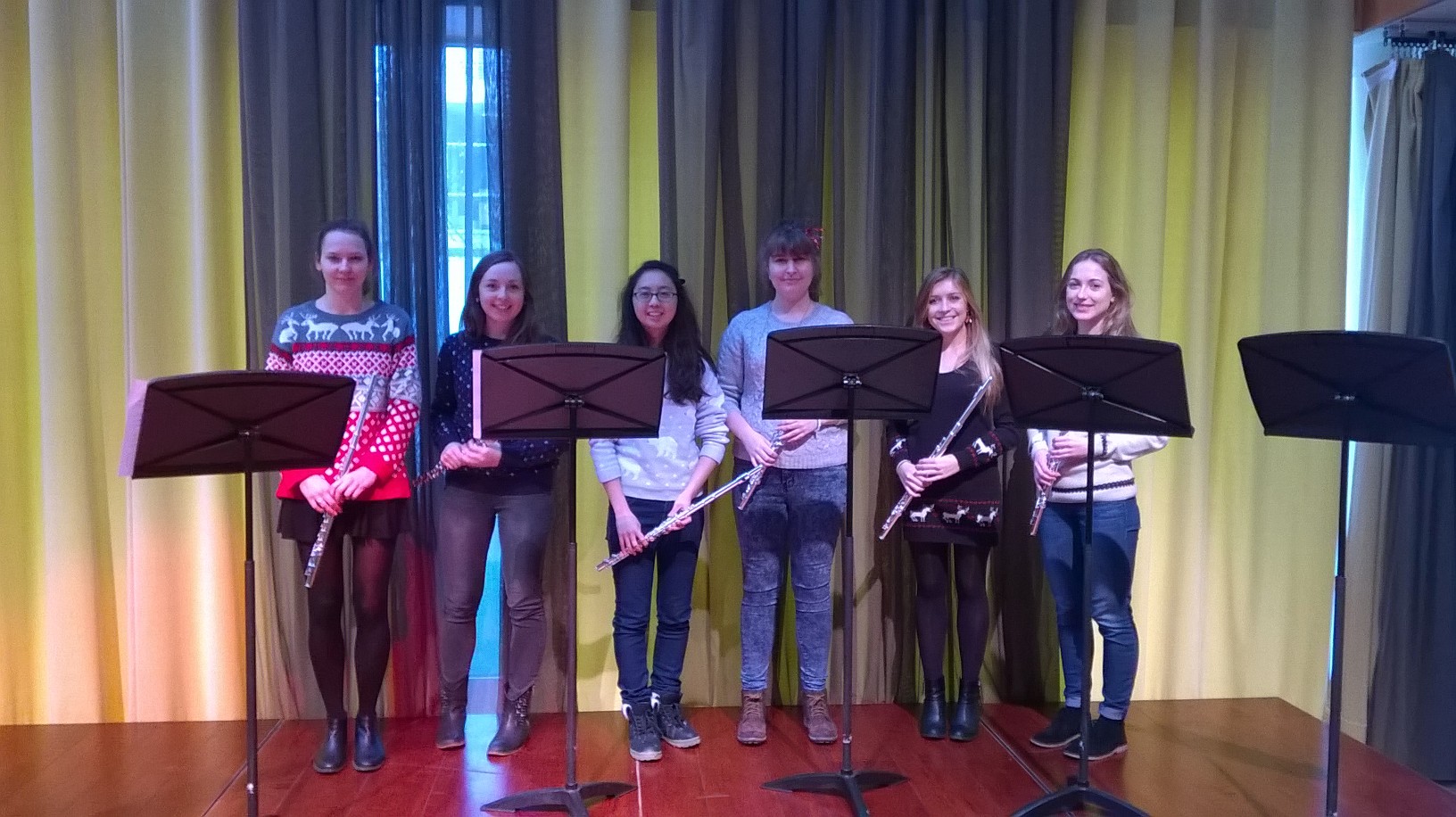
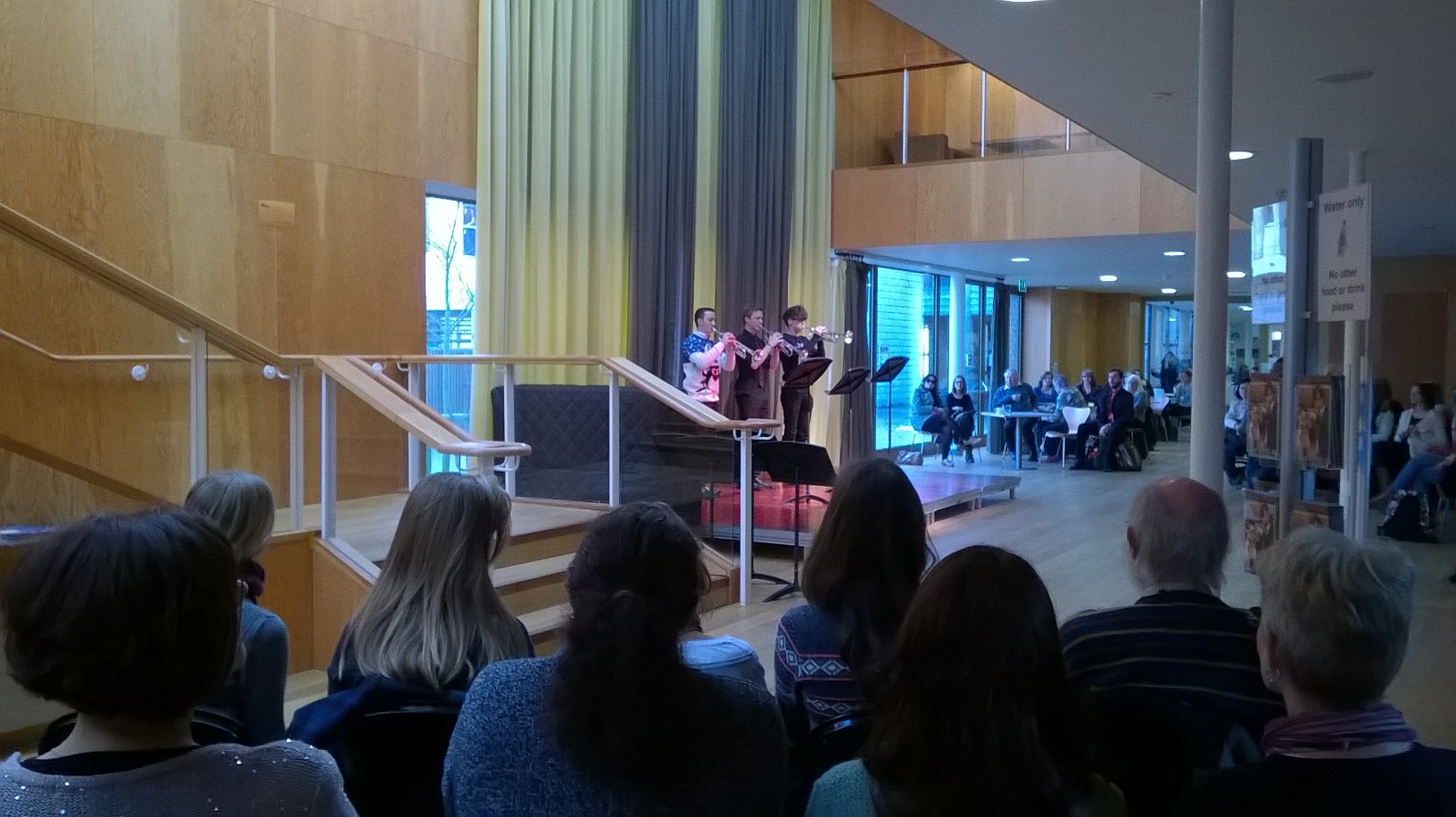
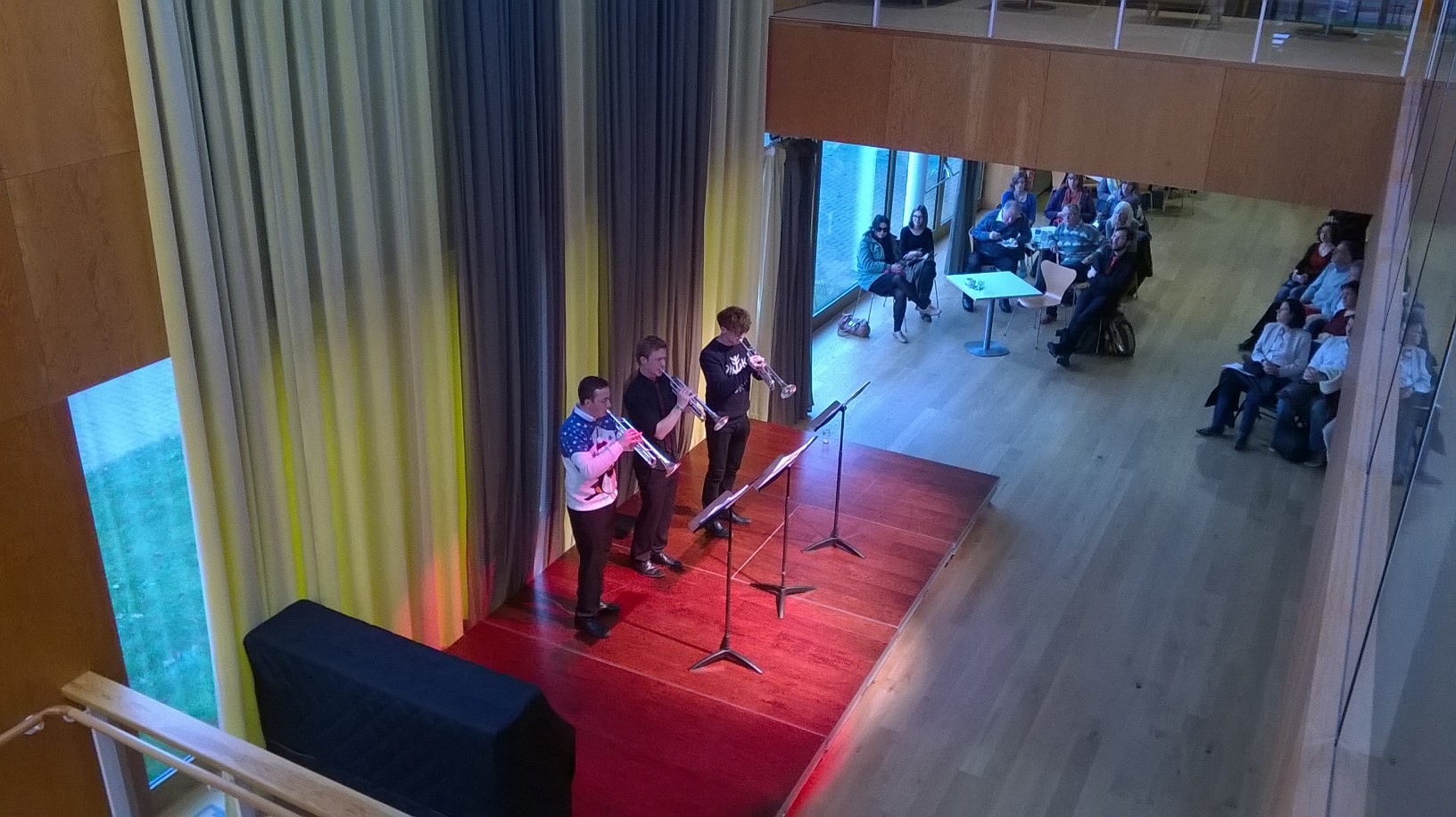
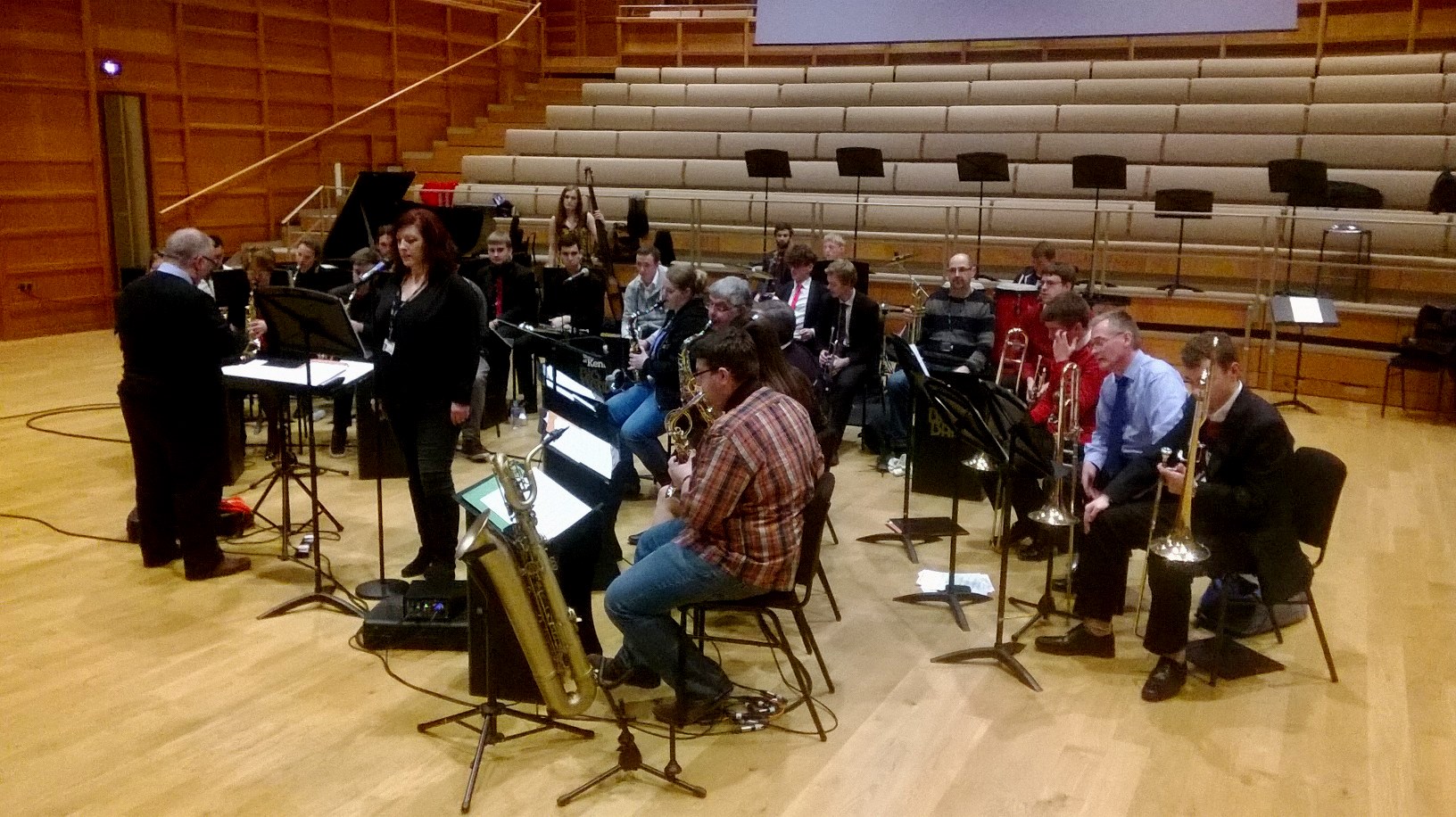
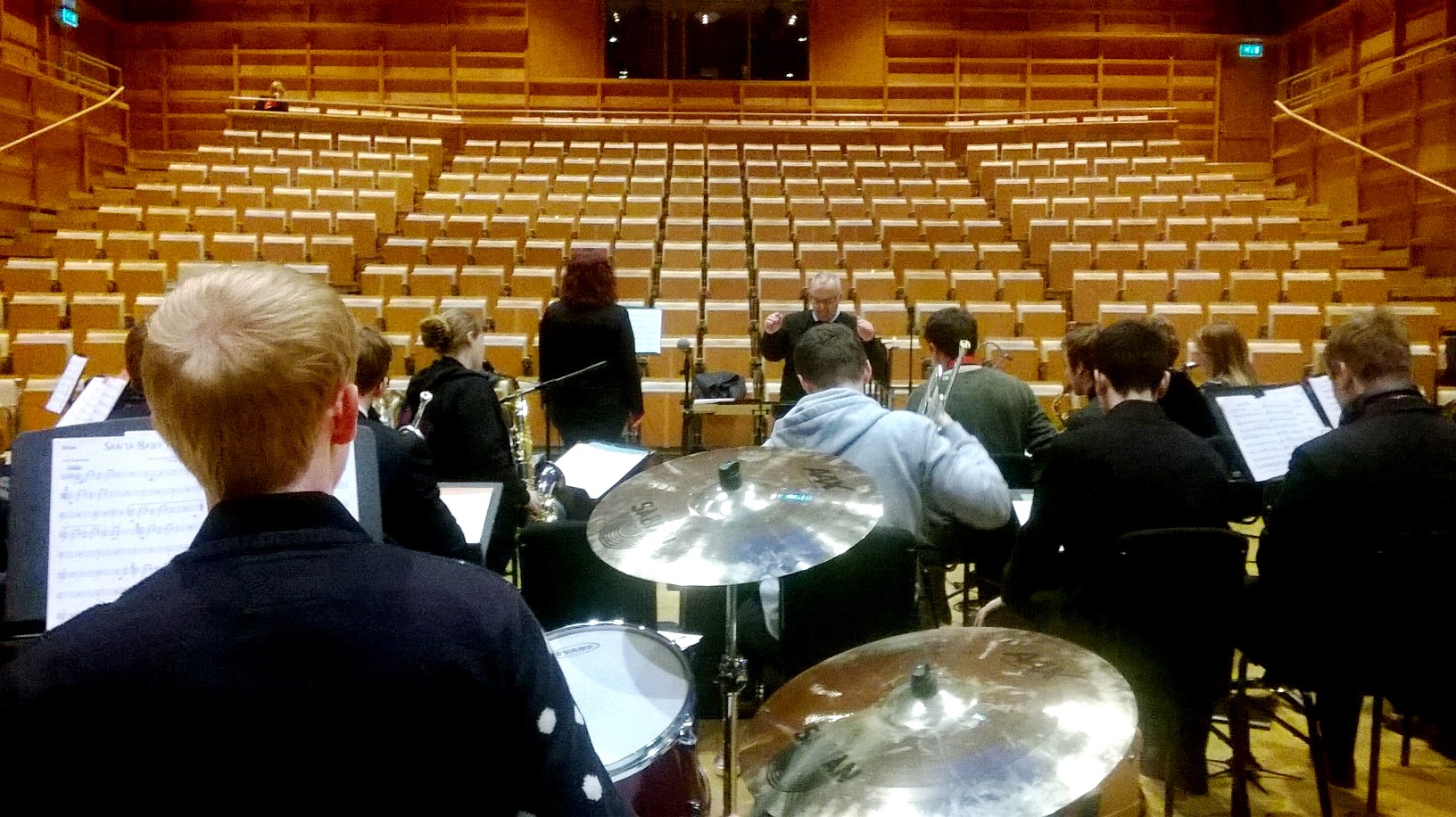
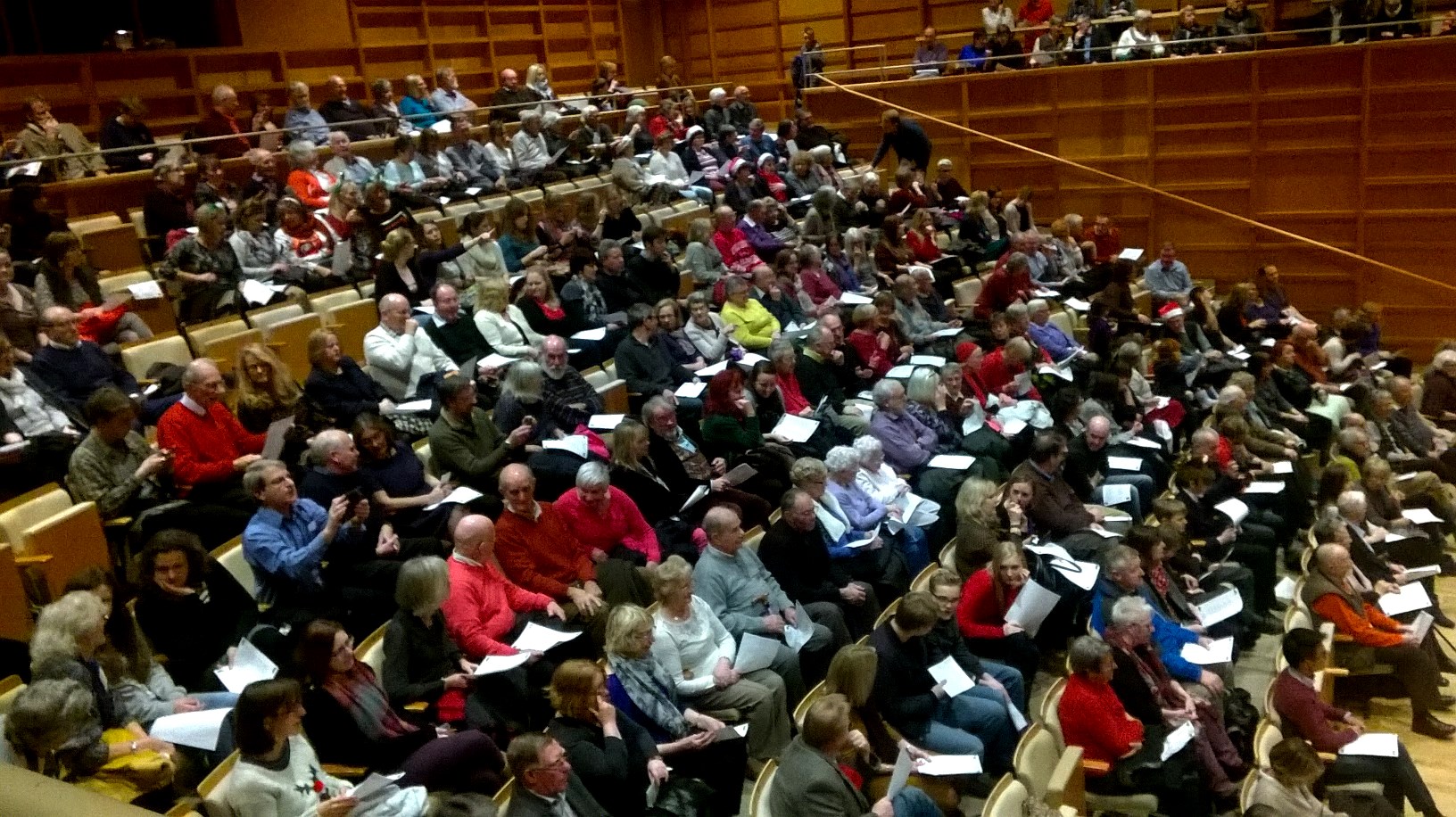
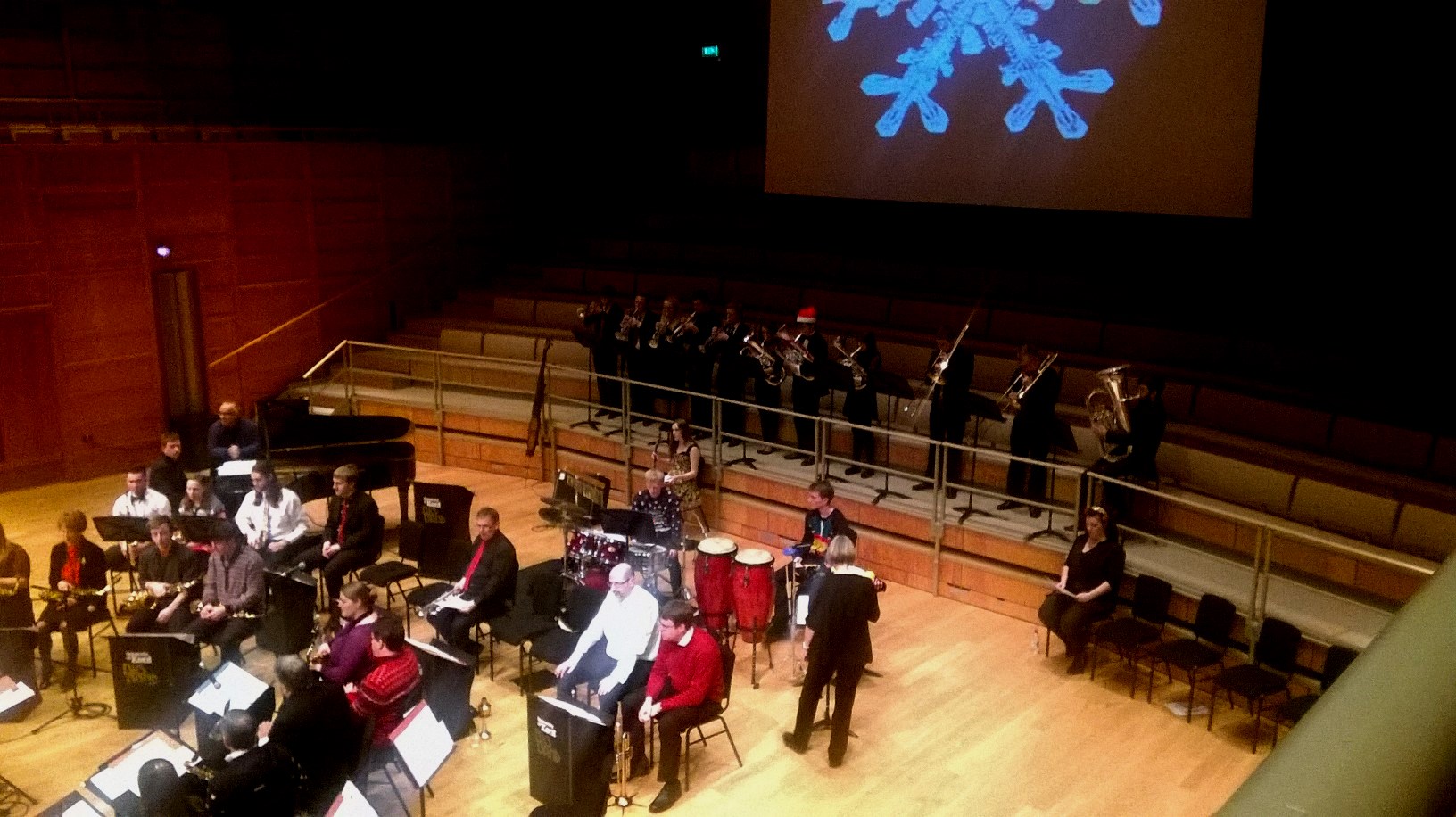
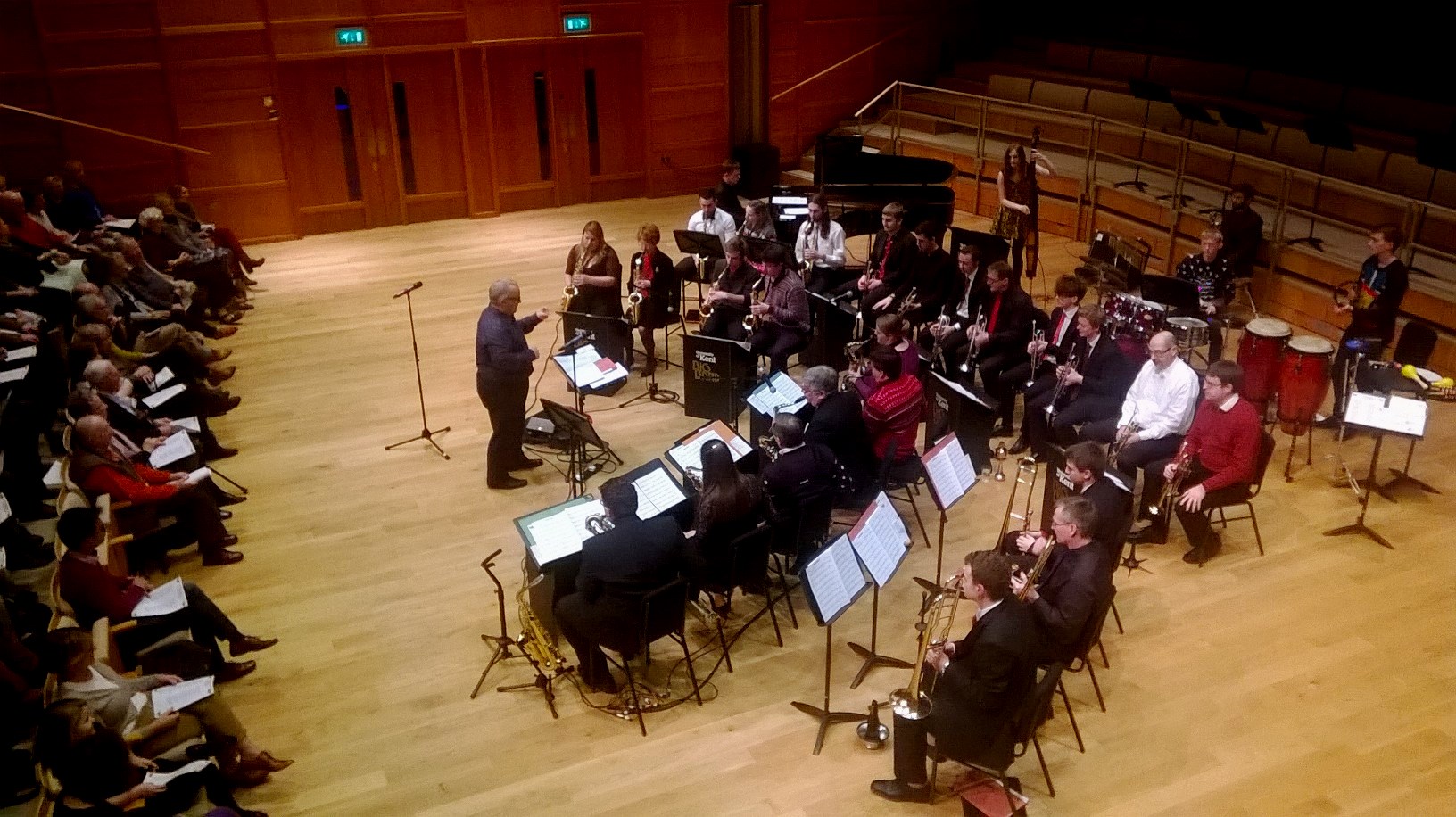
It doesn’t stop there; tomorrow sees a festive ‘Watch This Space’ on the foyer-stage, and later the Big Band gets its Christmas swing on with its now traditional Christmas Swingalong. ‘Tis the season to be really rather jolly indeed!
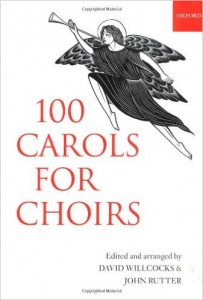 It’s no understatement to say that Carols for Choirs has become as much a part of tradition at Christmas as the decorated tree and tinsel; for many, Christmas simply isn’t Christmas without that opening solo verse of Once in Royal David’s City lifting clear into the vaulted roof, the wonderful intimacy of his arrangements of Away in a Manger and Silent Night, or robust settings of The Twelve Days of Christmas or I Saw Three Ships. The first volume in the series was published in the 1960s, and the 100 Carols for Choirs published in 1987 is the go-to carol collection for most choirs. A chorister’s Christmas begins around mid-autumn with that first cracking open of the anthology; the collection ranges from arrangements of popular carols together with lesser-known pieces, and has become the staple of choirs the world over, both amateur and professional. And if you’ve learned a carol descant, chances are it’s one from the book. Arguments about whether, between them, Willcocks and Rutter combined to save the tradition of choral Christmas carol-singing will no doubt continue, but it’s certainly fair to say that they provided an accessible, richly-rewarding and enduringly popular collection that has contributed much to keeping carol-singing alive and in rude health well into the twenty-first century.
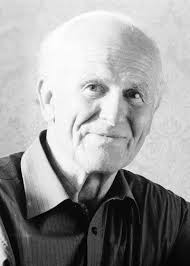 Hail and farewell, Sir David, who leaves behind an enduring legacy at the heart of music-making at Christmas.