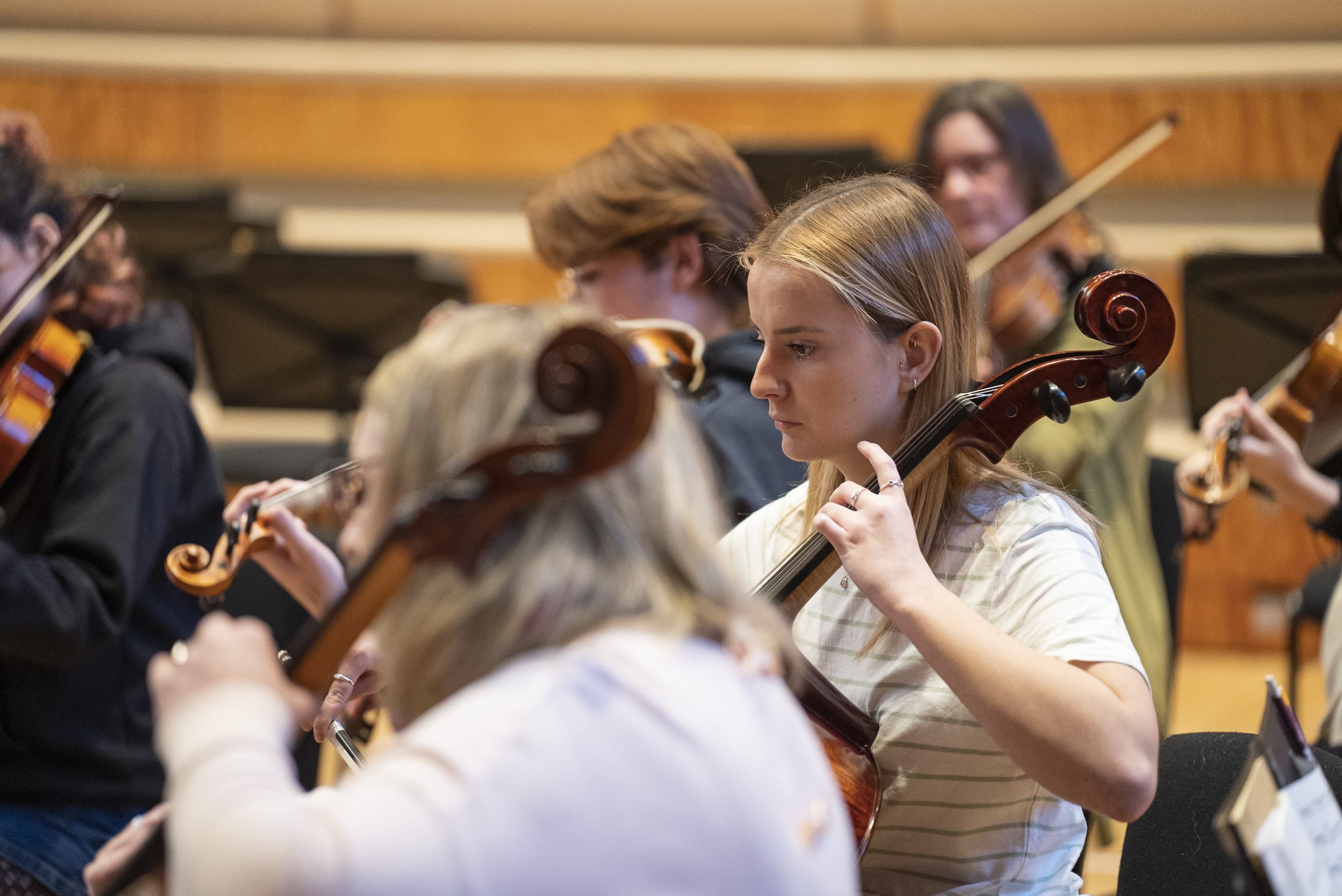
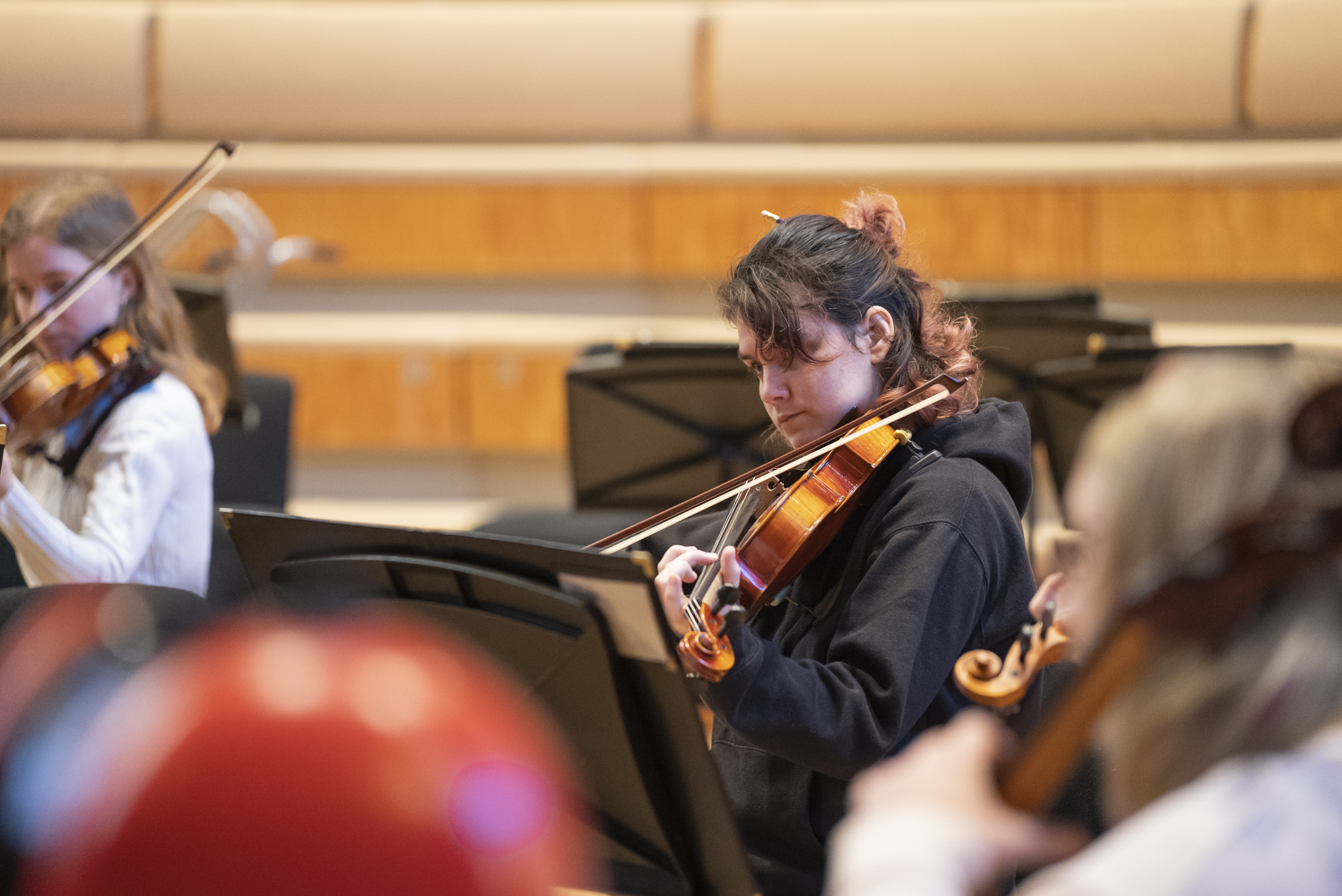
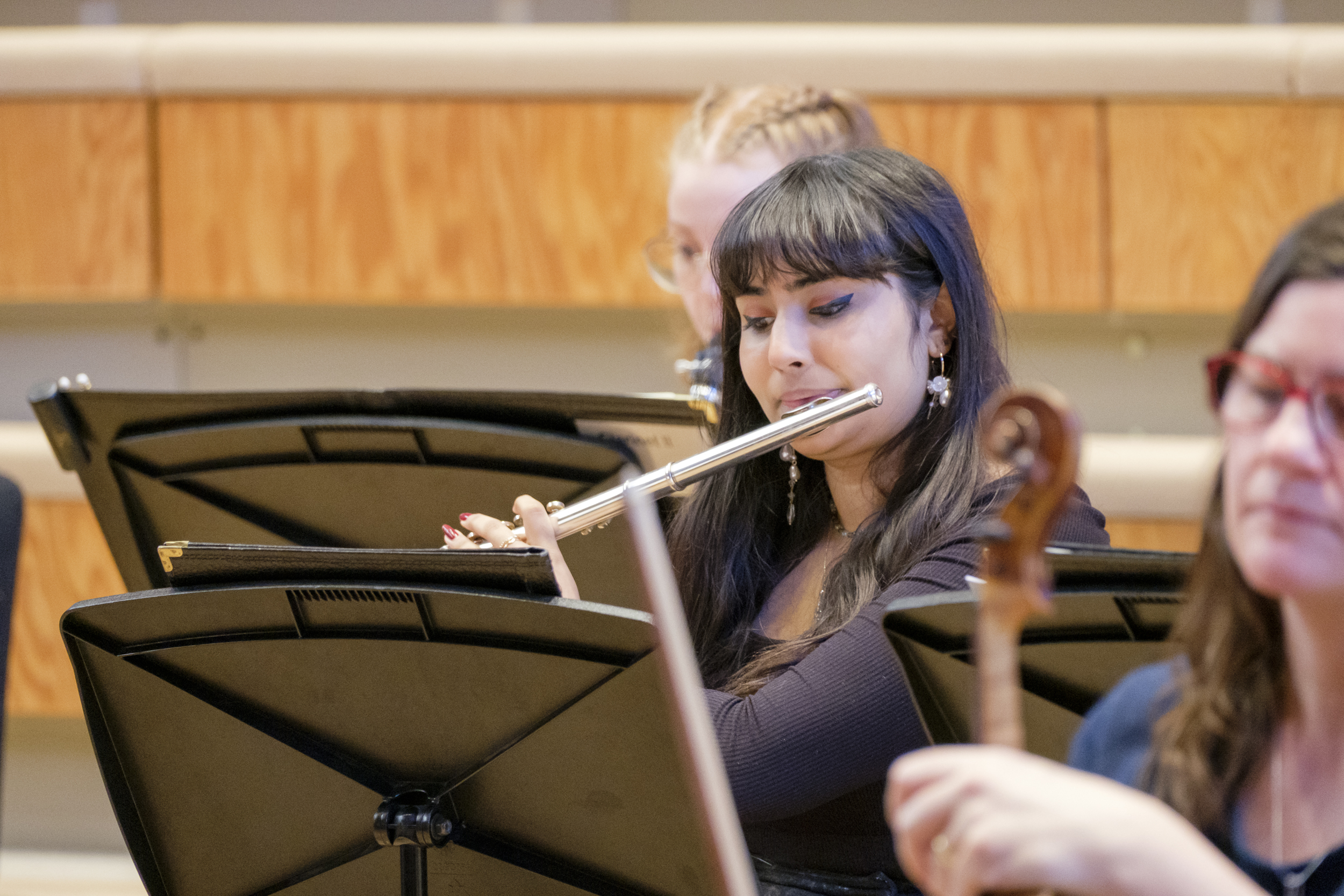
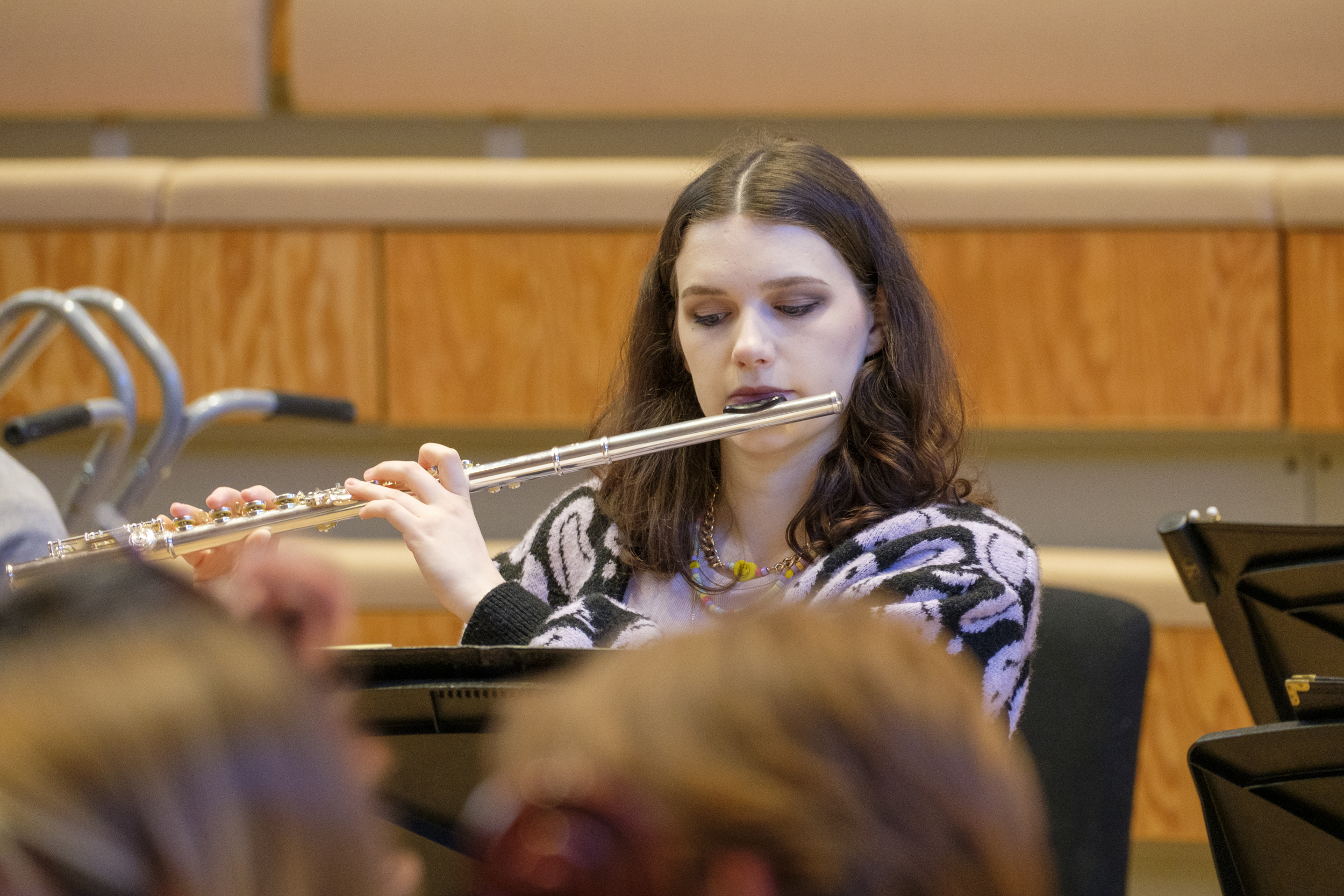
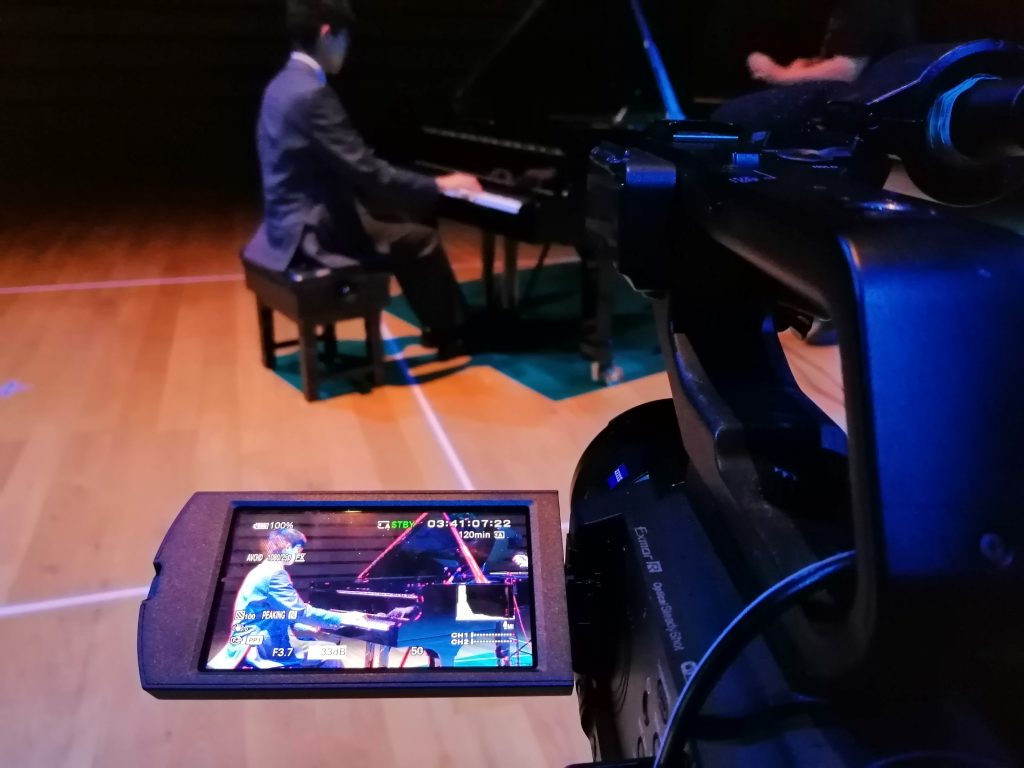
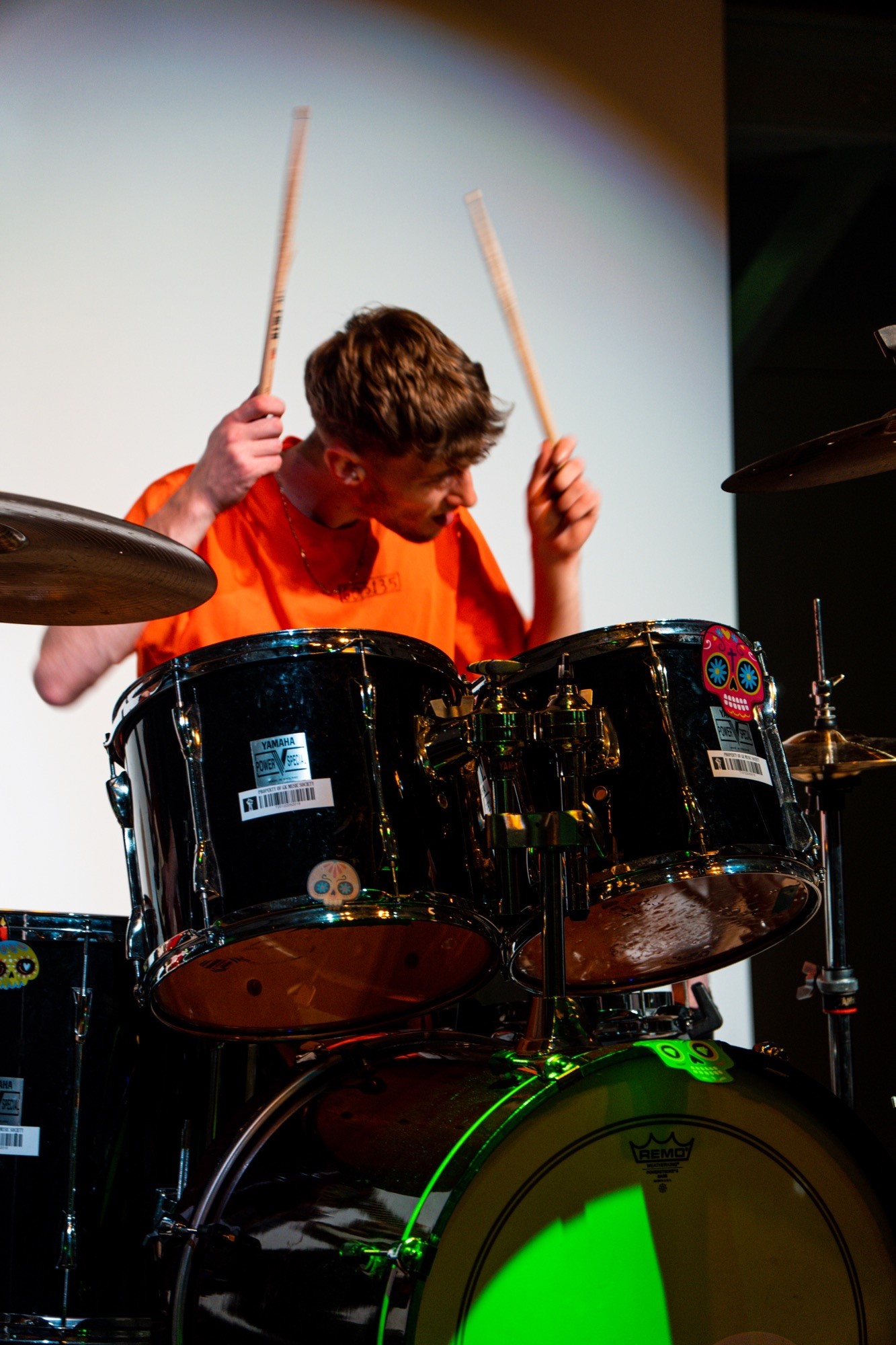
Here’s a short video clip of four of this year’s Music Performance Scholars in action, as they performed at thePop Platform event on the Gulbenkian Cafe stage.
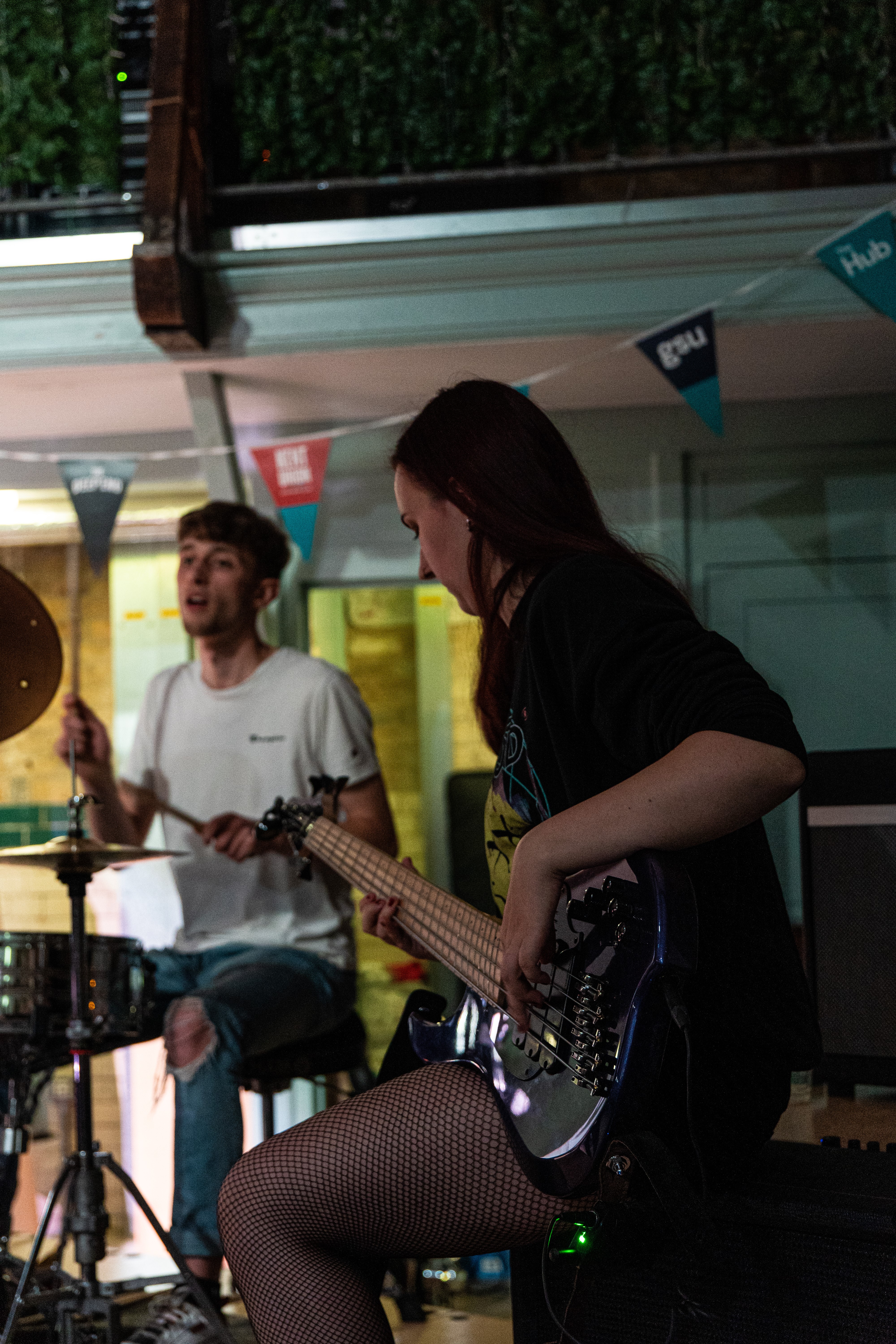
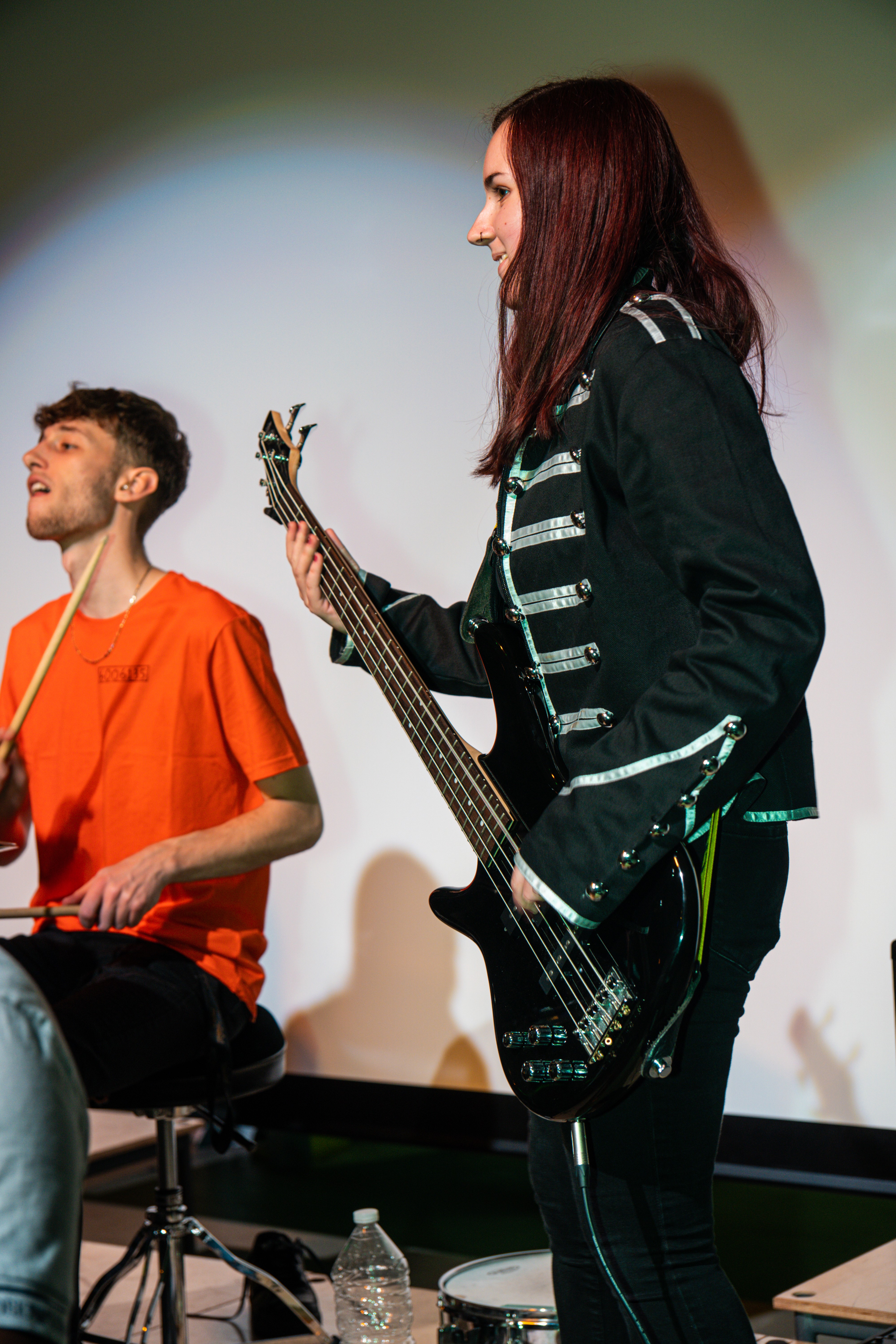
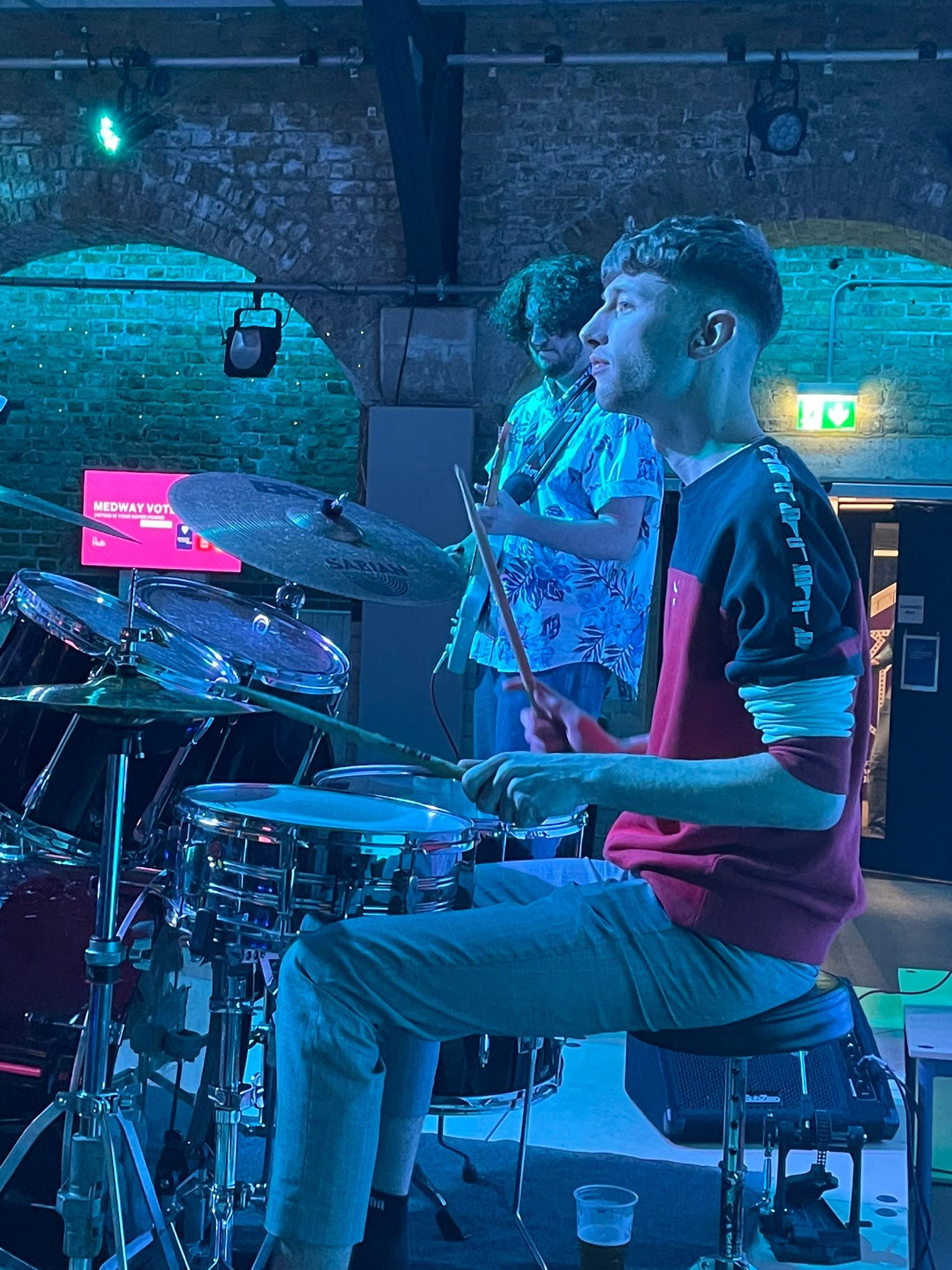
Here are Nathan and Emily also in action at the Deep End, in Medway. Images thanks to the Deep End’s official photographer!
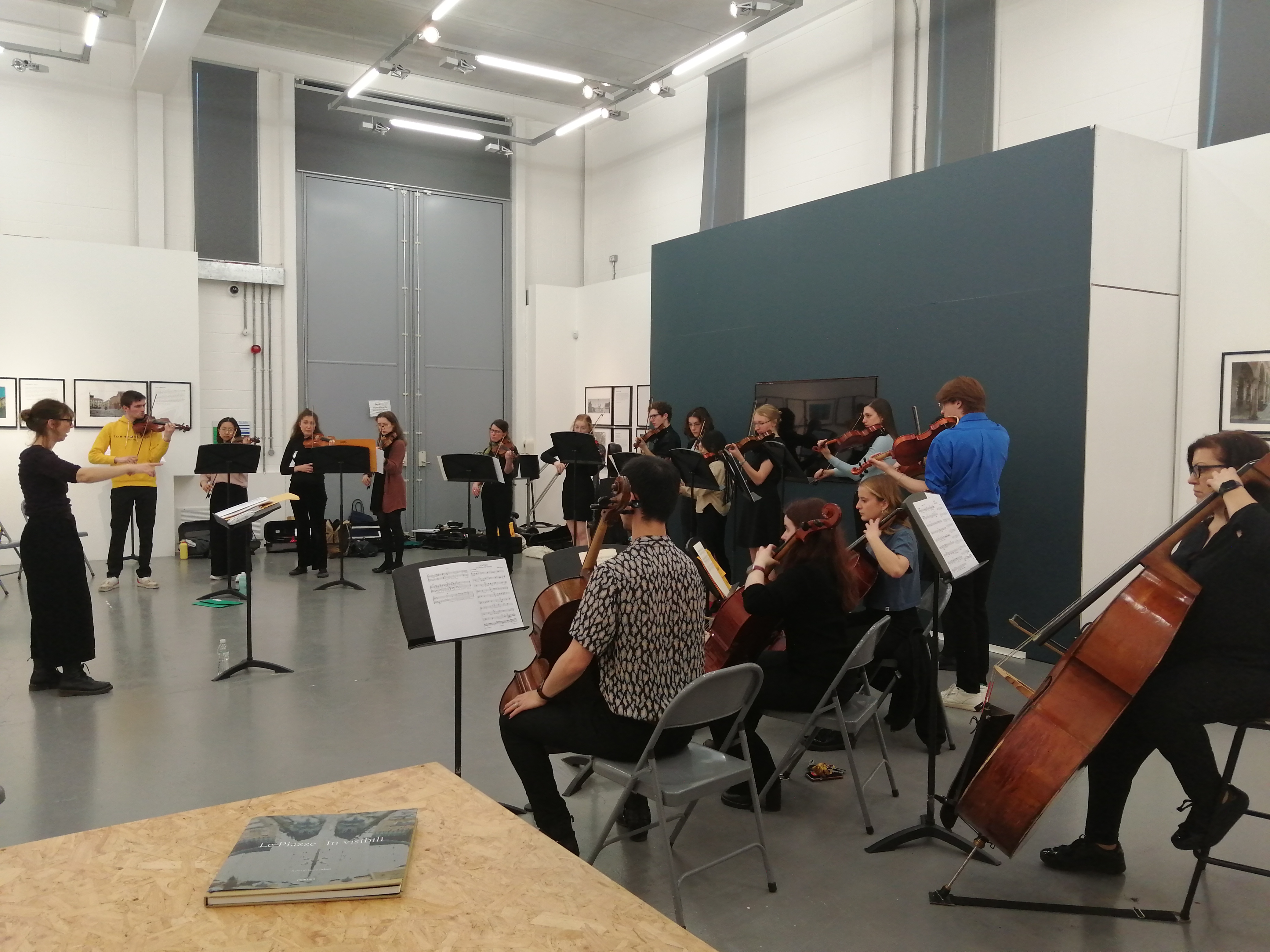
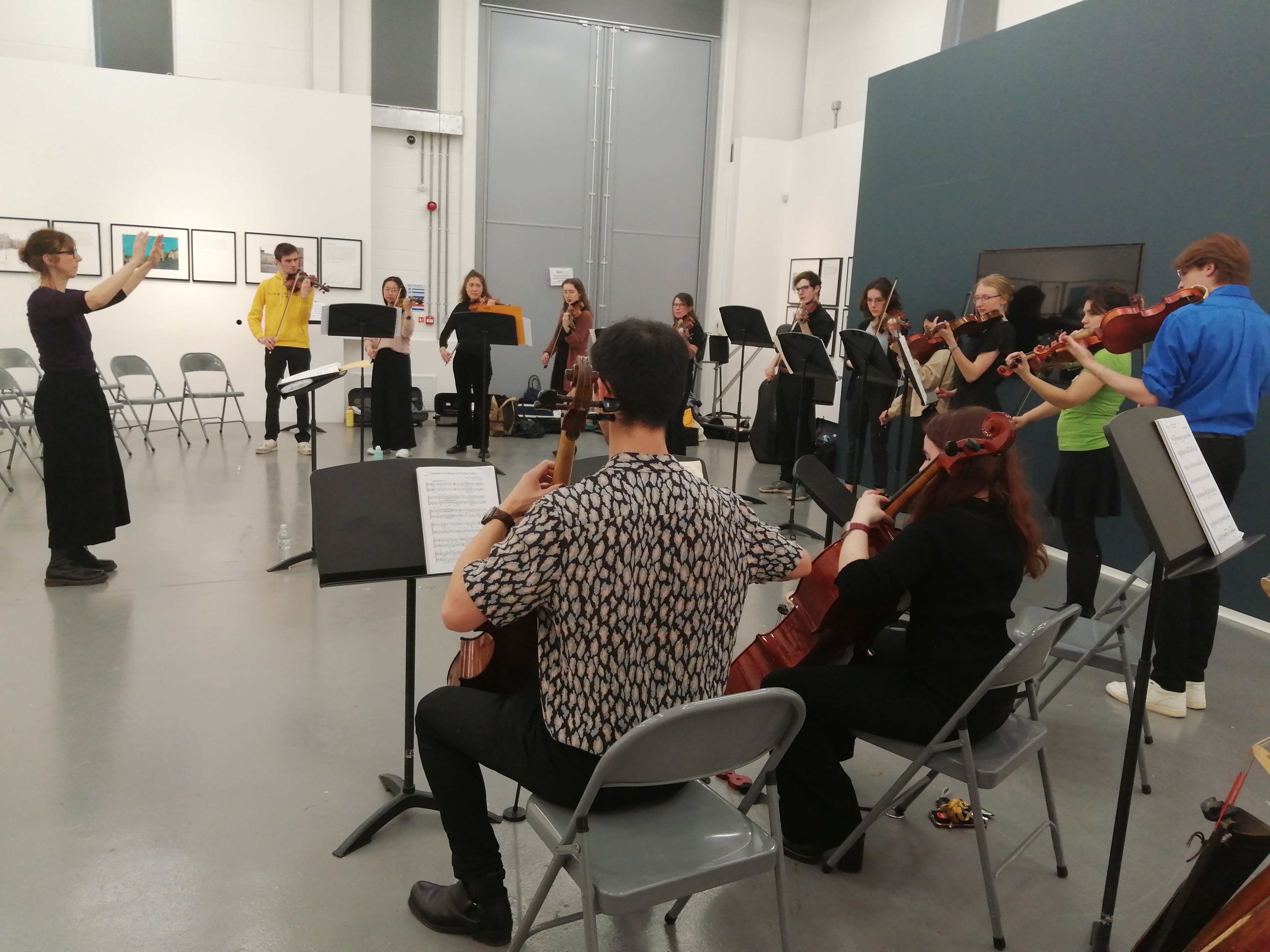
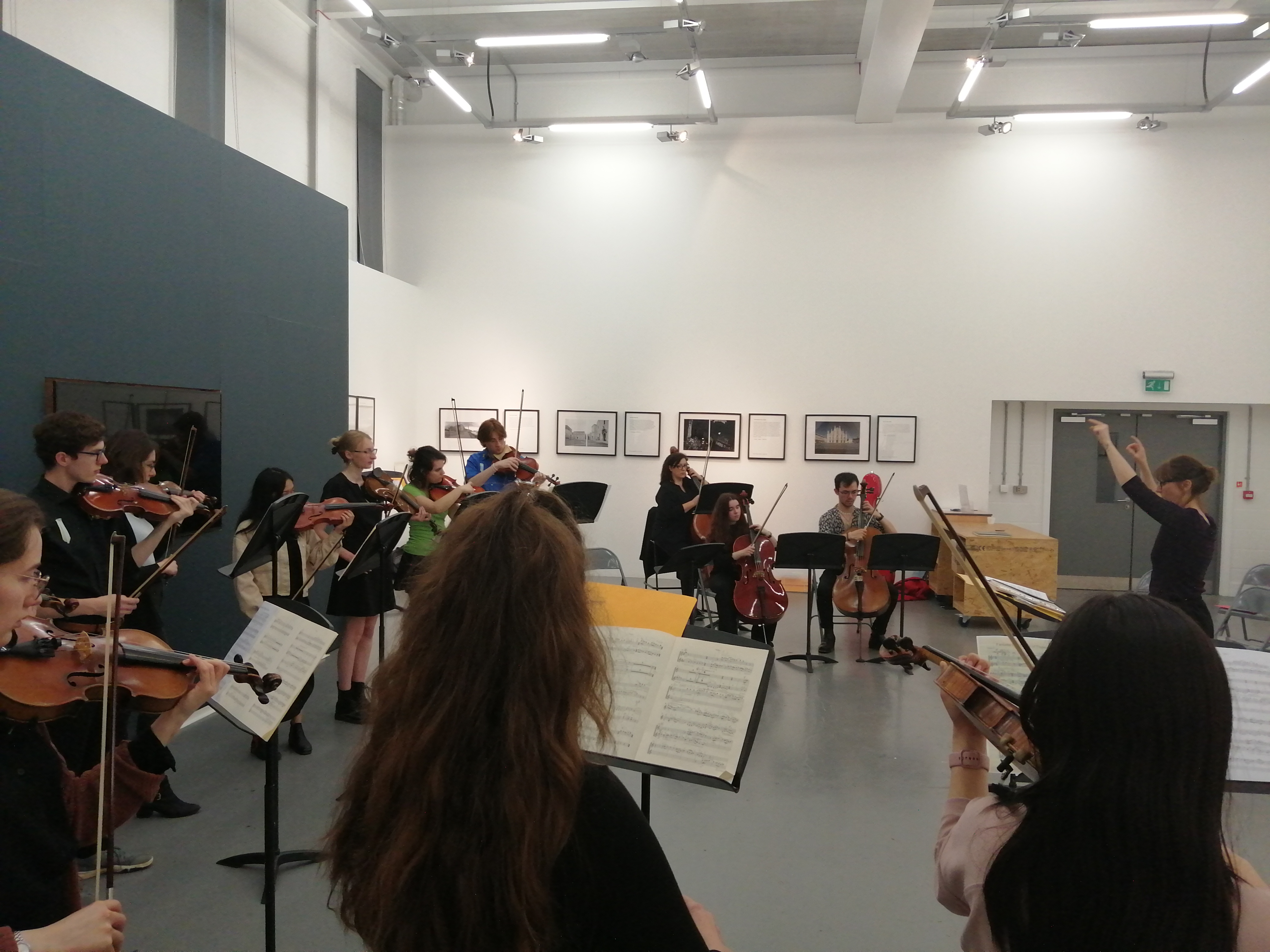
After a lengthy absence, it was good to be back in the richly-resonant acoustic of Studio 3 Gallery, the University’s art gallery, for a performance by the String Sinfonia yesterday.
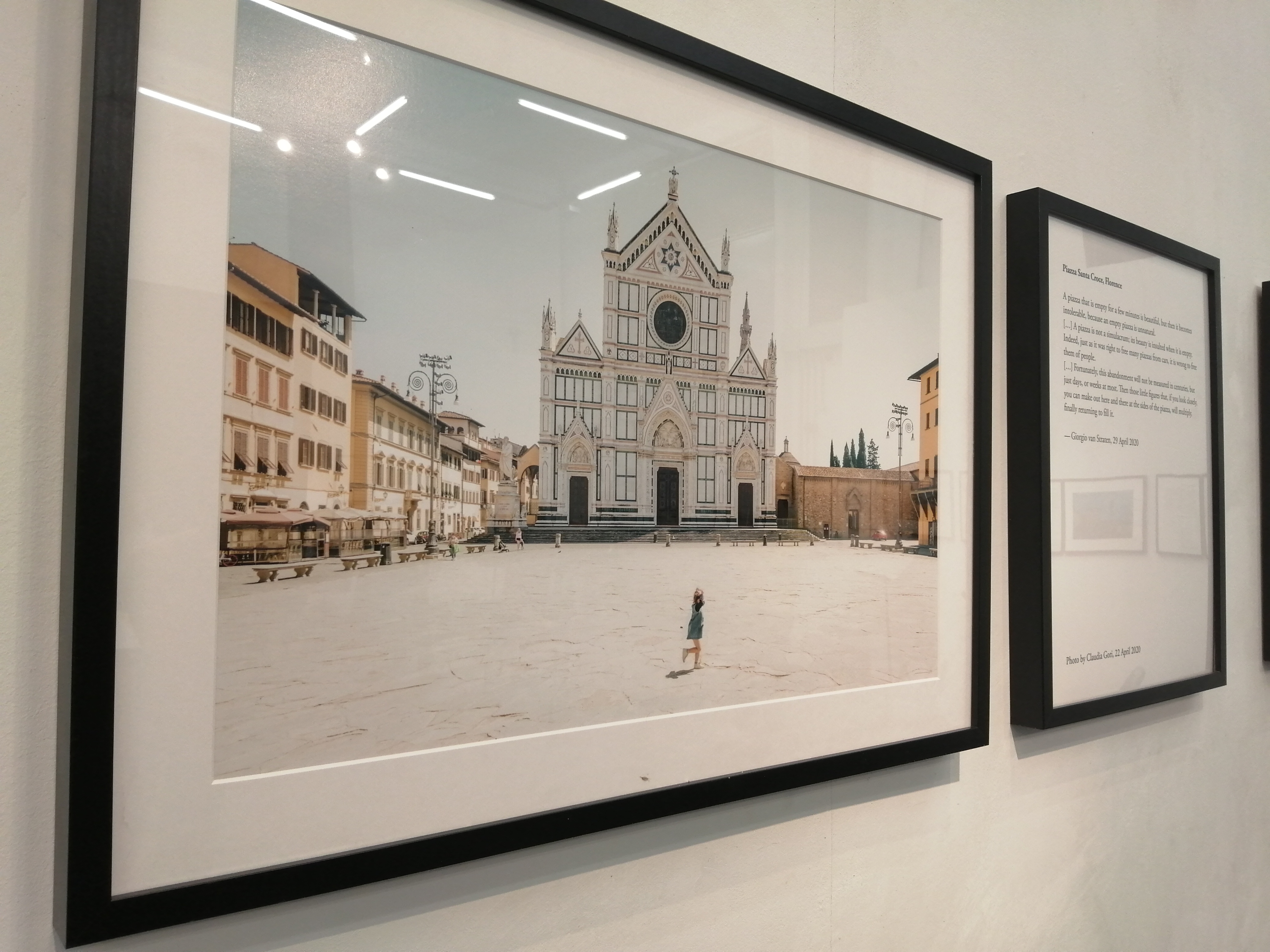
The #EarBoxseries of events bringing music and visual art together returned with a programme relating to Le piazze [In}visibili, an exhibition of photographs documenting empty Italian piazzi during the first lockdown in 2020, when normally vibrant social spaces became suddenly silent.
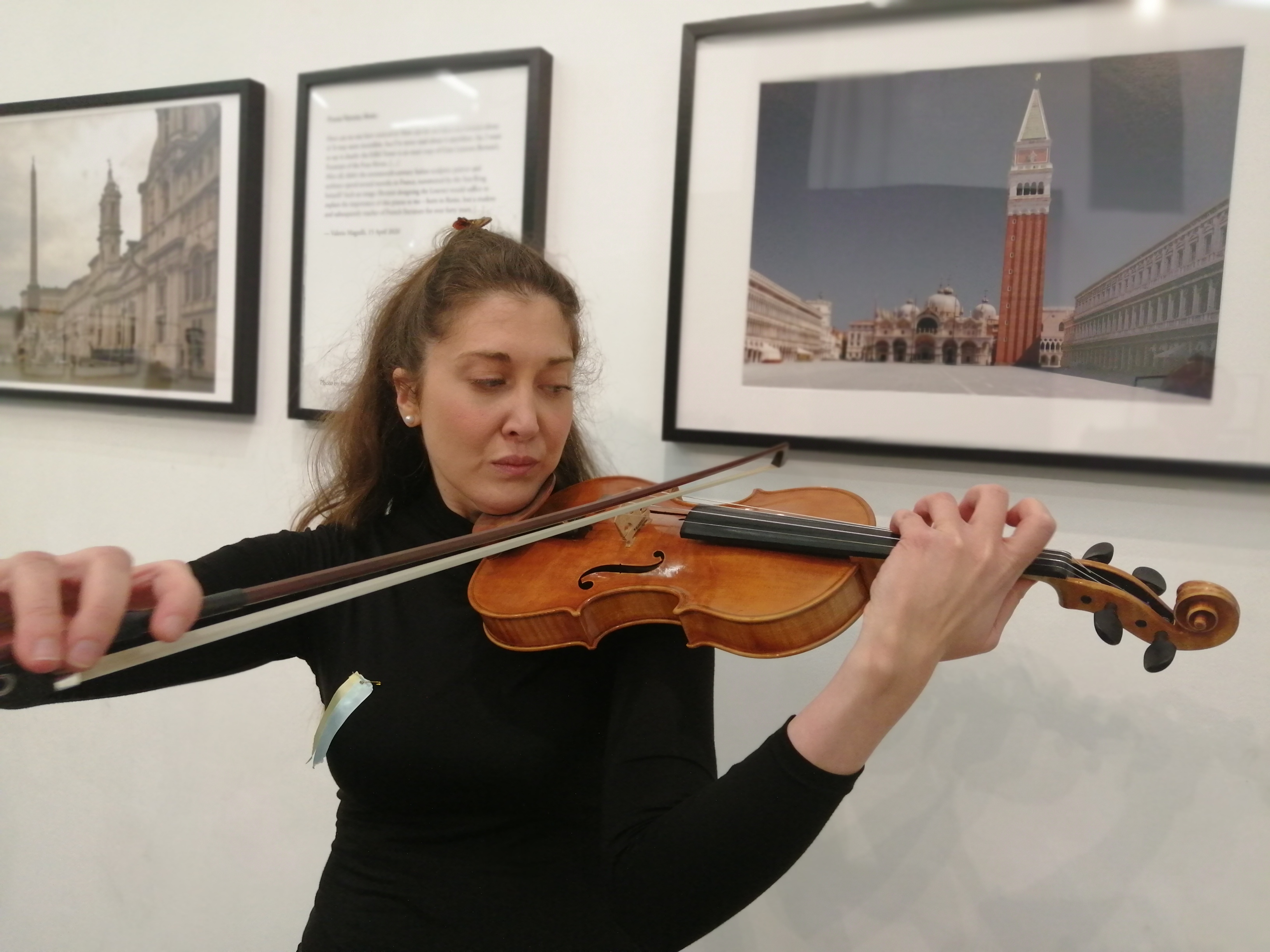
The ensemble’s opening piece, the Chacony by Purcell, took on a greater emotional significance as it rang out against the backdrop of the images, Purcell’s aching dissonances assuming more of an impact. Vivaldi’s Spring picked up on the Italian connection, and in a wonderful moment of serendipity, birdsong in the spring afternoon outside the gallery could be heard in between the movements. Music Scholars Jeni Pang, Alice Nixon and Kammy Pike each took a movement.
Music Scholar Kammy Pike warming up with Vivaldi in front of a photograph of an empty St Mark’s, Venice
Matt Brown’s Solitude at Dusk had one or two ravishing chords, and the performance ended with the weighty Fantasia on a theme by Thomas Tallis, whose main melody (When rising from the bed of death) somehow again took on different overtones in light of the photographic evidence of the impact of the pandemic which surrounded the audience.
Congratulations to the students, and to its director, Floriane Peycelon. #Earbox will return to Studio 3 Gallery again in the future…
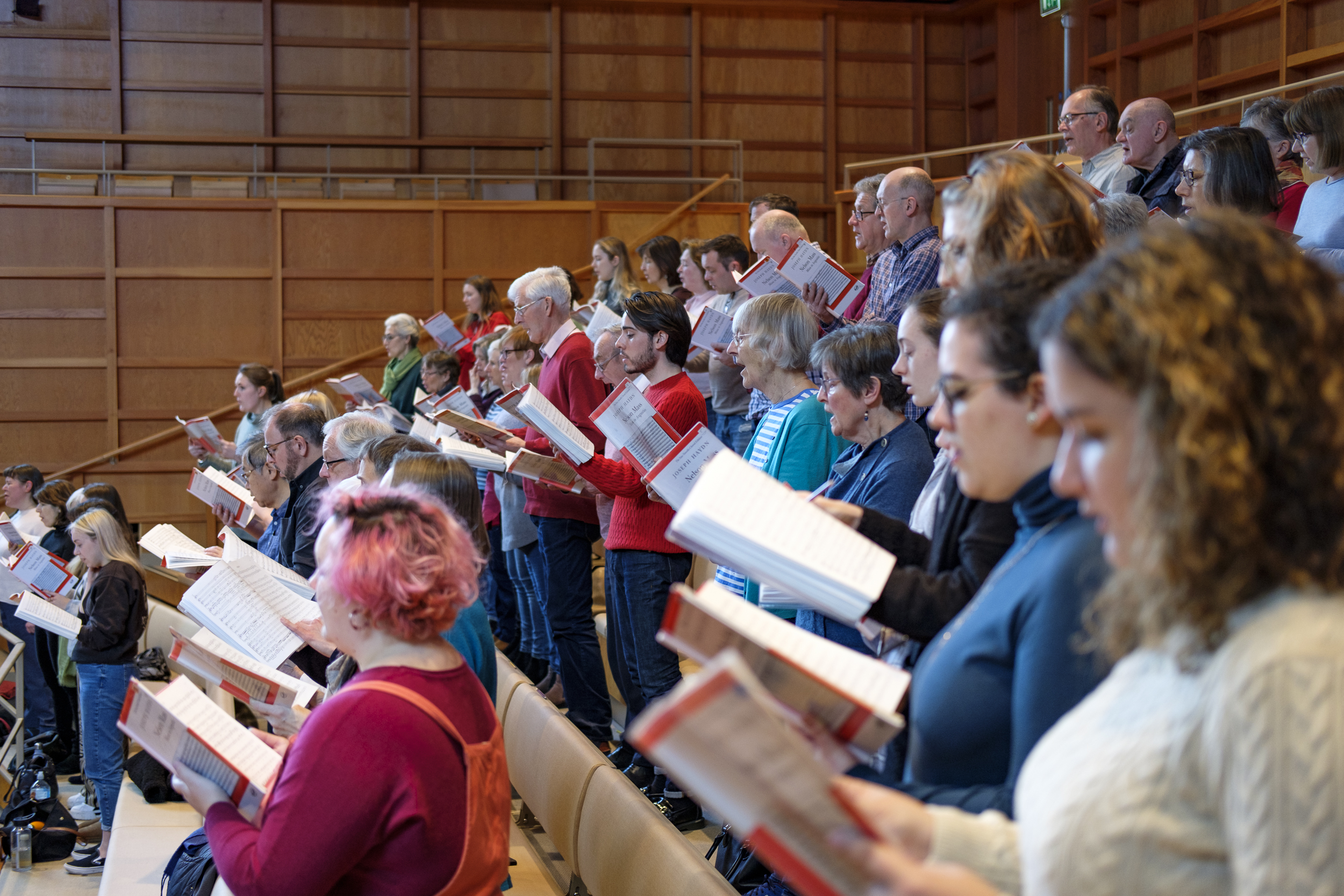
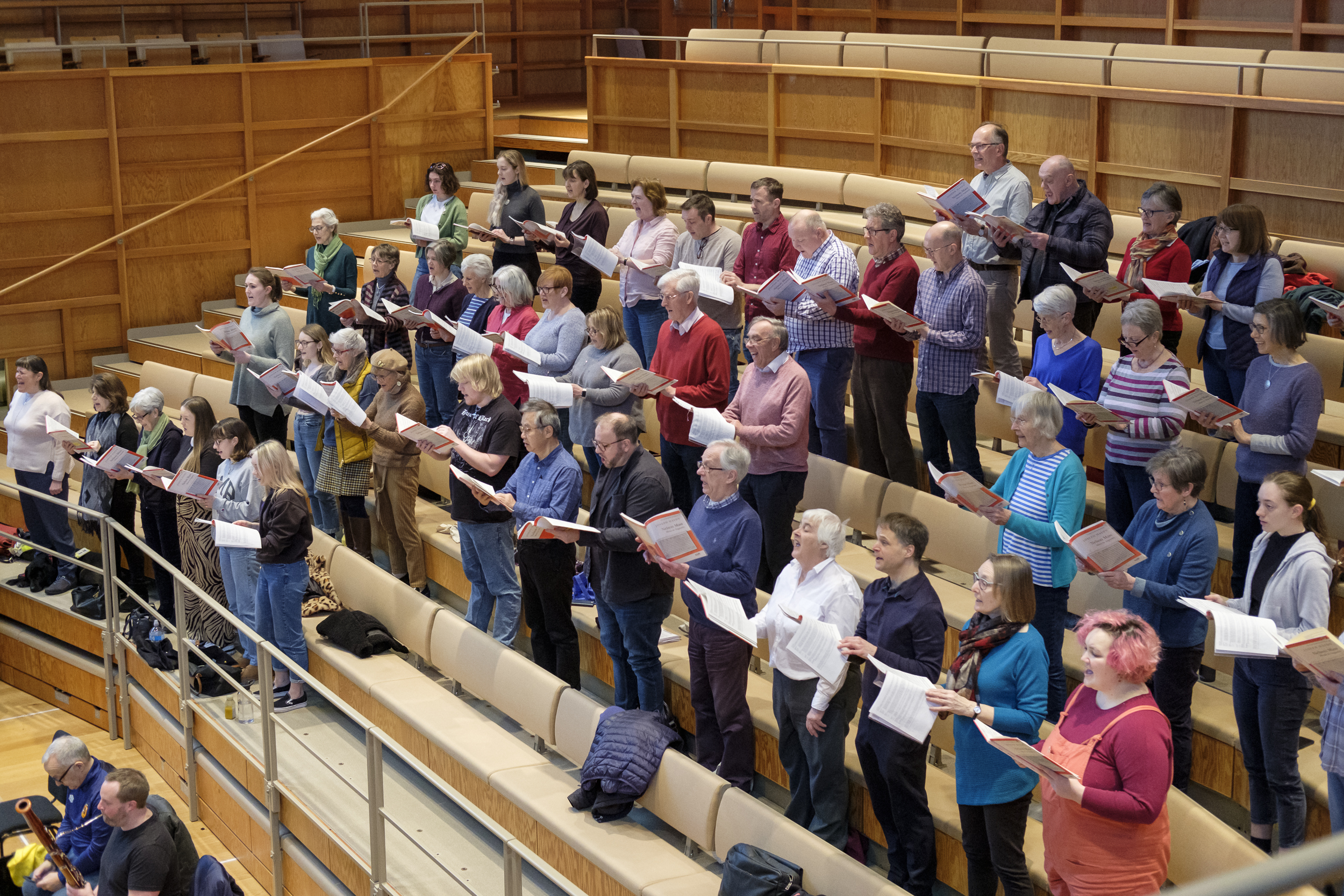
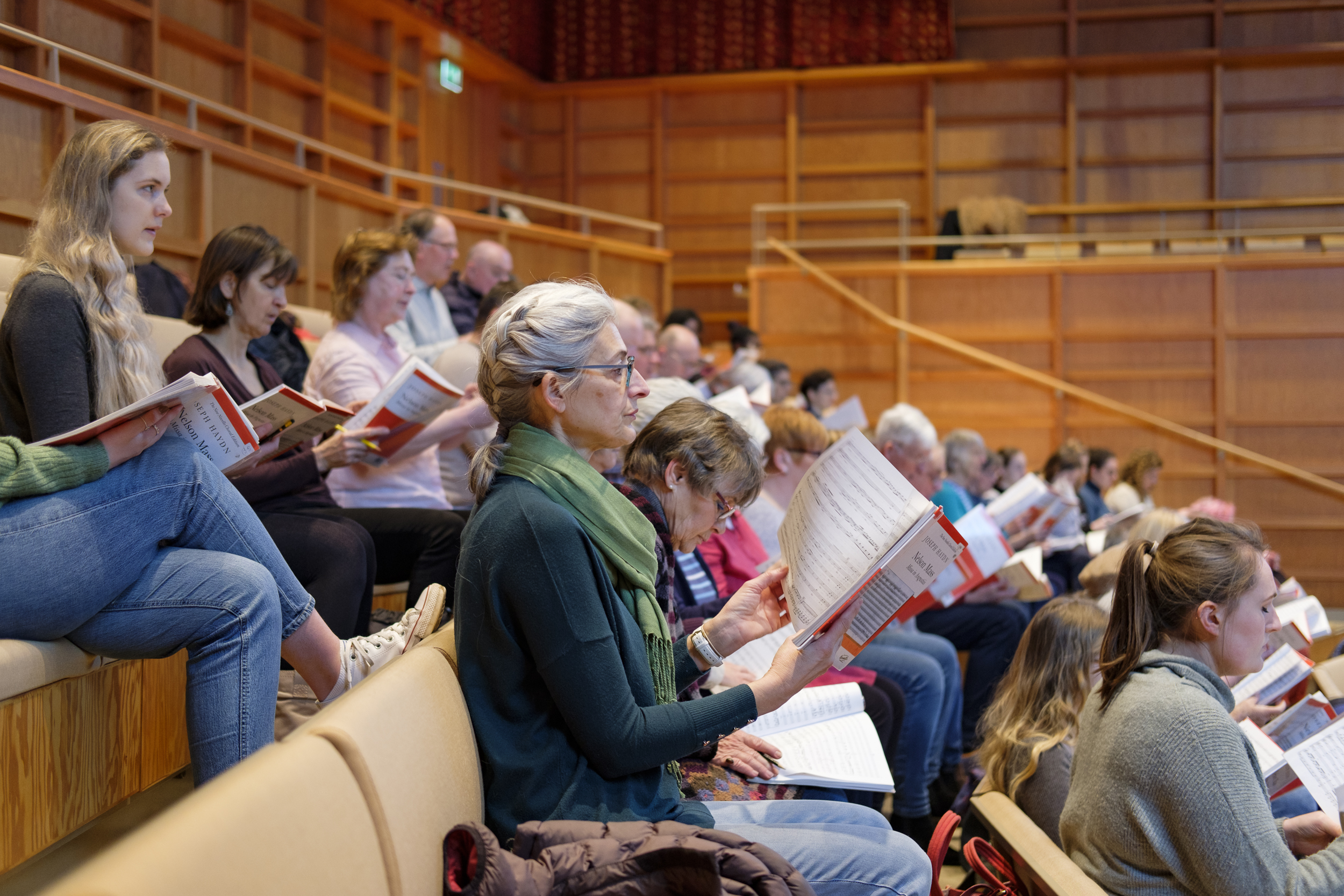
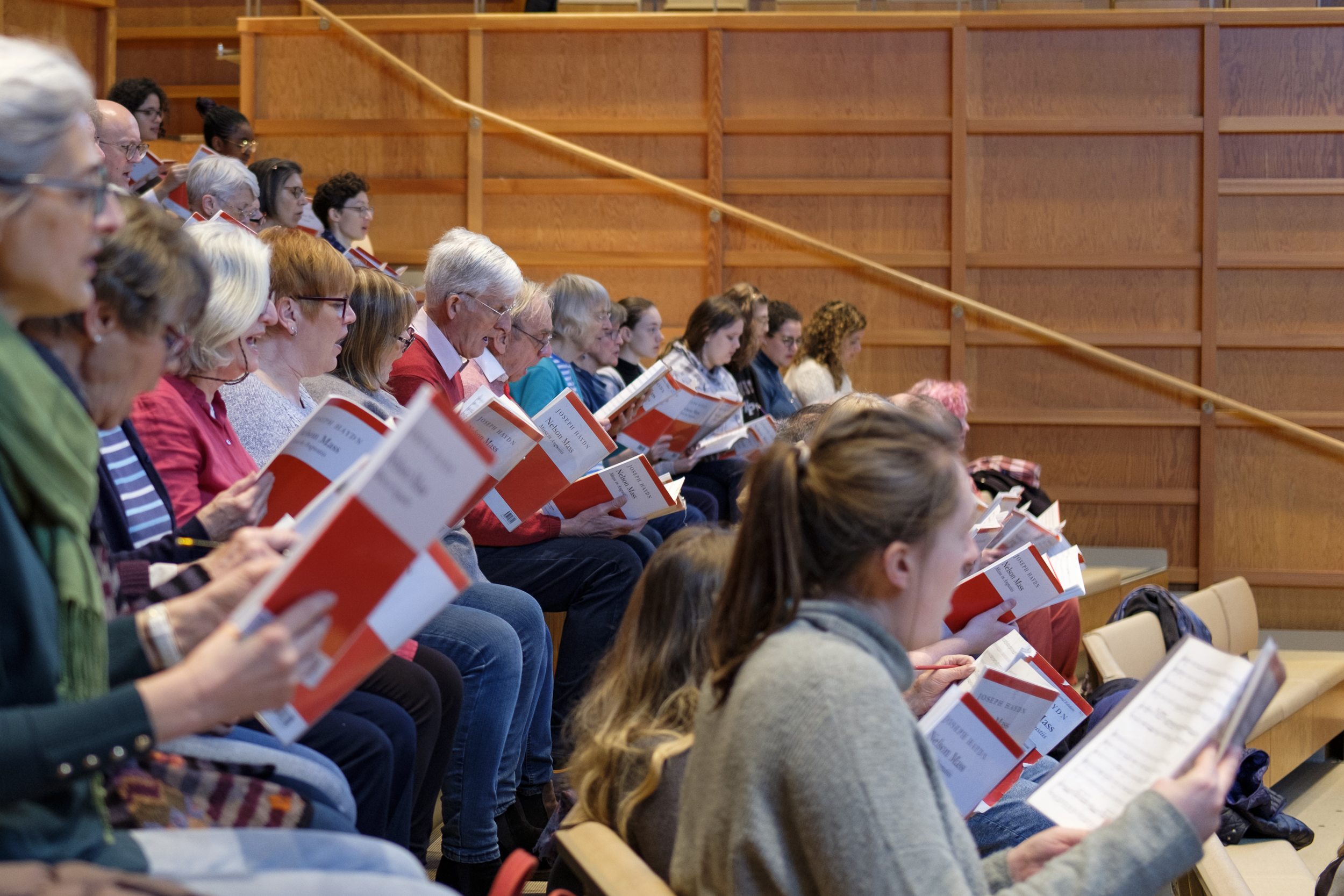
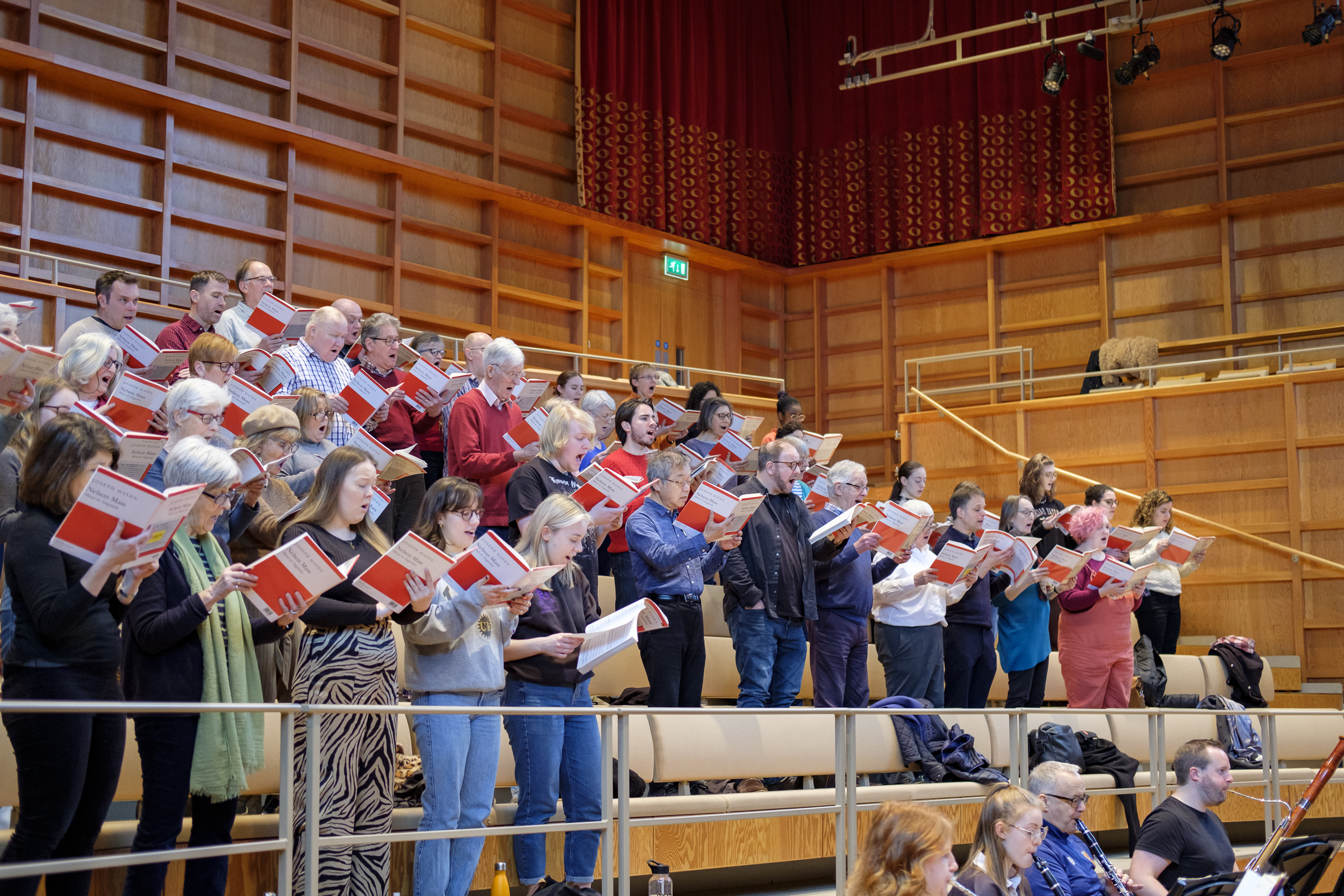
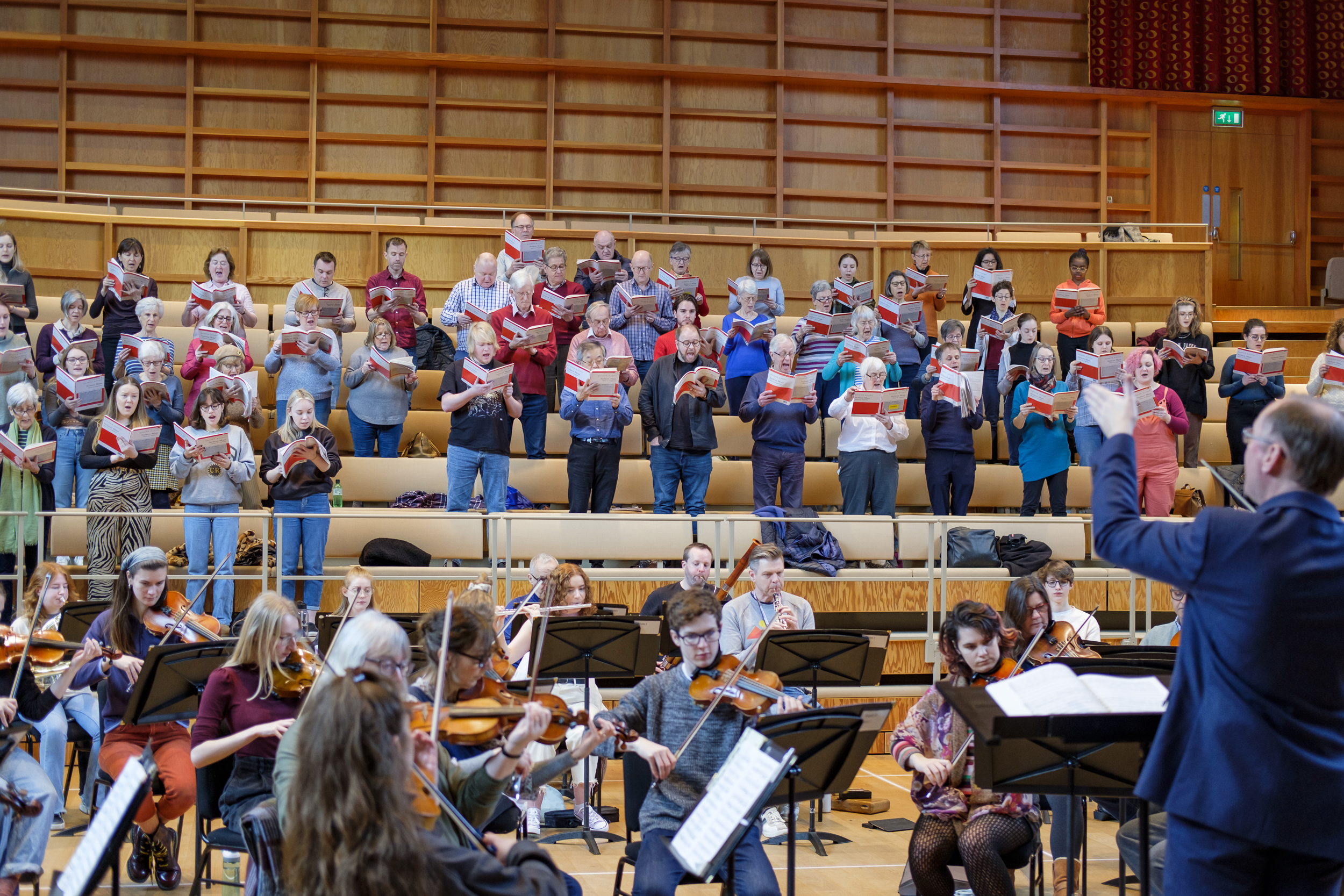
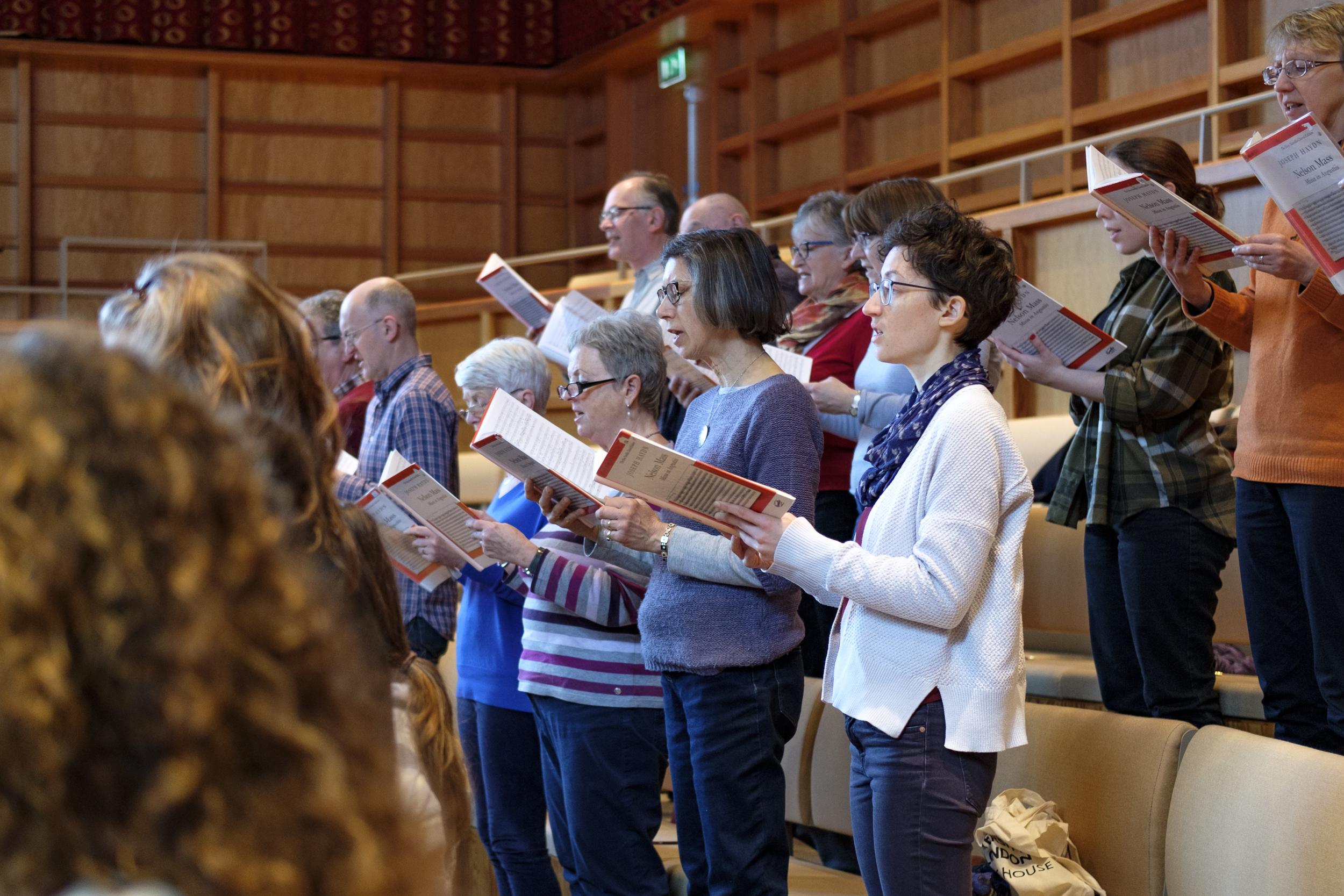
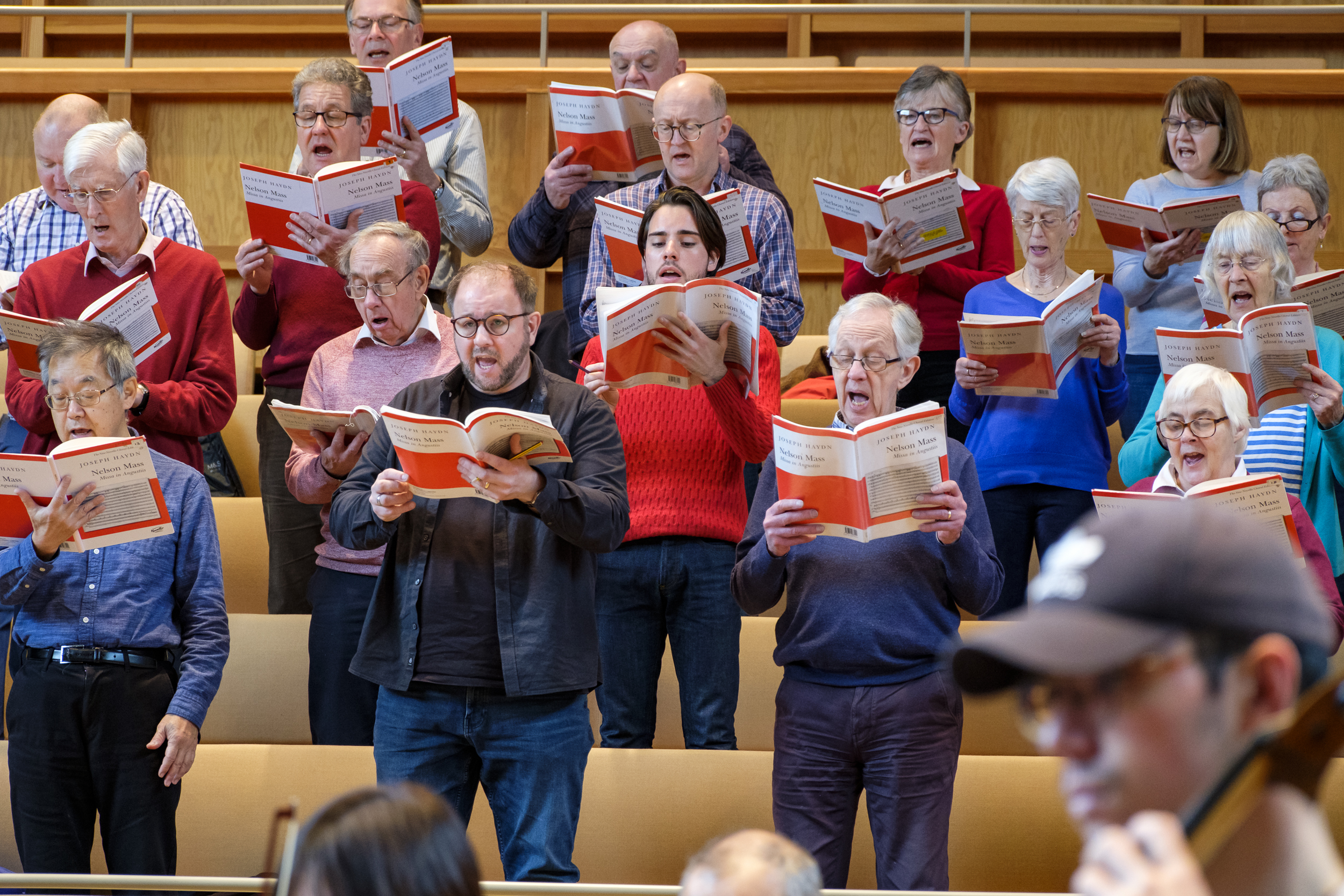
The University of Kent Chorus comprises students, staff, alumni and members of the local community amongst its ranks, meeting every Monday night to rehearse towards its termly concerts. A great example of communal music-making, bringing people together in a shared creative endeavour, both from across the University community – librarians, staff in Registry, heads of department, lecturers, members of the University chaplaincy – as well as former members of staff, and people from across the region, working collectively towards a common outcome.
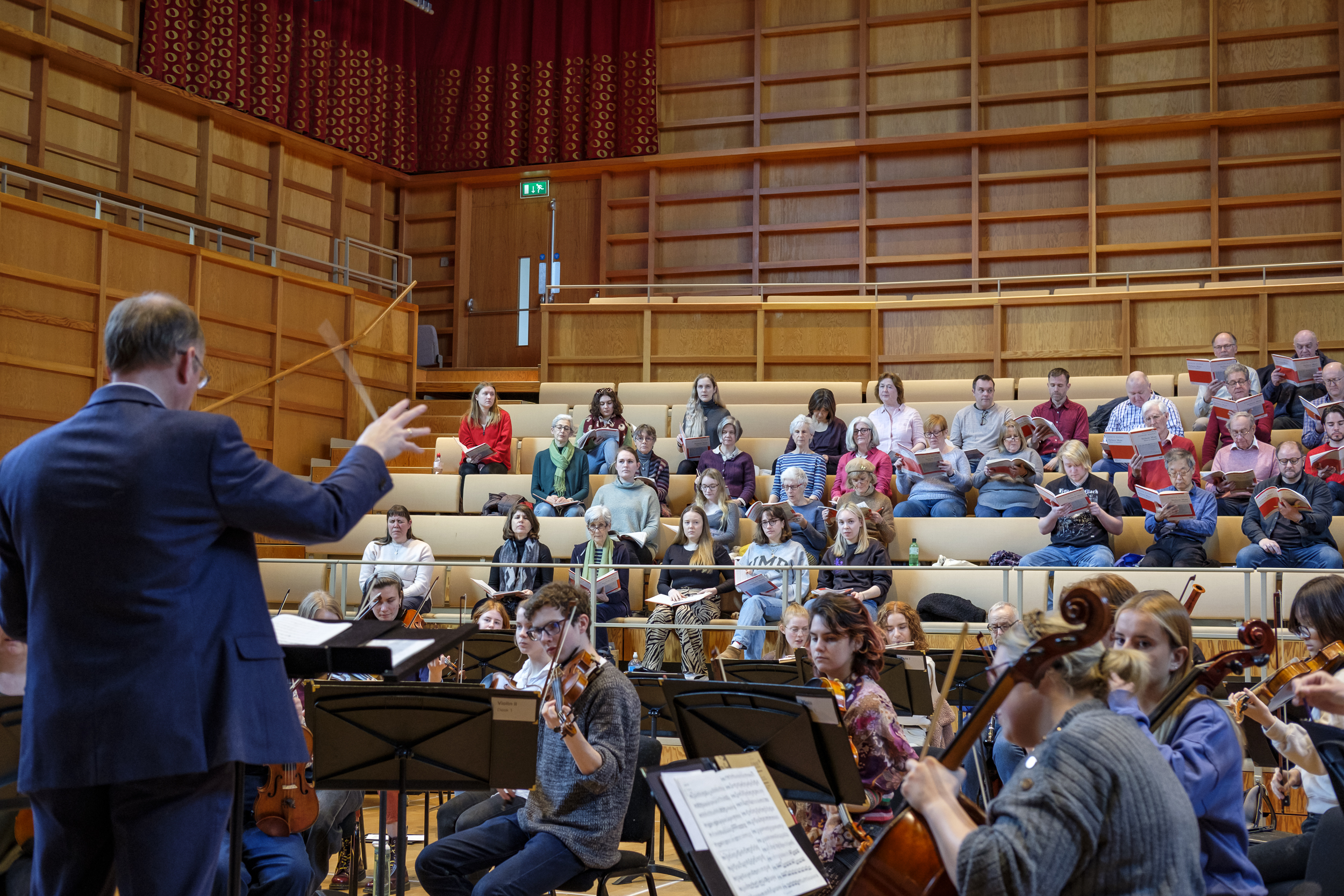
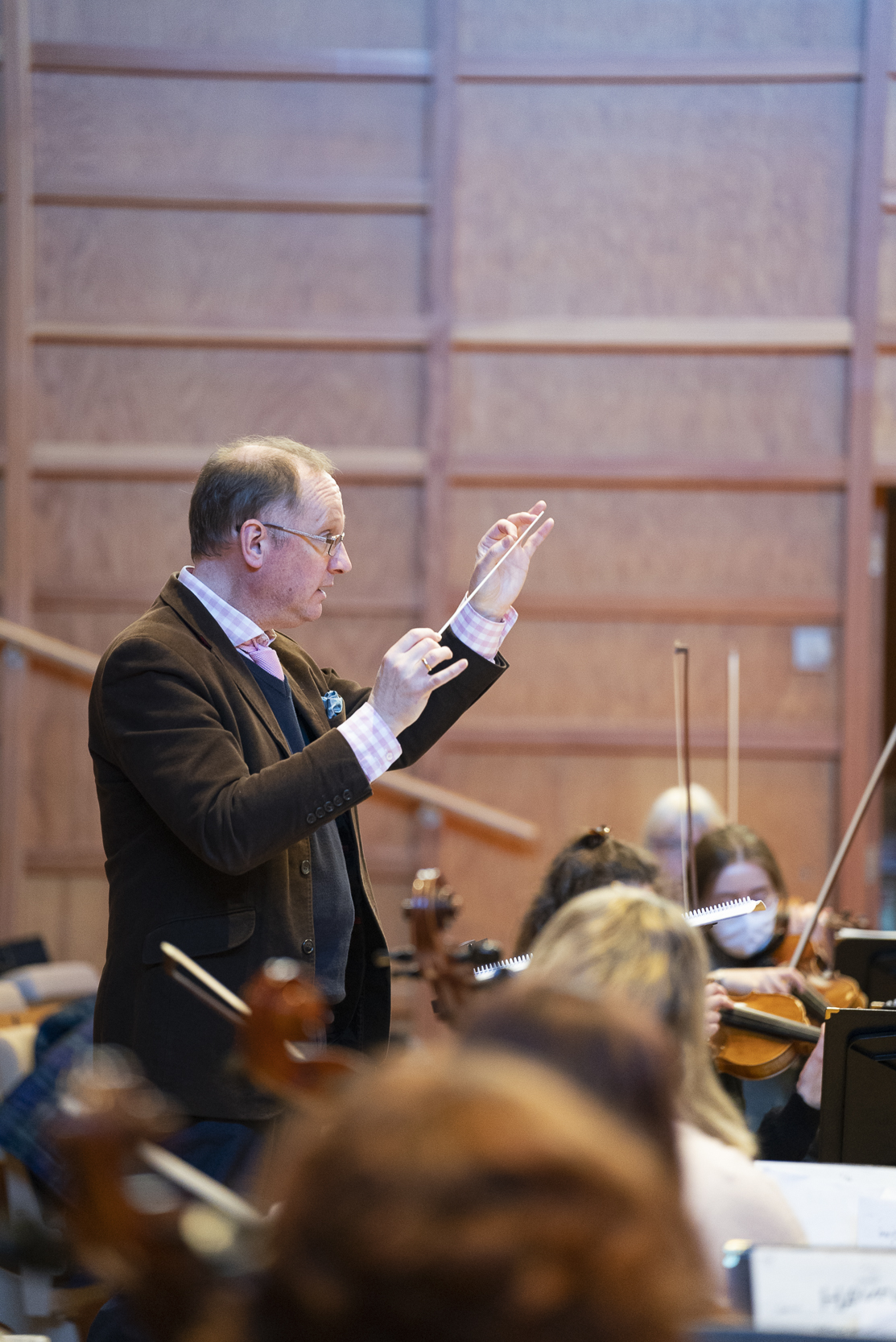
This term, that concert takes place in the Nave of Canterbury Cathedral – in fact, it’s happening in just five days’ time… – and here is the choir in action, rehearsing at the weekend in Haydn’s Nelson Mass with the Symphony Orchestra.
It’s a busy time for the Music department, and for the Symphony Orchestra in particular; not only is the annual Colyer-Fergusson Cathedral concert looming, for which the Orchestra is preparing works by Haydn and Mendelssohn – but the musicians are also performing as part of next month’s Composer in Focus event featuring John Woolrich.
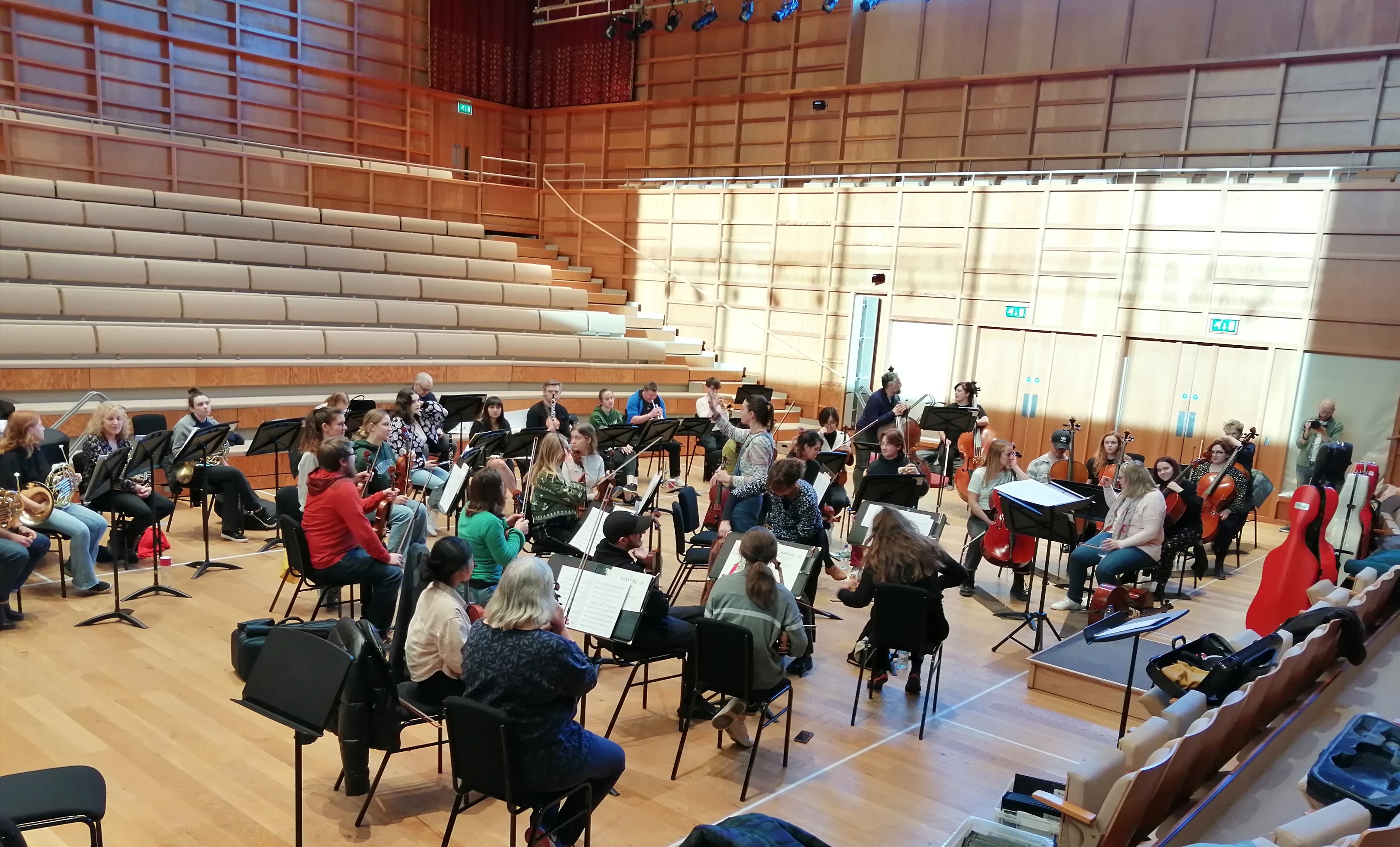
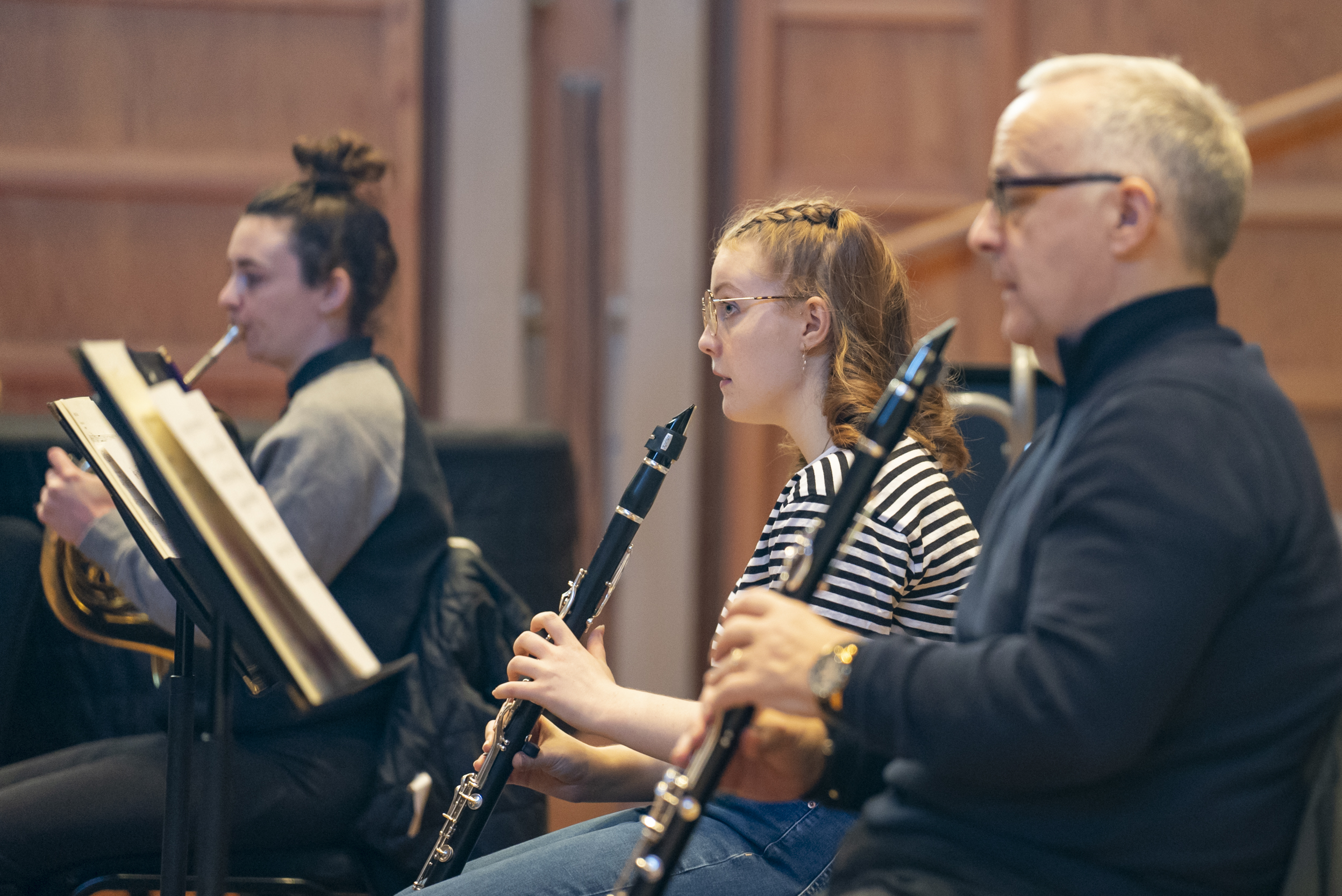
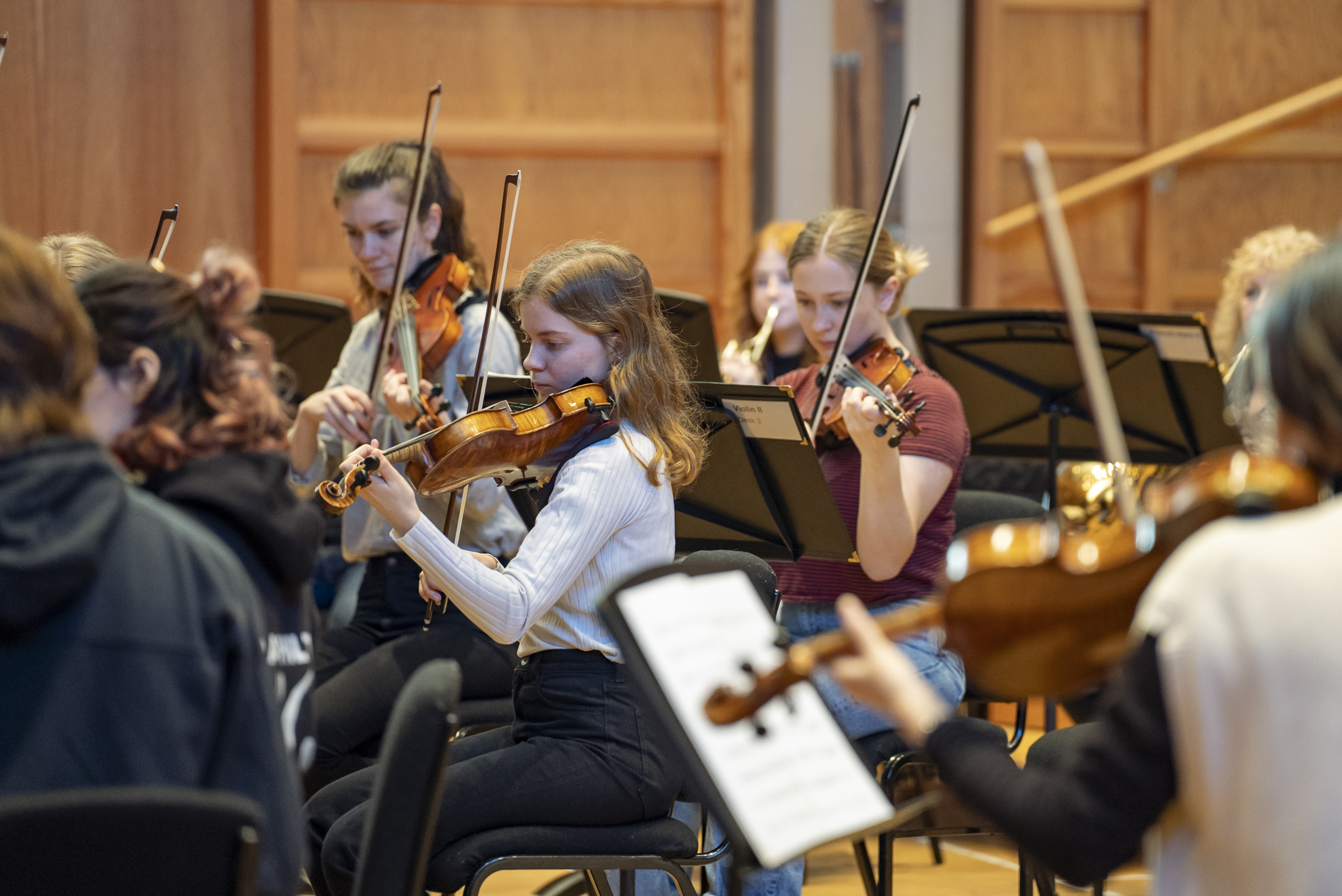
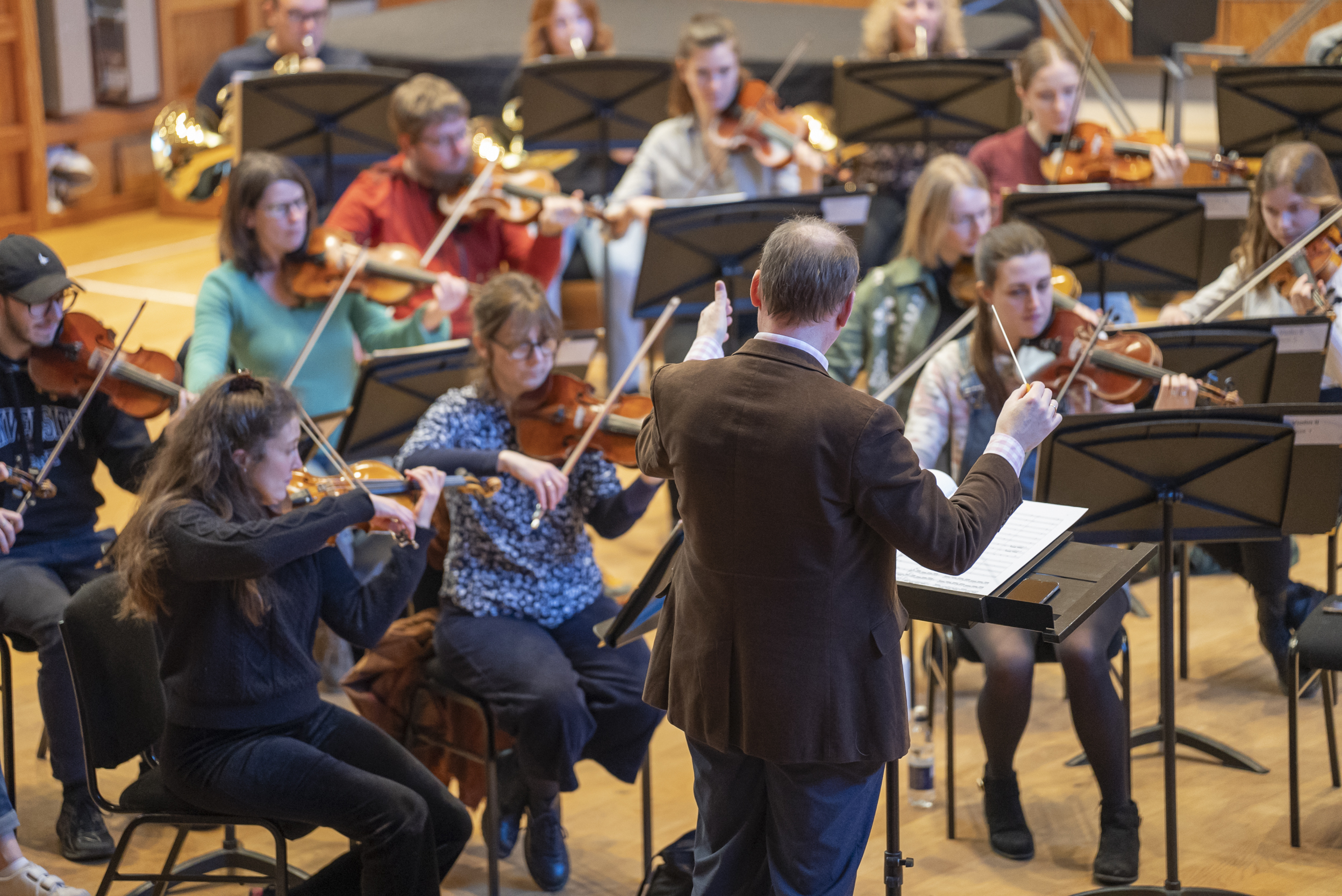
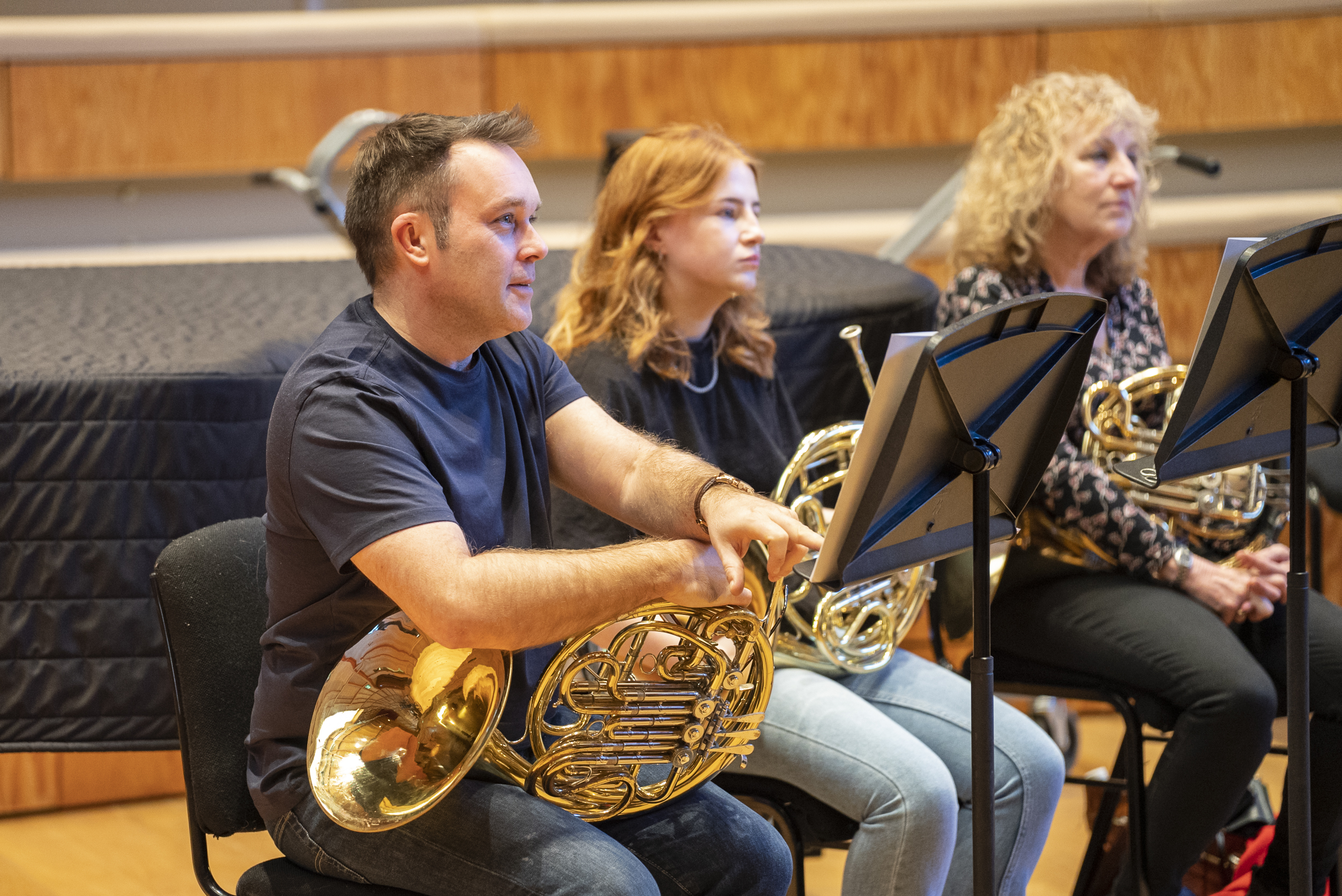
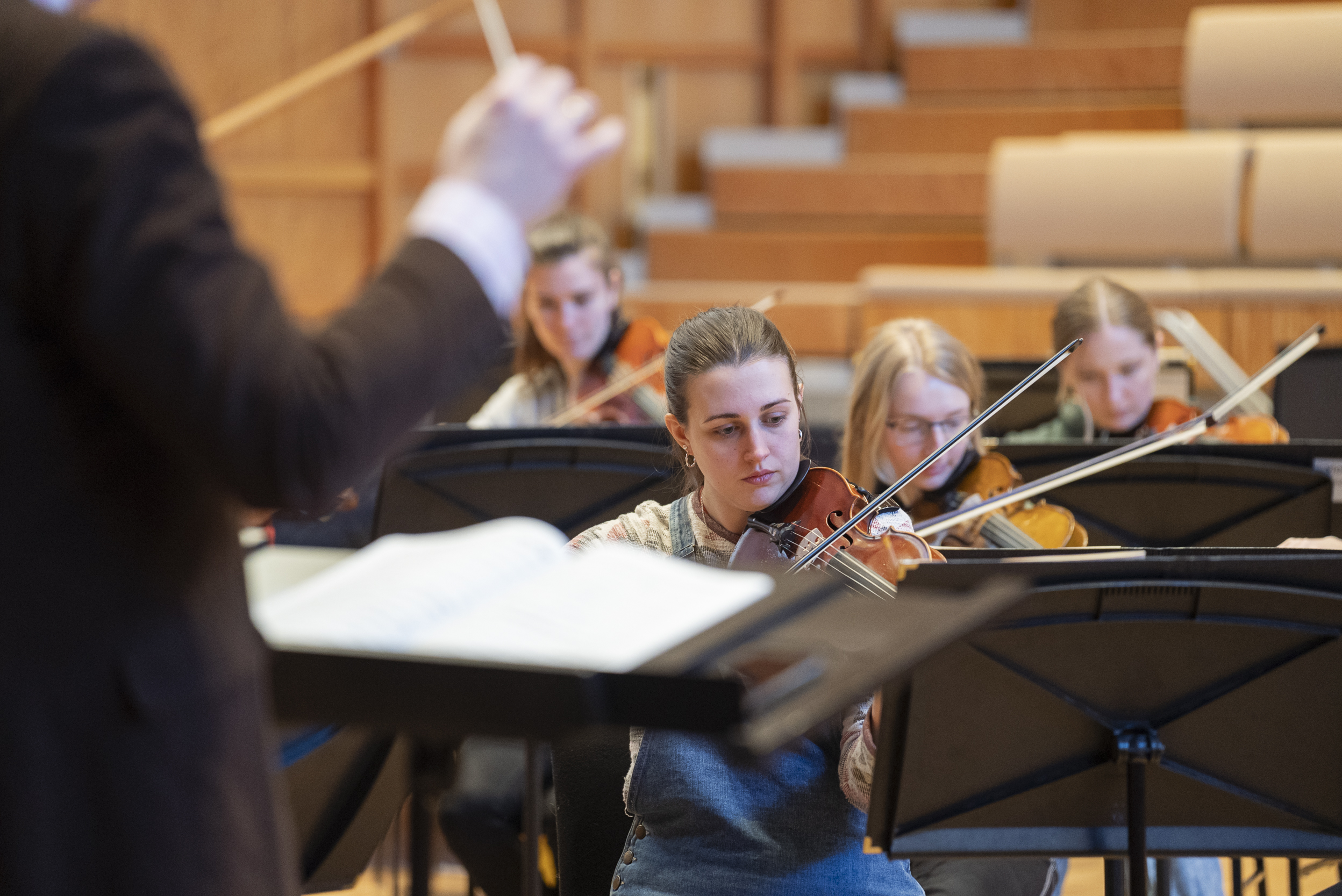
Pictured here at a recent weekend rehearsal are the musicians working on Woolrich’s Gesänge der Frühe, which the Orchestra will perform as part of the event on 2nd April, alongside the String Sinfonia and several Music Scholarship pianists, exploring John Woolrich’s music and approaches to composition.
Images of empty Italian piazzi find echo in music for string orchestra, including John Woolrich’s Ulysses Wakes, as the #EarBox series bringing music and images together returns to Studio 3 Gallery with the University String Sinfonia on Weds 23 March at 1.10pm.
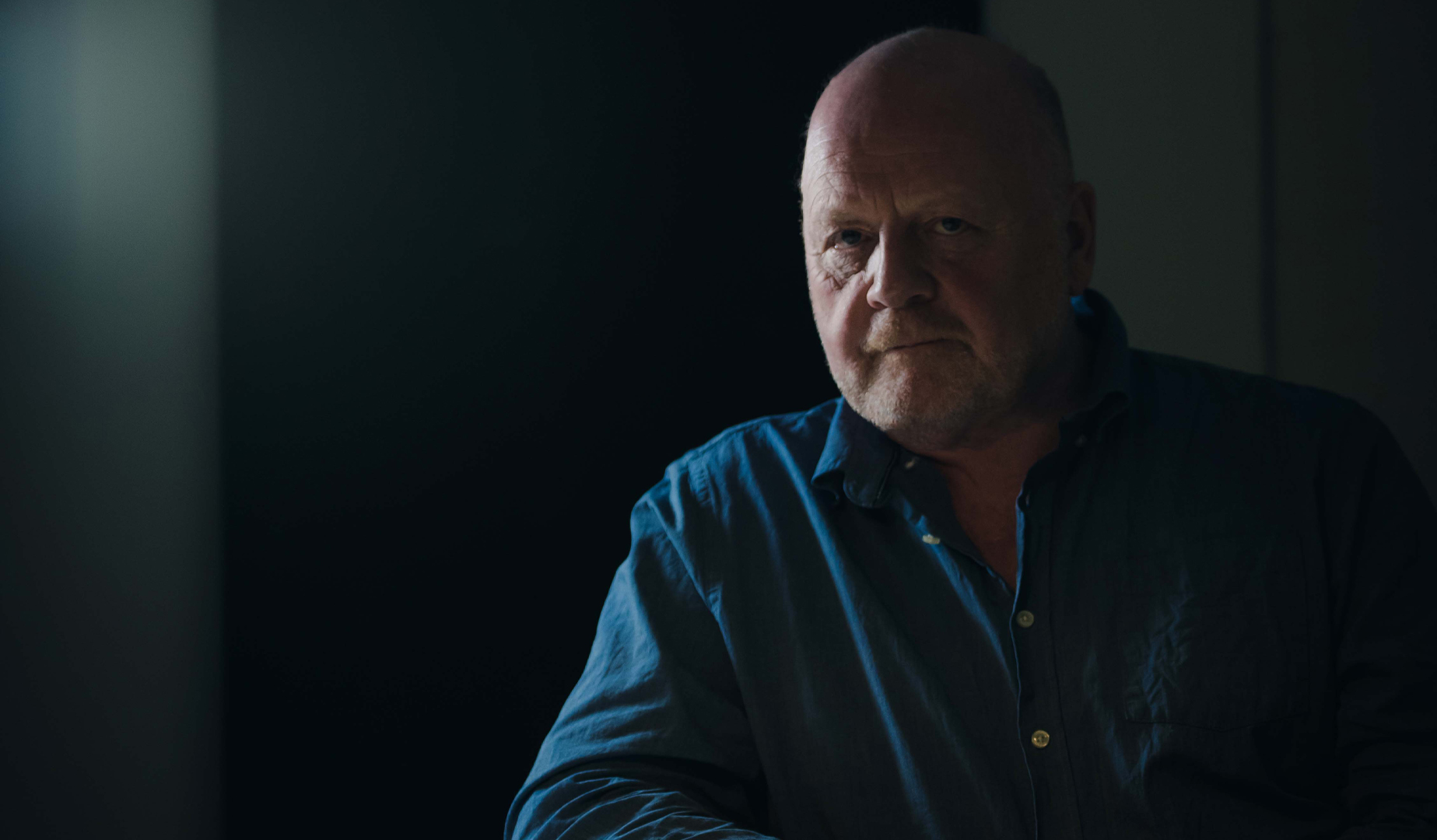
Charlotte CaneJohn Woolrich: image by Chesney Browne
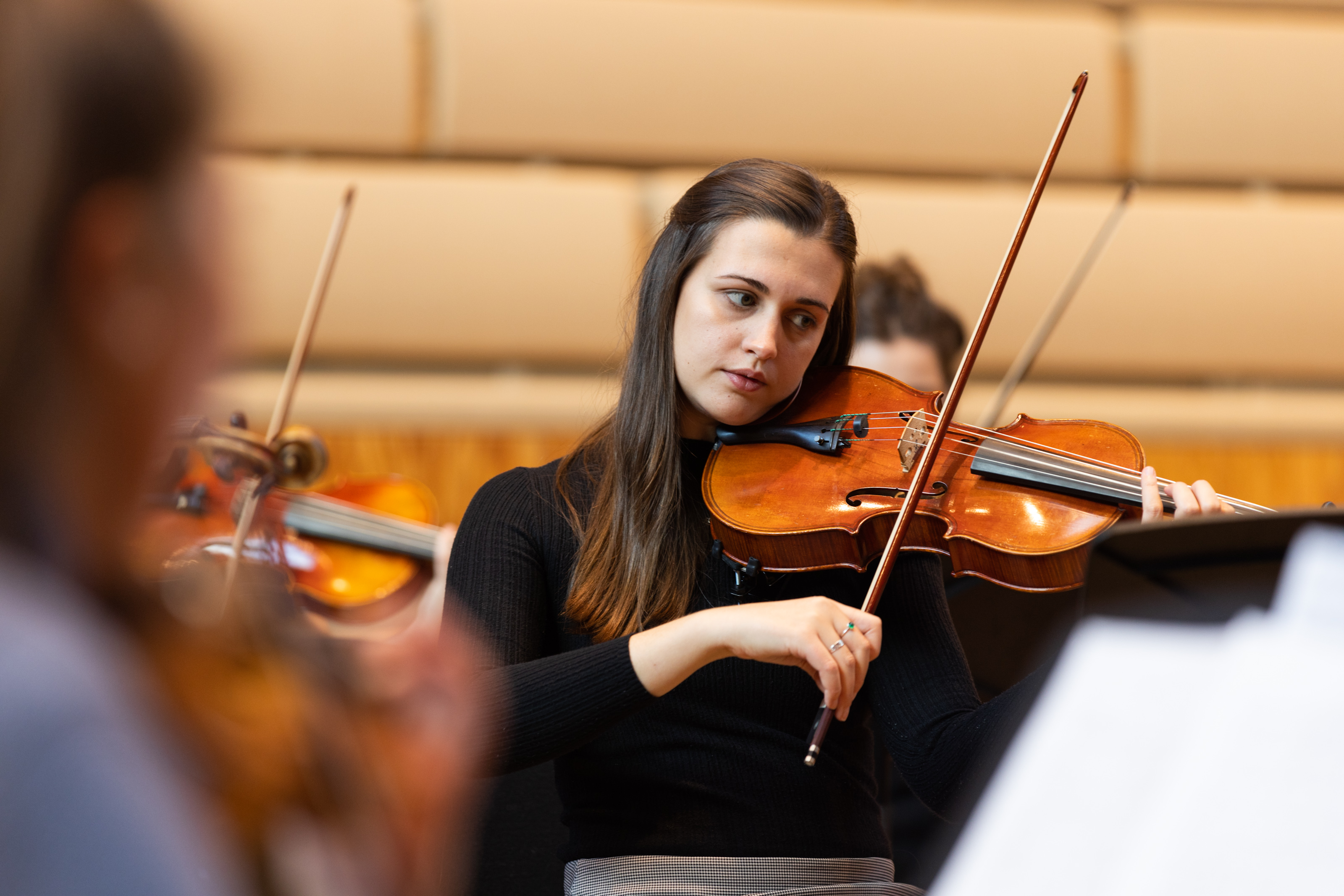
Woolrich’s piece is a transcription of Ulysses’ first aria in Monteverdi’s opera Il ritorno d’Ulisse in patria, first performed in 1640. Washed up on the coast of Ithaca, Ulysses wakes on the shores and asks ‘Am I sleeping or awake? / And what country surrounds me?’ as he fails at first to recognise his home. In Woolrich’s reimagining, Ulysses’ questioning aria is sung not by a voice, but by the darker-hued tones of a solo viola, played here by Music Performance Scholar, Kira Hilton.
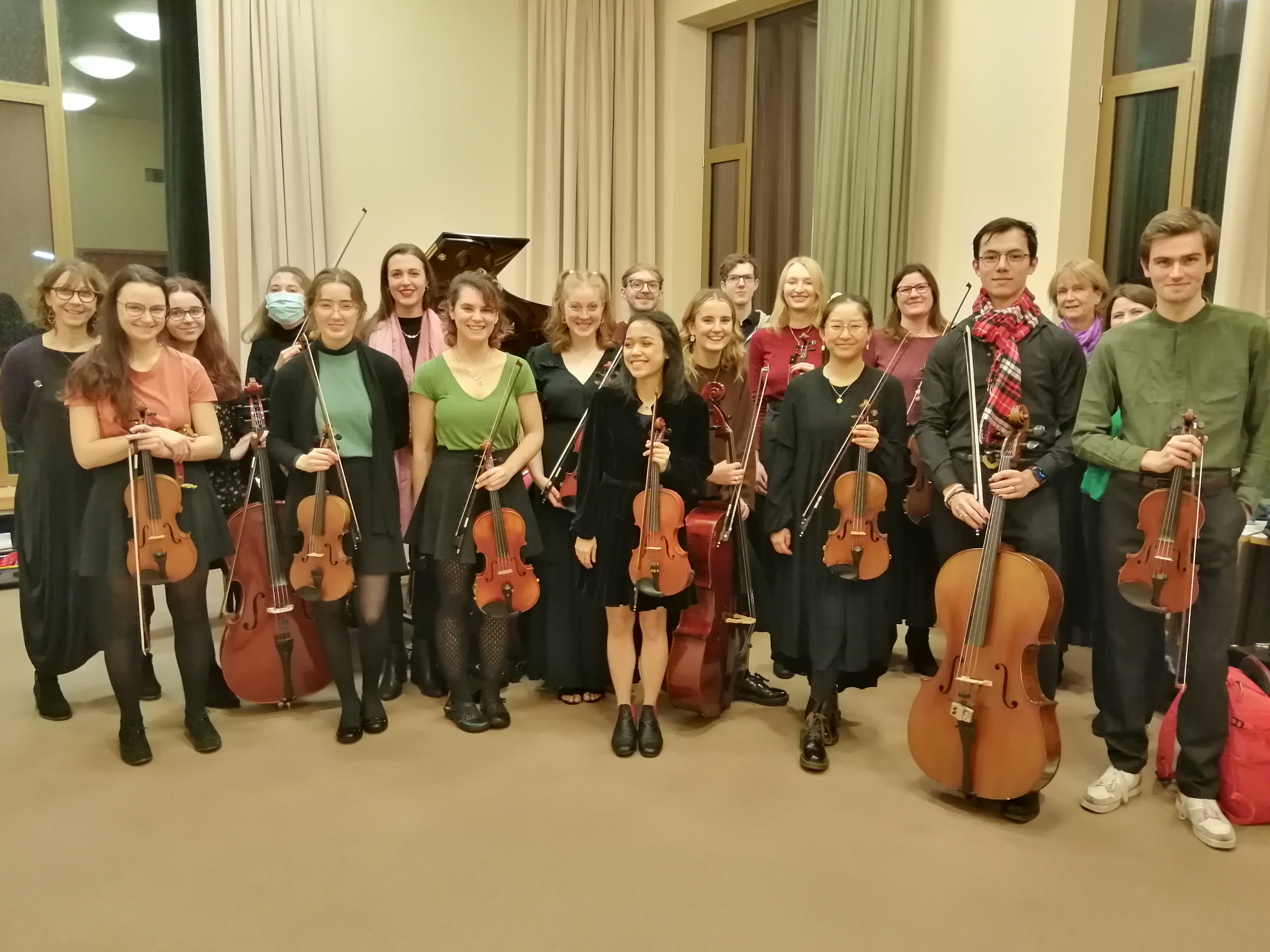
The University String Sinfonia
The programme will also include Purcell’s Chacony and Vaughan Williams’ reflective Fantasia on a theme by Thomas Tallis. as well as Vivaldi’s vivacious ‘Spring’ from The Four Seasons.
The concert is set against the backdrop of the gallery’s current exhibition Le Piazze [In]visibili – Invisible Squares, which was created during the early days of lockdown in Italy in 2020, and reflects the desolate emptiness of town squares which traditionally throng with residents and tourists, but which suddenly became empty like so many social spaces around the entire world.
I heard a piece of music on BBC Radio 3 Breakfast this morning and instantly burst into tears. (And no, I’m not going to tell you what it was.)* It was one of those unexpected moments when music reaches out and gets under your skin, and from nowhere there’s an immediate emotional response for which you’re wholly unprepared. It’s what music does best, one of its greatest powers: to move you when you least expect it.
Image: Jeremy Bishop / Unsplash
It made me reflect on why the music had affected me so much; I’d heard other pieces throughout the morning, but nothing had struck me quite so forcefully until that moment. The piece was a wonderfully intimate song – just voice and piano – small-scale, but operating with an emotional weight far greater than chamber music from two performers might suggest. And I realised it was because, at this moment, I have two huge pieces whirling around in my head – Haydn’s Nelson Mass and Fauré’s Requiem – that we’re preparing for forthcoming concerts here in the Music department, and which I’m in the midst of rehearsing.
Image: Varun Gaba / Unsplash
The way my brain operates is that, as we gradually draw closer to a performance (the Haydn is in three weeks’ time), it starts to bring the repertoire to the surface and keep it moving through my inner ear, often to the point where the relevant pieces are all I can think about during the whole day. It’s a way, I suppose, of my working through to check that I really do know them before stepping out to conduct them; but it’s also a way of really ensuring I’ve understood the emotional landscape of the music, expressed in its harmonic language. Have I really grasped the import of that diminished chord ? Why is the movement in the cellos and basses at that bar so important ? What’s the effect of that interrupted cadence there ? Why are the second violins playing that particular note when the firsts are playing THAT one ? What does it all mean ?
I think it was Britten who observed that musicians have a thinner layer of skin, so that they can experience the emotion of music more readily (or something like that). For me, this is definitely the case the nearer I get to a performance, as the music continues to sound throughout my imagination each day as the concert draws closer. If the music is to have any chance of operating successfully, then you have to have fully explored its emotional ebb and flow throughout the rehearsal process; you have to have opened yourself up to the harmonic implications in the score, to the emotional terrain it is exploring, in order to bring that out during rehearsals. The musicians have to know why that note, that chord, even that beat’s rest, is important; to understand where their contribution fits into the larger whole, and what effect that should have on the listener. And you can only do that if you’ve made yourself readily accessible to the music’s demands, in order to share them with the musicians and then (hopefully) to the listener. It’s about creating space for emotional honesty – for you as the conductor, for the performers, and for the audience – for which the music is asking; making yourself emotionally susceptible, able to be alive to all the harmonic / emotional nuance in the music to be able to draw it from the performers.
Image: David Clode / Unsplash
So it seems that those unexpected tears provoked by the piece on the radio came because of the emotional terrain to which I’m opening my ears at the moment ahead of performing the Haydn and the Fauré – two contrasting pieces rich in emotional expression, particularly the latter – and that means I’m obviously in a heightened state of susceptibility towards other music at this point too. It will become increasingly heightened the nearer we get to the concert (aided in no small way, I am sure, by pre-concert nerves…), but it should hopefully mean that, when we come to the performance, we will be taking the listener through the emotional odyssey the composer has asked us to realise in the white-heat of performance.
I’ll just have to be wary of listening to the radio until then…
* (If you’ve read thus far, then perhaps you deserve to know; it was Mel Tormé and George Shearing in a live performance of It Might As Well Be Spring, alright ?! Thanks, Petroc Trelawny…!)
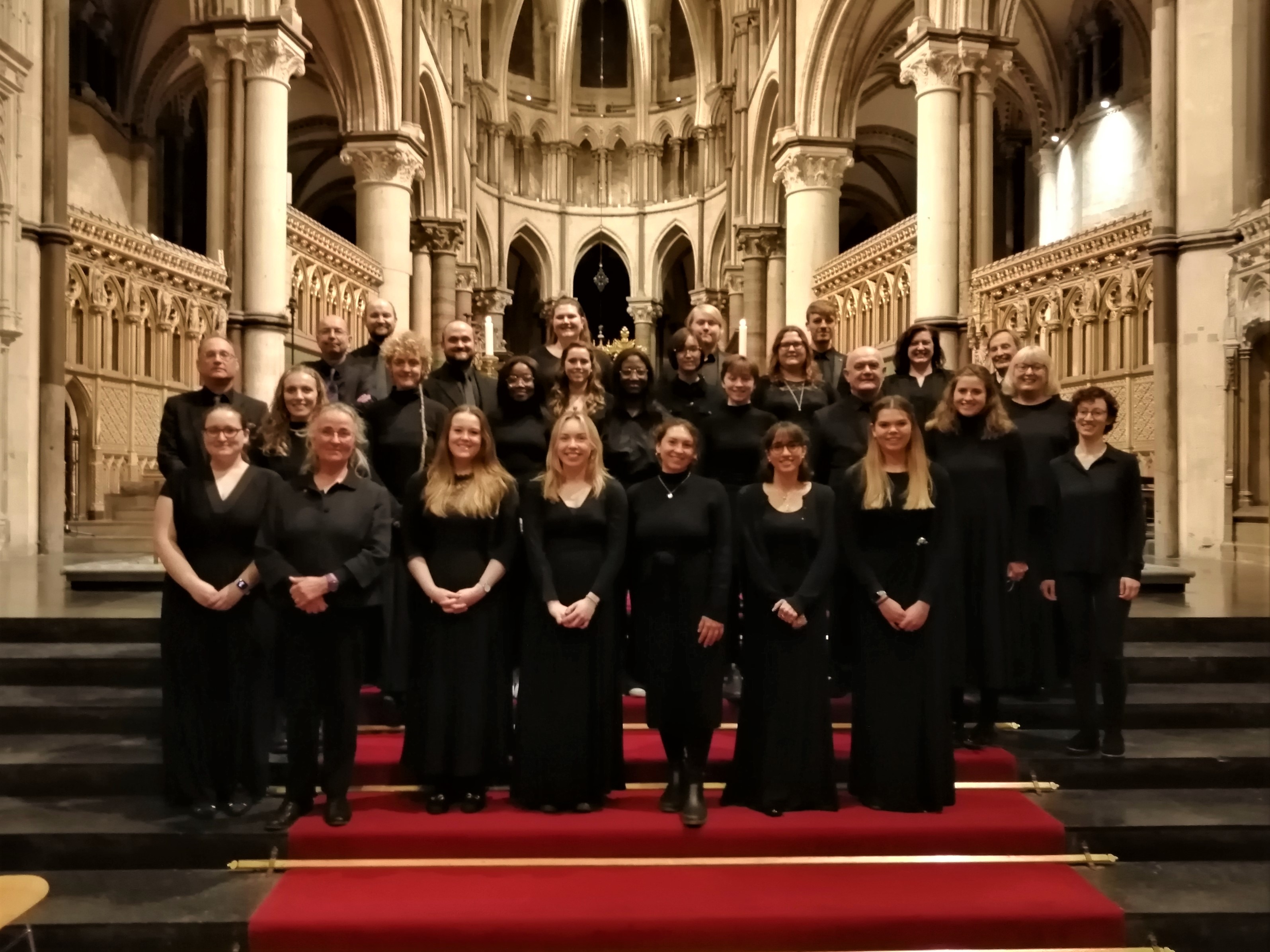
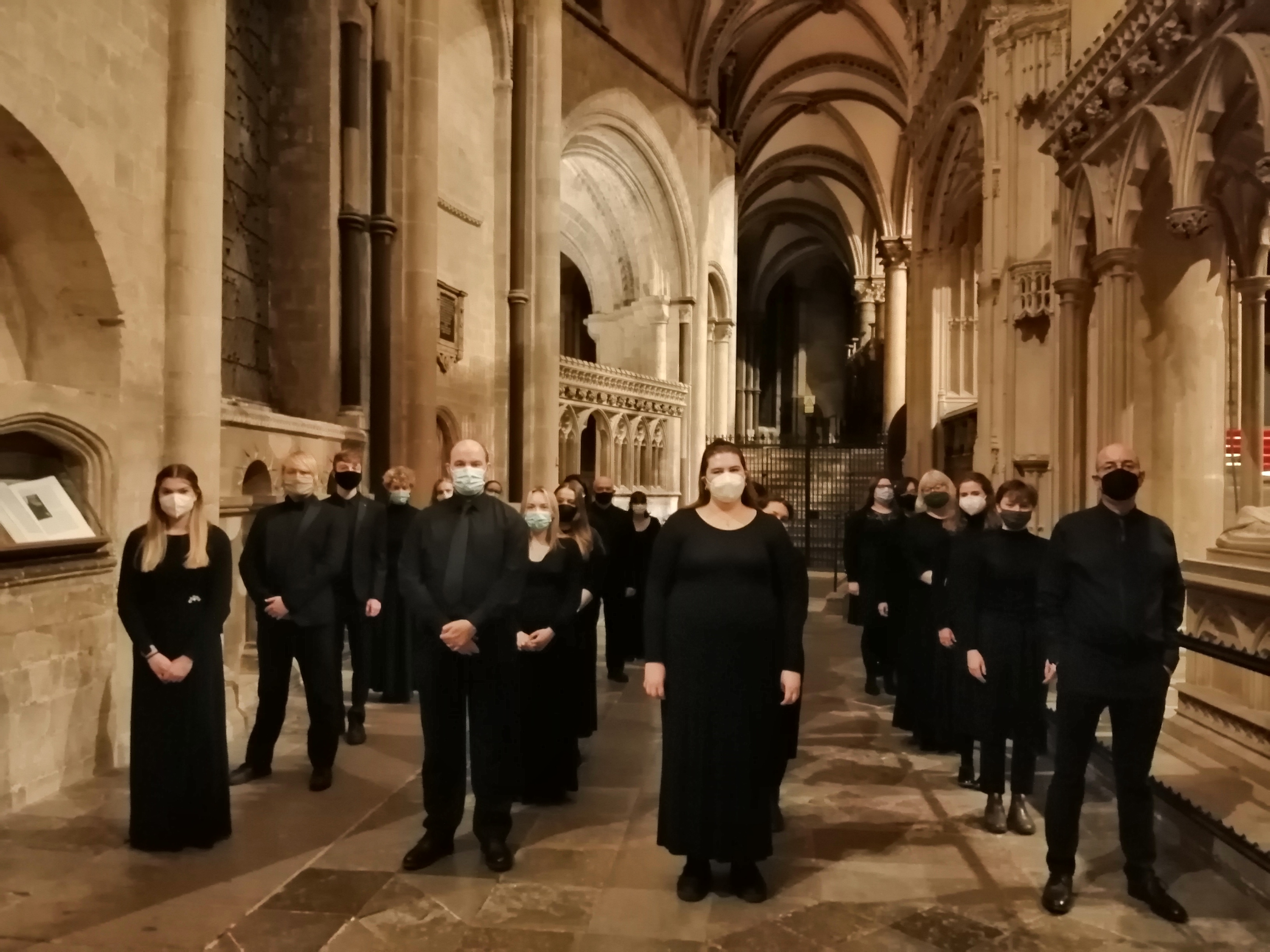
Students, staff and alumni of the University sang at Canterbury Cathedral yesterday, taking part in the centuries-old tradition of Choral Evensong in the heart of the city as the University Cecilian Choir; as well as welcoming an in-person congregation, the event was also livestreamed.
The University of Kent Cecilian Choir lining up ready to process
Congratulations to everyone who took part, including visiting organist, John Wyatt, who played for the service, and to the Cathedral for welcoming the Choir. It’s a wonderful opportunity to sing in that richly-resonant acoustic as part of a lineage of worship across the centuries, and the performers enjoyed the service immensely.
The service remains online to watch on the Cathedral’s YouTube channel below.
This term’s series of concerts launches on Weds 9 February, with our first-ever livestreamed Lunchtime Concert, and a first lunchtime recital as part of the series by one of our Music Performance Scholars, second-year Michael Lam.
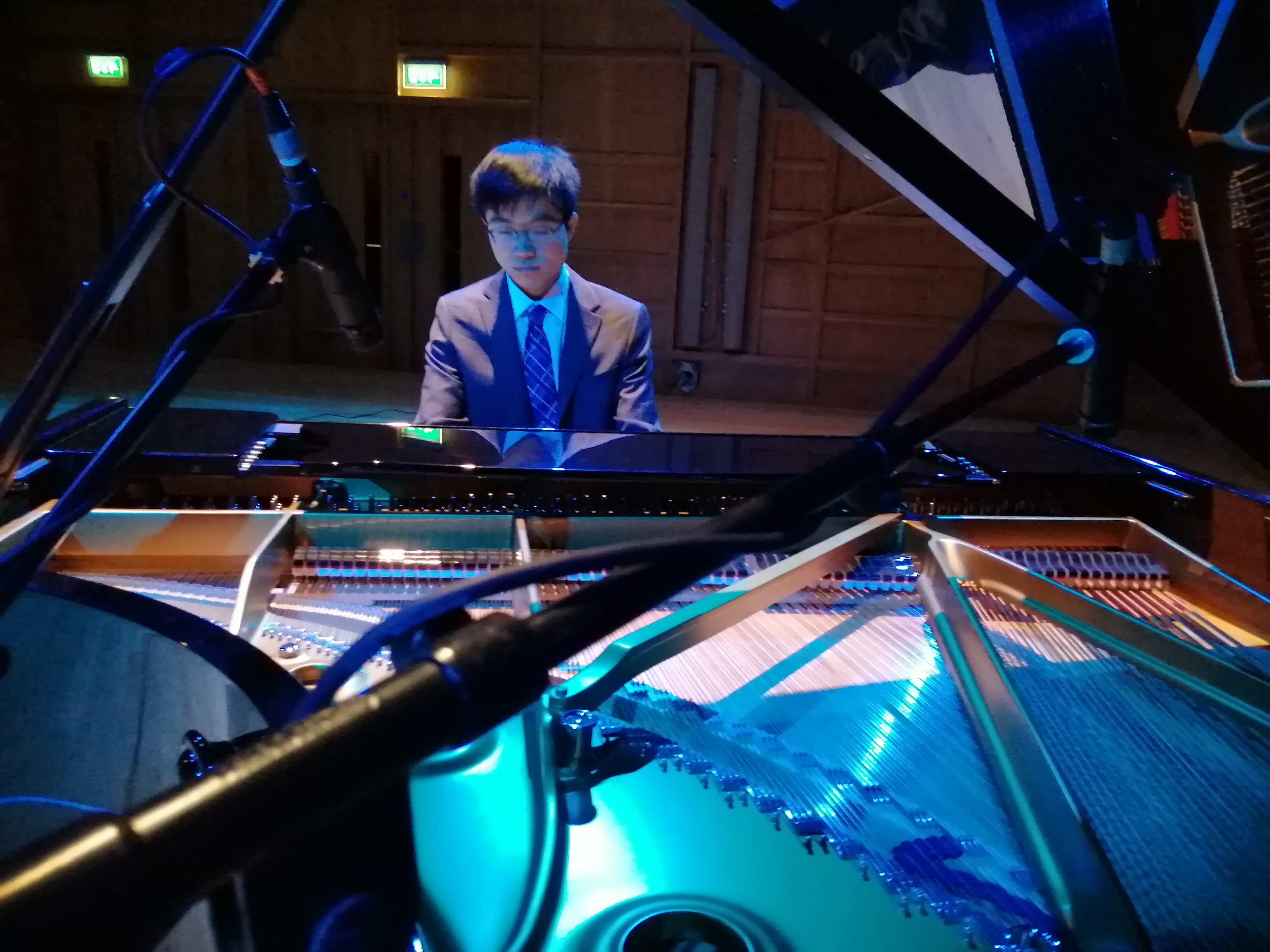
Wednesday’s recital sees Michael, in his second-year in the Kent and Medway Medical School, performing works by Bach, Mozart, Chopin and Schumann, and as well as welcoming a live audience, we will be livestreaming the recital online here:
Join us either live or live online as this term’s concert series gets underway, with what promises to be a unique occasion marking two ‘first’ for the Music department…

 Matt Brown’s Solitude at Dusk had one or two ravishing chords, and the performance ended with the weighty Fantasia on a theme by Thomas Tallis, whose main melody (When rising from the bed of death) somehow again took on different overtones in light of the photographic evidence of the impact of the pandemic which surrounded the audience.