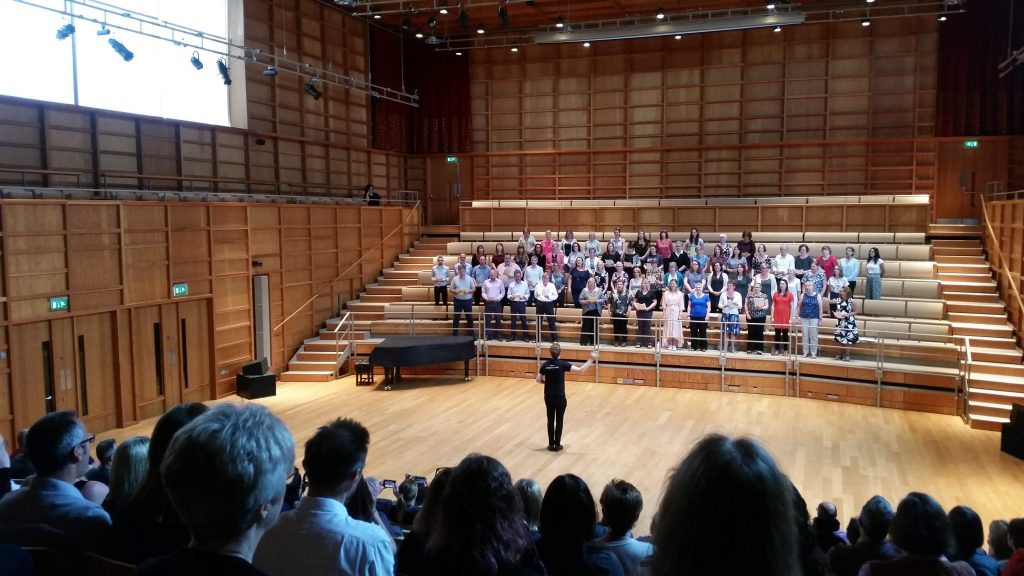
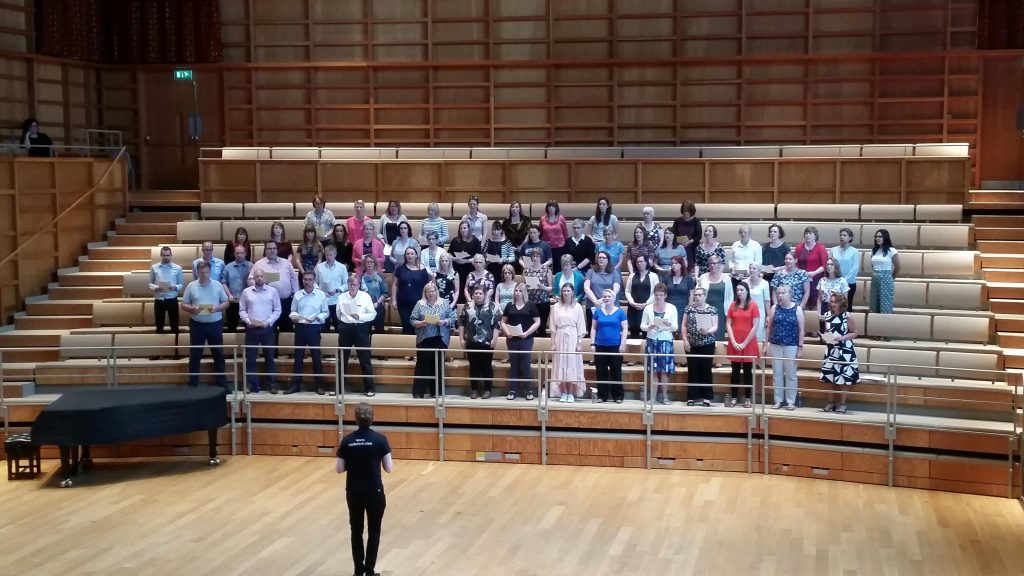
Two further music-filled days as part of this year’s Summer Music Week; on Monday, the University Rock Choir, directed by alumni Jonathan Grosberg, had an enthusiastic audience clapping along to songs such as Don’t Stop Believin’ and Roar; the choir’s debut brought a standing ovation in Colyer-Fergusson Hall.
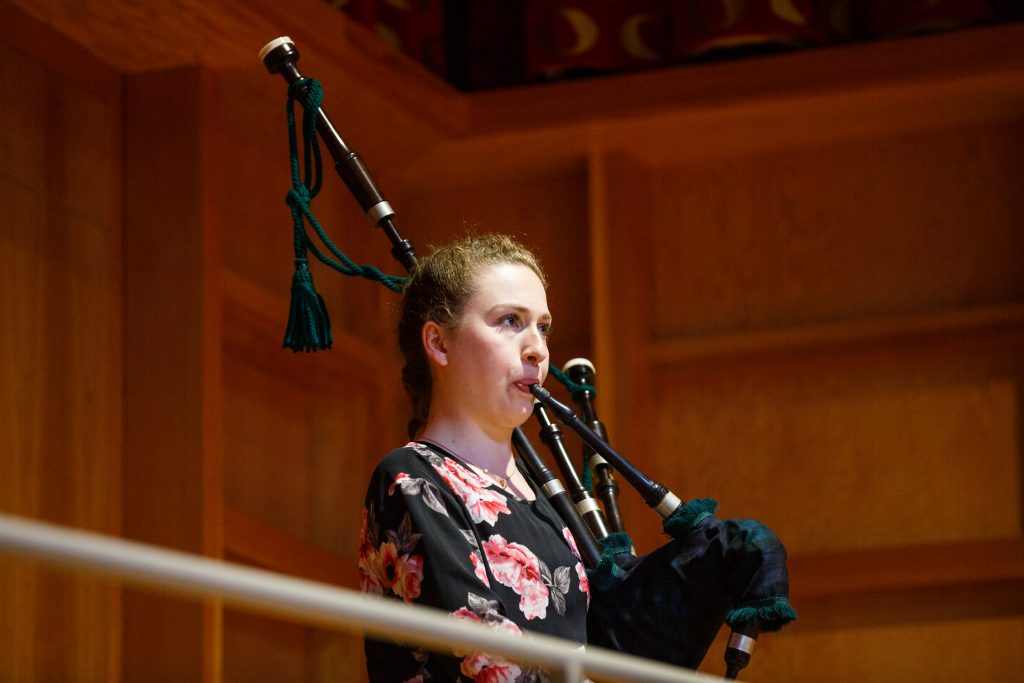
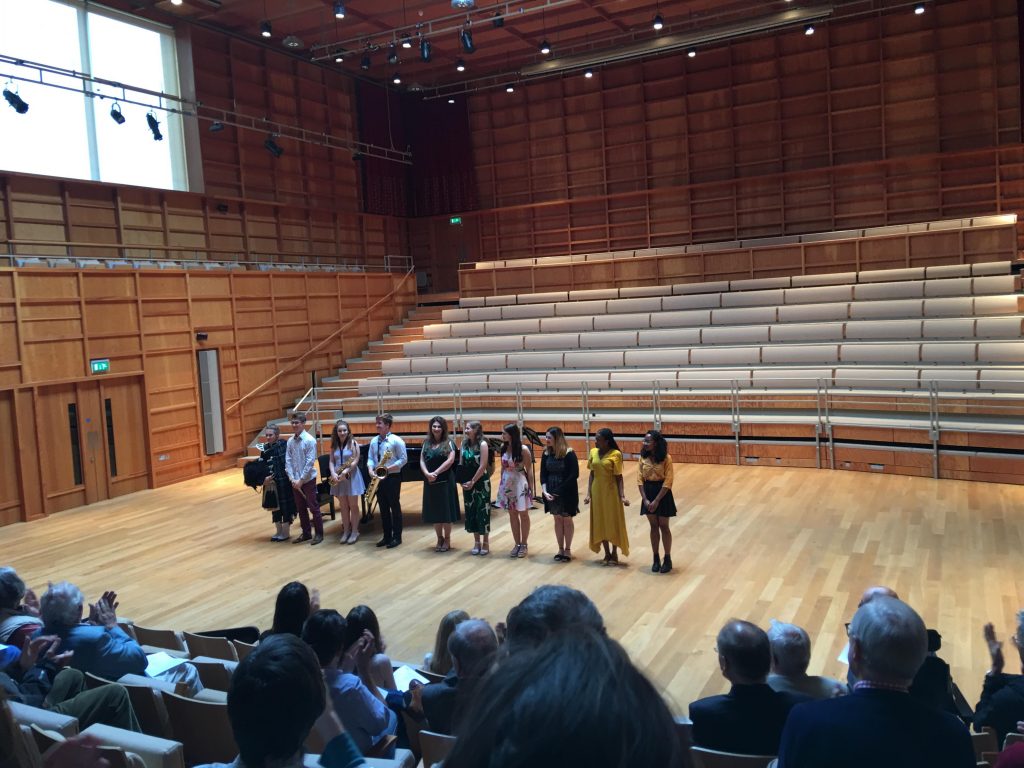
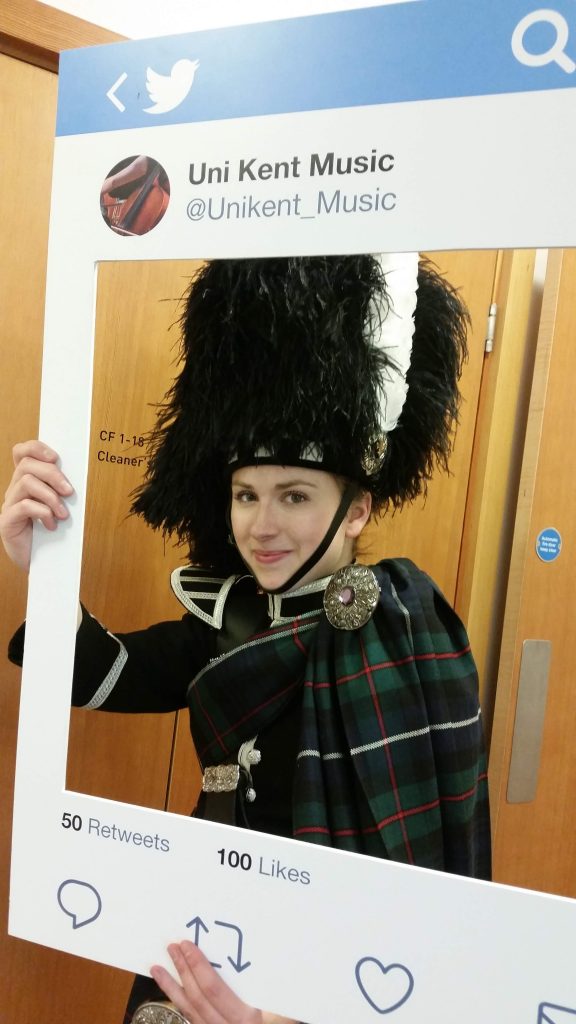
And Tuesday saw the annual Music Scholars’ Lunchtime Recital, which began in unique fashion this year with first-year Biosciences student and highland bagpiper Eloise Jack – her skiriling pipes were heard outside the hall before she entered on the balcony to instant applause.
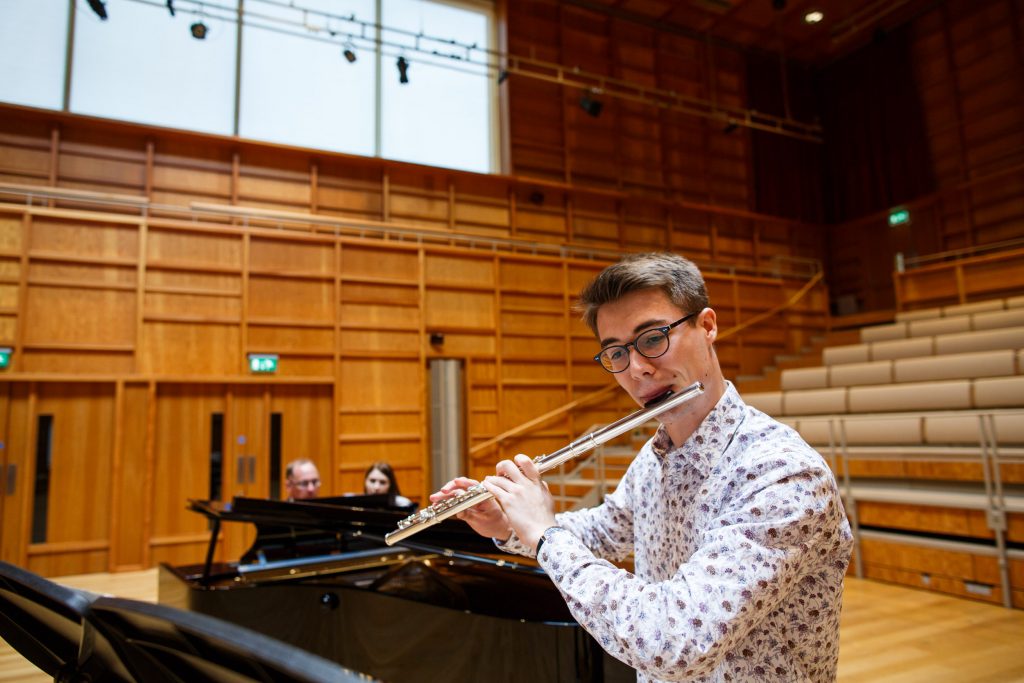
Final-year Computer Science student, Robert Loveless, dazzled in a rhythmically vivacious Bossa Merengova by Mike Mower.
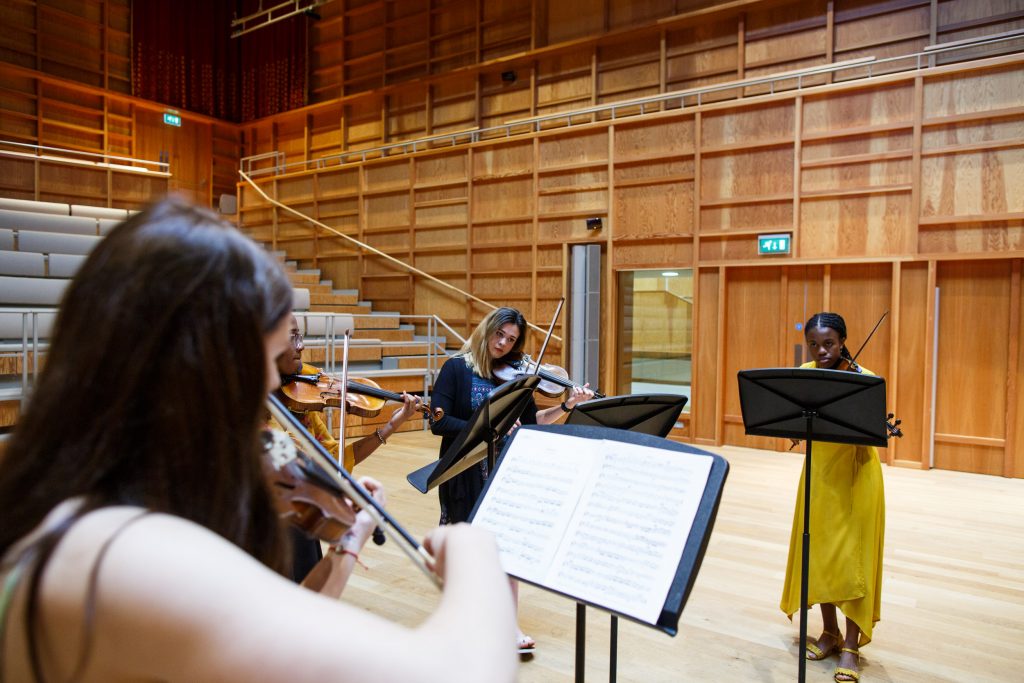
Four final-year violinists then delivered a pitch-perfect performance of Telemann’s second Concerto for Four Violins; Zaneta Balsevic (reading Music Performance), Florence Nightingale Obote (Biosciences), Molly Richetta (Mathematics) and Melody Brooks (Psychology).
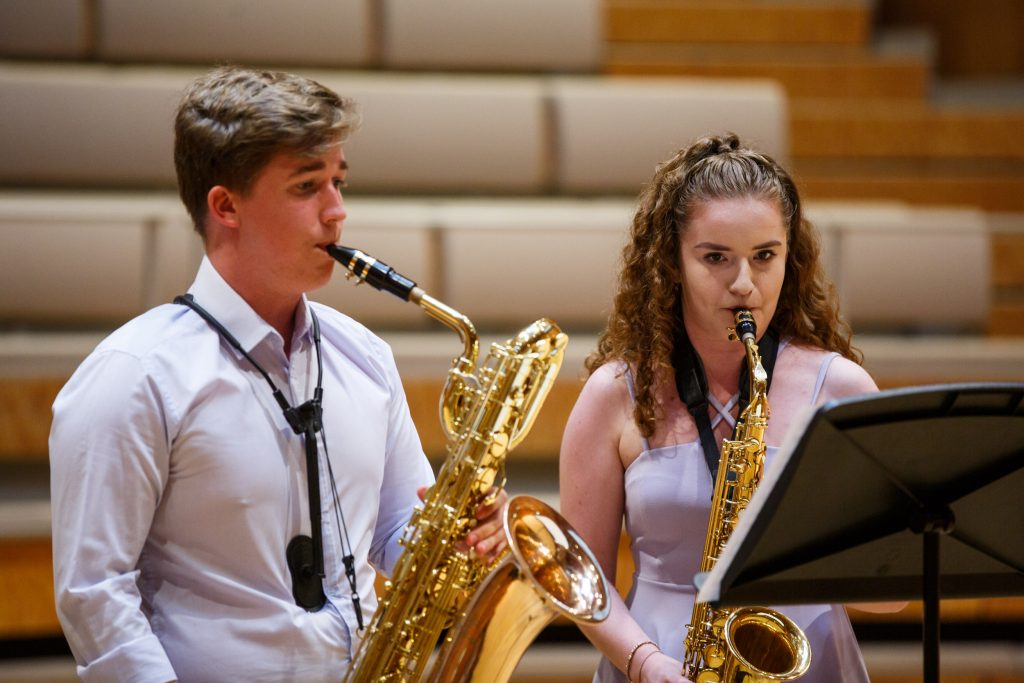
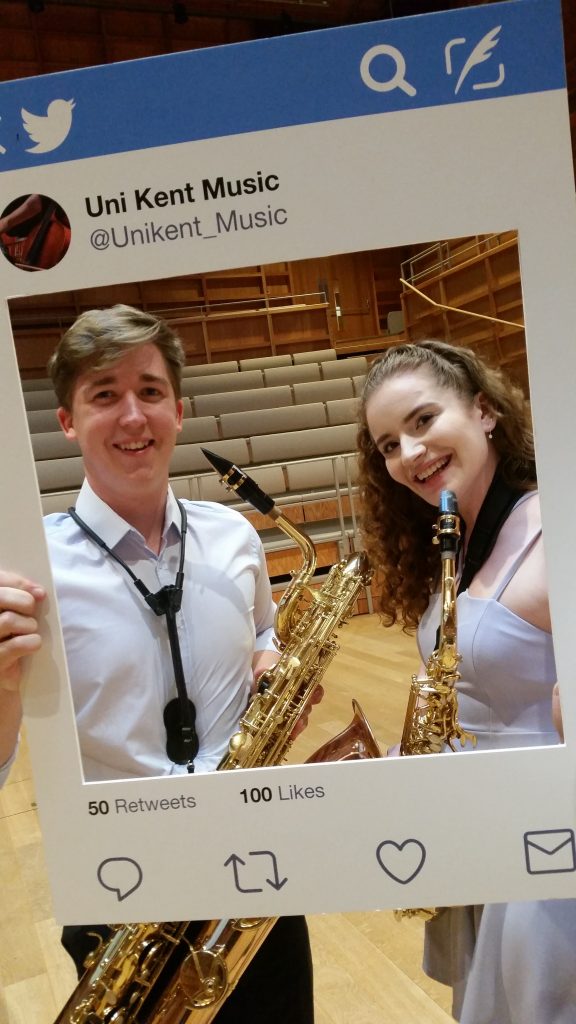
The programme took a folksy turn in the form of two saxophone duets from two first-year Music Scholars, David Curtiss (reading Physics) and Megan Daniels (Law), in melodies from Bulgaria and Spain.
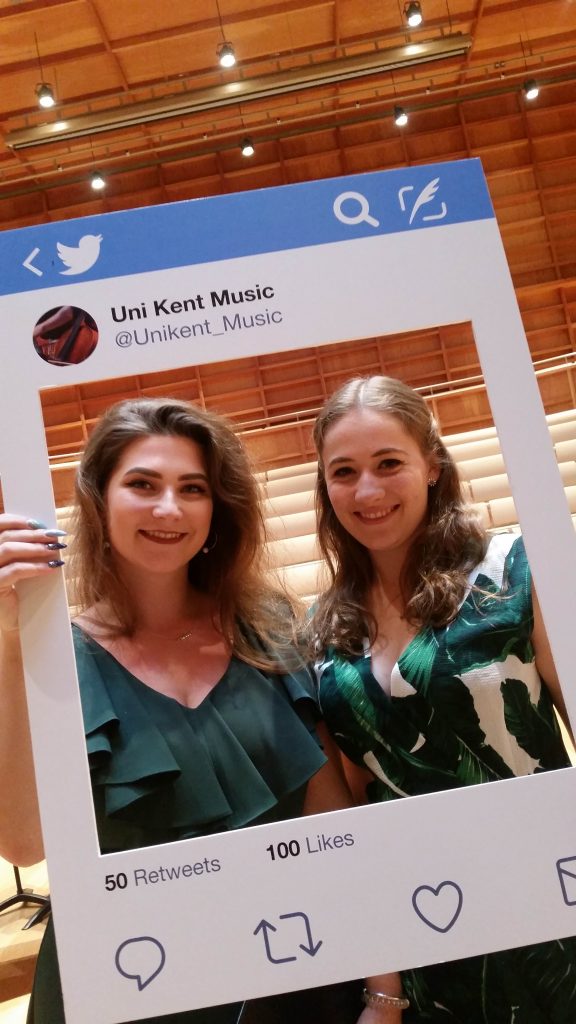
The concert drew to a close with final-year sopranos Fleur Sumption (History of Art) and Helen Sotillo (LLB Law Senior Status) in a lyrical rendition of the ‘Barcarolle’ from The Tales of Hoffmann.
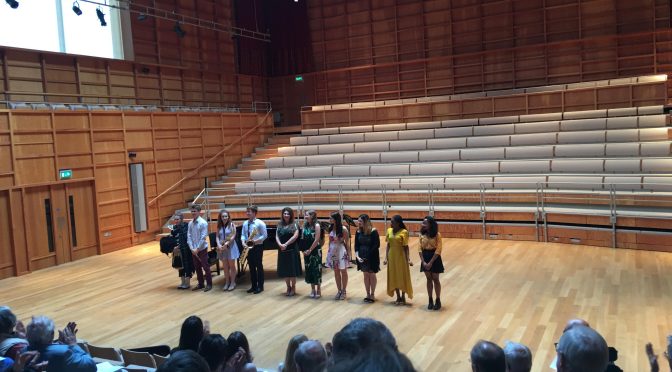
A highly responsive audience greeted all the performers at the end for a collective bow – our thanks to all the players. The concert was followed by the awarding of this year’s Music Prizes, about which more anon…
Image: Millie Falla
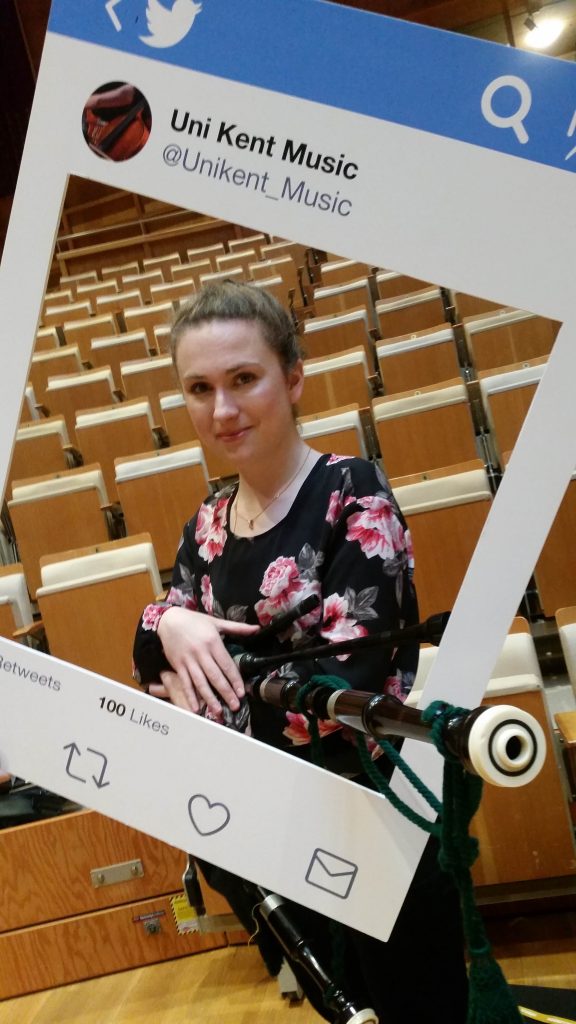
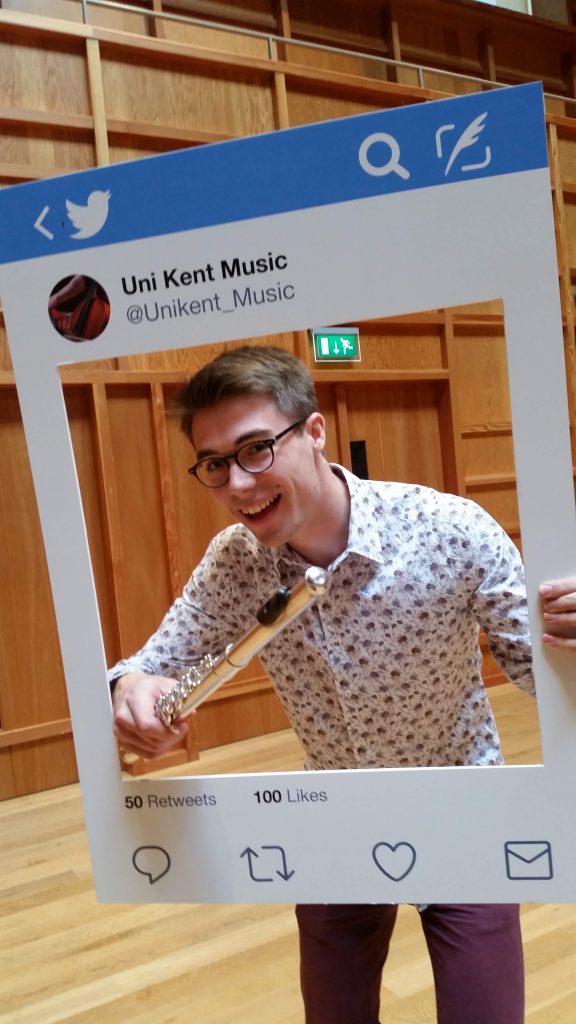
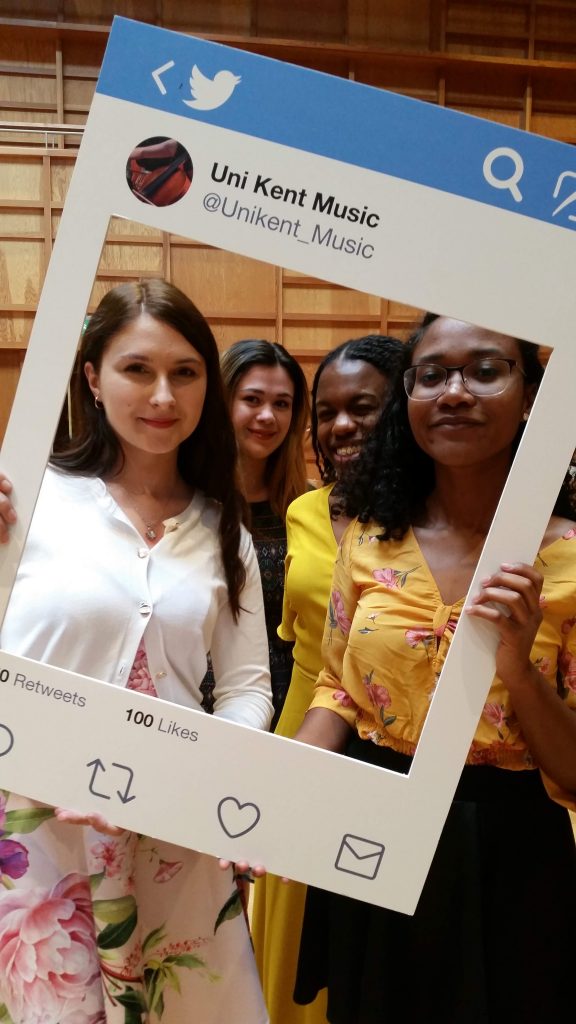
There was Of Course time for selfies afterwards…
Our music festival continues tonight with the annual roof-raising extravaganza that is the valedictory concert from the University Concert Band and Big Band under the baton of Ian Swatman. Still plenty more to come…
As temperatures soared and the weather became balmier, Summer Music Week launched over the weekend in the first two events of this year’s annual celebration of the musical year at Kent.
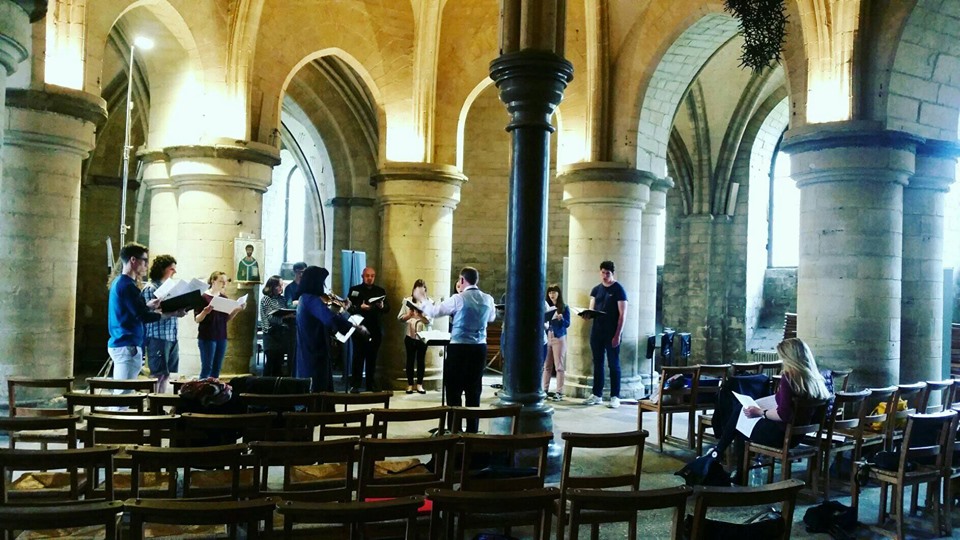
On Friday, the University Chamber Choir and Consort gave an electrifying concert in the Crypt of Canterbury Cathedral, for which they were joined by composer and violinist Anna Phoebe in three evocative movements from Anna’s Between Worlds, an exploration of music and science that receives its full premiere later this week. Second-year student Hannah Ost led the choir in a piece in the first half as part of a wide-ranging programme that received huge applause from a packed crypt audience.
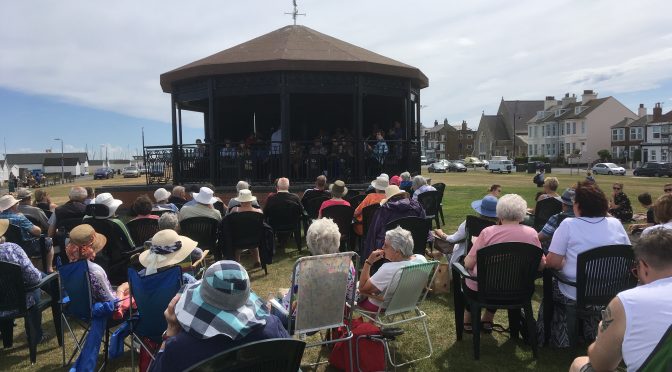
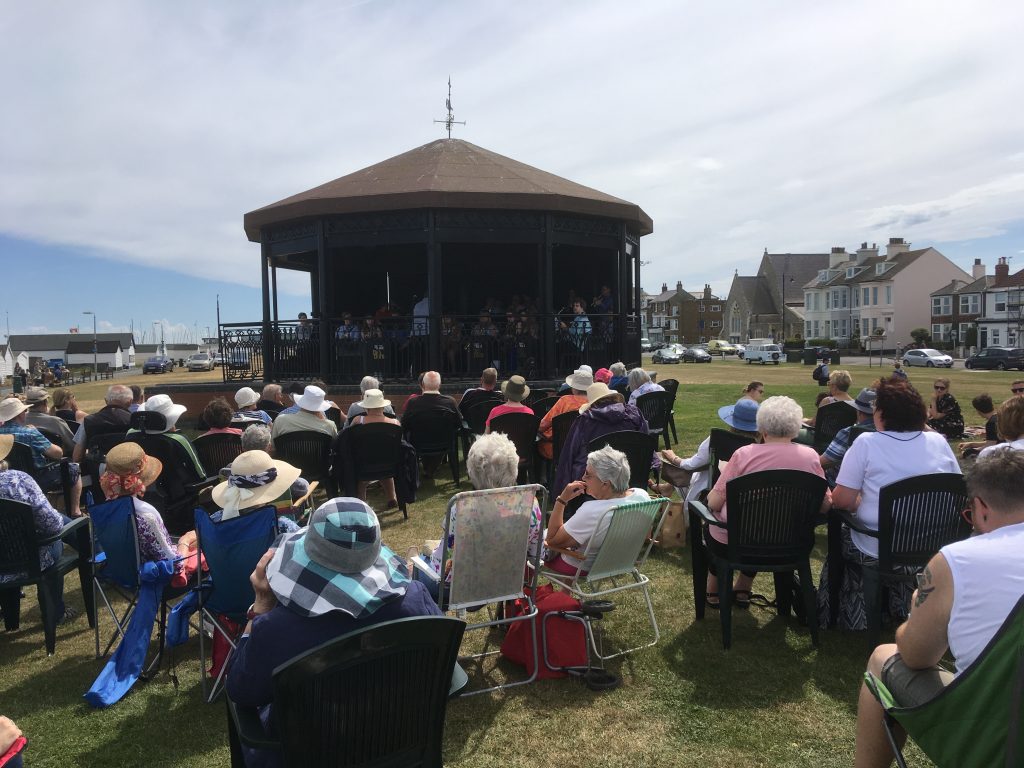
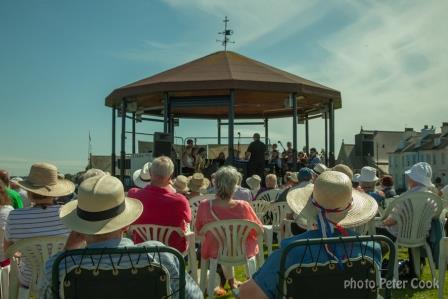
And yesterday, conductor Ian Swatman bravely headed out to the seaside with the University Big Band, to entertain a Sunday crowd at the Memorial Bandstand at Deal, including guest vocal appearances from final-year student Fleur Sumption and first-year Elle Soo. Sea, sunshine and swing – perfect conditions for a perfect day.
Well done to everyone involved; Day Three of Summer Music Week today features the University Rock Choir in action. Find out all that’s going on throughout the week here.
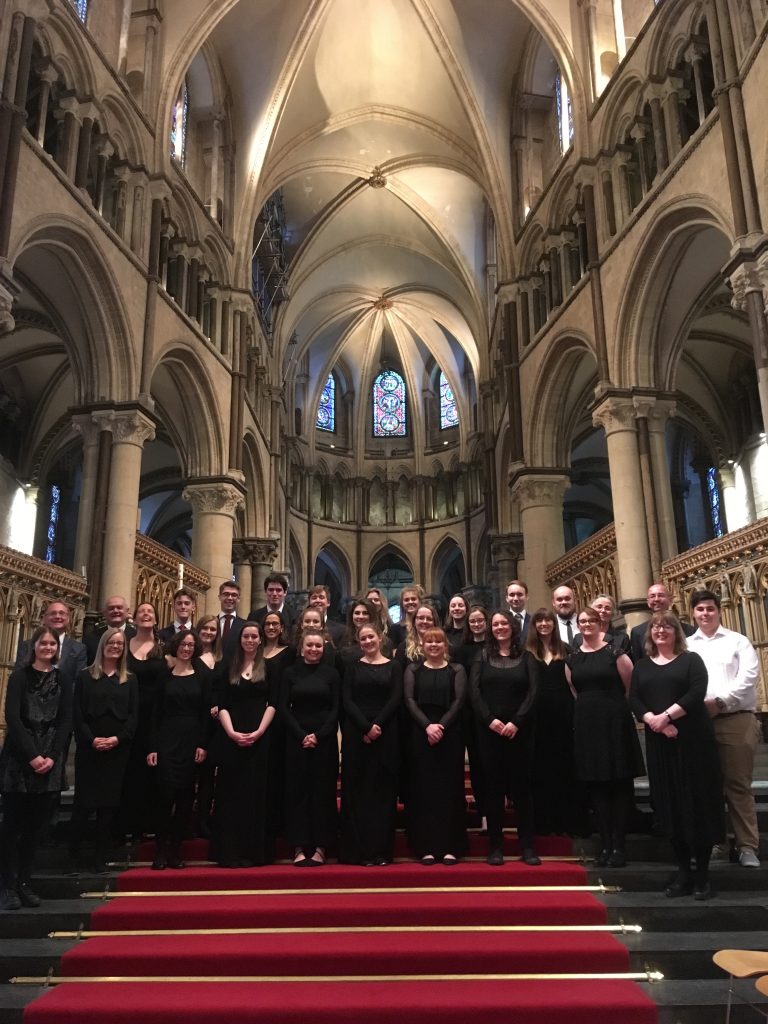
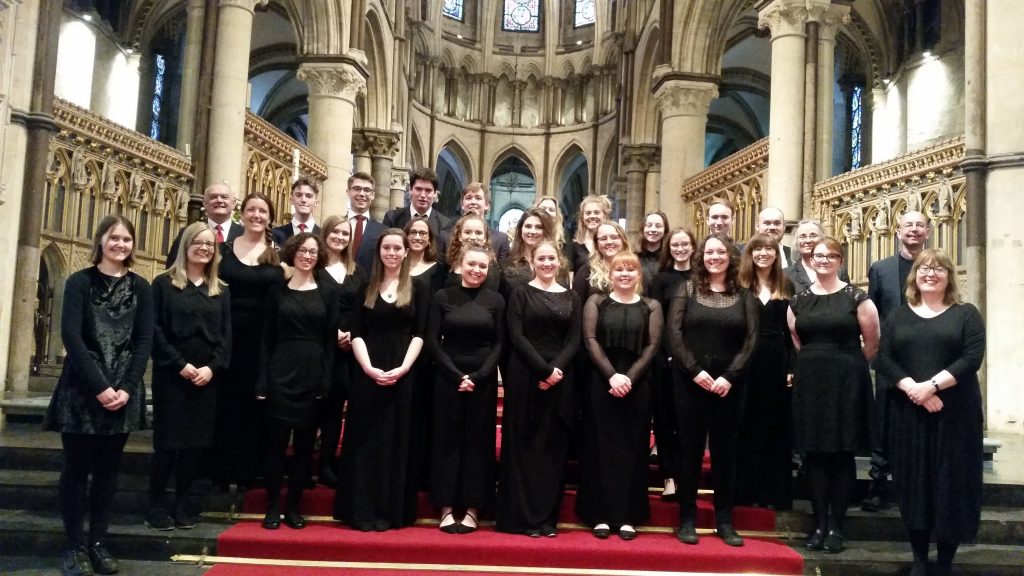
Congratulations to all the students, staff and alumni who were a part of the University Cecilian Choir‘s service of Choral Evensong at Canterbury Cathedral yesterday.
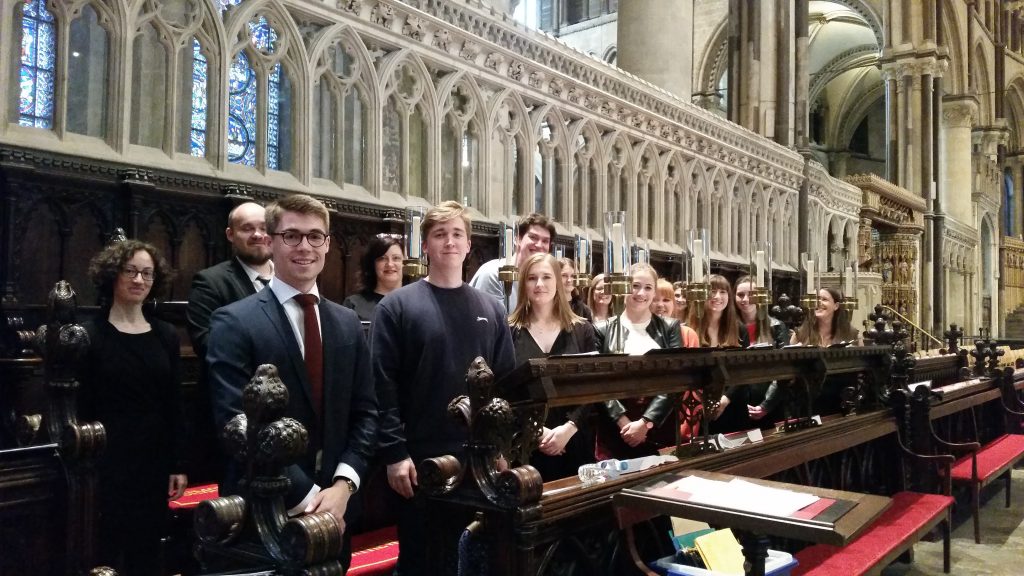
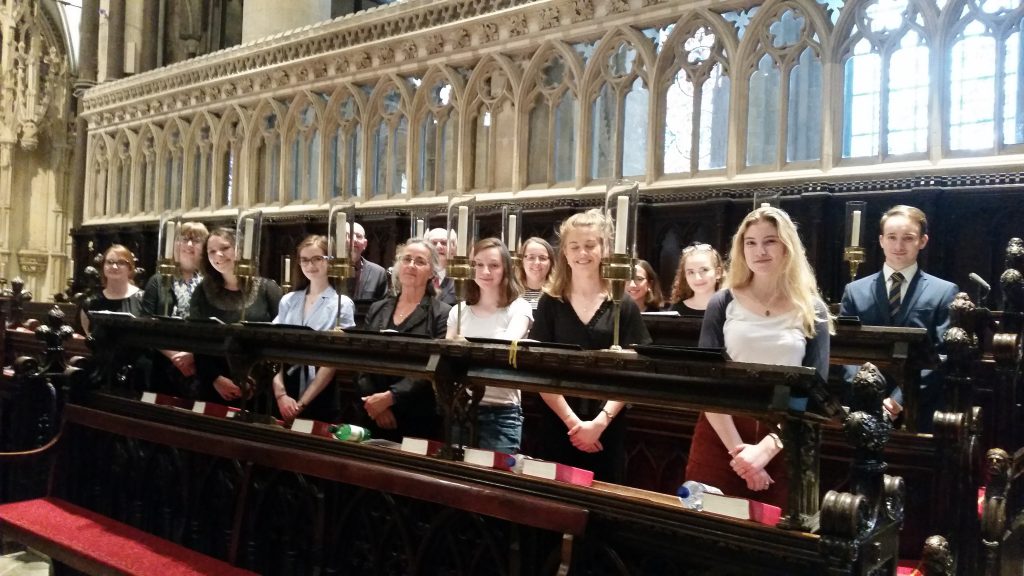
It was the first time the Cecilian Choir has sung at Canterbury Cathedral, and as seasoned choral evensong singers will know, it’s quite a discpline to learn; the pointing and flexibility of psalm-singing, the need for security in delivering the unaccompanied Responses, and the constant having-to-be-on-your-toes throughout the service so you are ready for what comes next, with the right music in the right order, able to pluck the note of your chord from the intoned sentence from the Precentor. Not withstanding the additional challenge of singing in split formation across an extremely wide aisle in the Cathedral Quire, in mixed-voice arrangement without the security of singing amongst others of your voice-part. And all in front of an expectant congregation, fitting your contribution flawlessly into the well-oiled machinery of the Liturgy…
In rehearsal: Cantoris……and in rehearsal: Decani
The Choir rose the occasion marvellously, particularly in Stanford’s Canticles in C and Elgar’s Ave Verum Corpus, a heady blend of lyricism and stirring ensemble singing.
It was lovely to welcome back some former members of the Choir and University alumni to take part; thanks too to organist Charles Francis, Organ Scholar and sixth-form pupil at St Edmund’s School, for playing for the service.
We are back at the Cathedral this Friday night, as the University Chamber Choir performs in the sonorous acoustics of the Cathedral Crypt to launch this year’s Summer Music Week...find out all that’s coming up 31 May – 8 June here.
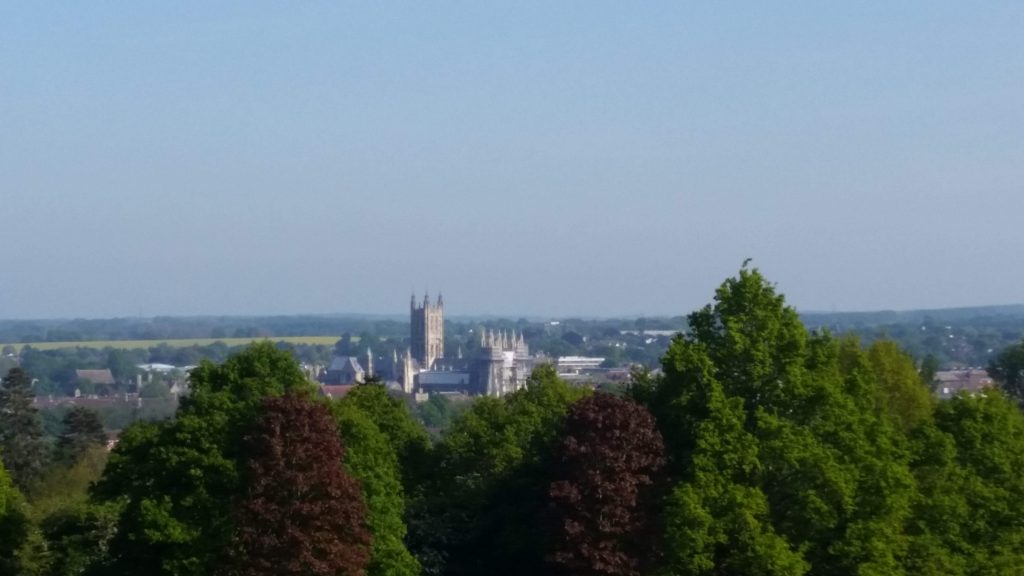
The view of the Cathedral from the University campus
With the new term beginning earlier this week, rehearsals for Summer Music Week have begun in earnest, and the String Sinfonia and Chamber Choir have been once again getting to grips with Between Worlds, an exciting multi-media odyssey which comes to Colyer-Fergusson as the penultimate event in our week-long music festival.
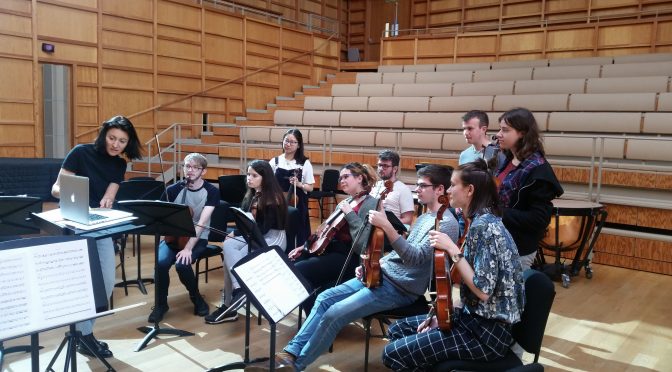
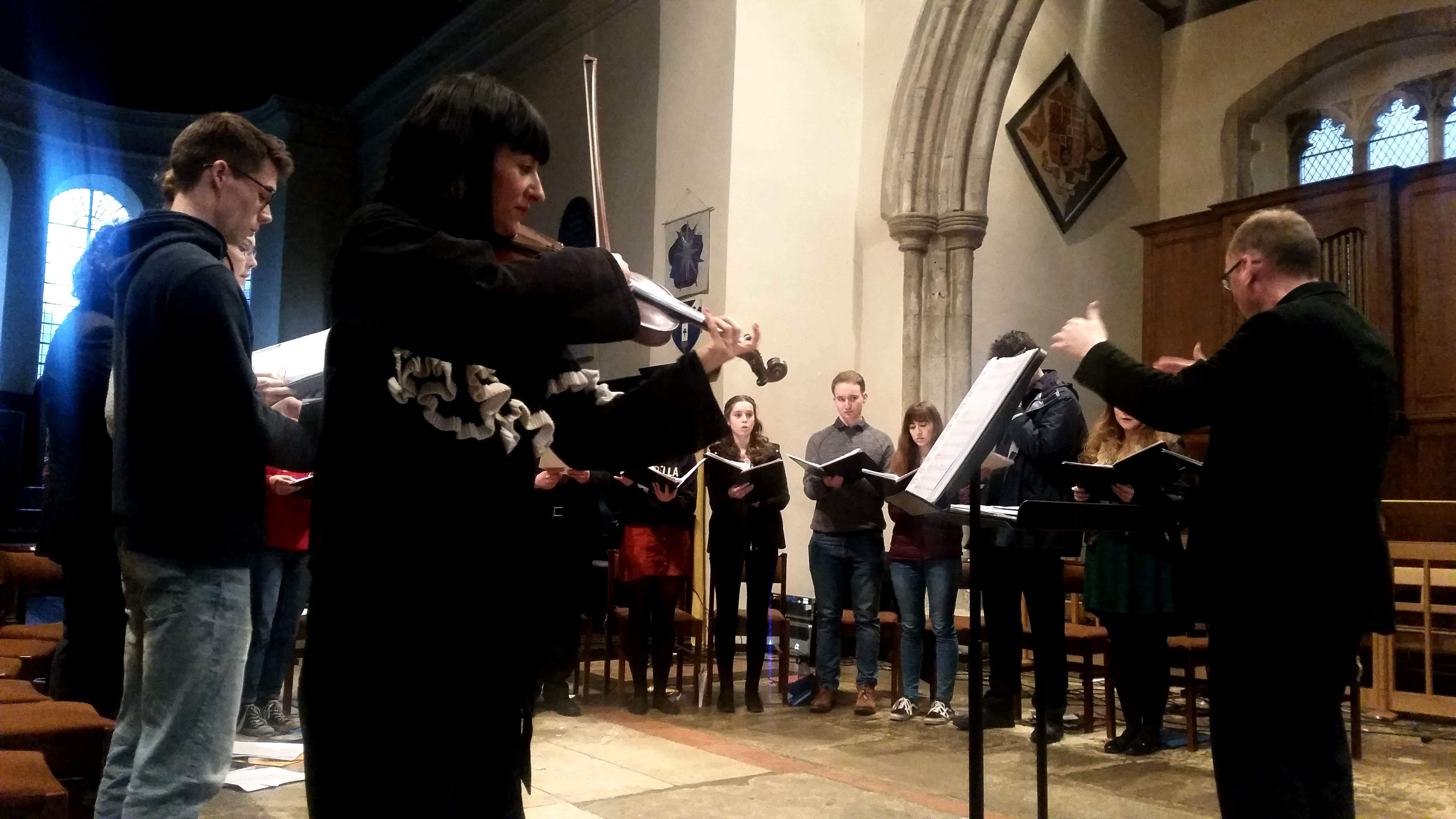
Both choir and strings have been busy rehearsing Anna Phoebe’s new piece; earlier this week, Anna came in especially to work with the String Sinfonia,
The exciting aspect of new music is watching it slowly evolve, and there was time on Wednesday for Anna and percussionist Leon to develop ideas for the timpani part, which plays a crucial textural role at key moments in the piece.
The full performance beams in to Colyer-Fergusson on Friday 7 June at 7.30pm; find out more here…
Continuing the series profiling University Music Performance Scholars and Music Award Holders at the University of Kent. This week, third-year Biosciences student and violinist, Florence Nightingale Obote reflects on a less than auspicious start to her violin-playing career…
I have been playing the violin for 15 years. I started at the age of seven and have no memory of my first ever violin lesson or the first time I held a violin underneath my chin. My violin teacher, however, remembers it fondly and never ceases to tell me. She’d always say to me, “I remember you when you walked through the door. Your shirt and trousers were way too big for you because you were so tiny, and the moment you held your violin under your chin: you had the biggest smile on your face.”
Even though I do not remember this, I remember my very first violin concert very well. I was playing the French folk song with three other violinists. We practised ample times for the concert, and all seemed fine. But the day of the concert was a whole other issue. So, we walked onto the stage, and bowed at the applause. Then our violin teacher counted us in. As soon as I heard four, I knew I had to start playing, but I didn’t. Instead I was stood there frozen with my bow on the violin while the others were playing the right notes in all the right places. I looked to my parents on the second row who were trying their best to not laugh which started to make me giggle. Then I distinctively remember dropping my bow, and in the process of picking it up I almost whacked one of the other players. After picking up my bow, I tried to find my place, but at that moment, I forgot how to read music, so I just started playing random notes hoping no one would notice. And after the concert, my violin teacher said to my parents at the that I had potential. So, the violin and I did not get off to a great start.
I did improve as the years went passed. Year 7 was when my violin journey started to accelerate. In secondary school, MHCHS, I played in all the possible orchestras I could join. This consisted of chamber orchestra, symphony orchestra, Vivaldi strings, string group, and so on. In year 9, MHCHS did a project with the Royal Philharmonic Orchestra, and I was given the opportunity to play the Vivaldi concerto for four violins accompanied by them. A year later, I got the opportunity again to play the Corelli Christmas concerto accompanied by them again. Both were conducted by Benjamin Pope.
Image credit: DJ8Photo
Whilst doing all these things in school, I also joined music groups externally. I was part of the Finchley Music strings for a couple of years where I joined Jazz strings as well. I wasn’t very fond of it because I was of being classically trained on the violin, but like my 7-year-old self I decided to persevere with playing Jazz on the violin (it did not last very long). Towards the end of year 9, I played in the Barbican Youth Orchestra where we got to play a several orchestral works, including the famous Romeo and Juliet overture by Tchaikovsky, and works by Glinka and Mozart.
Going back to year 7, I joined a chamber group until year 12. I got to play in trios, quartets, sextets, septets, and octets. We played a plethora of music, with my favourites being: Death and the Maiden by Schubert, Mendelssohn’s Octet, and Dvorak’s American quartet. We also entered music competitions and participated in music festivals. Because of this period in my life, I will always love playing chamber music more than anything else.
During my year-in-industry, I went to Thailand where I joined the Thammasat University Symphony Orchestra (TUSO). I got to meet so many lovely people and had the opportunity to play gigs around Thailand and travel with them to Laos to play at Laos university. The orchestra was quite different to orchestras previously I’ve played in, in the UK. They played more music that appealed to students to get more recognition and they also arranged music from famous TV dramas and K-pop songs. It was very relaxed, and I had a great time playing with them.
Image credit: Jib Racharin
I’m coming up to the end of my final year studying Bioscience at the University of Kent, and the music opportunities in the university has been incredible. I’ve played in the Symphony orchestra, String Sinfonia, and have played chamber music with several people. After Kent, I hope my music journey will continue.
Image credit: Molly Hollman
I’d like to give a special thanks to my father who is the reason why I started playing the violin.
We’re very pleased to reveal the full line-up of events for this year’sSummer Music Week live online this morning!
Launching on Friday 31 May with a sonorous concert by the Chamber Choir and Consort in Canterbury Cathedral Crypt, our musical farewell to the academic year unfolds over the next eight days to include a trip to the seaside with the University Big Band at Deal Bandstand, a recital by University Music Scholars, a Gala concert with the Concert and Big Bands, the String Sinfonia and Chamber Choir in the premiere of Between Worlds exploring music and science by Anna Phoebe, all culminating in the annual Music for a Summer’s Day with the Chorus and Orchestra bidding a tearful farewell to this year’s music-making.
See all that’s to come, grab your tickets and help us celebrate another musical year in the life of the University as it draws to a festive close. The brochure will be available shortly…
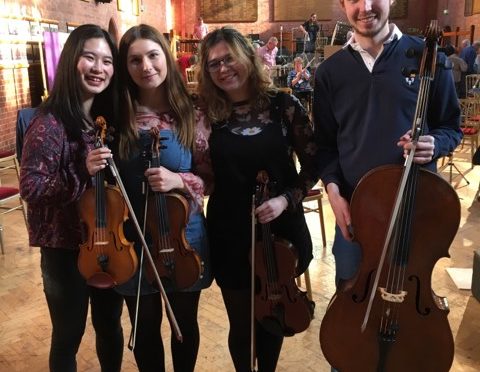
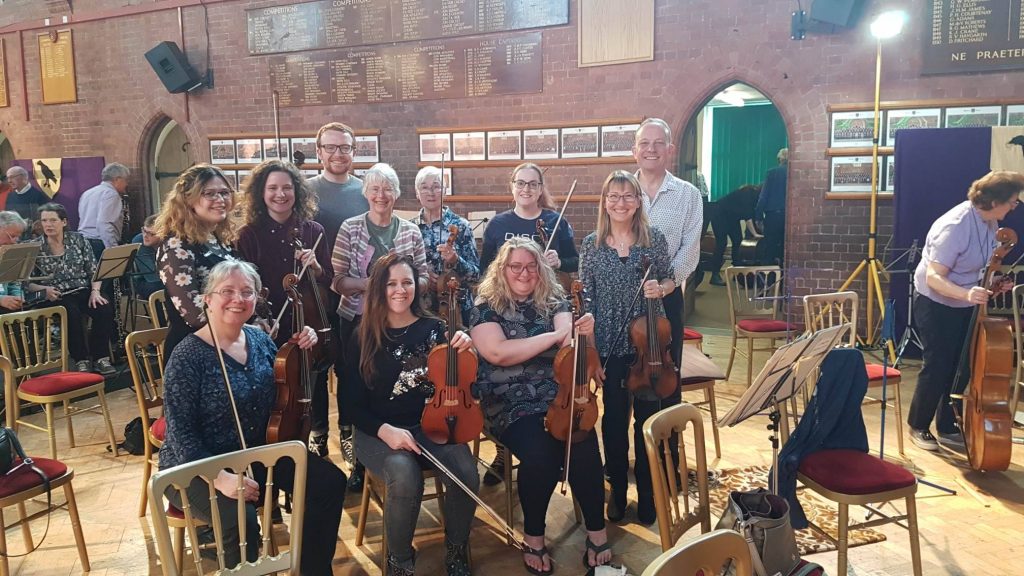
Not content with busily rehearsing and performing during term-time, final-year Music Performance Scholars and string-players Žaneta Balsevic and Molly Richetta headed off to Shropshire last week to participate in an Easter Orchestra Week run by the Easter Orchestral Society at Ellesmere College. Here, Molly reports on a week of orchestral and chamber music rehearsals, concerts and chains…
During the Easter break, Žaneta and I attended an orchestral course in Shropshire called Easter Orchestra Week. It was a week of intense and challenging music making with a huge orchestra of like-minded music lovers.
The list of music for the week was extensive; there were four main works that were rehearsed each morning, and in each afternoon and evening rehearsal we would sight-read through one or two works. The four main works were performed in an informal concert on the last afternoon. These included From the House of the Dead suite from a ballet by Janáček, which uses chains in the percussion section to represent the chains of the prisoners where the work is set. The second was Symphony No. 3 by Arvo Pärt; between the second and third movements was a thunderous cadenza for the timpani (obviously milked to its fullest extent) which took the rest of the orchestra completely by surprise on the first play through. The third work was Concerto Festivo by Andrej Panufnik. This was challenging as the meter changed every couple of bars. I was talking to the musical director at breakfast one morning and he said that the composer was fascinated by trains, and while traveling would have ideas and write them down- but had forgotten exactly the time signature of the part he had written before, hence the constant changes from ¾ to 3/8!
The final work was the famous tone poem by Strauss, Till Eulenspiegel, the story of a practical joker and possibly the most technically difficult but rewarding of the four works. All four of these I grew to love as the week went on.
In the afternoons and evenings, we sight-read through many of the most famously difficult pieces in the orchestral repertoire, including the ballet Daphnis and Chloé by Ravel and Shostakovich’s Symphony 12. Most of these sessions I spent clinging on for dear life in the viola section and praying that I didn’t make my debut as a soloist in one of the rests. One of my favourite pieces of the week was Rodion Shchedrin’s Naughty Limericks; a piece full of humour. One moment of the piece required the player at the very back of the viola section to play the first violin tune in the wrong key as loudly as possible at one of the few quiet moments. The final evening before the performance brought some light relief with film music including ‘Raiders of the Lost Ark’ and ‘The Good, the Bad and the Ugly’. In these sessions we also had the opportunity to sit in different seats and sections, so I was able to play violin as well as viola through the week, and people had the chance to play concertos or sing as soloists.
The conductors and the leader of the orchestra were incredible from start to finish in the week- being able to tackle such repertoire was an experience I will not forget, and they made even the most difficult pieces enjoyable and (almost) playable!
After lunch we had free time which some people used to play through chamber music. I had the chance to tick many pieces off my bucket list; I was able to play Mendelssohn octet, a Dvorak string quintet and the Smetana quartet (which may have the best opening tune for viola of any quartet I have heard) among others! It was wonderful to be around so many like-minded people who were capable of and exited to sit down and read through pieces. The location of the course was perfect- in a school in the middle of the beautiful Shropshire countryside, which others used the free time to explore.
Even though the music from the week was great, it was the people on the course which made it so much better. There was a wide range of ages and professions of people and getting a chance to speak with more experienced members of the orchestra was a real privilege. The atmosphere was so friendly; Žaneta and I went down to breakfast on the first morning and sat on a table of strangers-who all spoke to us as peers and friends. Every evening exhausted from the day of rehearsing we would head to the bar and get to know the other members over a few too many glasses of wine. I was lucky enough, as well as 5 others, to be given a scholarship. The others quickly became our close friends, and as always in the music world, we found out we had mutual friends.
It was a brilliant opportunity to experience music that as an amateur musician you would not get the chance to play anywhere else. I remember sitting in the first rehearsal and feeling amazed that so many people who do not work in music were meeting together to spend a week of their life playing music purely for the enjoyment, inspiration and challenge that comes from it. I feel that my sight-reading has definitely improved as a result of playing so many challenging works, as well as the ability to convincingly pretend that I know where I am. Many of the members had been going back every year for many years, and I hope to be able to go back again next year too!
Between Worlds is an exciting new inter-disciplinary project which brings together music, science, film, live media projection and performance in the form of a new piece for choir and ensemble by composer and performer, Anna Phoebe. Written for the University of Kent Chamber Choir and String Sinfonia, the piece is a direct, original musical response to spectacular visual imagery provided by research at the University’s School of Biosciences, and to the scientific environment in which is is conducted, drawing on hi-resolution spectroscopy, video evidence and even sampled sounds from the laboratory.
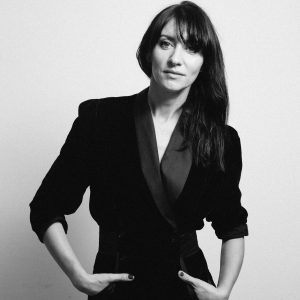
Anna Phoebe / AVA / Shot by Rob Blackham / www.blackhamimages.com
Composer and performer Anna Phoebe has toured extensively throughout the world, both as a solo artist and with bands including Roxy Music and Jethro Tull, from arenas across the USA to the Royal Albert Hall and Glastonbury, including supporting Bob Dylan at the Rock Legends Festival in Poland . Anna works with The Royal Ballet School as a composer and music advisor, and has worked on several music/dance projects with the students, as well as improvisation workshops
Bringing together a combination of disciplines, the mixture of live music, projections and performers forms a new, highly creative approach to engaging audiences with cutting-edge scientific research data; the project presents images and film generated by exploratory research at the sub-molecular level. Field recordings from the laboratories at the University are also incorporated into a mesmerising soundscape clothing the live musicians, forming an evocative sonic backdrop to stunning research imagery.
The research, led by Dr Chris Toseland, explores Gene Expression, and is used to combat diseases. Funded by Cancer Research UK, Chris’ research is the inspiration behind the 38-minute work for choir, solo violin, string ensemble, synthesiser and percussion. Chris received a BSc (Hons) in Biochemistry from the University of Wales – Aberystwyth in 2006 then commenced a PhD at the MRC National Institute for Medical Research – London. He received his PhD in 2010 from the University of London. His thesis focused upon the biochemical and biophysical characterisation of DNA helicases. At the end of his PhD, Chris was awarded an EMBO Long Term Fellowship to move to the Ludwig Maximilians Universität – Munich to work on single molecule studies with myosin motors. After 3 years he relocated to the Max Planck Institute of Biochemistry with a research focus on genome organisation. Chris joined the School of Biosciences in 2015 as a Leverhulme Early Career Fellow. In the same year he was awarded a highly prestigious MRC Career Development Award to establish his research group.
The University Chamber Choir, directed by Deputy Director of Music, Dan Harding, has been working with Anna since January, and performed three a cappella choral movements from the piece as part of a recent concert the Choir gave in Wye, for which they were joined by Anna on solo violin.
The premiere of Between Worlds in its entirety, complete with live projections and electronic soundscapes, will be given on Friday 7th June 2019, in the spectacular surrounding of the University’s Colyer-Fergusson concert-hall, conducted by Dan Harding, as part of the Music department’s annual Summer Music Week festival.

 Four final-year violinists then delivered a pitch-perfect performance of Telemann’s second Concerto for Four Violins; Zaneta Balsevic (reading Music Performance), Florence Nightingale Obote (Biosciences), Molly Richetta (Mathematics) and Melody Brooks (Psychology).
 The programme took a folksy turn in the form of two saxophone duets from two first-year Music Scholars, David Curtiss (reading Physics) and Megan Daniels (Law), in melodies from Bulgaria and Spain.
 The concert drew to a close with final-year sopranos Fleur Sumption (History of Art) and Helen Sotillo (LLB Law Senior Status) in a lyrical rendition of the ‘Barcarolle’ from The Tales of Hoffmann.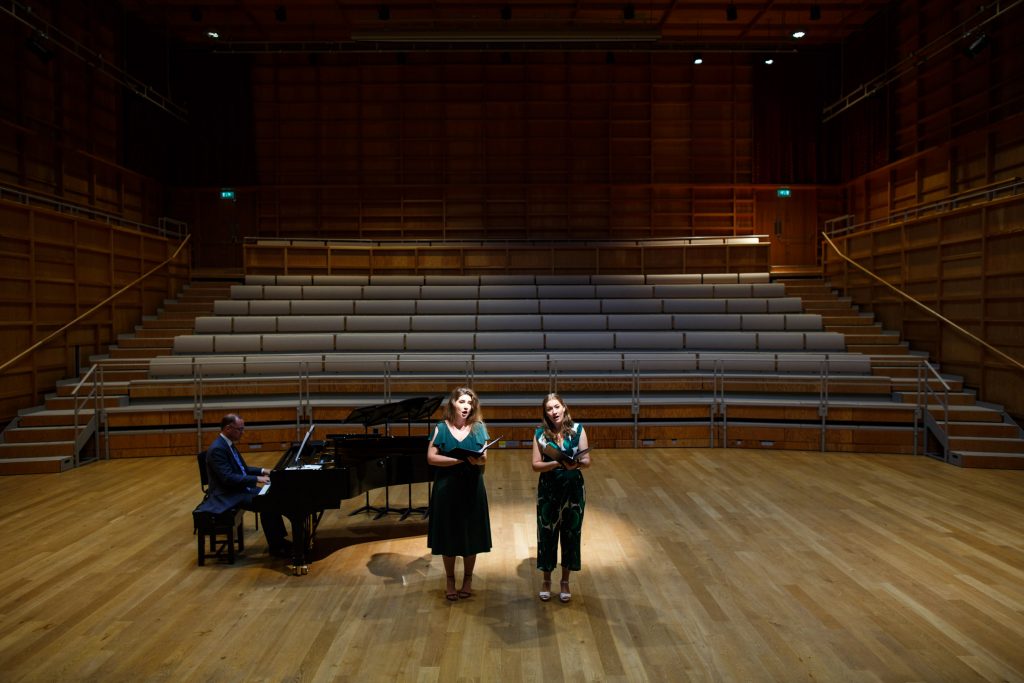
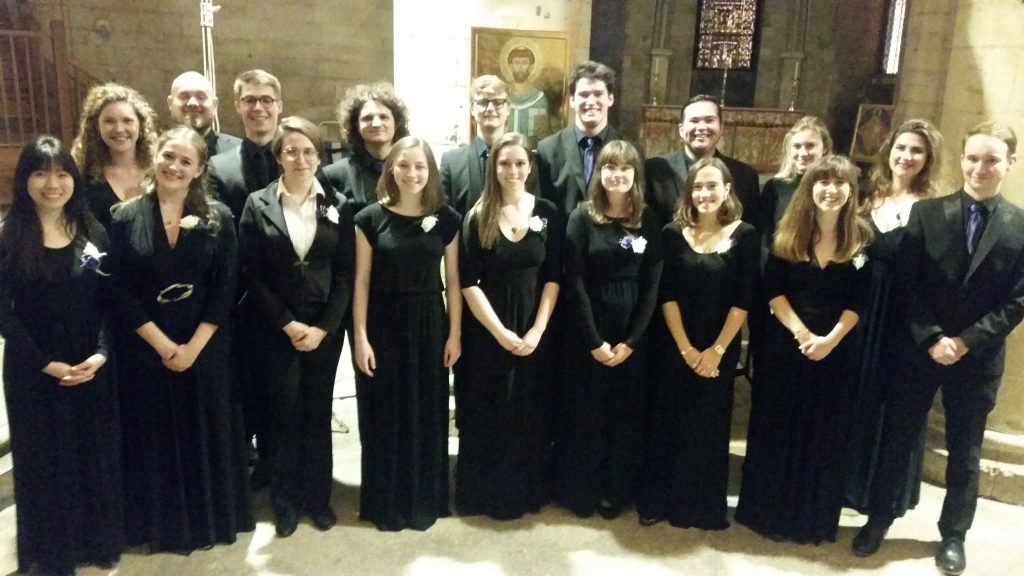 On Friday, the University Chamber Choir and Consort gave an electrifying concert in the Crypt of Canterbury Cathedral, for which they were joined by composer and violinist Anna Phoebe in three evocative movements from Anna’s Between Worlds, an exploration of music and science that receives its full premiere later this week. Second-year student Hannah Ost led the choir in a piece in the first half as part of a wide-ranging programme that received huge applause from a packed crypt audience.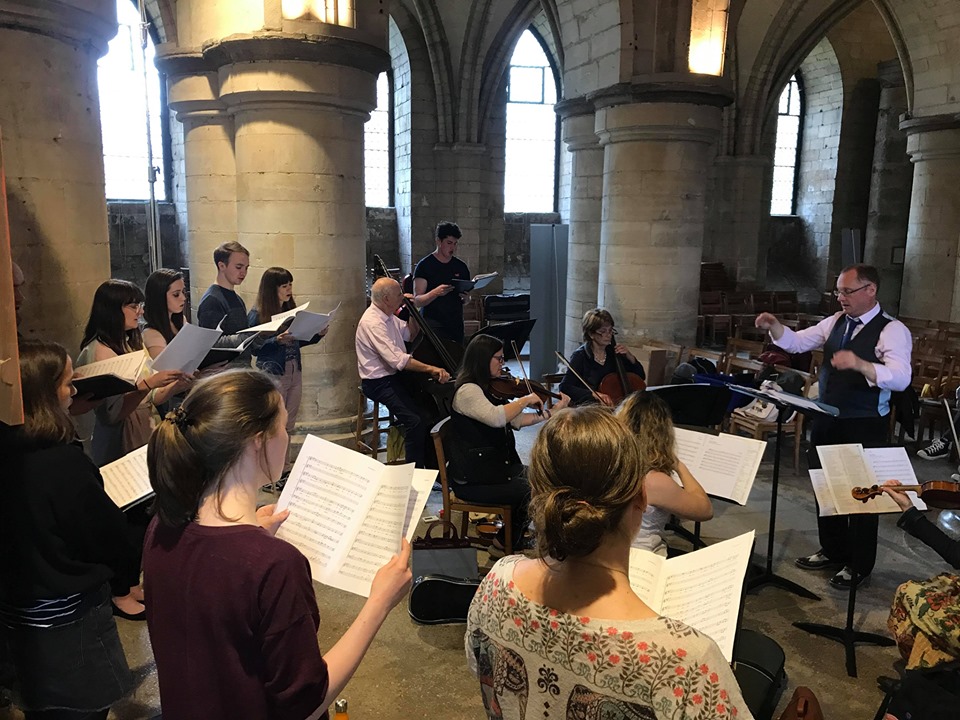
 And yesterday, conductor Ian Swatman bravely headed out to the seaside with the University Big Band, to entertain a Sunday crowd at the Memorial Bandstand at Deal, including guest vocal appearances from final-year student Fleur Sumption and first-year Elle Soo. Sea, sunshine and swing – perfect conditions for a perfect day.
 Well done to everyone involved; Day Three of Summer Music Week today features the University Rock Choir in action. Find out all that’s going on throughout the week here.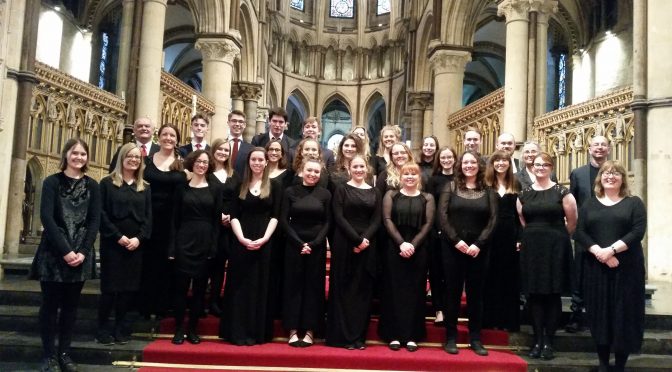
 It was lovely to welcome back some former members of the Choir and University alumni to take part; thanks too to organist Charles Francis, Organ Scholar and sixth-form pupil at St Edmund’s School, for playing for the service.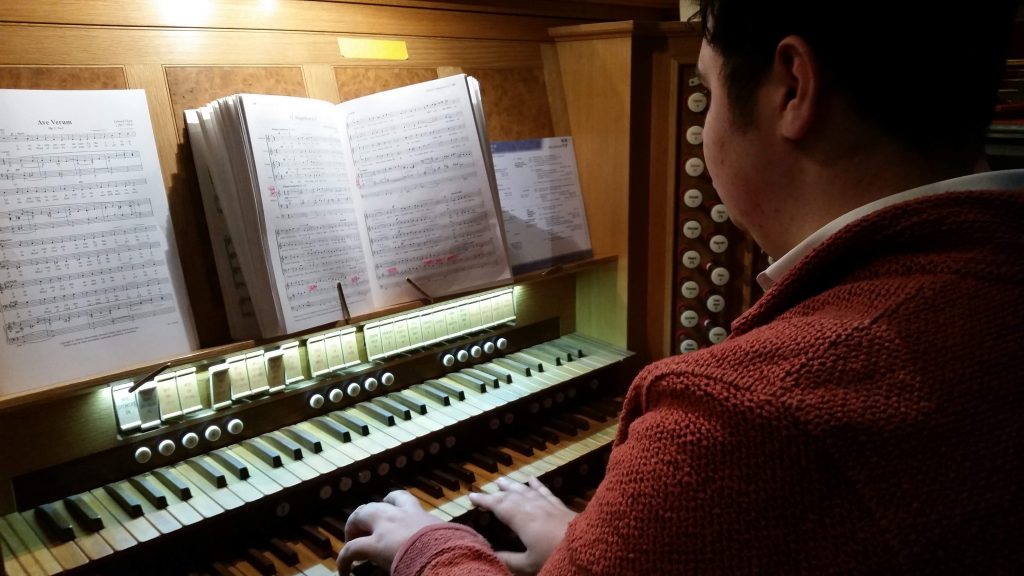
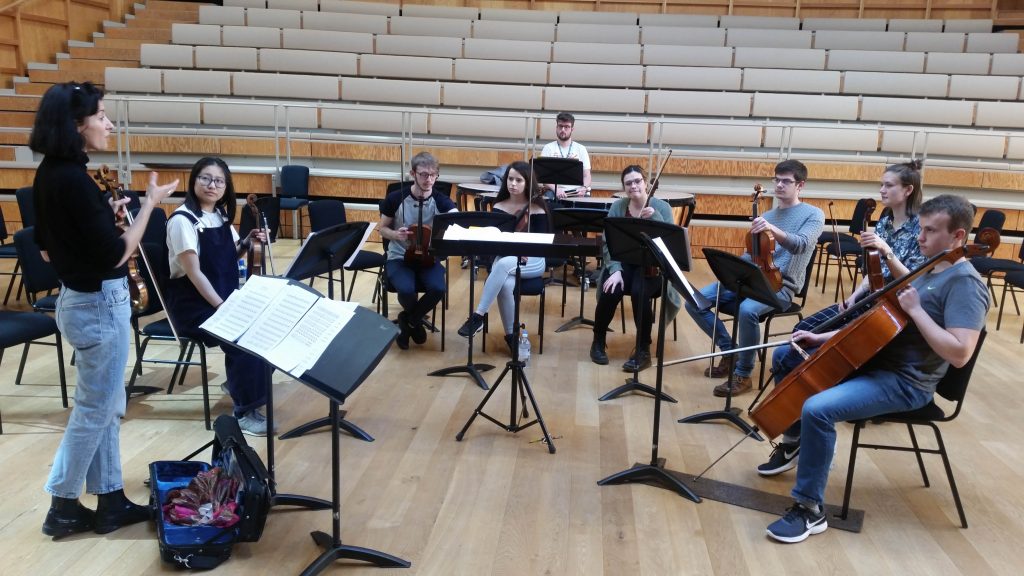
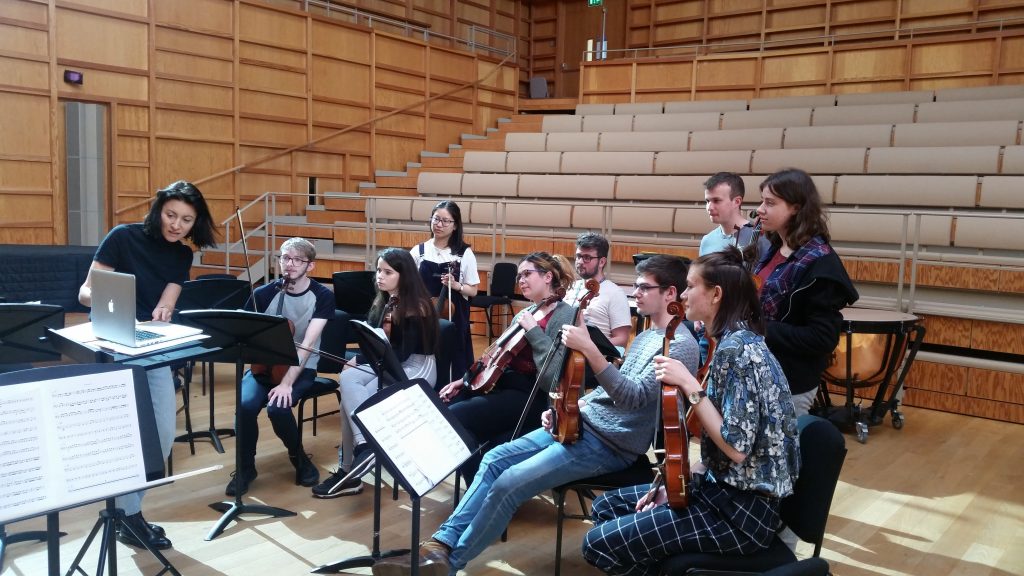 The exciting aspect of new music is watching it slowly evolve, and there was time on Wednesday for Anna and percussionist Leon to develop ideas for the timpani part, which plays a crucial textural role at key moments in the piece.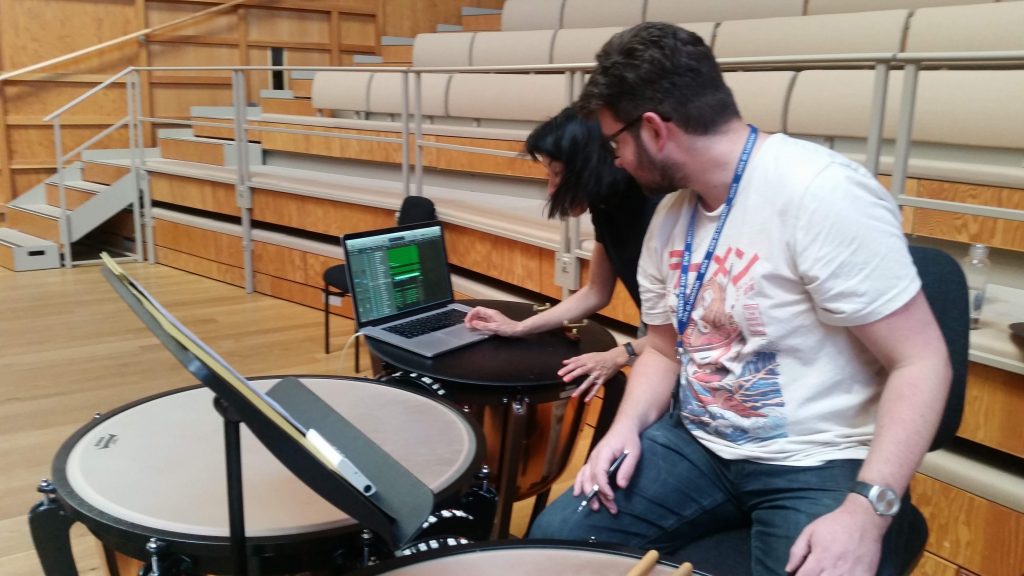
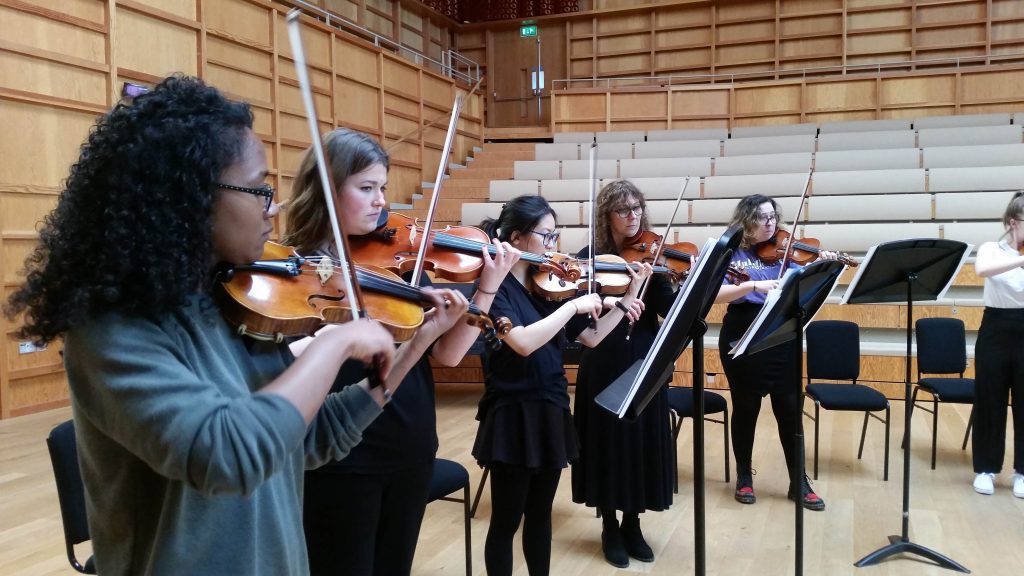 I did improve as the years went passed. Year 7 was when my violin journey started to accelerate. In secondary school, MHCHS, I played in all the possible orchestras I could join. This consisted of chamber orchestra, symphony orchestra, Vivaldi strings, string group, and so on. In year 9, MHCHS did a project with the Royal Philharmonic Orchestra, and I was given the opportunity to play the Vivaldi concerto for four violins accompanied by them. A year later, I got the opportunity again to play the Corelli Christmas concerto accompanied by them again. Both were conducted by Benjamin Pope.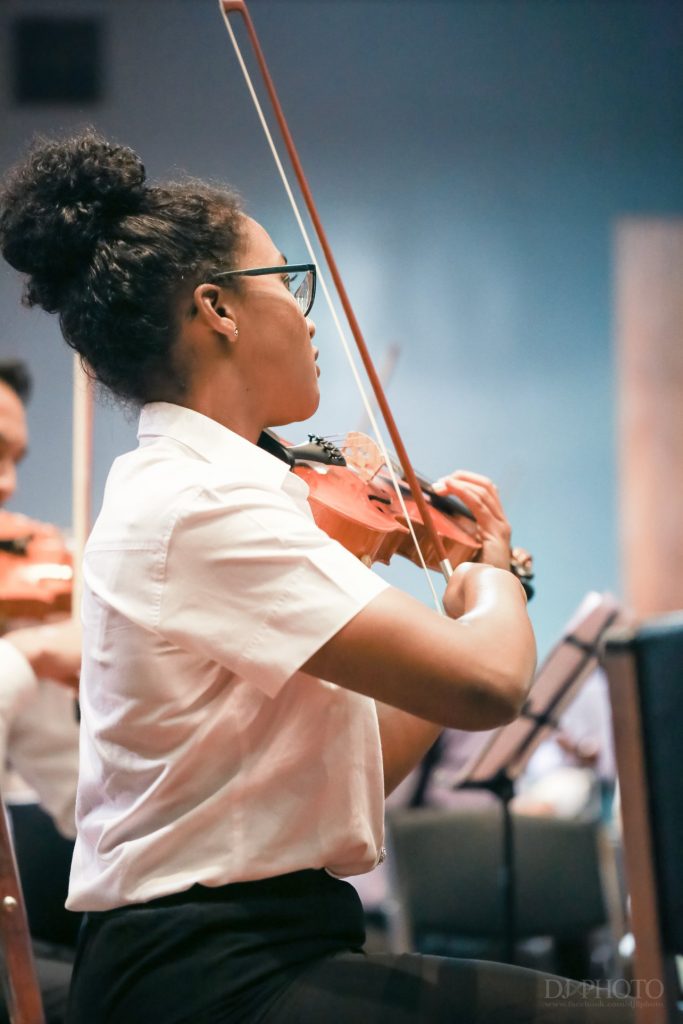
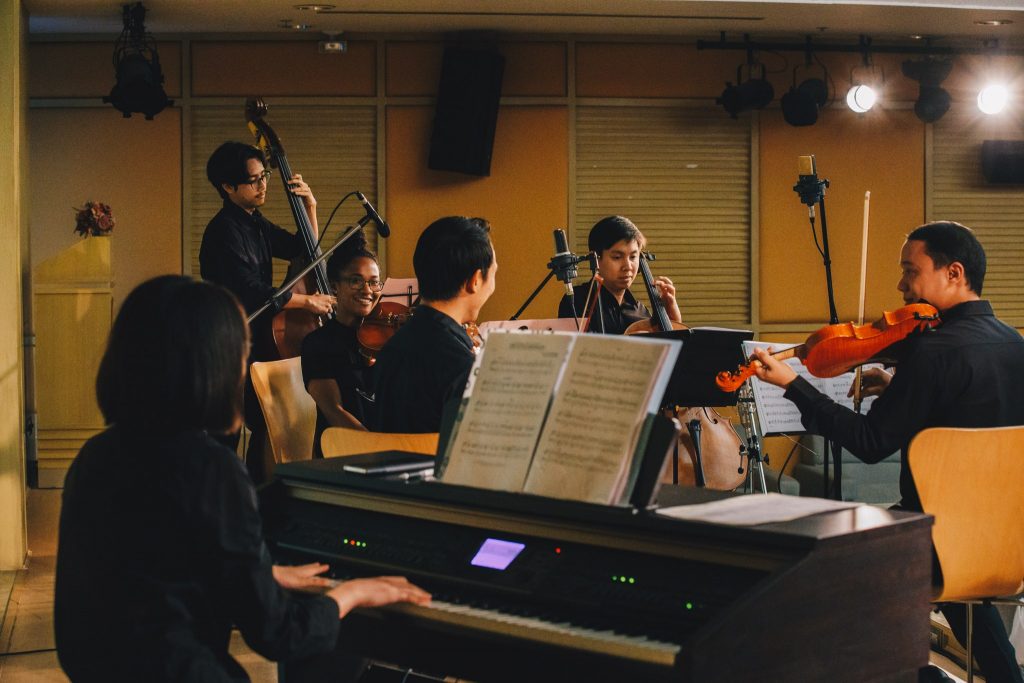
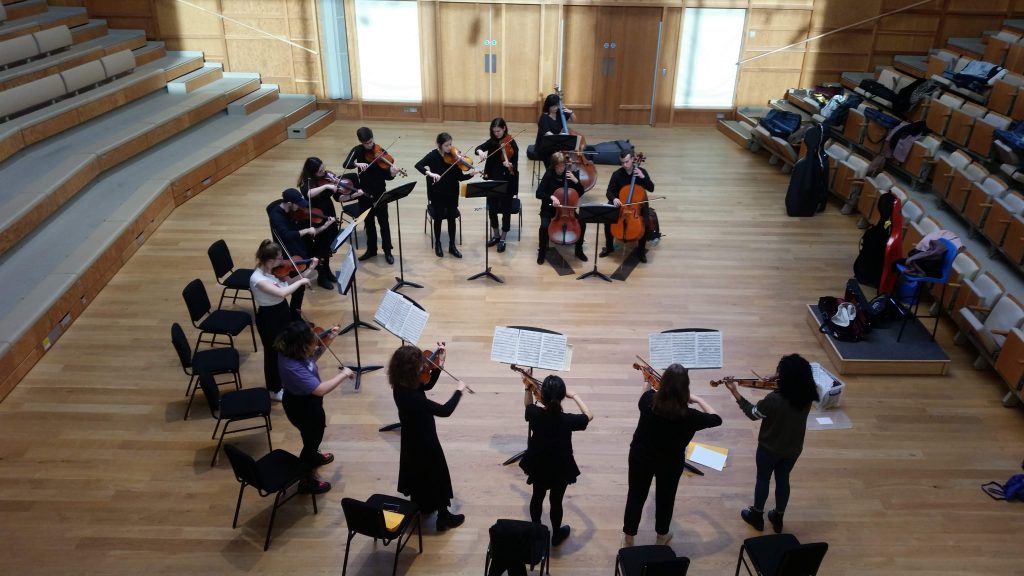
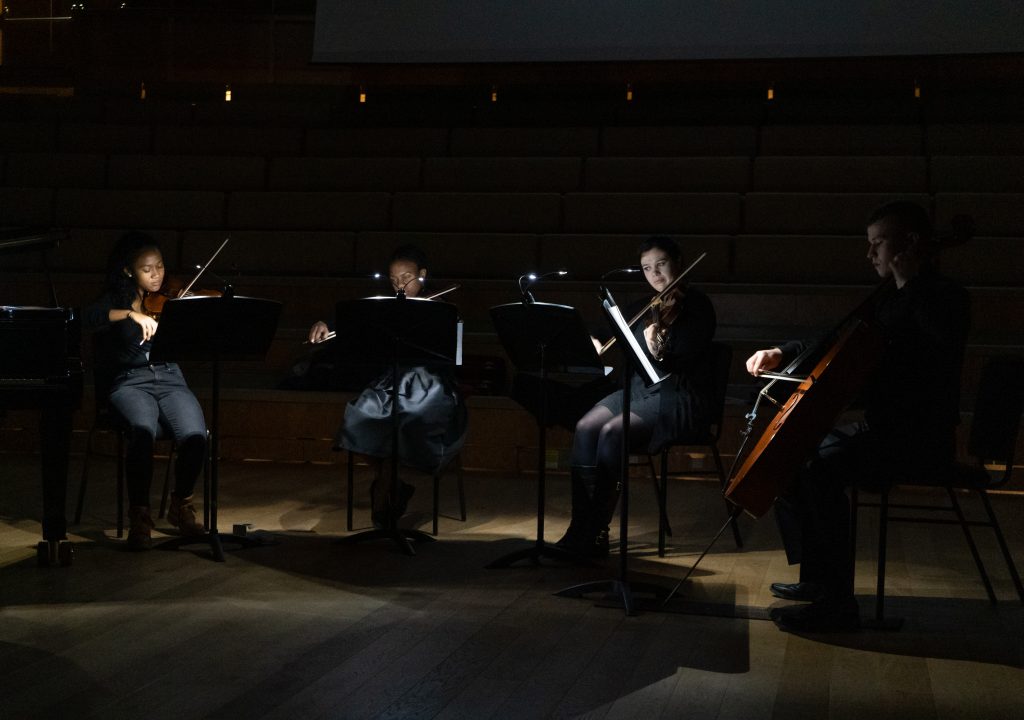
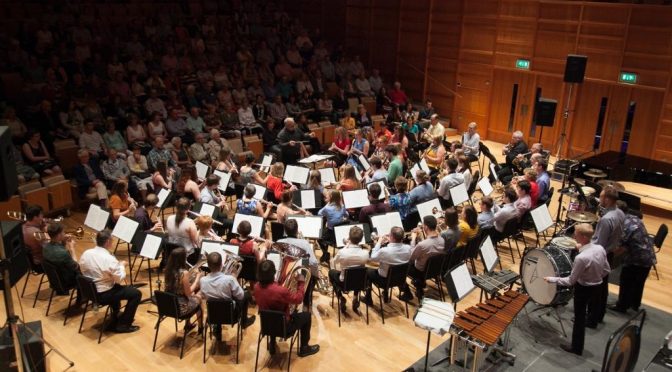
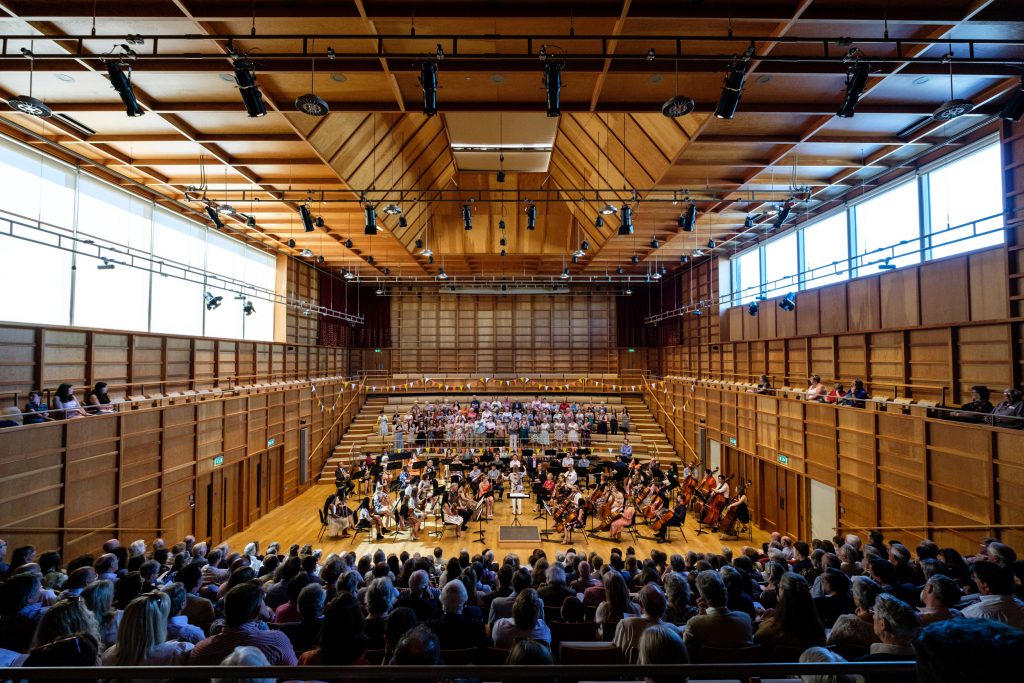 Launching on Friday 31 May with a sonorous concert by the Chamber Choir and Consort in Canterbury Cathedral Crypt, our musical farewell to the academic year unfolds over the next eight days to include a trip to the seaside with the University Big Band at Deal Bandstand, a recital by University Music Scholars, a Gala concert with the Concert and Big Bands, the Str
 See all that’s to come, grab your tickets and help us celebrate another musical year in the life of the University as it draws to a festive close. The brochure will be available shortly…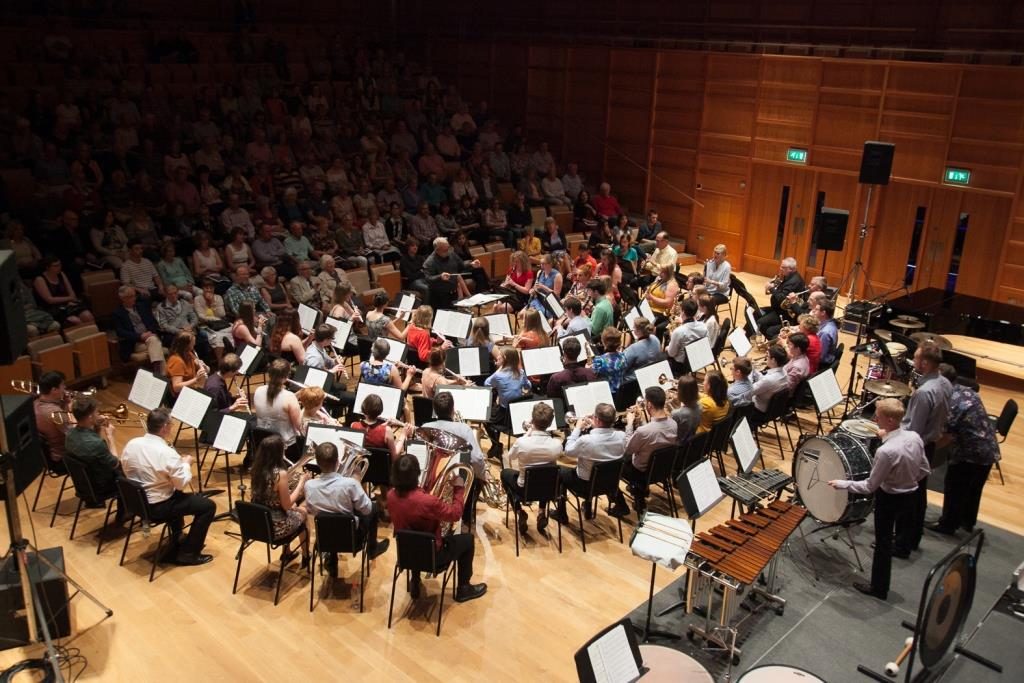
 In the afternoons and evenings, we sight-read through many of the most famously difficult pieces in the orchestral repertoire, including the ballet Daphnis and Chloé by Ravel and Shostakovich’s Symphony 12. Most of these sessions I spent clinging on for dear life in the viola section and praying that I didn’t make my debut as a soloist in one of the rests. One of my favourite pieces of the week was Rodion Shchedrin’s Naughty Limericks; a piece full of humour. One moment of the piece required the player at the very back of the viola section to play the first violin tune in the wrong key as loudly as possible at one of the few quiet moments. The final evening before the performance brought some light relief with film music including ‘Raiders of the Lost Ark’ and ‘The Good, the Bad and the Ugly’. In these sessions we also had the opportunity to sit in different seats and sections, so I was able to play violin as well as viola through the week, and people had the chance to play concertos or sing as soloists.
 Even though the music from the week was great, it was the people on the course which made it so much better. There was a wide range of ages and professions of people and getting a chance to speak with more experienced members of the orchestra was a real privilege. The atmosphere was so friendly; Žaneta and I went down to breakfast on the first morning and sat on a table of strangers-who all spoke to us as peers and friends. Every evening exhausted from the day of rehearsing we would head to the bar and get to know the other members over a few too many glasses of wine. I was lucky enough, as well as 5 others, to be given a scholarship. The others quickly became our close friends, and as always in the music world, we found out we had mutual friends.
 It was a brilliant opportunity to experience music that as an amateur musician you would not get the chance to play anywhere else. I remember sitting in the first rehearsal and feeling amazed that so many people who do not work in music were meeting together to spend a week of their life playing music purely for the enjoyment, inspiration and challenge that comes from it. I feel that my sight-reading has definitely improved as a result of playing so many challenging works, as well as the ability to convincingly pretend that I know where I am. Many of the members had been going back every year for many years, and I hope to be able to go back again next year too!
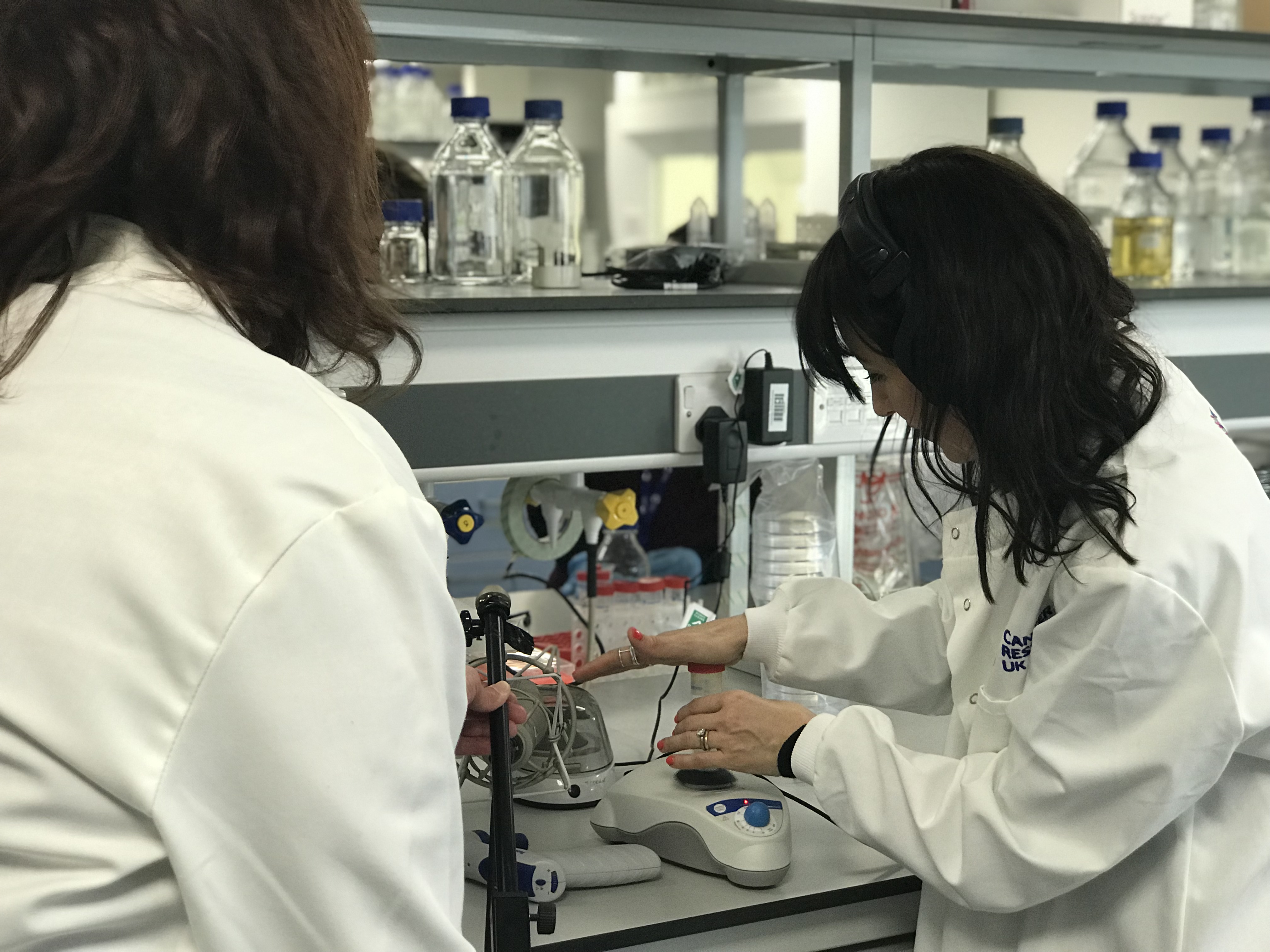 Bringing together a combination of disciplines, the mixture of live music, projections and performers forms a new, highly creative approach to engaging audiences with cutting-edge scientific research data; the project presents images and film generated by exploratory research at the sub-molecular level. Field recordings from the laboratories at the University are also incorporated into a mesmerising soundscape clothing the live musicians, forming an evocative sonic backdrop to stunning research imagery.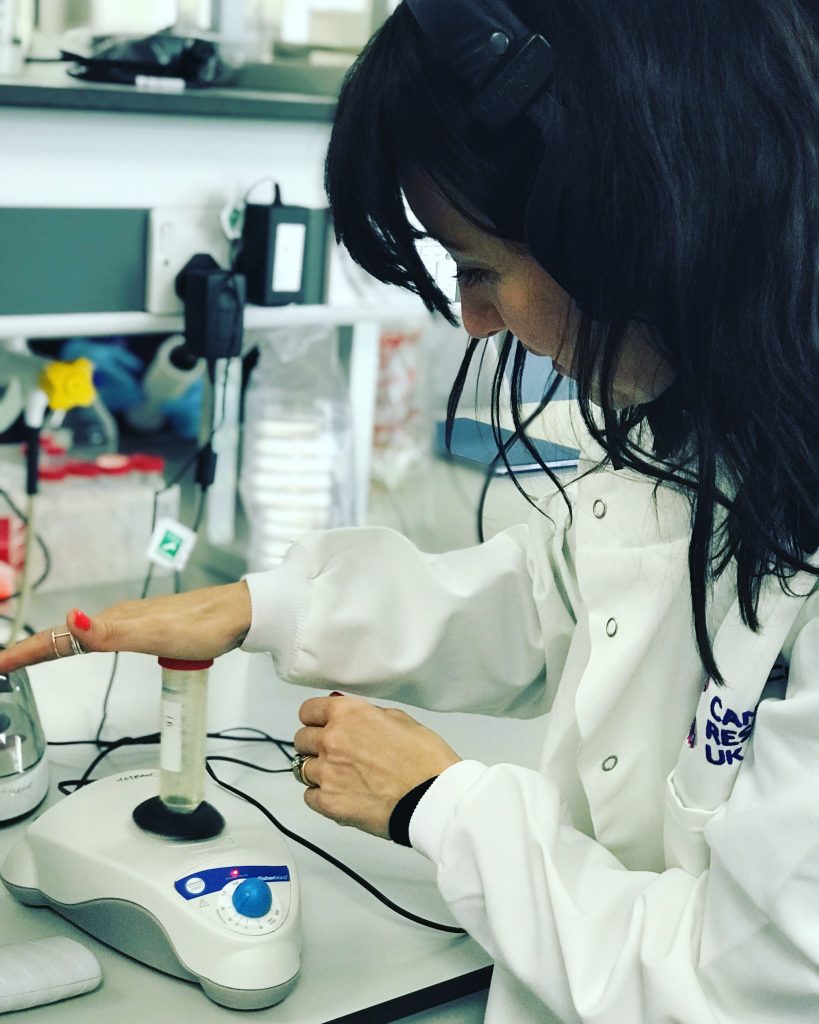
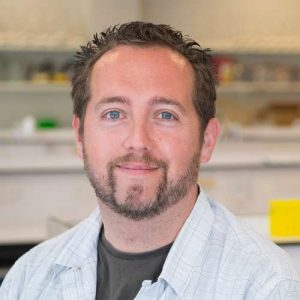 The research, led by Dr Chris Toseland, explores Gene Expression, and is used to combat diseases. Funded by Cancer Research UK, Chris’ research is the inspiration behind the 38-minute work for choir, solo violin, string ensemble, synthesiser and percussion. Chris received a BSc (Hons) in Biochemistry from the University of Wales – Aberystwyth in 2006 then commenced a PhD at the MRC National Institute for Medical Research – London. He received his PhD in 2010 from the University of London. His thesis focused upon the biochemical and biophysical characterisation of DNA helicases. At the end of his PhD, Chris was awarded an EMBO Long Term Fellowship to move to the Ludwig Maximilians Universität – Munich to work on single molecule studies with myosin motors. After 3 years he relocated to the Max Planck Institute of Biochemistry with a research focus on genome organisation. Chris joined the School of Biosciences in 2015 as a Leverhulme Early Career Fellow. In the same year he was awarded a highly prestigious MRC Career Development Award to establish his research group.
 The premiere of Between Worlds in its entirety, complete with live projections and electronic soundscapes, will be given on Friday 7th June 2019, in the spectacular surrounding of the University’s Colyer-Fergusson concert-hall, conducted by Dan Harding, as part of the Music department’s annual Summer Music Week festival.
 For tickets and event details,