A brace of lunchtime concerts to enliven your working day next week; on Wednesday (10th Feb), the award-winning quintet, Total Brass, comes to Colyer-Fergusson Hall at 1.10pm; and then on Friday (12th Feb), Minerva Voices – the new upper-voices chamber choir – explores the dialogue between choral music and art in the new exhibition at Studio 3 Gallery over in the Jarman building as the #EarBox series returns.
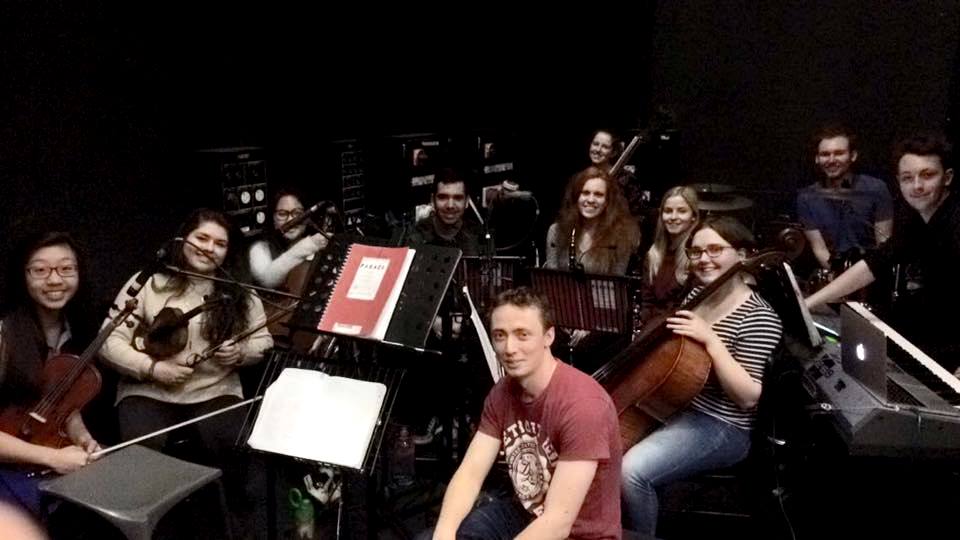
Toi toi toi to all the cast and crew involved in the Music Theatre Society’s production of Parade, which is currently on at the Marlowe Studio Theatre; today is the double-whammy of matinee and evening performance, and here are the pit-band (well, wing-band might be more appropriate!) at the dress rehearsal yesterday, conducted by recent graduate, Michael Sosinski.
There’s a feast of experimental sounds, live music, spoken word performances and more coming to Folkestone next weekend, as the seaside town presents a brand new two-day festival,Profound Sound, across a variety of venues.
Friday 12 February sees a collection of premieres from the Montrose Composers’ Club, led by local composer Anna Braithwaite, whilst Asda – yes, you read that correctly! – will play host to LIFTED, an installation for choir and beat-boxer by Emily Peasgood which premiered at the Turner Contemporary recently.
The festival also offers site-specific sound-installations, spoken word performances and live music; the Quarterhouse will also welcome a Panel Discussion addressing the future of DIY spaces and how they can foster new creative ideas. Folkestone will be buzzing. Probably quite literally.
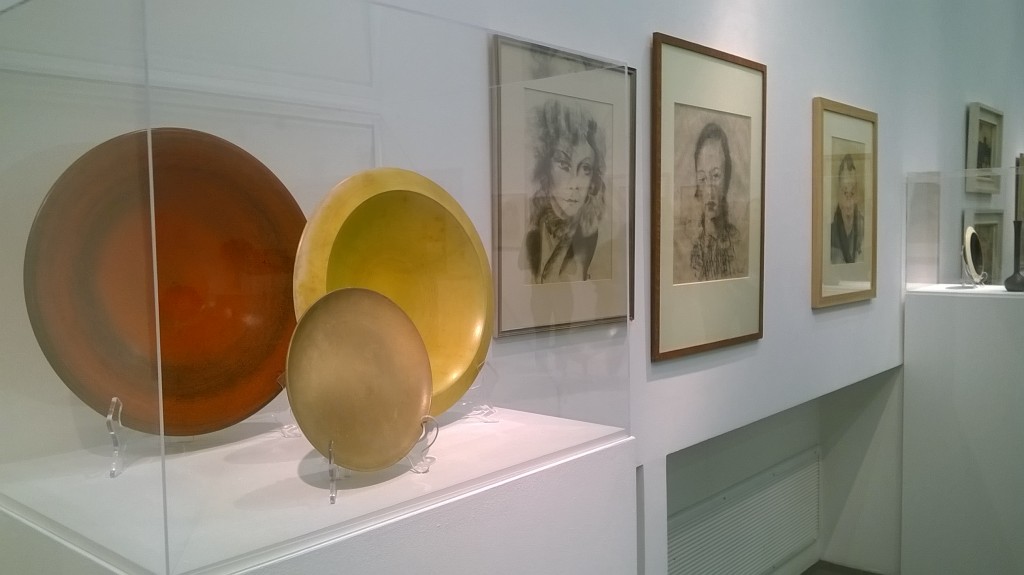
The latest exhibition in Studio 3 Gallery– After the Break; Grete Marks and Laure Provost looks anew at the work of two artists who were forced to become refugees, who had to flee Nazi Germany and begin their creative pursuits in a new land.
Fleeing the country and re-locating to England, the Bauhaus-trained Grete Marks had to sacrifice her successful pottery factory – all her pottery and paintings that were left behind were either lost or destroyed. Kurt Schwitters, a leading figure of the German avant-garde, fled to Norway prior to being interviewed by the Gestapo, eventually also travelling to England where, selling small paintings for small fees, he eventually died in obscurity in London in 1948.
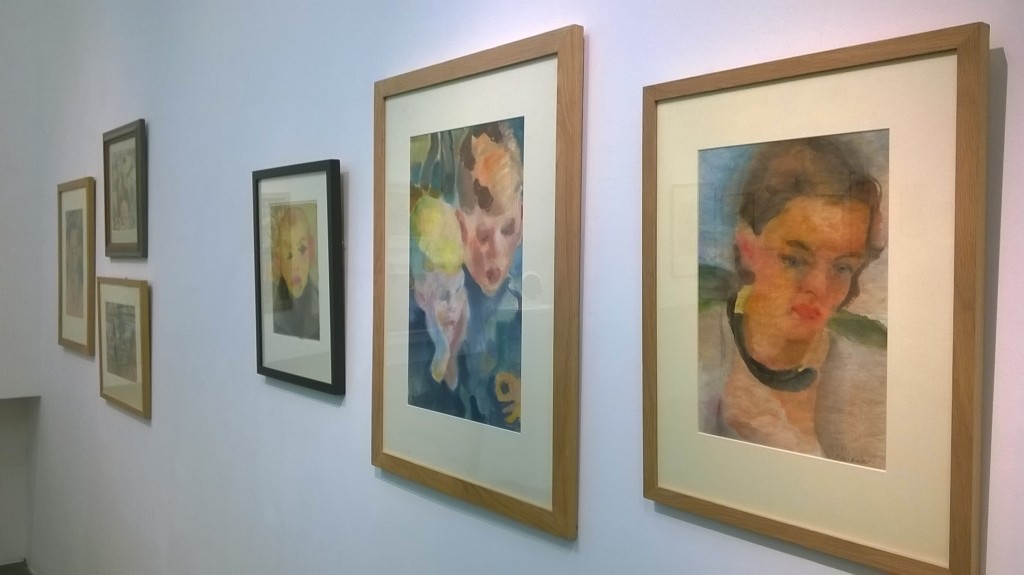
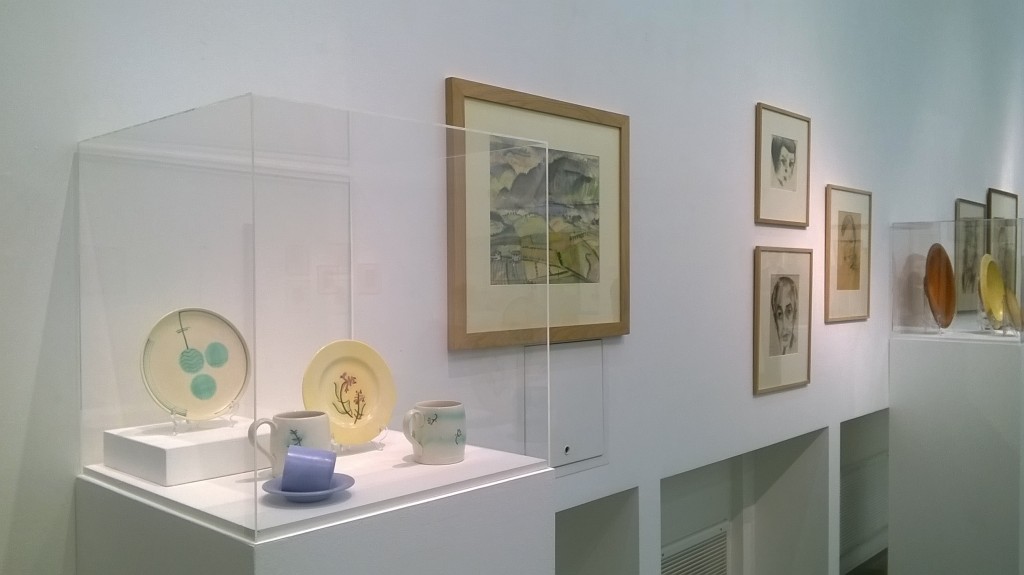
The works on display in the gallery, predominantly pictures and some surviving pottery by Marks, include stark portraiture of friends made in England, as well as landscape views created in the Lake District and Spain. The images speak of loss, the post-emigration portraits looking out at the viewer with a sense of isolation. The floating colours of Two Boys from 1930 have a life and movement absent from stark portraits made after her arrival in England, whilst the landscapes seem to show a desire to engage with and to find a new home – they speak of new efforts to build a connection, a need to continue to create.
Amidst the mute testimony the exhibition provides, there is a particular poignancy about some of the music in the programme which Minerva Voices will perform at the #EarBox event next week. Gounod’s intimate motet, Da Pacem Domine, ‘Give peace, Lord,’ acquires a greater profundity in the context of the upheaval and terror implicit in the paintings. The medieval Kyrie setting, written by Hildegard von Bingen, sees two creative women looking at one another across the intervening centuries. There is also something especially moving about Brahms’ famous lullaby, Wiegenlied, which bids a moving, poignant farewell;’ Lullaby, good night…Tomorrow morning, if God wills, you will wake once again.’
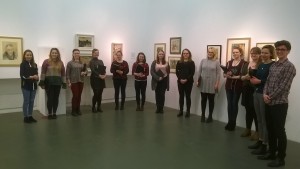
The new exhibition reawakens the importance of Marks and Schwitters; come and experience the dialogue between art and music for yourself on Friday 12 February; admission free, more details here.
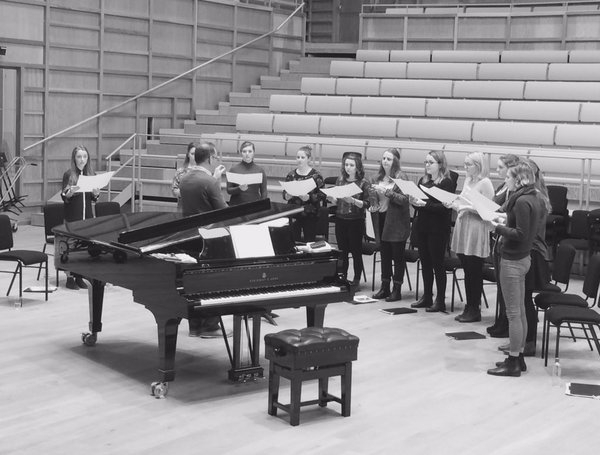
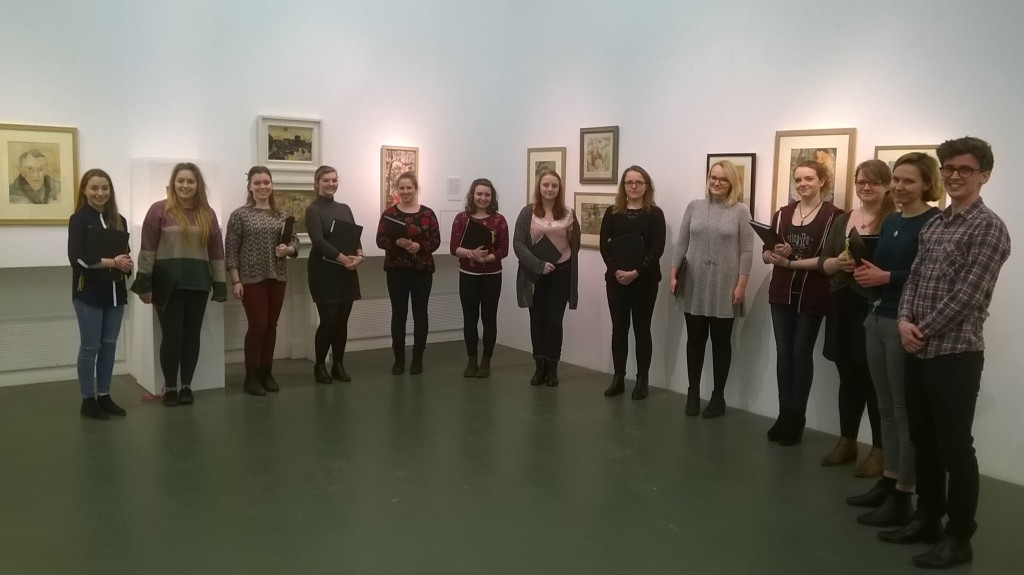
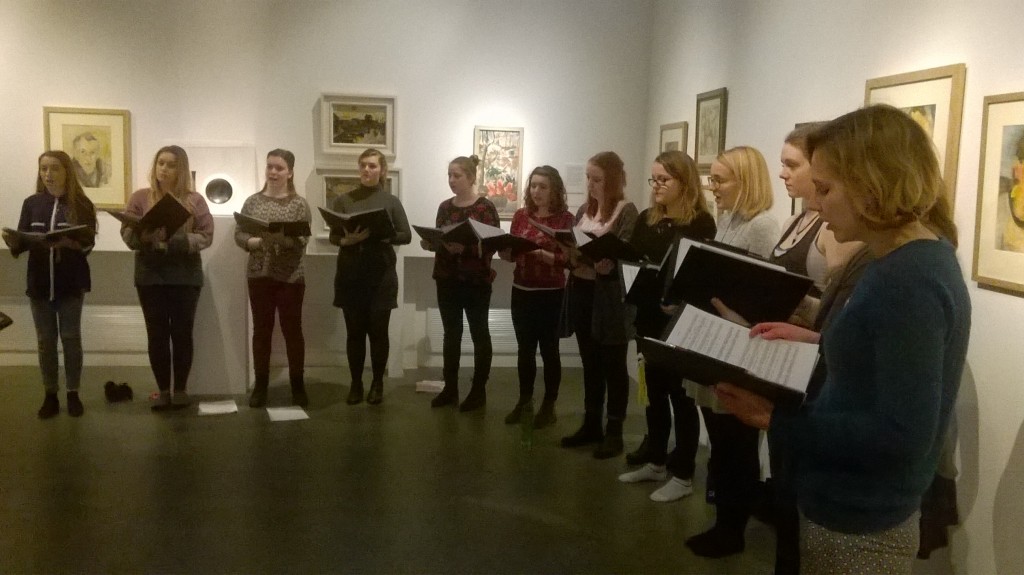
Minerva Voices was busy rehearsing all day on Saturday, in preparation for two concerts this month. The day also included rehearsing over in Studio 3 Gallery.
Read more about the weekend here, including the pressure of baking a cake…
The first event is Friday 12 February, in Studio 3 Gallery; find out more here.
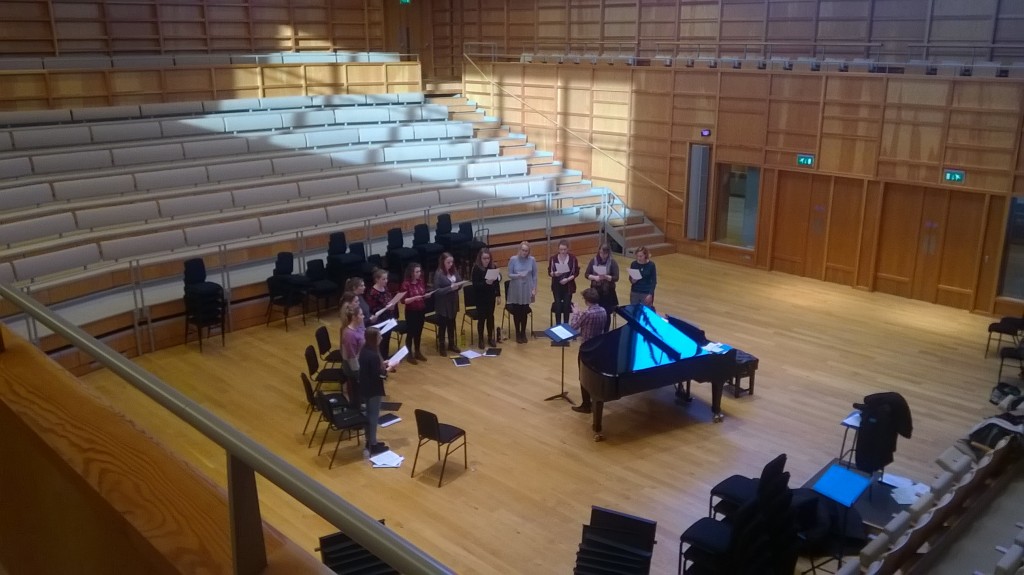
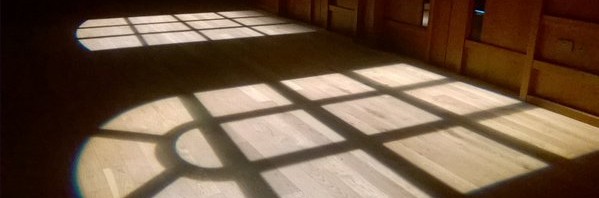
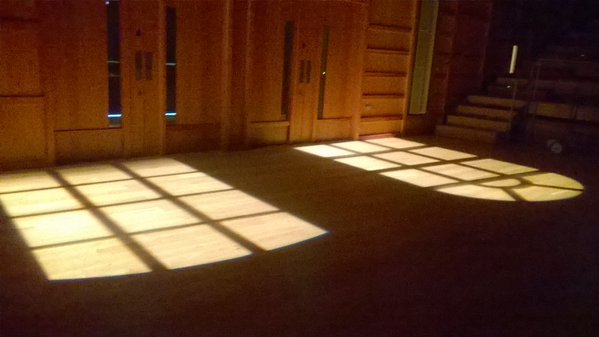
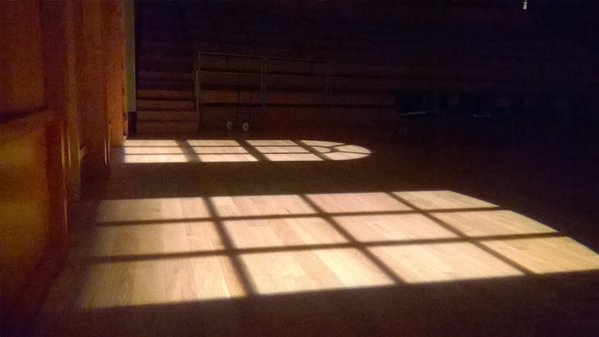
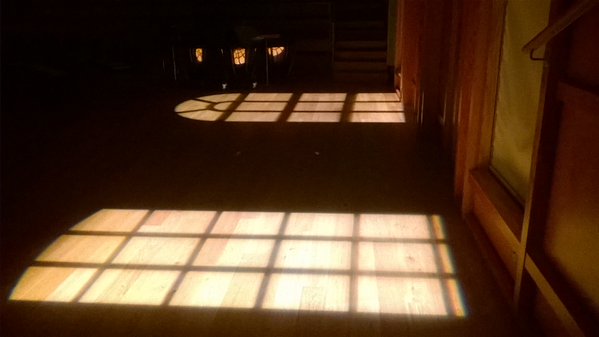
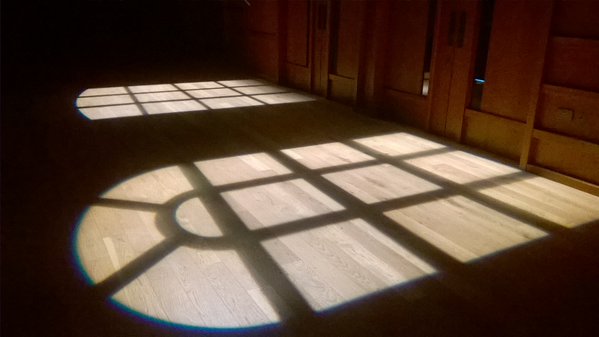
Creating windows where there are none in the concert-hall this morning, in preparation for the Invitation to the Dance concert celebrating the music of Lully next month.
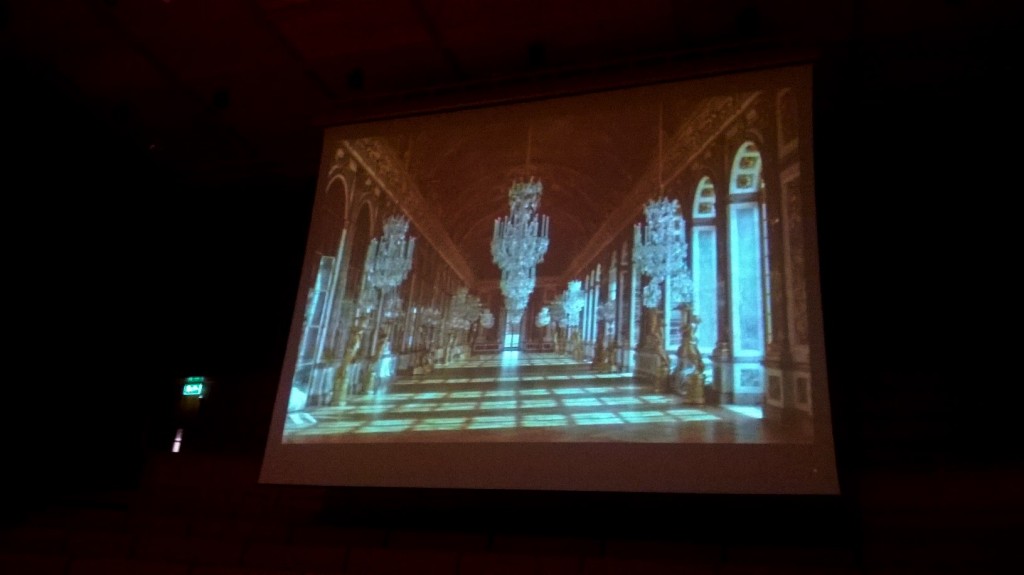
The conceit is to turn the concert-hall into the Palace of Mirrors in Versailles as a backdrop to the secular and sacred pieces in the programme, complete with a picture of the famed Hall on the projector-screen behind the performers.
Now all I have to do is persuade all the instrumentalists and singers to don period costume…
The concert is on Weds 17 February at 1.10pm; details here.
Our new What’s Onseries of events from February to June has gone live this morning, with full details of all the events coming at you over the next six months.
Our annual visits to Canterbury Cathedral sees Minerva Voices in the Crypt next month in Vivaldi’s Gloria, whilst the Chorus and Orchestra come together in Beethoven’s Mass in C and the Symphonie fantastique by Berlioz in March. The first of two concerts from the Cecilian Choir and Sinfonia will recreate the era of Louis XIV in a lunchtime concert celebrating the music of Lully in February, and at the end of March they bring two dramatic choral works by Vivaldi to St Peter’s Methodist Church in Canterbury. You’re also invited to leap aboard the Musical Express! with the Concert and Big Bands later in March, with a steam-driven programme including music by Benny Goodman, Duke Ellington and Philip Sparke.
The Lunchtime Concert series continues, with music from Total Brass and the Native Oyster Band, and our resident ensemble, CantiaQuorum, brings Wynton Marsalis’ Fiddler’s Tale to the concert-hall on 19 February – the American theme continues in April with a concert by the Chorus and Orchestra including Gershwin’s popular Rhapsody in Blue with pianist Helen Crayford. And the #EarBoxseries exploring links between music and visual art returns to Studio 3 Gallery in two events – choral music from Minerva Voices and a concert by the Flute Choir. The Music Theatre Society takes the stage with some furry friends in a combination of puppetry and show-tunes, and there’s even some musical wizardry as part of ‘A Wonderful Week of Words’ in an informal lunchtime concert featuring music from Harry Potter and other magical pieces. There’s also a brief look ahead to come of the events taking place as part of Summer Music Week in June.
We’re also pleased to welcome many external concerts and events to Colyer-Fergusson over the coming months, including pianists Malcom Binns and Imogen Cooper, the Aurora Orchestra, and many local ensembles; see all that’s to come in our online calendar here, or download a copy of the new brochure here (pdf). Or view the department events at a glance on our digital fridge-door of post-It Notes here.
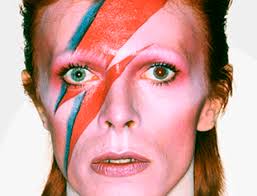
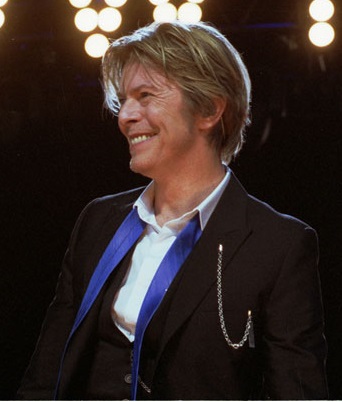
The world mourns the passing of the extraordinary David Bowie; like Miles Davis, someone ceaselessly reinventing himself in order to ford a new direction.
Photo: Adam Bielawski
The man, like the music, refused to recognise boundaries. Bowie was present at the European peremiere of Steve Reich’s Music for 18 Musicians; the affair with Minimalism continued in the Low Symphony and Heroes, in which Bowie’s music is seen through the eyes of Philip Glass. As Glass himself observes in the interview below, Bowie’s music ‘went beyond the niceties and the categories of pop music.’ Glam-rock; ambient; the Berlin Period; pop; the stylistically-eclectic Black Tie, White Noise; the music refuses to behave, to fit neat categories.
A dedicated instigator, not follower, of fashion, Bowie has been called a ‘professional suit-wearer,’ attuned as he was to the power of the visual spectacle. Acting, composing, performing; Bowie’s career was lived like the opening of Let’s Dance, a in a state of continual lift-off, always moving forward, and ready to break out into something new. It’s impossible to hear that wild, visceral introduction and not be grabbed by its sense of lifting you up. The start of New Killer Star, the opening track on ‘Reality,’ feels like some long-limbed insect struggling awkwardly climbing into view before it launches into flamboyant, swaggering rock (flam-rock ?).
A true Everyman; in his different stage creations, his flamboyant outfits and swaggering musicianship, he spoke to you in a way that made you feel his music was addressing you, and you alone, that showed you that being different was something good, some thing of to be proud. The poet John Siddique put his finger on it earlier, writing on Twitter ‘Thank you for helping make room in this world for the strange arty kids.’
The RCA advert promoting Heroes carried Bowie’s own line, ‘Tomorrow belongs to those who can hear it coming.’ He certainly did that. Put on your red shoes and dance the blues, to mourn the death by celebrating the music.
Because it does. Doesn't it ? Blogging about extra-curricular musical life at the University of Kent.

 The festival also offers site-specific sound-installations, spoken word performances and live music; the Quarterhouse will also welcome a Panel Discussion addressing the future of DIY spaces and how they can foster new creative ideas. Folkestone will be buzzing. Probably quite literally.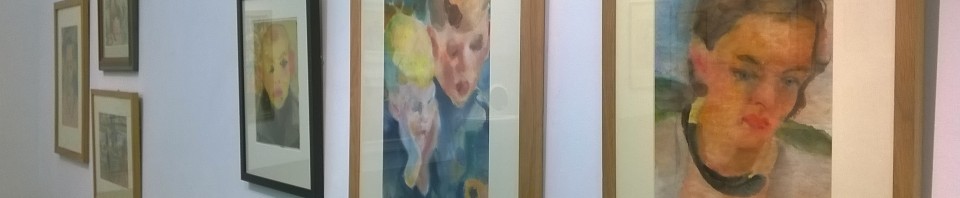
 Fleeing the country and re-locating to England, the Bauhaus-trained Grete Marks had to sacrifice her successful pottery factory – all her pottery and paintings that were left behind were either lost or destroyed. Kurt Schwitters, a leading figure of the German avant-garde, fled to Norway prior to being interviewed by the Gestapo, eventually also travelling to England where, selling small paintings for small fees, he eventually died in obscurity in London in 1948.
 The works on display in the gallery, predominantly pictures and some surviving pottery by Marks, include stark portraiture of friends made in England, as well as landscape views created in the Lake District and Spain. The images speak of loss, the post-emigration portraits looking out at the viewer with a sense of isolation. The floating colours of Two Boys from 1930 have a life and movement absent from stark portraits made after her arrival in England, whilst the landscapes seem to show a desire to engage with and to find a new home – they speak of new efforts to build a connection, a need to continue to create.
 Amidst the mute testimony the exhibition provides, there is a particular poignancy about some of the music in the programme which Minerva Voices will perform at the #EarBox event next week. Gounod’s intimate motet, Da Pacem Domine, ‘Give peace, Lord,’ acquires a greater profundity in the context of the upheaval and terror implicit in the paintings. The medieval Kyrie setting, written by Hildegard von Bingen, sees two creative women looking at one another across the intervening centuries. There is also something especially moving about Brahms’ famous lullaby, Wiegenlied, which bids a moving, poignant farewell;’ Lullaby, good night…Tomorrow morning, if God wills, you will wake once again.’
 The new exhibition reawakens the importance of Marks and Schwitters; come and experience the dialogue between art and music for yourself on Friday 12 February; admission free, more details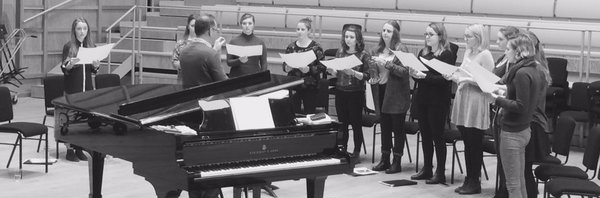
 Now all I have to do is persuade all the instrumentalists and singers to don period costume…
 Our annual visits to Canterbury Cathedral sees Minerva Voices in the Crypt next month in Vivaldi’s Gloria, whilst the Chorus and Orchestra come together in Beethoven’s Mass in C and the Symphonie fantastique by Berlioz in March. The first of two concerts from the Cecilian Choir and Sinfonia will recreate the era of Louis XIV in a lunchtime concert celebrating the music of Lully in February, and at the end of March they bring two dramatic choral works by Vivaldi to St Peter’s Methodist Church in Canterbury. You’re also invited to leap aboard the Musical Express! with the Concert and Big Bands later in March, with a steam-driven programme including music by Benny Goodman, Duke Ellington and Philip Sparke.
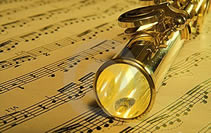 The Lunchtime Concert series continues, with music from Total Brass and the Native Oyster Band, and our resident ensemble, CantiaQuorum, brings Wynton Marsalis’ Fiddler’s Tale to the concert-hall on 19 February – the American theme continues in April with a concert by the Chorus and Orchestra including Gershwin’s popular Rhapsody in Blue with pianist Helen Crayford. And the #EarBox series exploring links between music and visual art returns to Studio 3 Gallery in two events – choral music from Minerva Voices and a concert by the Flute Choir. The Music Theatre Society takes the stage with some furry friends in a combination of puppetry and show-tunes, and there’s even some musical wizardry as part of ‘A Wonderful Week of Words’ in an informal lunchtime concert featuring music from Harry Potter and other magical pieces. There’s also a brief look ahead to come of the events taking place as part of Summer Music Week in June.
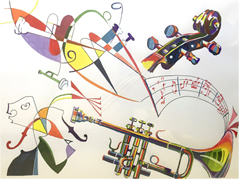 We’re also pleased to welcome many external concerts and events to Colyer-Fergusson over the coming months, including pianists Malcom Binns and Imogen Cooper, the Aurora Orchestra, and many local ensembles; see all that’s to come in our online calendar
 A true Everyman; in his different stage creations, his flamboyant outfits and swaggering musicianship, he spoke to you in a way that made you feel his music was addressing you, and you alone, that showed you that being different was something good, some thing of to be proud. The poet John Siddique put his finger on it earlier, writing on Twitter ‘Thank you for helping make room in this world for the strange arty kids.’