This Easter, the Cecilian Choir and Sinfonia explore the dark side of Vivaldi, his Credo and Magnificat, two ferocious statements of religious belief that are shaped by the fear, uncertainty and death that coloured Venetian life at the time.
Less than a hundred years before the composition of the Credo, the population of Venice had been devastated by a particularly fierce outbreak of the Black Death; a scant two generations separated the fearsome death-toll, accounting for nearly a third of the population, from Vivaldi’s writing. The city had been riven by plague five times; after each, relieved and terrified citizens gave money to the building of so-called ‘plague churches,’ in the hope that thankfulness and prayer would save them. It was a time when the prospect of Purgatory and Hell was all too real, and the awareness of the fragility of human life hovered at every turn.
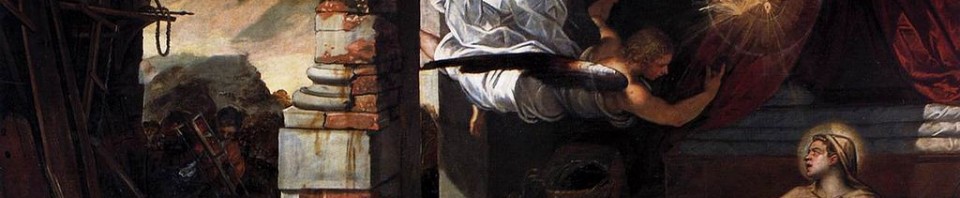
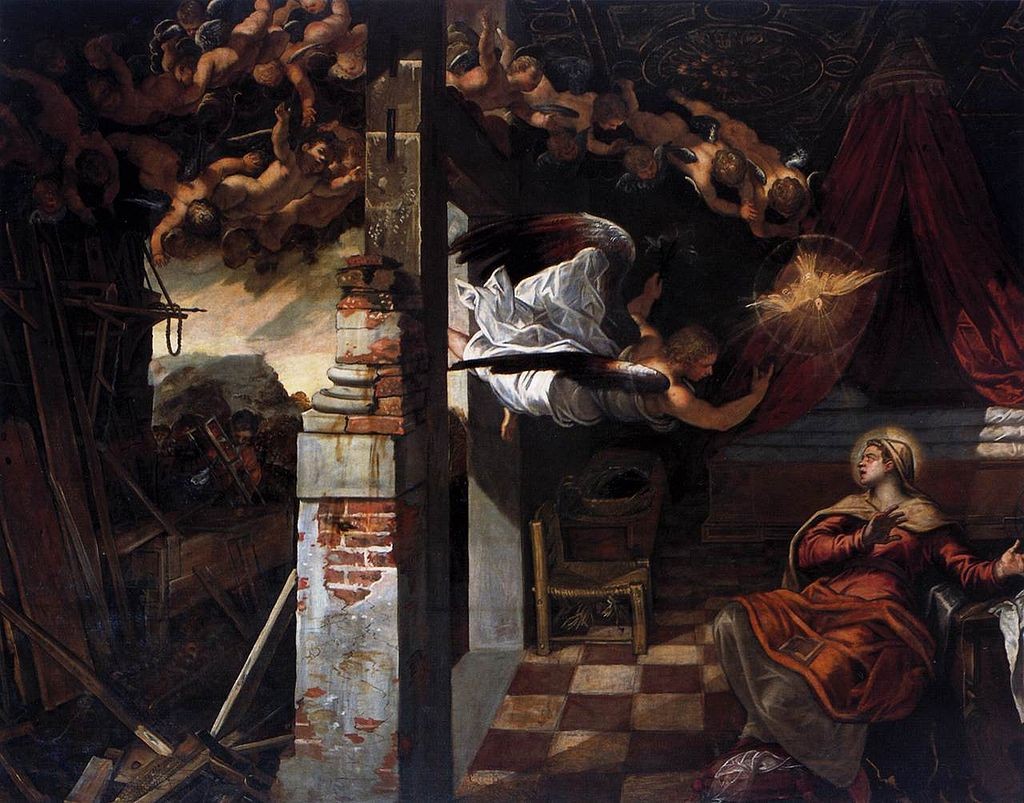
The mood of the times is captured perfectly in its art, too. One of the plague churches, the Scuola di San Rocco, houses Tintoretto’s Annunciation, painted between 1583-87; but this is no dewy-eyed moment of revelation. Instead, the angel and various cherubs tumble out of dark, louring skies to find the Virgin amidst ruin, tumble-down woodwork, executed in a dark, sombre palette with only a hint of clear skies in the distance.
The same sense finds expression in Vivaldi’s music, with sheer drama realised musically in stark black and white with vivid contrasts. Part of a large collection of music written between 1713-17, the Credo is no rose-tinted joyous affirmation of faith; rather, it’s a fist-clenched proclamation, driven by a very real fear. The sombre E minor tonality broods throughout the first and last movements – there is no escape from its relentless grip. The mystery of Christ’s birth is expressed in slowly-evolving harmonies in the ‘Et incarnatus est,’ which move in unexpected ways as we marvel at the incarnation of God in the flesh. But the mood is dispersed in the ensuing ‘Crucifixus,’ in which the steady, unremitting crotchet pace of the lower strings takes the listener on each step of the walk to the crucifixion with Christ himself, underlined in the angular shape of the fugal idea. The phrase ‘Passus est’ (He suffered) sighs through the choir in sympathy with Christ’s misery, rising to a peak and then gradually subsiding onto ‘Et sepultus est’ (He was buried) in a very low tessitura. The last movement’s ‘Et expecto resurrectionem’ is delivered in an almost manic intensity, underlined with stark homophony, giving voice to a very real desperation as much as it is a declaration of belief; I expect – nay, demand – the Resurrection of the dead because I have little else left to me.
Similarly, the Magnificat celebrates the Virgin Mary not only as the Mother of Christ but as a Protector of the Venetian Republic, as another prospect of hope in these plague-ridden times. The grand sonority of the opening moves from a brooding G minor through a series of gradually heightening dissonances before returning, inescapably, to the tonic; hope is scarce. A quantum of solace is offered in the dancing ‘Et Exultavit,’ but it is all too brief; the aching dissonances of the ‘Et misericordia’ movement unfold hesitantly, as though the musicians themselves don’t know how the music is going to proceed. Then comes the truly astonishing heart of the work: two fiercely declamatory movements – ‘Fecit potentiam’ (He hath shewed strength with His arm) as much a comment on the devastation of the plague as it is on the might of God – followed by choir and orchestra coming together in a ferocious, unison ‘Deposuit potentes’ (He hath put down the mighty from their seat), railing with anger, and with the choir in full spate in ceaseless quaver runs. The final ‘Gloria’ is given menacing overtones in its return to the tonic minor, and a vigorously fugal ‘Et in saecula saeculorum’ seems to suggest that the consolation of eternal salvation is a long way off. After the cascading fugue, the piece finally offers hope in its conclusion in the major – but Vivaldi makes you wait until the very last chord.
Fear, plague, darkness; these elements combine to inform two of Vivaldi’s greatest choral works, revelling in the drama and the fervour of the text. The concert on Thursday 31 March also includes Mozart’s sublime Ave Verum – a lyrical antidote to the Vivaldi, yet not without its intense harmonies too – and a Vivaldi trio sonata. The light, airy interior of St Peter’s Methodist Church, on the High street in Canterbury, will, for one afternoon in March, become a Venetian plague church, with its hopes, dreams, fears and beliefs brought to life in Vivaldi’s vivid music; admission is free, find out more here.
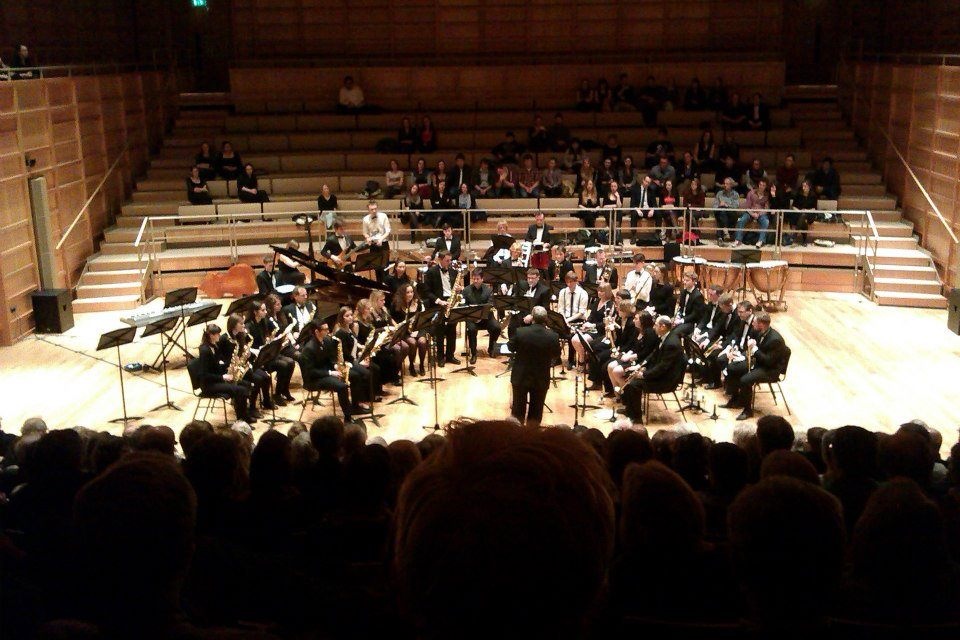
 Driven by conductor Ian Swatman, the Musical Express will be calling at stations including Duke Ellington, Benny Goodman and Philip Sousa; the cornerstone of the performance is Philip Sparke’s sparkling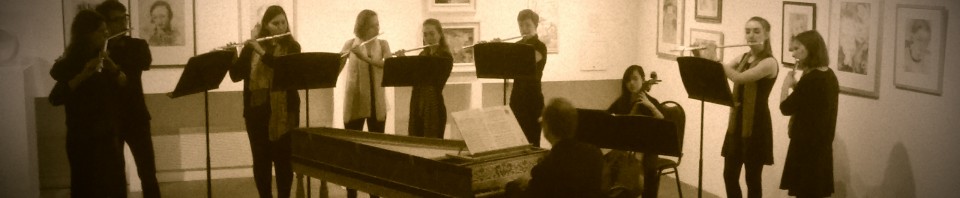
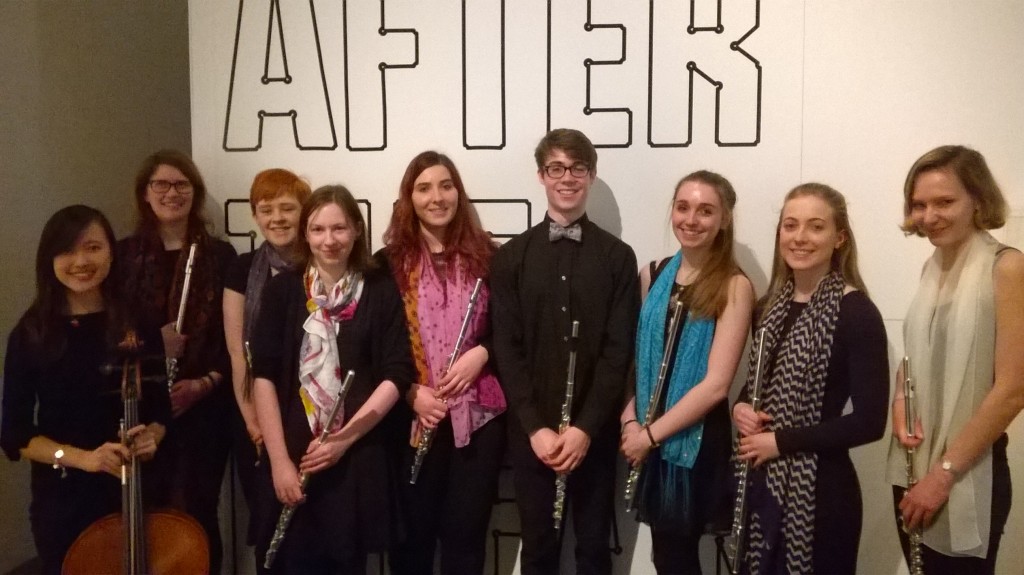
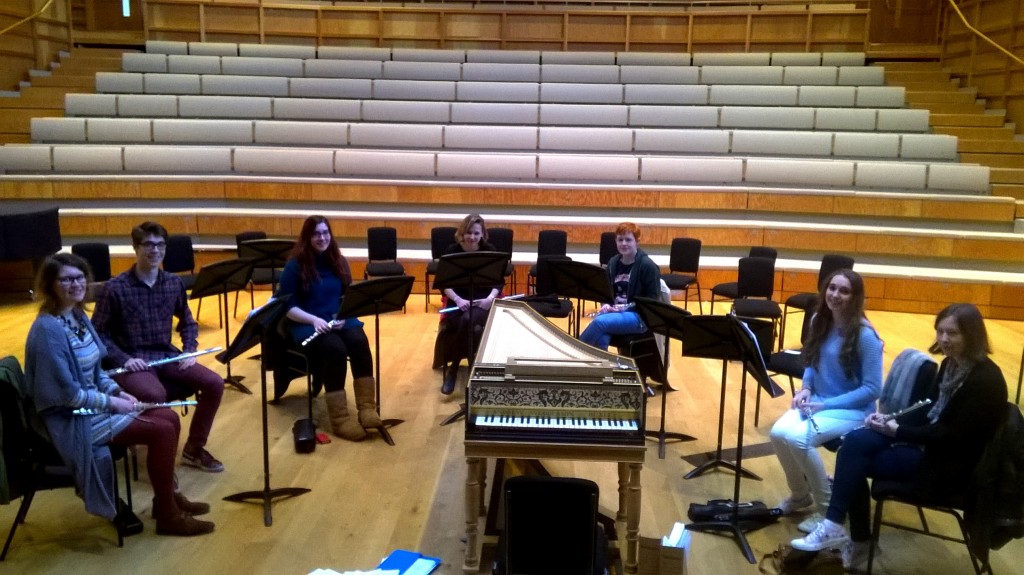
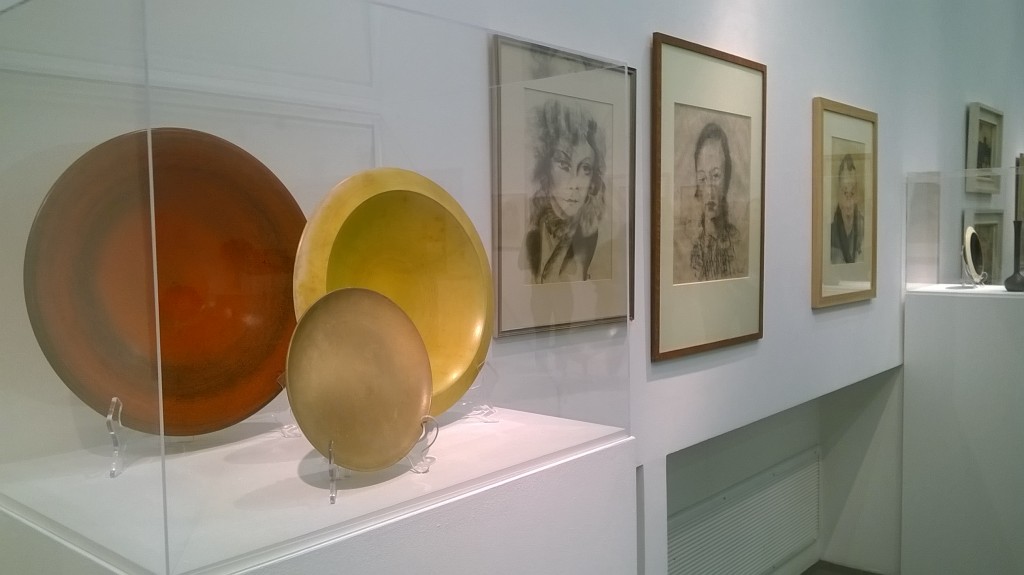
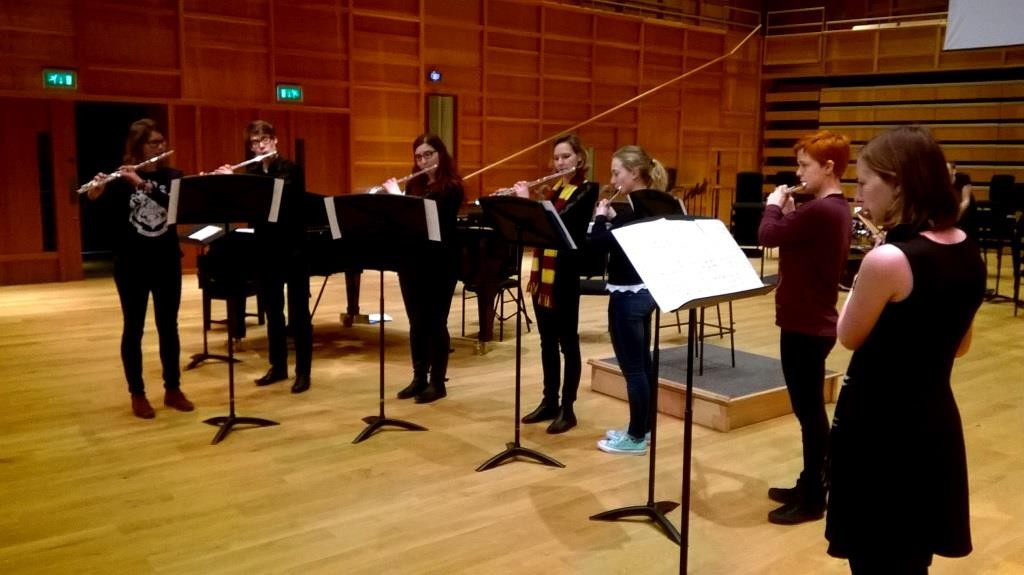
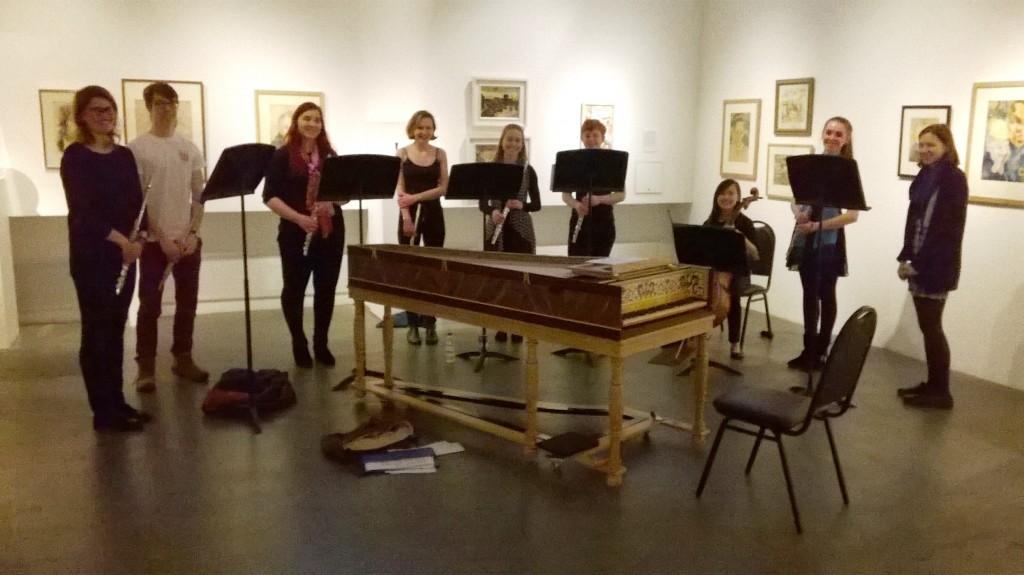 The ensemble, together with cellist Faith Chan and Your Loyal Correspondent on harpsichord, presented a concert ranging from the Baroque through to an evocative arrangement of Sakura, sakura, the traditional Japanese folk-song celebrating the spring cherry-blossoms. An appreciative audience was held spell-bound as the piece unfurled in the resonant, dimly-lit gallery, winging its way amongst the paintings.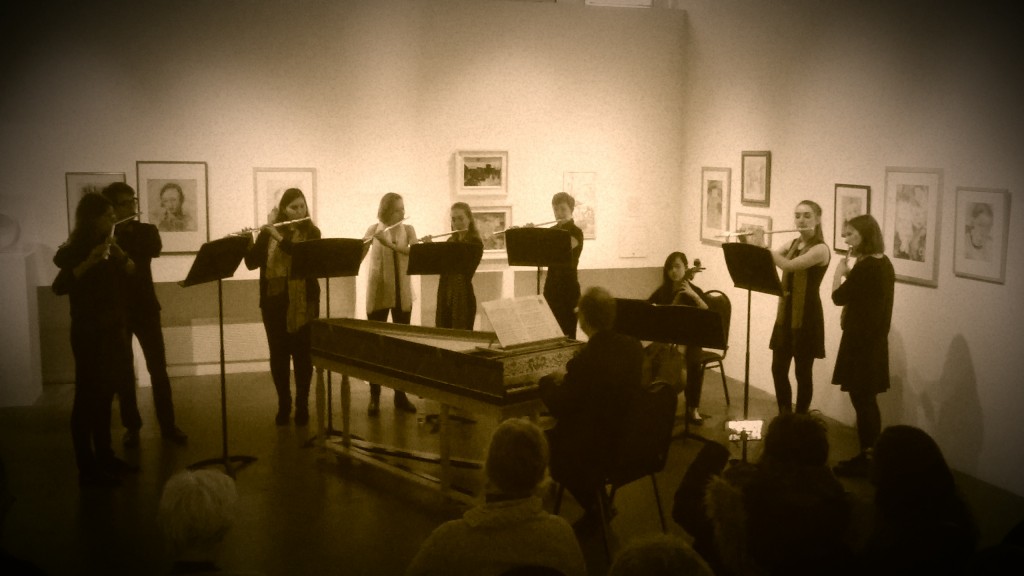
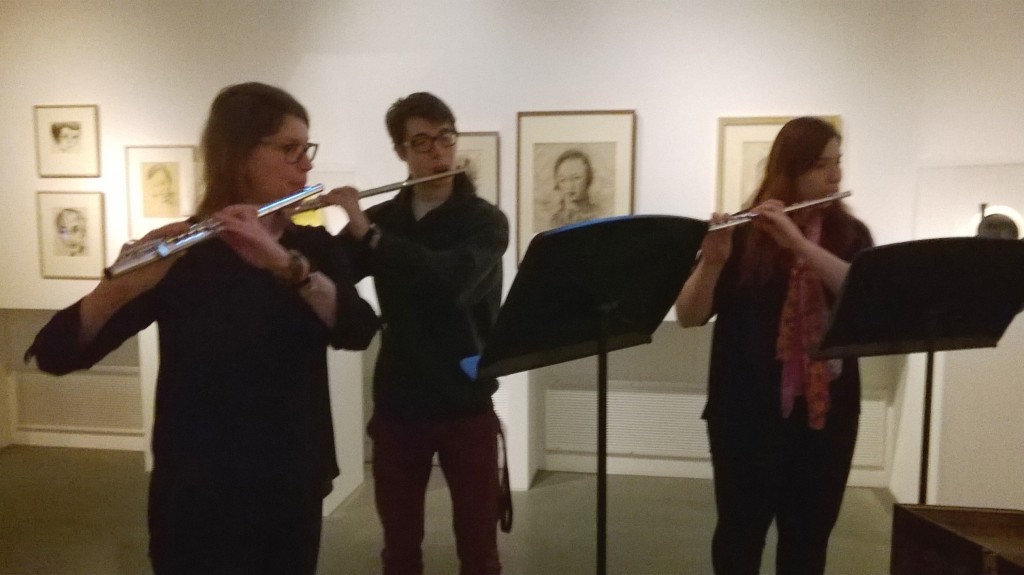
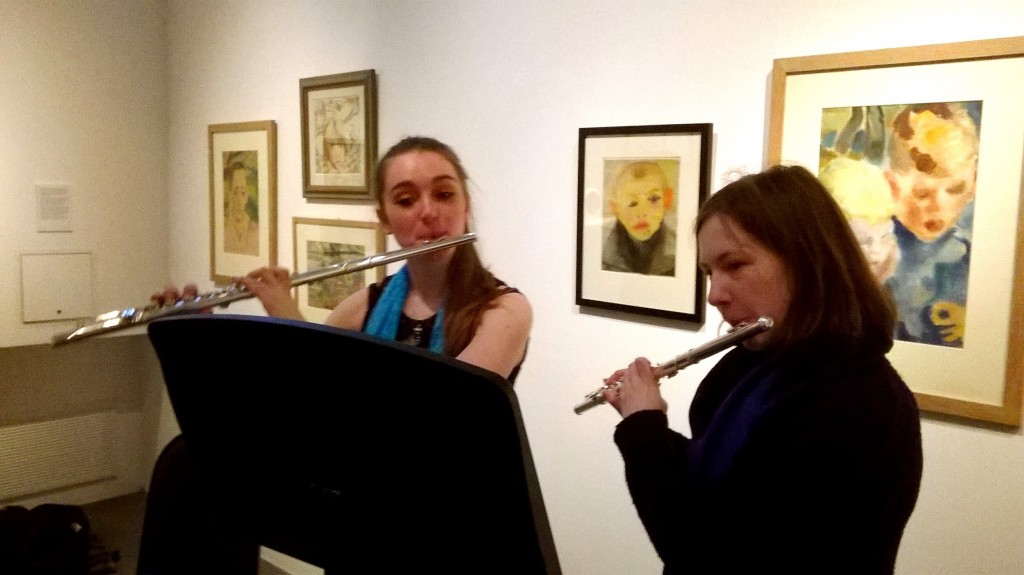
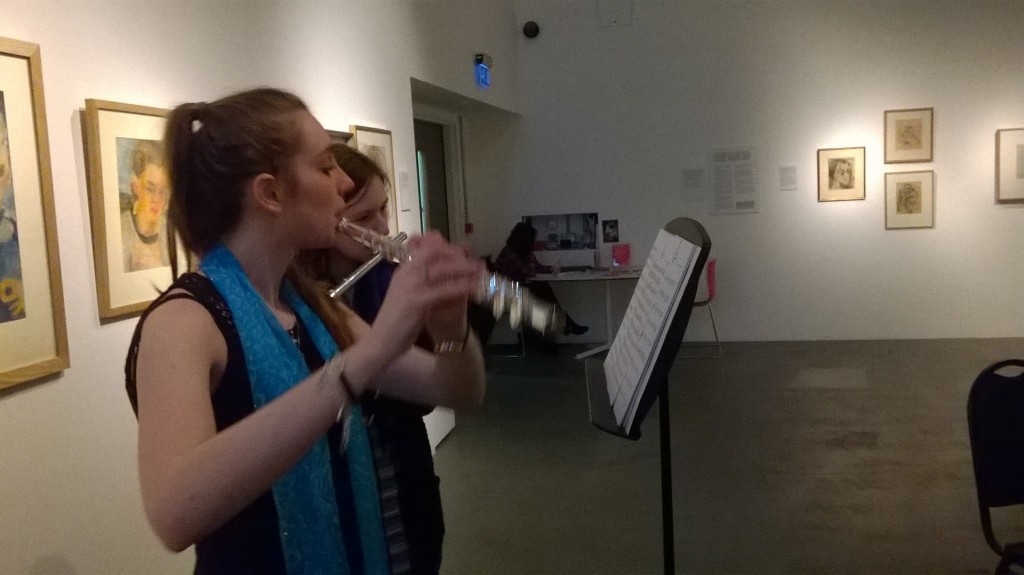
 Thanks to Katie McGown, gallery co-ordinator, and the School of Arts; plans are afoot for a third #EarBox event next term – watch this very particular space…
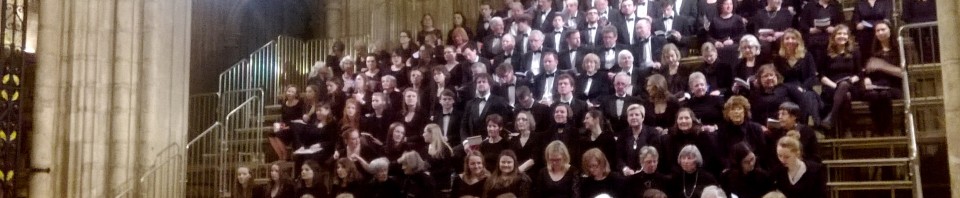
 The long day began bright and early with the crew arriving at the concert-hall to load two vans with all the equipment needed, and unfolded across the day with the arrival of additional percussion in the form of two tuned bells and an additional timp, plus not one but two harpists.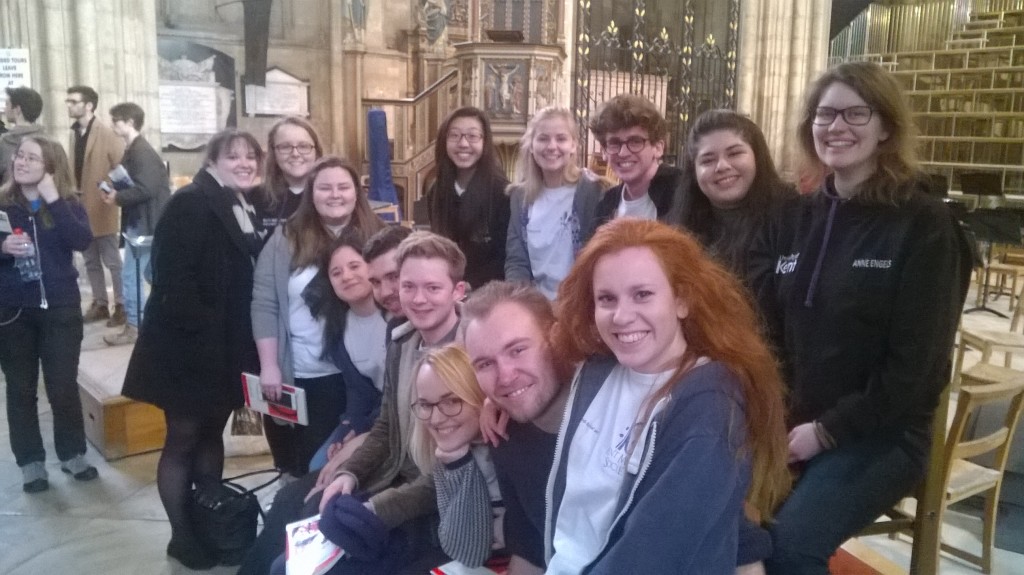
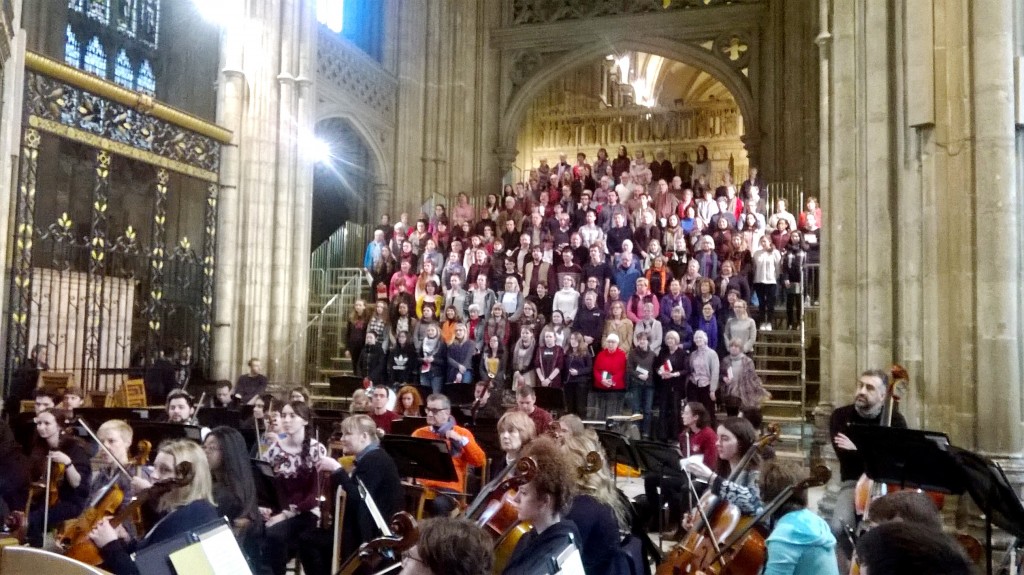
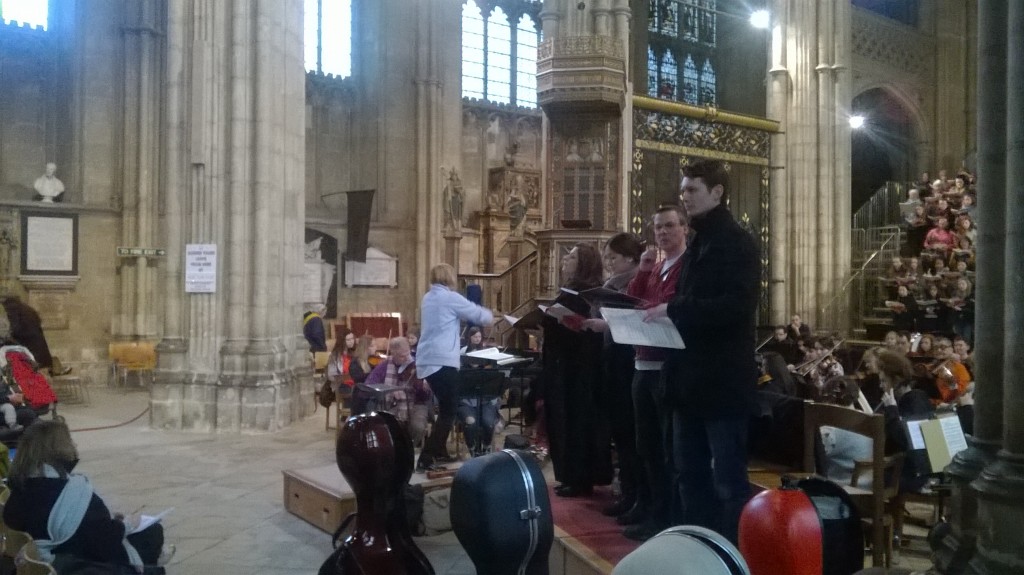
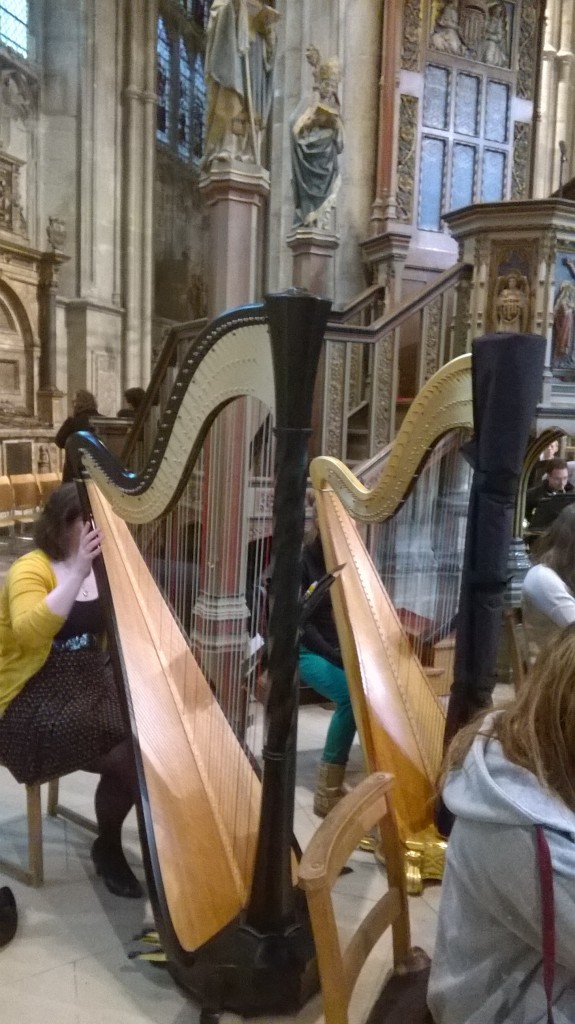
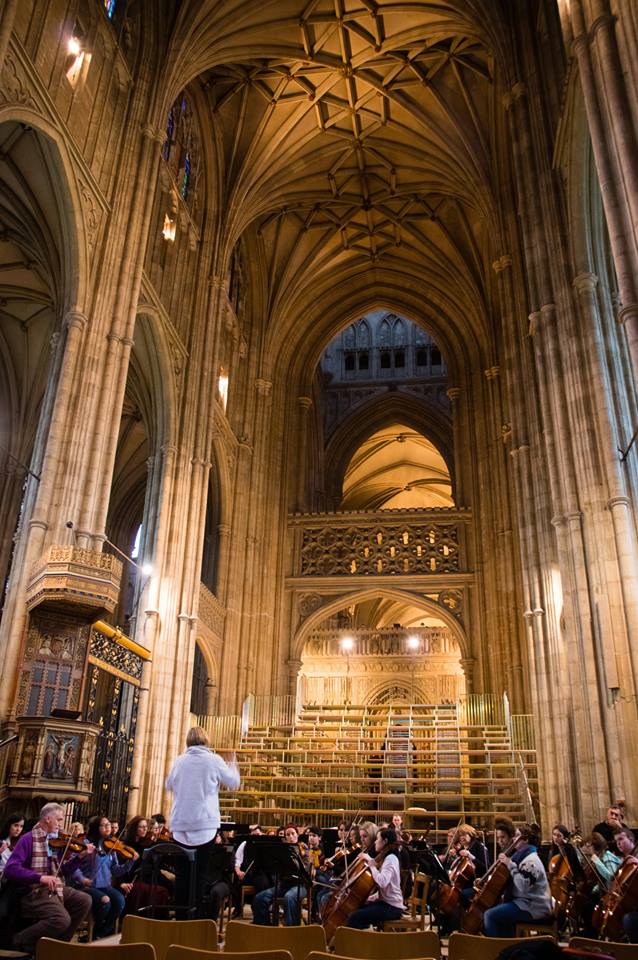
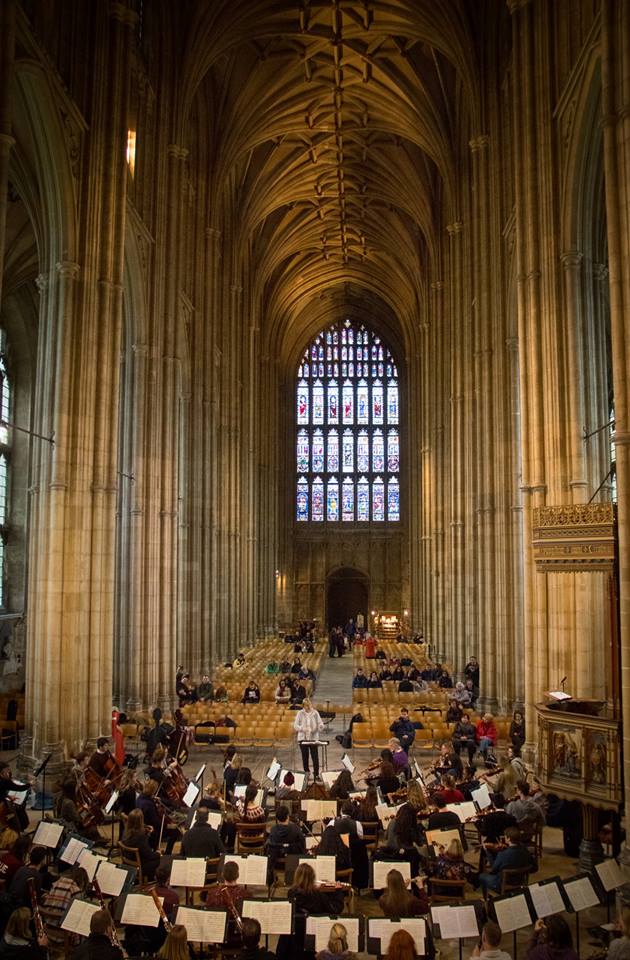
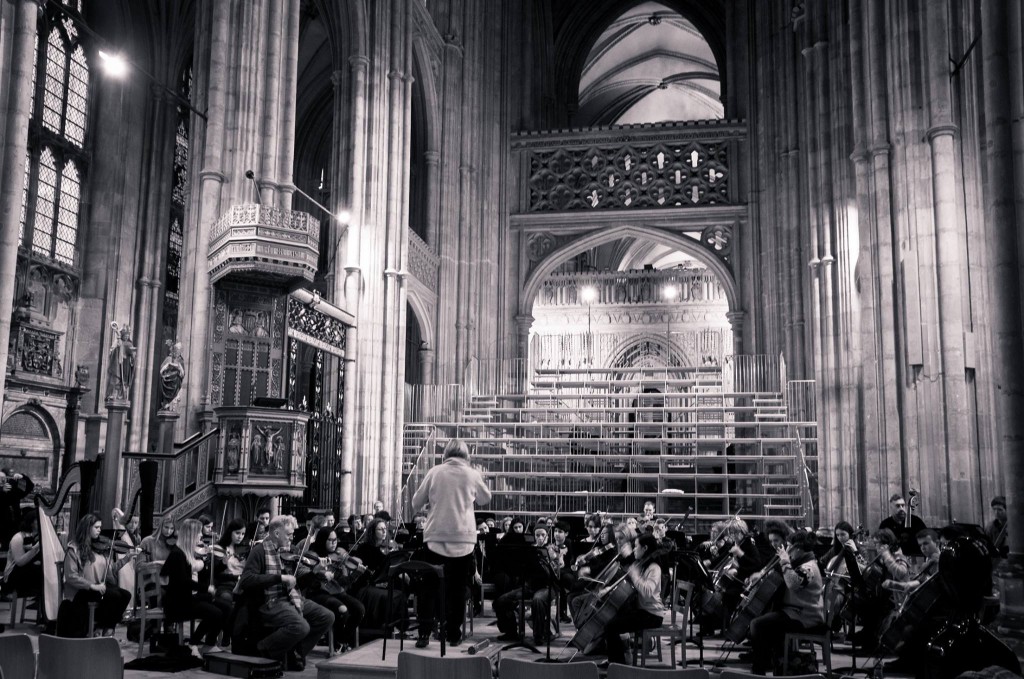
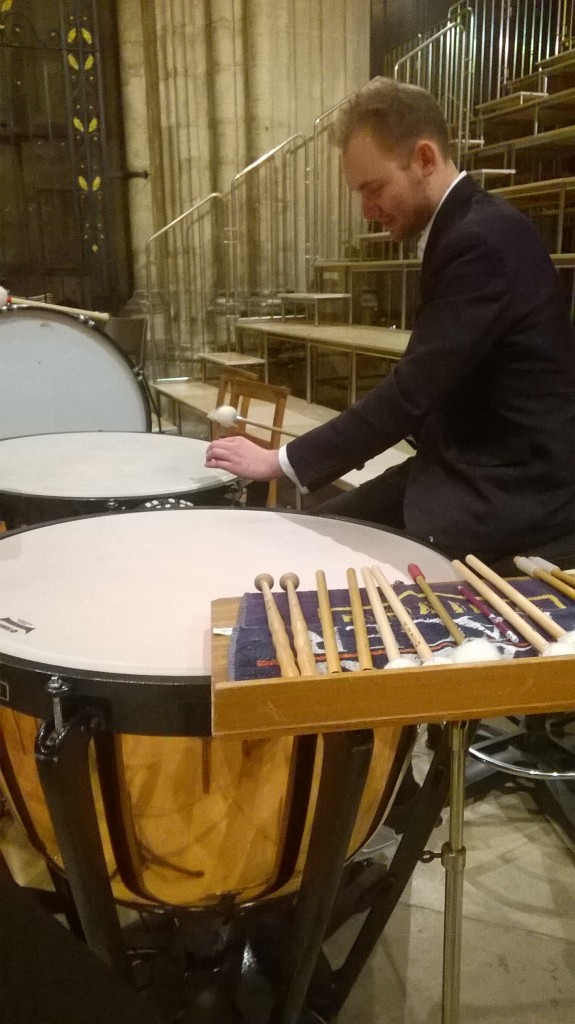
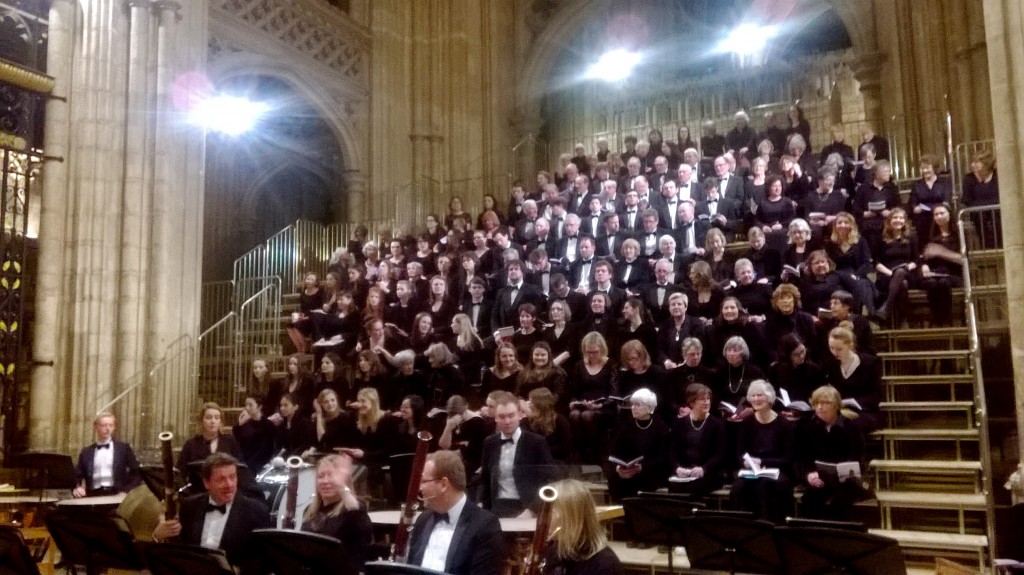
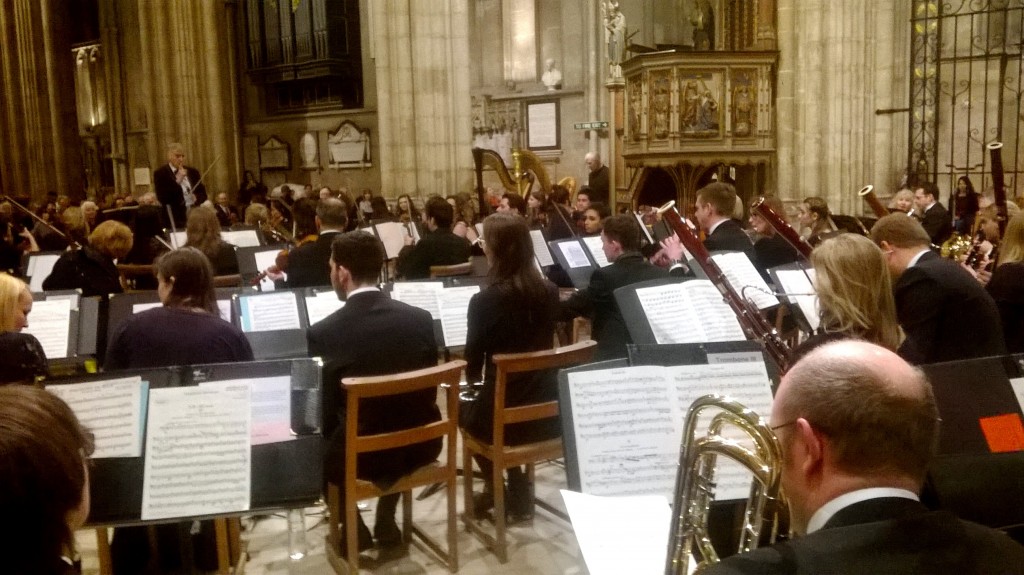
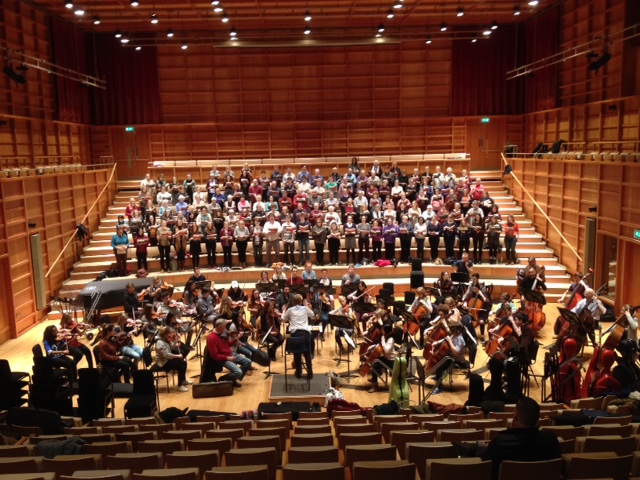 The annual concert in Canterbury Cathedral is one of the highlights of the University’s performing calendar; join us tomorrow night in a heady exploration of desire, dreams and death…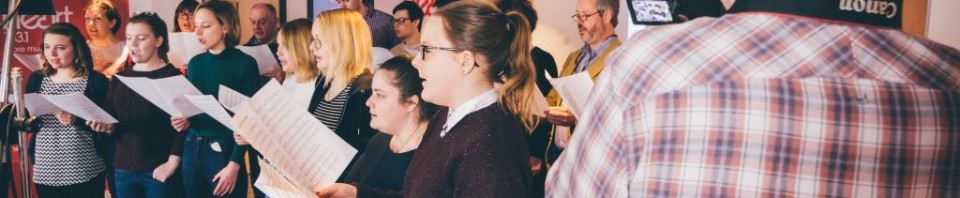
 To the delight ot listeners, commuters and those on the school-run throughout the county, the air-waves resounded to staff and students singing ‘England’s Gateway To The World,’ the mock anthem celebrating the glories of our county, arranged for mixed choir by Your Loyal Correspondent.