All posts by Daniel Harding

Head of Music Performance, University of Kent: pianist, accompanist and conductor: jazz enthusiast.

Scholars’ Spotlight: filming continues

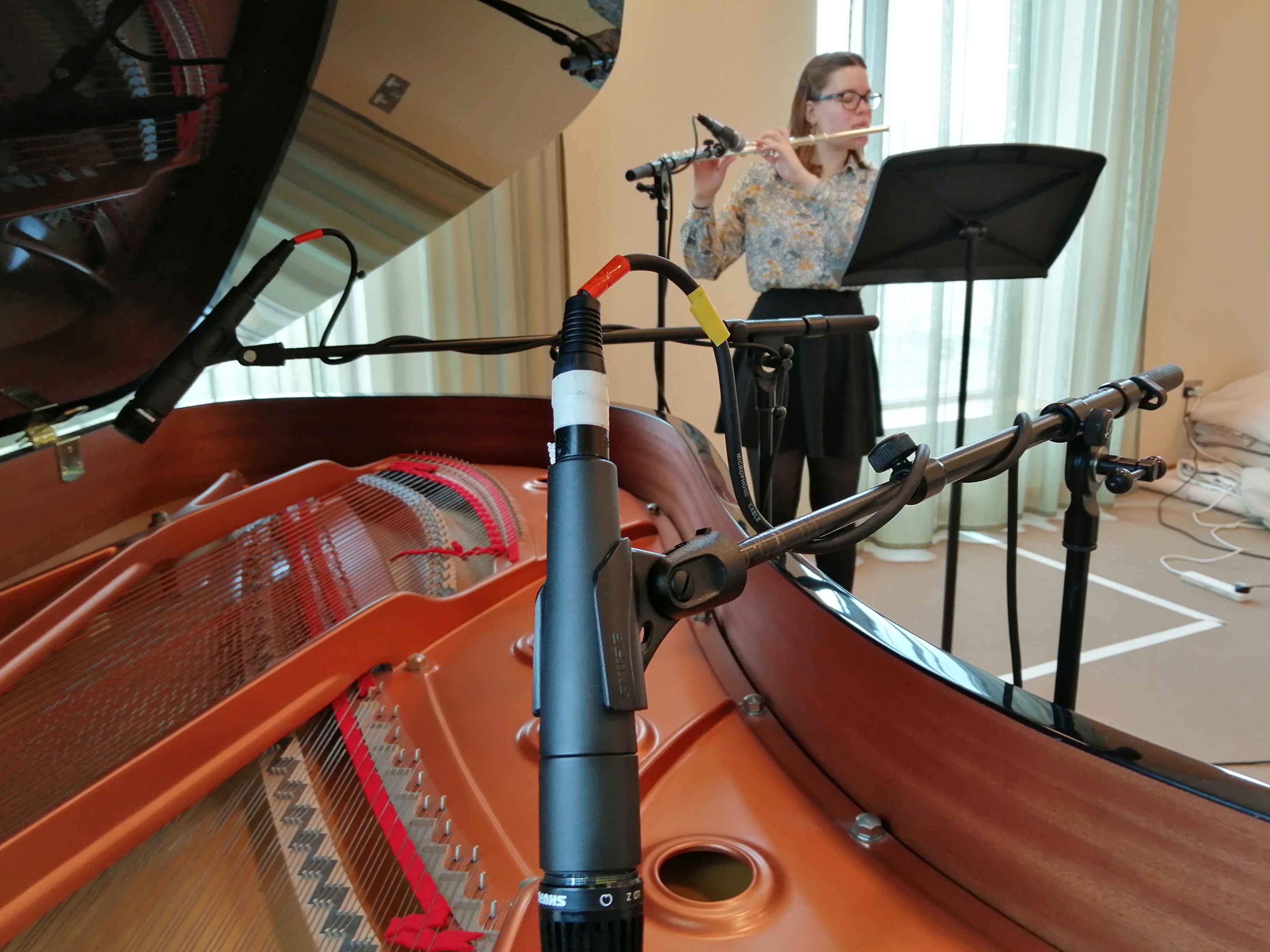
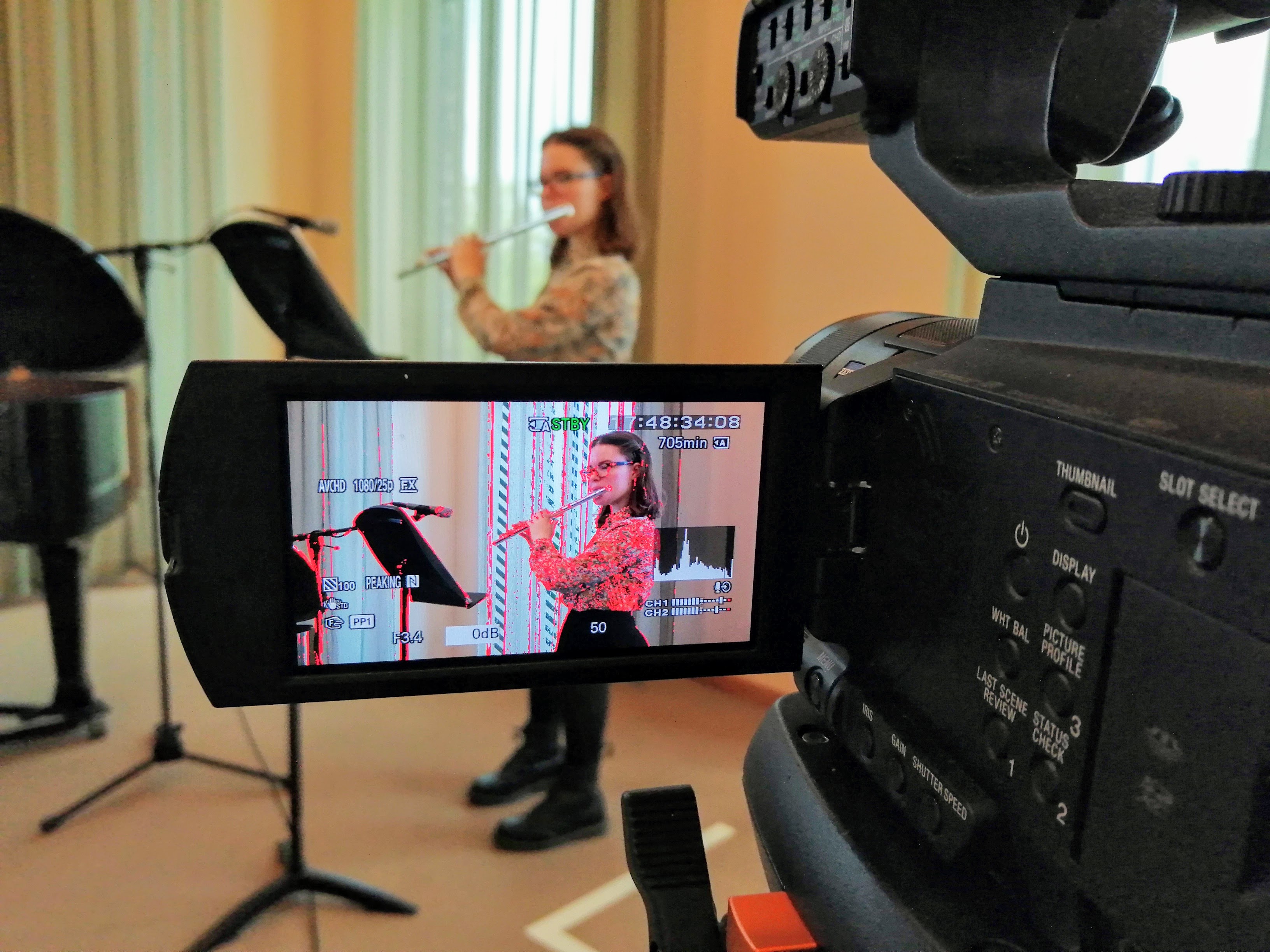
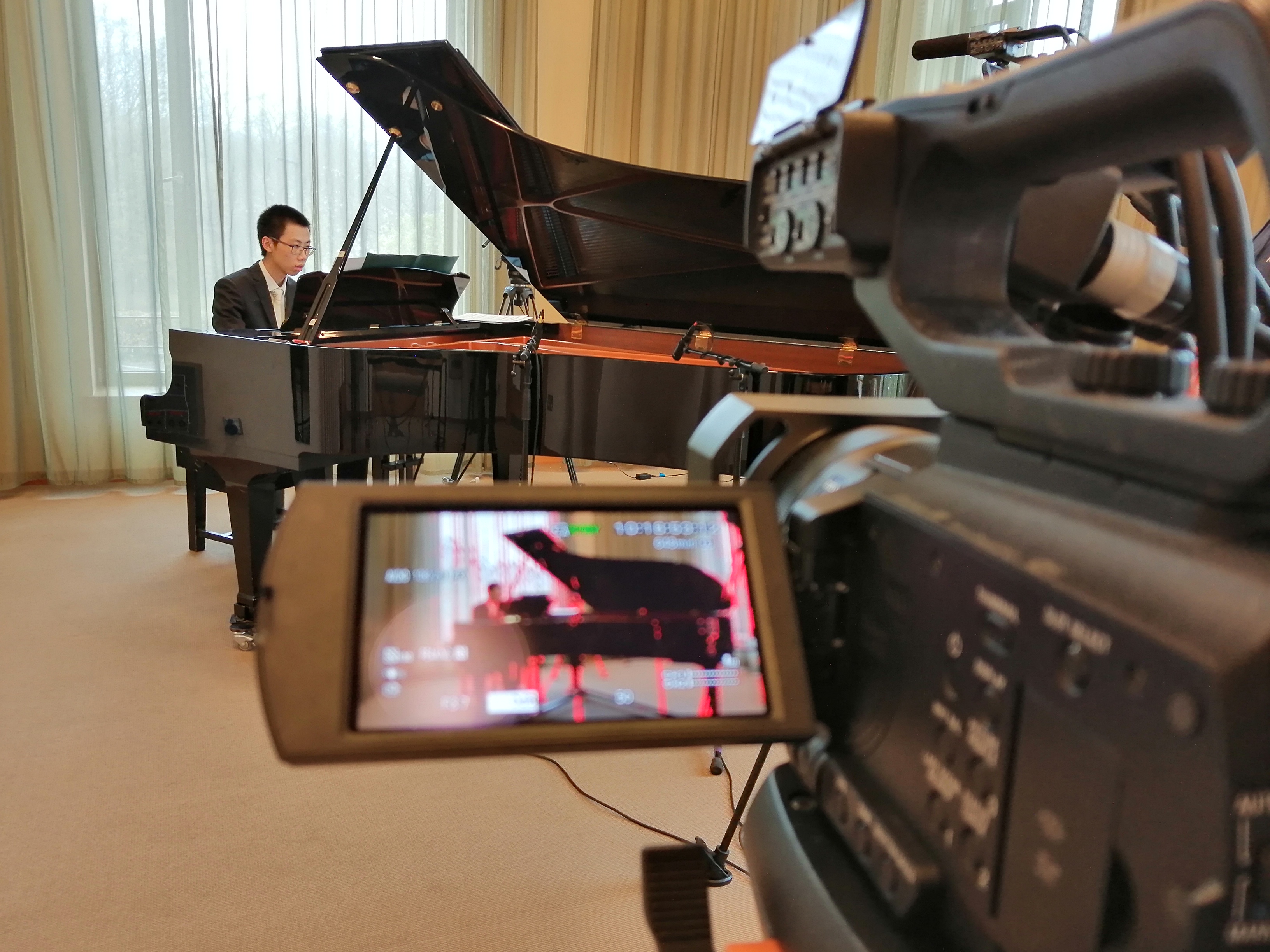
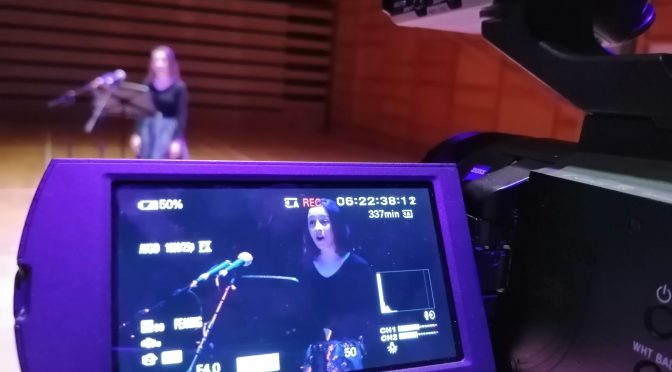
We’re back this week, continuing to film new material in our Scholars’ Spotlight series, highlighting Music Performance Scholars and Award Holders here at Kent.

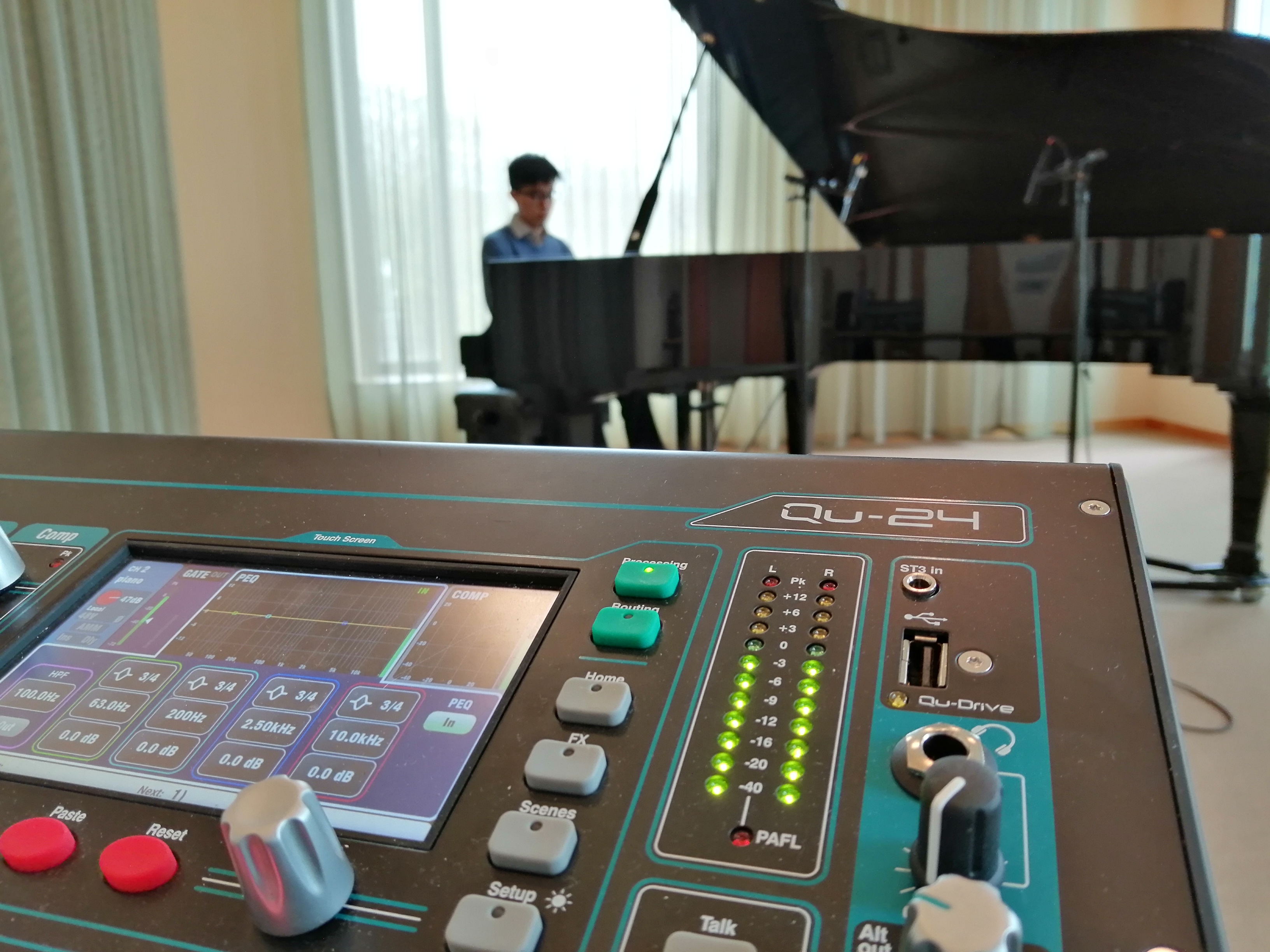
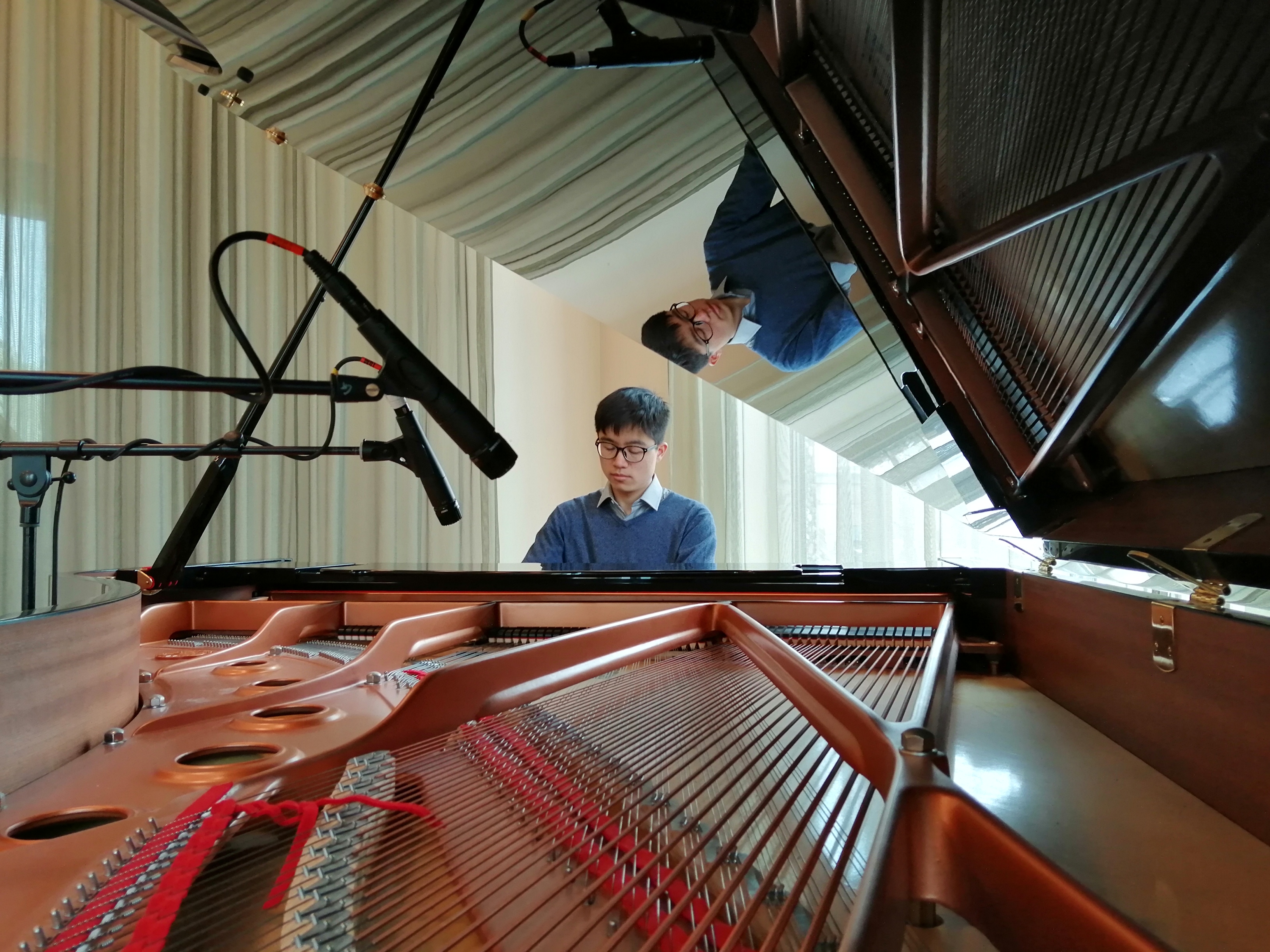
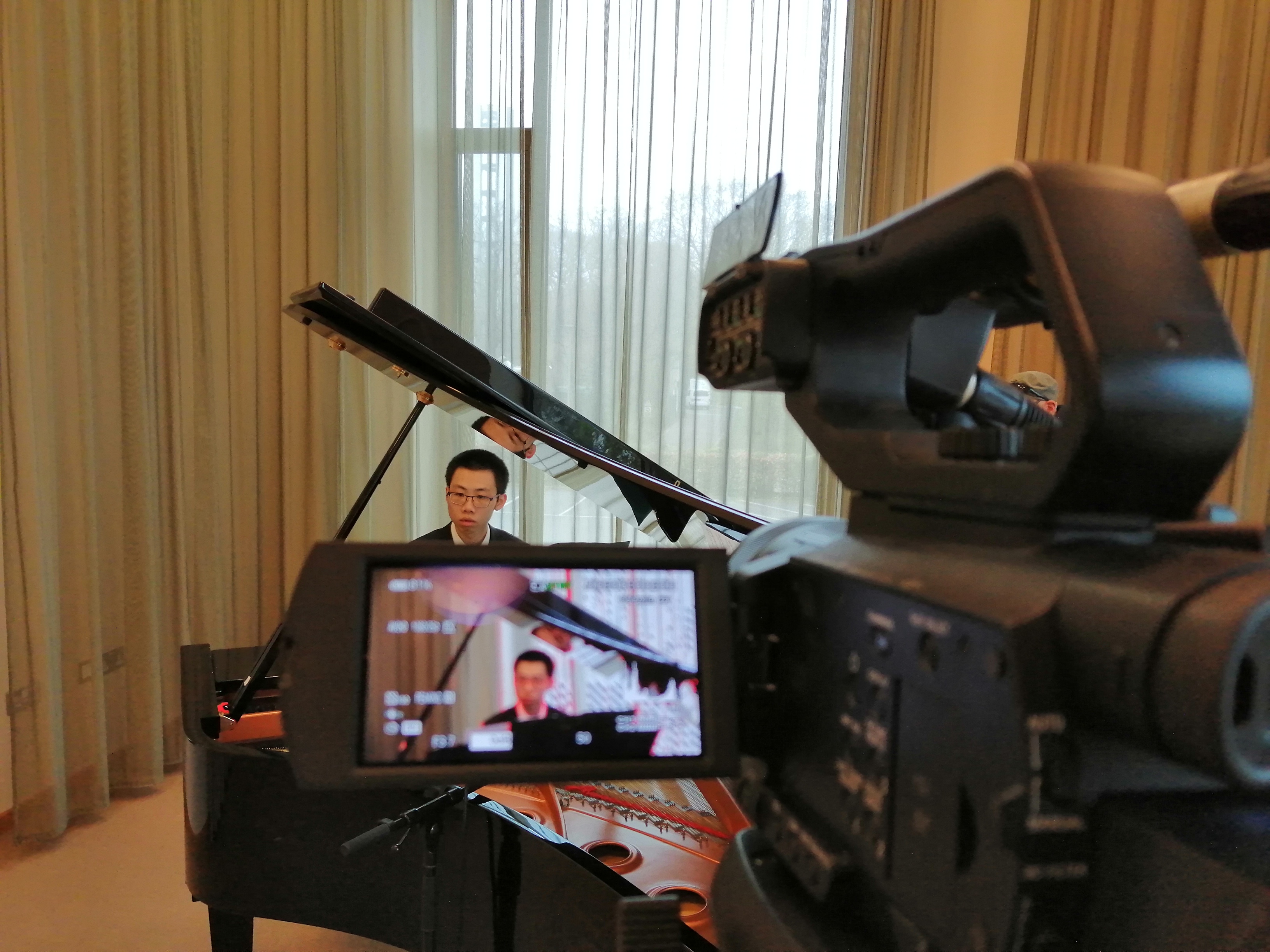
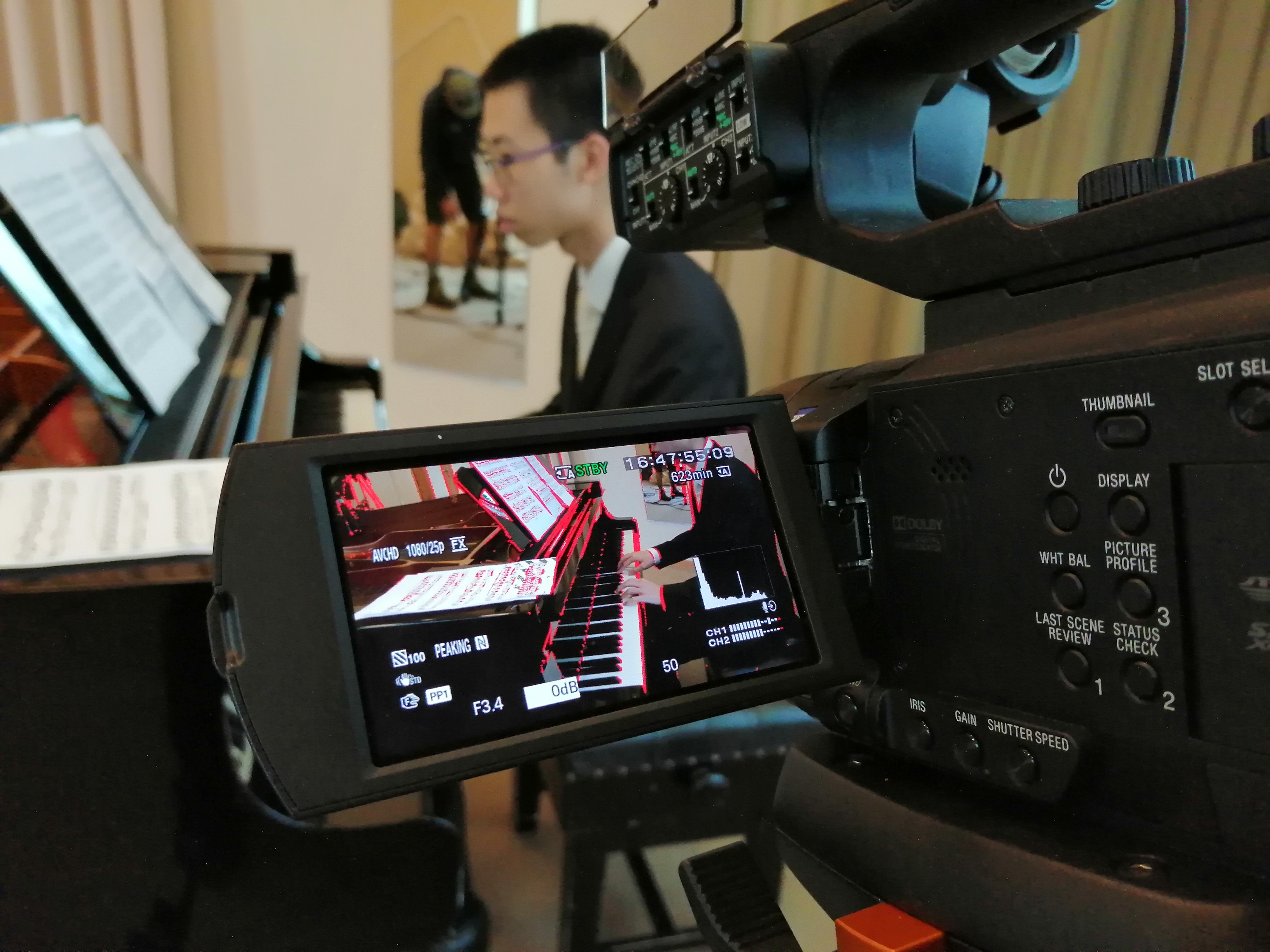
This morning, it’s the turn of Arthur Zhang, reading French in the School of European Culture and Languages, recording pieces by Handel, Ligeti and Schumann. Keep an eye out for the film, coming soon.

Continuities and radical surprise: the absorbing treasury of Magnificat 2

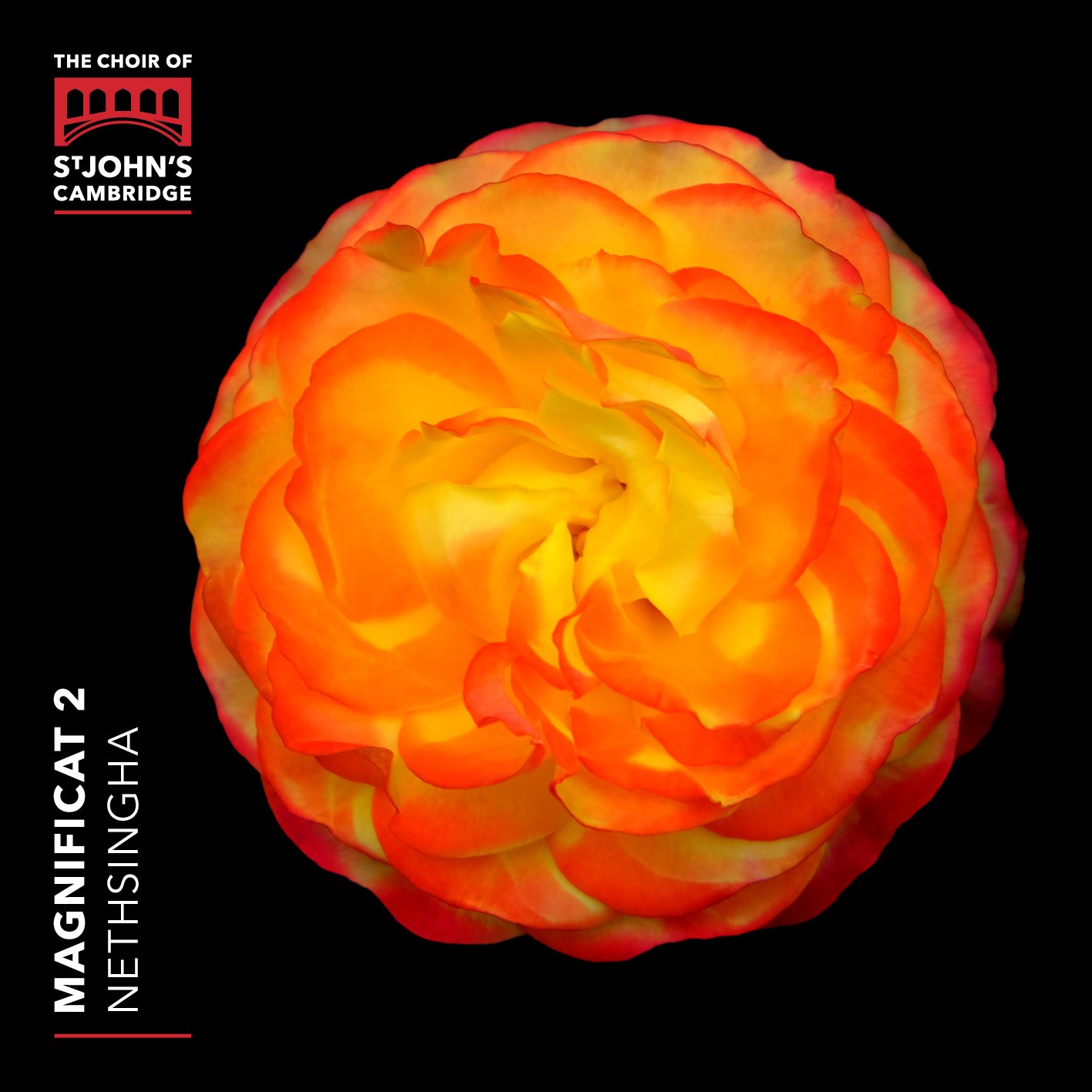
The second volume in the Magnificat series by Andrew Nethsingha and The Choir of St John’s College, Cambridge takes a keen look at settings of the Evening Canticles across the years, from 1932 to 2019 from stalwart composers of the canon in Sumsion and Howells to perhaps lesser-known figures including Sydney Watson (who conducted the first performance of Walton’s epic The Twelve) and Giles Swayne, as well as contemporary titans Arvo Pärt and Julian Anderson.

Swayne’s wonderfully dynamic Magnificat I setting revels in repetition, bearing African influences, pitching glowing upper-voices over repeated lower voices, whilst a radiant ‘Amen’ recedes skywards. There is the usual vigorous, robust setting by Walton, a richly celebratory response to the text’s jubilation. Luminous cluster-chords opens Lennox Berkeley’s meditative, contemplative setting, which pushes ahead with a wonderfully expressive flow, in contrast to Swayne’s rhythmically robust response. Pärt’s hushed, timeless incarnation of the text is filled with a reverential awe in its widely-spaced textures and unhurried pace.

The disc finishes with the challenging, bracing setting by Julian Anderson, written for the college’s 150th anniversary in 2019. His Magnificat is vibrant with polyrhythms and a dizzying web of textures; contrasting lyrical, melodic lines unfold over glowing sustained chords in Anderson’s richly colourful tonal language. In contrast is a sedate, darker-hued Nunc Dimittis – which brings the whole disc to a reverentially hushed conclusion.

The introductory essay by former Archbishop of Canterbury, Dr Rowan Williams, speaks of “these ancient hymns, so redolent of continuities yet so full of radical surprise,” words true both of the canticles and of this absorbing treasury, impeccably performed by St John’s College Cambridge Choir under the direction of Andrew Nethsingha.

Magnificat 2 is released on 16 April on Signum Classics.

 

In Conversation: saxophonist Phil Veacock

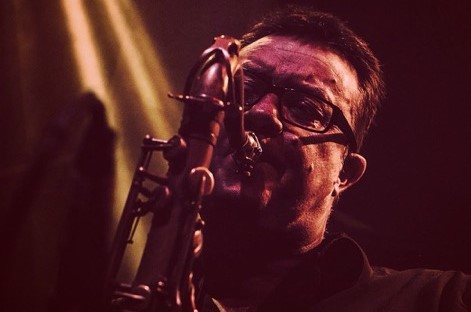
This week’s episode of our In Conversation series features saxophonist with the Jools Holland Rhythm and Blues Orchestra, Phil Veacock, in discussion with director of the University Concert and Big Bands, Ian Swatman.

From reflecting on early inspiration playing the recorder and school leading into playing the clarinet, Phil looks back on being inspired to take up the saxophone on seeing 2-Tone bands playing on Top of the Pops; playing with The Larks and turning down a recording contract; illicit vegetable snaffling in east Kent; joining the Jools Holland Rhythm and Blues Orchestra, playing on Wogan and Chris Evans’ Don’t Forget Your Toothbrush and the ‘Hootenanny’ revels; and, during COVID restrictions, finding alternative work as a delivery driver for the Charlton Bakehouse bakery.

Enjoy this lively and fascinating chat over on our YouTube channel, where the hour-long conversation is divided into chapters covering various aspects of Phil’s reflections.

http://philveacock.com/

Zoom For Thought: Radio Lento interview: episode two

This week’s episode of our Zoom For Thought podcast is the second episode featuring an interview with Radio Lento, the weekly podcast presenting ‘sound postcards from beautiful places.’

In the second part of the interview with Hugh, he reflects on listening to the skies over his back garden over lockdown when air traffic had been suspended; the impact of drone technology on environmental sound; the importance of listening in to other worlds; and the idea of structured listening to the environment compared to listening to music.

Listen to the episode on Spotify here.

(You can hear the first episode here.)


Scholars’ Spotlight: Felicity Bourdillon (soprano)

The latest in our Scholars’ Spotlight series of short filmed recitals features second-year Psychology student and soprano, Felicity Bourdillon; a Music Award Holder at the University, Felicity’s recital comprises a brace of Baroque arias – ‘Oft she visits’ from Purcell’s Dido and Aeneas, and ‘Quia respexit’ from Bach’s Magnificat,

Filmed in Colyer-Fergusson Hall and edited by Thomas Connor.

Zoom For Thought: an interview with Radio Lento

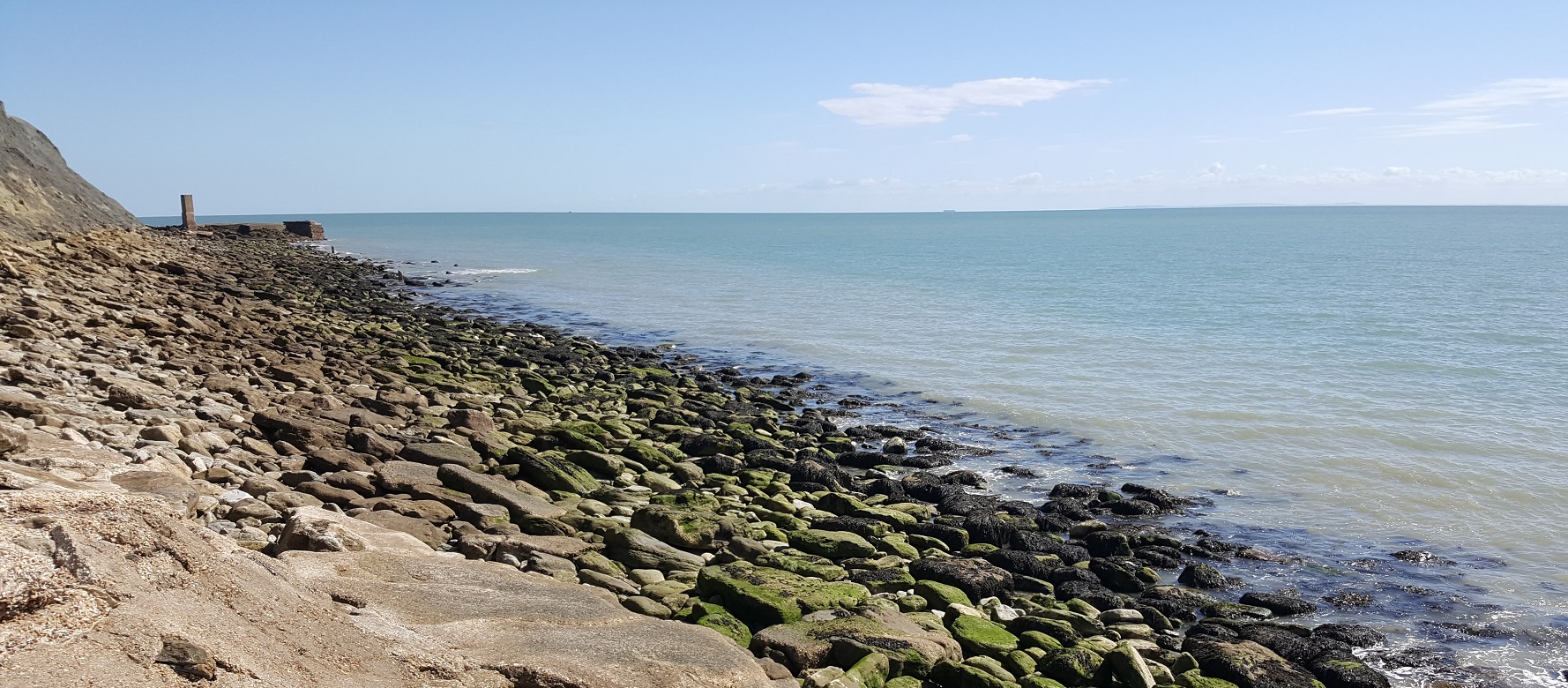
This week’s episode in our podcast series is the first of several featuring Hugh Huddy, who, with his wife Madeleine, is the creative force behind Radio Lento, a podcast series presenting wonderfully evocative soundscapes recorded in the natural environment. From dawn chorus in the Forest of Dean to shingle beaches at Folkestone, each Radio Lento episode presents an immersive listening experience, offering, in Hugh’s own words, ‘weekly sound postcards from beautiful places.’

In this first episode, Hugh reflects on the challenges of recording the natural world; the concept of authenticity and being true to the practice of capturing the environment in sound, in single, unedited takes; and similarities between listening to soundscapes and to music, and the idea of defeating time.

Listen on Spotify here, or on Anchor here.

https://radiolento.podbean.com/

The Barry Wright legacy: a generous gift to enhance the musical experiences of the future

The Music Department is very grateful to have received part of a legacy left to the University by Barry Wright, an alumnus of the University of Kent.

Barry completed a Diploma in Christian Theology and Ministry as a mature student in the School of European and Cultural Learning, graduating in 2003. During his lifetime, he supported the University as a donor to the Kent Opportunity Fund and supported the Colyer-Fergusson Building, attending the opening event of the award-winning facility in December 2012.

An enthusiastic audience at the Gala concert to open the Colyer-Fergusson Building in December 2012

The Music Department delivers a vibrant extra-curricular music provision as part of the experience of life at Kent, ranging from large-scale ensembles such as Chorus, Orchestra, Concert Band and Big Band to chamber ensembles, as part of a rich programme of performances and events each academic year. The end of the academic year is marked by the annual Summer Music Week, a popular series of musical events to mark the end of the University year, involving concerts both in Colyer-Fergusson Hall as well as in the Crypt of Canterbury Cathedral and the Memorial Bandstand at Deal.

“Barry’s legacy will greatly enhance the lives of the musical students who pass through the University of Kent,” said Head of Music Performance, Dan Harding “as one of the bequests that generously support the Music department’s activities each year; from concerts on campus and around the region, workshops with professional musicians, exploring new repertoire and keeping the department pianos and instruments in tip-top condition, the legacy is a wonderful gift that will allow the Music department to continue to develop and enrich the lives of students, staff and members of the local community who take part in its activities each academic year.”

The annual Summer Gala concert in Colyer-Fergusson Hall

The University remains grateful to Barry for his generosity during his lifetime and in planning his legacy to enhance the lives of future participants in Kent’s extra-curricular musical life. It’s thanks to support from all its donors that the Music Department in particular is able to continue to provide uplifting experiences to all those who pass through the doors of Colyer-Fergusson.