Key Associates
Ellie Lee, Director

Ellie Lee is Professor of Family and Parenting Research at the University of Kent and Director of the Centre for Parenting Culture Studies. She is the co-author of Parenting Culture Studies (written with Charlotte Faircloth, Jennie Bristow and Jan Macvarish), published by Palgrave in 2014. Ellie researches, publishes and teaches in the areas of the sociology of reproduction, of health, and of the family. Her research and teaching draws on constructionist theories of social problems and sociological concepts such as risk consciousness and medicalisation to analyse the evolution of family policy and health policy. This work explores why everyday issues, for example, women having abortions or how mothers feed their babies, turn into major preoccupations for policy makers and become heated topics of wider public debate. With others at the University of Kent, she set up the Centre for Parenting Culture Studies in 2010. Ellie is also an advisor to the Institute of Ideas.
Jennie Bristow

Jennie Bristow is Senior Lecturer in Sociology at Canterbury Christ Church University, and her research focuses on generations, education, and parenting culture. Her books include: The Corona Generation: Coming of age in a crisis (with Emma Gilland, 2020); Generational Encounters with Higher Education: The academic-student relationship and the University experience (with Sarah Cant and Anwesa Chatterjee, 2020); Stop Mugging Grandma: The ‘generation wars’ and why Boomer Blaming won’t solve anything (2019); The Sociology of Generations: New directions and challenges (2016); Baby Boomers and Generational Conflict (2015); Licensed to Hug (with Frank Furedi, 2010, 2008) and Standing up to Supernanny (2009). Jennie is co-convenor of the interdisciplinary Generations Network, which seeks to engage academics and others working with the concept of generation in discussion about the meaning of this concept and how it can better be used in policy-making and media debates. Her media commentaries and talks are available on her website.
Charlotte Faircloth
 Dr Charlotte Faircloth is an Associate Professor in the UCL Social Research Institute, and a Visiting Scholar and founding member of CPCS. She completed her PhD at the Department of Social Anthropology at the University of Cambridge, exploring women’s experiences of attachment parenting and ‘full-term’ breastfeeding in London and Paris. She was Mildred Blaxter post-doctoral research fellow with the Foundation for the Sociology of Health and Illness, during which she completed her book ‘Militant Lactivism? Attachment parenting and intensive motherhood in the UK and France‘, published by Berghahn Books. She is interested cultures of parenthood; notions of body, gender and equality in care-giving and its implication for other relationships; and more broadly in knowledge claims around optimal forms of care. Whilst at Kent she was a Leverhulme Trust Early Career Fellow working on a project entitled ‘Parenting: Gender, Intimacy and Equality’. As well as editing several journal special issues, she co-edited the volumes ‘Parenting in Global Perspective: Negotiating ideologies of kinship, self and politics‘ and Feeding Children Inside and Outside the Home: Critical Perspectives. Her latest monograph Couples’ Transitions to Parenthood: Gender, Intimacy and Equality was published in 2021. She is also co-author of ‘Parenting Culture Studies‘. She is currently part of the FACT-Covid project, led by UCL and serves on the Editorial Board of Families, Relationships and Societies led by Esther Dermott.
Jan Macvarish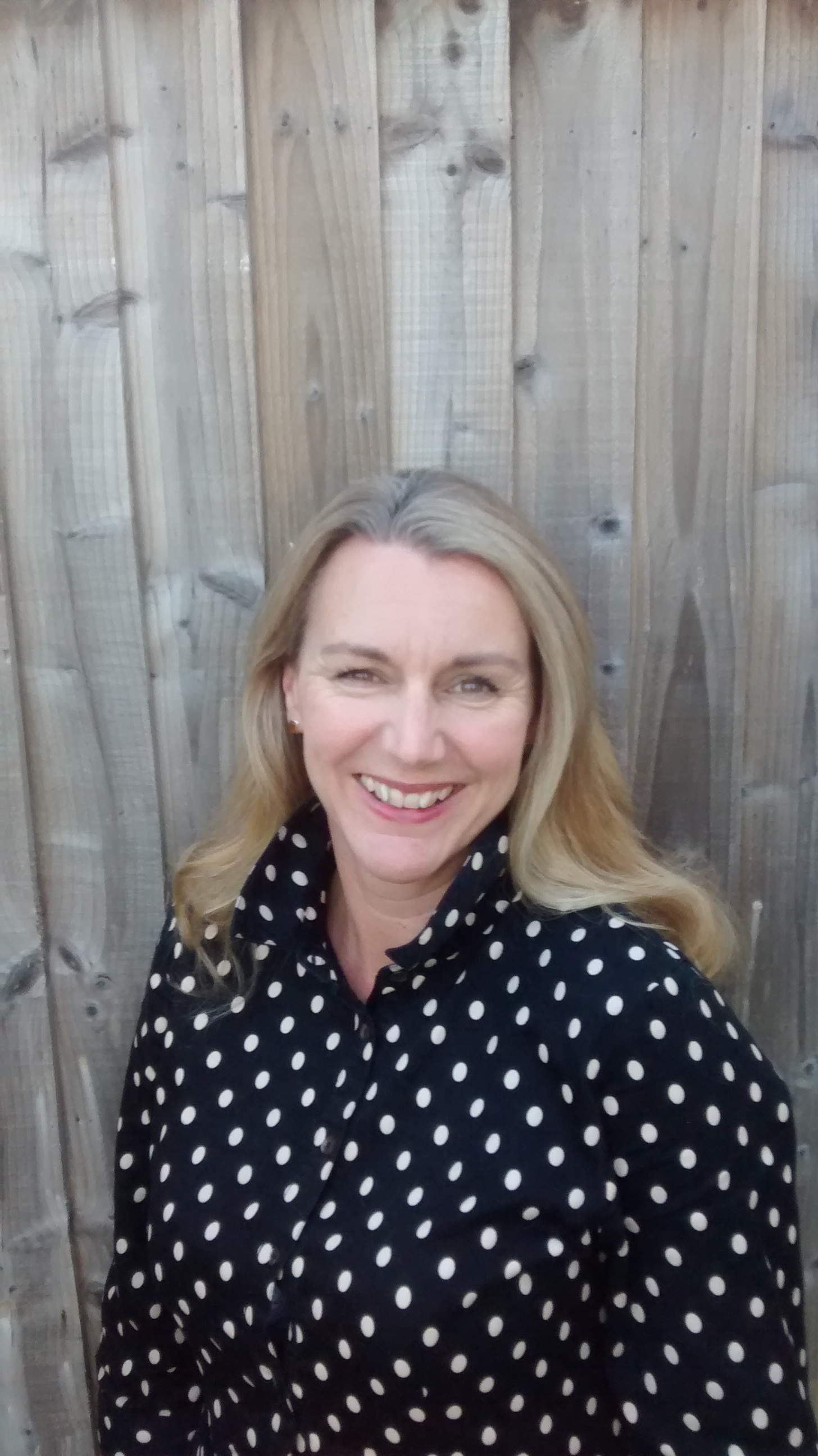
Dr Jan Macvarish is a Visiting Research Fellow with the Centre for Parenting Culture Studies. Her research interests lie in the sociology of interpersonal relationships, parenting, family life, sex and intimacy. Her doctoral thesis (2007), entitled ‘The New Single Woman: Contextualising Individual Choice’, explored the construction of contemporary singleness. She is particularly interested in questions of morality and moralization in risk culture. She has explored the manifestation of these themes in the policy context through research on teenage parenthood, the regulation and provision of fertility treatment and most recently on the ‘use and abuse’ of neuroscience in family policy. She contributed two chapters to the Centre’s book, Parenting Culture Studies; Chapter Three ‘The Politics of Parenting’ and Essay Three ‘Babies’ Brains and Parenting Policy: The Insensitive Mother’. Her book, Neuroparenting: The Expert Invasion of Family Life (Palgrave Macmillan, 2016), critiques the growing influence of ‘neuroparenting’ in British policy and politics. From 2017 to 2019 she worked in the Department of Law, Birkbeck College, University of London, on the Nuffield Foundation-funded project Siblings, Contact and the Law: An overlooked relationship?. She is now Education and Events Director for the Free Speech Union and Project Coordinator of the Free Speech Champions project.
Frank Furedi

Frank Furedi is Emeritus professor of Sociology, University of Kent and Visiting Professor, Institute of Risk and Disaster Reduction, University College London. During the past 20 years, his studies have been devoted to an exploration of the cultural developments that influence the construction of contemporary risk consciousness, and the ways that uncertainty is managed by contemporary culture. His book Paranoid Parenting was first published in 2001, and its themes underlie the work of the Centre for Parenting Culture Studies. His recent books discussing education and socialisation include: 100 Years of Identity Crisis (De Gruyter, 2021); Why Borders Matter: Why humanity must relearn the art of drawing boundaries (Routledge, 2020); What’s Happened to the University? A sociological exploration of its infantilisation (Routledge, 2016) and Wasted: Why education isn’t educating (Continuum, 2010).
Furedi’s books investigating the interaction between risk consciousness and perceptions of fear, trust relations and social capital in contemporary society include: How Fear Works: Culture of Fear in the Twenty-First Century (2018); Authority, A Sociological History Therapy Culture: Cultivating Vulnerability in an Uncertain Age (2003), and Culture of Fear: Risk-Taking and the Morality of Low Expectation (1997, 2006). Furedi’s books, articles, commentaries and talks provide an authoritative yet lively account of key developments in contemporary cultural life. These are available on his website.
Kent Associates
 Katja Haustein
Katja Haustein is a Lecturer in Comparative Literature at the University of Kent. Before taking up this position in 2012, she studied Comparative Literature, German Literature, and History at the Free University, Berlin, and completed her PhD in French and German at the University of Cambridge. She was a British Academy Postdoctoral Research Fellow at Churchill College, Cambridge (2008-12), and a Max Weber Fellow at the European University Institute in Florence (2007-8). Her primary research interests are in modern French and German autobiographical writing in relation to visual culture; memory and identity; literature and the emotions; gender history; and art and medicine. She has published on conceptions of space in modern French literature, and on twentieth century autobiography and visual culture, including Regarding Lost Time: Photography, Identity, and Affect in Proust, Benjamin, and Barthes (Oxford: Legenda, 2012). Among her projects are a special journal issue on Roland Barthes for L’Esprit créateur which includes her essay on Barthes and pity, and an article on discourses on infant feeding in Imperial Germany. Katja is currently writing a cultural history of breastfeeding.
Robbie Sutton
Dr Robbie Sutton is Professor of Psychology at the School of Psychology, University of Kent. His primary research interests are the social psychology of justice and social hierarchy, including gender hierarchies. Together with PhD students and colleagues, he studies the role of sexism, and in particular so-called “benevolent sexism”, in attitudes to women’s behaviour during pregnancy, childbirth, and while their children are growing up. Benevolent sexism is an ideology that portrays women as more moral and aesthetic than men, and entitled to men’s protection and reverence. Robbie’s research shows that paradoxically, this kind of sexism is associated with belief that women are less important than their children. As a result, it appears to underlie endorsement of a host of practices, including refraining from alcohol, exercise and many foodstuffs during pregnancy, refraining from anesthesia during childbirth, and attachment parenting practices and career sacrifice after children are born. These findings suggest that sexist conceptions of motherhood are a significant driver of social and economic gender inequality. Robbie is author of two books and some 60 journal articles and chapters in social psychology and related fields and sits on the boards of several scholarly journals.
Associates beyond Kent
Max Anthony-Newman
Max Antony-Newman has got his PhD in Education in November of 2018 from the Ontario  Institute for Studies in Education (OISE) of the University of Toronto focusing on parental involvement among immigrant parents (Antony-Newman 2018). His doctoral research was on the parental involvement of Eastern European immigrant parents in Canadian elementary schools through the Bourdieusian lens. This project aimed to explore how social and cultural capital of immigrant parents affects patterns of their involvement in the host country, and how the involvement of immigrant parents matches the expectations of their teachers and narratives expressed in policy documents. His more recent research has been a study of the role of teachers and school leaders in the practice of parental engagement to analyse their conceptualization of parental engagement, expectations towards parents, especially from minority and immigrant groups, and preparedness to develop democratic family-school partnerships. Twitter: @maxantonynewman
Edmée Ballif

Edmée Ballif is a Swiss National Research Foundation fellow and has been a visiting scholar at the Centre for Parenting Culture Studies, University of Kent and at the Reproductive sociology research group, University of Cambridge (2020-2022). She is interested in the way institutions (re)produce social stratification based on gender, sex, race, class or nationality, especially in regard to parenting and reproduction. Her PhD research analysed the social government of pregnancy. Drawing from an ethnographic study of a psychosocial pregnancy care centre in Switzerland, she argued that pregnant women are an object of discipline and surveillance; that we witness the extension of parenting norms into pregnancy, making it the first phase of childhood; that this surveillance is extended from pregnant bodies to pregnant minds under the influence of various fields such as psychology, child development, neuroscience or epigenetics. At CPCS, she worked on a research project on child veganism. The project investigates how “good” and “bad “parenting is defined in reference to social and environmental reproduction as well as the interplay of gender, nationality, race and class in the discourses on child veganism. She is currently based in the Thomas Coram Research Unit at UCL working with Charlotte Faircloth and Rebecca O’Connell on a project developing these ideas around the subject of milk.
Synnøve Bendixsen

Synnøve Bendixsen works on irregular migrants and their access to health, as well as on political mobilization of irregular migrants in Norway. In 2010 Bendixsen defended her PhD thesis in Social Anthropology at Humboldt Universität (Berlin)/ Ecole des Hautes Etudes en Sciences Sociales (Paris) (co-tutelle) on Muslim youth and religiosity in Germany. She has worked as a consultant for International Migration and Urbanization at UNESCO, as a lecturer at the University of Kurdistan – Hewler (North Iraq), and been a visiting fellow at COMPAS, University of Oxford. Bendixsen is the co-editor in chief of the Nordic Journal of Migration Research. Since 2014 she is the Director of IMER Bergen. Bendixsen has published a number of articles and book chapters on irregular migrants and on Muslims in Europe, including “The Religious Identity of Young Muslim Women in Berlin. An Ethnographic Study.” (2013) by Brill publisher. A recent project, with Hilde Danielsen, was “Parenting cultures and risk management in plural Norway”.
Linda Blum
 Linda Blum PhD is a Professor of Sociology at Northeastern University in Boston who studies persistence, change, and contradictions in contemporary gender relations. Her interests include: Gender, Medicine, and the Body; Work, Family, and Intersections of Gender, Race, and Class Inequality; Qualitative and Ethnographic Methods; and Feminist Theory and Methods. She began her sociological career researching and writing on women’s grassroots movements for comparable pay, but has since developed a focus on ideologies of motherhood in the United States, how they judge fit and unfit, respectable and disreputable, and measure mothers against each other in ways that reinforce class and race inequality. She is the author of Between Feminism and Labor: The Significance of the Comparable Worth Movement (1991, University of California Press); At the Breast: Ideologies of Breastfeeding and Motherhood in the Contemporary United States (1999, Beacon); and Raising Generation Rx: Mothering Kids with Invisible Disabilities in an Age of Inequality (2015, NYU Press, winner of the 2016 Outstanding Publication prize, Disability and Society Section, American Sociological Association). Currently she is interested in collaborating on cross-national comparisons of the medicalization of childhood and childrearing, cultures of mother-blame, and emerging counter-discourses of neurodiversity.
Hilde Danielsen

Hilde is a research Professor currently based at NORCE in Bergen, Norway. Her research focuses on family life, sexuality and intimacy, gender-equality, urban living, social movements and everyday life. Hilde worked with CPCS on the project Parenting cultures and risk management in plural Norway
Esther Dermott
 Esther Dermott is Professor in Sociology at the University of Bristol and Head of School for Policy Studies. A sociologist of family life, her research examines the culture, practices and policies associated with contemporary parenthood, and interrogates dominant views and measures of ‘good parenting’. Her current research is on the relationship between parenting and poverty (funded by the ESRC Poverty and Social Exclusion in the United Kingdom) and on parenting practices in the UK and Japan (funded by a JSPS international visiting fellowship). Publications include ‘Intimate Fatherhood’ (Routledge 2008) which challenges the dominance of the breadwinning ideal in contemporary fatherhood and argues that we have witnessed the rise of ‘intimate fatherhood’ and ‘Displaying Families’ (ed with Seymour, Palgrave 2011) which examines the theorisation of personal/ family life focusing on the significance of credibility and audience in family practices. Her most recent writing includes analysis of the relationship between parenting and poverty (in Studies in the Maternal and Social Policy and Society) and she is co-edited a special issue of Families, Relationships and Societies, on contemporary fatherhood. Twitter: @estherdermott
Katie Dow
Katie is a Senior Research Associate and Deputy Director of the Reproductive Sociology Research Group (ReproSoc) at the University of Cambridge. Her main interest is the ethical dilemmas and questions provoked by reproduction and assisted conception. She is particularly concerned with the ways in which ideas of nature and naturalness are implicated in morality and ethics, as well as the importance of gender, class, ethnicity and sexuality in structuring parenting and reproduction and has recently co-edited a special issue of the journal Ethnos on the contemporary relationship between nature and ethics. Her book, Making a Good Life, was published by Princeton University Press. In the book, she traces the connections between how people think about the ethics of reproduction and ethics in their everyday lives in a context of anxiety about environmental crisis and destruction of the natural world. Katie is also working on a new project looking at how the British news media has represented IVF, focusing particularly on the 1970s and 1980s
Ashley Frawley
 I am Senior Lecturer in Sociology and Social Policy at Swansea University and Programme Director of the BSc Social Sciences programme. I am the author of Semiotics of Happiness: Rhetorical Beginnings of a Public Problem (2015) and the forthcoming Significant Emotions: Rhetoric and Social Problems in a Vulnerable Age. Using constructionist approaches to social problems, my research explores the problematisation of emotion and the emotionalisation of social problems. More recently, I have been interested in the use of claims about children’s wellbeing and mental health in public campaigns to outlaw mild forms of physical discipline in the home. I am also a member of the editorial board for Zero Books. I recently contributed to the project Childhood, Wellbeing and Parenting led by Claude Martin with this article.
Val Gillies
 Val Gillies is Professor of Social Policy and Criminology at the University of Westminster. Previously she was a Research Professor at Goldsmiths Collage, University of London working on a project funded as part of the ESRC Secondary Data Analysis Initiative. Before this she was a Director of the Families & Social Capital Research Group at London South Bank University. She has researched and published in the area of family, social class and marginalised children and young people, producing a wide range journal articles and books and chapters on parenting, youth, behaviour support policies in schools, home school relations as well as qualitative research methods. Her book ‘Pushed to the Edge: Inclusion and Behaviour Management in Schools’ (Policy Press, 2016) explores the experiences of young people referred to in school behaviour support units. She has been working on a historical comparative analysis of ‘troubled families’ drawing on the case work archives of the organisation Family Action, which stretch back to the 1870s.
Janet Golden
Janet Golden, Ph.D. is Professor of History at Rutgers University where she specializes in the history of medicine, history of childhood, women’s history and American social history. She is the author or editor of eight books, and the author or co-author numerous peer-reviewed articles. Her most recent books are Message in a Bottle: The Making of Fetal Alcohol Syndrome, (Harvard University Press, 2006) and the co-edited Healing the World’s Children: International and Interdisciplinary Perspectives on Child Health in the 20th Century (McGill-Queens University Press, 2008). She co-edits the Critical Issues in Health and Medicine Series at Rutgers University Press. Dr. Golden is the recipient of numerous grants and fellowships, including those awarded by the National Institutes of Health, the National Endowment for the Humanities, the Commonwealth Fund, and the American College of Obstetricians and Gynecologists. She is a member of the Sigerist Circle and of the Executive Committee of Rutgers AAUP/AFT. She is currently writing a history of babies in twentieth-century America focused on the decline of collective interest in their welfare. This project is supported by fellowships from the National Endowment for the Humanities, the Hartman Center Archives of Duke University, Charles Donald O’Malley Research Fellowship from UCLA Medical School, and a research support grant from the Schlesinger Library, Radcliffe.
Zeynep Gurtin

Zeynep is Lecturer in Women’s Health in the Institute for Women’s Health at UCL. Her research concerns the social and ethical aspects of assisted reproductive technologies and their globalisation, in particular the gendered and relational questions the possibilities of these technologies raise for contemporary women. Her PhD work was an analysis of the cultural constructions of IVF in Turkey, examining the intersections between the government’s “patriarchal pronatalism” agenda, involuntary childless couples’ desires for a child, and the political economy of the global assisted reproduction industry. More recently, her work has focused on cross-border reproductive care; egg sharing; and Currently, Zeynep’s work focuses on egg freezing, using social science research to improve clinical practice and the experience of women thinking through their fertility options or considering egg freezing. Prior to her current role, she was a Senior Researcher at the London Women’s Clinic and a Research Associate with Professor Sarah Franklin at the Reproductive Sociology Research Group (ReproSoc), University of Cambridge.
Vicki Harman
Vicki Harman is a Reader in Sociology at the University of Surrey. Vicki’s research interests include family life in contemporary Britain, gender, social class and ethnicity. Recent projects have focused on families and food, including children’s lunchboxes and feeding the family in times of austerity. With Benedetta Cappellini (Royal Holloway) Vicki is the author of ‘Mothers on Display: Lunchboxes, Social Class and Moral Accountability’ published in Sociology. Vicki’s doctoral thesis (2007) explored the experiences and support networks of lone white mothers of mixed-parentage children. Her writing in this area has examined mothers’ social capital, their experiences of racism, social work practice and the identification and social positioning of young people of mixed-parentage. With Ravinder Barn (Royal Holloway) Vicki is the co-editor of Mothering, Mixed Families and Racialised Boundaries (Routledge, 2014).
Tina Haux
 Dr Tina Haux was a Lecturer in Quantitative Social Policy SSPSSR at the University of Kent, and is now Director of the Centre for Children and Families at NatCen. Her research focuses on the roles, responsibilities and needs of parents within the current welfare and legal setting, with particular reference to post-separation families. As well as being one of the co-editors of The Student’s Handbook of Social Policy by Blackwell, she was the Director of Qstep at Kent, which is an initiative that aims to improve the numeracy and general capacity of social science undergraduates to produce and communicate high quality (quantitative) research
Bríd Hehir
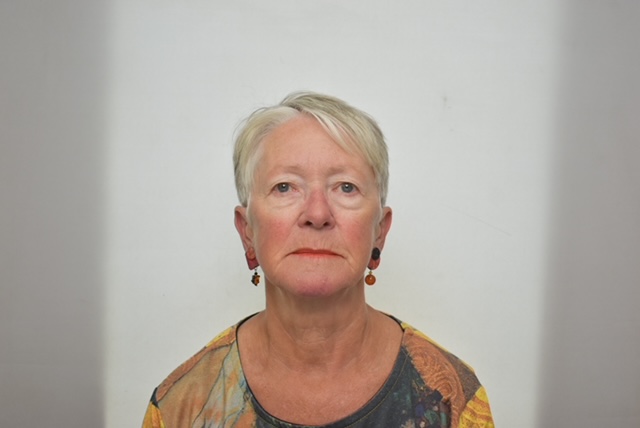 Bríd researches and writes in the area of health and family, having previously worked in a variety of clinical positions as a nurse, midwife and health visitor in Ireland, Africa and the UK. Her retirement from the NHS coincided with a developing interest in female genital circumcision/mutilation (FGC/M). Specifically, her concern is with the dynamics behind and effects of investigations by police and other authorities into families and particular communities. Her focus is on the question of parental autonomy and authority and the undermining of families’ expectations of a private life. She blogs at Shifting Sands: https://www.shiftingsands.org.uk/
Raquel Herrero-Arias
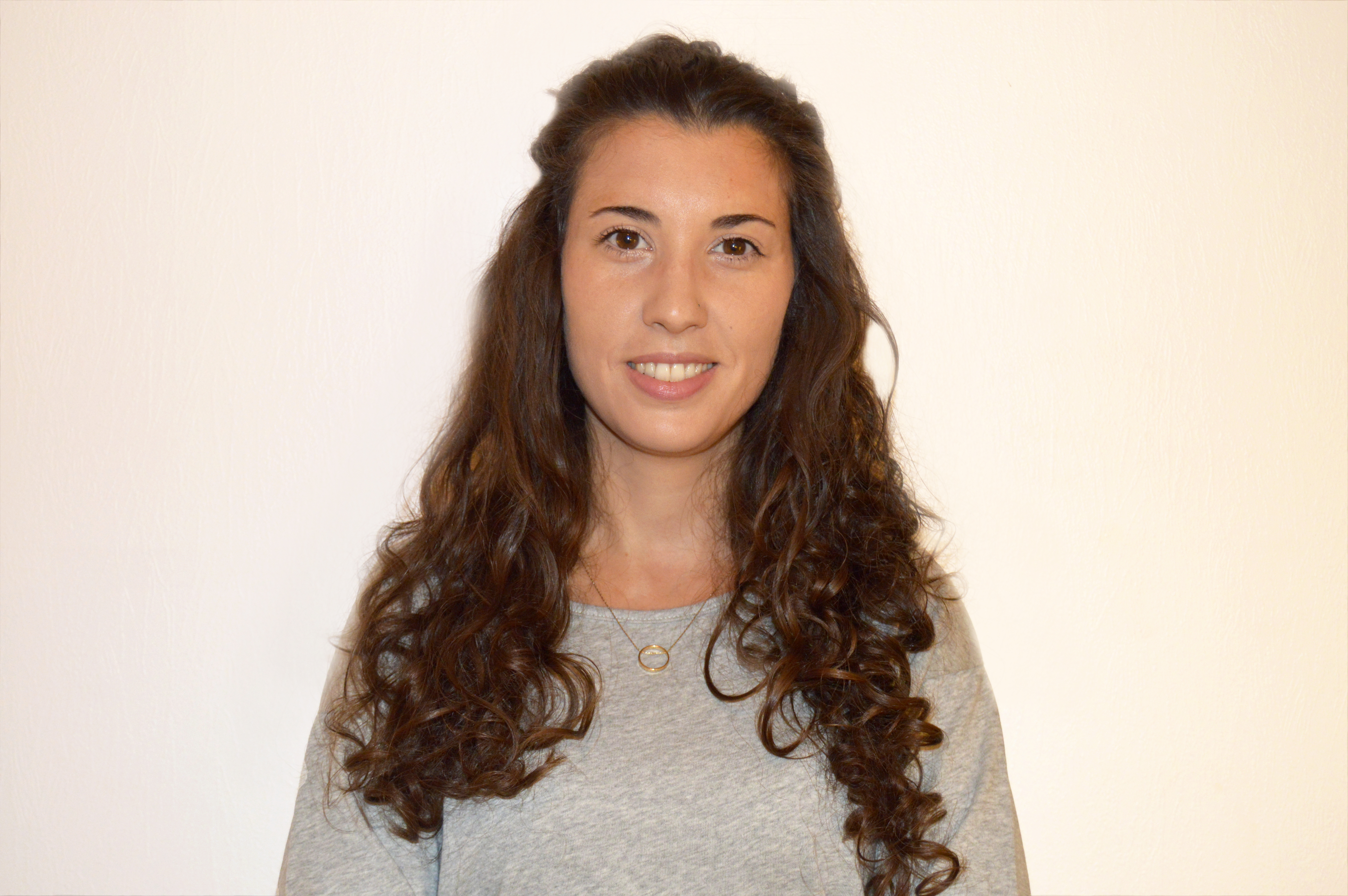
Raquel Herrero-Arias completed her Ph.D at the University of Bergen (Norway). She holds Bachelor’s Degrees in Social Work and Social and Cultural Anthropology, a Master’s Degree in Gender Studies and an Erasmus Mundus Master in Social Work with Families and Children. Her doctoral project explored the experiences of parenting among Southern European migrant parents in Norway. During her doctoral studies, she was a visiting fellow at the University of Radboud (the Netherlands) and at the Centre for Parenting Studies at the University of Kent, supervised by Professor Ellie Lee. In December 2019, she became a research collaborator on Romomatter, a project funded by the Justice Programme of the EU 2012-2020 that explores teenage motherhood among Roma girls. Raquel is also a collaborator on a study that collects data on refugee’s understanding of the measures implemented by the Norwegian government to prevent the spread of the coronavirus, which is funded by Stiftelsen Dam. She is a member of the Child Welfare, Equality and Social Inclusion research group at the University of Bergen. In Latin America, she has been invited to become a guest lecturer at the University of Concepción (Chile), at the Master in Sexual and Reproductive Health. Recently, her research has focused on Child Welfare Services Emergency Preparedness, migrant parenting and risk management, migrants’ experiences with health care in the host country, narrative research, and Intimate Partner Violence and mothering.
Mary Ann Kanieski
 Mary Ann Kanieski is Assistant Professor of Sociology at Saint Mary’s College, Notre Dame, Indiana. She teaches courses on the sociology of family, diverse childhood, and the sociology of poverty. She is especially interested in the impact and interpretation of scientific discourse in the social construction of parenting. In ‘Securing Attachment: The Shifting Medicalization of Attachment and Attachment Disorders” she examined the impact of attachment research on the psycho-medical scrutiny of mothers’ interactions with their children. Currently, she is finishing work on the ways in which parent educators construct parental responsibility and assist parents to meet their responsibilities. She is also interviewing mothers from diverse backgrounds on their understandings of good parenting.
Stephanie Knaak
 Dr Stephanie Knaak completed her PhD in Sociology at the University of Alberta, Canada. Her research examines the relationship between women’s experiences and wider cultural discourses about motherhood, with a special interest in understanding how medicalization and risk society influence parenting culture. She is the author of “The Problem with Breastfeeding Discourse”, “Having a Tough Time: Towards and Understanding of the Psycho-social Causes of Postpartum Emotional Distress,” “Contextualizing Risk, Constructing Choice: Breastfeeding and Good Mothering in Risk Society”, and “Breast-feeding, Bottle-feeding and Dr. Spock: The Shifting Context of Choice” . She blogs for Huffington Post Canada.
Linda Layne
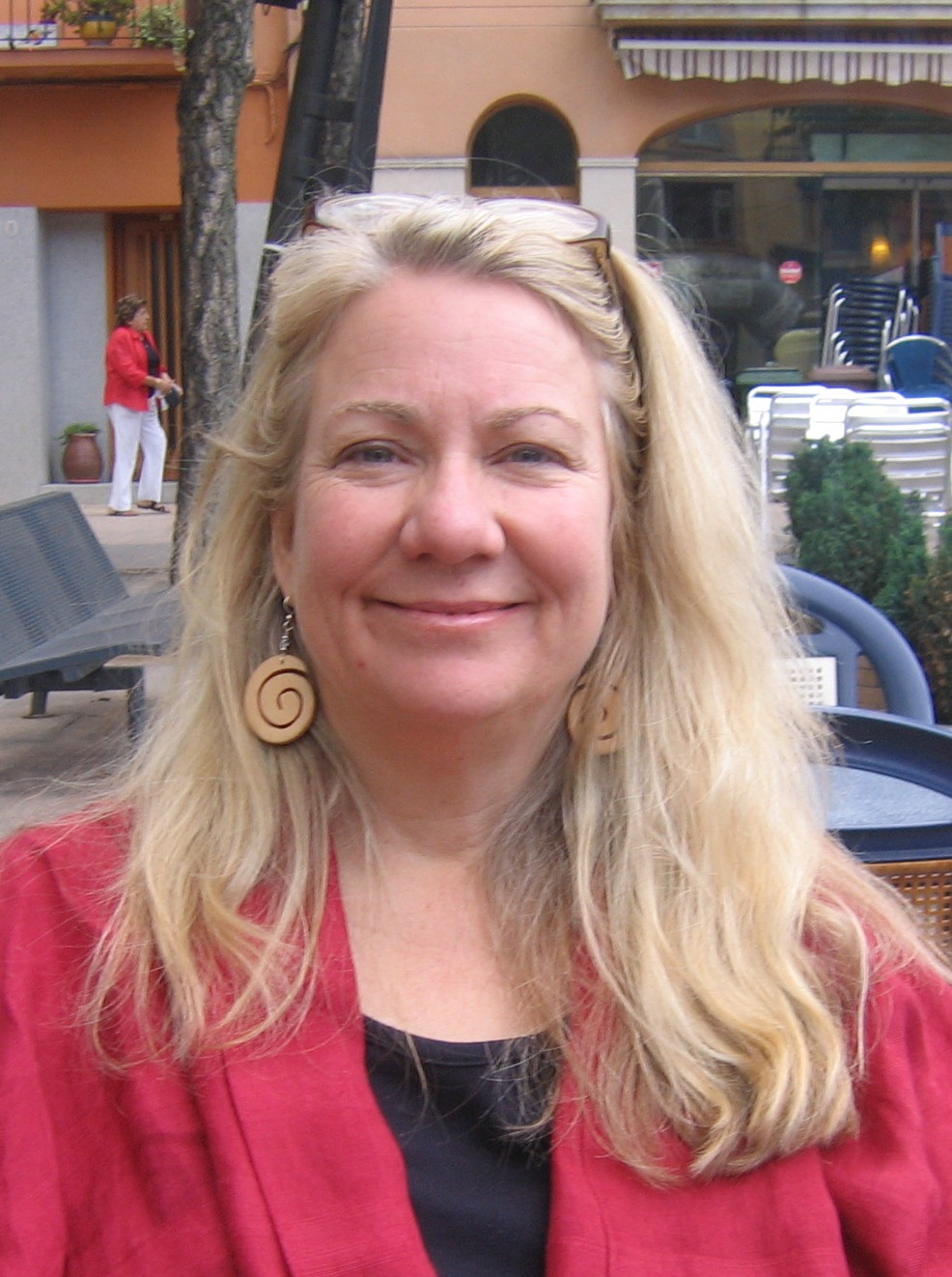
Linda L. Layne is Visiting Research Fellow with the Repro Soc group at Cambridge University. Her research on parenting began by looking at the assertion of ‘real’ parenthood by members of American pregnancy loss support groups (Motherhood Lost: A Feminist Perspective on Pregnancy Loss Routledge 2003 and Motherhood Lost Conversations, an 11-part educational tv series, GMU TV). She is currently working on a comparison of the way absent/present family members are managed by Single Mothers by Choice, Two-Mom, Two-Dad, and pregnancy loss families and on an in-depth case study of one American Single Mother by Choice. She is co-editor of Parenting in Global Perspective, Understanding Reproductive Loss, and Feminist Technology
Pam Lowe

Dr Pam Lowe is a Senior Lecturer in Sociology at Aston University. Most of her teaching and research is centred around women’s reproductive health, with a particular interest in pregnancy, contraception and parenting. Recently she has worked on a number of projects including examining the construction of foetal alcohol syndrome in British newspapers and the deployment of neuroscience in parenting policy. Currently she undertaking two projects. The first is examining young people’s understanding of sexual consent and the other is looking at abortion and street protest in the UK.
Deborah Lupton
 Deborah Lupton is Centenary Research Professor in the News & Media Research Centre, University of Canberra, Australia. She has researched pregnancy and parenting cultures for many years and is the co-author of Constructing Fatherhood: Discourses and Experiences (with Lesley Barclay, 1997), the author of The Social Worlds of the Unborn (2013) and editor of The Unborn Human (2013). Another central interest is digital sociology (her book Digital Sociology was published in 2015) and she is currently bringing these interests together in a number of projects exploring digitised pregnancy and parenting and the digital surveillance and monitoring of the unborn, infants and children (for example, the use of apps, wearable technologies, social media and online forums).
Nancy McDermott
 Nancy McDermott is a writer based in New York. She is best known for her role within Park Slope Parents, the nation’s most influential parenting community where her compassionate, cool-headed counters to hyper-parenting culture have earned her the moniker of “the voice of reason”. She is the author of The Problem with Parenting: How Raising Children Is Changing across America (2020). She is a regular contributor to spiked and a founding member of the New York Salon. Her blog is The Parenting Mystique.
Marjorie Murray
Dr Marjorie Murray is associate professor at Anthropology Programme, Pontificia Universidad Católica de Chile. She is also a principal researcher at the Centre for Intercultural and Indigenous Studies CIIR-FONDAP. She is interested in the intertwining of changing parenting cultures, kinship and personhood and in the implications of expert and state involvement in parenting and child development. She has carried out fieldwork in Santiago de Chile and in the Araucanía Region with Mapuche. With Charlotte Faircloth, she was co-editor of a special issue of the Journal of Family Issues on Parenting: Kinship, Expertise and Anxiety, and contributor to Parenting in Global Perspective. She is also co- author of two chapters in the book The Cultural Nature of Attachment: Contextualizing Relationships and Development.
Heather Piper
 Heather Piper was Professorial Research Fellow at Manchester Metropolitan University. Her interests are varied, but remain faithful to her early professional training, tending to lie in the borderlands between the educational and social. She has completed two ESRC projects looking at touching behaviours (the first with teachers and carers, the second with sports coaches). Her books include Researching Sex and Lies in the Classroom (2010), Ethics and Academic Freedom in Educational Research (2011), both co-authored with Pat Sikes, and published by Routledge. She also recently co-edited a special issue of Sport Education and Society, (2013, 18,5) Piper, H. Garratt, D. Taylor, B. Hands off! The practice and politics of touch in coaching and physical education.
Sally Sheldon
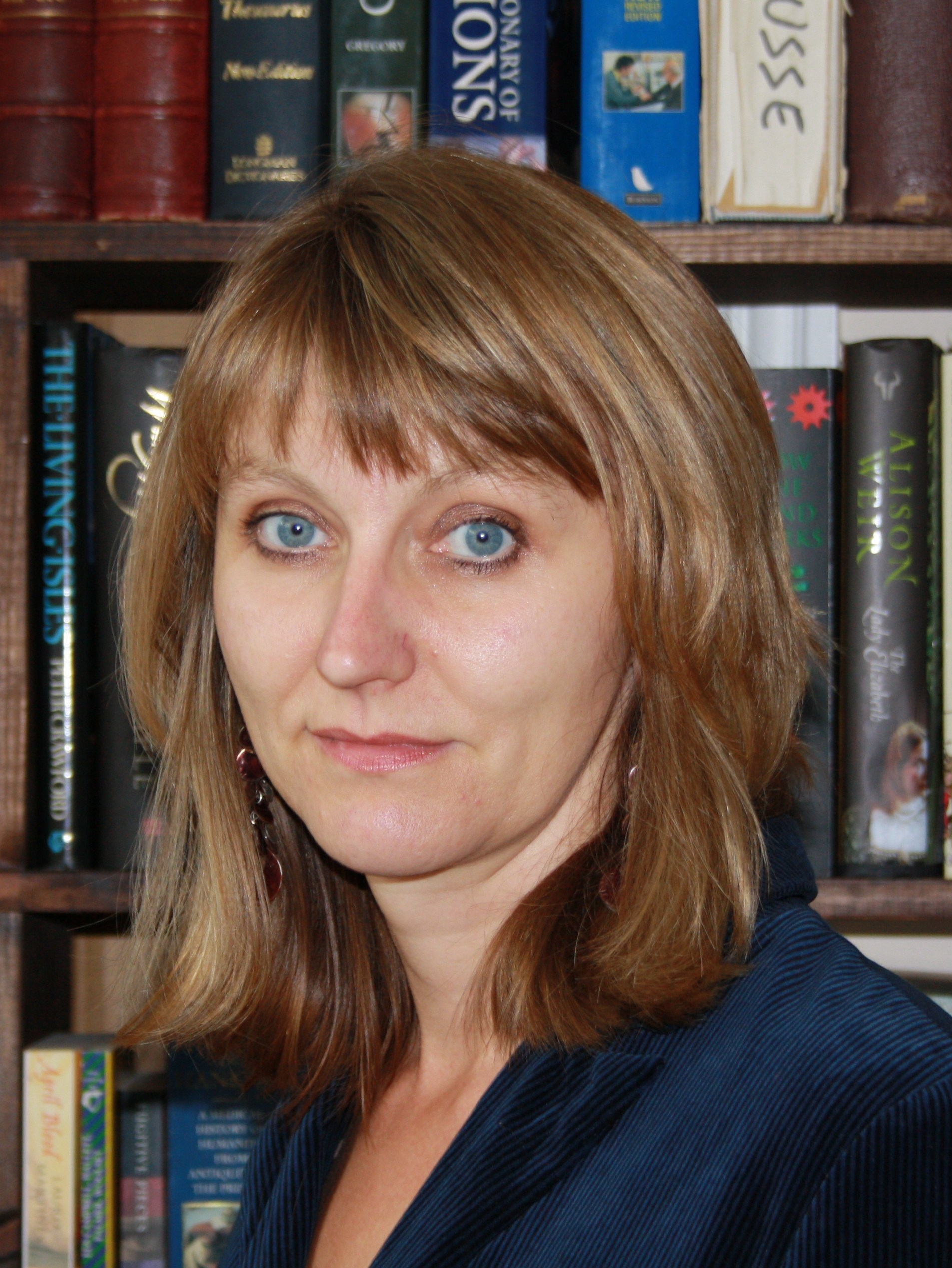
Sally Sheldon was a Professor in Kent Law School (and is now at the University of Bristol). She has written widely in the area of medical ethics and law, including books on abortion law (Beyond Control: Medical Power and Abortion Law, 1997), and has just completed a historical study of the Abortion Act (1967). She has studied amendments introduced by the Human Fertilisation and Embryology Act (2008), with specific regard to how they relate to ideas about parenthood; and explored the ethical and legal challenges posed by the online availability of medical abortion pills. With Richard Collier, she has published on fatherhood (Fragmenting Fatherhood, 2008) and father’s rights activism (‘Fathers’ Rights activism and Law Reform’, 2007).
Sunna Símonardóttir
 Dr. Sunna Símonardóttir is a postdoctoral researcher at the University of Iceland. She completed her PhD in Sociology at the University of Iceland in 2017. In her doctoral thesis, entitled Discipline and Resistance: Constructing the “good” Icelandic mother through dominant discourses on bonding, breastfeeding and birth she explored the dominant discourses on motherhood in Iceland, focusing on three key maternal activities; bonding, breastfeeding and birth. Her interests include: Gender and Feminist Theory, Medicine and the Body, Cultures of Parenthood, Parental Leave and the Distribution of Care. Her current project focuses on the coexistence of shared parenting and intensive mothering narratives in Iceland in relation to parental leave and critically engages with the pull towards intensive mothering within the context of Nordic feminism.
Anna Strhan

Anna’s research and teaching interests are in the sociology of religion, in conversation with the sociology of the family, childhood studies, urban sociology, the sociology of the body, and the anthropology of religion and ethics. She took up a Leverhulme Early Career Fellowship at the University of Kent in 2012, followed by a lectureship in 2015. At the University of York, she has worked on her monograph, The Figure of the Child in Contemporary Evangelicalism, drawing on ethnographic fieldwork exploring evangelicals’ engagements with children across the spaces of home, church, school, and broader political life. She also completed a 19-month ethnographic project exploring what it means to be nonreligious for children in the UK. As numbers of the avowedly nonreligious continue to rise in western Europe and North America, particularly amongst younger age cohorts, this research contributes to growing interest in the sociology of nonreligion and the secular through deepening understanding of how children and adults in relation to them negotiate, construct, and reconstruct forms of nonreligion and secularity through everyday practices across school and home life.
Katherine Twamley

Katherine Twamley is Associate Professor of Sociology in the UCL Social Research Institute. She was awarded a Leverhulme Early Career Fellowship, to explore notions of equality, love and choice amongst new parents sharing and not sharing parental leave. She completed her PhD at City University London – an ethnography of love and marriage in the UK and India – and during an ESRC postdoctoral fellowship completed her book ‘Love, marriage and intimacy among Gujarati Indians: A Suitable Match’ (Palgrave Macmillan). Her research interests are in sociology of the family, love and intimacy, social identities, gender and parenting. She is co-convenor of the British Sociological Association Families and Relationships Study Group.
Stuart Waiton 

Dr Stuart Waiton is a sociology and criminology lecturer at The University of Abertay Dundee. A regular contributor to the Scotsman newspaper, Stuart is author of Scared of the Kids: curfews crime and the regulation of young people, The Politics of Antisocial Behaviour: Amoral Panics and his latest book is entitled Snobs Law: Criminalising Football Fans in an Age of Intolerance. Key themes explored by Stuart are the changing relationships between adults and young people, the growing ‘generation gap’ and the fear of young people, crime and antisocial behaviour that exists within communities. He is also interested in the changing nature of the family and in particular the changing relationship between the family and the state. Most particularly this work is oriented to examine the rise and rise of ‘early intervention’ as a key social policy development.
Joan Wolf
 Joan Wolf is Associate Professor of Women’s and Gender Studies at Texas A&M University. In Is Breast Really Best? Taking on the Breastfeeding Experts and the New High Stakes of Motherhood (New York University Press, 2011), she asks why, when the vast majority of evidence suggests that either breastfeeding or formula feeding is a healthy option for most babies in the developed world, scientists, doctors, governments, and powerful social groups have proclaimed virtually unanimously that “breast is best.” She argues that this misguided consensus results from the convergence of three forces: routines in infant-feeding research that ignore crucial determinants of babies’ health; a cultural preoccupation with personal responsibility and controlling risk, particularly health risks; and an ideology of “total motherhood” which demands that mothers prevent all risks to their babies, no matter how small the risk or how high the cost to mothers. Her current project examines how, in social science research, culturally and historically situated descriptions of normal child development become universal prescriptions for gender-appropriate parenting, and how this research then legitimizes both anachronistic family forms and retrograde social policy.
Pingback: Should humanists follow neuroscience? | cradledincaricature