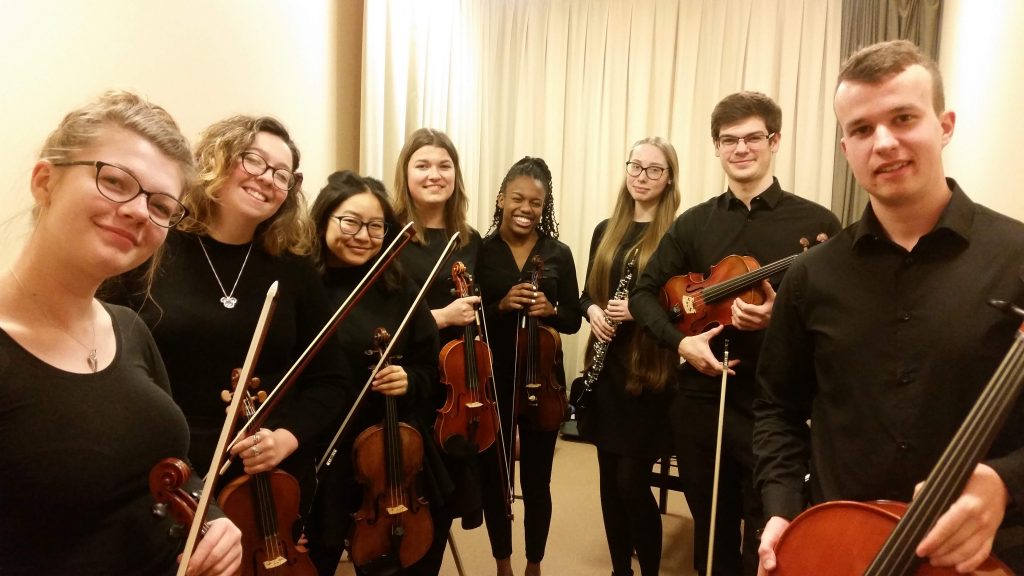
Continuing the series profiling University Music Performance Scholars and Music Award Holders at the University of Kent. This week, third-year Biosciences student and violinist, Florence Nightingale Obote reflects on a less than auspicious start to her violin-playing career…
I have been playing the violin for 15 years. I started at the age of seven and have no memory of my first ever violin lesson or the first time I held a violin underneath my chin. My violin teacher, however, remembers it fondly and never ceases to tell me. She’d always say to me, “I remember you when you walked through the door. Your shirt and trousers were way too big for you because you were so tiny, and the moment you held your violin under your chin: you had the biggest smile on your face.”
Even though I do not remember this, I remember my very first violin concert very well. I was playing the French folk song with three other violinists. We practised ample times for the concert, and all seemed fine. But the day of the concert was a whole other issue. So, we walked onto the stage, and bowed at the applause. Then our violin teacher counted us in. As soon as I heard four, I knew I had to start playing, but I didn’t. Instead I was stood there frozen with my bow on the violin while the others were playing the right notes in all the right places. I looked to my parents on the second row who were trying their best to not laugh which started to make me giggle. Then I distinctively remember dropping my bow, and in the process of picking it up I almost whacked one of the other players. After picking up my bow, I tried to find my place, but at that moment, I forgot how to read music, so I just started playing random notes hoping no one would notice. And after the concert, my violin teacher said to my parents at the that I had potential. So, the violin and I did not get off to a great start.
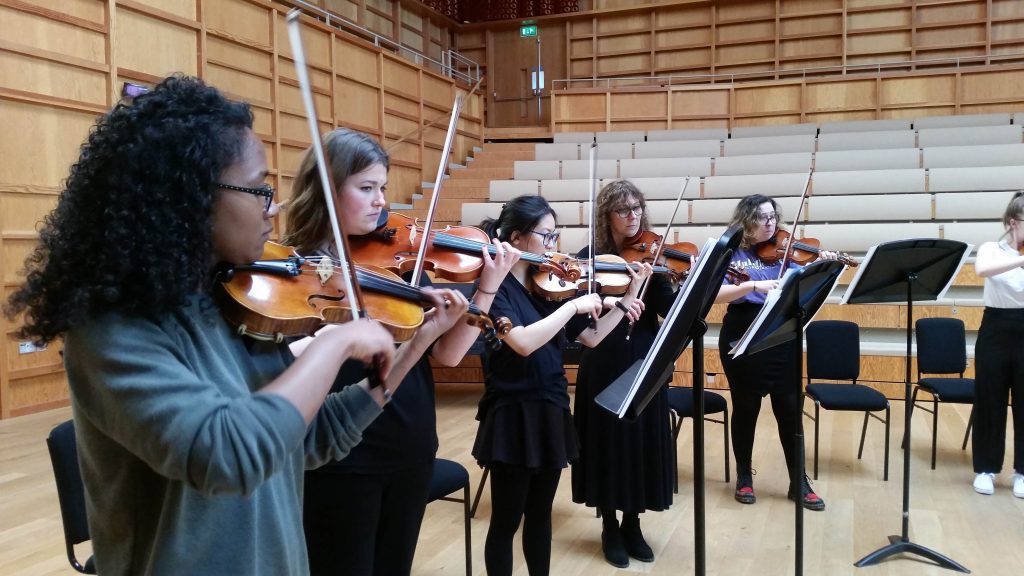 I did improve as the years went passed. Year 7 was when my violin journey started to accelerate. In secondary school, MHCHS, I played in all the possible orchestras I could join. This consisted of chamber orchestra, symphony orchestra, Vivaldi strings, string group, and so on. In year 9, MHCHS did a project with the Royal Philharmonic Orchestra, and I was given the opportunity to play the Vivaldi concerto for four violins accompanied by them. A year later, I got the opportunity again to play the Corelli Christmas concerto accompanied by them again. Both were conducted by Benjamin Pope.
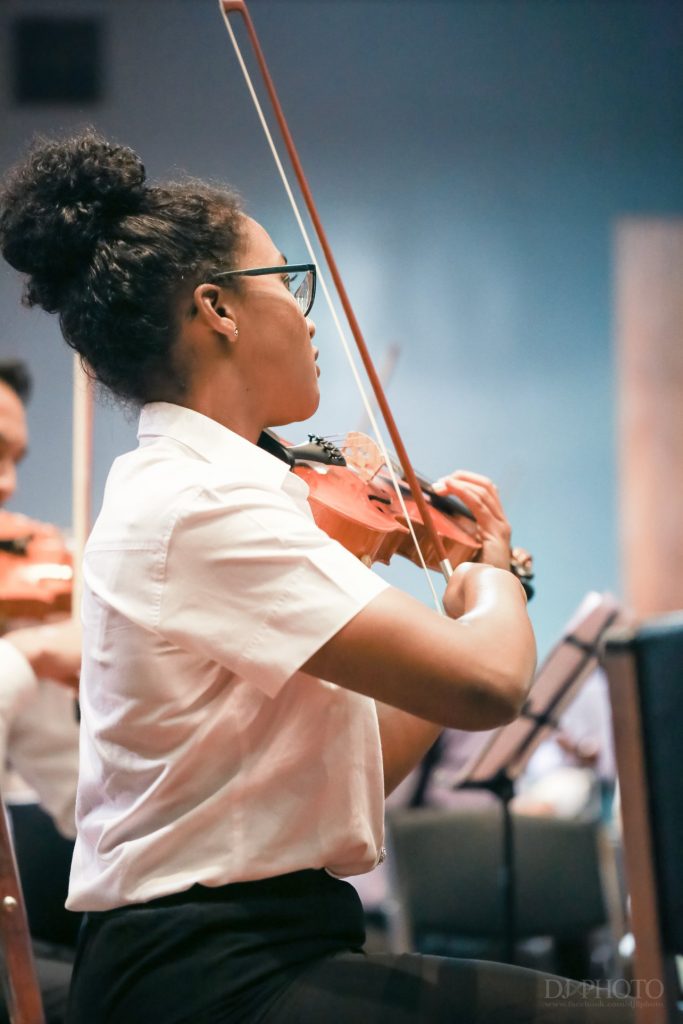
Whilst doing all these things in school, I also joined music groups externally. I was part of the Finchley Music strings for a couple of years where I joined Jazz strings as well. I wasn’t very fond of it because I was of being classically trained on the violin, but like my 7-year-old self I decided to persevere with playing Jazz on the violin (it did not last very long). Towards the end of year 9, I played in the Barbican Youth Orchestra where we got to play a several orchestral works, including the famous Romeo and Juliet overture by Tchaikovsky, and works by Glinka and Mozart.
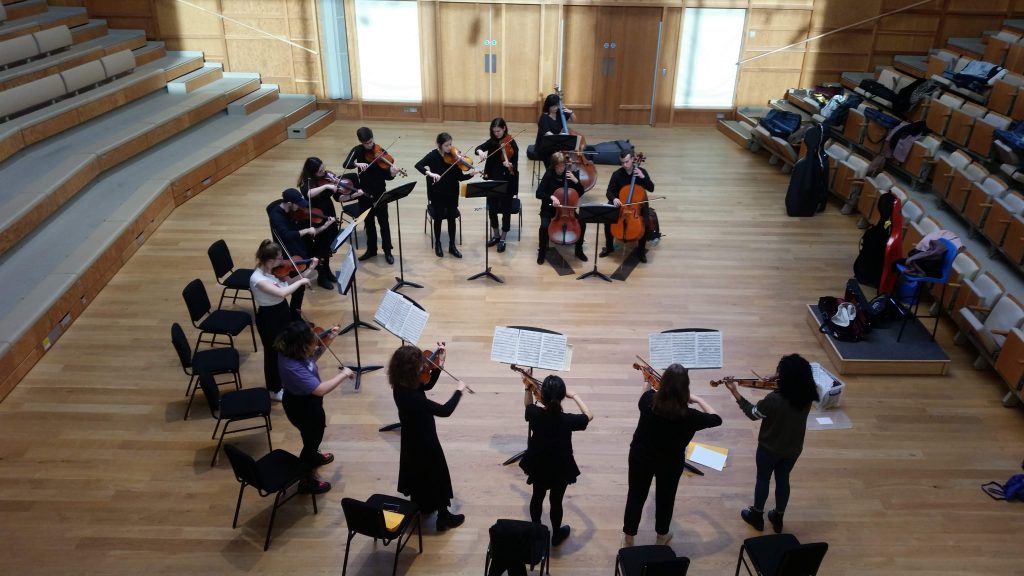
Going back to year 7, I joined a chamber group until year 12. I got to play in trios, quartets, sextets, septets, and octets. We played a plethora of music, with my favourites being: Death and the Maiden by Schubert, Mendelssohn’s Octet, and Dvorak’s American quartet. We also entered music competitions and participated in music festivals. Because of this period in my life, I will always love playing chamber music more than anything else.
During my year-in-industry, I went to Thailand where I joined the Thammasat University Symphony Orchestra (TUSO). I got to meet so many lovely people and had the opportunity to play gigs around Thailand and travel with them to Laos to play at Laos university. The orchestra was quite different to orchestras previously I’ve played in, in the UK. They played more music that appealed to students to get more recognition and they also arranged music from famous TV dramas and K-pop songs. It was very relaxed, and I had a great time playing with them.
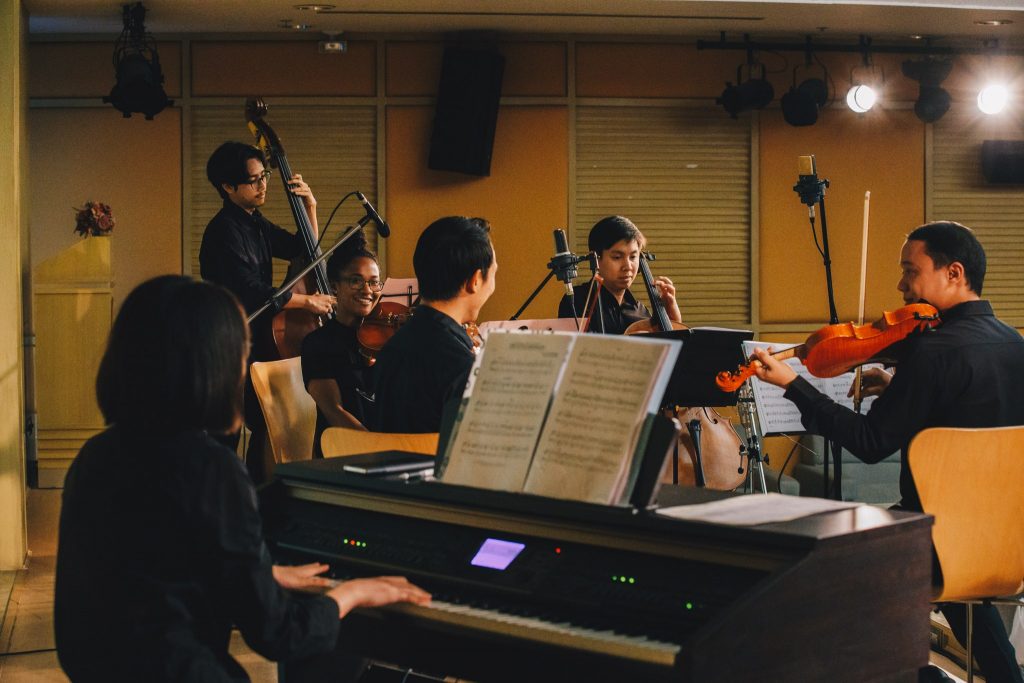
I’m coming up to the end of my final year studying Bioscience at the University of Kent, and the music opportunities in the university has been incredible. I’ve played in the Symphony orchestra, String Sinfonia, and have played chamber music with several people. After Kent, I hope my music journey will continue.
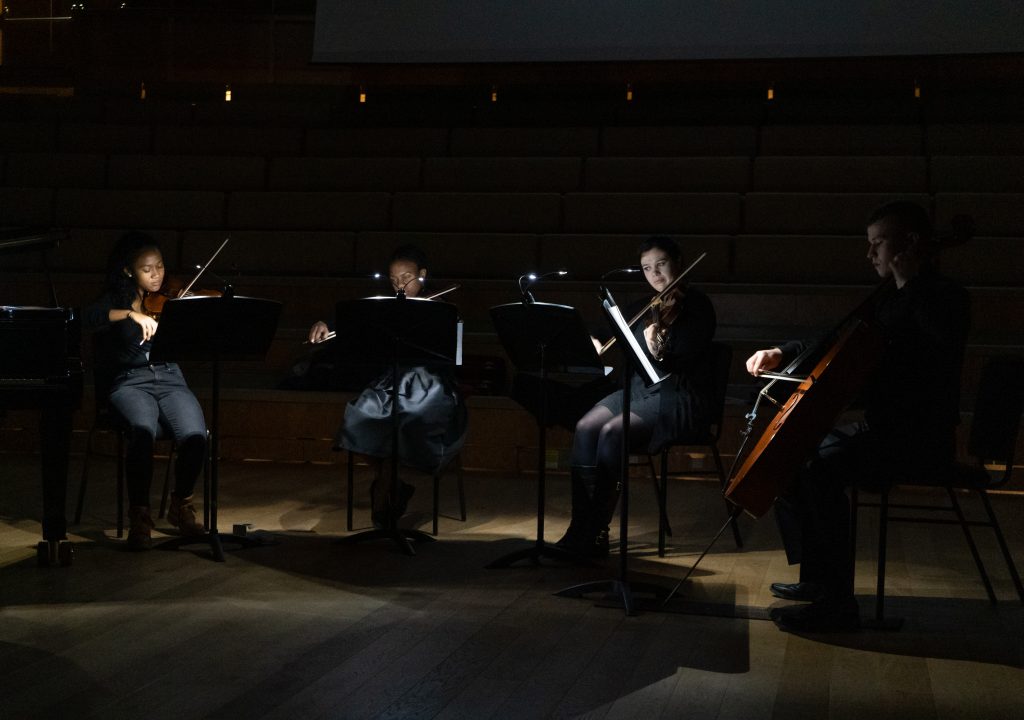
I’d like to give a special thanks to my father who is the reason why I started playing the violin.
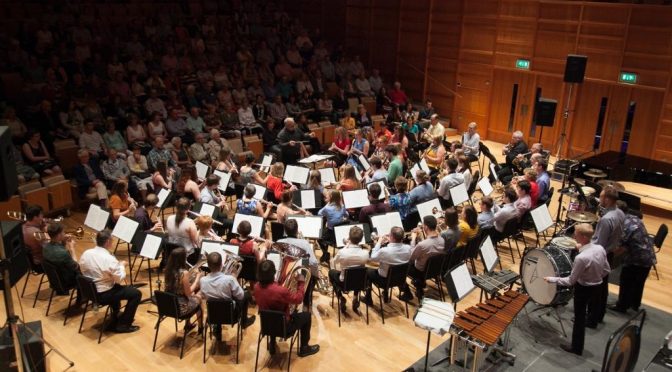
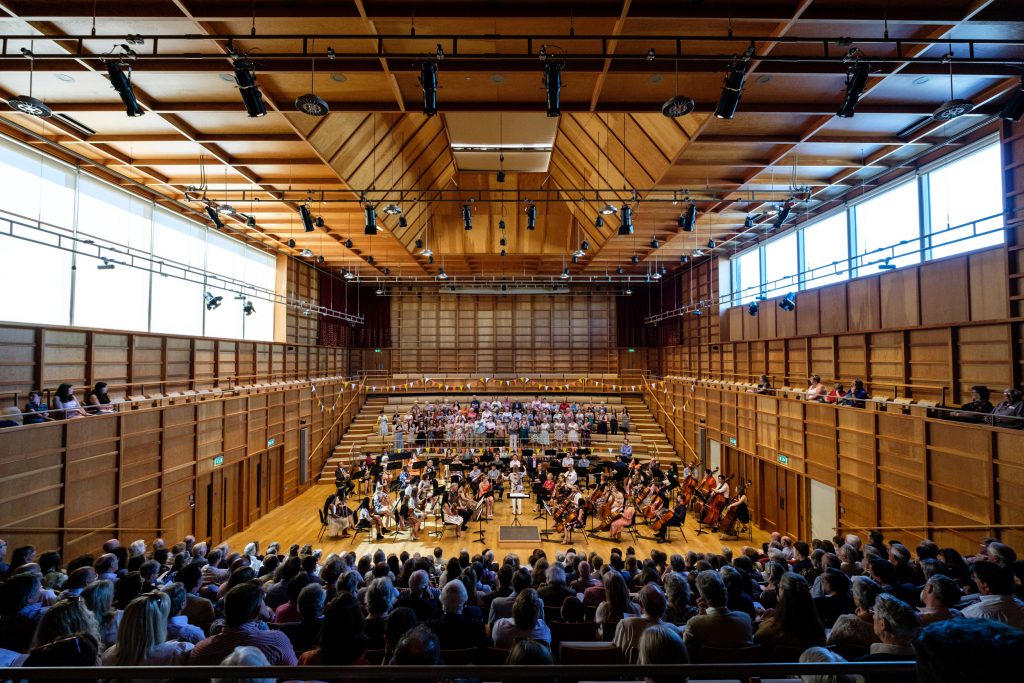 Launching on Friday 31 May with a sonorous concert by the Chamber Choir and Consort in Canterbury Cathedral Crypt, our musical farewell to the academic year unfolds over the next eight days to include a trip to the seaside with the University Big Band at Deal Bandstand, a recital by University Music Scholars, a Gala concert with the Concert and Big Bands, the Str
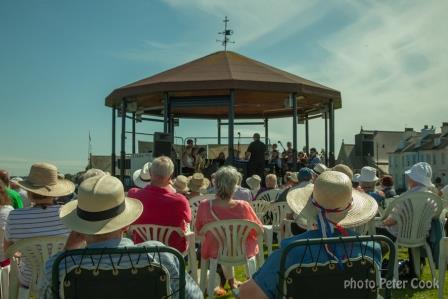 See all that’s to come, grab your tickets and help us celebrate another musical year in the life of the University as it draws to a festive close. The brochure will be available shortly…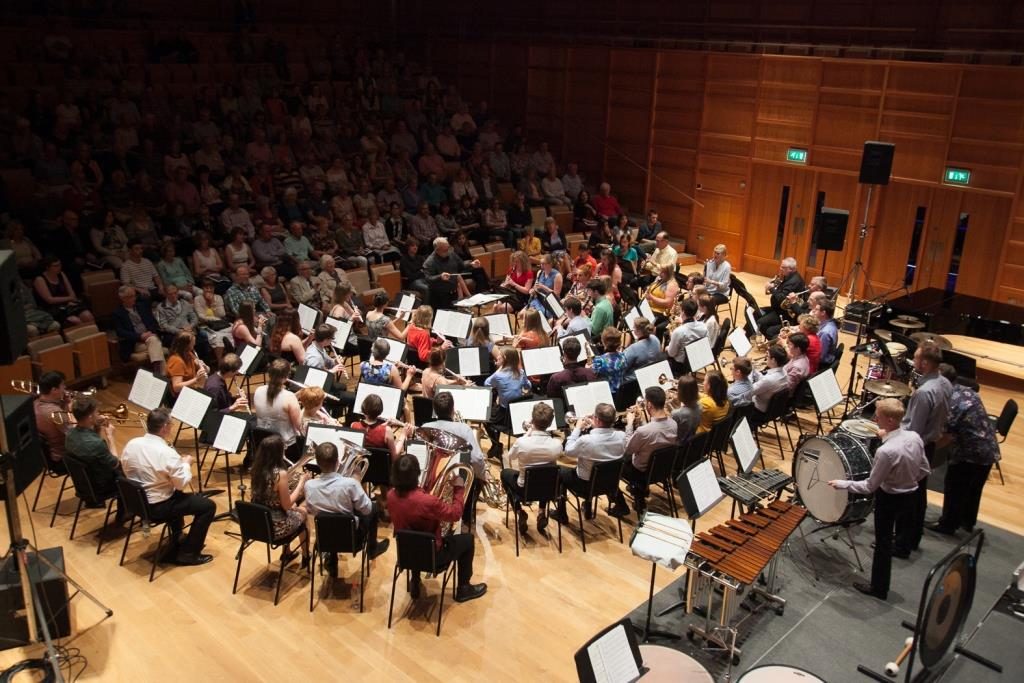
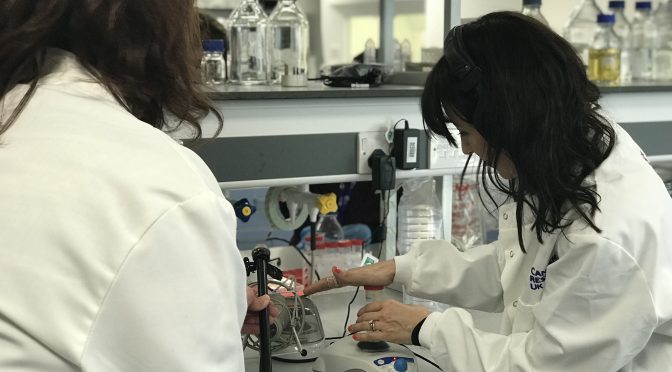
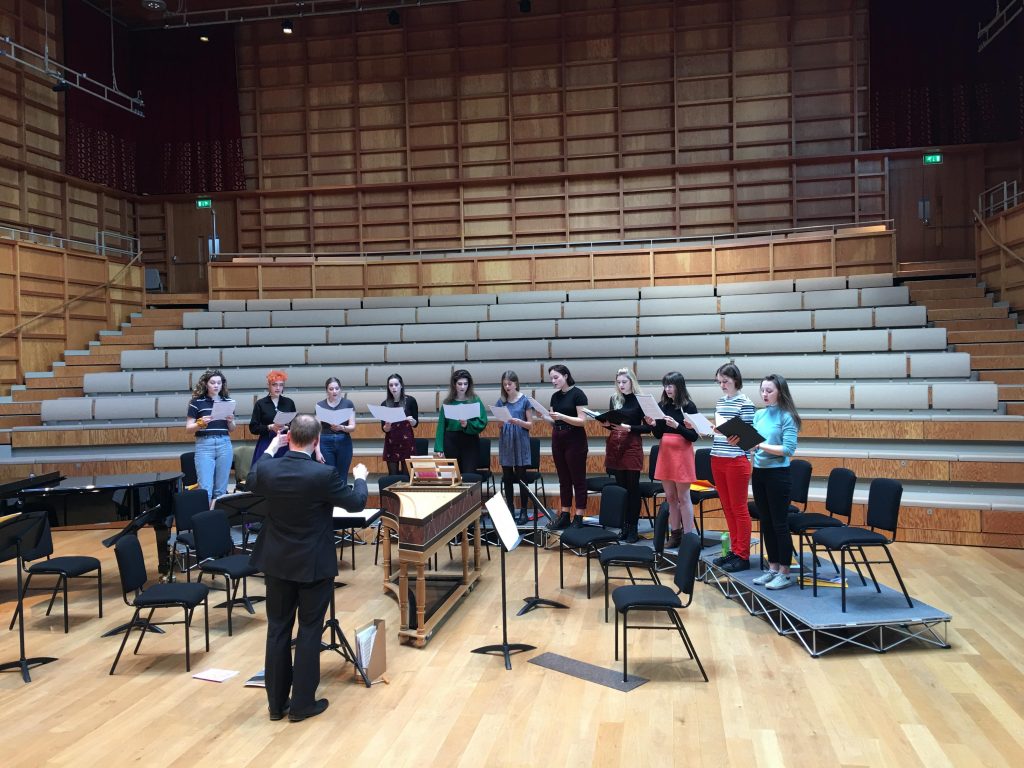
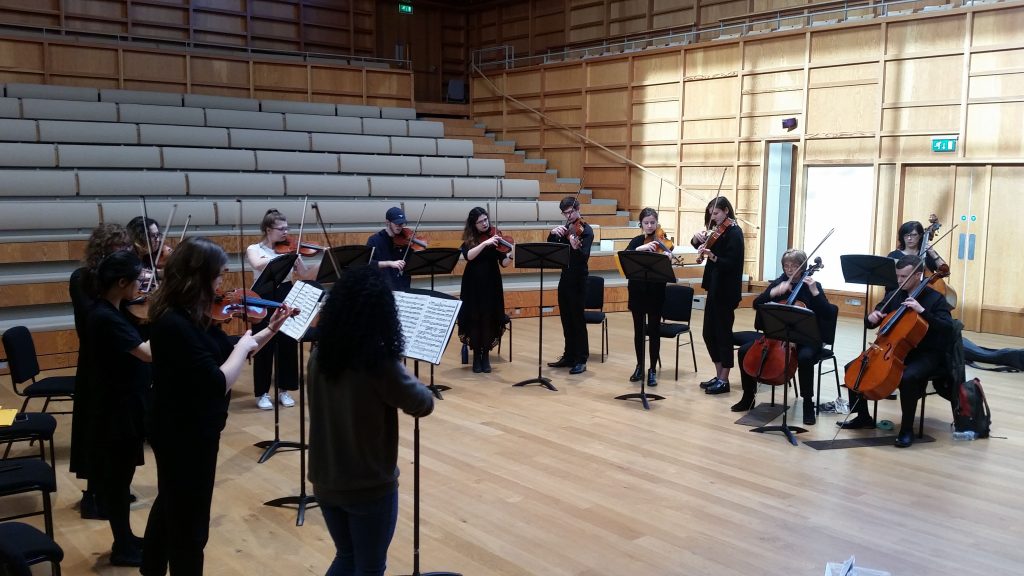
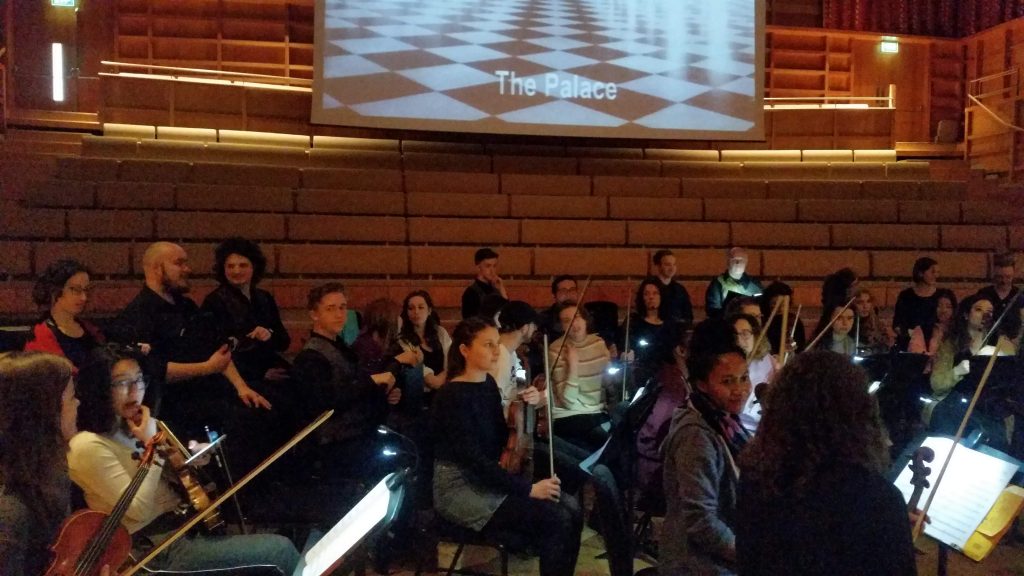
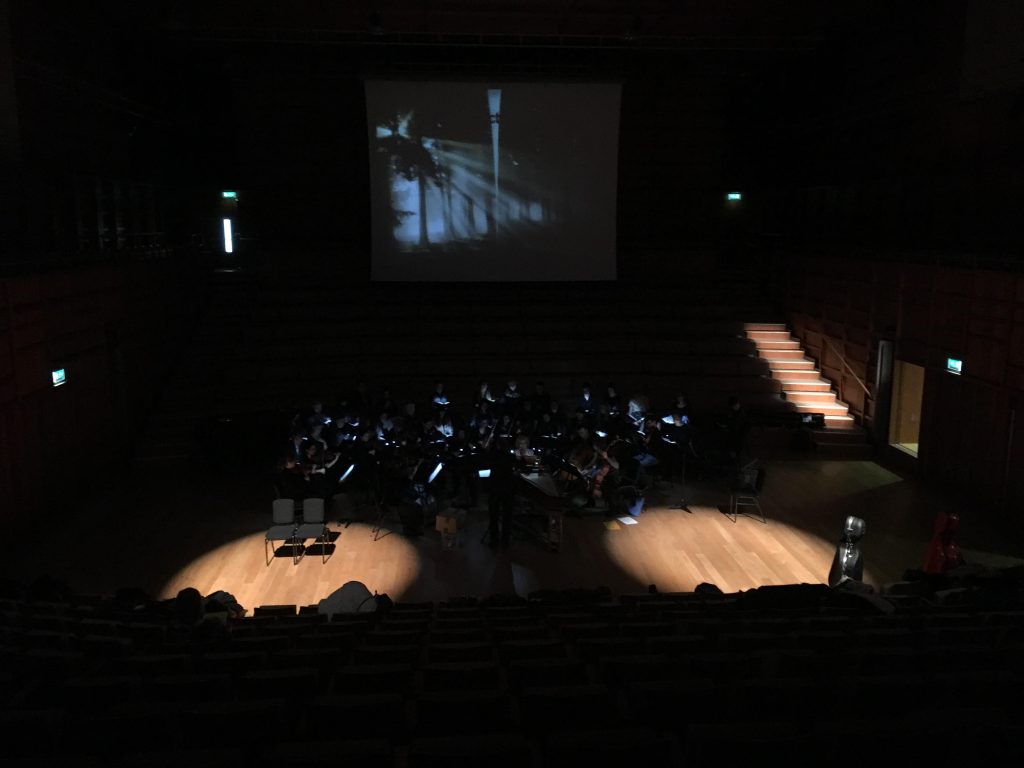
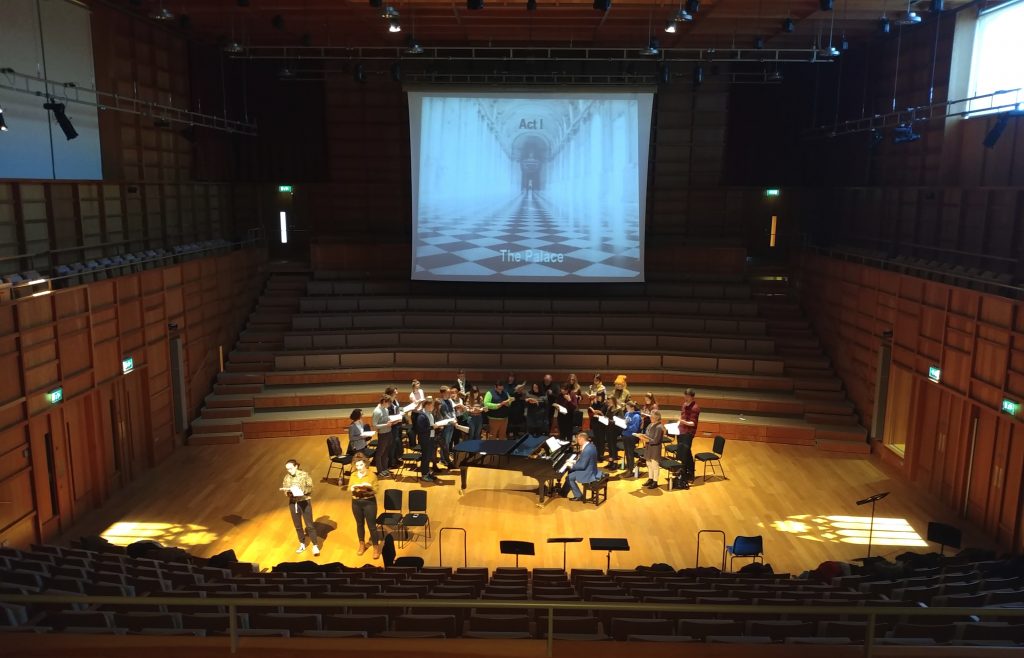
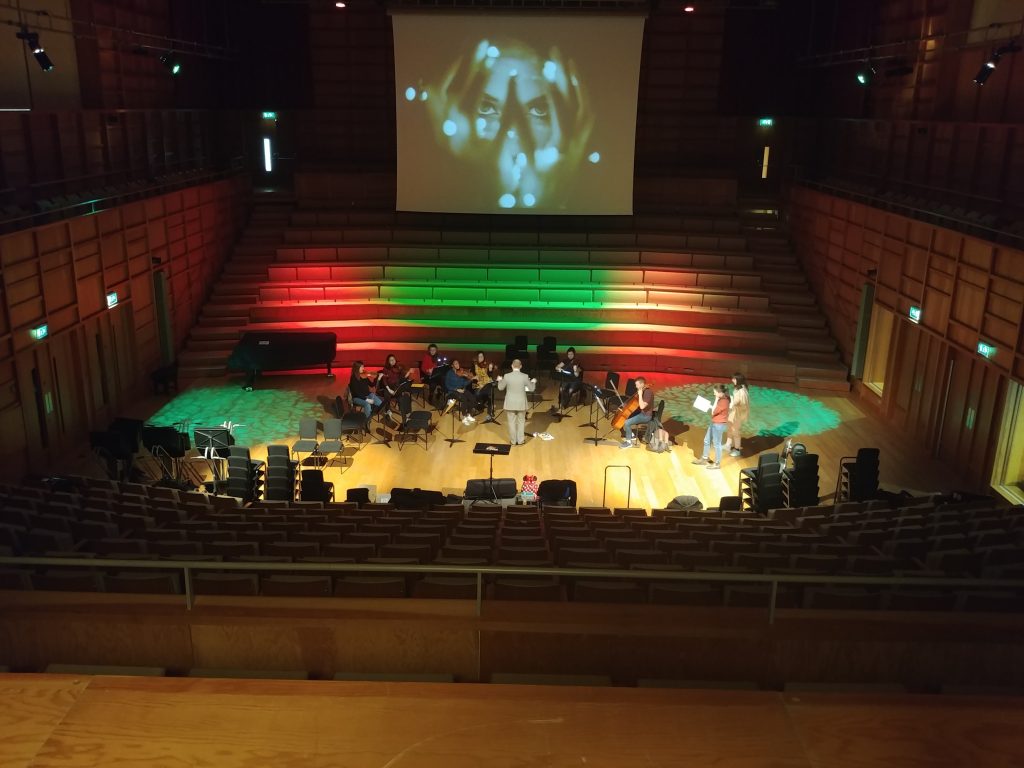
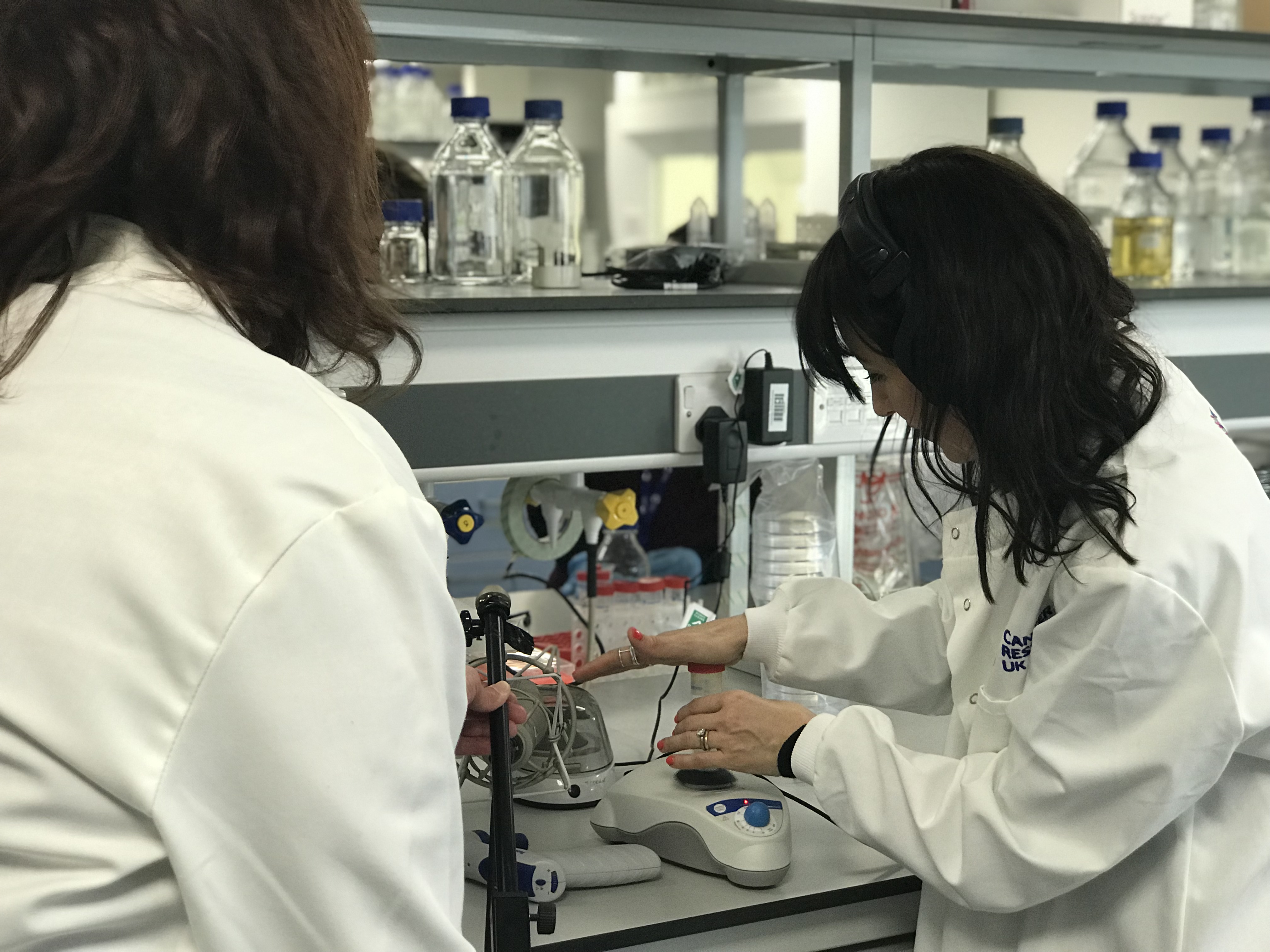 Bringing together a combination of disciplines, the mixture of live music, projections and performers forms a new, highly creative approach to engaging audiences with cutting-edge scientific research data; the project presents images and film generated by exploratory research at the sub-molecular level. Field recordings from the laboratories at the University are also incorporated into a mesmerising soundscape clothing the live musicians, forming an evocative sonic backdrop to stunning research imagery.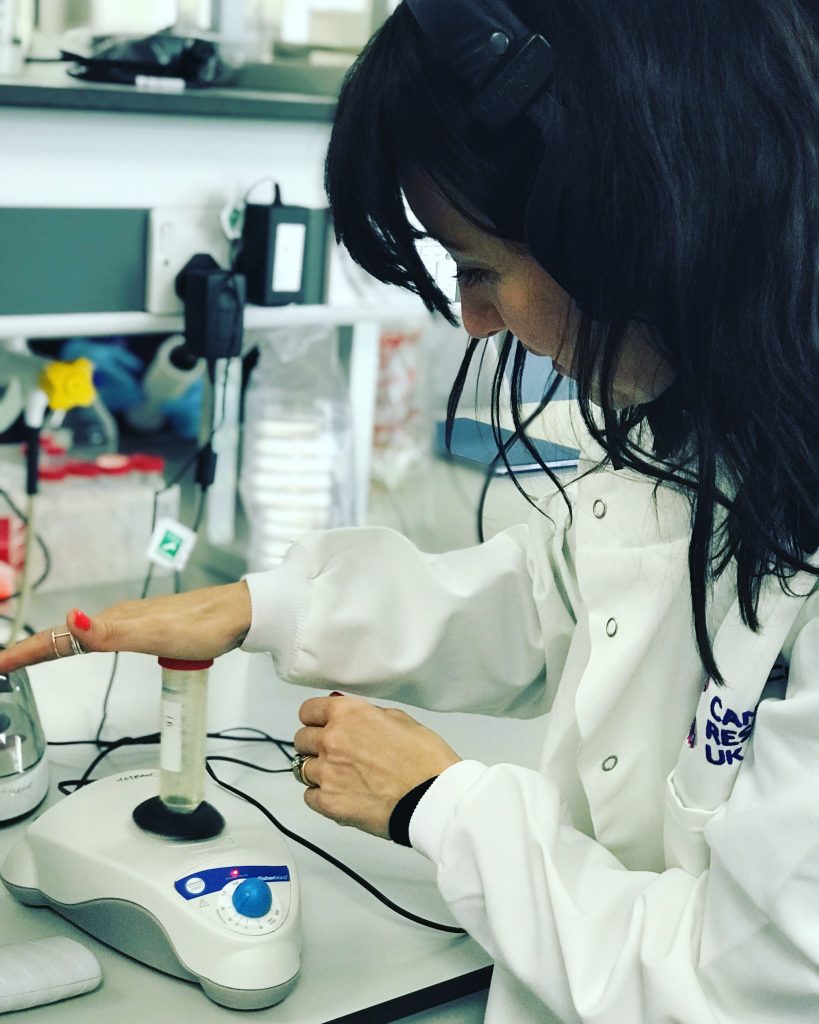
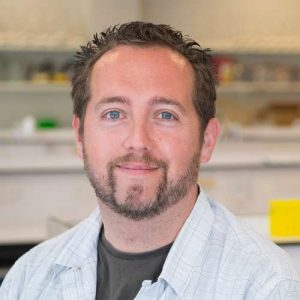 The research, led by Dr Chris Toseland, explores Gene Expression, and is used to combat diseases. Funded by Cancer Research UK, Chris’ research is the inspiration behind the 38-minute work for choir, solo violin, string ensemble, synthesiser and percussion. Chris received a BSc (Hons) in Biochemistry from the University of Wales – Aberystwyth in 2006 then commenced a PhD at the MRC National Institute for Medical Research – London. He received his PhD in 2010 from the University of London. His thesis focused upon the biochemical and biophysical characterisation of DNA helicases. At the end of his PhD, Chris was awarded an EMBO Long Term Fellowship to move to the Ludwig Maximilians Universität – Munich to work on single molecule studies with myosin motors. After 3 years he relocated to the Max Planck Institute of Biochemistry with a research focus on genome organisation. Chris joined the School of Biosciences in 2015 as a Leverhulme Early Career Fellow. In the same year he was awarded a highly prestigious MRC Career Development Award to establish his research group.
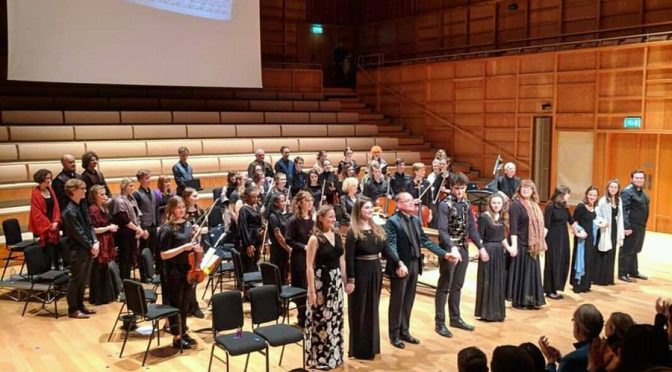
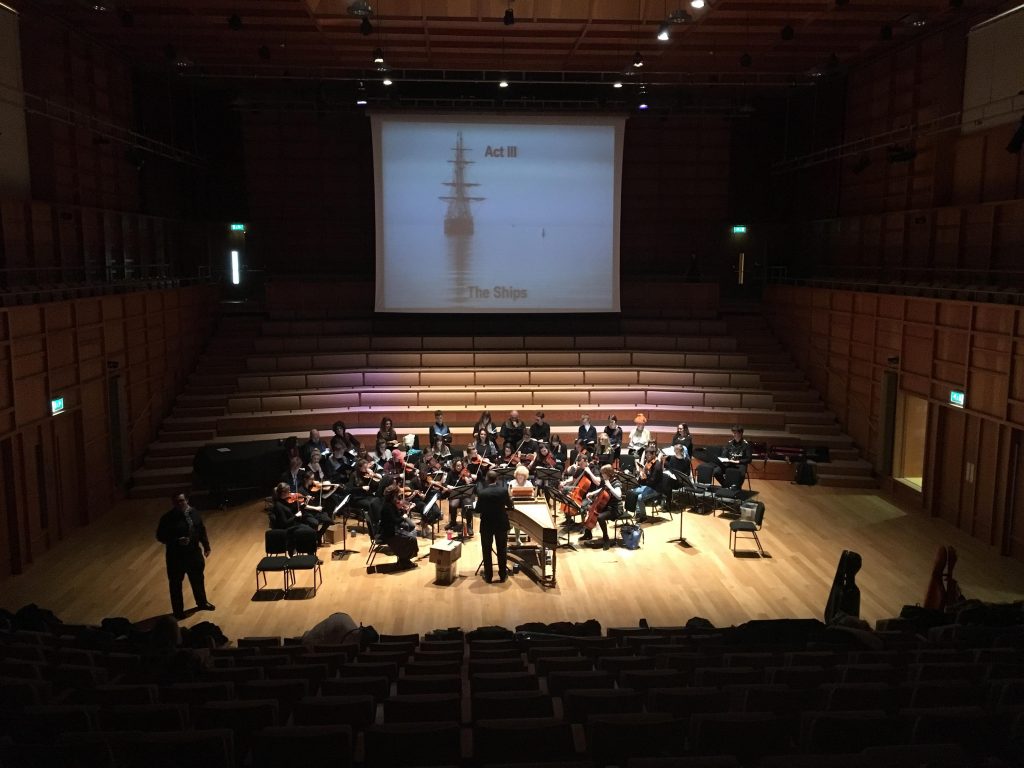
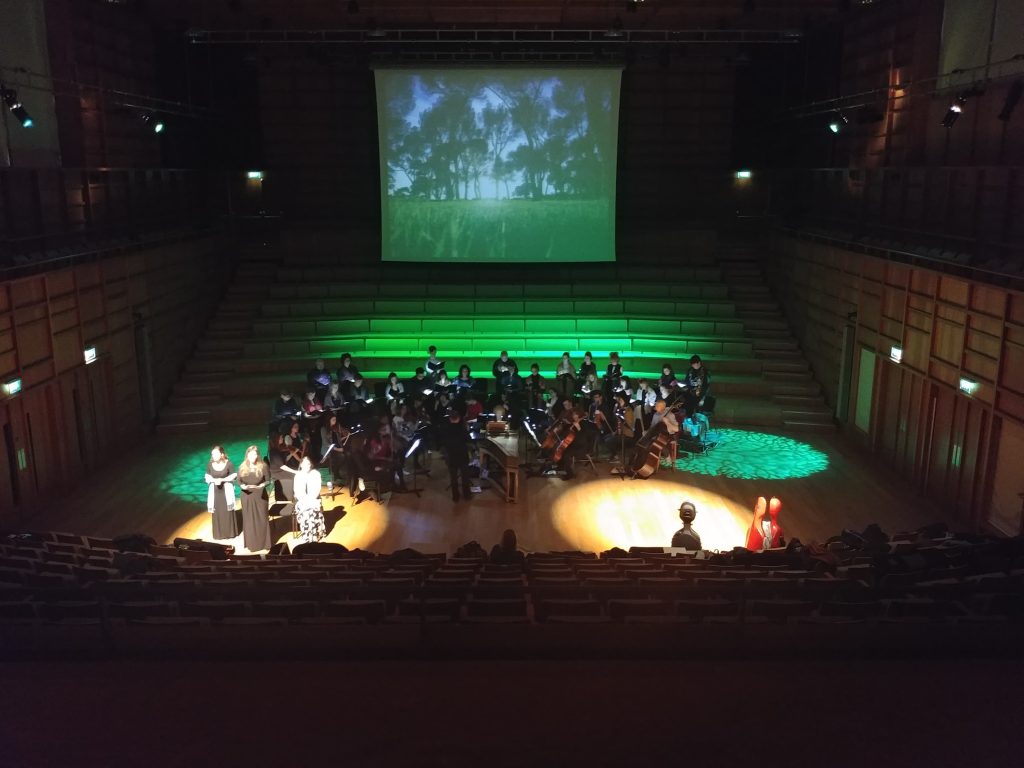
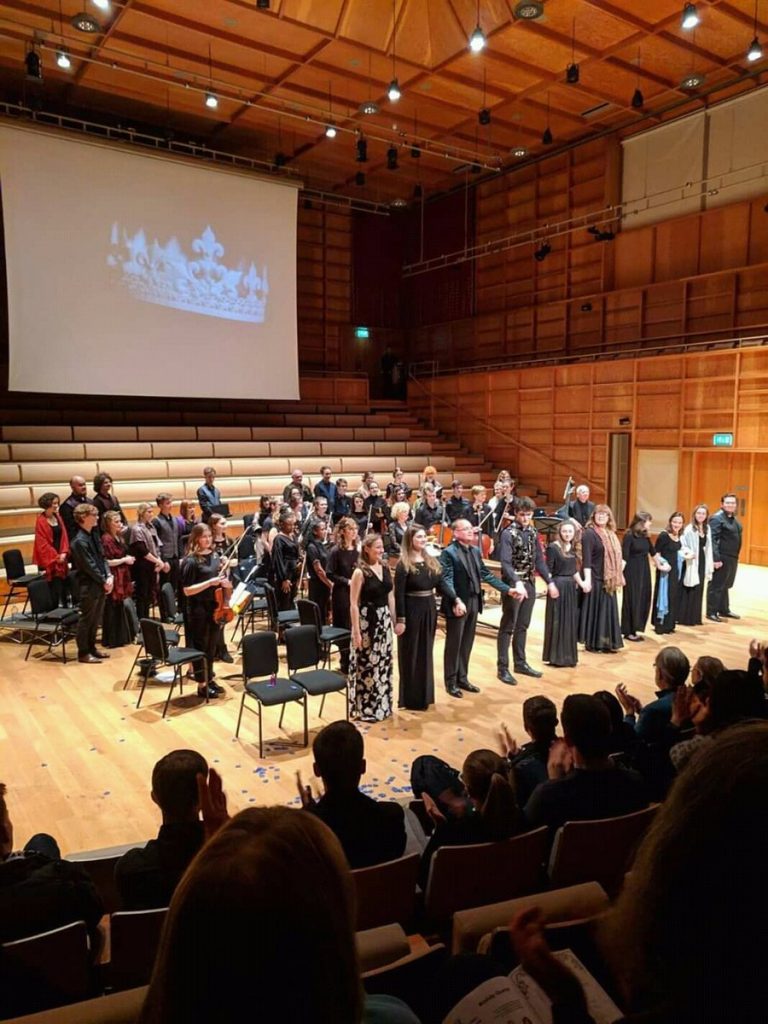
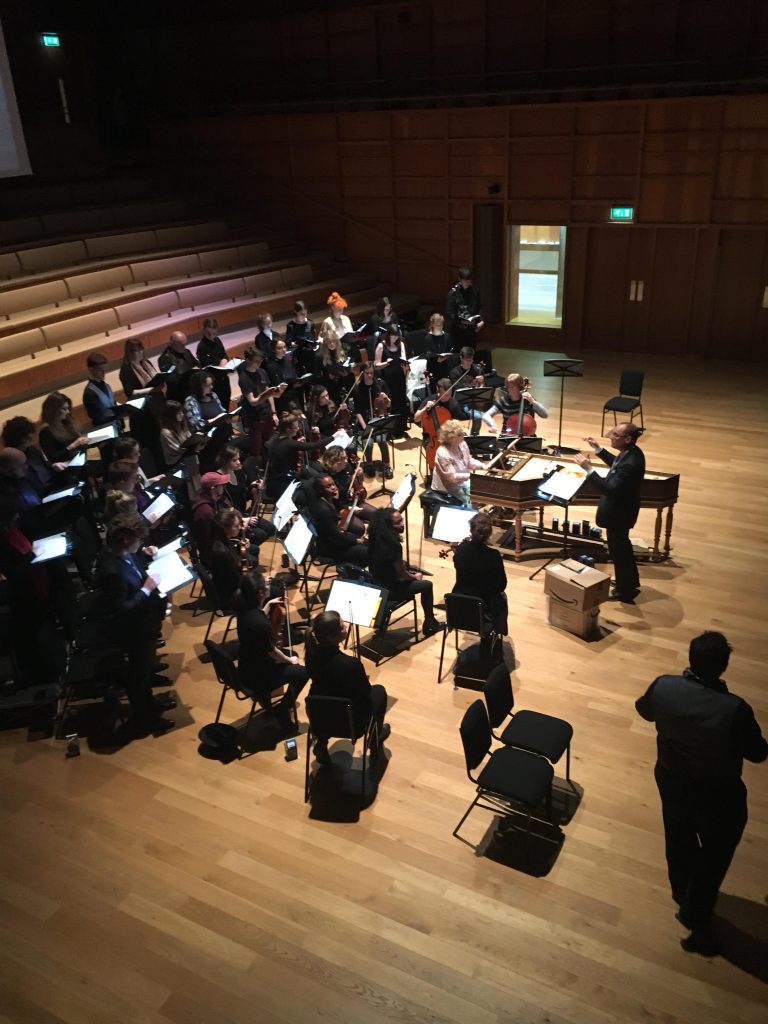
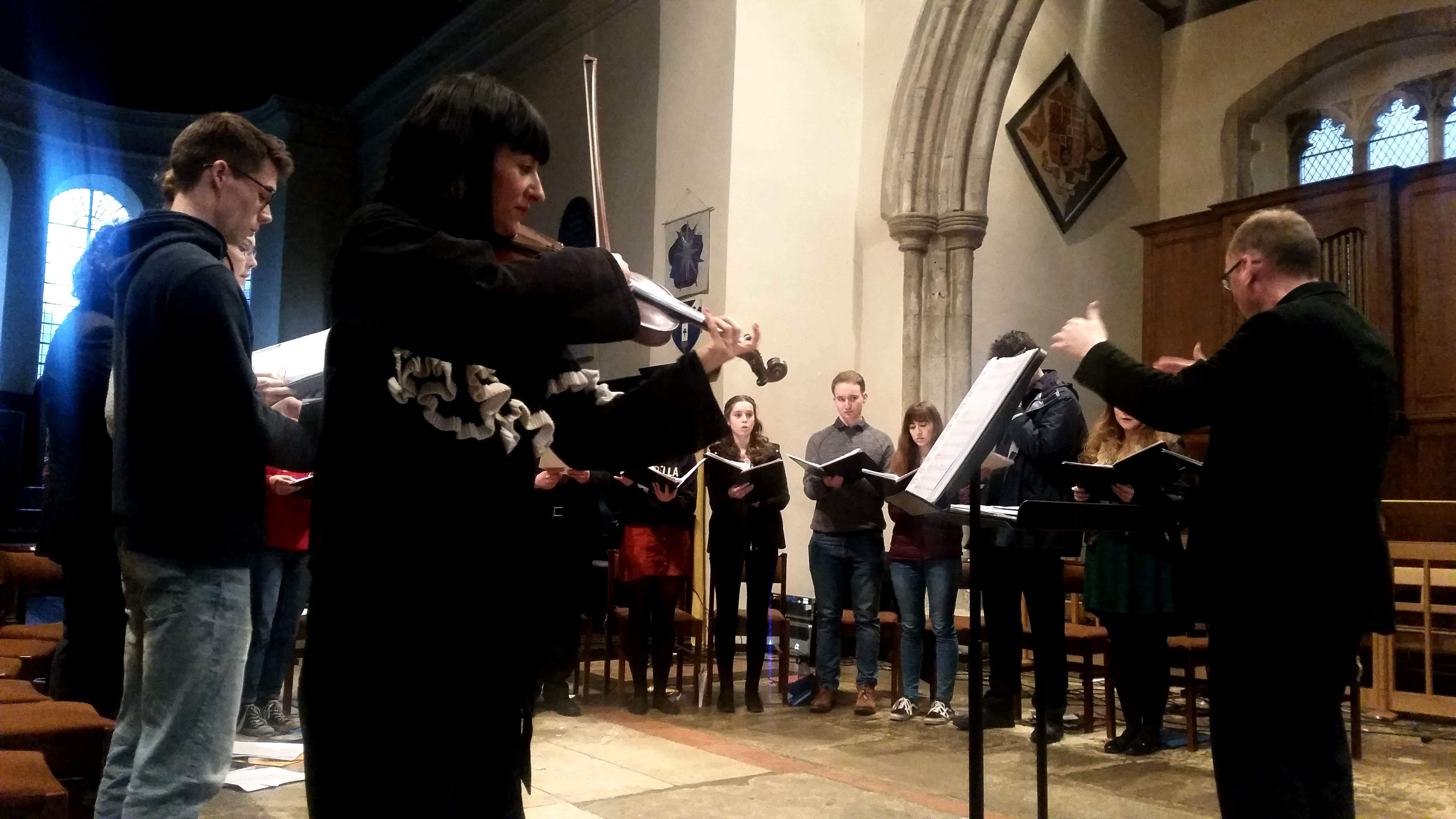 The premiere of Between Worlds in its entirety, complete with live projections and electronic soundscapes, will be given on Friday 7th June 2019, in the spectacular surrounding of the University’s Colyer-Fergusson concert-hall, conducted by Dan Harding, as part of the Music department’s annual Summer Music Week festival.
 For tickets and event details,
 The performance was the culmination of the ensemble’s five-day visit to Canada, which also saw them give a