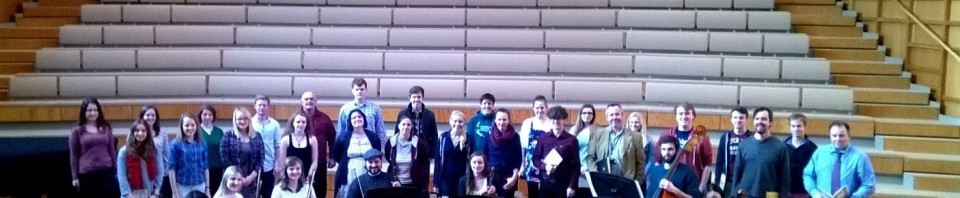
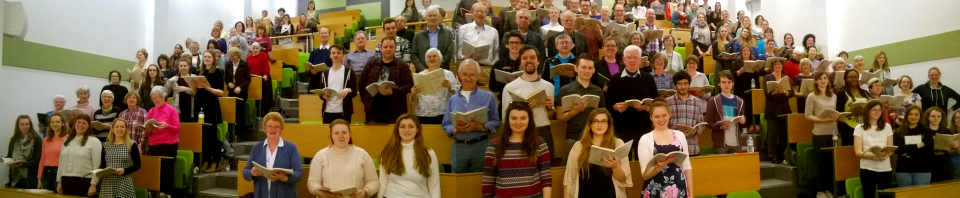
The University Cecilian Choir and String Sinfonia have each been quietly preparing for the concert at the end of the month, at which they will come together to perform Monteverdi’ brilliant Beatus Vir and a motet by Hassler.

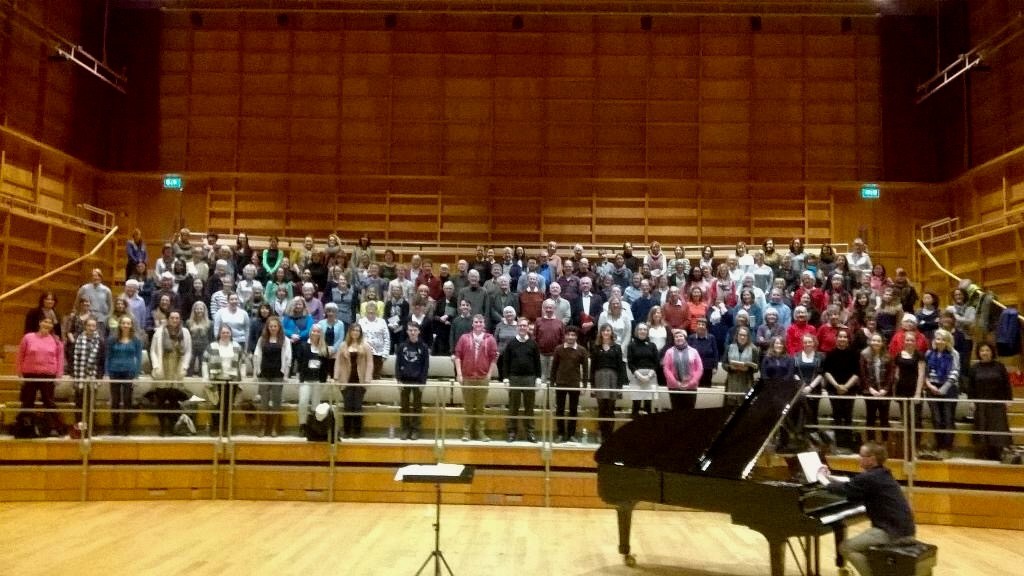
The two forces came together for the first time yesterday to unleash Monterverdi’s dramatic piece in the hall, with fantastically exciting results. It’s not an easy work; dialogue between the various sections of the choir, and between the choir and the strings, means that there’s no respite – you can’t lose concentration for a moment, and need to be poised constantly for the next entry.
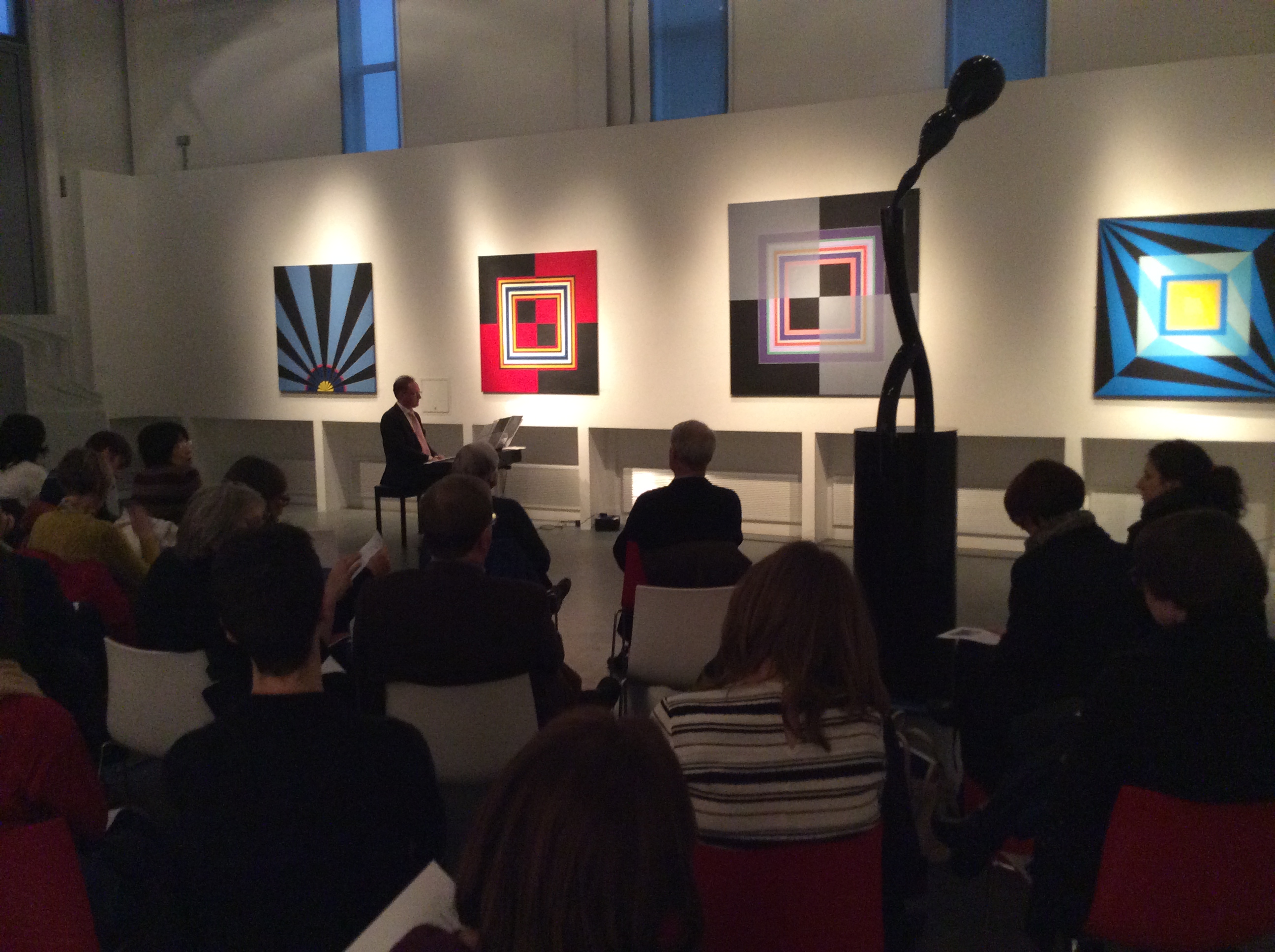
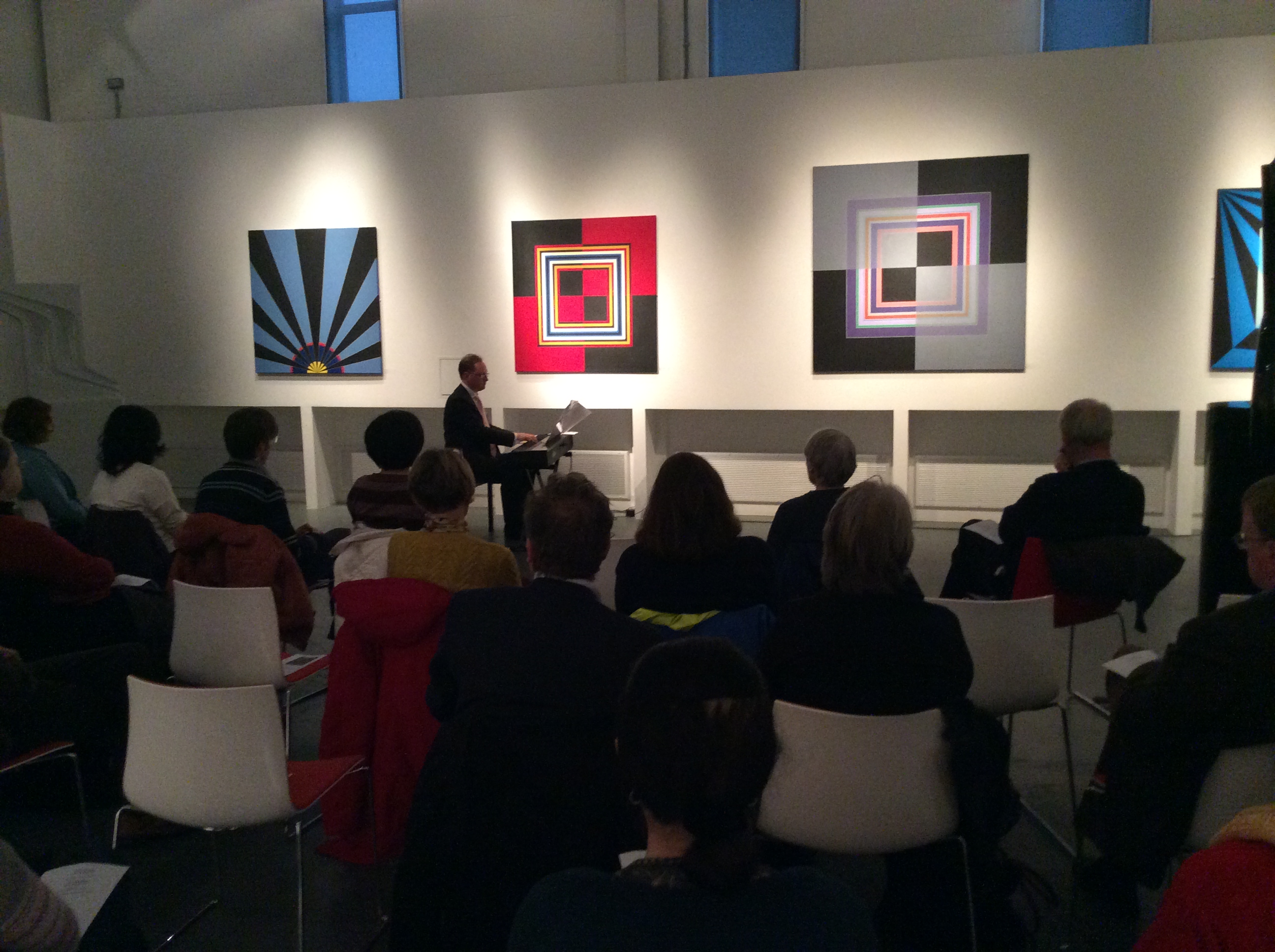
The eagle-eyed amongst you will have noticed the digital piano to the fore, which with its harpsichord patch is currently standing in for the genuine article, which is being built and which we hope will be arriving in time for the concert.
Well done to the assembled team; the final performance will involve yet more musicians who were unable to make yesterday’s rehearsal, bringing the combined forces to just under fifty students, staff and alumni. Choir and Sinfonia will be performing on Friday 27 March in a programme shared with the University Chamber Choir and the launching of the new Alumni Chamber Choir, Invicta Voices. The concert is free to attend: more details here.
To whet your appetites, here’s the piece in a vivacious performance from the excellent Collegium Vocale Seoul.

 The quintet line-up reads like a veritable ‘Who’s Who’ of British jazz, and includes drummer Trevor Tomkins, saxophonist Simon Spillett and pianist John Horler. I remember hearing a gig with John Horler and guitarist John Etherbridge broadcast on Radio 3 a few years ago that was mesmerising.


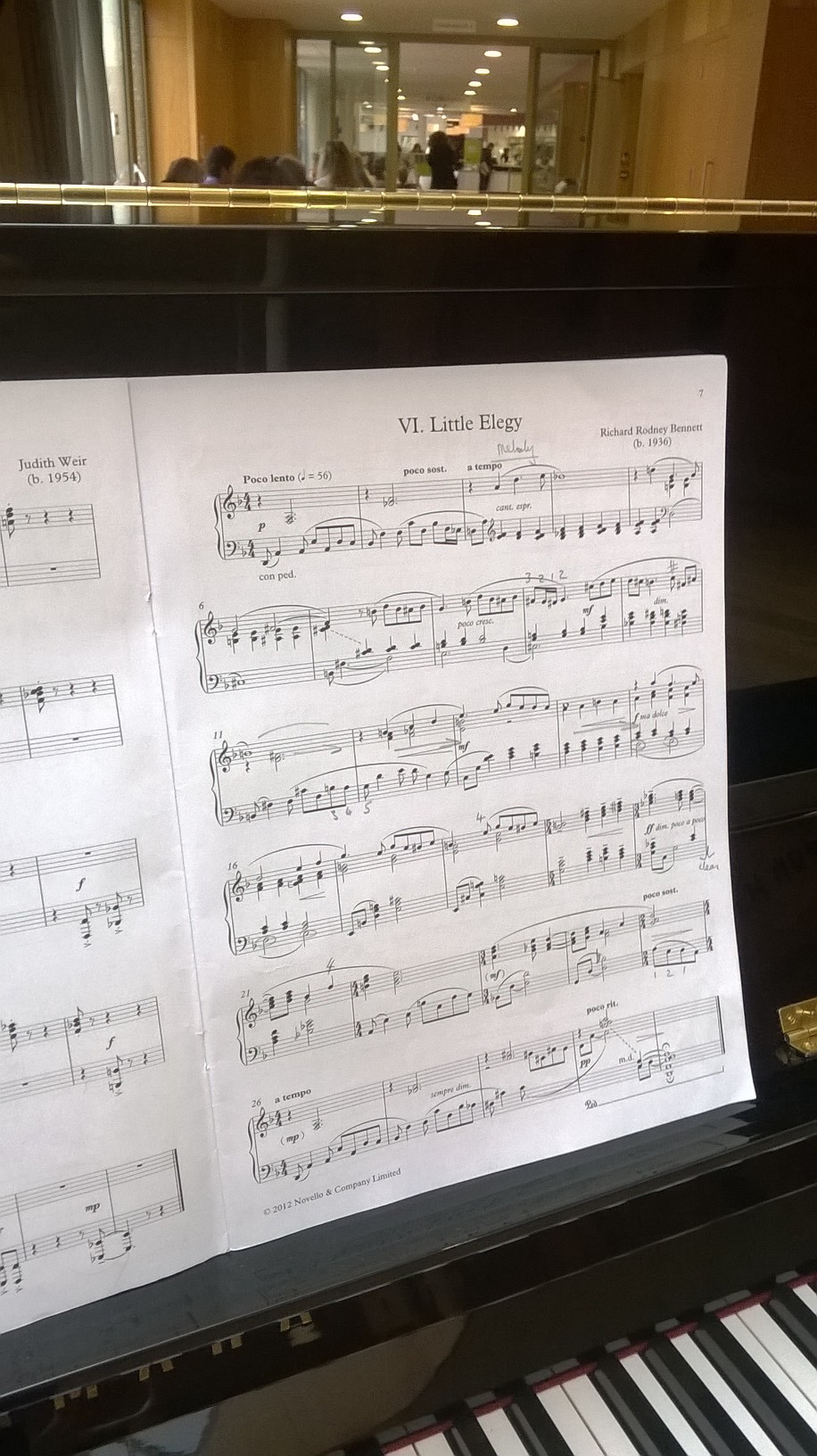
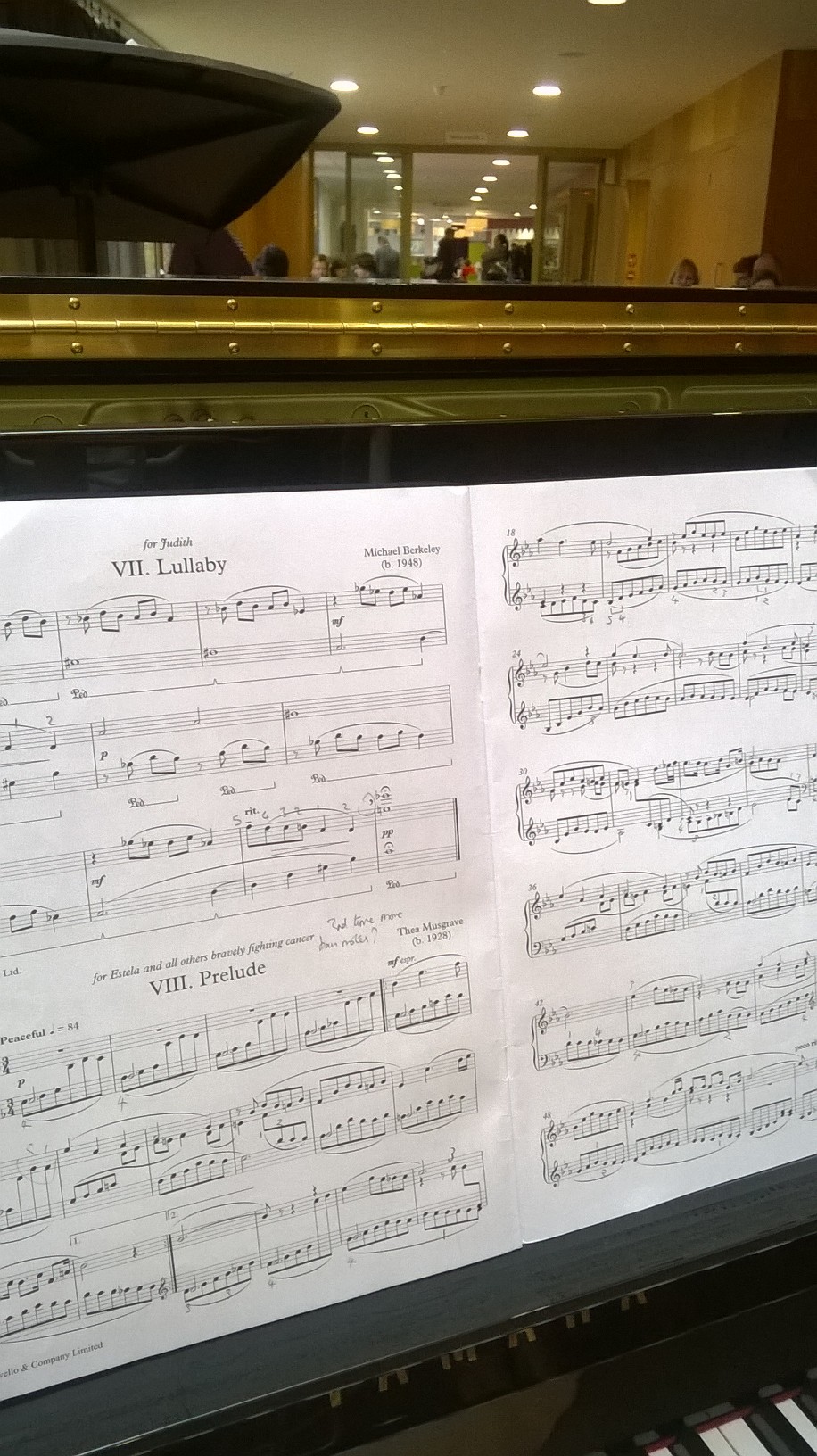
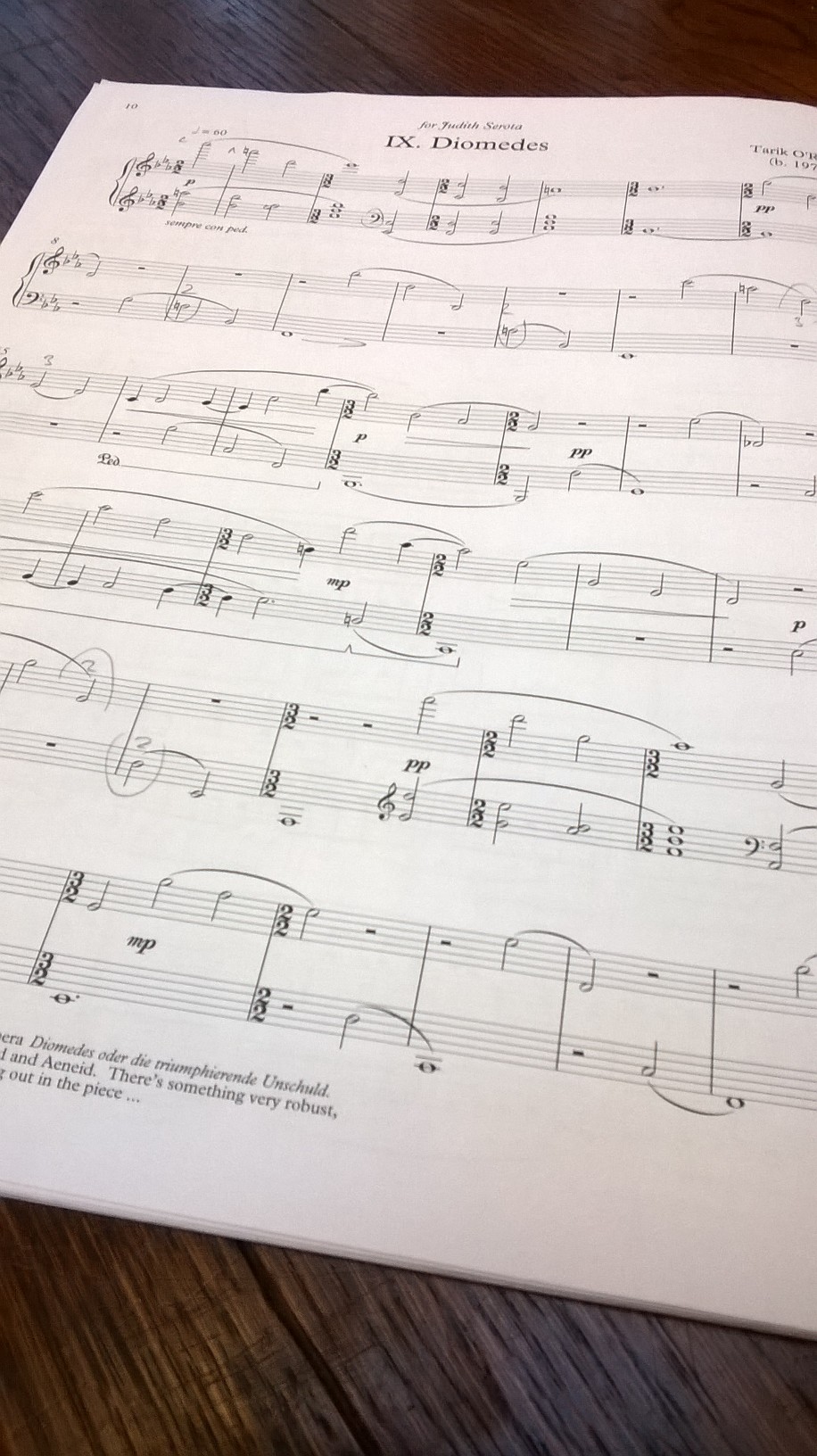



 Join us (and the Verdi Drum) for high drama on March 14th – details and tickets
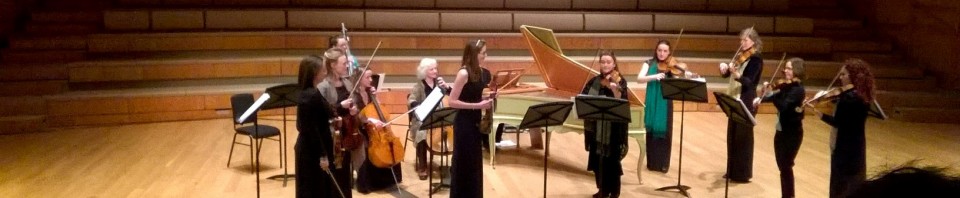
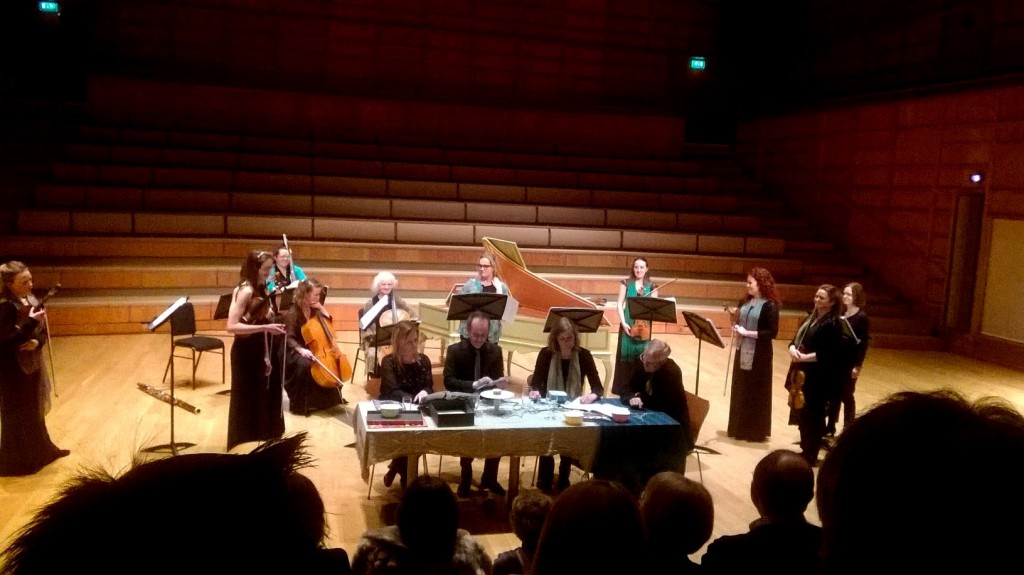
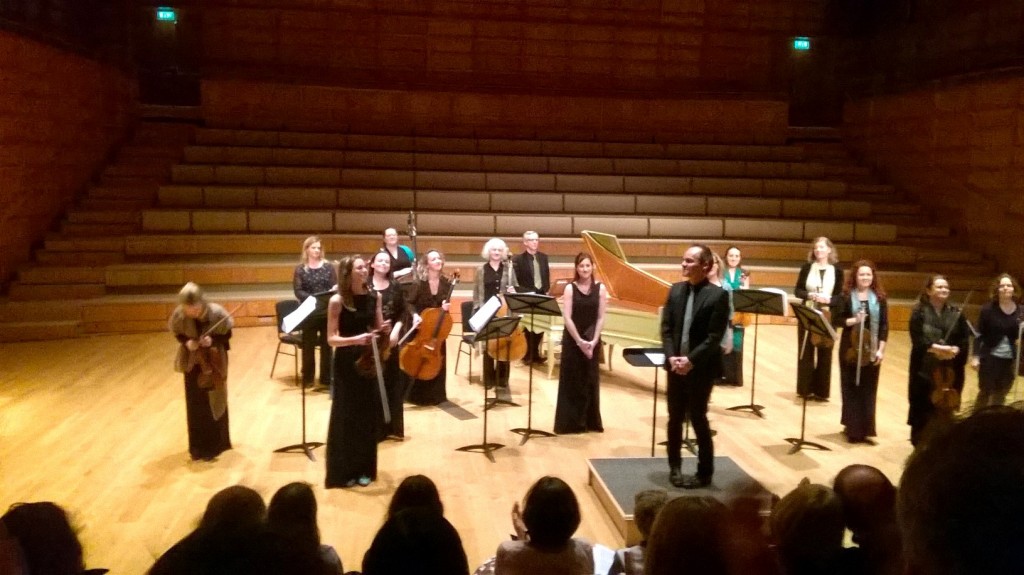 The evening opened with Handel’s Silete Venti, conducted by Alex Caldon, with Susanna Hurrell’s bright, spinning soprano a perfect foil for the supremely accomplished Ilid Jones on oboe; the performance deftly captured the wide range of both the drama and the melodic grace of the piece, delivered with stylish aplomb.
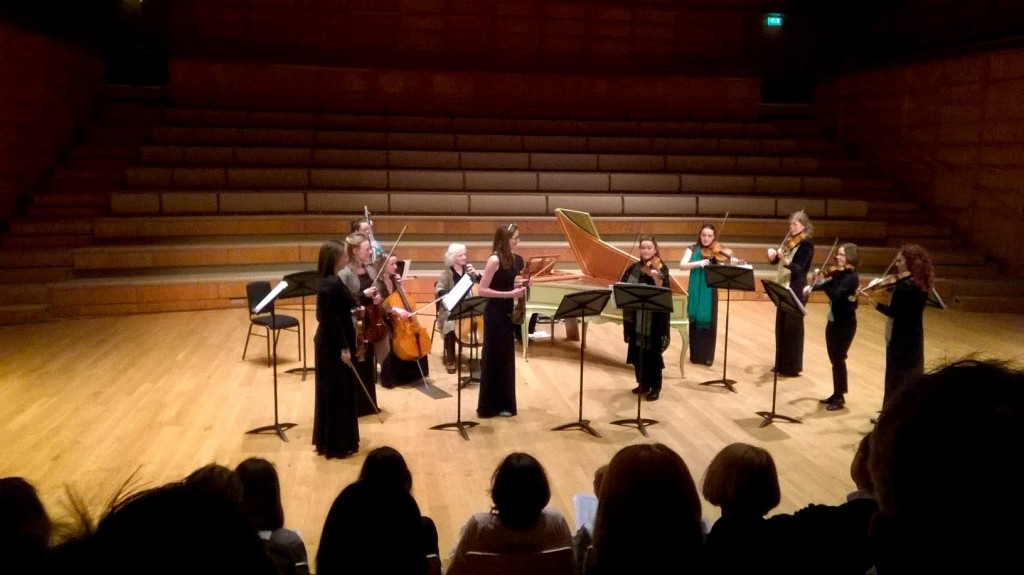 The second half alternated movements of Telemann’s Tafelmusik with Cage’s Living Room Music; gathered around a dining-table, various members of the ensemble took turns to wield chopsticks, cutlery and even children’s toys to realise Cage’s exploitation of household objects, at one point updating it to deploy iPhones and an iPad to reflect the twenty-first century – an energy-drive reading of a different kind.