
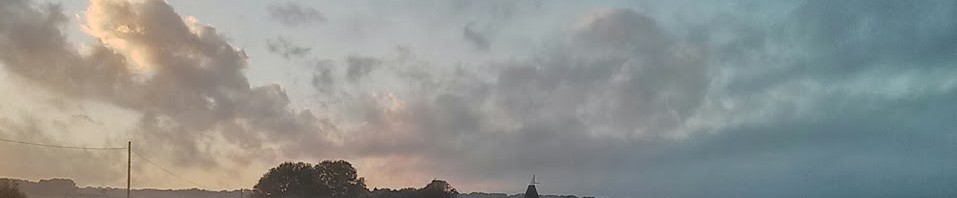
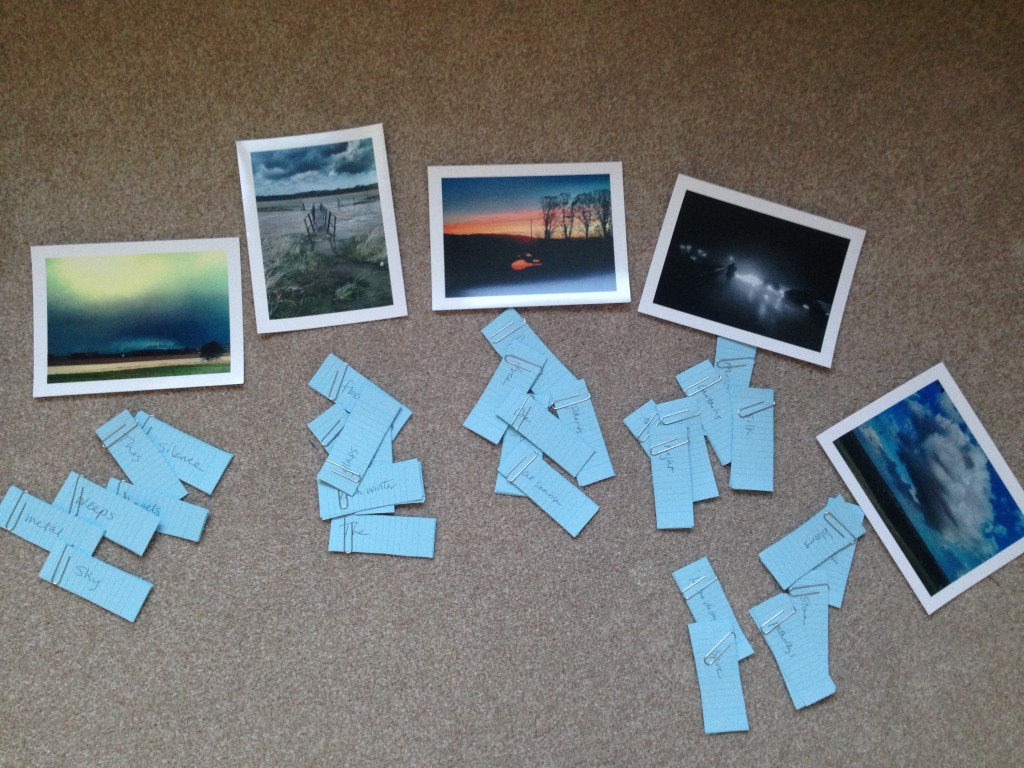
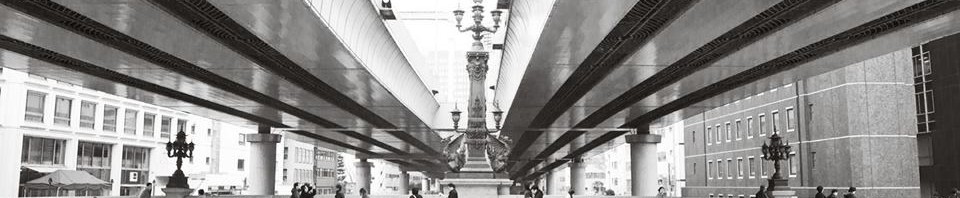
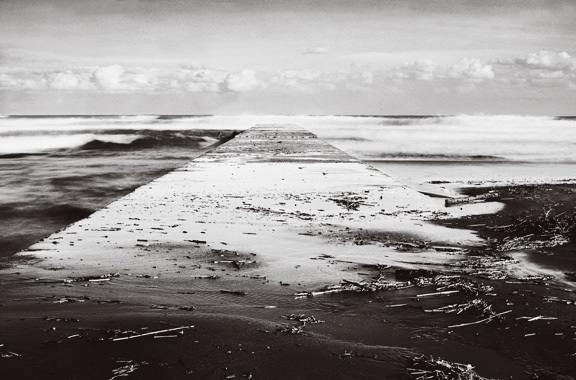
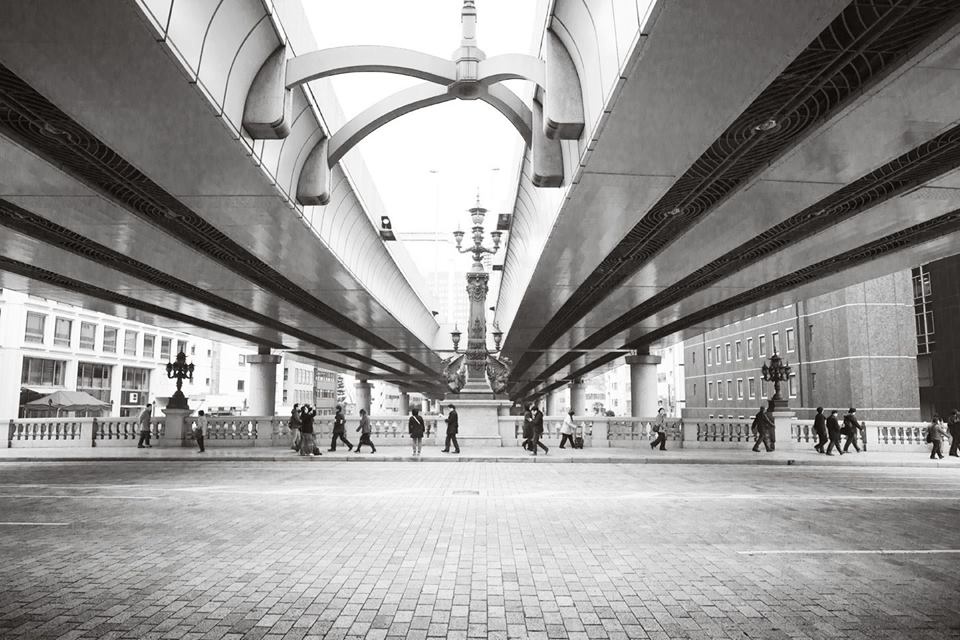
As part of the Ringing Changes project commissioned by the Music Department for the University’s 50th anniversary celebrations – the premiere of which takes place on Friday 12 June (read more here) – photographs by Phil Ward (Deputy Director of Research Services) are being exhibited in the new Colyer-Fergusson Gallery, to coincide with the performance. Several of Phil’s images will be projected above the stage during the concert, to which the text for the piece (by Patricia Debney from the School of Creative Writing) was written in response. I caught up with Phil, and asked about the inspiration for his photography, and the experience of collaborative working as part of the project.
How did your passion for photographing the landscape come about ?
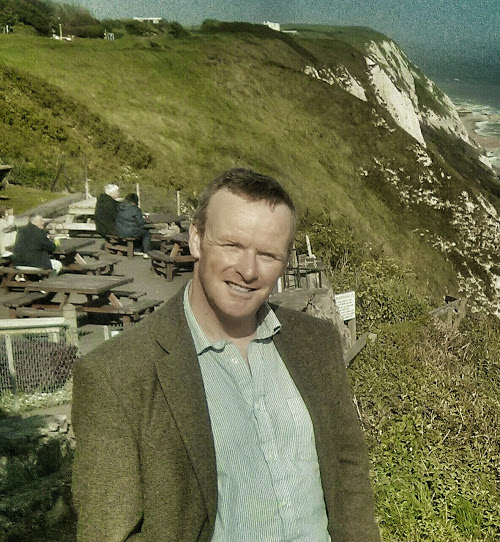
When I was younger I used to take and develop my own black and white photographs. However, that fell by the wayside somewhat with moving houses, changing jobs, starting a family. Two things got me back in to it. The first was the technology. With modern smart phones the quality is so good that you essentially always have a decent camera with you. Sure, it’s not perfect, but it does mean that you don’t have to take a lot of equipment with you, so you’ll always be ready to capture that fleeting moment, the changing of the light, that sudden stillness. And the second was starting to cycling to work, and passing through such beautiful and ever changing landscapes. It was irresistible!
There must be something about the Kentish landscape in particular that attracts you; is there ? Are you a modern-day digital pilgrim ?!
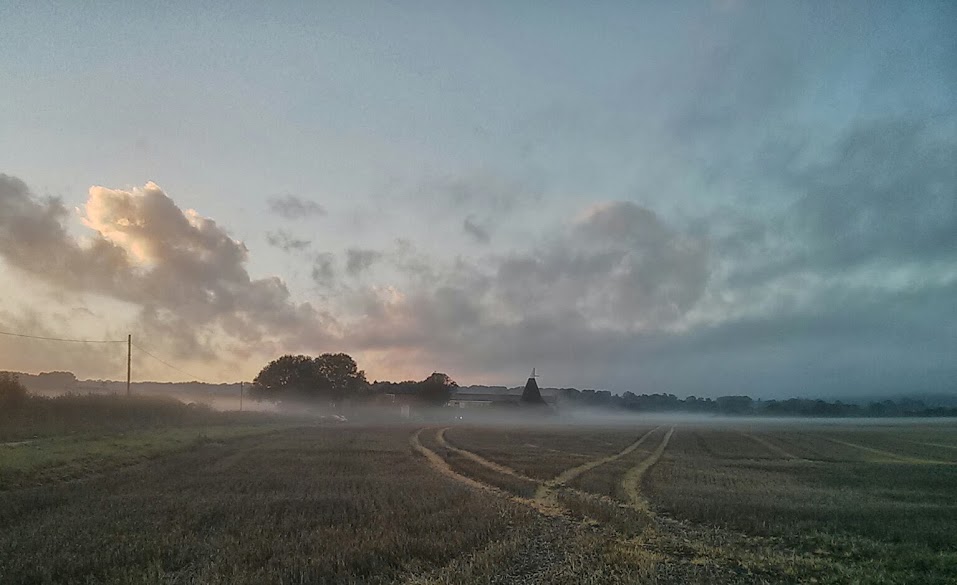
As I say, it came about when I started cycling between Wye and Canterbury to work. As part of the route follows the pilgrim trail, I guess I am a ‘modern day digital pilgrim’! We are incredibly spoilt in this part of the world, both for the myriad back roads and tracks that make cycling a joy, but also the beauty and variety of the countryside, from the bucolic, quintessentially English charm of the rolling Downs, to the flat wildness of Romney Marsh, the bleakness of Dungeness, or the dozens of varied beaches. But I also like the less picturesque, the things that others might find ugly, from corrugated iron barns, to greasy spoon cafes, to the detritus next to the Stour river.
Your images are used in the choral commission being performed on the 12 June; what’s it been like to collaborate with Matthew and Patricia ?
It’s been an immense honour and privilege, but it does make me feel like a fraud! For me, I had already produced the work; for them, they are having to create new pieces. I imagine being inspired and creative to order is incredibly difficult. I hope the photographs have helped them in this. Both of them have been very open to suggestion, and it has felt like an ongoing conversation as it has developed.
What can visitors to your exhibition expect ?
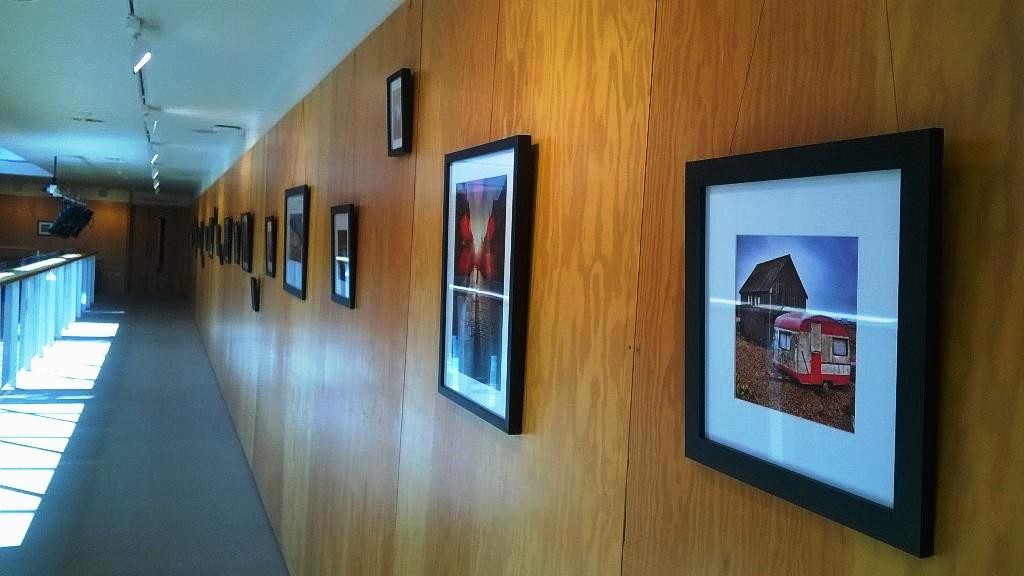
Given the number of images that I’ve got on my blog, it was challenging to cut them down to the selection I’m going to show. I wanted them to be somehow representative, but ultimately went with the ones that I liked best. There will be everything there, from a broken blackbird’s egg found on the Chartham cycle path, to winter mists and summer haze, from the stark beauty of Dungeness to the lush farmland of the Stour Valley. I hope they reflect my journey, my ‘digital pilgrimage’!
The exhibition of Phil’s photographs is now open at the Colyer-Fergusson Gallery, admission free, gallery open during normal working hours. Ringing Changes will be performed by the University Chamber and Cecilian Choirs on Friday 12 June as part of Summer Music Week: details here.

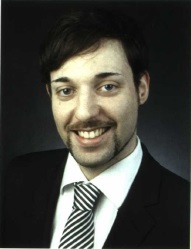 This year, Max Mergenbaum came to Kent to study Politics and International Relations for two terms as an exchange student at the Freie Universität in Berlin. Max played bassoon in the Symphony Orchestra and the Wind Ensemble, and had this to say as he departed these shores to return to Germany.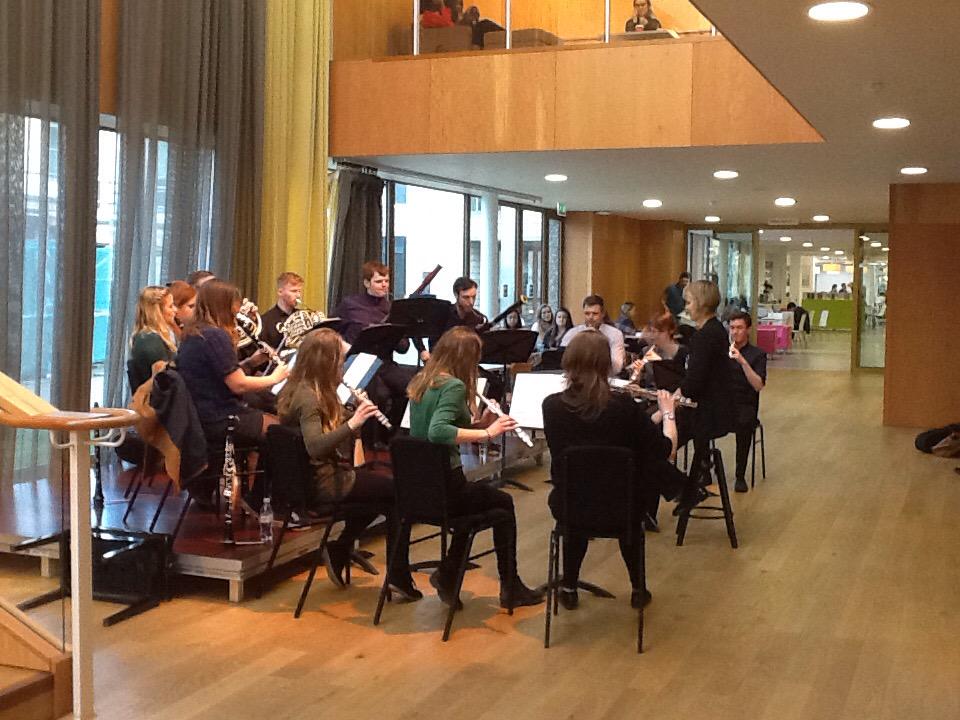
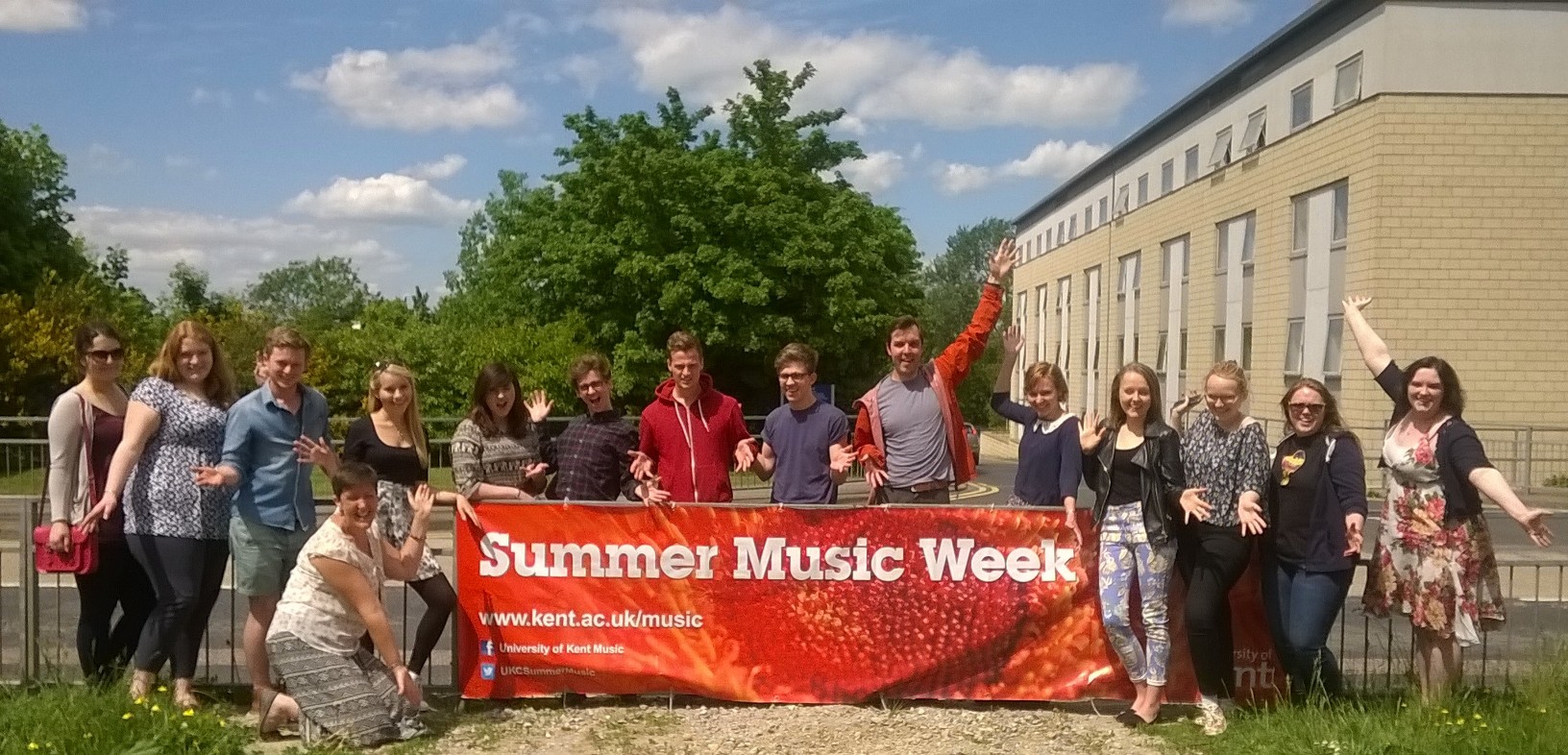
 Running from Sunday 7 to Saturday 13 June, the week kicks off with a seaside visit to the Deal Bandstand with the Big Band; some of the singing Music Scholars will present a programme of Operatic Heroines in Love on Monday 8; the Lunchtime Concert on Tuesday 9 from some of this year’s Music Scholars, followed by the Music Awards ceremony; Wednesday sees the Concert and Big Bands coming together in the evening; Thursday features an informal lunchtime performance from the String Sinfonia; on Friday the Music Theatre Society performs on the foyer-stage at lunchtime, whilst in the evening we present our choral commission from composer Matthew King, poet Patricia Debney with projected photos by Phil Ward, performed by the Chamber and Cecilian Choirs; and the week comes to a festive conclusion with the Chorus, Orchestra and Chamber Choir on the Saturday afternoon, followed by cream teas on the lawn and many fond farewells.
 Relive the memories of last year’s festival on our