
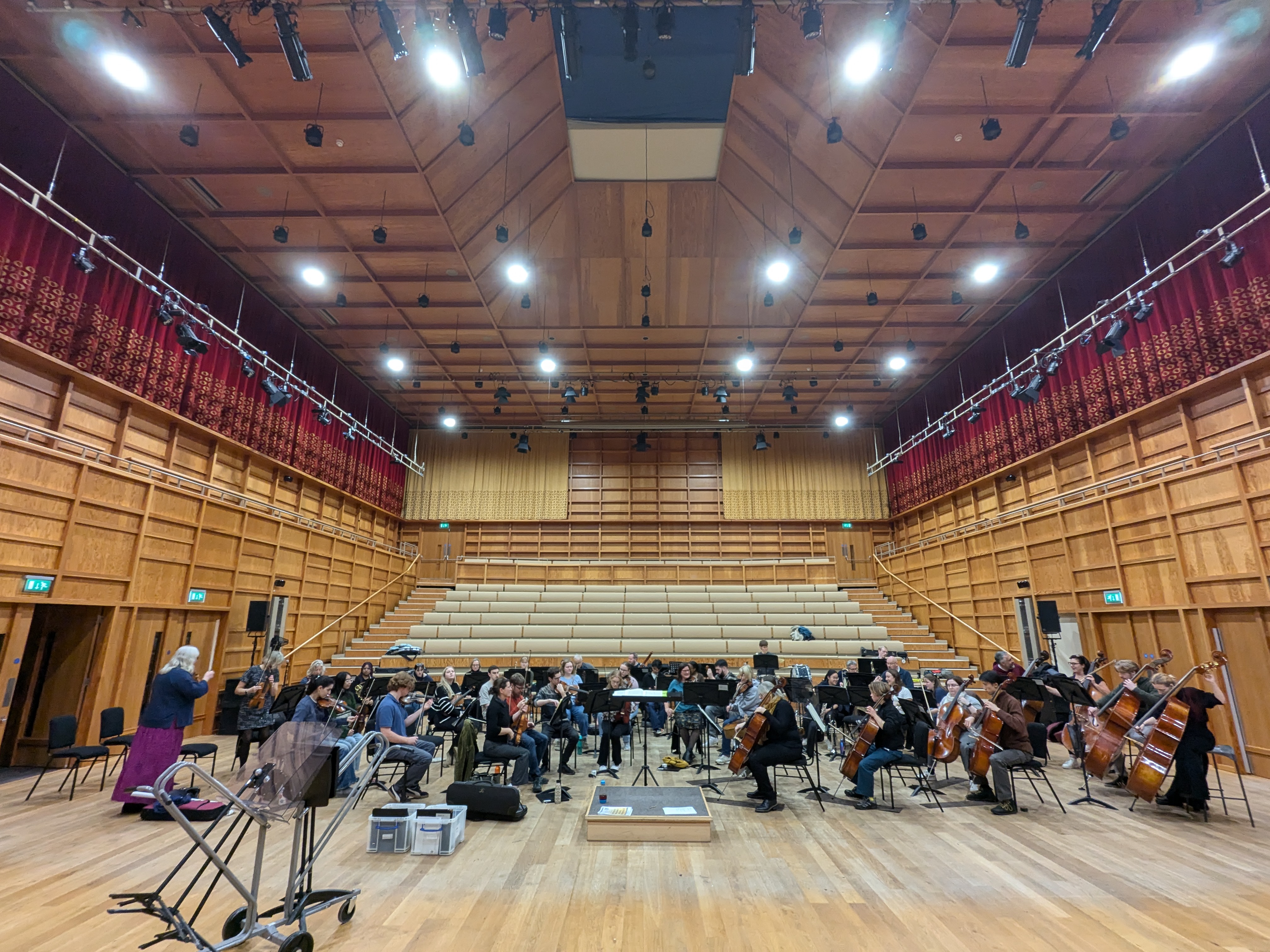
This term, visiting student from Germany Anna Jurgan has been part of the Music department; here, she reflects on the opportunities afforded by becoming involved.
Many of my most beautiful experiences during my time as an exchange student at Kent were in the music groups.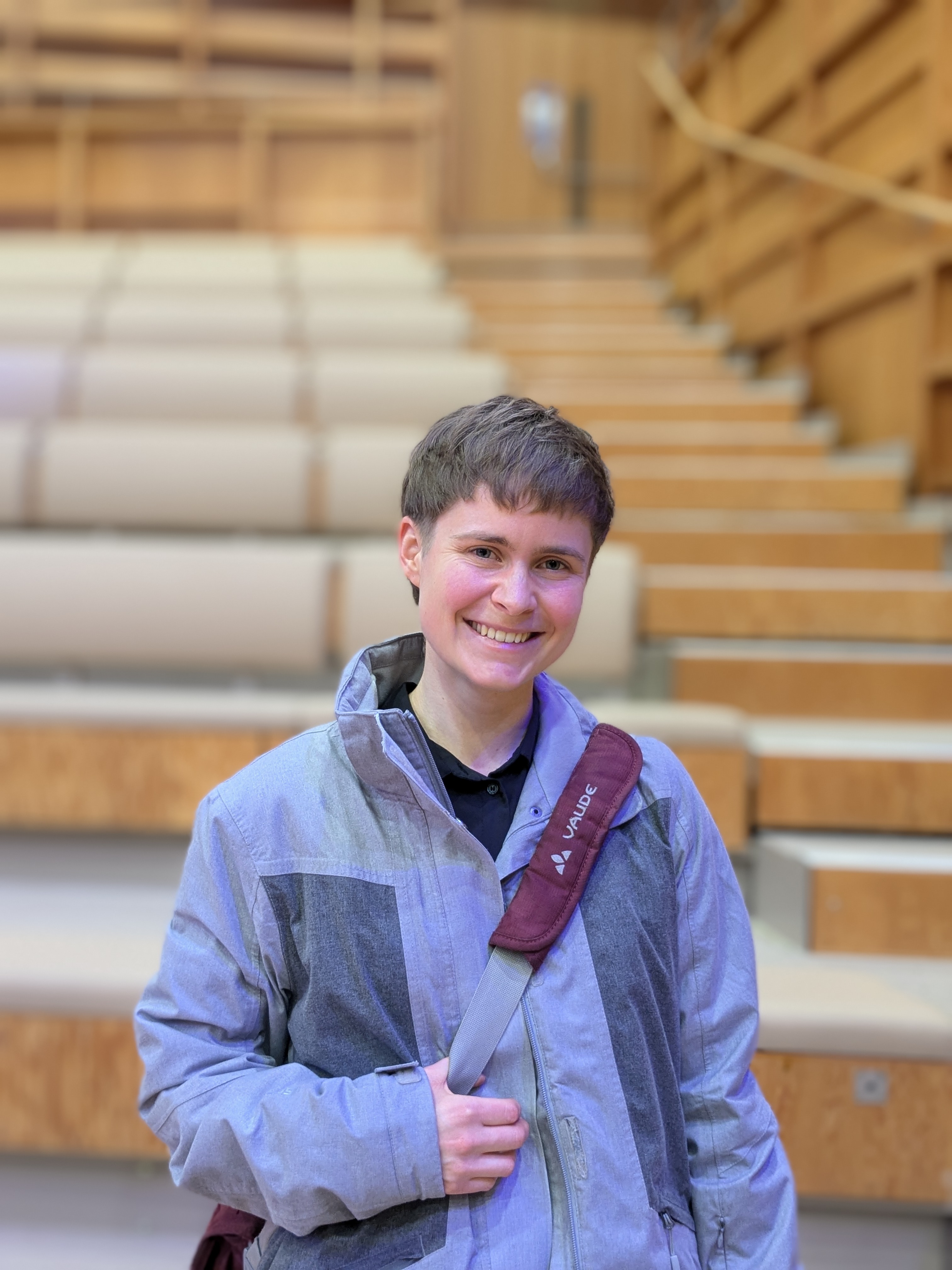 I joined the Chorus and the Symphony Orchestra – the latter rather by chance: Not expecting the orchestra to have a vacancy for a percussionist, I contacted Sophie, the Music Administrator, to ask about opportunities to practise privately on university instruments. She not only offered me access to percussion instruments, but also encouraged me to join the orchestra. A bit of encouragement was needed, as it had been several years since I had played timpani or other percussion instruments in an orchestra. But the conductor Dan, my fellow percussionists Chris and Molly, and the rest of the orchestra where most welcoming and made my experience with them a pleasant one from the beginning of the term to the concert. I am very grateful to have had the opportunity to make music with this group and to have found my way back to orchestral percussion through them.
Even more than the orchestra, I enjoyed being part of the choir. There I got to know other (mostly alto) singers, many belonging to other generations and living in and around Canterbury. Therefore, I experienced the weekly rehearsals as moments in which I could leave the ‘student bubble’ for a bit and meet persons I would hardly have met otherwise as a short-term exchange student. Another aspect that made me look forward to each rehearsal was the music itself: We were rehearsing Stephanie Martin’s Winter Nights for its UK premiere at the December concert. I had never heard this wonderful piece before, and I doubt I would have come to know and love it if it hadn’t been for the choir.
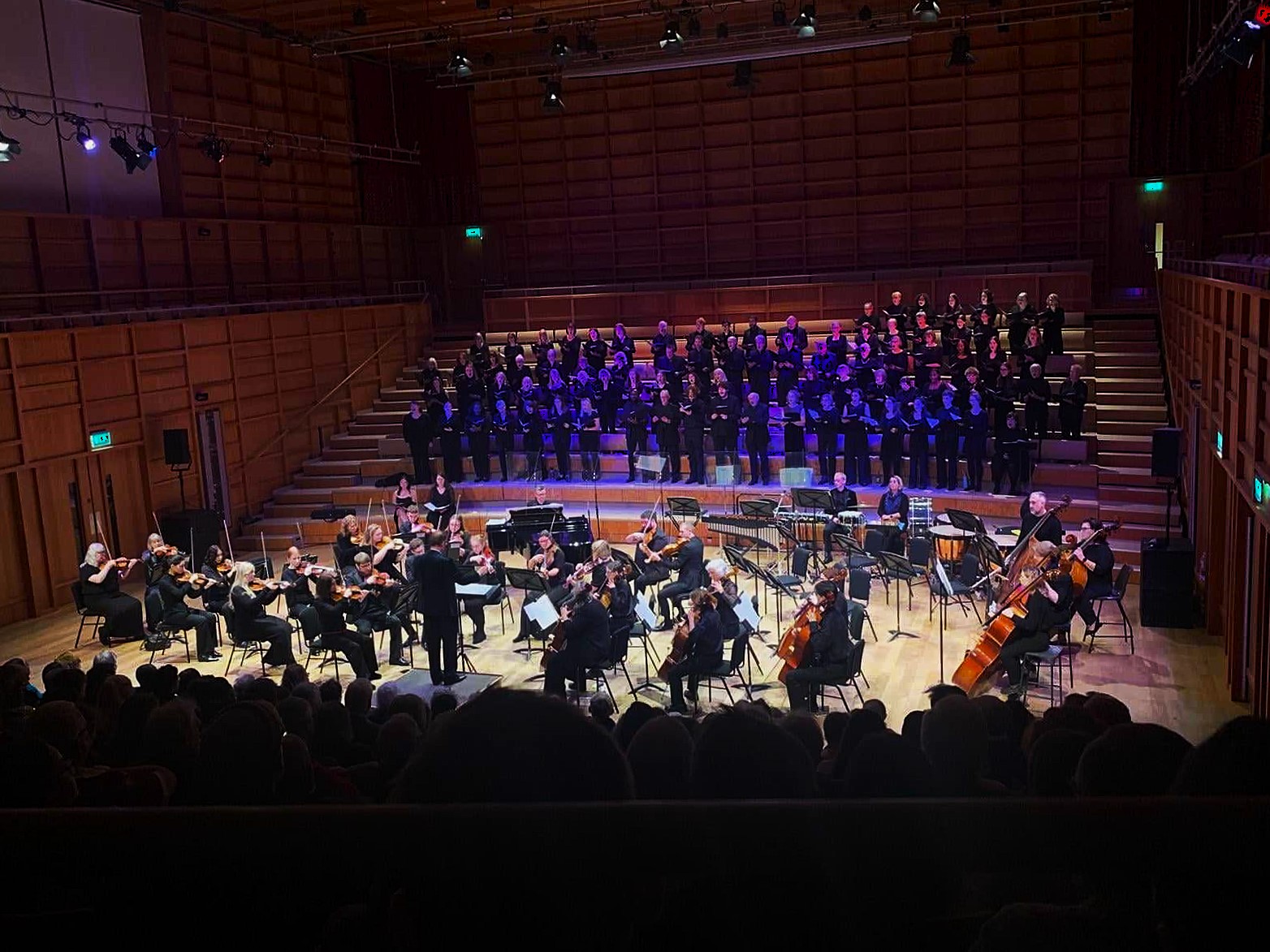
So now, as I leave Kent and its music groups after the exchange term, I take with me many fond memories of my fellow musicians and the music we have made together.
Anna Jurgan
 I had always been an enthusiastic listener of all types of music, including classical, which started when I was young when my parents would play classical music from CDs. At school I learned to play the cello and joined the school orchestra. I liked the cello because its range is so similar to that of the human voice, which makes it sound more expressive and rich.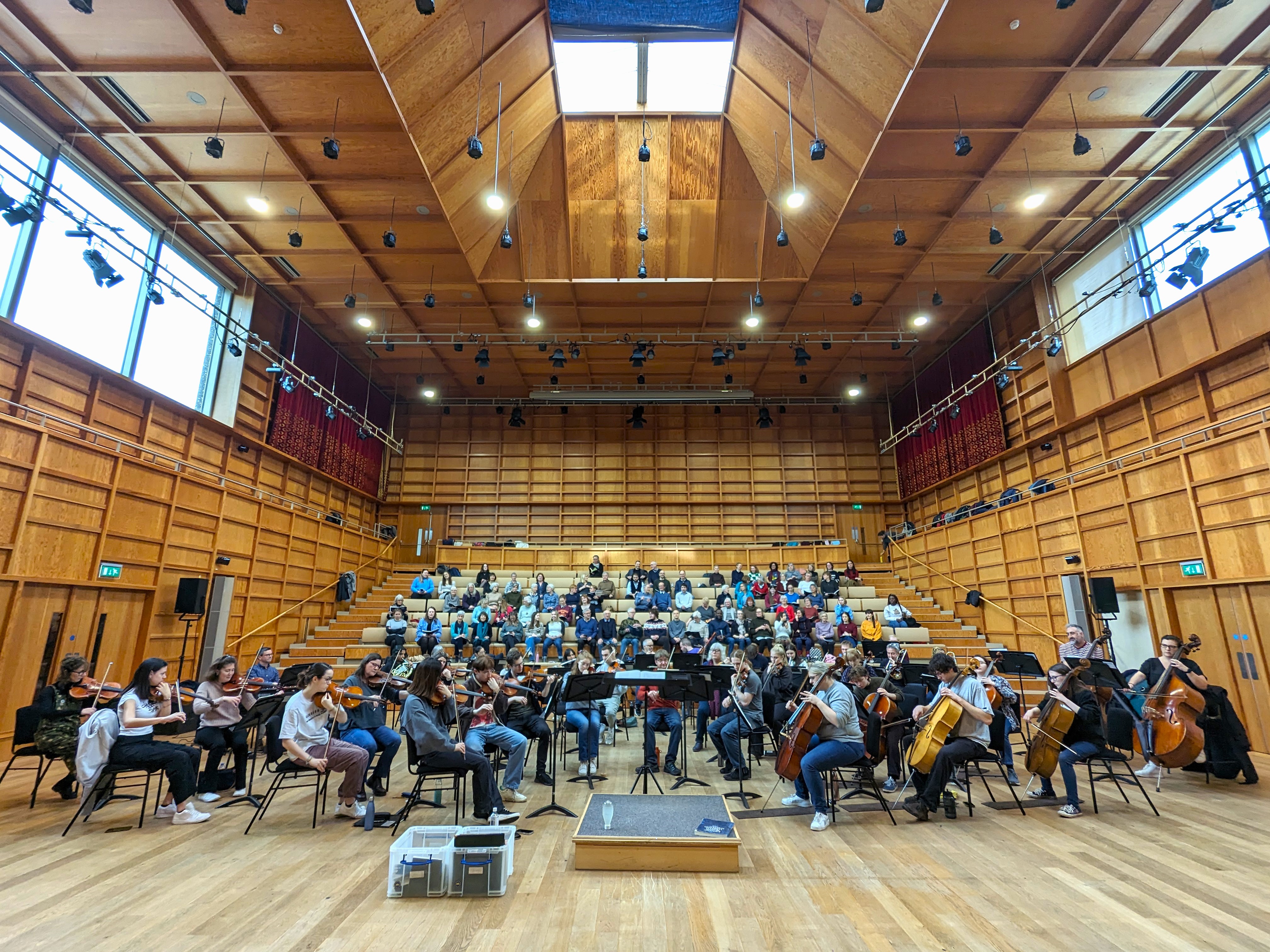
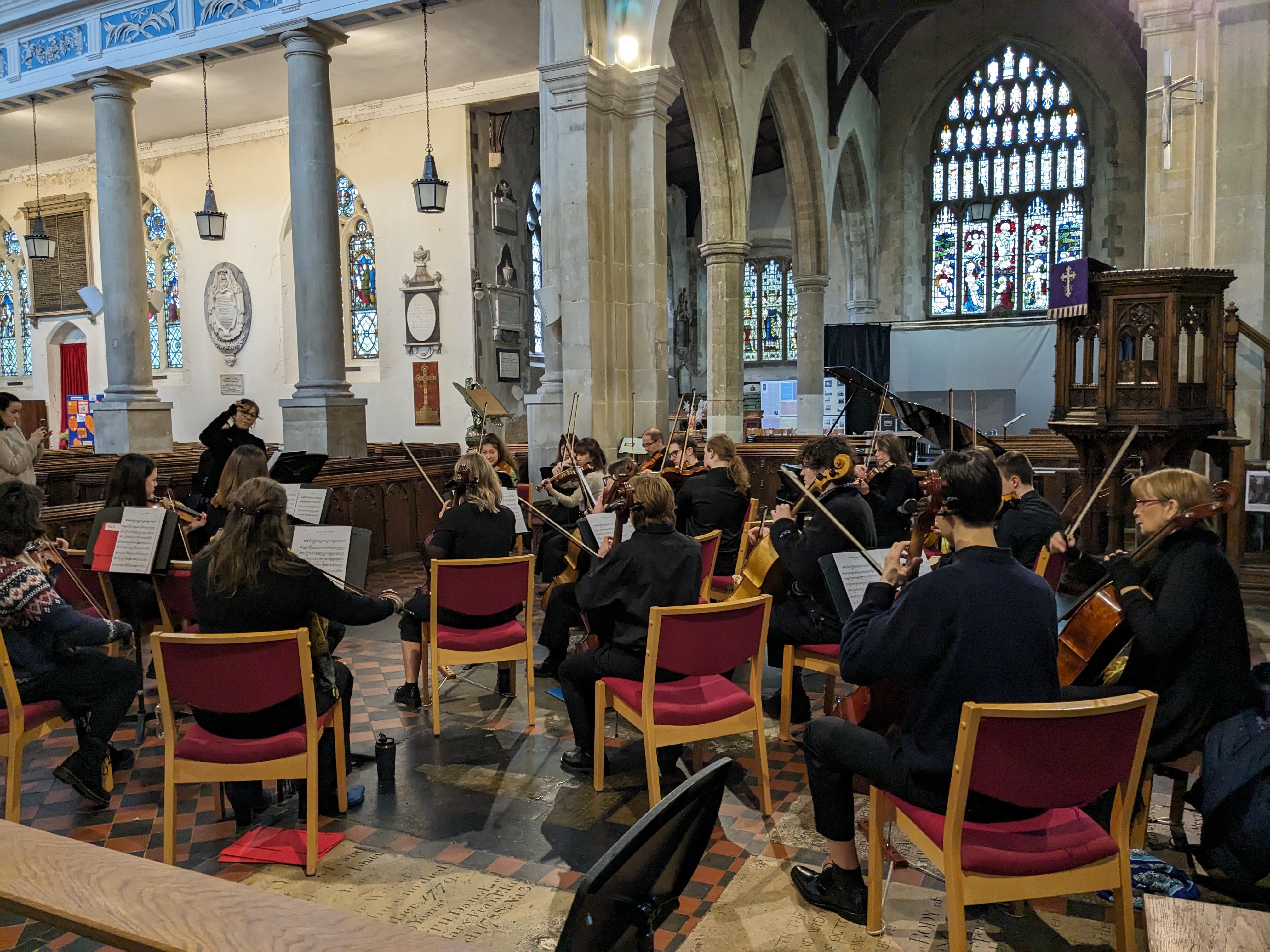
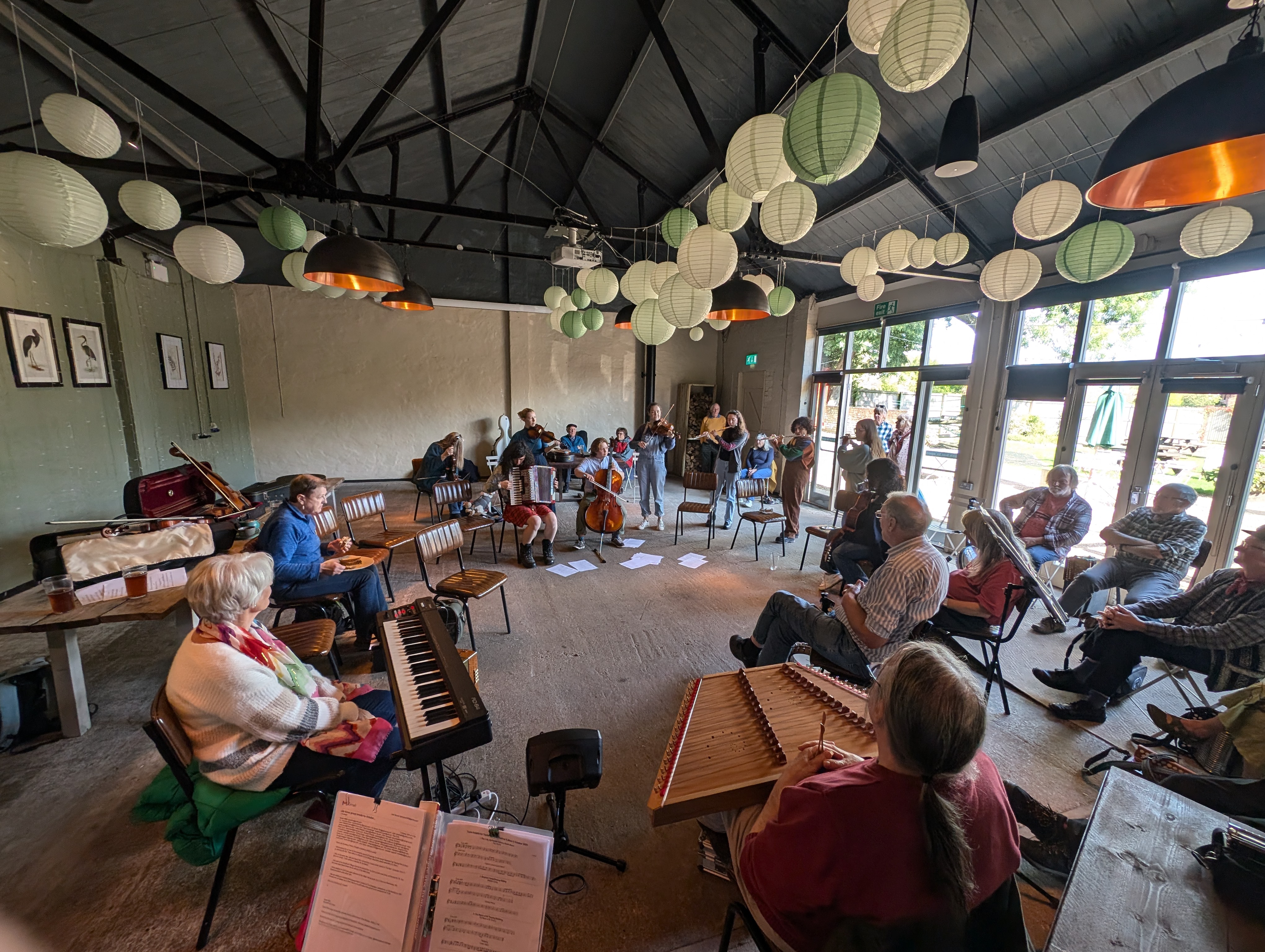
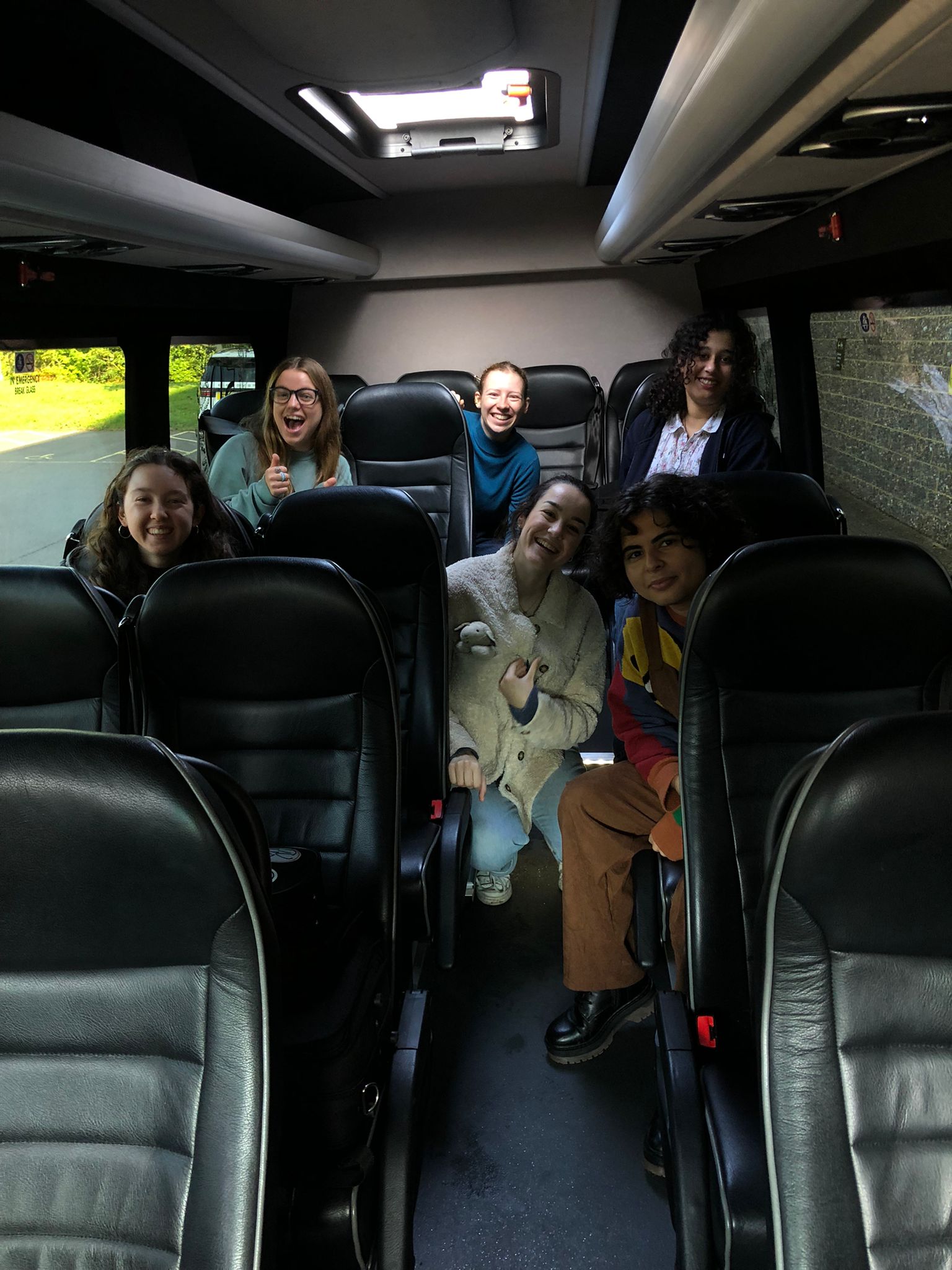 The day started bright an early when we all clambered onto the coach on our way to Tenterden. When we arrived we went and collected our Artist Wristbands from the artist reception which was a surreal moment! We then made our way to the venue, where we were greeted by Gavin and his amazing team of musicians who were here to lead the music session. More and more people started to arrive and the session was in full leaps and bounds.
 We went around the room and every person started a new tune and everyone else played along having either known the tune before or picked it up by ear. It was an amazing environment to be in and be surrounded by some amazing folk musicians.
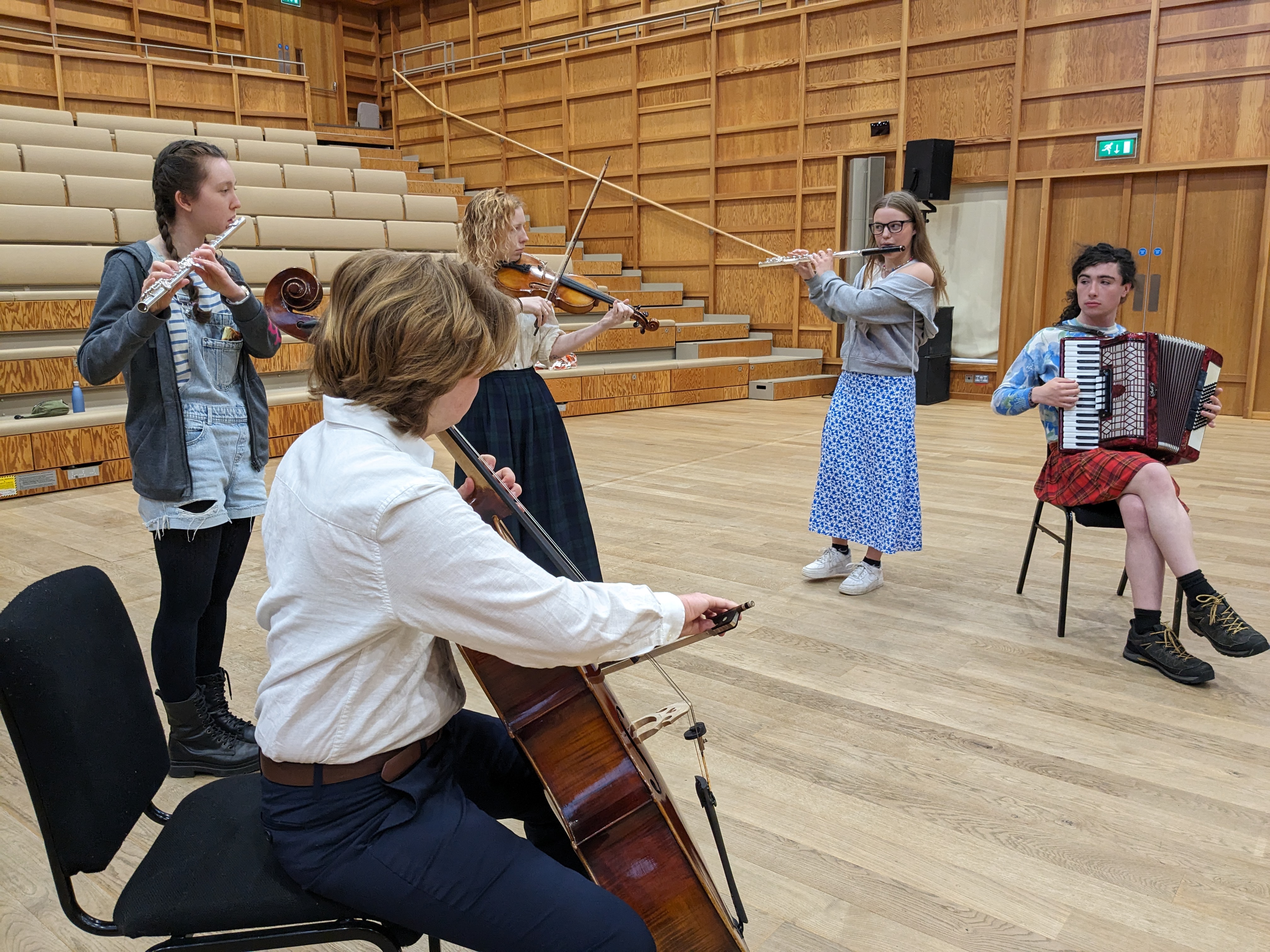
 It then came to our turn to perform so we formed our semi- circle and performed our 15 minute set. Our set included a wide range of tunes from waltzes to reels to polkas, which followed with lots of clapping and applause.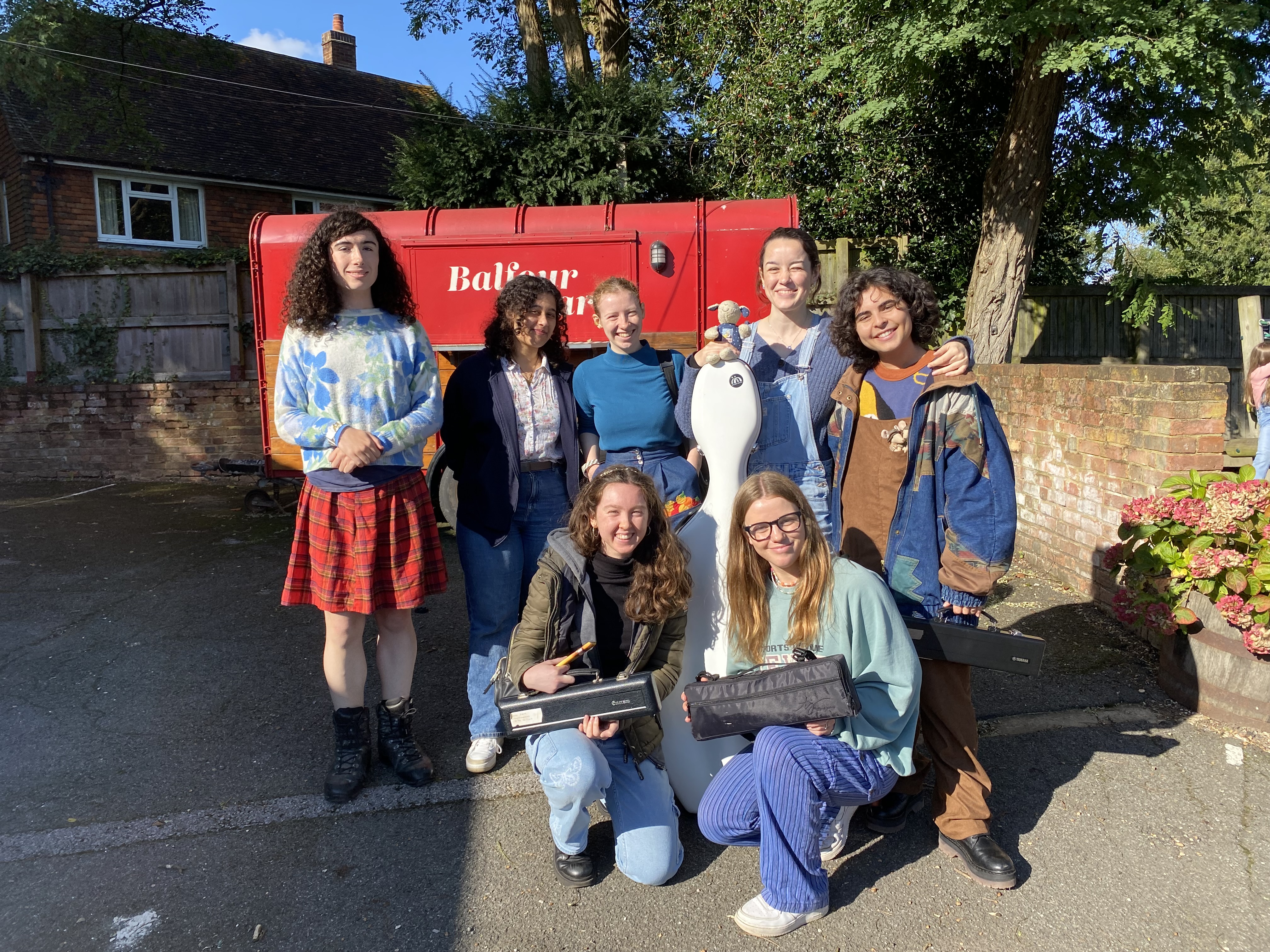
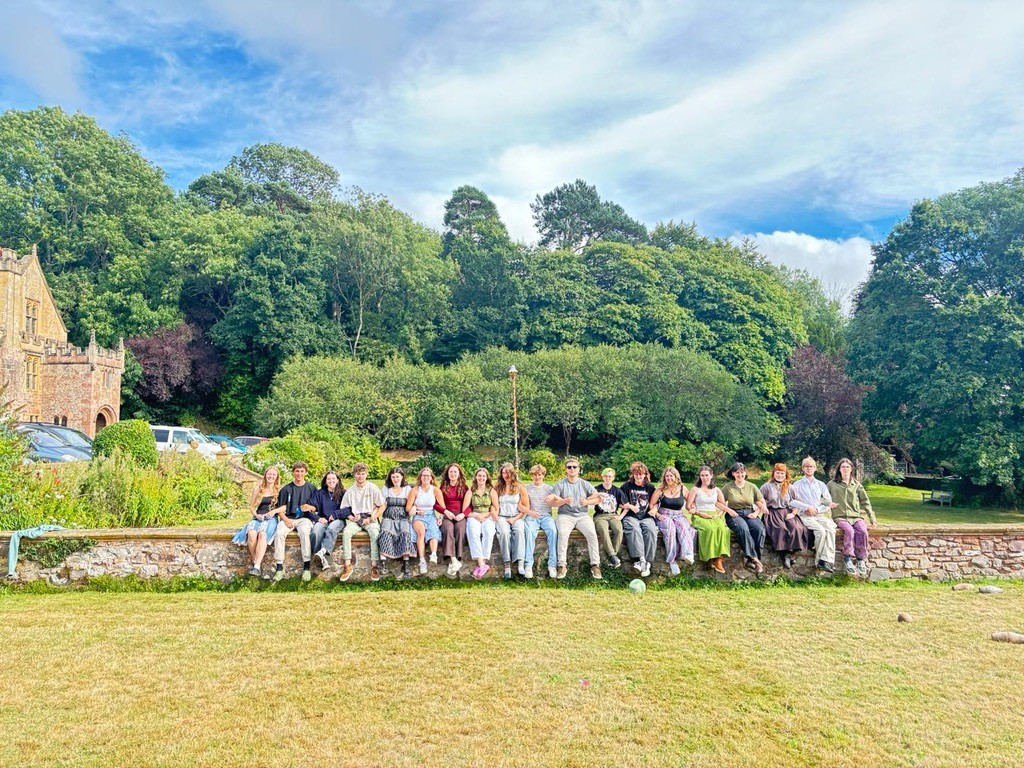 I then stewarded, working at the box office at Ely Folk festival. Sidmouth Folk Festival then followed this, at this festival I was a core Tutor running a daily music workshop for 1.5 hours with the help from some other tutors. At the end of the week-long festival we concluded with the participants performing the tunes that we had taught them on-stage at the Manor Pavilion in Sidmouth.
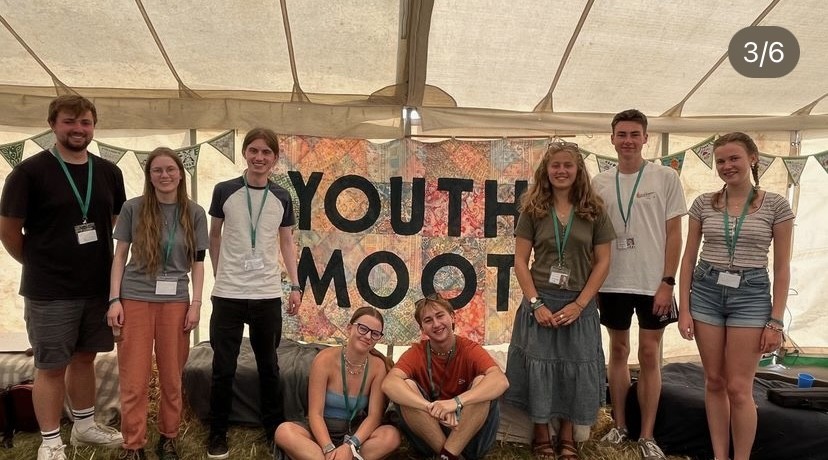
 This was then followed by another festival, called Folk East, where I stewarded at the Youth Tent. This involved my running a mixture of activities throughout the days and attending all the music sessions for youth people as a helper.
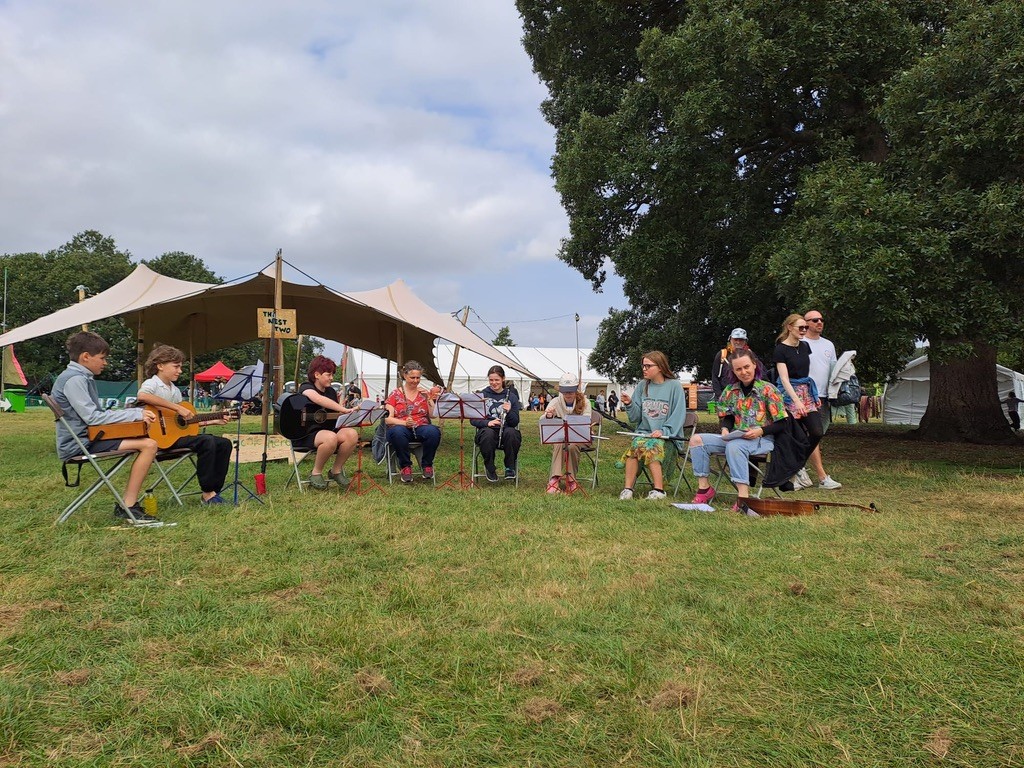 I then attended Towersey Folk Festival, where I ran my own youth workshop every day. This involved me teaching tunes and arrangements to a mixed-ability youth participant’s. This also concluded with a performance to the public.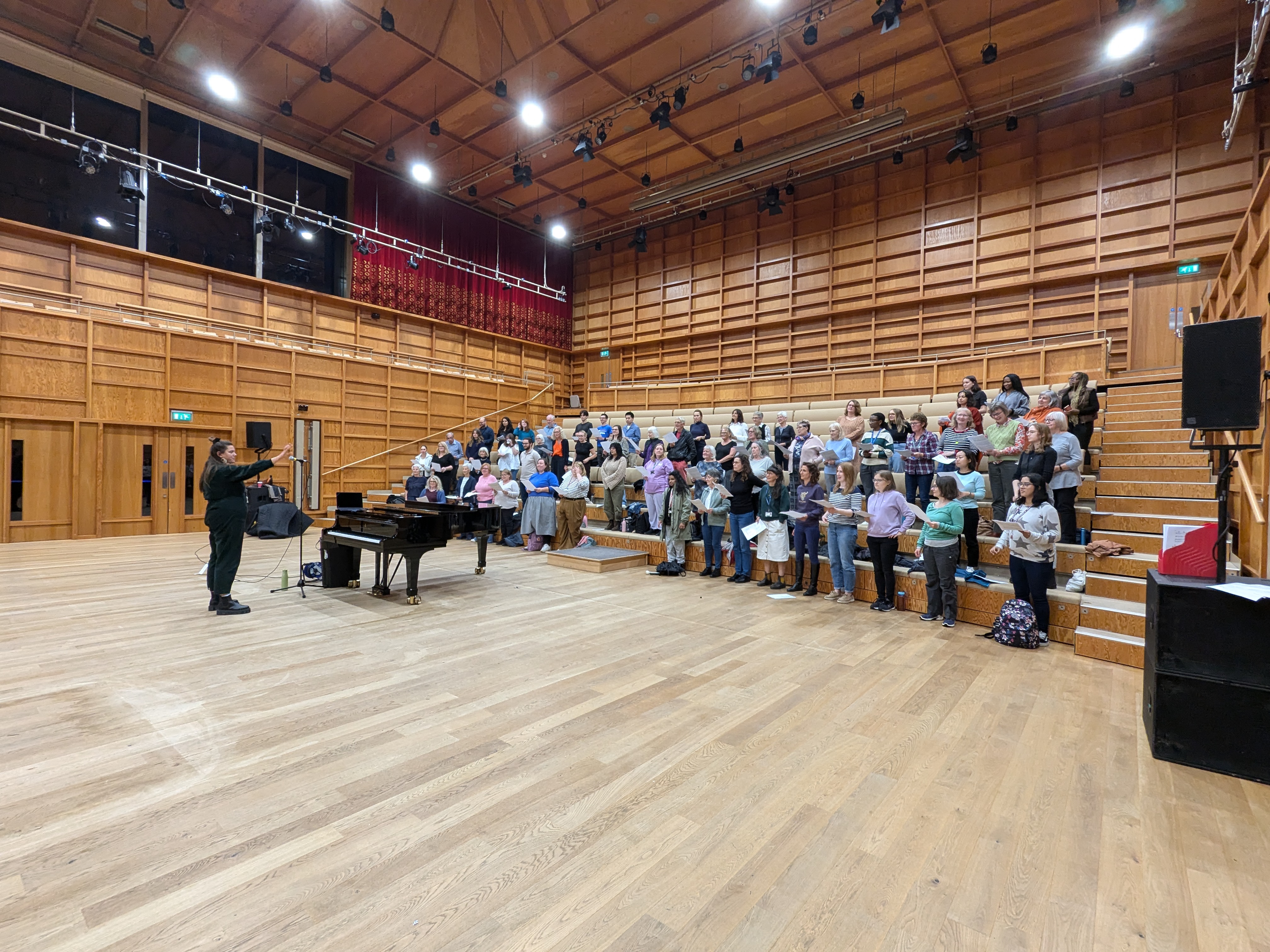
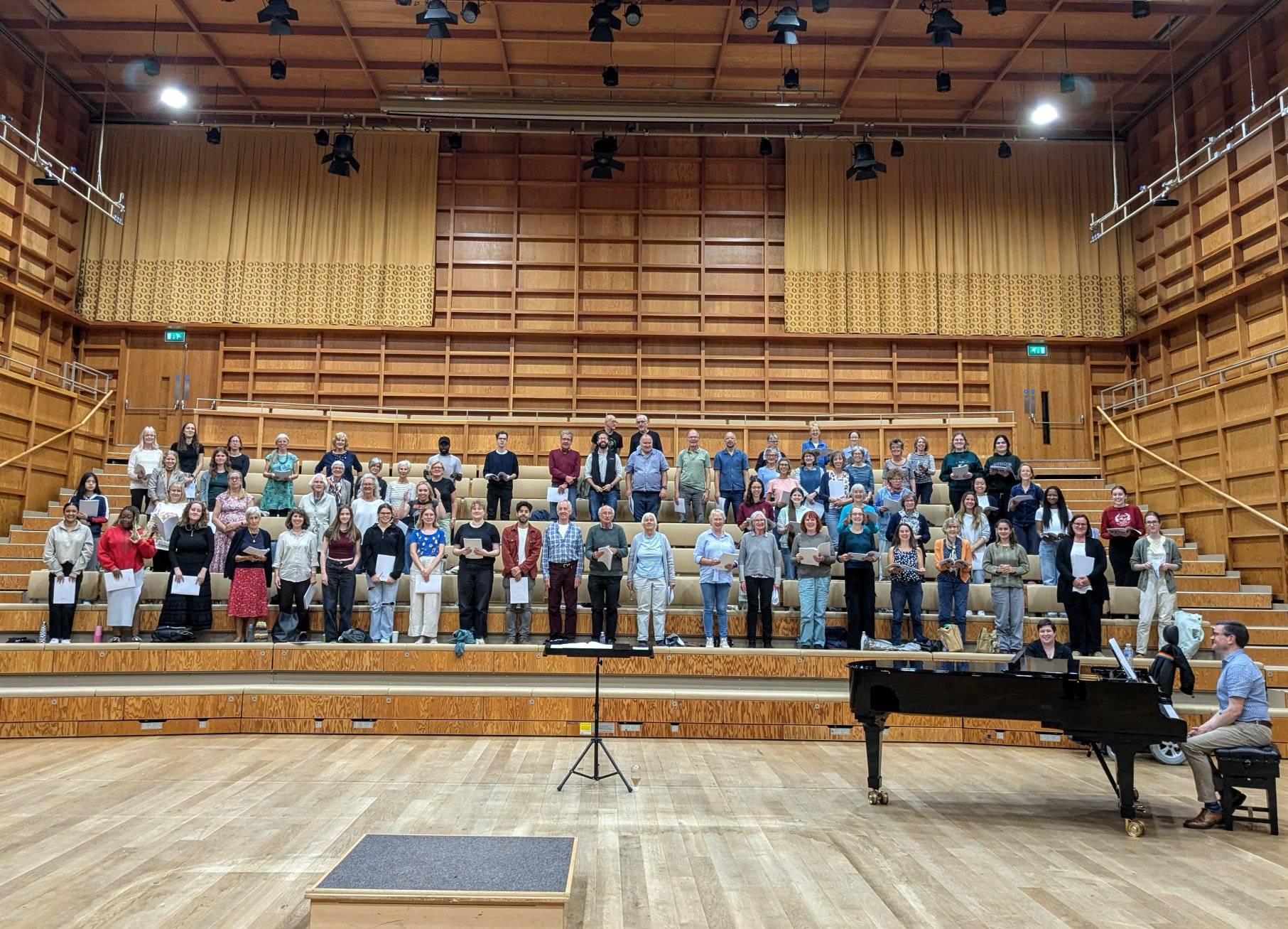
 Catering to all abilities, and welcoming students, staff, and members of the local community, over sixty people came together to explore their voices, directed by Margate-based Meg Bird.
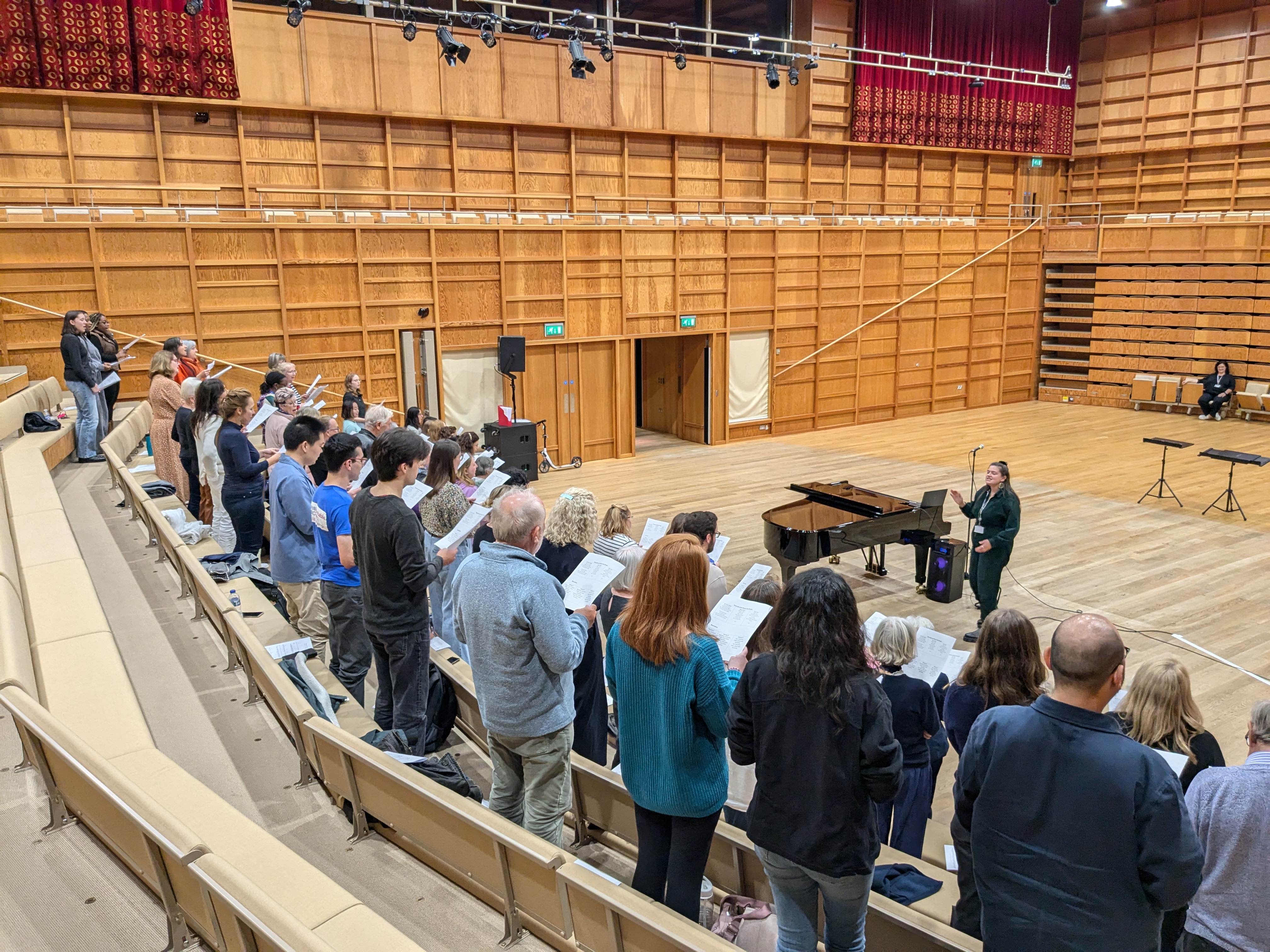 It was very exciting to see (and hear!) the new choir in action, and to welcome new people who’ve not been into Colyer-Fergusson before, as well as some familiar faces amongst the staff and student community. Singing is a vital aspect that promotes wellbeing, and there was certainly a vibrant atmosphere here on the night. We’re looking forward to what the choir has in store this year.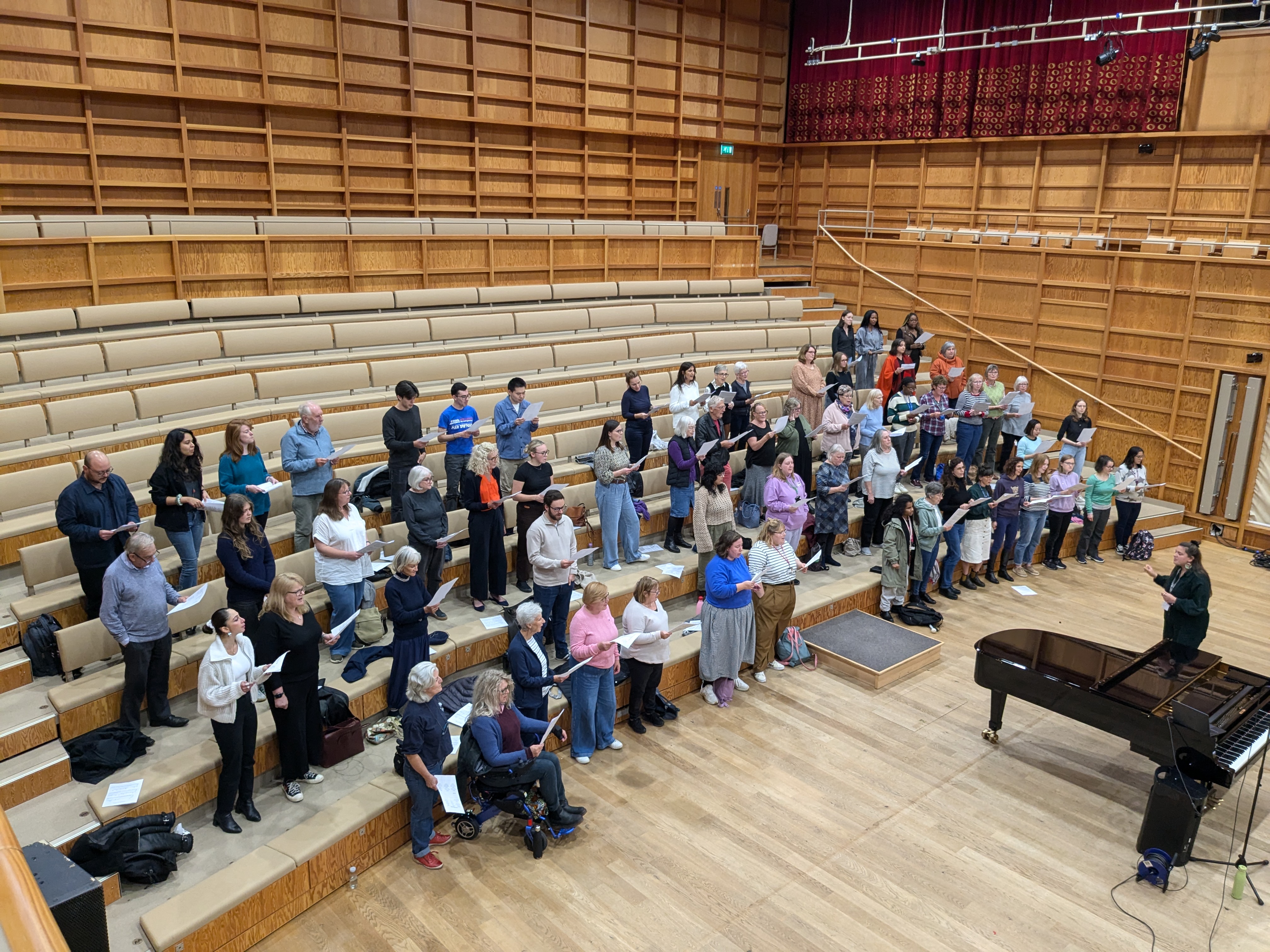

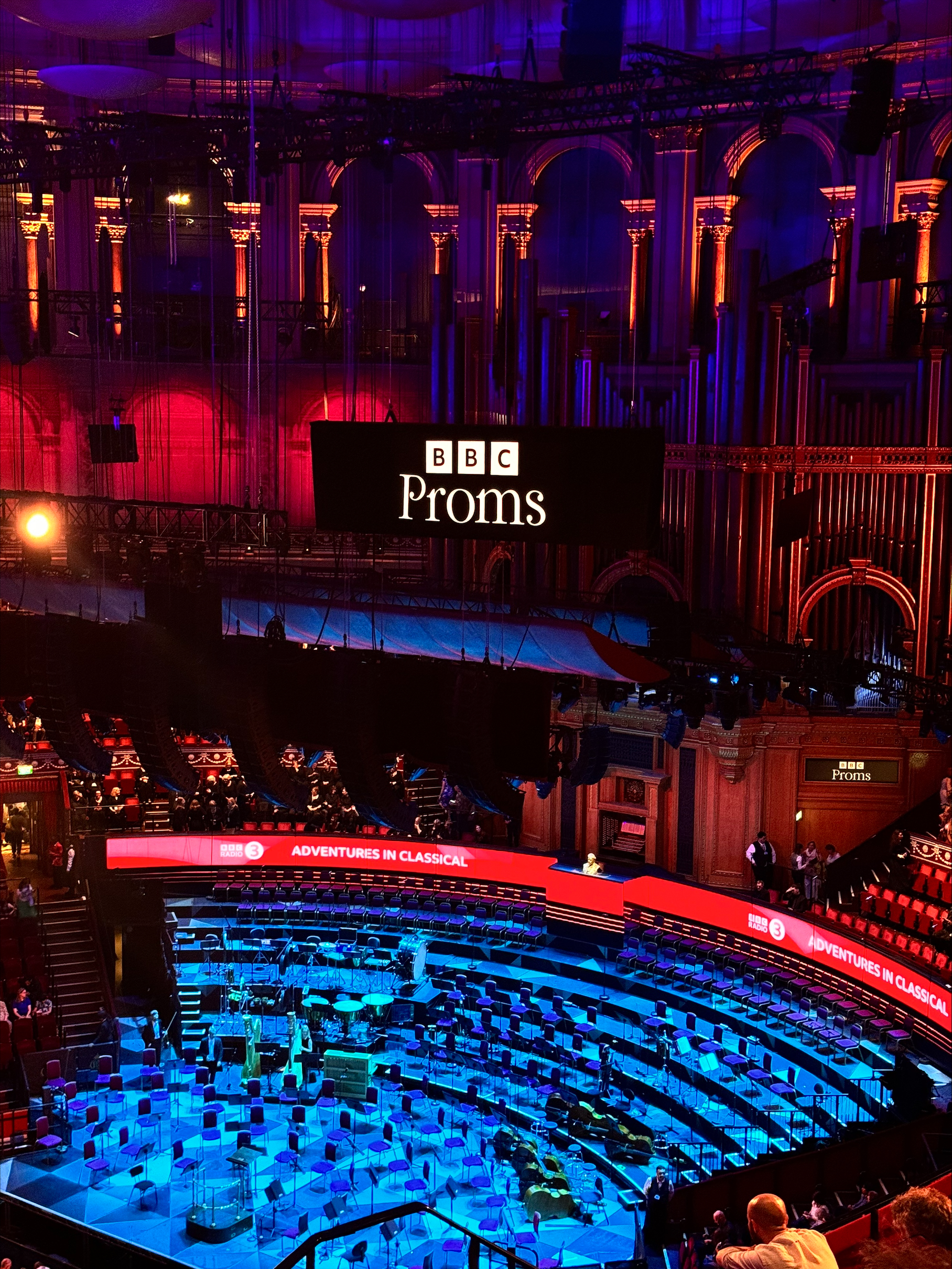

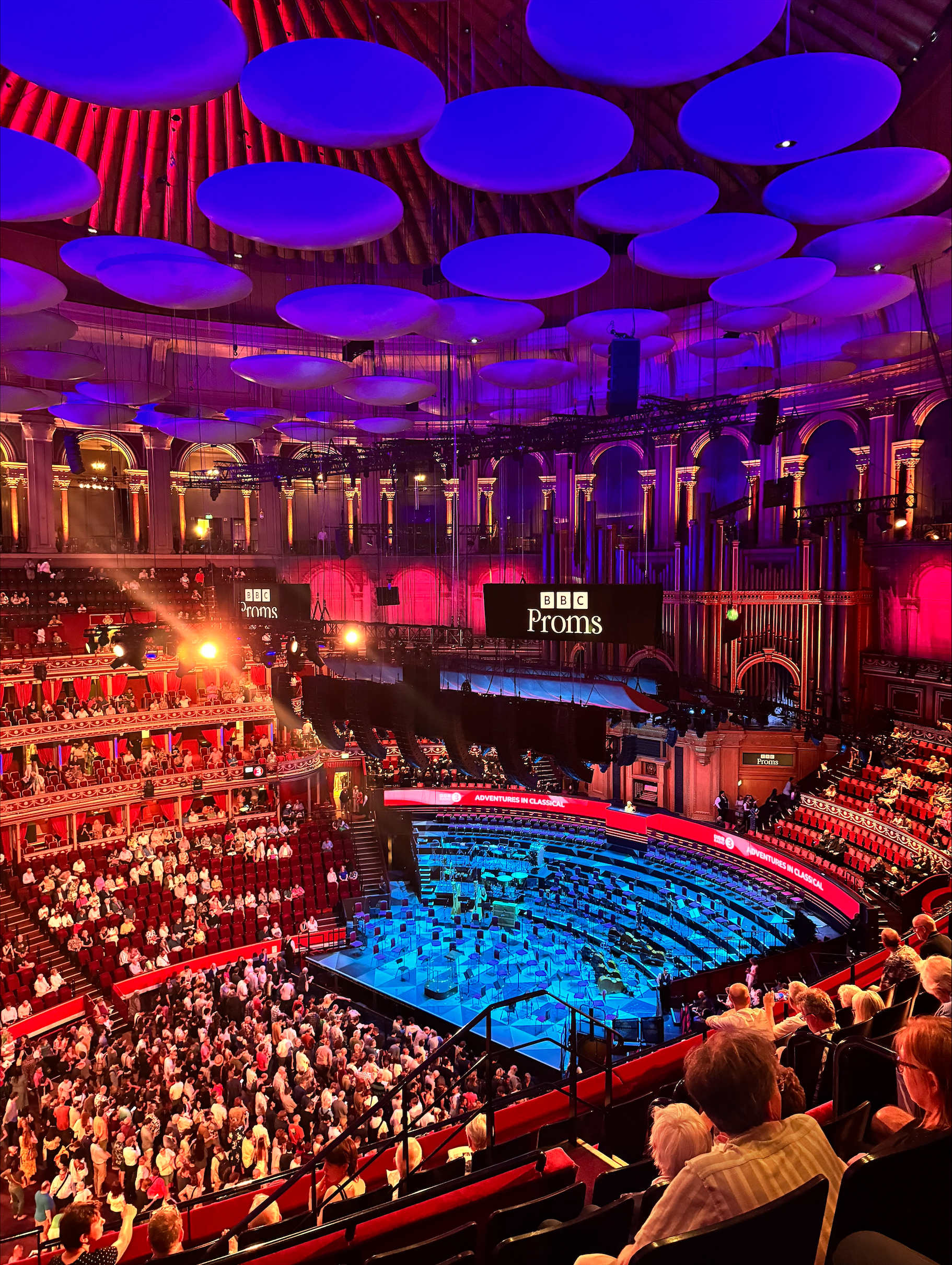 The night started off with Tranquil Abiding by Jonathan Harvey, of which I had never heard of before, but was very excited to see after hearing the Head of Music Performance, Dan Harding, express his interest in this piece! [True: I love this piece! Ed.} Harvey’s music conveys his interest in Eastern spirituality into music writing, with this piece relating to meditation where the ‘mind is not observing the rest of the universe but is at one with it’. This was a great piece to start the Proms with, as the small orchestra moved as one to create a slow, breathing rhythm, easing the audience into a state of relaxation. At first upon hearing it, both my mum and I felt it was horror movie-esque, however after reading the programme, this made sense, as it represented the thoughts diverting the mind, as the piece then stills itself creating the sense of calm. Overall, I thoroughly enjoyed listening to this piece live and seeing how the orchestra moved independently to then ending as one breathing entity. I highly recommend seeing this contemporary piece if ever given the chance!
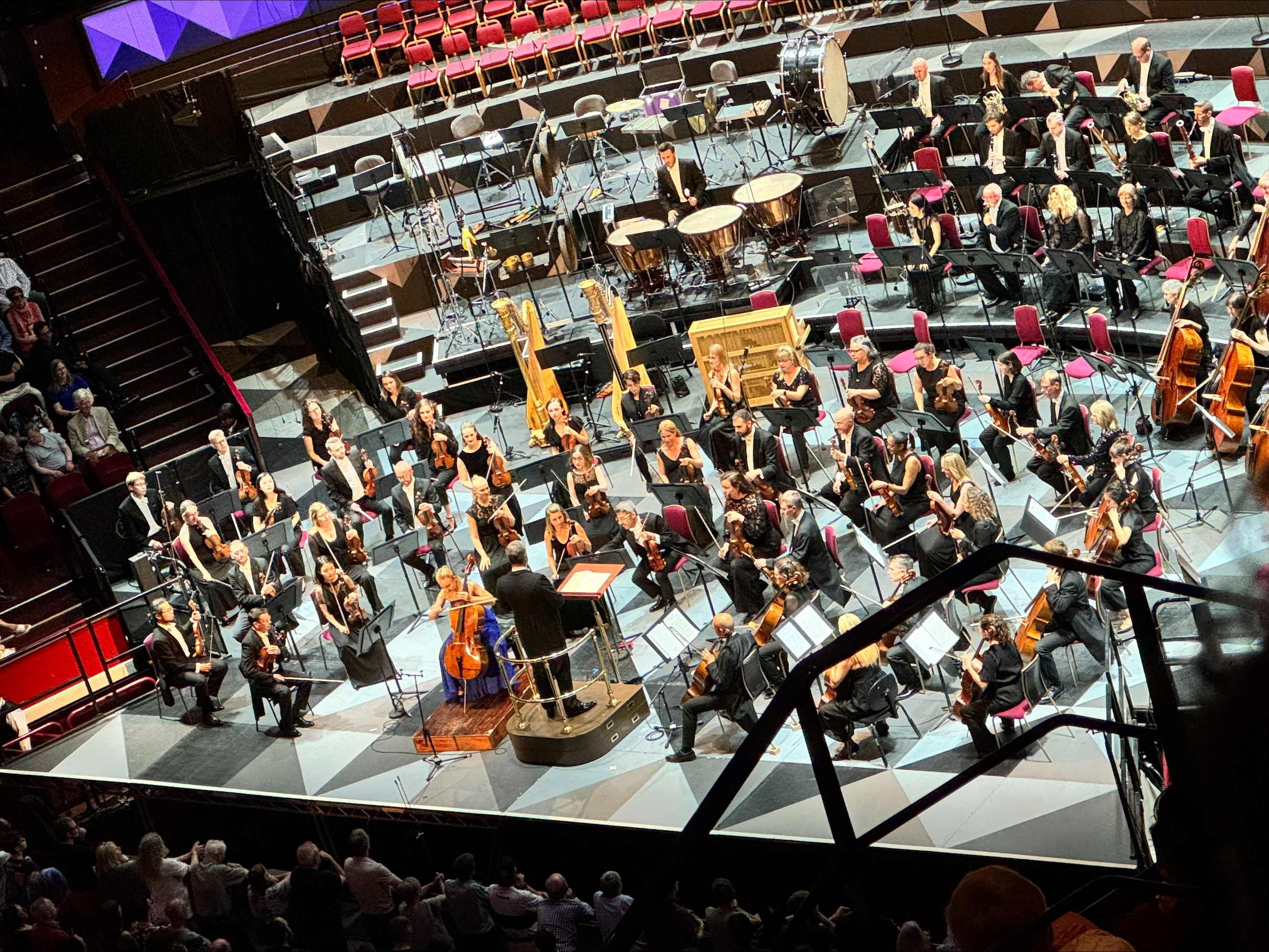 The second half was occupied by Gustav Holst’s, The Cloud Messenger, another piece I was also unaware of before. The Chorus were singing an adaptation of a 4th/5th century poem, whereby the cloud was asked to send a message to the narrator’s wife. Consisting of seven verses, it talks about the natural wonders the cloud will see on its journey and is overall a beautiful poem. A contralto solo was also performed by Jess Dandy, who had an incredible voice and added to the tenderness of the poem. This piece is rarely performed, as in its first performance (1913), apparently the chorus fell apart! I am glad to say this reputation was not followed this night, and I thoroughly enjoyed listening to it and following along with the words sung by the chorus.

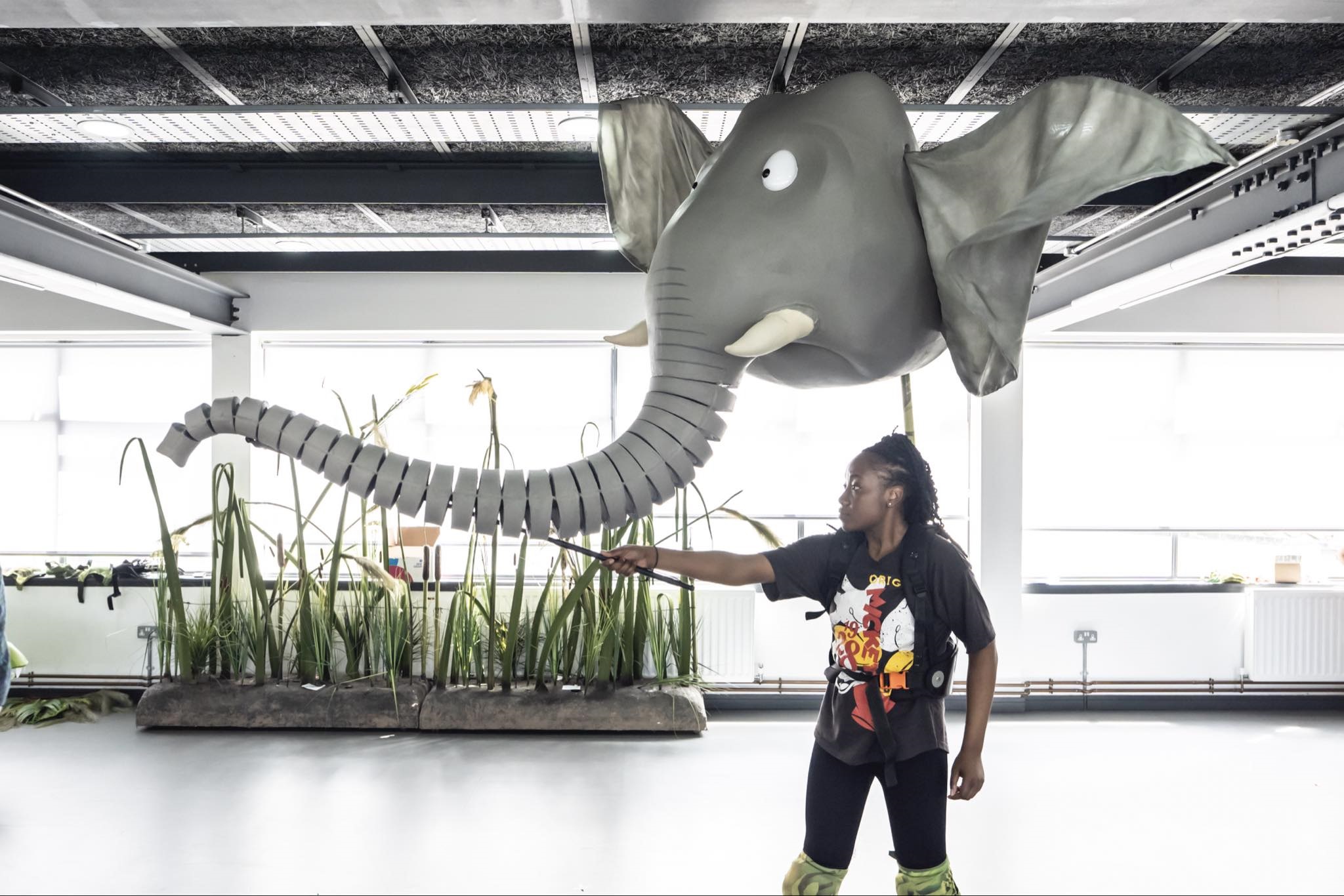 I was cast in the role of Trunky, the brave elephant, within an amazing company of five other actors, including an off-stage swing, and an incredible creative team. We began rehearsing in the latter part of April and took to the stage in May for previews, a rainy but enjoyable press day, and a beautiful run after that.
 I’m continuing with acting projects and looking forward to my next time on the stage!