Industrial action

Industrial action by UCU members

From Professor Richard Reece | DVC Education and Student Experience  

Today is the first day of two periods of national strike action by members of the University and College Union (UCU). The strikes are scheduled to take place over three weeks on the following dates:  

  1. 14-18 and 21 and 22 February    
  2. 28 February to 2 March  

As these are national disputes, we have little influence over the outcome – however we continue to meet with our local UCU representatives on anything we can do to help resolve these ongoing issues. Teams across the University have also been working together to minimise the disruption this causes to you as far as possible, with more information available on our webpages, including how you can keep up to date with any planned disruption to your studies.  

Background to the industrial action  

UCU has called the action over national-level disagreements over pensions and staff pay and conditions. The action will affect a number of universities around the country. You can read more about the background on the student webpages.   

What the strike might mean for you  

It is probable that over the strike periods:   

  • lectures or other timetabled classes may be disrupted or cancelled at short notice;    
  • research activities could be cancelled at short notice;    
  • other University services you use might be affected  

As with last strike action in December, UCU members are not obliged to tell us whether or not they will be working on the strike days so we will not know in advance what the level of disruption will be. However, we will share with you on Moodle any specific information we receive, and we recommend that you check your online course groups and your emails frequently to keep up to date about any changes that might affect you.   

You can keep a personal record of the impact of the strikes on your teaching by using the Kent Union Academic Experience Reporting Tool.  

Support for students  

Wherever possible, we will work with staff to prioritise essential student support services so that these remain in place throughout the industrial action.  

We have dedicated student support webpages where you can find details about the support available to you, and contact details of sources of help should you need it.  

Last December’s strike did cause some disruption to our activities, but we were able to keep this to a minimum and I was pleased that the strike days passed in a harmonious and mutually respectful way; I hope for the same constructive approach during the coming days.  

Thank you for your patience over the coming days and please do make use of the support available to you over the coming weeks. We will keep you updated with any developments during the strikes.  

With all good wishes,  

Richard  

Professor Richard Reece | DVC Education and Student Experience  
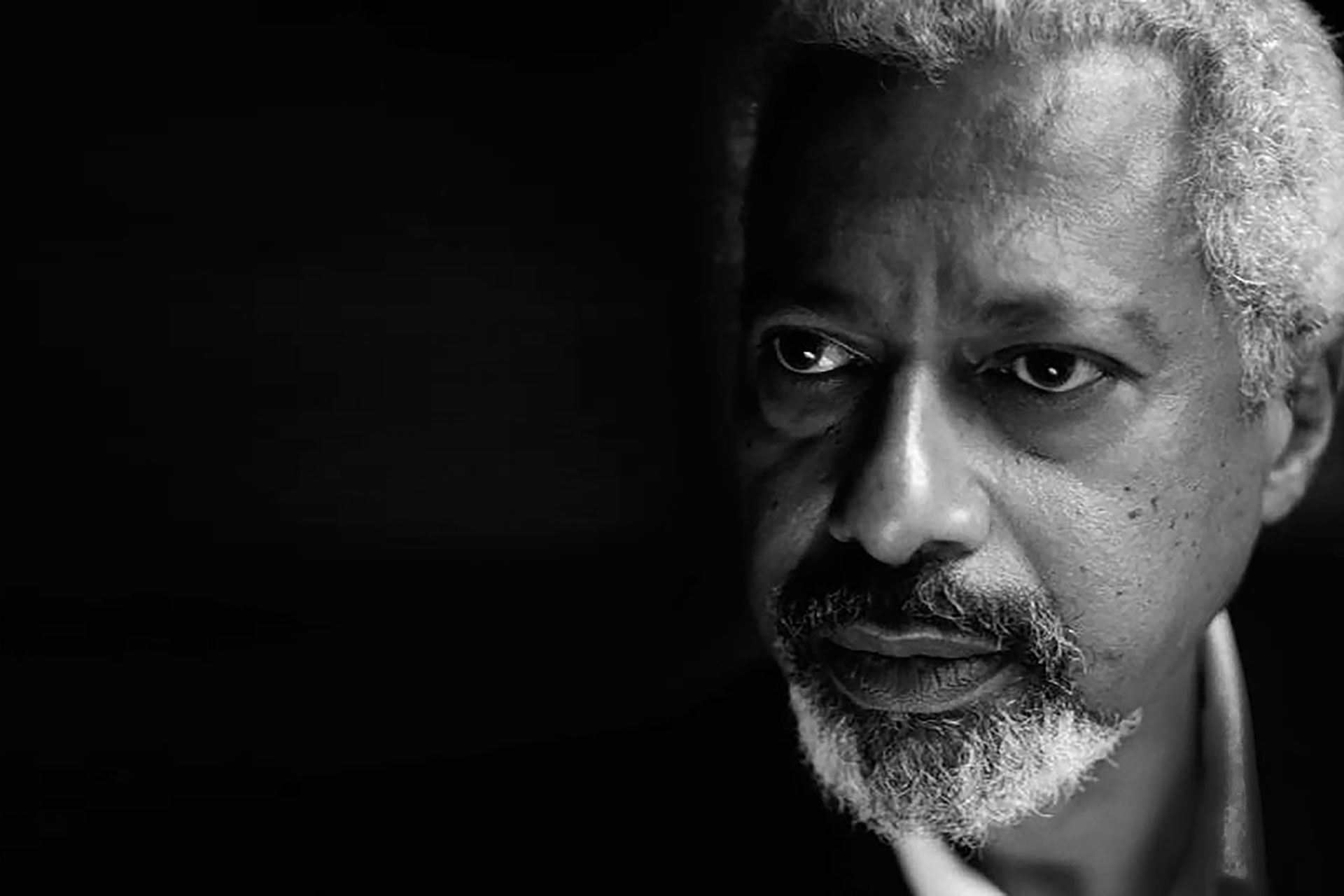
photo of Abdulrazak Gurnah

Abdulrazak Gurnah book display in the Templeman Library

Following the award of the 2021 Nobel Prize for Literature to Emeritus Professor Abdulrazak Gurnah we have great pleasure in celebrating this wonderful achievement with a display of his works in the Templeman Library Welcome Hall.   

Running from 10 February until 15 April, you can take your own journey to ‘Paradise’ and explore his stories of love and war, politics and history: in short, of human nature and the human heart in its infinite complexity.  

His books, some of which were first drafted in the Templeman Library, have touched millions worldwide and shine a light on human experiences that are so often ignored. The Nobel Committee awarded this year’s Prize to Professor Gurnah for ‘his uncompromising and compassionate penetration of the effects of colonialism and the fate of the refugee in the gulf between cultures and continents.’ 

We are very excited to share the collection with our students, staff and visitors to the Library in-person or online! You can browse and borrow any book from the display or discover more in our digital resources list of e-books

In an exclusive, sold out appearance at the Gulbenkian Arts Centre on Thursday 24 February 2022, Nobel Laureate & Professor Emeritus of English and Postcolonial Literatures Abdulrazak Gurnah returns to Kent to reflect on his life, writing, and sense of place and belonging. This event will be live streamed on the University’s YouTube channel so you will still be able to enjoy Professor Gurnah’s talk.

Grab a jab at a local drop-in clinic

Medway Covid-19 pop ups this week

Join the thousands of students getting vaccinated against Covid-19.

This week you can get your Covid-19 vaccination outside Asda (Gillingham Pier), 10 minutes’ walk from our Medway campus. The vaccination pop up bus will be outside Asda at the following times:

  • Tuesday 15 February – 10.00-18.00
  • Wednesday 16 February – 10.00-18.00
  • Thursday 17 February – 12.00-20.00

Come along for your free Covid-19 vaccination – 1st, 2nd and booster vaccines are all available.

For 18s and over the gap is 8 weeks after the first dose and 12 weeks for the booster after the second. Anyone who has recently had Covid should wait for 28 days before getting their vaccine/booster.

Can’t make these dates? Find a Covid-19 vaccination centre near you in Kent and Medway.

Easterzone

EasterZone holiday camp returns!

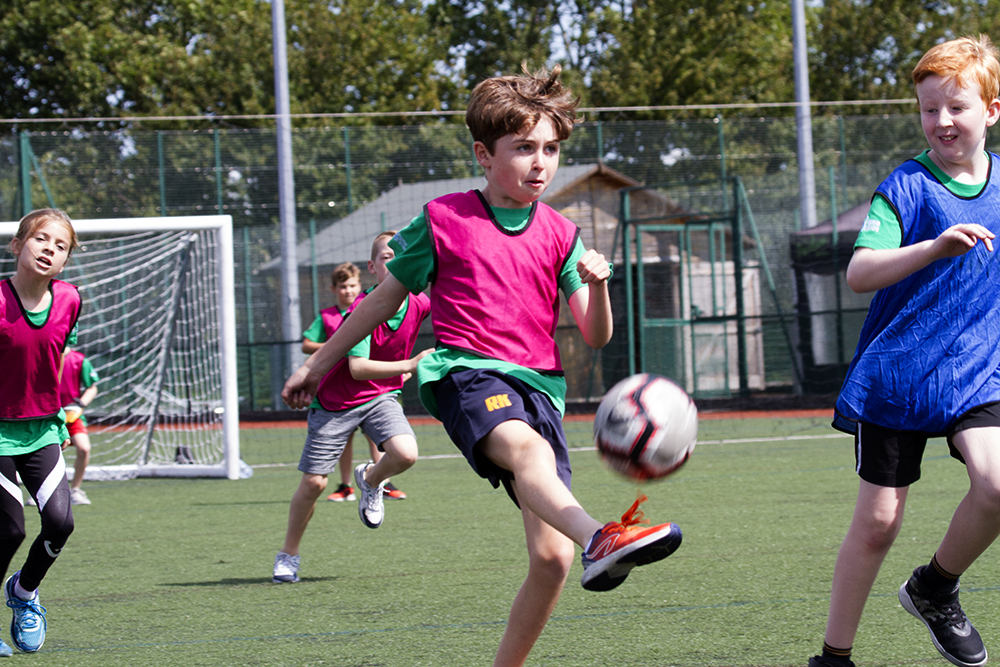
Our children’s holiday camps for 5 to 12 year olds are coming back and they’re bigger than ever!

We’re now including non-traditional sports plus games and activity sessions in the daily timetable, including Nerf, Drums Alive, Mini Golf, New Age Kurling and much more. Your child will still receive professional coaching in traditional sports, such as football, rugby, and cricket, with all sessions being delivered by experienced and DBS verified camp staff, providing the perfect way to keep your 5 to 12-year olds entertained over the school holidays.

EasterZone

Our next children’s holiday camp is EasterZone on Monday 11 to Thursday 14 April 2022. You can book your child’s place here.

Booking and payment

Booking and payment for EasterZone 2022 is easy and can be completed through our EasterZone online store. A booking form will need to be completed for each child you wish to book on our holiday camps. Spaces can be booked either for individual days or the full four days. Spaces are limited so book your space early.

EasterZone 2022 prices

  University staff / student discount Non University staff / student
One day £30 £35
One week (four days) £100 £120
Late pick-up (per child, per day) £10 £10

Late pick-ups are available from 3pm to 5pm and include staff-led fun games and creative activities.

If you have any questions about our children’s holiday camps, please email sportsdevelopment@kent.ac.uk or call 01227 816391. Alternatively, please contact us if you would like to be added to our mailing list for future camps.

Man putting photos up on wall

Creative Access Mentoring Programme – apply now

Creative Access are offering 10 University of Kent students from under-represented backgrounds the chance to be partnered with a mentor working in the Creative Industries.

This is an exclusive opportunity to get one-to-one access to an experienced creative industry mentor who might share knowledge, open doors and broaden your career horizons. 

If your application is successful, you will be matched with a professional in line with your career interests and future aspirations. Mentoring partnerships last for 6 months and we recommend meeting monthly for approximately an hour each time.

We will provide training for mentees and mentors, links to further resources and a mentoring agreement for both parties to complete together. The Creative Access team will be on hand to support you and your mentor throughout the process. 

Please include as much detail in your application as you can so we can find a suitable mentor for you, plus explain how much this would benefit you. We look forward to receiving your application!

To apply – submit this form by 17.00, Monday 28 February 2022.

Protecting your information

Consent in the digital age: protecting your information

As part of Safer Internet Day 2022, Kent academics share their expertise and tips on keeping ourselves and each other safe in the digital sphere

It has been said that in 2020 the world moved online. Two years on and, although we are no longer confined to digital spaces, our digital presence is ever increasing. 

When you visit a website, what do you want the organisation running the website to know about you, and to share with other organisations? What do you feel comfortable having others – friends, family or others – share about you online? These are questions of consent. Digital consent is one of the most important considerations of using the Internet: what do you want to share about yourself online? 

We recognise that giving genuine and informed consent is increasingly difficult in a world where requests to ‘accept Terms and Conditions’ and ‘Privacy Policies’ are constantly showing up on our screens, so we asked the experts for tips to help us protect our information… 

Who can see it? 

If you have social media profiles, think about how they are set up: who can see them? Are they public, or private? If you want a public profile, consider what you post: what would future employers, friends or colleagues think?  What information can people take from your profile about you and use elsewhere? 

What do they want to know and why? 

Consider what types of information you are prepared to give to websites and services. Terms and conditions and privacy notices can be overwhelming and opaque, but it’s worth trying to think: what information might they be collecting about me? Why? What can they do with it? If you’re not comfortable with sharing the information, don’t. You can limit information collection by rejecting cookies (small pieces of code on websites that track your website usage), or go further by moving to more privacy preserving technologies: Duck Duck Go for web searches, Signal for instant messaging, or Brave, or a VPN to limit the amount of information you are providing about your activities online. 

Sharing about others – ask first! 

Do you have boundaries for online sharing? Do your friends and family know what they are? People who have information about you – photos, videos, stories – may feel very differently about how widely these should be shared. You won’t be able to find this out if you don’t talk about it, and it is harder to try and take down something that has already been shared online than to stop it being posted in the first place.

Online information – have you thought about… 

  • Your personal information can be used to infer details about your family members and friends which they might prefer not to share.
  • When posting an image or a video that you took on social media, how will the people (e.g., friends, others) shown in the image or video feel about it being online? Will they like being seen there? Does it present them in a way they will be unhappy with? 
  • Does sharing that photo/ quote/ video in the online world benefit you? For instance, if you don’t want people to recognise you in the real world, don’t use your photo as your profile image – even if the app asks for it! 
  • You don’t need to keep all your posts online forever. Consider deleting old posts especially those containing personal information, or switch on privacy options that help you do it. 
  • Do you need to let the whole word know all your opinions and deepest thoughts? When discussing things that are more personal, you could use private messages or discuss them in a closed group. Remember, others could always screenshot your posts, which means that they may be available even after you delete them.  
  • Many service providers will ask you to create a new account – instead of giving your personal information, you could create a secondary email account without giving extensive information for example. 

Worried you may have already over-shared online? Take back control! 

You can’t take back control if you don’t know where your personal information is; make a note of your online accounts and delete them when you don’t need them anymore. All online platforms have privacy controls for you to use. Study them and use them. You’ll also find that some platforms even provide the ability to do privacy or security ‘check-ups’ – do take this opportunity! You can choose to use more privacy-friendly alternative tools, using Brave, for instance, as your default web browser. 

Want to know more about safe digital sharing? How to share with consent and be mindful of future use, what to do if you’re a victim of revengeporn and more; check out our blogpost on Consent in the Digital Age: Sharing Images and Media. [ADD LINK]

With contributions from: Sarah Turner, PhD Researcher in Cyber Security, School of Computing; Dr Virginia Franqueira, Lecturer in Cyber Security, School of Computing; Dr Paraskevi Triantafyllopoulou, Lecturer in Intellectual & Developmental Disabilities, Tizard centre; Dr Gareth Mott, Lecturer in Security and Intelligence, School of Politics and International Relations; Dr Mu Yang, Senior Lecturer in Digital Marketing Analytics, Kent Business School; Professor Shujun Li, Professor of Cyber Security, School of Computing; Dr Jason Nurse, Senior Lecturer in Cyber Security, School of Computing 

Written by Filipa Paes, third year student, 28.01.22

Sharing images and media

Consent in the digital age: sharing images and media

As part of Safer Internet Day 2022, Kent academics share their expertise and tips on consensual sharing of digital media

These days we all have devices with cameras at our fingertips to share photos and videos in various platforms with a few clicks – but do we think about what might happen to those images or media once we’ve hit the send button?

nationwide survey found that 51% of young people think their friends should ask for permission before tagging them or sharing a photo or video of them, and yet over half of people surveyed said someone they knew had shared a photo or video of them without asking over the last year.

Sharing pictures of others

Images can be obtained without consent, for example, a photo taken on a night out when you weren’t aware someone was pointing a camera at you – or you might be aware of a photo being taken but not have given consent for it being shared publicly. Consent is required both when an image or video is taken, and again when someone intends to share it.  

Unless the image is of yourself, you cannot be sure whether an image/video was obtained or shared with consent, so think about how the person in the image/ video might feel about you sharing it further – it may just look like a funny photo or video to you, but if you were the protagonist, how would you feel about it being publicised without your knowledge and agreement?

Sharing explicit images

This is even more important in the case of private, sensitive or explicit images or videos. One should never share such images, unless they have the explicit and informed consent from the person(s) appearing in those images/videos. Even if the media was obtained with consent, for example, sent with agreement between two people in a sexual relationship, images must never be shared further without the consent of the person/ people appearing in them.

What is revenge porn? 

It may seem natural to let someone you trust, and have a relationship with, take photos or record videos of intimate moments. This becomes part of your history together, right? The problem is that you cannot predict how such content may be used in the future, and once you’ve shared that content you could lose control of how it’s subsequently shared, for example after a breakup or a disagreement.  

Image-based sexual abuse (also known as revenge porn) is a crime with far reaching consequences for its victims. It entails the sharing (or threatening to share), taking, and making of sexually explicit images or videos of another person without their consent. This can include digitally altered material (for example, through photoshop) and material known as “deepfakes” which are synthetic media where a person’s image is superimposed or stitched onto someone else’s image or video.  

What should I do if someone shares photos of me without my consent? 

  • Do not argue with the person who did this. 
  • Get help: if you are under 18, let your parents or school authorities know. If you are over 18, get expert help such as from The Revenge Porn Helpline UKThe Cyber Helpline or Victim Support, they can offer you advice, support and help with content removal and evidence gathering. 
  • Seek support from friends and family: what has happened to you is not your fault, you are a victim of an internet crime and you deserve support and comfort. 
  • Contact the police by dialling 101, if you are in an emergency and immediate danger dial 999. 
  • Record details of how you found out that your intimate media has been shared and gather as much evidence of that as possible. This can help if the police need to get involved. 
  • If you find one of your images on a social media platform, you can use the platforms’ own reporting mechanisms.

When it comes to the sharing of intimate images, it is not the sharing and getting nudes/ explicit images (when there’s consent) that is the problem. It is the further sharing of the media with other people without consent that is a crime. If you want to know more about how you can protect your information and privacy in the digital age and take back control of what is shared about you online, check out our other article for Safer Internet Day, Consent in the Digital Age: Protecting Your Information [to link here].

Thanks to Dr Afroditi Pina from the School of Psychology and to the following academics from the Institute of Cyber Security for Society (iCSS) at the University of Kent, for providing this information. 

With contributions from: Sarah Turner, PhD Researcher in Cyber Security, School of Computing; Dr Virginia Franqueira, Lecturer in Cyber Security, School of Computing; Dr Paraskevi Triantafyllopoulou, Lecturer in Intellectual & Developmental Disabilities, Tizard centre; Dr Gareth Mott, Lecturer in Security and Intelligence, School of Politics and International Relations; Dr Mu Yang, Senior Lecturer in Digital Marketing Analytics, Kent Business School; Professor Shujun Li, Professor of Cyber Security, School of Computing; Dr Jason Nurse, Senior Lecturer in Cyber Security, School of Computing 

Written by Filipa Paes, third year student, 28.01.22

International Fair Use / Fair Dealing Week

The University is celebrating its strong tradition of creative reuse as part of international Fair Use / Fair Dealing Week

For the first time, Kent will be taking part in Fair Dealing Week from 21-25 February – a celebration of the flexibility in copyright law allowing creative reuse of copyright material.

At our online event (via MS Teams) on Wednesday 23 February from 17:00 to 18:30, we will demonstrate how research, education and engagement at Kent are underpinned by a copyright literacy strategy. We will also outline associated policy, which encourages Kent staff and students to make informed use of legal provisions.

Draft programme

  • Introduction from Professor Richard Reece – Deputy Vice-Chancellor (Education and Student Experience) and Chair of the Copyright Steering Group
  • The University of Kent Copyright Literacy Strategy and fair dealing – Chris Morrison, Copyright and Licensing Specialist
  • A Journey of Creative Reuse in Filmmaking – Dr Richard Misek, Senior Lecturer, School of Arts and independent film maker
  • Teaching Digital Arts students through games and play – Dr Alexandra Covaci, Lecturer, School of Engineering and virtual reality researcher
  • Parody, pastiche, pandemic songs and copyright – Dr Ben Marsh, Reader, School of History and musical director of the Marsh Family internet sensation. In conversation with Chris Morrison and Dr Jane Secker (co-founders copyrightliteracy.org).

Sign up now

Sign up for the online event now via this Eventbrite link.

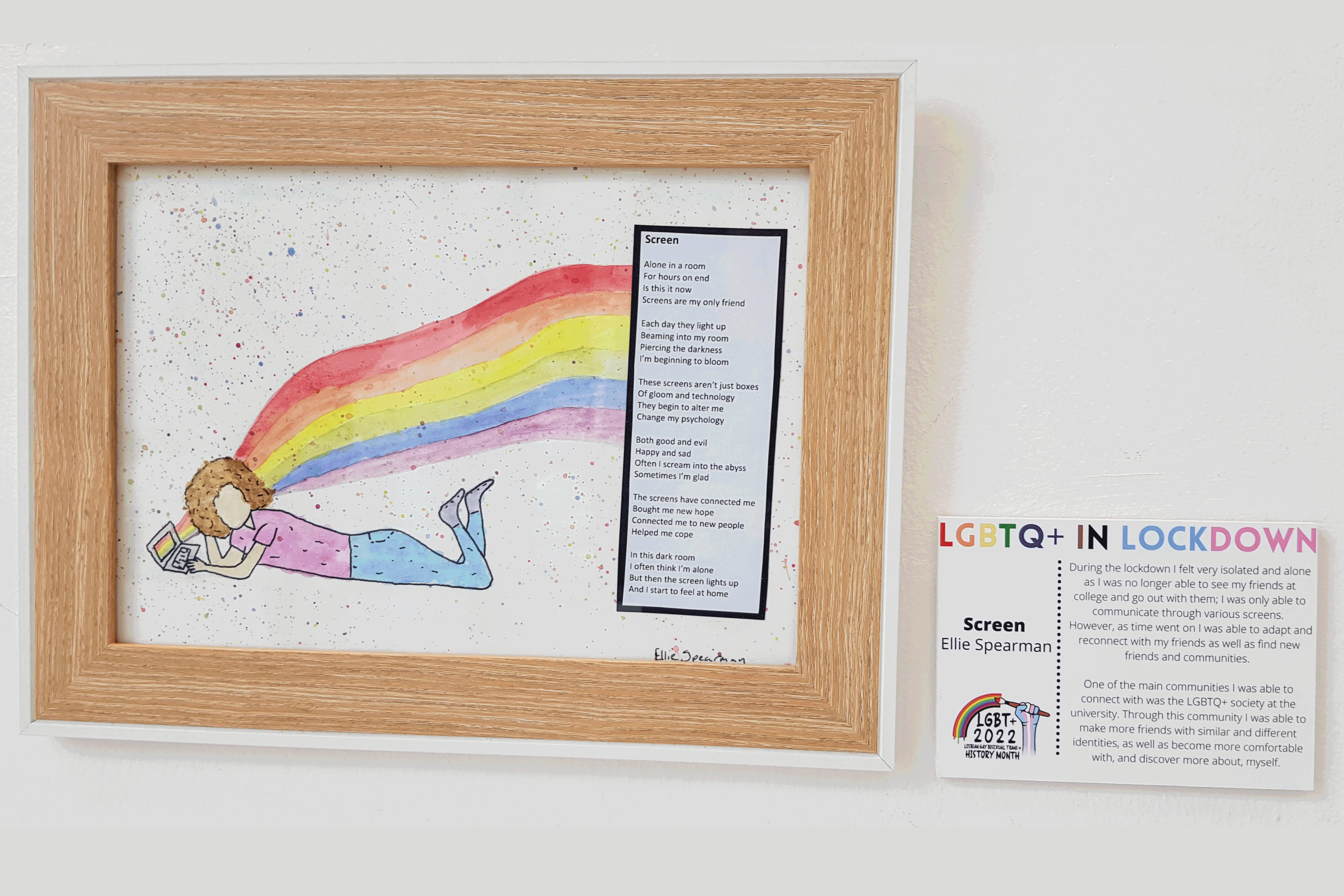
Art piece showing student on laptop with rainbow coming out of it. By student Ellie Spearman

LGBTQ+ in Lockdown student art exhibition

Our talented LGBTQ+ students have created a range of art pieces based on their experiences of ‘LGBTQ+ In Lockdown’. You can view the display in Keynes Atrium all month.

For millions of people across the UK, and the world, the Covid-19 lockdowns were a turbulent, emotional and difficult time that placed intense pressure on an individuals’ mental health. Many are still living, and struggling, with the aftereffects.

This exhibition showcases the creative talents of LGBTQ+ students at the University as they reflect on their experiences during the Covid-19 pandemic, and in particular the lockdowns throughout 2020 and into 2021.

For LGBTQ+ students, alongside the pressure of trying to juggle studies, work and the anxiety caused by the global pandemic, there was the additional pressure of being away from their university support networks, potentially being forced to live in a hostile environment, or having to pause or further delay treatment or medical processes for an unknown period of time. For many, lockdown was incredibly traumatic.

For other members of the community, the lockdowns represented an opportunity for deep self-reflection and discovery; a chance to explore their identities.

This collection of art and poetry, commissioned from over 20 student artists from the LGBTQ+ community, reflects the diverse range of feelings and experiences that are reflective of our wider community, both at Kent and beyond and offers a window into the different meanings that the word ‘lockdown’ had for students.

The artists were encouraged to reflect upon what lockdown meant for them as a member of the LGBTQ+ community, both the positives and the negatives. For some, lockdown was an experience that they hoped would never be repeated. For others, it was a period of contemplation and enlightenment. For many, it was both.

Thanks to Student Services and Kent County Council who funded this project.

Support for LGBTQ+ students

Student Support and Wellbeing will be offering a special wellbeing workshop focused on building resilience for student members of the LGBTQ+ community, particularly in light of the challenges faced in light of Covid-19. You can book your place via Target Connect. 

Further support is available via Student Support and Wellbeing. This includes mental health support, counselling and peer support groups as well as workshops. For further support resources please see the LGBTQ+ section of the University Self-help Guide.


Art piece showing student on laptop with rainbow coming out of it. By student Ellie Spearman

LGBTQ+ in Lockdown art exhibition

Our talented LGBTQ+ students have created a range of art pieces based on their experiences of ‘LGBTQ+ In Lockdown’. You can view the display in Keynes Atrium all month.

For millions of people across the UK, and the world, the Covid-19 lockdowns were a turbulent, emotional and difficult time that placed intense pressure on an individuals’ mental health. Many are still living, and struggling, with the aftereffects.

This exhibition showcases the creative talents of LGBTQ+ students at the University as they reflect on their experiences during the Covid-19 pandemic, and in particular the lockdowns throughout 2020 and into 2021.

For LGBTQ+ students, alongside the pressure of trying to juggle studies, work and the anxiety caused by the global pandemic, there was the additional pressure of being away from their university support networks, potentially being forced to live in a hostile environment, or having to pause or further delay treatment or medical processes for an unknown period of time. For many, lockdown was incredibly traumatic.

For other members of the community, the lockdowns represented an opportunity for deep self-reflection and discovery; a chance to explore their identities.

This collection of art and poetry, commissioned from over 20 student artists from the LGBTQ+ community, reflects the diverse range of feelings and experiences that are reflective of our wider community, both at Kent and beyond and offers a window into the different meanings that the word ‘lockdown’ had for students.

The artists were encouraged to reflect upon what lockdown meant for them as a member of the LGBTQ+ community, both the positives and the negatives. For some, lockdown was an experience that they hoped would never be repeated. For others, it was a period of contemplation and enlightenment. For many, it was both.

Thanks to Student Services and Kent County Council who funded this project. 

See more LGBT+ History Month events