Happy New Year!

With the last days of Christmas coming to a close, we hope that you all had a restful and enjoyable festive season. Special Collections & Archives is now open as usual again and we look forward to seeing you in 2016.

If you’ve been getting involved in social media over the festive period, you might have seen our very own celebration of the Twelve Days of Christmas via @UoKSpecialColls. With only 140 characters in which to celebrate our wide range of collections, we had to be brief, but I thought I’d take this opportunity to tell you more about some of the items we featured.

The first day of Christmas: an ancient Greek vase
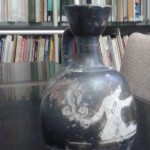
Perhaps one of our most enigmatic items, this Greek vase has been part of Special Collections for a long time, and represents those stand alone items which are not part of any collection, but are unique, rare or valuable within their own right. Although the provenance of the vase is unknown, information with the item does suggest that this is an ancient treasure.

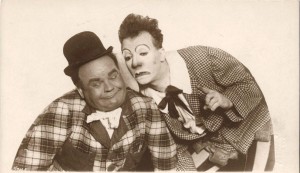
The second day of Christmas: two pantomime clowns

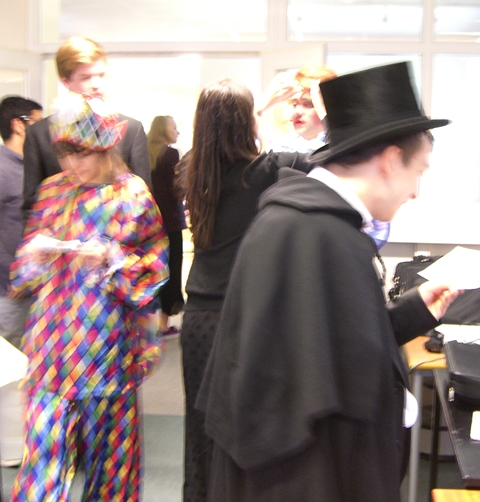
Still a staple of the festive season, pantomime was an important part of the theatrical tradition throughout the Victorian and Edwardian periods. The clowns were, of course, an early part of the pantomime genre, which evolved from the Italian comedia dell’arte. These two comedians are Dick Henderson and George Jackley, who regularly collaborated with the Melville family in their annual pantomimes. This image is from the 1923/24 production of Jack and the Beanstalk at the Lyceum Theatre.
0600662

Information about the Theatre Collections.

The third day of Christmas: three cute koalas
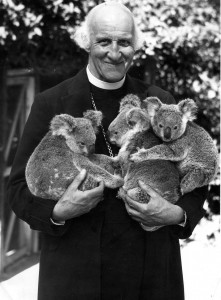
3714This lovely image is of Hewlett Johnson, Dean of Canterbury Cathedral from 1931-1963. A contraversial figure in his lifetime, owing to his stalwart support of Communist regimes including Stalin’s Russia and Mao’s China, Johnson travelled widely. This photograph is from an album celebrating Johnson’s visit to Australia in 1950 as part of a global tour giving speeches at Peace Rallies. Having travelled via Rome, Karachi and Calcutta, Johnson then visited Sydney and Darwin, arriving in Melbourne on 15th April. The photograph was taken at  Lone Pine Wildlife Sanctuary, Brisbane in Queensland.

Information on the Hewlett Johnson Papers.

The fourth day of Christmas: the voyaging Beagle

The Jack Johns Darwin Collection includes a wealth of early and rare editions of Charles Darwin’s work, including a first edition of the ‘Narrative of the surveying voyages of His Majesty’s ships Adventure and Beagle, between the years 1826 and 1836‘. Johns became fascinated with Darwin while volunteering at the museum of the Darwin family home, Down House in Kent. This 1839 edition comprises four volumes: two written by Fitz-Roy, the captain of the Beagle, one by Philip Parker King, the naturalist on the voyage, and the third volume by Charles Darwin, whose official role on the voyage was as companion to the Captain. Following Darwin’s later fame, later editions of The Voyage of the Beagle comprised just this third volume.

Information about the Jack Johns Darwin Collection.

The fifth day of Christmas: five Portuguese windmills
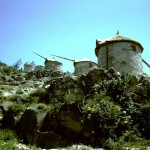
F184298The Muggeridge Collections include a variety of photographs of mills and other rural subjects, which date from 1904 onwards. William Burrell Muggeridge and his son Donald were fascinated by the vanishing rural life in Britain and across the wider world. Donald’s role in the Second World War gave him the unlikely opportunity of photographing mills across Europe, and he later supplemented this collection on family holidays. The set of images of mills in Portugal were taken in April 1966: this photograph is of a group of tower mills at Abelheira near Esposende. As well as documenting lost architecture and ways of life, the Muggeridge father and son were also innovative in their use of developing photographic technology.

Information about the Muggeridge Collections.

The sixth day of Christmas: six Stand-Up comedians

Stand-Up_LogoSince the autumn of 2014, the University of Kent has hosted the nascent British Stand Up Comedy Archive, which was founded with the deposit of materials from comedians Linda Smith and Mark Thomas. This archive includes a wealth of audio visual materials and is growing rapidly. Alongside the collections of another four comedians, materials include records of venues, interviews with comedians and some magazines relating to the early Stand Up Comedy scene.

Information on the British Stand-Up Comedy Archive.

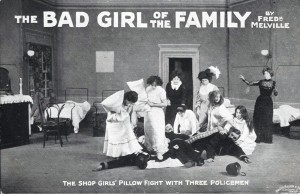
The seventh day of Christmas: seven bad girls of the family

Melodrama was a hugely popular genre on the stage throughout the nineteenth century and into the twentieth. One of the last series of hugely popular melodramas were the so-called ‘Bad Women’ dramas written and produced by the brothers Fred and Walter Melville, during the first two decades of the 1900s. These included such evocative titles as ‘The Girl Who Wrecked His Home’ and ‘A Girl’s Cross Roads’. One of the novelties of these productions were the use of female villains, usually with a male counterpart, who often had dubious morals and plotted to ruin the heroine. Although Walter Melville was acused of being a ‘woman hater’, these roles would have offered the actresses in the company an unusually rich character to portray. This publicity postcard comes from a set for ‘The Bad Girl of the Family’, produced around 1909 at the Adelphi Theatre, London.
M699937e

Information about the ‘Bad Women’ Dramas.

The eighth day of Christmas: eight Melville children

The Melville Collection contains gems from a theatrical dynasty which started with George Robbins (1824-1898), who alledgedly ran away to join the theatre, changing his surname to Melville. His son, Andrew Melville I continued the theatre tradition, and had eight children with his wife, Alice, all of whom went on to become performers, playwrights, theatre managers and owners. Of the eight, Jack died young, but the four daughters went on into the profession and married performers. Fred and Walter became successful theatre managers in London, owning the Lyceum Theatre and building the Prince’s theatre in 1911, which is now the Shaftesbury. Andrew Melville II was an actor and manager outside London, with the Grand Theatre in Brighton on his circuit. It was the widow of Andrew Melville II’s son who donated the collection to the University.
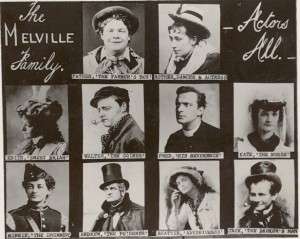
M600671Information about the Melville family.

The ninth day of Christmas: nine worthy women
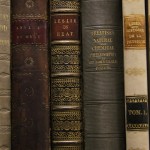
IMG_2012Alongside our archival collections, Special Collections also holds a number of rare books. Written by Thomas Heywood, this 1690 edition of The exemplary lives and memorable acts of nine the most worthy women of the world does not include the woodcuts present in the Cathedral Library’s copy. Considering the lives of ‘three Jews, three Gentiles and three Christian’ women, Heywood includes the Biblical Deborah, Judith and Esther, before considering three ‘heathens’, one of whom is Boudicca, called ‘Bonduca’ in this text. The three Christian women are ‘Elphleda’, daughter of Alfred the Great, Margaret of Anjou, queen of Henry VI, and, of course, Queen Elizabeth. Bringing together this range of women shows just how diverse Early Modern precedents for behaviour and virtue could be.

Information about the rare book collections.

The tenth day of Christmas: ten tins of talc

The British Cartoon Archive celebrated its 40th anniversary in 2015. Alongside the many cartoonists represented within this still growing collection, the well loved Giles artwork is a perennial favourite. As cartoonist for the Daily Express, Giles produced satirical political cartoons, but it is for his eclectic family of characters, including the mischevious children and irascible Grandma which he is most commonly known. This cartoon was published on 29th December 1964, proving that the post-Christmas sale is no new thing! Alongside the published version, the Archive holds the artwork and it was also included in the 1964 Giles annual. These annuals are still produced each year, with materials from the Giles Collection at the Cartoon Archive.

Information about Carl Giles materials in the British Cartoon Archive.

The eleventh day of Christmas: eleven Ken Smith poems

Modern literature is well represented in the Collections, with our Modern First Editions including poetry and prose. Alongside the reconstructed library of poet Charles Olson (collected and deposited by Ralph Maud), first editions of Brideshead Revisited and a number of works by E. M. Forster, we have small print press items which are regularly used in teaching. This volume is by Ken Smith, a major voice in world poetry, who died in 2003 and whose archive is at Leeds University, which Smith attended and where he also became tutor as Yorkshire Arts Fellow 1976-78.

Information about the Modern First Edition and Modern Poetry collections.

The twelfth day of Christmas: twelve William Harris letters
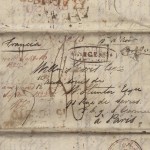
William sent his letters home via his friend Mr Hunter, who lived in Paris.

As with the ancient Greek vase, this small collection of letters represents gems in the archive which do not necesserily link with a wider range of materials. As successive blog posts have shown, however, the Harris correspondence offers insight into the adventures of an architect exploring Europe in the early nineteenth century.

Information about the William Harris letters.

If you’d like to know more about any of our items or collections, do take a look at the website, or contact us.
KEM Lives On at the British Cartoon Archive

DSC_0155

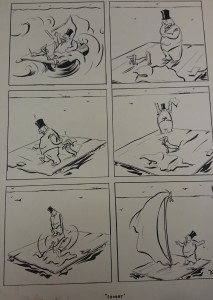
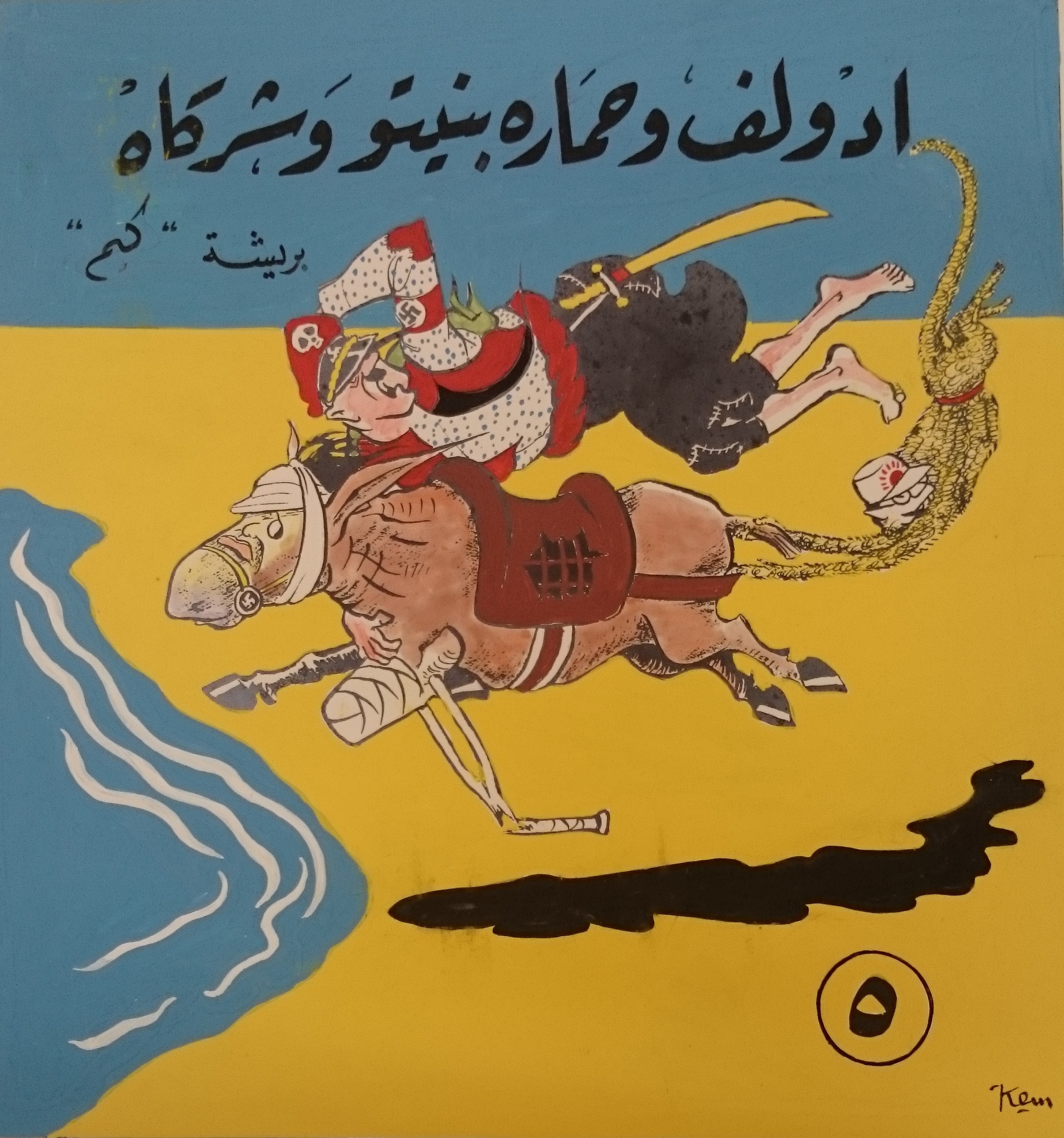
Adolf and His Donkey Benito – original artwork

The British Cartoon Archive holds many unique collections from celebrated cartoonists, and one fascinating example is the KEM archive. Many of you will be familiar with the image of Adolf and his Donkey Benito, but just who was KEM?

KEM was born Kimon Evan Marengo in Egypt, the son of a Greek merchant, and grew up in the Greek community of Alexandria, coming to England to pursue studies at Oxford. His studies were interrupted in 1939 by the onset of the Second World War. By this point he had already been published in many international newspapers, including the New York Times and the Daily Telegraph, and he joined the Ministry of Defence where he worked on propaganda for the Middle East. He also spent sometime working as a war correspondent.

DSC_0169

Franklin D. Roosevelt and Winston Churchill

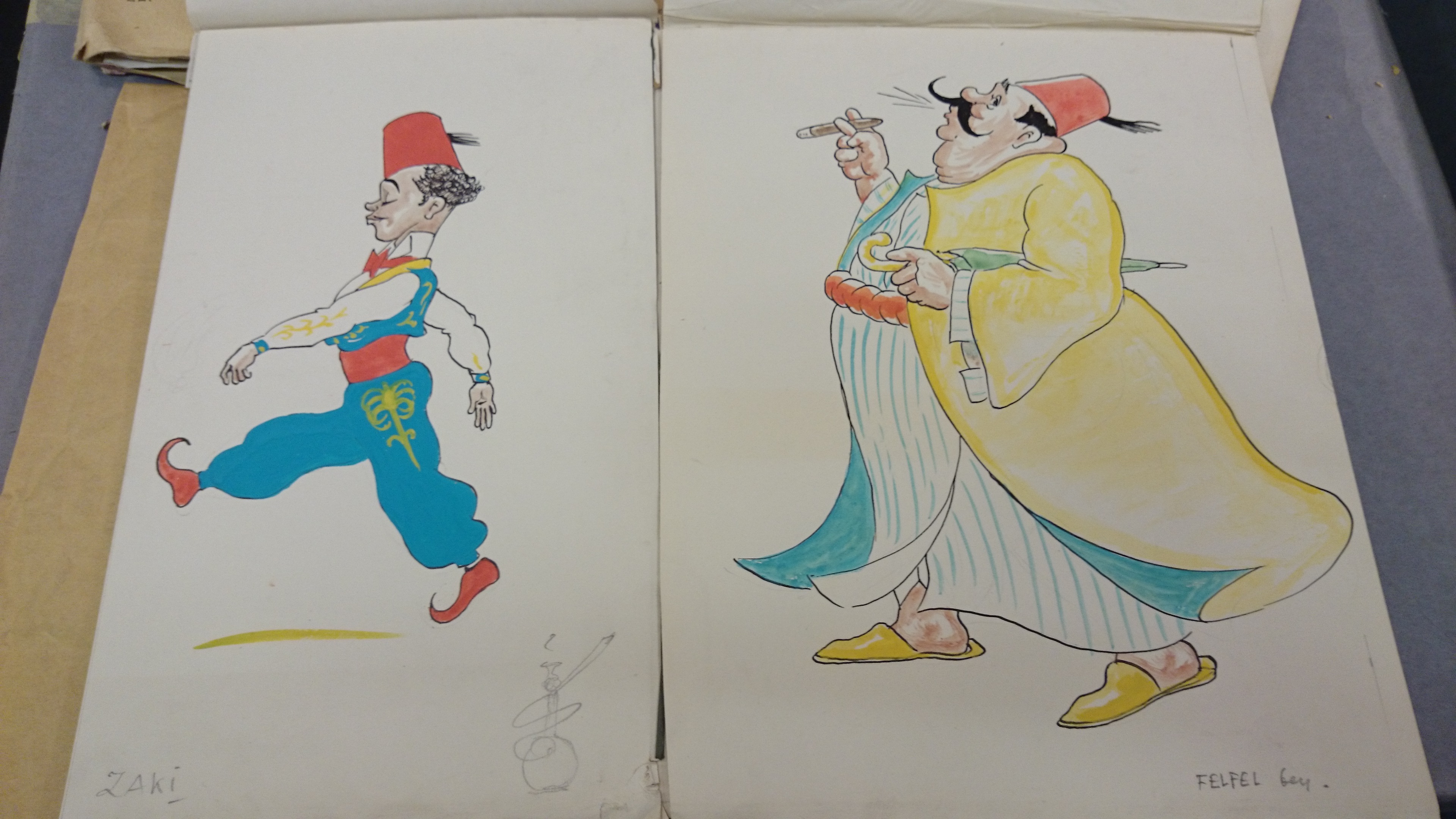
As a product of a Middle Eastern community, his work is often quite different to that of other cartoonists of the time. He did plenty of traditional war propaganda, cartoons involving Hitler, Mussolini and Churchill, but some of the treasures in the KEM collection come in the form of his Middle Eastern propaganda. These brightly coloured pamphlets are a unique look at propaganda during the Second World War.

DSC_0135

…and Hitler in some discomfort

DSC_0134

Mussolini…

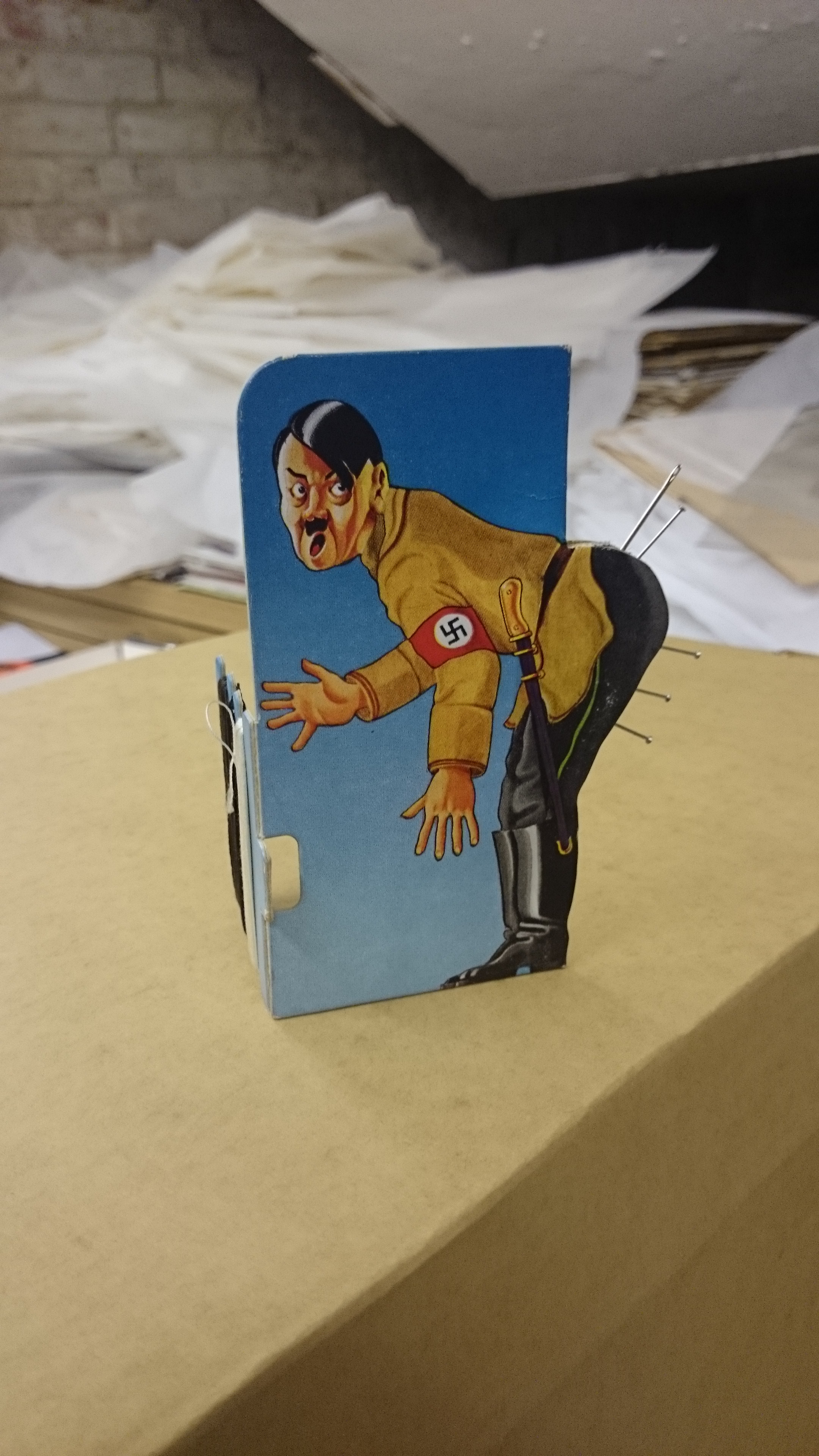
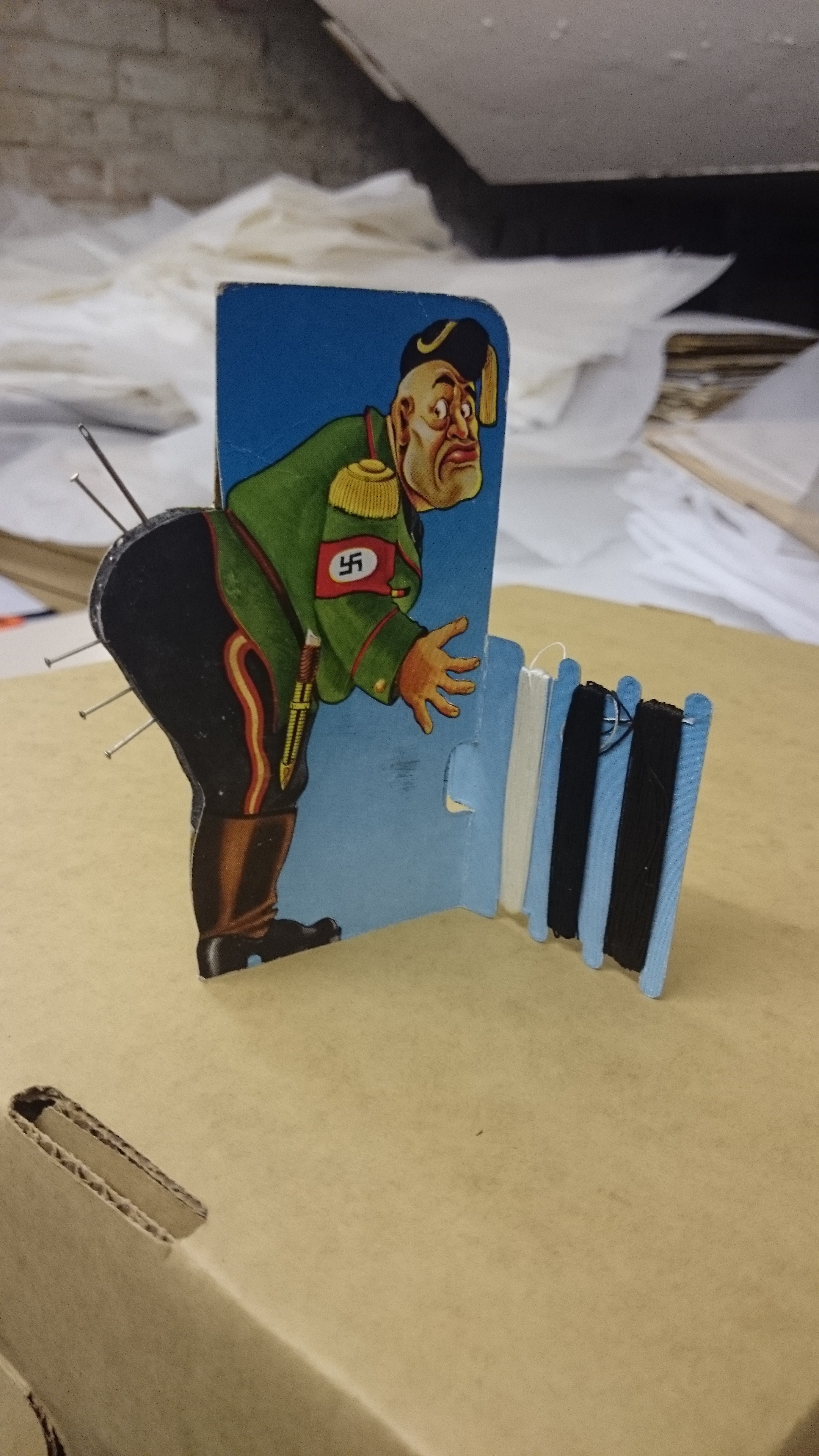
One of my earliest discoveries working with the KEM archive was that of a double sided pin cushion, complete with needles and pins still inserted, of Mussolini and Hitler. Such a small item says a huge amount about attitudes towards the enemy, and whilst it certainly has a comical element, the purpose is a serious one: keeping up morale by making two dangerous men into figures of comedy and ridicule.

DSC_0152

Beautiful artwork with a Middle Eastern flavour

Also contained in the archive is a near complete collection of all of KEM’s Christmas cards, and many of the printers blocks used to create them. These Christmas cards would hardly be considered to display traditional seasonal imagery as they are heavily politicised, and those that date from the Second World War also work as propaganda, ridiculing the enemy.

DSC_0151

Original artwork for Southern Railways

DSC_0166

Snobby the Dachshund’s Adventure at Sea

A large section of the collection is taken up by original artworks, for his Christmas cards, his political cartoons, and even for a couple of posters advertising the Southern Railway. All the cartoon artwork was given an accession number by KEM and carefully recorded in the ‘Rochester Books’ – giving exact dates for when he produced the artwork, rather than the dates that they first appeared in print.

One of my favourite selections of KEM’s work however is his cartoon strips of Snobby the dachshund, who can be seen here rescuing his owner at sea by turning himself into a mast for their raft.

Explore the KEM archive, and many more, on the British Cartoon Archive website.

Rachel.

Adventures of an Amateur Archivist

Mmmmm. Cake.

Mmmmm. Cake. (Edsel Little – Flicka)

I didn’t grow up wanting to be an archivist. My one clear ambition, around the age of eight, was to be a baker in the morning and an author in the afternoon. When it came to choosing a degree I was fairly lost, after all who really knows what they want to do when they’re seventeen. I decided to do Classical and Archaeological studies, like most people simply because I liked the subject at school, and chose the University of Kent as I knew Canterbury well and found the course contained many uniquely interesting modules.

The idea of becoming an archivist came to me about halfway through my second year at Kent. I have always been fascinated by history, even as a young child, but struggled working out how to use it in my career. I couldn’t be a history teacher, neither could I see myself as a lecturer in history – I was terrified of speaking to groups of people. I couldn’t picture myself as a career historian. Despite archaeology being part of my degree title, I followed more of an Ancient History pathway, deciding archaeology was not the right fit for me.

Bizarrely I think a large influence was the BBC’s ‘Who Do You Think You Are?’ I have always primarily been more interested in social and religious history than any other sphere, and I think the initial idea I had was to become a genealogist, but WDYTYA showed me archives could hold a wealth of hugely interesting and varied material, and to be working with that material, and maybe even be in charge of what happens to it, is what pulled me towards the career. I also hold a firm belief that anything of historical value should be preserved and made available for anyone who wants to see it.

So, after a couple of years of job hunting, and a year stint as a casual and Saturday girl at my local council libraries, I managed to get a job as a Metadata Assistant at my old university. I hadn’t expected to return to Kent, but I was exceedingly happy to do so. I viewed this job as more or less perfect in terms of transitioning between libraries and archives, the wealth of experience I would gain, and the direction I wanted to be going in. Needless to say I could hardly believe my luck.

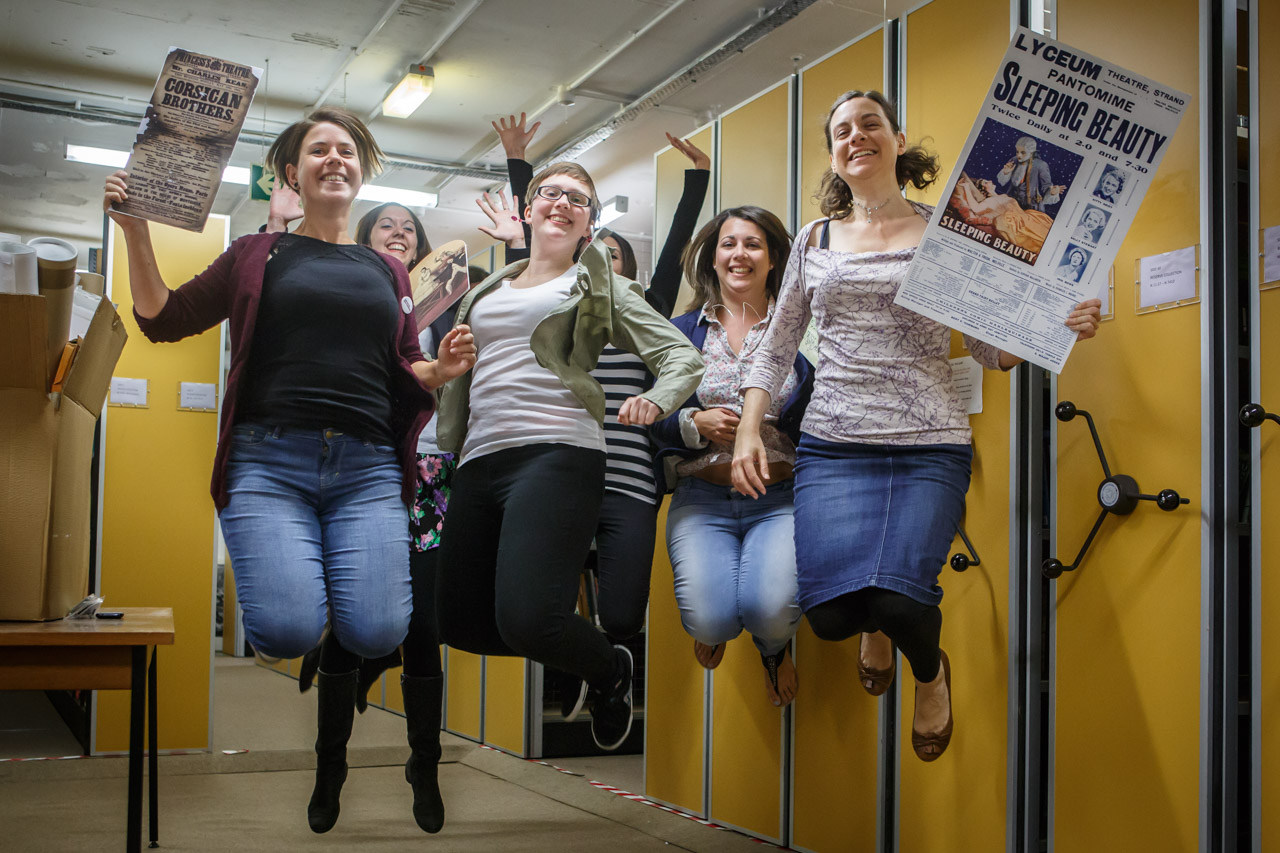
My co-workers of happiness (and me)

My co-workers of happiness (and me)

My first task was to conquer cataloguing. I had no previous experience and so have learnt everything from scratch. Initially I was focussed on regular academic books, and then I was introduced to Special Collections book cataloguing. Initially the experience was incredibly confusing. The empty catalogue record looked to me a little like a small Excel spreadsheet with a list of, (then meaningless), numbers at the side. Now it makes perfect sense to me, but at the time I found it challenging.

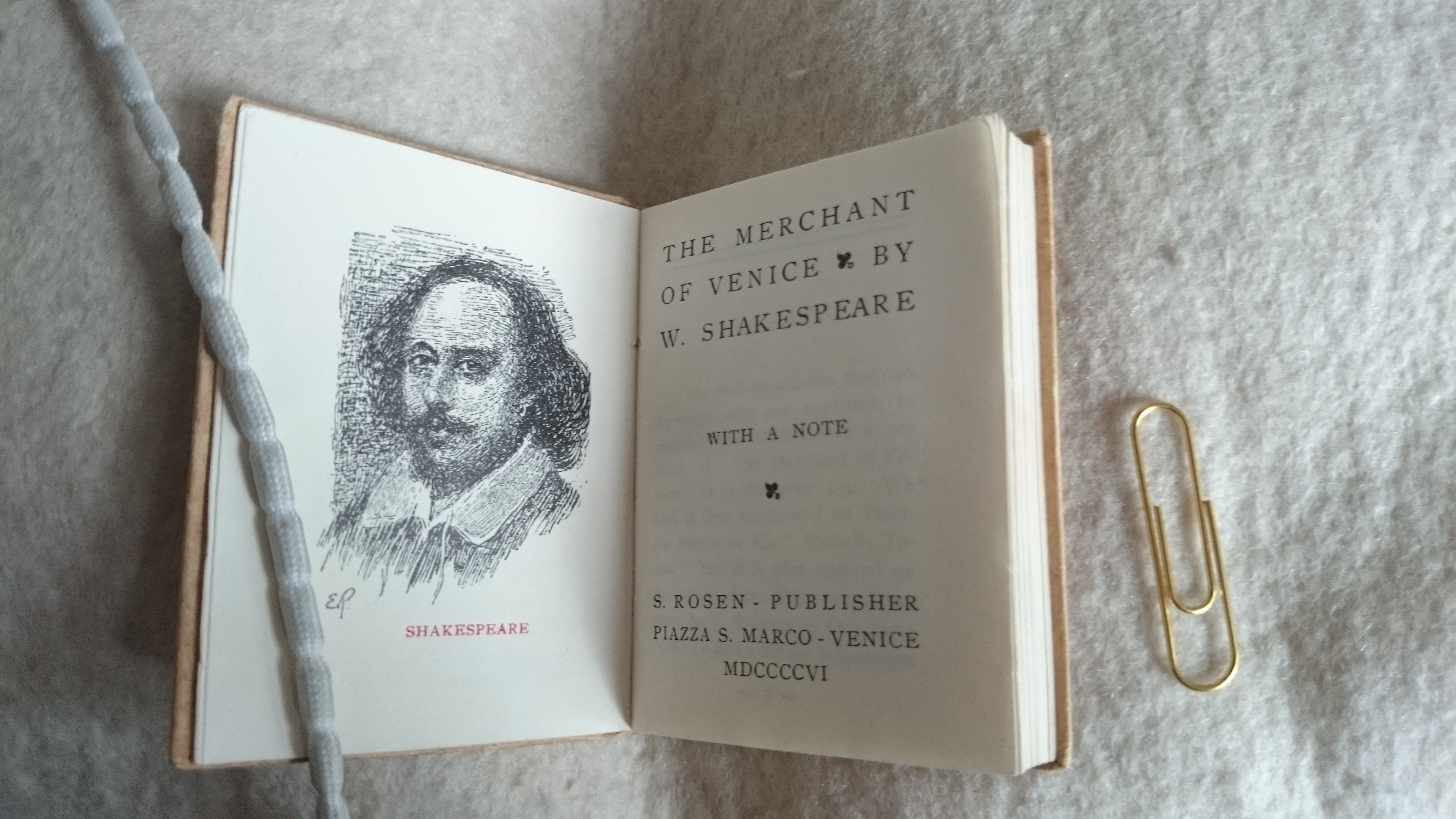
7cm tall Merchant of Venice I catalogued from the Reading Rayner Collection

7cm tall Merchant of Venice I catalogued from the Reading Rayner Collection

Later I was moved on to cataloguing for the British Cartoon Archive (BCA), which doesn’t just involve books. My principle duty is cataloguing modern political cartoons from the daily newspapers. This uses a different program to book cataloguing, so, just as I was adjusting to the first program, I was given another, totally different, one to master. Cartoon cataloguing is definitely a skill that improves with practice. The point is to enter search terms in the record that describe the cartoon, but working out what is going on in any given cartoon isn’t always straightforward. What I struggled with most was approaching this with little diverse political knowledge. I had no idea who most of the people in the cartoons even were. Now I can recognise caricatures of people, despite not knowing what they look like in reality.

A hugely important collection within the BCA is that of Carl Giles, and as part of this we have stacks of blank Christmas cards, designed by him. My first non-cataloguing job was to count these, and put them in boxes. The novelty soon wore off. Unsurprising when you consider I counted over thirteen thousand of these. However I did eventually get through them, and the sense of triumph when they were done was palpable. My work at the BCA has become more diverse, although boxes continue to play a remarkably large part in my life.

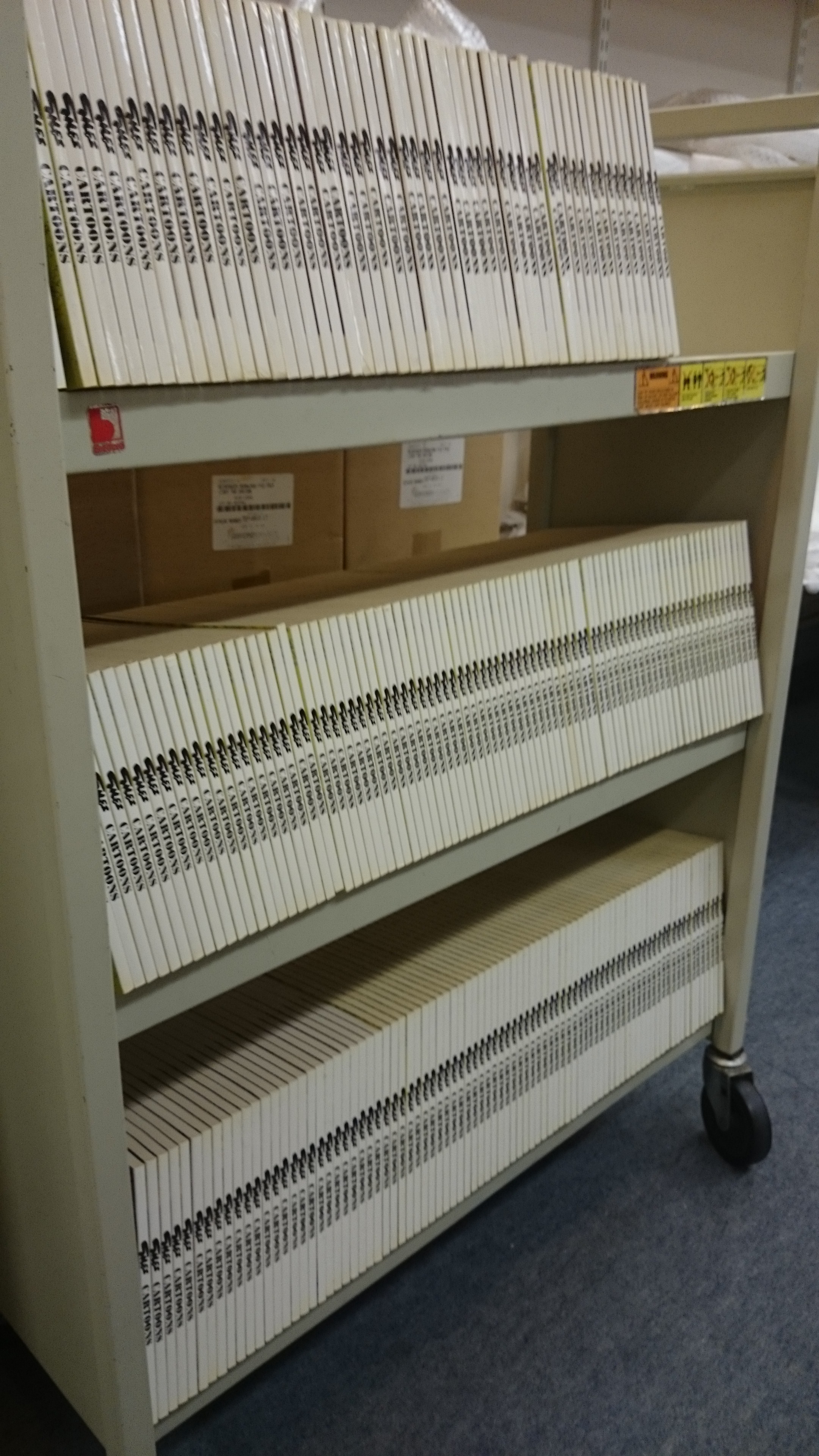
Many many Giles annuals (without attendant boxes)

Many many Giles annuals (without attendant boxes)

A few months into my work at Kent the BCA received a new and highly significant collection of the political cartoonist Leon Kuhn. He was an anti-war cartoonist, who campaigned alongside George Galloway’s party Respect in the 2005 general election. His work, I have learned, is unique, hard hitting, and often fairly disturbing. It is also large. I was given the task of unrolling and relocating his political posters, many of which were taller than my five feet two inches. I appreciate that for a human five foot two is not especially tall, but for rolls of paper it is pretty big, not to mention unwieldy. I also had to relocate the rest of the collection, including boxes of campaign leaflets, photos and books. I did enjoy this work, especially as it was my first real opportunity to see some of the collections, but I felt a little like a removals lady.

The work that I am proudest of taking on is of a more social nature. I have always struggled to talk to people, be they in groups, or just one person I don’t know particularly well. I often find my nerves get the better of me to the point of panic attacks. So when I was asked if I wanted to supervise volunteers in a rare book cleaning project and help out in seminars run for students using Special Collections and Archives material, my first response, both times, was panic and a distinct sense of ‘no way,’ after all I had only been in the job three months, surely there was no way I was prepared for this. I ignored my brain screaming wordlessly at me, and agreed to give both a go.

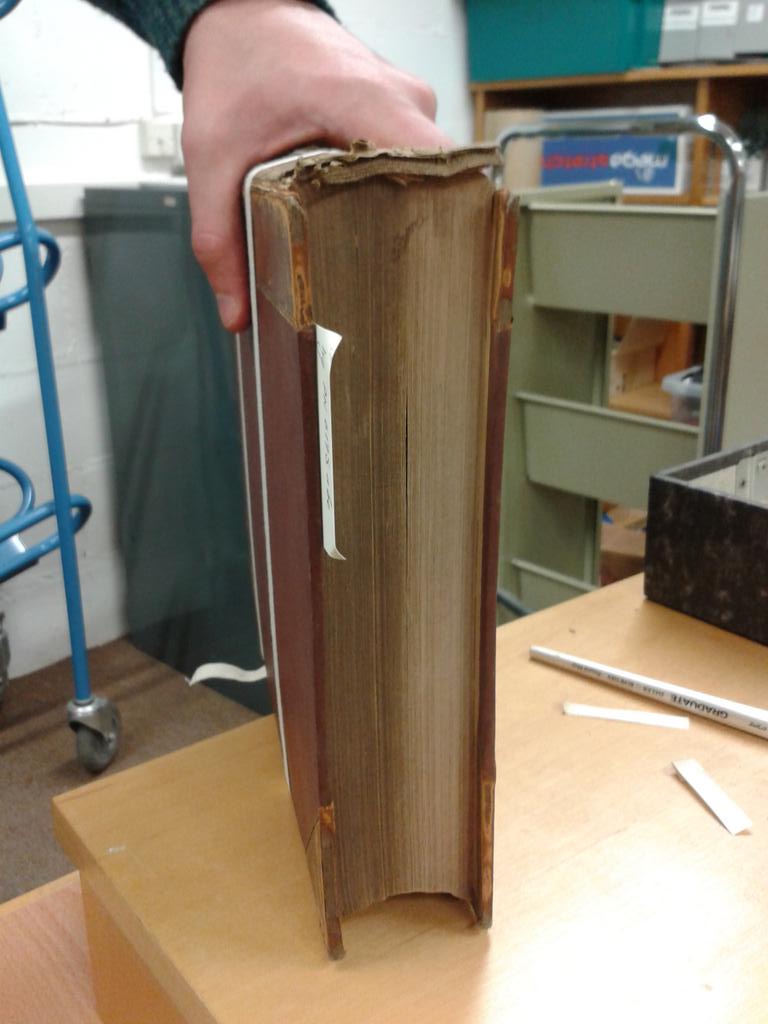
The volunteering was the easier of the two to deal with. Initially I only had one volunteer to supervise cleaning rare books in preparation for our move to the Templeman extension next year, and I was lucky that she was a happy, friendly and chatty sort of person. It went a lot better than I anticipated and I actually enjoyed doing it, which is what surprised me the most. This project has allowed my confidence to grow substantially.

Before and after - volunteer cleaning

Before and after – volunteer cleaning

The seminars were harder. There would be a group of students who would all be listening to, and for the most part looking at, me whilst I gave a run down on what Special Collections and Archives was, how to order items and how to use the material we had out in the seminar. I was shaking at the time, but I overcame my nerves, and found presenting became easier with each seminar. This came with a great sense of achievement, as I overcame my initial concerns.

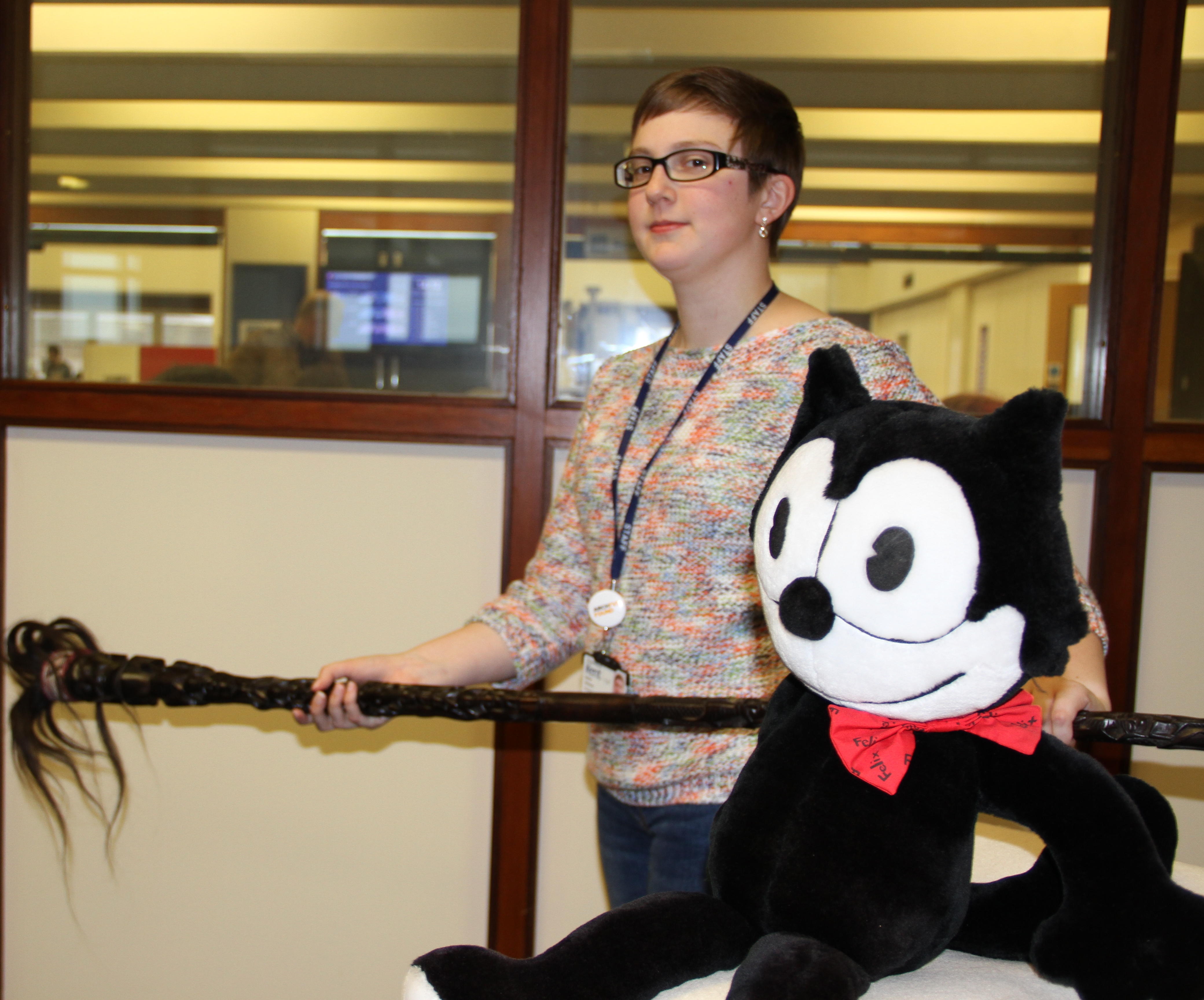
I think it’s easy to say the most interesting thing that has occurred in my brief time here was the Reading Room leak. I came in on a Monday morning to be informed it was basically raining in the reading room. Over the course of the day tiles fell off the ceiling and the carpet was soaked through, however all staff pulled together to ensure there was no major damage to any collection items. Throughout the day, and over the course of the next couple of days, I helped various other staff members remove items from the room, such as reference books, old playbills from our theatre collections, and the Indonesian shaman’s staff. (You get some weird looks when you carry that through the library and into a lift). Basically the entire of that week was a little frantic. I regularly had to leave my usual work to go and help deal with the disaster. I spent a lot of time scurrying around the building, and found I was exhausted at the end of it. But oddly I almost enjoyed the experience. Especially after we managed to save everything.

My colleague Josie in the leaking reading room

My colleague Josie in the leaking reading room

My experience has been invaluable. I have huge variety in the work I do, with ample opportunity to push myself further. I have a much clearer idea of the work archivists do, and most importantly for me I have confirmed to myself that this is the area in which I want to work. I absolutely love the work I do, although that may not always come across. Even tasks that I didn’t necessarily find easy are an important experience, and I think it’s good for archivists to be involved in their collections with work at every level. My experience of working with a variety of collections, in a variety of functions has prepared me to commit to a postgraduate course in archive management. I work in the happy knowledge that I am incredibly lucky to be working here. It took me two years following graduation to get a full time job, but now I know that it was worth the wait, and I am unbelievably happy to be back at Kent.

Rachel Dickinson

Thou shall not leak!!

Thou shall not leak!!

Victorians, assassinations and monsters

Here we are at the end of the first week of term – and would you believe, it’s almost exactly a month since Christmas. With so much of January behind us already, we’re looking forward to the rest of the year and I’d like to take the opportunity just to mention some of the excitement we’ve got to come in the next few months.

0594848

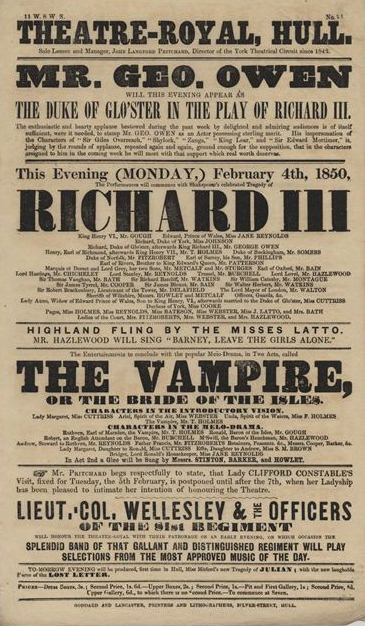
Playbill from Theatre Royal, Hull, 1850

On Monday, we had our first taught session with the Victorian and Edwardian Theatre students in the reading room. It’s always great to get to meet and talk to researchers, as well as providing materials to inspire them and help them with their discoveries. One of the great things about this module is that each time we’ve run it, all of the second year Drama students are swept up with enthusiasm for the materials and being able to use them in creative ways to explore a topic of their choice. Of course, we’re in the early days so far and tutors Ken Pickering and Mark Woolgar still have plenty of sessions left – covering topics as diverse as pantomime, Henry Irving and votes for women. We’re very much looking forward to getting to know the students and to support their work which leads to a public exhibition in April.

If you’d like to learn more about this module, or see examples of past exhibitions by students of this course, take a look at our Exhibition pages on the website. If you’re interested in setting up teaching opportunities with the collections, please do get in touch with us.

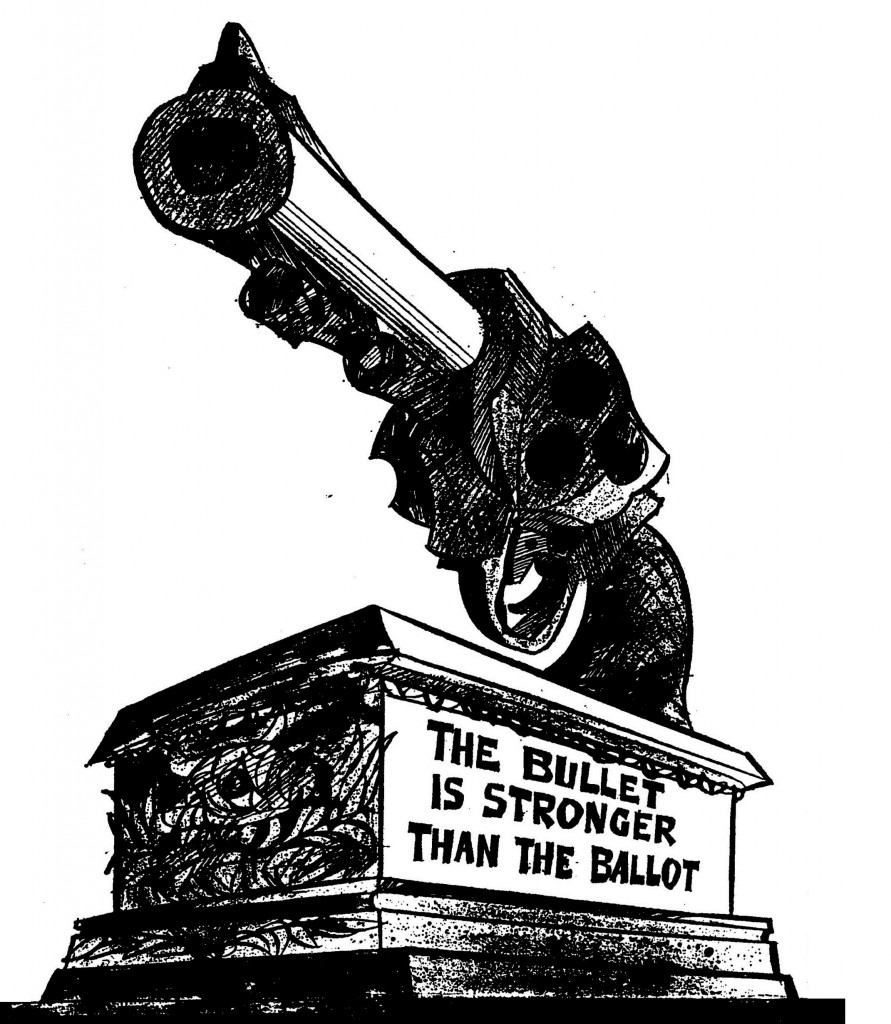
While we’re on the topic of exhibitions, we have a brand new exhibition in the Gallery this term. ‘The Bullet is Stronger than the Ballot‘ is built around the unique holdings on the British Cartoon Archive, and explores the theme of political assassination. This ties in with the Beaney’s season on the theme which features Manet’s ‘The Execution of Maximilian’ and John Opie’s eighteenth century painting, ‘The Murder of Thomas Becket’. More information about our exhibition, which will run until 2 March, is available on our website as well.

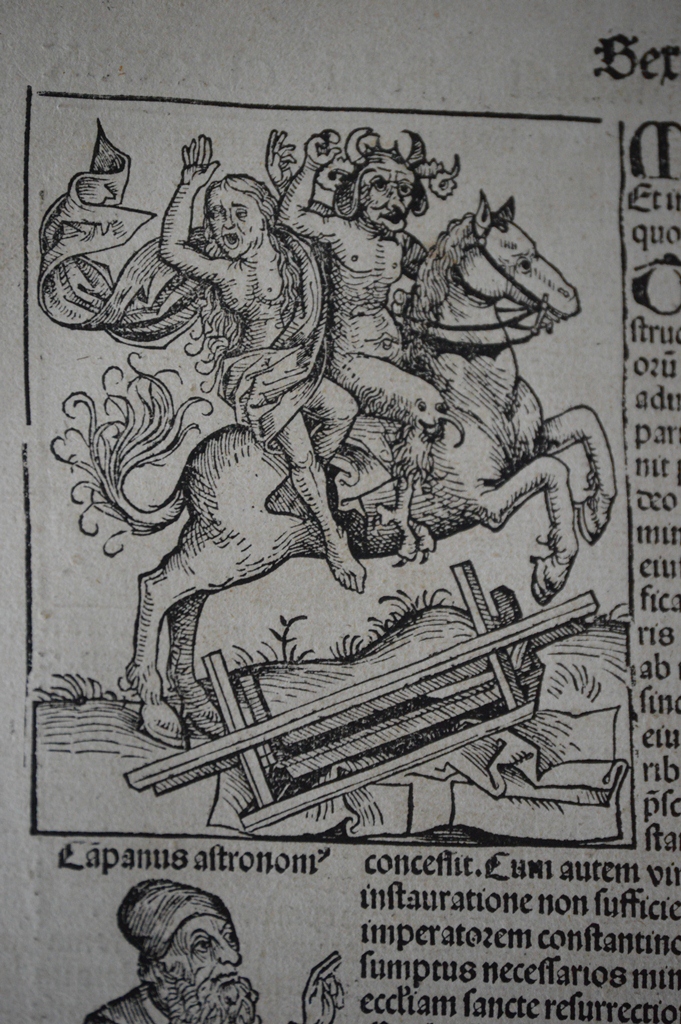
The Devil rides again...come and discover the monsters hidden in the library

The Devil rides again! Discover monsters hidden in the library

If you’re more interested in some mystery and the odd spine-chilling tale, the second lecture in our annual series could be the event for you! Monsters in the Library: M. R. James and bestiaries at Canterbury Cathedral will be presented by Diane Heath, who is an assistant lecturer in History at the University of Kent and also teaches at Canterbury Christ Church University. She will be telling us about her research into mythical monsters and beasts in the Cathedral’s collections, drawn together through the work of scholar and author Montague Rhodes James. I have been told that we may discover, as part of this lecture, the medieval methods for finding unicorns. In any case, it will be an intriguing evening which we hope will not result in any nightmares!

The talk will take place at the AV Theatre, Cathedral Lodge, in the Cathedral Precincts at 6.30 on Wednesday 12 Febuary, with refreshments from 6pm.

And that’s all we have time for this week, although I’m sure I’ll be updating you about all kinds of exciting and interesting aspects of our collections in the next months. I hope that we’ll see you at some of these events, and please do let us know what you think of them!

An unforgettable year: 2014

A very happy new year; on behalf of the Special Collections & Archives, I’d like to wish you a successful, peaceful and happy 2014. We finished 2013 in celebratory style, with two book launches for the ever talented students of Simon Smith’s The Book Project module, and a festive get together for our volunteers. Now back at the Templeman Library, we’re getting back into the flow of things, with the reading room back to our normal opening hours, ahead of the start of term on 20 January.

And what a term it’s likely to be! To start with, we have our first exhibition of 2014 opening in just a week’s time, on Friday 17 January. ‘The Bullet is Stronger than the Ballot‘ will explore cartoons of political assassinations, in collaboration with The Beaney, who are 15884 croppedhosting Manet’s ‘The Execution of Maximilian’, as part of a season looking at political assassination, as far back as Thomas Becket. Drawing on a wide range of cartoonists’ work since the Second World War, ‘The Bullet is Stronger than the Ballot’ will be on display in the Templeman Gallery until the end of February. Dr. Nick Hiley, Head of Special Collections and Curator of the British Cartoon Archive, will be giving a talk about British cartoonists and political assasinations at the Beaney on Thursday 20 February.

Exhibition launch 2013We’ll also be heavily involved in teaching this term, particularly with the Drama department, whose ‘Victorian and Edwardian Theatre‘ module has become a huge success. This involves intensive teaching in Special Collections, encouraging students to analyse the rare and unique performance materials we hold, and culminates in an exhibition curated by the students in the Templeman Gallery in April. I’m sure I will be blogging much more about that as we get closer to the time.

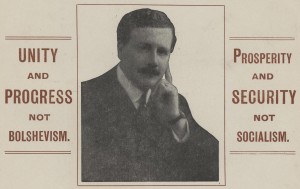
With the Templeman Development Project now well under way (foundations and ground floor level now visible), we’re starting to see our planned changes coming into effect. The first impact is going to be the closure of the Templeman Gallery space in the summer of 2014. This means that our final major exhibition, for the time being, will also be our first public presentation of the Kingsley Wood papers, in May 2014. The exhibition will open with the launch of historian Hugh Gault’s new book Kingsley Wood: Making the Heavens Hum. We can’t wait to see the results of all Hugh’s hard work, and many hours spent poring over cuttings in the reading room!

Section of Kingsley Wood's election poster for 1918.

Section of Kingsley Wood’s election poster for 1918

In addition, we still have two talks to come in this year’s Special Collections & Cathedral Library Lecture series – in February, Diane Heath will be telling us all about the monsters and beasts in medieval books, followed by Olly Double guiding us through the giggles of popular comedy, from music hall to standup in June.

Of course, we’ll also be doing all of our normal work cataloguing, processing and caring for collections, helping you with enquiries and research and in particular preparing for the University’s 50th anniversary celebrations next year. And that’s not to mention the start of the 4 year World War One centenary commemorations, or the exciting prospect of watching the Templeman extension – and the new Special Collections basement, offices and research and teaching space – take shape.

All in all, I think it’s going to be a very exciting and busy year!