

Sustainability celebrations at Kent Community Oasis Garden

Last week, sustainability champions from across the University celebrated the first year anniversary of the FutureProof project at a garden party held at the Kent Community Oasis Garden.

FutureProof is the University of Kent’s response to the United Nations Sustainable Development Goals (SDGs) and provides a framework, challenging and supporting each University department to review their impacts against the SDGs and working to create positive change.

FutureProof, which launched in June 2018, aims to inspire individuals, departments and the whole University community to take action in ensuring that our estate, our curriculum and our students are ready for the future.

The Sustainability Champions are key to the project’s success as they act as catalysts for change in their departments and conduits for sustainability information across the University. As part of their role as champions they lead on their own projects and the celebration event was the sustainability’s team way of saying thank you to them for all their hard work.

The event highlighted case studies from the year, which can be read in full in the Futureproof report

Projects have included a tripling of recycling rates in Biosciences, education for sustainable development projects at the Business School and a wellbeing project at the Medway campus.

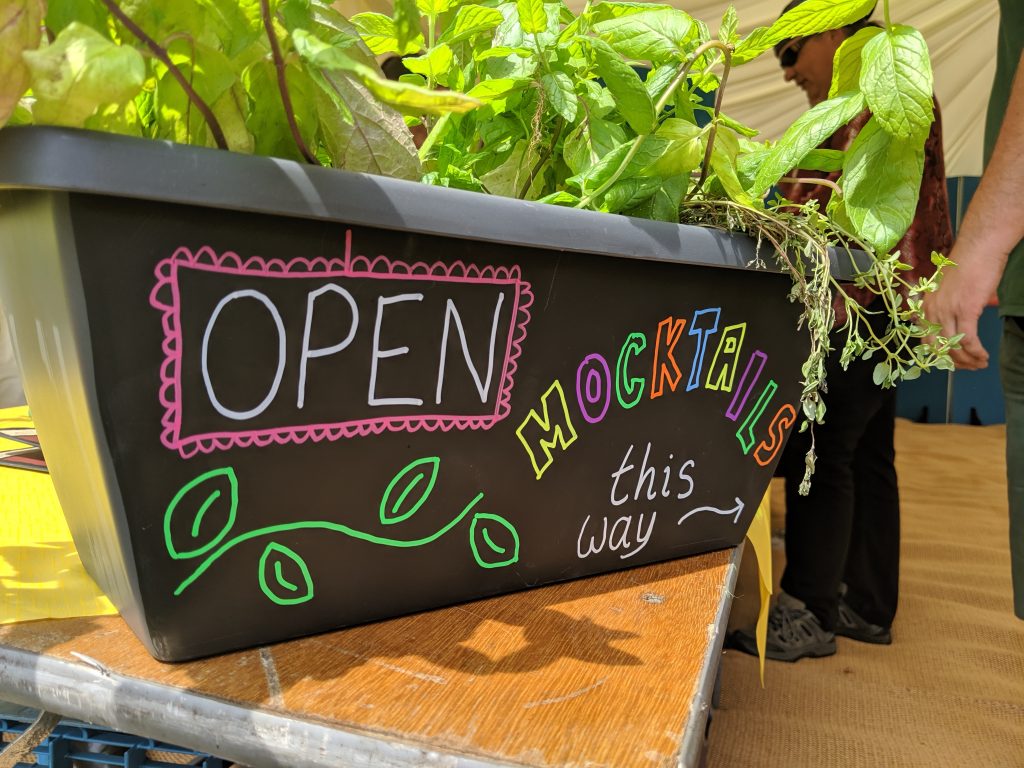
To celebrate, the sun came out for a delicious vegan BBQ prepared by chef Ben Elsbury (from Kent Hospitality), games with prizes to be won, and a refreshing mocktail bar with fresh herbs from the garden.
In its first year FutureProof has held 6 workshops at both the Canterbury and Medway campuses with an overall attendance across them of 124, recruited 65 sustainability champions from 43 different departments, and supported 20 sustainability projects from across the University.

For more information about FutureProof please visit www.kent.ac.uk/sustainability or email sustainability@kent.ac.uk

The Zero-Waste Retail Revolution

Guest Post and infographic by The Cleaning Services Group

What Are Zero-Waste Stores?

A zero-waste store is designed in such a way as to comply with the principles of the zero-waste movement. It achieves this by eliminating as much waste as possible either through lowering the amount of waste produced or by changing how waste is managed.

Zero-waste typically feature bulk-style bins and dispensers. Customers bring their own containers and can select the exact quantities they need. This helps to cut down on unnecessary packaging while also preventing food waste.

The Rise of Zero-Waste Stores Around the World

Over the past few years, the zero-waste movement has become a worldwide phenomenon. According to the Bepakt Index, there are now around 150 packaging-free markets around the world. We are also now beginning to see some major players in the supermarket world, such as Waitrose and Lidl, launch their own waste reduction initiatives.

Zero-Waste: A Response to Customer Demand

On average, England generates 177 million tonnes of waste every year. The rising popularity of zero-waste stores indicate a growing customer interest in eco-friendly alternatives that help to cut down on this number.

The 2015 Nielson Global Corporate Sustainability Report shows that 73% of consumers would switch brands if there was something similar on the market that supports a good cause. Taking a more eco-friendly approach that emphasises sustainability has also been associated with greater transaction spends and increased brand loyalty.

Learn More About the Zero-Waste Retail Revolution

The below infographic from the team at The Cleaning Services Group investigates how these “zero-waste” stores aim to make consumers be more mindful of the environmental impact of their shopping habits. The graphic outlines the many business benefits of going zero-waste and also offers some practical tips to help retailers get started on their own zero-waste journey today.