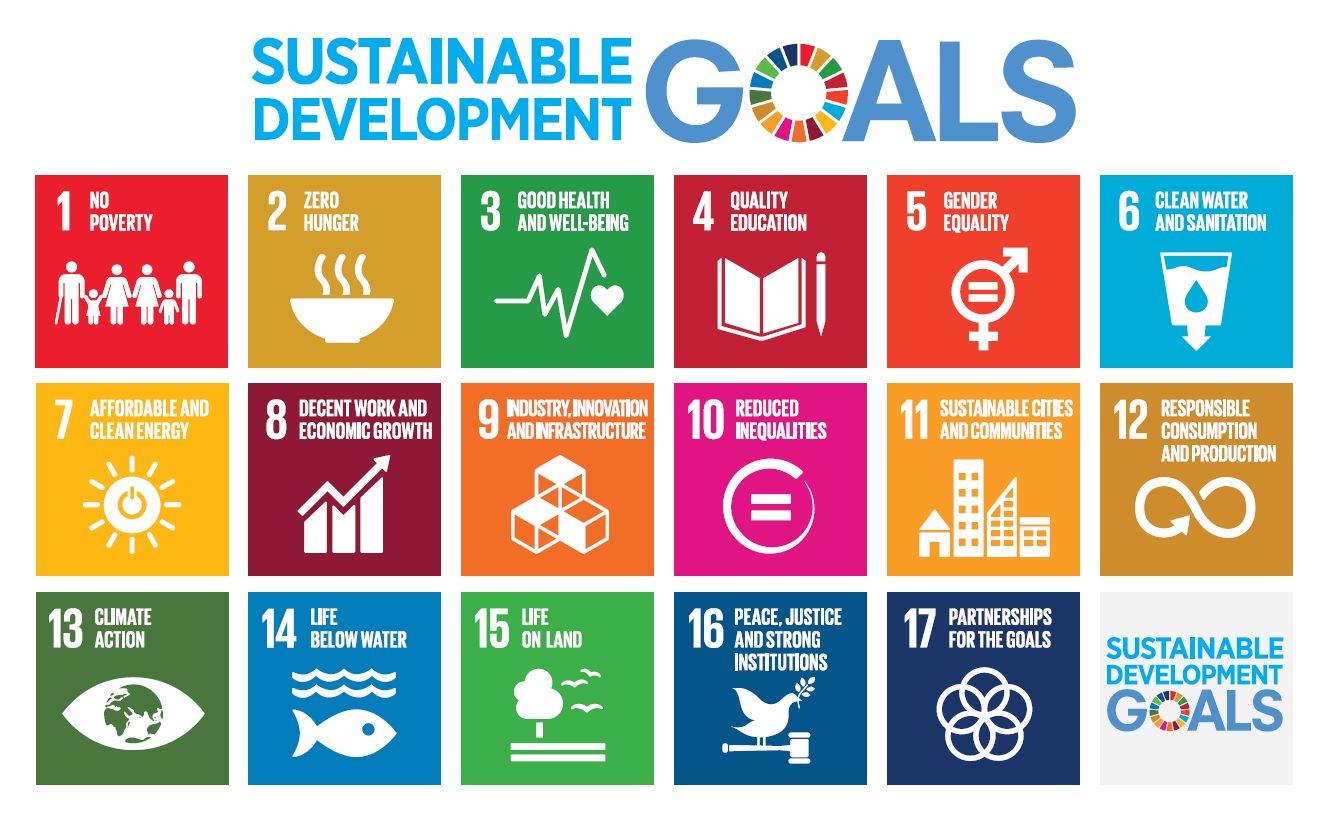
Recently I asked the sustainability champions of the University of Kent to pick out one of the Global Goals that resonated with them. A goal that they felt was really important to them, and that they themselves could do something to help make a reality. You can read more about my call to action in our blog post about the Global Goals.
I am not one to issue a challenge without taking it on myself so I looked at the goals and tried to pick one out. Now as a sustainability professional they all resonate with me, so that was not a great starting place for narrowing them down to one. I trained and worked as a wildlife conservationist so found myself drawn to 14 and 15; as an avid gardener and ‘Good Life’ wannabe number 2 seemed a good pick also; I work in Higher Education so number 4 was super important to me; so it was not long before I found myself making a good justification for each of the 17 goals as to what I do and can do for them.
I mulled this over for a few days and then one day it was clear to me. There is one thing I always have on my desk. No matter the time of day, be it my desk at work or home, there is always a glass of water next to me. I tracked how much water I drank in a day, it was close to 3 liters. Then, without getting too graphic when you drink that much water that mean quite a few trips to the loo!
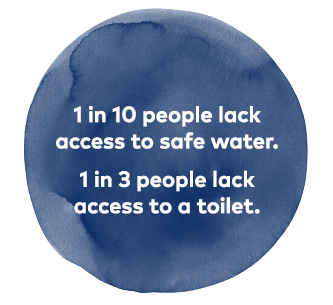
It is something I think a lot of us take for granted, I know I do. I am fortunate to live somewhere where I can access clean water from a tap only a few steps away, and I can go to the loo somewhere safe and clean. This is not the case for everyone.
There is another aspect to this which on this day, March 8th, International Women’s Day makes me think harder about how important access to water is. Figures collated from Water.org from a number of sources including the UN and the World Health organisation show that:
Women and children spend 125 million hours each day collecting water
Women and girls living without a toilet spend 266 million hours each day finding a place to go
Women and children bear the primary responsibility for water collection
Women and girls often spend up to 6 hours each day collecting water
Reductions in time spent collecting water have been found to increase school attendance
Globally, 1/3 of all schools lack access to safe water and sanitation
Involving women can make water projects 6 to 7 times more effective
I don’t know about you but not being able to access a toilet that is clean, private and safe, especially when on my period sounds frightening and would strip an individual of their dignity. The taboos around menstruation still exist and even in the UK many women will know the dance of hiding sanitary products up their sleeves so they can walk through the office to the loo. Now couple this taboo with schools that do not have anywhere for the disposal of sanitary products, and toilets that only designed for men (urinals). By keeping girls from going to the loo they are not going to remain in school especially as they reach their teenage years, and with the pressure to walk further and further to collect clean drinking water as climate change reduces access to water many girls will miss huge chunks of education.
This is why I have picked Global Goal 6 as my goal to champion.
So, now we know the problem, what can we do?
Raise awareness – tell people about this issue
Support the Global Goals
Support charities that are working on the ground with women where the problem is felt the worst e.g. water.org, Water Aid etc
Find out what is happening here in the UK – Homeless women rarely have access to clean toilets and sanitary products during menstruation – http://thehomelessperiod.com/
Don’t take the access we have to clean water and sanitation for granted!
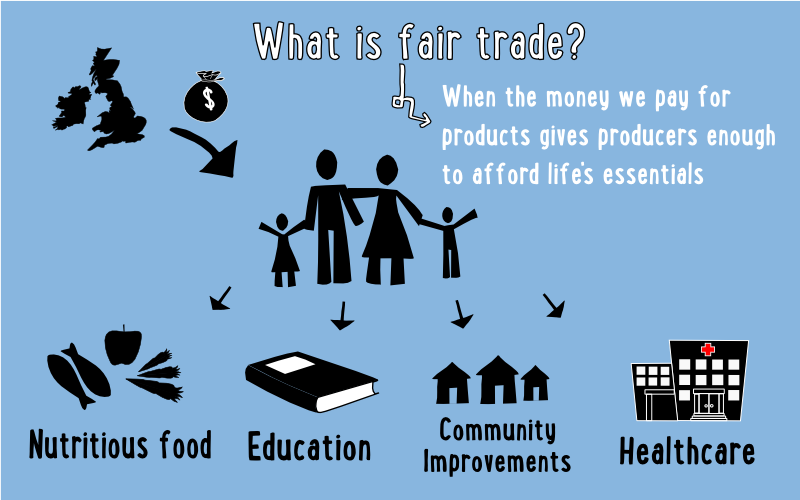
Monday saw the start of Fairtrade Fortnight, two weeks of celebrating the Fairtrade movement, raising awareness of what Fairtrade is and what it had achieved, and encouraging people to switch over to Fairtrade where possible.
The University of Kent is a Fairtrade University and has a Fairtrade Steering Group that works to promote Fairtrade to our staff and students, ensuring that we stock an increasing range of Fairtrade products and seeking opportunities to increase our communities knowledge around trade issues.
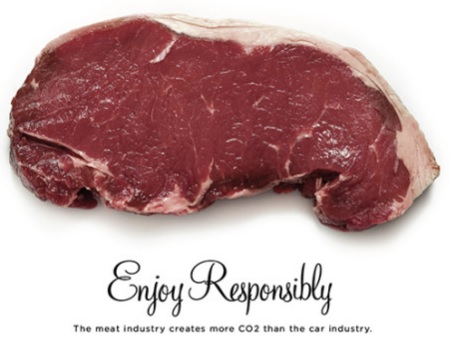
Fairtrade is one aspect of what I would term sustainable food. Sustainable food, being a grouping of food and drink items that are produced in a way that has a reduced negative impact on our environment and communities. Below I give a breakdown of some of the key areas of that may come under the sustainable food collective; the list is not exhaustive so if you have any others you would like featured here, please let me know! (Header image – Enjoy responsibly by Dan Norris and Ray Shaughnessy)
Fairly traded goods
For more information on fair trade and the difference between fair trade and the Fairtrade Mark please take a look at last week’s blog.
Local Food
There is no official definition for ‘Local Food’ but often we expect local food to be comprised of the following characteristics:
Low food miles – the miles the food has traveled from where it was grown/produced to our table
Direct sales – the consumer can purchase the food locally often directly from the farmer/producer e.g. through farmers markets
Ecological/geographical charateristics – the food has been grown/produced in an area that shares the same ecological/geographical characteristics e.g. same soil type, same flora/fauna diversity etc.
Some people consider the fairtrade movement and the local food movement to be automatically opposed as one requires the shipping of food across the globe whilst the other does not. My personal opinion is that the two can coexist quite happily together. We are not going to be growing locally produced bananas and coffee anytime soon and unless large swathes of the population are prepared to give these items up, why not choose to buy these items through a fair trade cooperative?
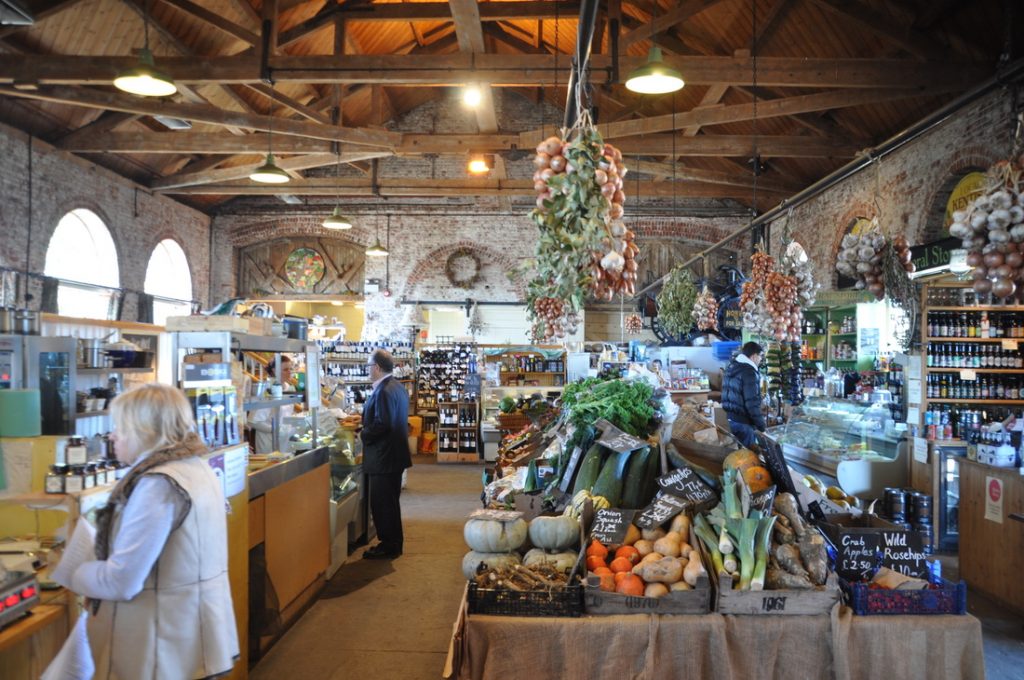
The Goods Shed near Canterbury West Station. A great place to buy directly from local producers.
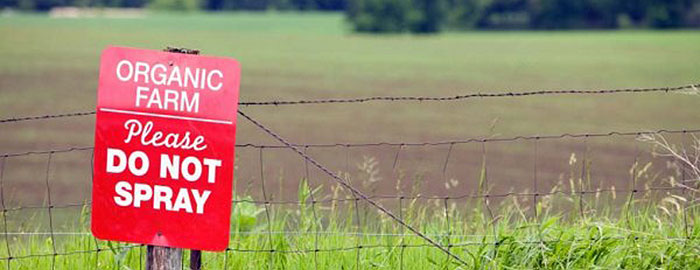
“More of the good stuff, less of the bad – Organic means working with nature, not against it. It means higher levels of animal welfare, lower levels of pesticides, no manufactured herbicides or artificial fertilisers and more environmentally sustainable management of the land and natural environment – this means more wildlife!”
Anything labelled as organic as a minimum will mean:
Fewer pesticides
No artificial colours & preservatives
The highest standards of animal welfare
No routine use of antibiotics
GM Free
This is good not only for the environment especially our soil, but also is good for us. In 2015, Government testingfound pesticide residues in 43% of British food, and with there being around 320 different pesticides being used it is hard to know exactly what is on and in your food and therefore what is going into your body. The easiest way to eliminate this is buying organic. Find out more about pesticides from the Food Standards Agency.
Seasonality
Seasonality is basically eating food when it is in season. It is as simple as that.
Eating with the seasons often ties in with local food as your local food providers will be changing what fresh produce they sell dependent on the time of year and what they can grow.
Eat The Seasons provides a great breakdown of the benefits of eating with the seasons:
“WHY EAT THE SEASONS?
There are a number of good reasons to eat more local, seasonal food:
to reduce the energy (and associated CO2 emissions) needed to grow and transport the food we eat
to avoid paying a premium for food that is scarcer or has travelled a long way
to support the local economy
to reconnect with nature’s cycles and the passing of time
but, most importantly, because seasonal food is fresher and so tends to be tastier and more nutritious”
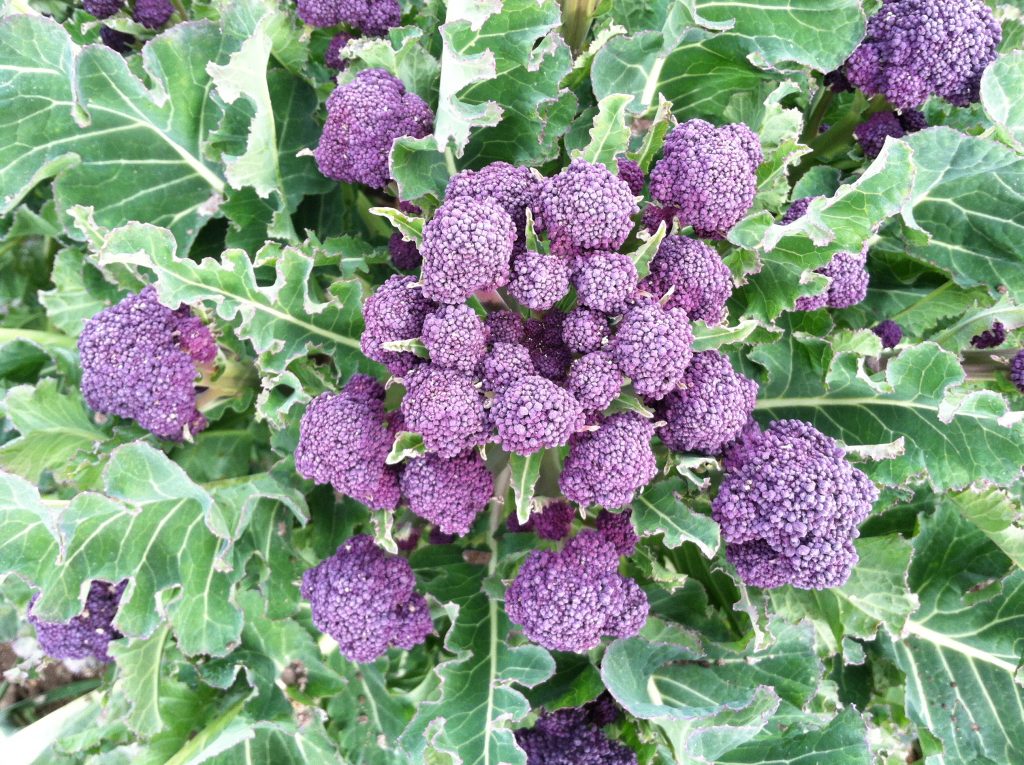
At the time of publishing we are deep into Purple Sprouting Broccoli season so make sure you pick some up and taste the difference!
Higher Welfare
Often higher welfare for farm animals is considered an ethical issue rather than an environmental, however Compassion in World Farming has done a fantastic breakdown of the environmental consequences of factory farming that, wherever you stand on the ethics of meat and dairy production, is a compelling read for those that are concerned for the environment.
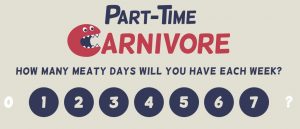
Leading on from higher welfare is conscious meat consumption. For some this means going vegan or vegetarian, eliminating meat and dairy from their diets to reduce their personal carbon footprints, take away money from the meat and dairy production industry and/or for health reasons. The associated carbon and water footprint of the meat industry has been covered in many articles.
The Guardian – Giving up beef will reduce your carbon footprint more than cars
The Daily Mail – Help save the planet – Ditch lamb for rabbit!
For those that do not want to remove all meat and dairy from their diet there is a way to consciously think about the amount and type of meat you eat, and there are many well known campaigns that support this idea. Click the pictures below for more information.
Less waste
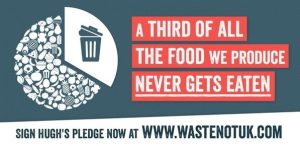
From growing to transportation, packaging to our plates there are a lot of opportunities to reduce the amount of waste produced in our food system.
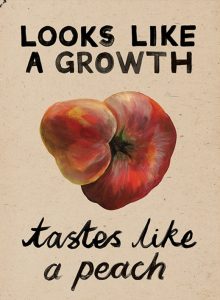
Hugh Fearnley Whittingstall from River Cottage Fame has been highlighting the issue of wasted food recently bringing this huge issue to the forefront, from campaigning supermarkets to stock ‘Ugly Veg‘ to helping people make the most of their left overs.
Eat Ugly by Harriet Stansall
According to Love Food Hate Waste, throwing good food away costs the average person in the UK around £200 a year, which is not great for your wallet. This total is nothing compared to the amount of food thrown away during productions and from the supermarkets. Organisations like FareShare are working hard to address this issue. “Last year [FareShare} redistributed more food than ever before, enough for frontline charities to provide 18.3 million meals for vulnerable people. Yet hundreds of thousands of tonnes of perfectly edible food still gets thrown away, or used to generate energy or animal feed, every year – enough to provide at least 650 million meals for people in need.”
Traceability
Knowing where your food comes from has become much easier in recent years with fresh produce in particular being labelled with its origin. This allows the consumer to look out for things such as food miles as mentioned earlier. One area where traceability is crucial to a sustainable diet is fish.
The easiest way to ensure the fish you buy is from sustainable fish stocks and can be traced is to look out for the Marine Stewardship Council’s Blue eco label:
“The blue MSC label is only applied to sustainable fish and seafood products that can be traced back to MSC certified fisheries. Supply chain businesses must identify and separate MSC certified product in order be certified to our Chain of Custody Standard for traceability. Every business, along every step of the supply chain, is audited by an independent certification body. The MSC regularly monitors the supply chain and auditors’ application of the Standard to make sure requirements are being followed correctly.
We also conduct a series of monitoring activities to ensure the robustness of the system. One of the ways in which we ensure our traceability system is working is through independent DNA tests. Tests have been carried out on hundreds of random samples from MSC certified products and have shown that mislabelling is extremely rare. In the last 6 years, less than 1% of samples have been found to be incorrectly labelled on average.” Marine Stewardship Council
The Global Goals
The Sustainable Development Goals for a more sustainable world feature sustainable food. These Goals ask us what we can do as individuals, communities and countries to ensure that we meet these goals 2030. For more information on the goals please visit our blog calling you to action!
Sustainable Food is a crucial part of the goals so after this breakdown how sustainable do you think your plate of food is? Can you change the world for the better three times a day?