Author Archives: Emily Collins

Bioscience Week brings aspiring scientists to Kent labs

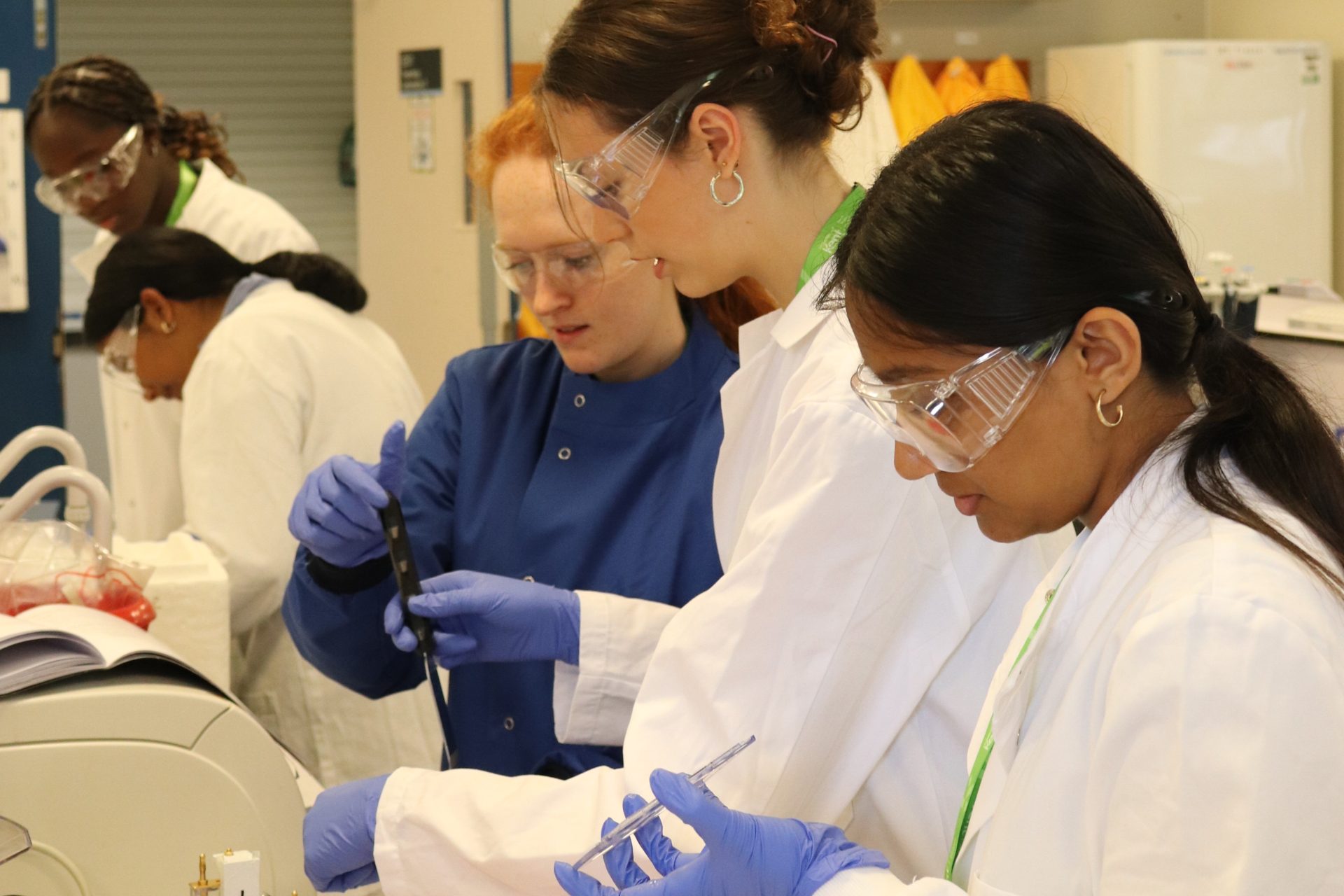
Every August, the Bioscience department, in the School of Natural Sciences, hosts a Bioscience Work Experience Week for students in year 12 and above. The role of this week is to give the students hands-on lab experience, learn about coming to university and discover what it is like to study a bioscience subject in higher education. Daisy Shaw, PhD in Microbiology and postgraduate helper, shares her experience of supporting this annual event.

‘The outreach week has been running since 2017, and was originally set up by Professor Ben Goult, Dr Rosalyn Masterton and Dr Anastasios Tsaousis. For the last two years Dr Rosalyn Masterton has organised it alongside Dr Emma Hargreaves and Dr Dave Beal. All five of these academics have worked incredibly hard to provide the students with an enriching experience, with support from Dr Katrine Solvaag, who co-ordinates student recruitment and engagement in advance.

‘Many students who attended past work experience weeks have gone on to enrol at Kent for their undergraduate degree, with some even continuing on to undertake a PhD. My fellow postgraduate demonstrator, Matt, is one of those ‘success stories’,  having attended the first ever Bioscience Work Experience Week in 2017.

‘So, what did the students get up to? Well, they started the week with an introduction to their five-day project; to genetically engineer E. coli bacteria to express different fluorescent proteins, then extract, purify and characterise this protein. This technique is commonly used by scientists to visualise the movement of proteins in cells, understand how they work and identify new drug-delivery pathways which could lead to the development of new treatments for disease.’
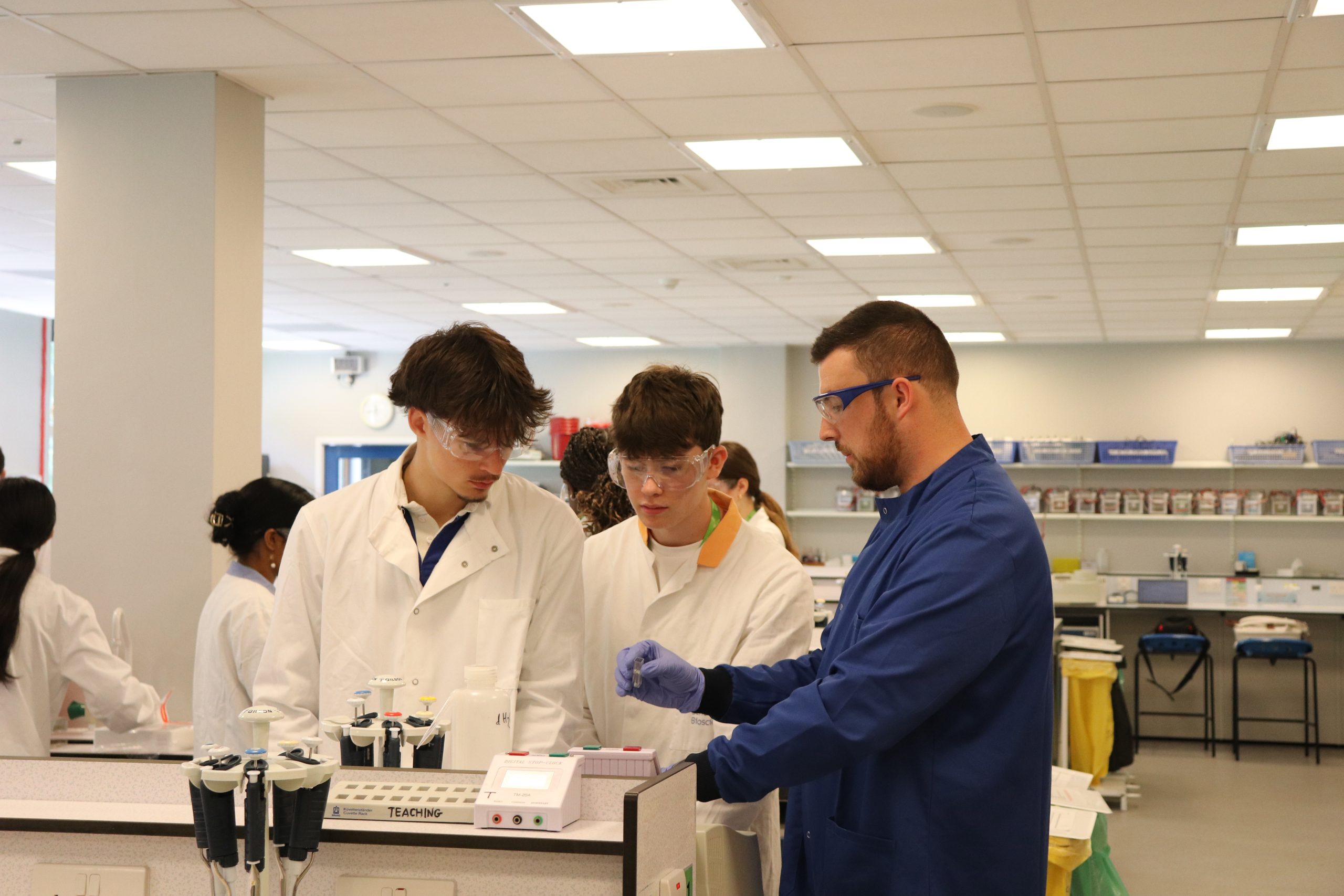
PhD student Matthew Rice (in blue) took part in Bioscience Week when he was a school student and is now a co-founder at DrugUptech, a biotech company that is providing smarter compound uptake analysis to accelerate early-stage discovery in agritech and drug development.


Day 1: Setting up the experiment

‘On Monday the students learnt the basics of working in the lab, such as how to maintain a lab book, using a micropipette and working aseptically under a Bunsen burner. They also made bacterial growth media and set up agar plates, then introduced the DNA which produces fluorescent proteins into the E.Coli cells, before leaving them to grow overnight on the agar plates.’

Day 2: Troubleshooting the problem

‘The next day, the students learnt how to observe bacterial growth using a spectrophotometer which measures how much light is absorbed when passed through a sample. Up until this point, their E. coli was happily growing, but their protein of interest wasn’t being produced, so they added a special chemical called IPTG which allows the bacteria to start producing large amounts of their protein. Even just a few hours after induction, their fluorescent proteins were becoming visible! They left these to grow overnight, and the next morning were greeted with super colourful cultures.’
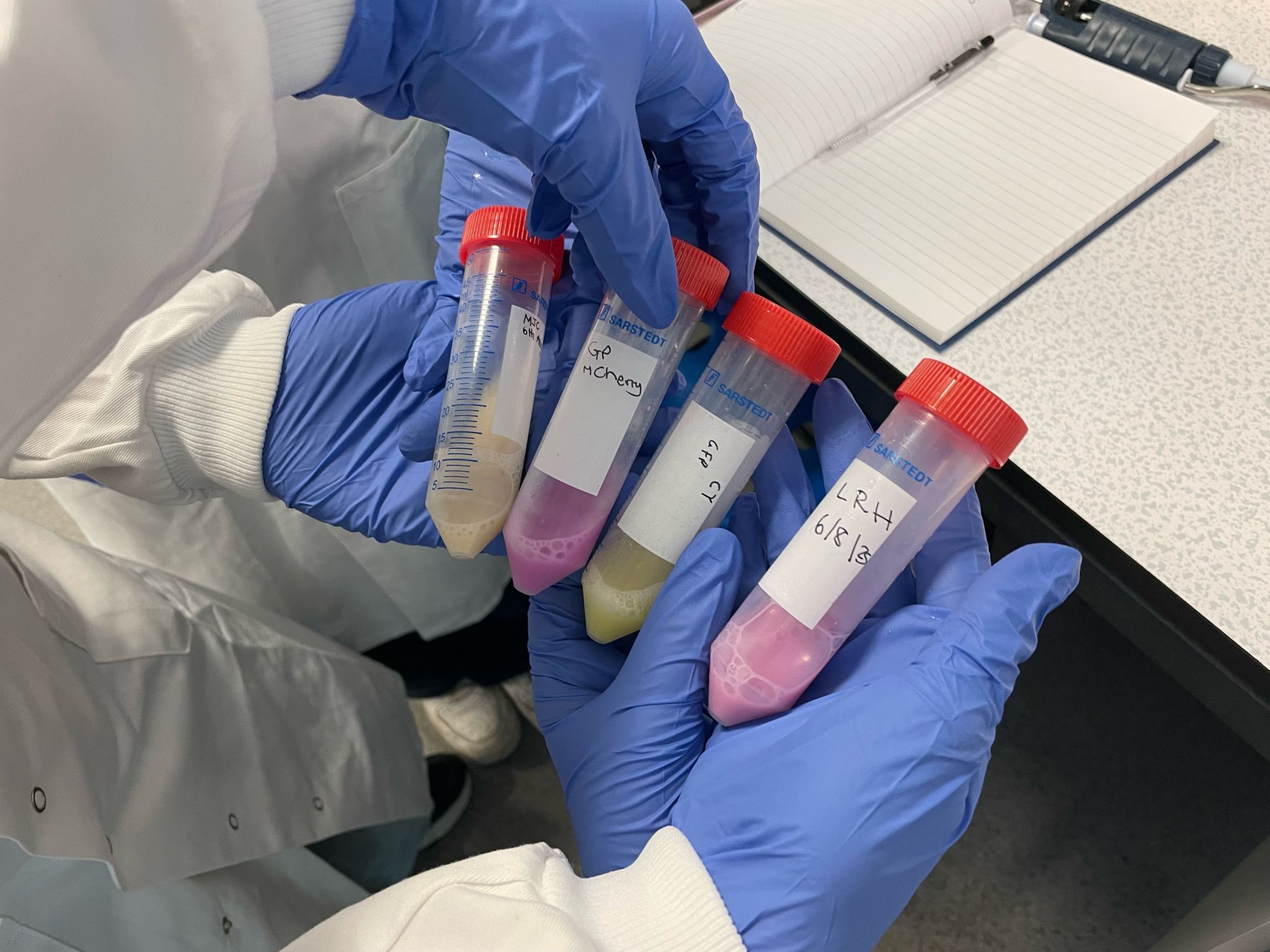
Students added a chemical called IPTG to their bacterial samples to make them express the fluorescent proteins which give them their colour.

Day 3: Extracting proteins

‘Their task on Wednesday was to extract and purify their proteins of interest. They did this by separating the bacterial cells from the media using a technique called centrifugation. The cells then underwent sonication, which breaks open (or ‘lyses’) the bacterial cells using high frequency sound waves, releasing all the proteins within them. To isolate the fluorescent proteins alone they used a technique called nickel ion affinity chromatography.’

Day 4: Sorting the proteins.

‘The following day, they separated proteins by size using polyacrylamide gel electrophoresis, producing an SDS-page gel and an immunoblot.’

Day 5: Sharing the outcomes of their experiment

‘On the final day, students learnt about one of the most important parts of science – dissemination! They spent the first part of the day producing posters of their methods and results, ready to show these to their parents in the afternoon.

‘They also had the chance to be creative with some agar art. The agar plates acted as their canvas, and the bacterial cultures containing the fluorescent proteins acted as their paint. The results were fantastic, with designs including jellyfish, flowers, stars, a turtle and even Walter White! A shortlist was made and the final 10 were voted on by the students and their parents in the closing ceremony. Students were also encouraged to take interesting pictures throughout the week in the lab, and a winner was selected from these too.

‘This was my fourth year helping with this event, and as a postgraduate helper, my role is to guide the students with their lab work, provide demonstrations and answer any questions they might have about the university or pursuing biosciences further. I get a lot out of this week every year, but most of all it is rewarding to see the students grow in confidence in the lab as the week goes on.’
Kent scholar awarded for refugee-led social enterprise

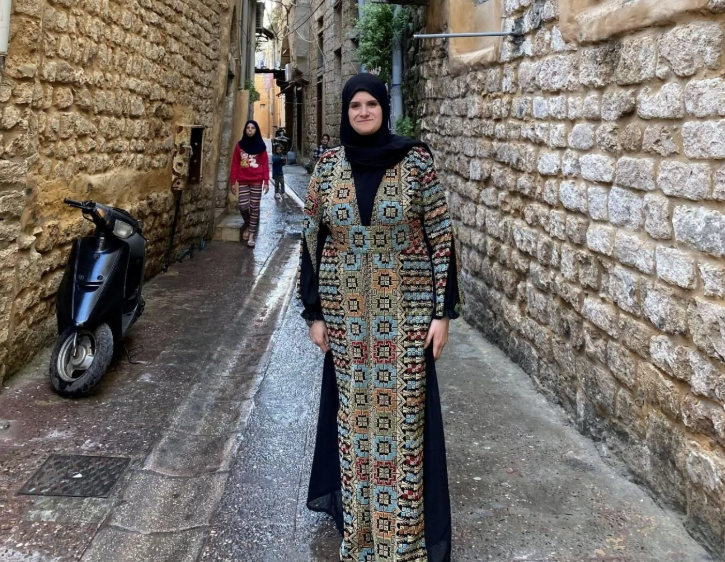
Kent is delighted that PhD scholar, Basma Taysir El Doukhi, and her social enterprise, Roouh, have been selected as one of the 30 winners of the 2025 Visa Everywhere Pioneers awards for Europe.  This award celebrates the remarkable achievements of female refugee entrepreneurs across Europe.

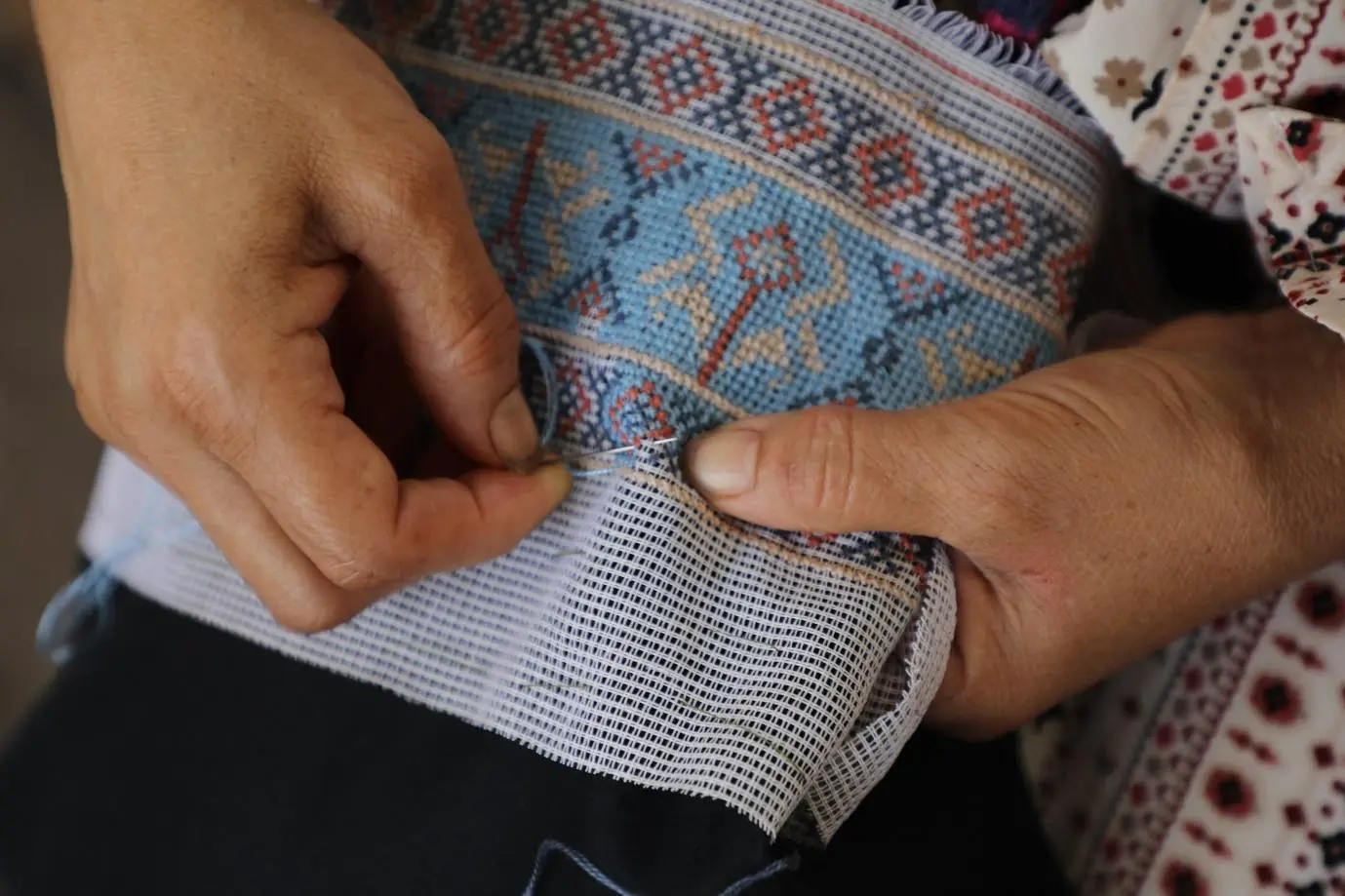
Roouh, a social enterprise co-founded by Basma in 2023, sources hand-made products stitched by skilled Palestinian refugee women who are living in the twelve Palestinian camps across Lebanon. In doing so, it provides a platform for these women to showcase their art and tell their stories through selling their goods in the UK and globally.

A woman weaving a pattern on fabric

Basma, originally from Palestine herself, told us what inspired her to start ROOUH: ‘Roouh came about because I was committed and determined to use art and embroidery as a powerful bridge between empathy and action—giving Palestinian refugee women not just income, but dignity and a voice. By sharing their stories and showcasing their artistry, it empowers them to reclaim identity and hope in their protracted displacement, while inspiring others to see beauty and strength in their resistance.’

Basma leads the enterprise alongside her work with the British Red Cross supporting and managing community resilience projects  in the UK. She is also a Rebecca Dykes Chevening scholar, and Global Challenges Doctoral Centre scholarship awardee studying a PhD with Kent’s School of Social Sciences which is examining how members of Syrian and Afghan associations resist externally imposed identities, and re-narrate their experiences in ways that reclaim agency, complexity, and plurality.

Talking about her work, Basma said: ‘As someone who has experienced statelessness and displacement, I have transformed personal hardship into purposeful action. Through Roouh, I’ve worked to create safe, creative, and participatory spaces that challenge stereotypes and centre voices that are often silenced. Our work blends art, storytelling, community dialogue, and feminist practice to not only address trauma and social isolation, but also to amplify leadership,  cultural resistance, and joy. I have mentored young refugee women and supported their journeys in becoming confident advocates for themselves and their communities.’

The award committee commended Basma’s innovation and impact as a business leader, saying: ‘We are thrilled to be supporting her on the next stage of her entrepreneurial journey. We celebrate her entrepreneurial skills, creativity, innovation and leadership skills, which are driving positive impact on a local, regional and national scale.’

Researching the refugee crisis

Research can be a powerful tool in helping society address issues related to migration and movement. At Kent, it’s producing evidence to inform policy decision making and empowering refugees and migrants to shape their own narrative, ultimately working towards improving the lives of these vulnerable communities.

Broadening mental health support

Refugees and migrants are often at greater risk of developing mental health problems, including depression, PTSD and anxiety disorders. Dr Jessica C. Fisher, a Research Fellow in the Durrell Institute of Conservation and Ecology, recently collaborated with researchers from across the UK and Germany to examine how refugees and migrants can benefit from outdoor health interventions. Through a series of focus groups and surveys, she and her co-researchers found that the opportunities for shared experiences, being outdoors, and gaining new knowledge about the local landscape helped to enhance the health and wellbeing of participants. It suggests that this could prove an innovative, cost-effective and scalable option for improving support during resettlement processes.

Changing the narrative

How do we ethically tell the stories of refugees and migrants? Dr Rachel Gregory Fox, a Leverhulme Research Fellow in the School of Humanities, has been addressing this question since 2021. She set out to understand how refugees and migrants have been represented in public discourse and to consider strategies for listening to and comprehending their stories. As part of her work, she has examined creative and community responses that have arisen in response to several events, including the European refugee ‘crisis’ (2015), the Windrush scandal (2018), and the Brook House Inquiry (commissioned in 2019). Her relationship with organisations such as KRAN is enabling her to take into account the direct experiences of refugees and migrants, which she hopes will contribute towards a more ethical and just language for talking to and about their communities in the UK.

Improving refugee employability

Data reveals significant employment disparities of 20% between refugees and the broader UK population. While research has shed light on individual and organisational challenges for refugees, the role of local government in closing this gap has largely underexplored until recently. Dr Joel Montgomery, a Lecturer in Kent Business School, has been interviewing figures in local councils in the Southeast to investigate how they address the issue of refugee employment and employability with the aim of revealing the way in which government activity ‘on the ground’ supports or impedes the employment opportunities available to refugees.

Five ways Kent research is improving our food system

As a Right to Food university, Kent is committed to supporting food systems that advance human health and environmental sustainability in society. This starts with Kent research. Our research community is collaborating with local growers, producers, policymakers and wider industry to achieve real change with global impact, and has partnered with Growing Kent and Medway to support horticultural and plant-based food and drink businesses through our Biotechnology HubTogether, we’re making our food systems more: 

Sustainable 

It’s widely accepted that we need to reduce waste to limit our impact on the environment – but doing so often isn’t financially or practically viable. To tackle this, Kent researchers are working with local producers to find commercially viable ways to shift towards a more circular economy. For instance, Senior Lecturer in Chemistry and Forensic Science, Dr Rob Barker and Reader in Molecular and Evolutionary Parasitology, Dr Anastasios Tsaousis, are bringing the ancient technology, biochar, to the 21st Century, in collaboration with Re-Generation Earth, with the ambitions to turn farm waste into a carbon-locking soil fertiliser. 

Another issue Dr Barker is helping to address is the economically and environmentally unsustainable import of two million tonnes of soymeal for animal feed into the UK each year. How? By optimising the use of black solider fly larvae as an alternative animal feed. By feeding excess and spoilt fruit and veg to the larvae, producers can cut their waste and upcycle it into a more valuable source of protein that can be used as low carbon feed for animals and create a ‘waste’ product which acts as a bio stimulant for crops. 

Meanwhile, in another lab in Kent’s School of Biosciences, Industry Research Fellow in Agri-Biotechnology, Dr Lori Fisher has been working with Sharpak Aylesham to reduce packaging waste. She conducted tests which informed the development of a recyclable punnet that maintains and extends the quality of raspberries, without the need for the plastic pad that traditionally keeps fruit fresh. This has the potential to reduce plastic waste by 3.6 meters squared a year! 

Equitable 

In the UK, the costs of ill-health, disease and obesity associated with UK dietary habits are enormous, yet a large portion of society don’t follow the UK dietary guidelines for healthy eating. To tackle this, Head of the School of Social Policy, Sociology and Social Research, Professor Iain Wilkinson, is working with researchers at the University of Reading to develop a blueprint for a set of policy interventions to support more people to transition to healthy and sustainable diets in the UK. Professor Wilkinson will contribute to the project by designing, delivering and analysing the outcomes of an experiment which examines what people put in their supermarket food baskets from a dietary health and sustainability perspective. 

Nutrition is also a major concern amongst older adults in home care, where diet is often not a matter of choice but what is made available. Malnutrition and dehydration are leading causes of preventable illness and deterioration of quality of life for older adults, and major drivers of health inequalities. Dr Stacey Rand, Senior Research Fellow in the Personal Social Services Research Unit, has been examining this relationship to inform how social care services meet the needs of older adults living at home. 

Nutritious 

Responding to growing consumer demand for healthy food, local producers are working with Kent researchers to better understand the nutritional content of their products and identify new market opportunities. Dr Lori Fisher, for instance, has worked with J L Baxter & Son to explore the bioactive and nutrient compounds in the Asian pear (Nashi pear) to understand its health benefits and market potential.  

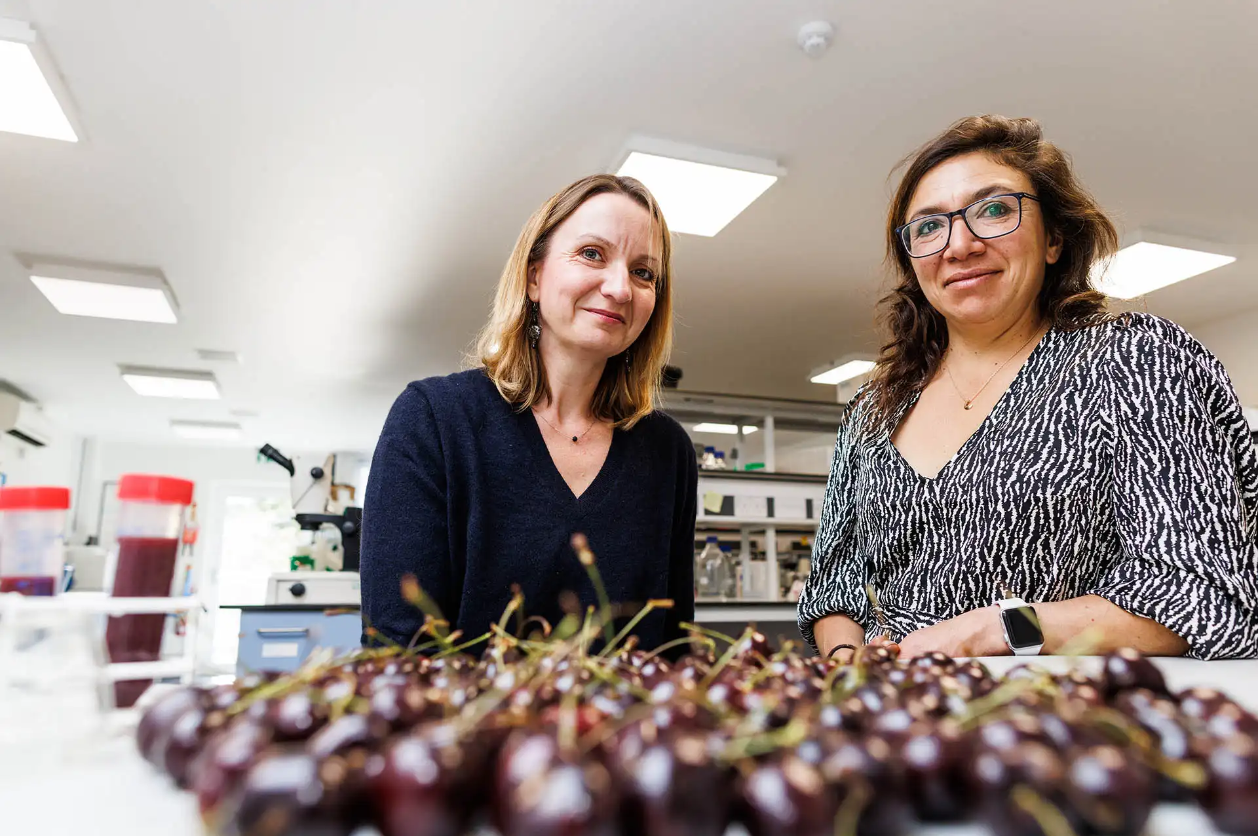
Another project funded by Growing Kent and Medway saw Rent a Cherry Tree partner with Senior Lecturer in the Biology of Ageing, Dr Marina Escurra, and Reader in Biogerontology, Dr Jennifer Tullet, from the School of Biosciences to determine the health benefits of their cherry products -including those formerly considered ‘waste’- and identify new ways to market them. The research team are now working with wine-makers, Defined Wine, to explore whether the waste from the wine-making industry can also be used to create new foods that improve health. 

Enjoyable 

Dairy production is one of the biggest methane emitters in the world. As a result, many people have switched to plant-based alternatives, leading to a huge growth in demand for plant-based milk, but less so for animal-free alternatives to cheese. One reason for this is that alternative protein companies are not able to offer affordable and scalable solutions to casein -the main cheese protein- production, limiting their ability to mimic dairy taste and textures. Professor of Systems Biology, Tobias Von Der Haar, and Professor in Fungal Epigenetics, Alessia Buscaino, are working to solve this by taking unconventional microbial species which are naturally more suitable for food production and genetically modifying them with the aim of producing casein in high quantities. This could give rise to better tasting, more affordable plant-based cheese. 

Resilient 

Climate change, disease and invasive species are all putting UK crops under stress. Combine this with more stringent environmental regulations and the introduction of sustainable farming incentives, and it becomes clear why food-related businesses are increasingly looking to collaborate with researchers to develop new technologies. One such researcher is Professor of Agri-Environmental Economics in the School of EconomicsIain Fraser, who is joining a world-class consortium of partners, led by agronomist Rob Saunders from H.L. Hutchinsons, to develop a commercially viable system which can precisely target orchard inputs to specific trees, or parts of a tree. Specifically, Iain will evaluate the difference between existing technology and new technology, which includes robots, drones and innovative chemical spraying systems.  

Researchers in Kent Business School are taking a wider view of the food supply chain to identify opportunities to improve resilience. In 2022, Professor Maria Paola Scaparra worked with Professor Kathy KotiadisProfessor Jesse O’Hanley and partner universities to increase the use of operational research in food supply security planning in South East Asia. Meanwhile, Lecturer in Marketing, Dr Rachel Duffy, has been examining the behavioural dimensions of supply chain relationships in the food industry, in particular, their implications for performance.

Kent research set to play pivotal role in bringing robot technology to UK orchards

Kent research is set to play a pivotal role in a groundbreaking new project which could revolutionise fruit production in the UK.

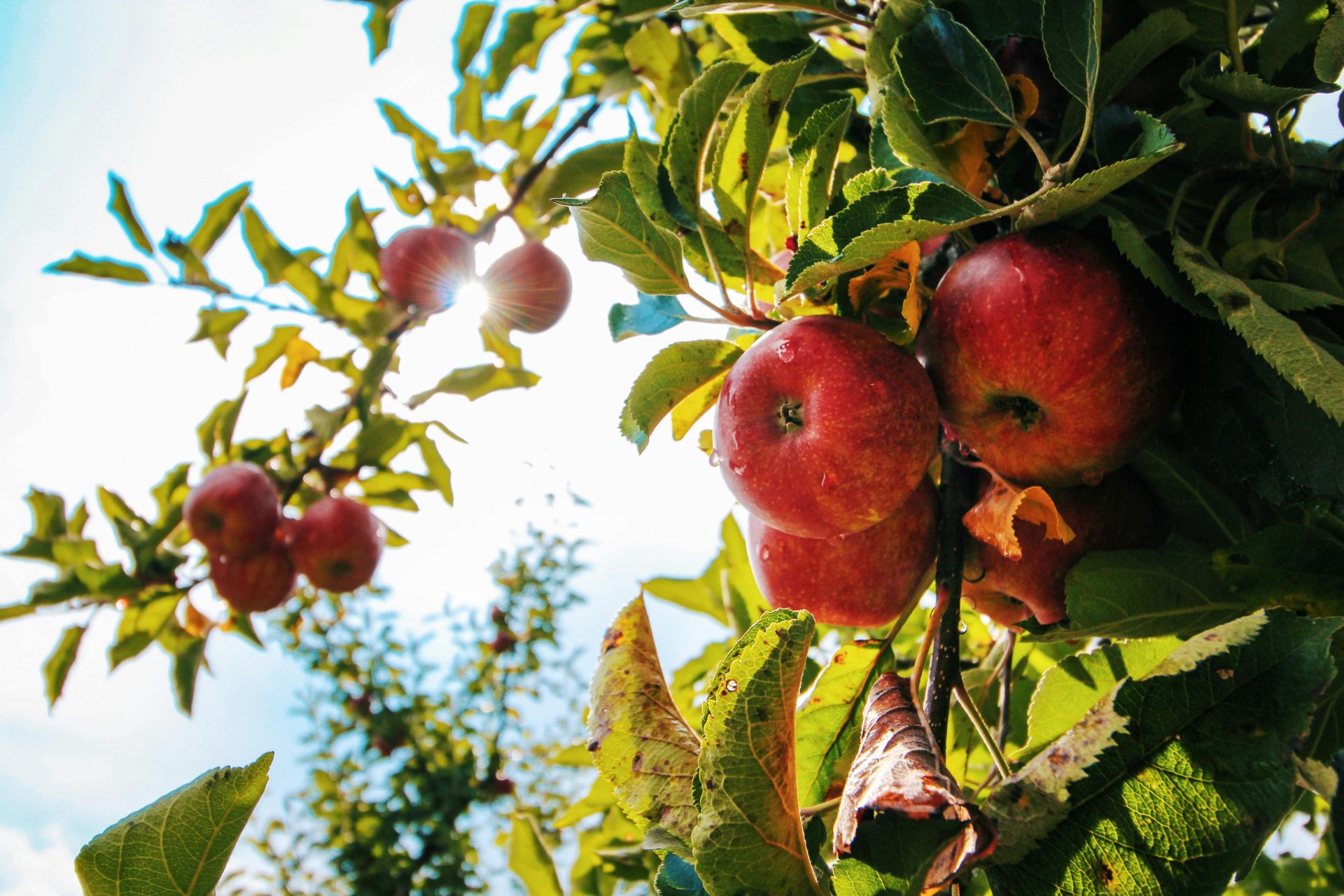
Professor of Agri-Environmental Economics, Iain Fraser, is joining a world-class consortium of partners to deliver the £4.5 million Precision Orchard Management for the Environment (POME) project. Led by agronomist Rob Saunders from H.L. Hutchinsons, the team will develop a commercially viable system which can precisely target orchard inputs to specific trees, or parts of a tree.

Funded by Innovate UK and DEFRA, the project will see Professor Iain Fraser collaborate with other academics, engineers, agri-tech startups, software developers, equipment suppliers, NIAB horticultural experts and farmers to implement technology which will improve the sustainability and efficiency of one of Kent’s leading industries.

Specifically, Iain will evaluate the difference between existing technology and new technology, which includes robots, drones and innovative chemical spraying systems. As well as calculating any improvements in efficiency, he will examine the likelihood that farmers will adopt the new technology and consider how the environmental benefits relate to UK environmental policy post EU-exit. By combining all three, he will be able to provide the project consortium with an informed assessment of whether the new spray technology is commercially viable.

Commenting on the impact the project will have on the farming community, Mr Saunders said, ‘The system we are building will cater for different sizes of farm business and with optional services depending on the farm’s need. The industry has changed a lot in recent years and will continue to do so as technology advances, and we believe systems like this will become commonplace.’

Iain has developed his understanding of orchard management, crop production and yields through his involvement in a series of projects, including the development of better crop yield forecasts to help farmers and supermarkets ensure there is sufficient produce available to meet demand. This project comes off the back of the Interreg-funded project Beespoke which examined the ‘pollinator deficit’ and how the support of wild pollinators by appropriate management can support both crop production and biodiversity.

Kent research to support seaweed project in Zanzibar

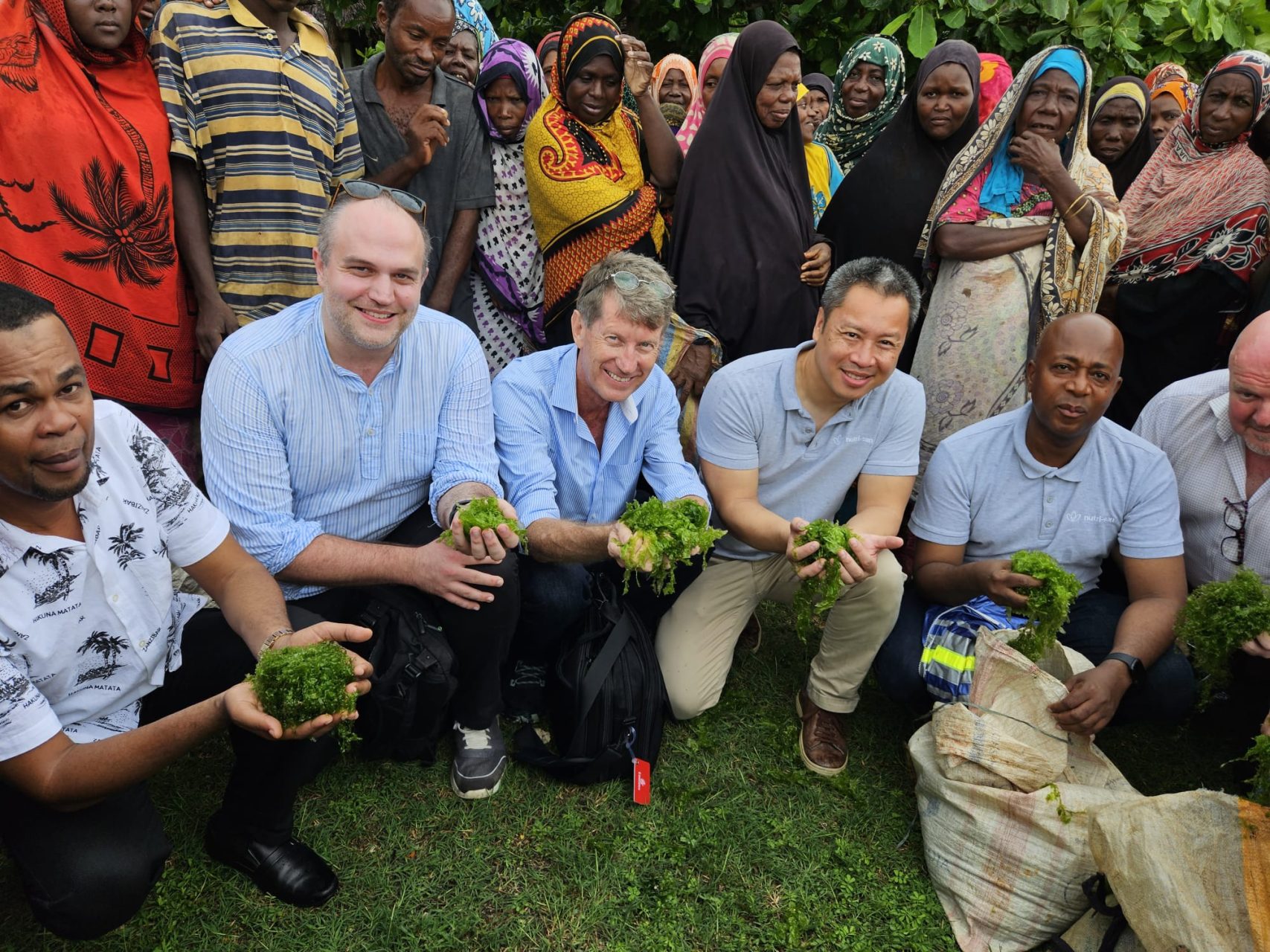
University researchers are helping county Kent-based seaweed technology business Nutri-San develop new techniques to transform seaweed extracts into a plant-based thickening agent for use in the food and pharmaceutical industries. As part of this project, Nutri-san is opening a new carrageenan factory on Pemba Island, Zanzibar.

During a signing ceremony of the Joint Venture Framework agreement between Zanzibar’s state-owned seaweed company, ZASCO, and Nutri-San on 22 November, Kent’s Dr Rob Barker gave a short presentation on carrageenan extraction techniques to an audience of over 100 Zanzibarian Ministers and Government officials, as well as media outlets.   

Nutri-San produces animal feed supplements from a blend of sustainable seaweeds and has been working with Alessia Buscaino, Professor of Fungal Biology at the University’s School of Biosciences, and the team at the Kent Biotech Hub for several years. An Algae UK/Biotechnology and Biological Sciences Research Council-funded initiative enabled the team to conduct research on Nutri-San’s seaweed blends.  This initial research led to the team exploring alternative uses for by-products from Nutri-San’s production process, including the development of horticultural and agricultural bio-stimulants – something which Growing Kent & Medway have been keen to support.  They have since developed a highly productive relationship and are excited that their collaboration is being broadened to include Dr Barker and his team.  Together they will continue to work to drive innovation which impacts positively on people, animals and the planet. 

The new factory will be one of only a small number of facilities globally that is capable of producing high quality carrageenan from red seaweeds. Nutri-San has been supporting the seaweed harvesting community on Zanzibar for a number of years and the company’s diversification into carrageenan production will enable many more jobs to be created including key scientific and technical roles. 

Professor Buscaino said: ‘The partnership between the University and Nutri-San has been made possible by the Growing Kent & Medway consortium and it demonstrates how academia and business can work synergistically to great effect, for the immense benefit of both institutions. Our involvement with the commercial operation of Nutri-San in Zanzibar is exciting and we are also excited to announce that Dr Michelle Marin Chau, Nutri-San co-founder, has become an honorary member of staff at Kent. Her unique insights and experienced leadership will be an invaluable asset to us as we work together towards creating positive change.’ 

San Chau, Nutri-San-CEO, added: ‘We have been very fortunate to have developed a relationship with the University of Kent through our research collaborations with Professor Alessia Buscaino and her team, both in the School of Biosciences and at Growing Kent and Medway, which now spans several years.  Recently, this relationship has been extended to encompass more members of the Kent team.  Going forward together our partnership will have benefits for the community not only in Kent but also globally and we are hugely excited about this.’