Adventures of our 2018 interns part four

Welcome again to our series of posts exploring the Maddison Collection, brought to you by our summer interns Philip and Janee!

Today, we’re going to take a look at a particularly curious story about the philosopher’s stone… (No, not the Harry Potter one.) (But inspiration has to come from somewhere, right?!…)

Our edition of this book is in Latin, so our rough translations of this come from the Archive.org version of the text in English, which is held in California. The text describes how to make base metals, but there’s a particularly curious story about how to extract elements…:
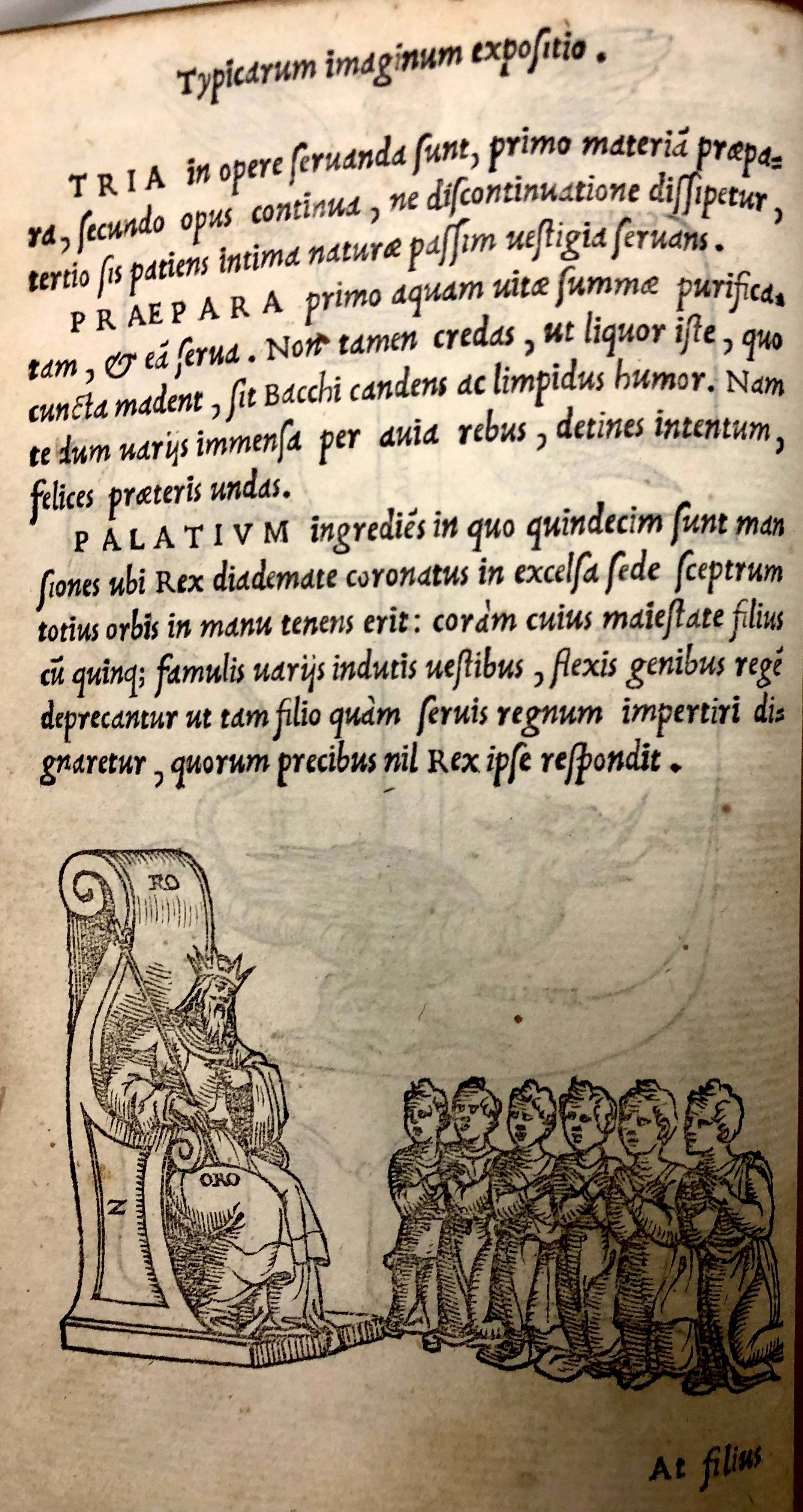
Step one: The King sits on his throne ignoring requests from his sons and servants to share power.  From ' Pretiosa margarita : novella de thesauro, ac pretiosissimo philosophorum lapide' by Giano Lacinio, 1546, Venice. (Maddison Collection 2B7, F10528400)

Step one: The King sits on his throne ignoring requests from his sons and servants to share power.
From ‘Pretiosa margarita : novella de thesauro, ac pretiosissimo philosophorum lapide’ by Giano Lacinio, 1546, Venice. (Maddison Collection 2B7, F10528400)
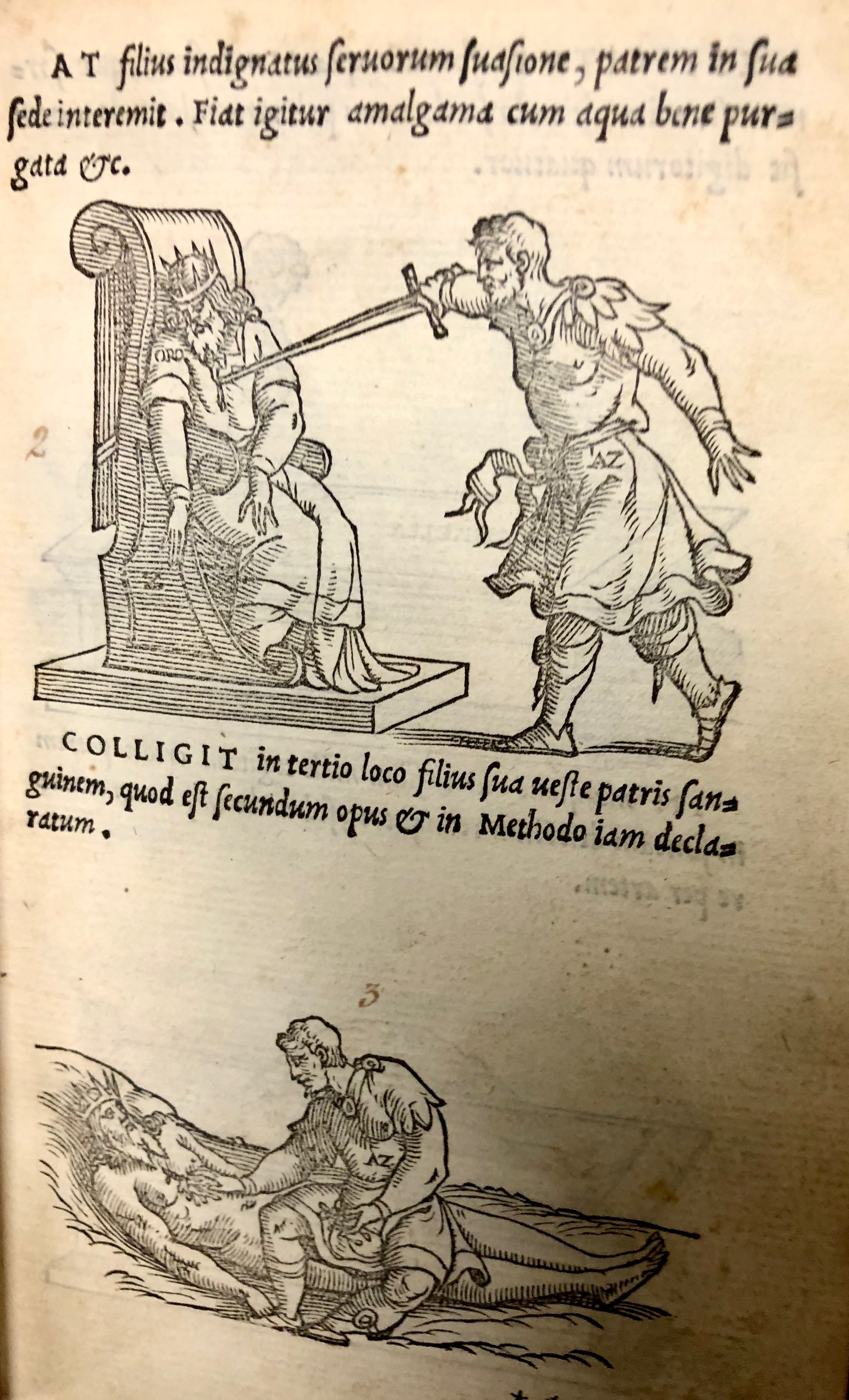
Step two: the son, incited by the servants, kills the King. Step three: the son catches the King's blood on his robes. From ' Pretiosa margarita : novella de thesauro, ac pretiosissimo philosophorum lapide' by Giano Lacinio, 1546, Venice. (Maddison Collection 2B7, F10528400)

Step two: the son, incited by the servants, kills the King.
Step three: the son catches the King’s blood on his robes.
From ‘Pretiosa margarita : novella de thesauro, ac pretiosissimo philosophorum lapide’ by Giano Lacinio, 1546, Venice. (Maddison Collection 2B7, F10528400)
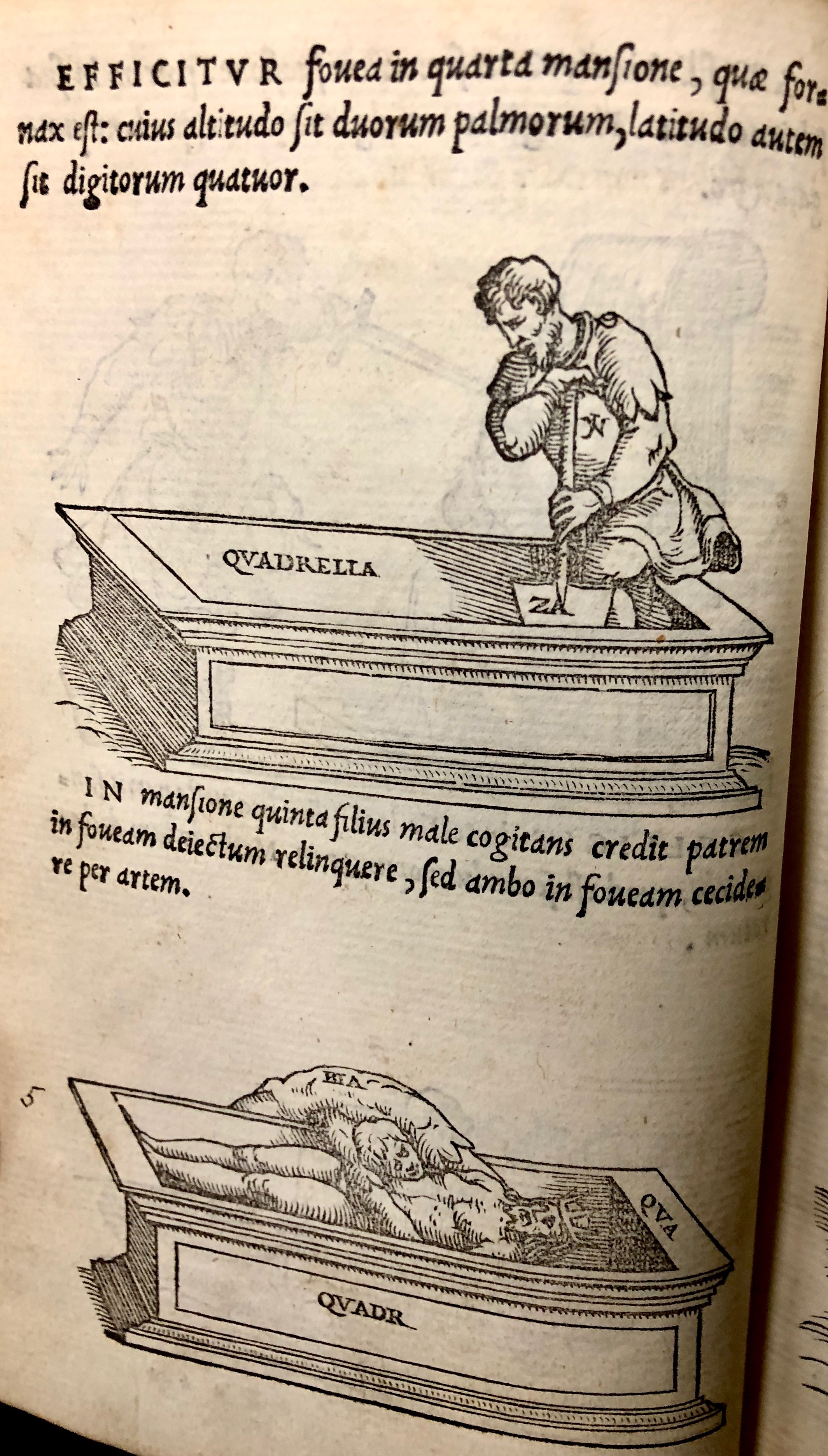
Step four: dig a grave in the furnace room. Step five: the son throws his father, the King, into the grave - but oh no! He falls in too!  From ' Pretiosa margarita : novella de thesauro, ac pretiosissimo philosophorum lapide' by Giano Lacinio, 1546, Venice. (Maddison Collection 2B7, F10528400)

Step four: dig a grave in the furnace room.
Step five: the son throws his father, the King, into the grave – but oh no! He falls in too!
From ‘Pretiosa margarita : novella de thesauro, ac pretiosissimo philosophorum lapide’ by Giano Lacinio, 1546, Venice. (Maddison Collection 2B7, F10528400)
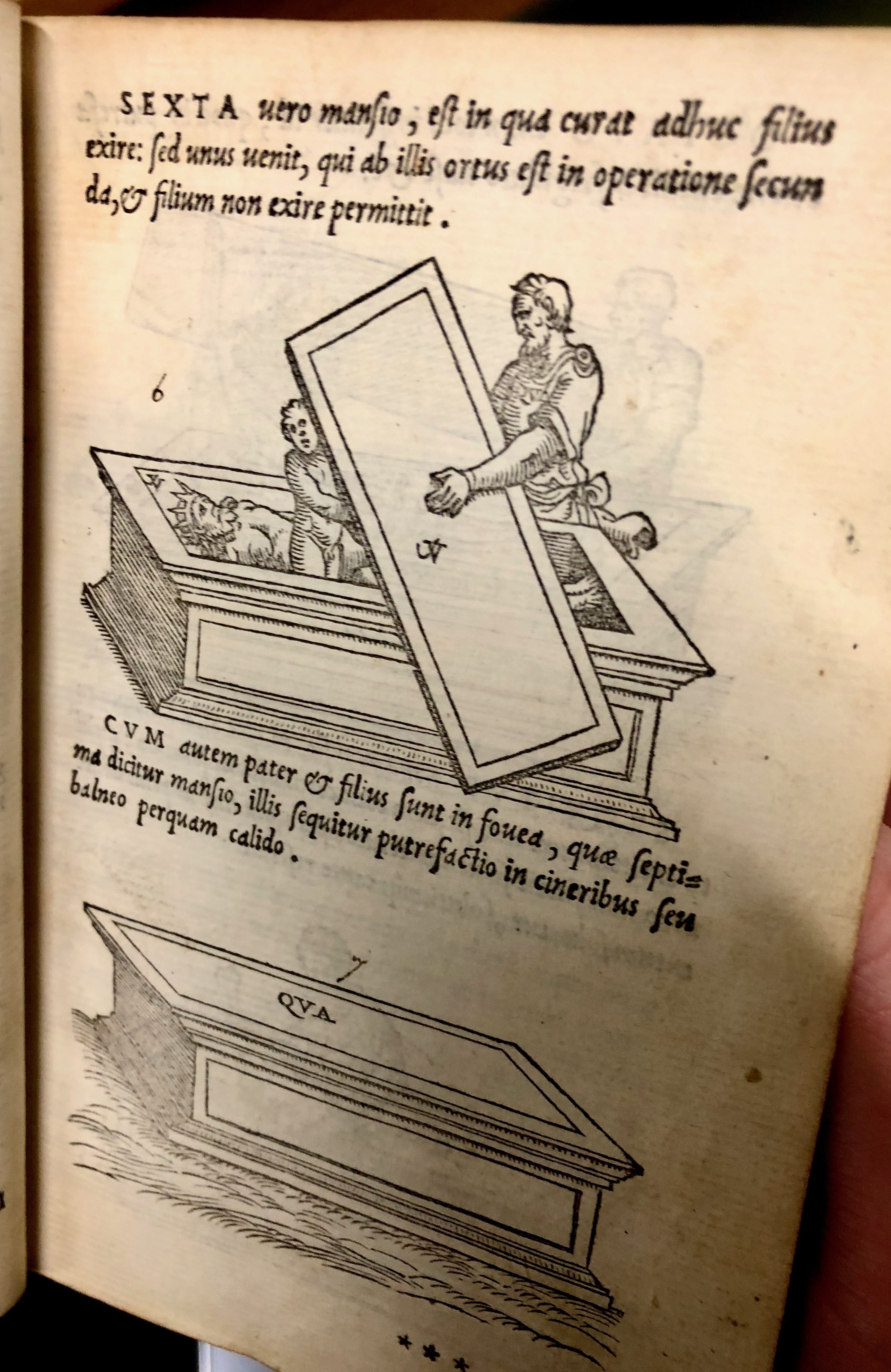
Step six: the son tries to escape but is prevented from doing so. Step seven: the son and King's ashes putrefy. From 'Pretiosa margarita : novella de thesauro, ac pretiosissimo philosophorum lapide' by Giano Lacinio, 1546, Venice. (Maddison Collection 2B7, F10528400)

Step six: the son tries to escape but is prevented from doing so.
Step seven: the son and King’s ashes putrefy.
From ‘Pretiosa margarita : novella de thesauro, ac pretiosissimo philosophorum lapide’ by Giano Lacinio, 1546, Venice. (Maddison Collection 2B7, F10528400)
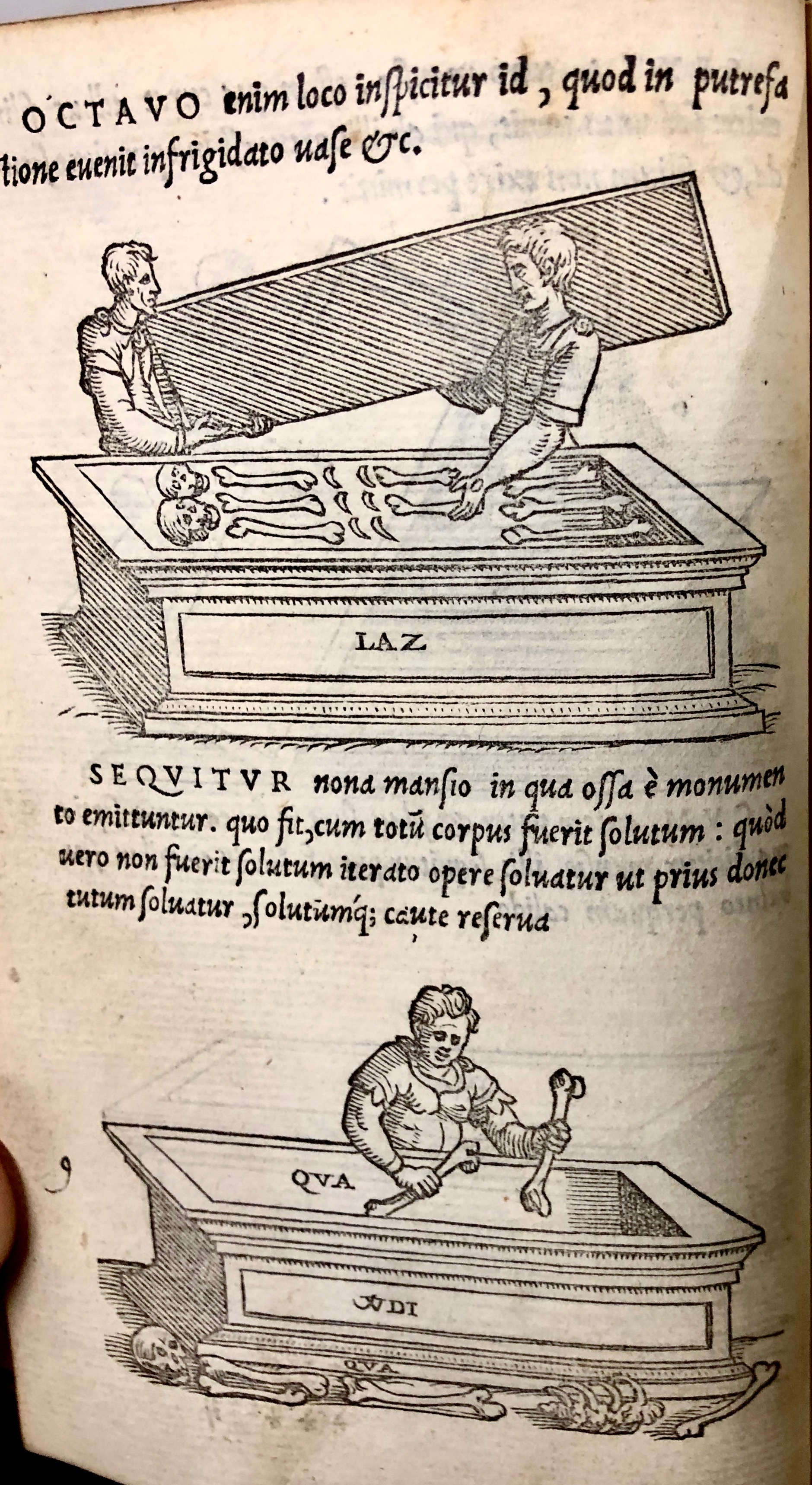
Step eight: The putrified ashes are inspected.  Step nine: the bones are taken from the tomb. From 'Pretiosa margarita : novella de thesauro, ac pretiosissimo philosophorum lapide' by Giano Lacinio, 1546, Venice. (Maddison Collection 2B7, F10528400)

Step eight: The putrified ashes are inspected.
Step nine: the bones are taken from the tomb.
From ‘Pretiosa margarita : novella de thesauro, ac pretiosissimo philosophorum lapide’ by Giano Lacinio, 1546, Venice. (Maddison Collection 2B7, F10528400)
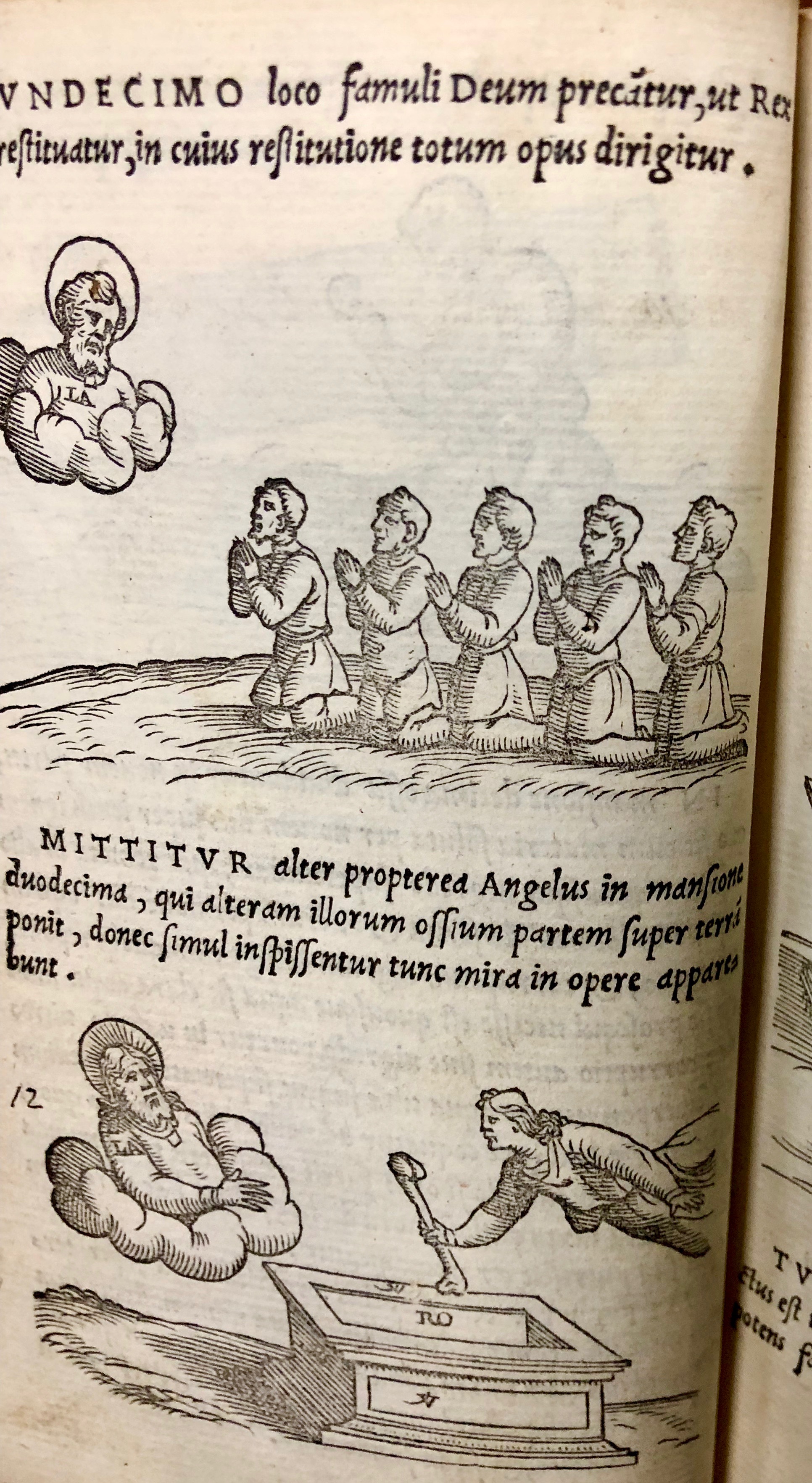
Step ten: [Complex instructions for turning  bones into purified water, involving subjecting some to heat until they turn black and repeating this until water is acquired]  From 'Pretiosa margarita : novella de thesauro, ac pretiosissimo philosophorum lapide' by Giano Lacinio, 1546, Venice. (Maddison Collection 2B7, F10528400)

Step ten: [Complex instructions for turning bones into purified water, involving subjecting some to heat until they turn black and repeating this until water is acquired]
From ‘Pretiosa margarita : novella de thesauro, ac pretiosissimo philosophorum lapide’ by Giano Lacinio, 1546, Venice. (Maddison Collection 2B7, F10528400)
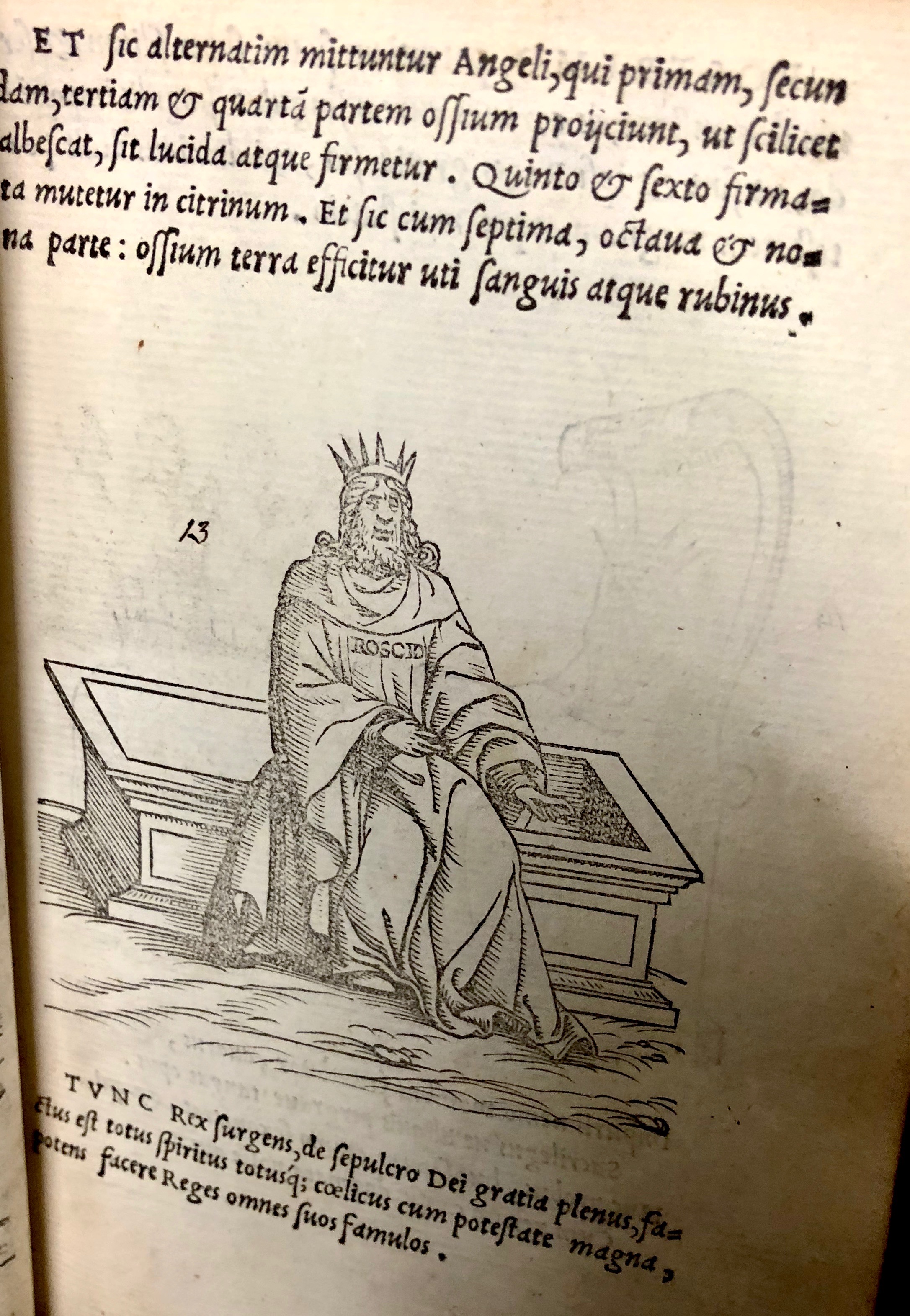
Step eleven: an angel is sent, and the servants pray for the return of their King.  Step twelve: a second angel places the bones on the earth until they are all thickened. From 'Pretiosa margarita : novella de thesauro, ac pretiosissimo philosophorum lapide' by Giano Lacinio, 1546, Venice. (Maddison Collection 2B7, F10528400)

Step eleven: an angel is sent, and the servants pray for the return of their King.
Step twelve: a second angel places the bones on the earth until they are all thickened.
From ‘Pretiosa margarita : novella de thesauro, ac pretiosissimo philosophorum lapide’ by Giano Lacinio, 1546, Venice. (Maddison Collection 2B7, F10528400)
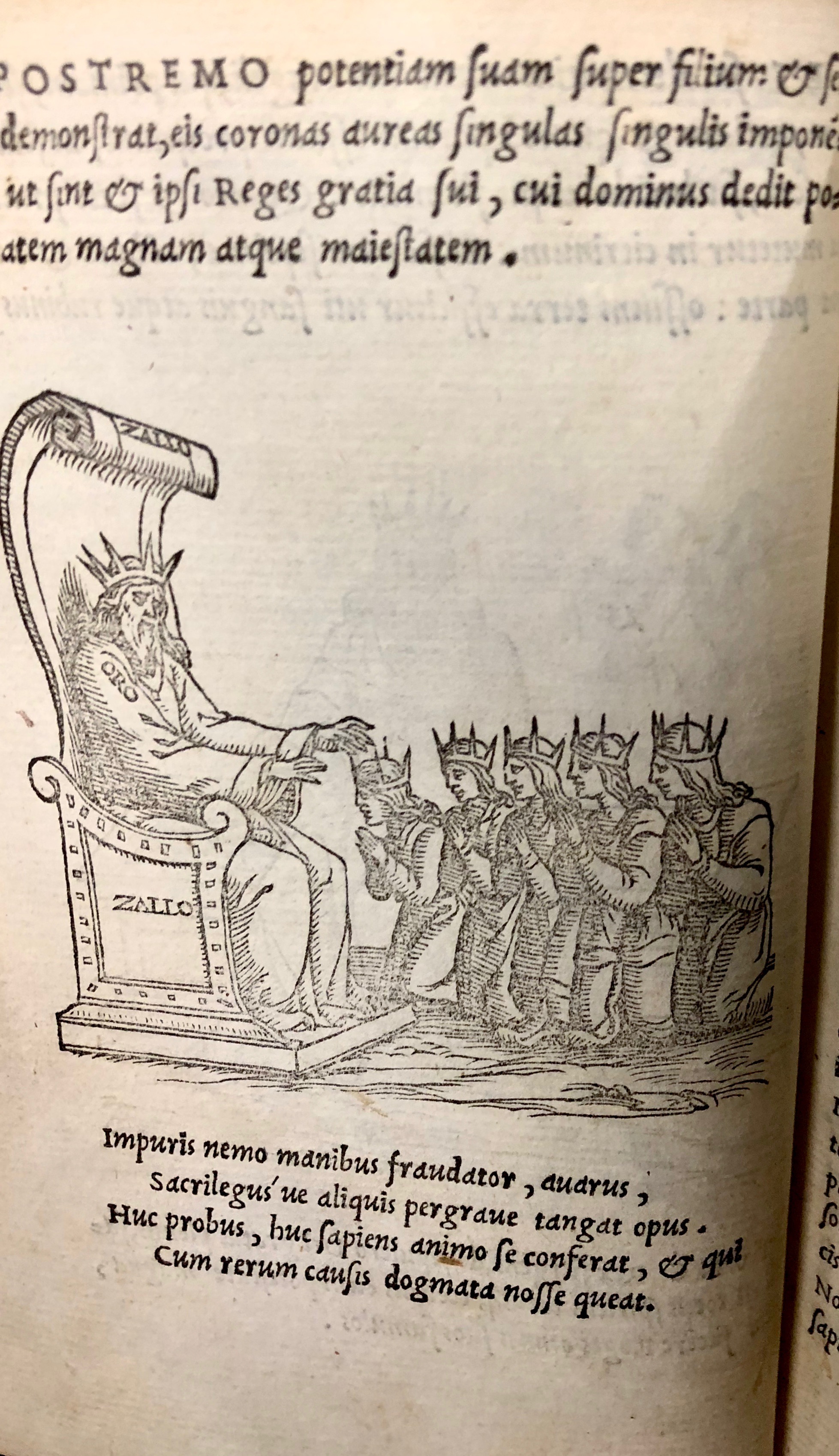
Step thirteen: the  King rises from his tomb! From 'Pretiosa margarita : novella de thesauro, ac pretiosissimo philosophorum lapide' by Giano Lacinio, 1546, Venice. (Maddison Collection 2B7, F10528400)

Step thirteen: the King rises from his tomb!
From ‘Pretiosa margarita : novella de thesauro, ac pretiosissimo philosophorum lapide’ by Giano Lacinio, 1546, Venice. (Maddison Collection 2B7, F10528400)

Step fourteen: the newly humbled King decides to share his power with his sons and servants. The end.  From 'Pretiosa margarita : novella de thesauro, ac pretiosissimo philosophorum lapide' by Giano Lacinio, 1546, Venice. (Maddison Collection 2B7, F10528400)

Step fourteen: the newly humbled King decides to share his power with his sons and servants. The end.
From ‘Pretiosa margarita : novella de thesauro, ac pretiosissimo philosophorum lapide’ by Giano Lacinio, 1546, Venice. (Maddison Collection 2B7, F10528400)

Like what you see here? Books from the Maddison Collection can be requested through LibrarySearch (for internal University of Kent members only) or by contacting us (for everyone).

This blog post is part three of an ongoing summer series exploring our Maddison Collection; more in depth posts will be coming soon. See here for part one, here for part two and here for part three!
Adventures of our 2018 interns part three

Are you ready for more 17th-18th century adventures in our Maddison Collection? Let’s get stuck in!

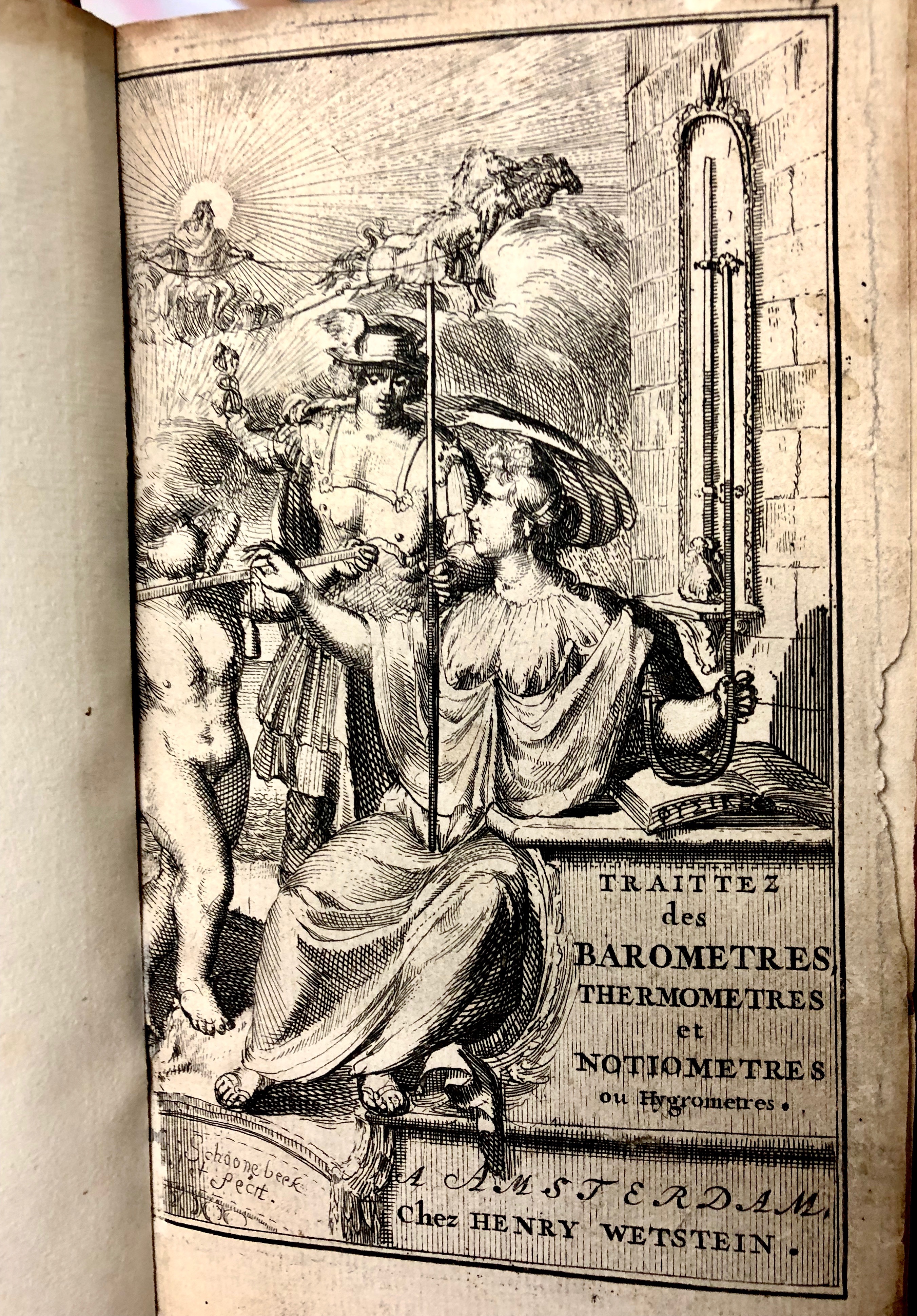
Illustration from ' Traittez des baromètres, thermomètres, et notiomètres : ou hygromètres' by Joachim d'Alence, 1688, Amsterdam. (Maddison Collection 2A5, F10456500)

Illustration from ‘Traittez des baromètres, thermomètres, et notiomètres : ou hygromètres’ by Joachim d’Alence, 1688, Amsterdam. (Maddison Collection 2A5, F10456500)

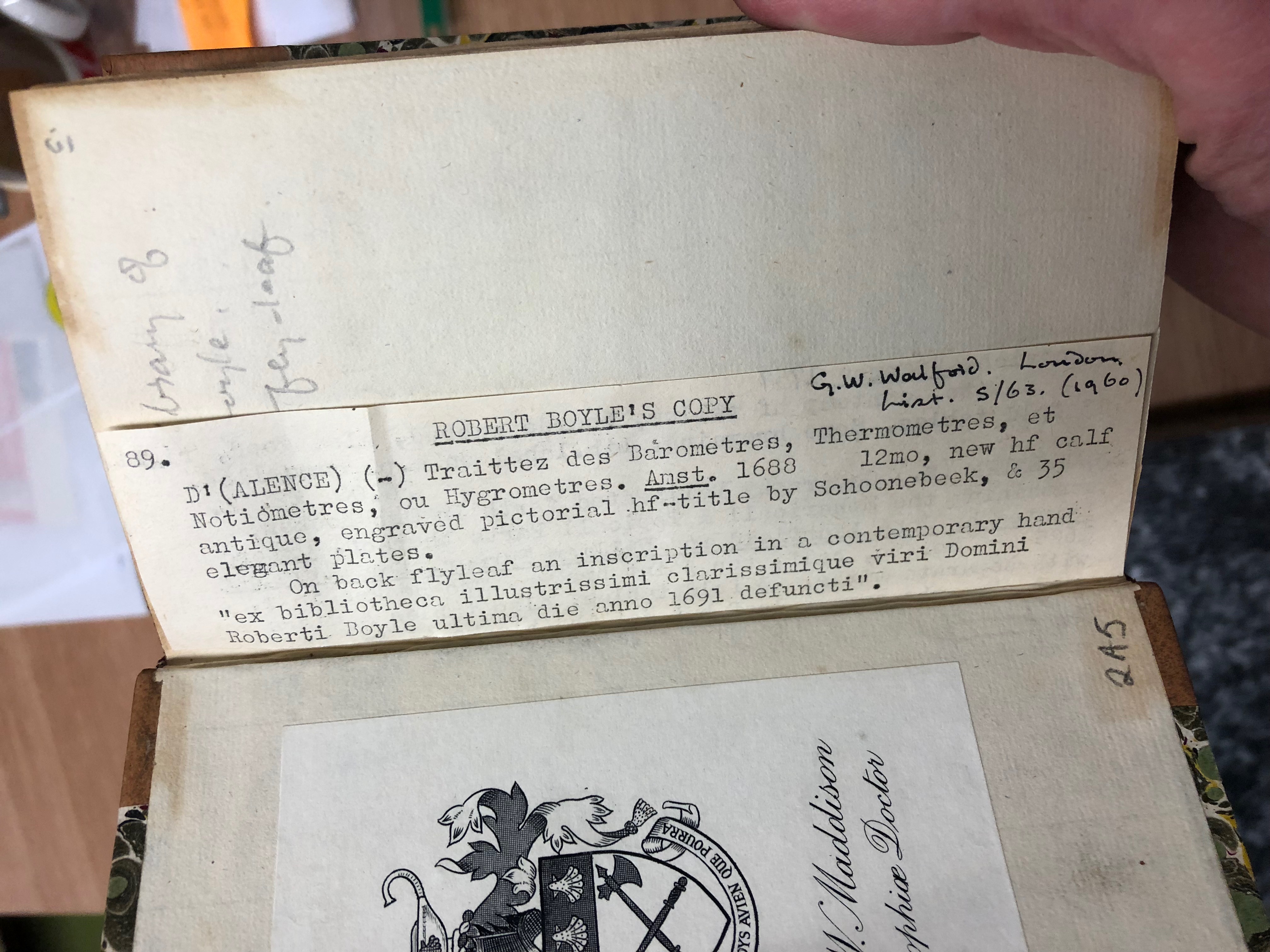
Typescript note noting that Robert Boyle owned this book! 'Traittez des baromètres, thermomètres, et notiomètres : ou hygromètres' by Joachim d'Alence, 1688, Amsterdam. (Maddison Collection 2A5, F10456500)

Typescript note stating that Robert Boyle owned this book! ‘Traittez des baromètres, thermomètres, et notiomètres : ou hygromètres’ by Joachim d’Alence, 1688, Amsterdam. (Maddison Collection 2A5, F10456500)

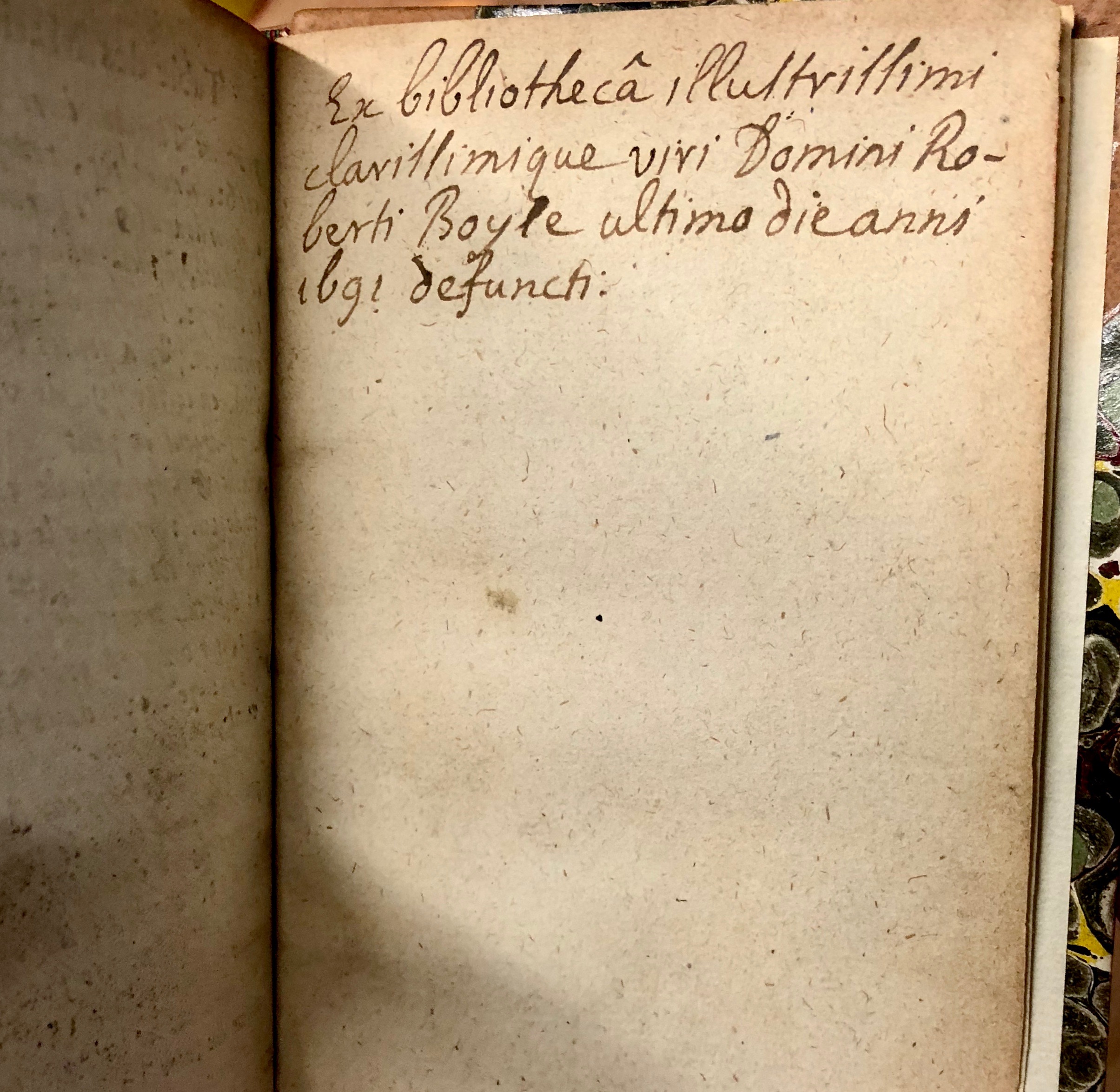
Manuscript note confirming that Robert Boyle owned this book! 'Traittez des baromètres, thermomètres, et notiomètres : ou hygromètres' by Joachim d'Alence, 1688, Amsterdam. (Maddison Collection 2A5, F10456500)

Manuscript note confirming that Robert Boyle owned this book! ‘Traittez des baromètres, thermomètres, et notiomètres : ou hygromètres’ by Joachim d’Alence, 1688, Amsterdam. (Maddison Collection 2A5, F10456500)

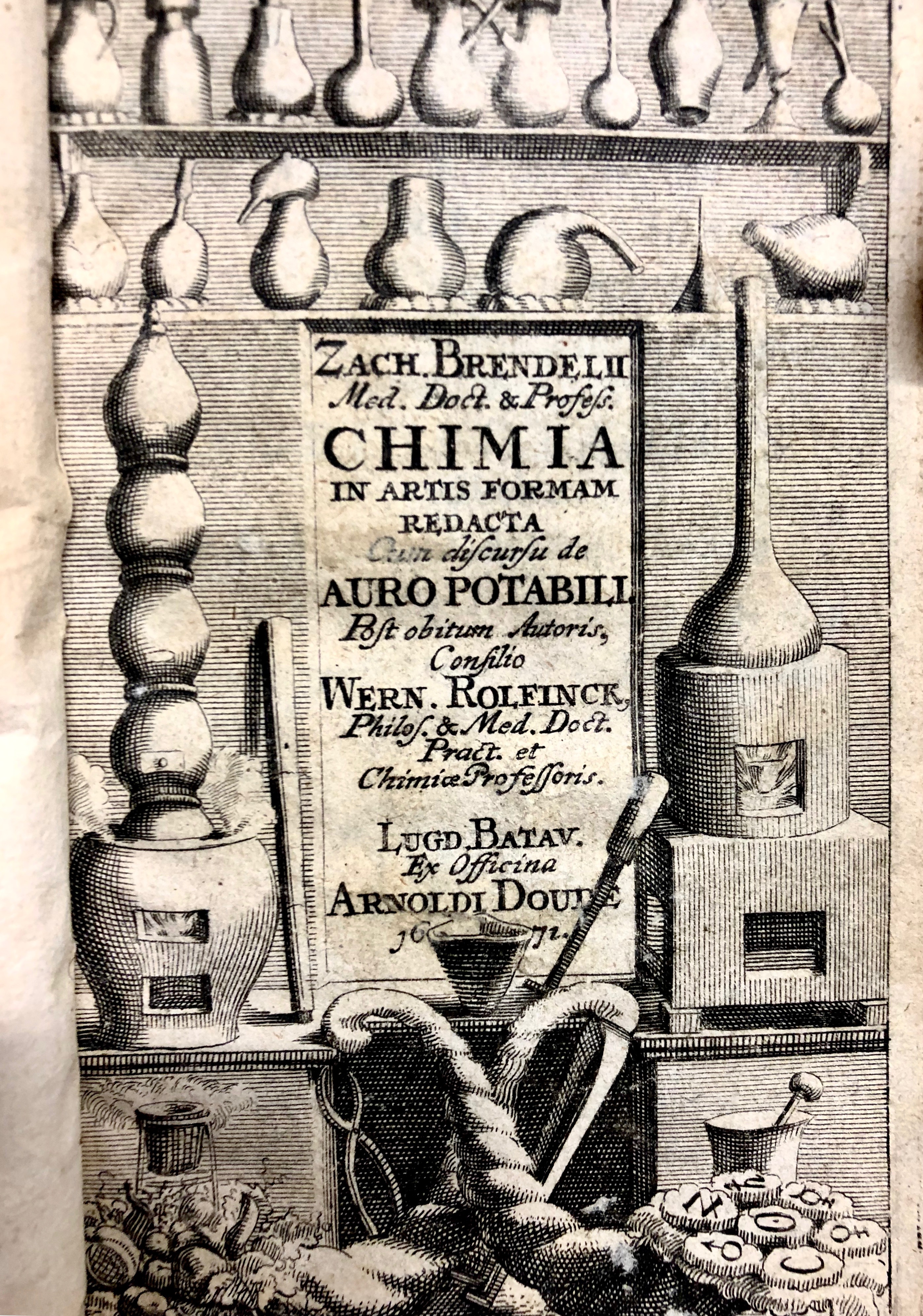
Title page for 'Chimia : in artis formam redacta ubi praeter methodum addiscendi ... chimicas facilimam, disquisitio curata de ... praeparatione, auri potabilis instituitur' by Zacharias Brendel, 1671, Leidel. (Maddison Collection 2A16, F10466900)

Title page for ‘Chimia : in artis formam redacta ubi praeter methodum addiscendi … chimicas facilimam, disquisitio curata de … praeparatione, auri potabilis instituitur’ by Zacharias Brendel, 1671, Leiden. (Maddison Collection 2A16, F10466900)

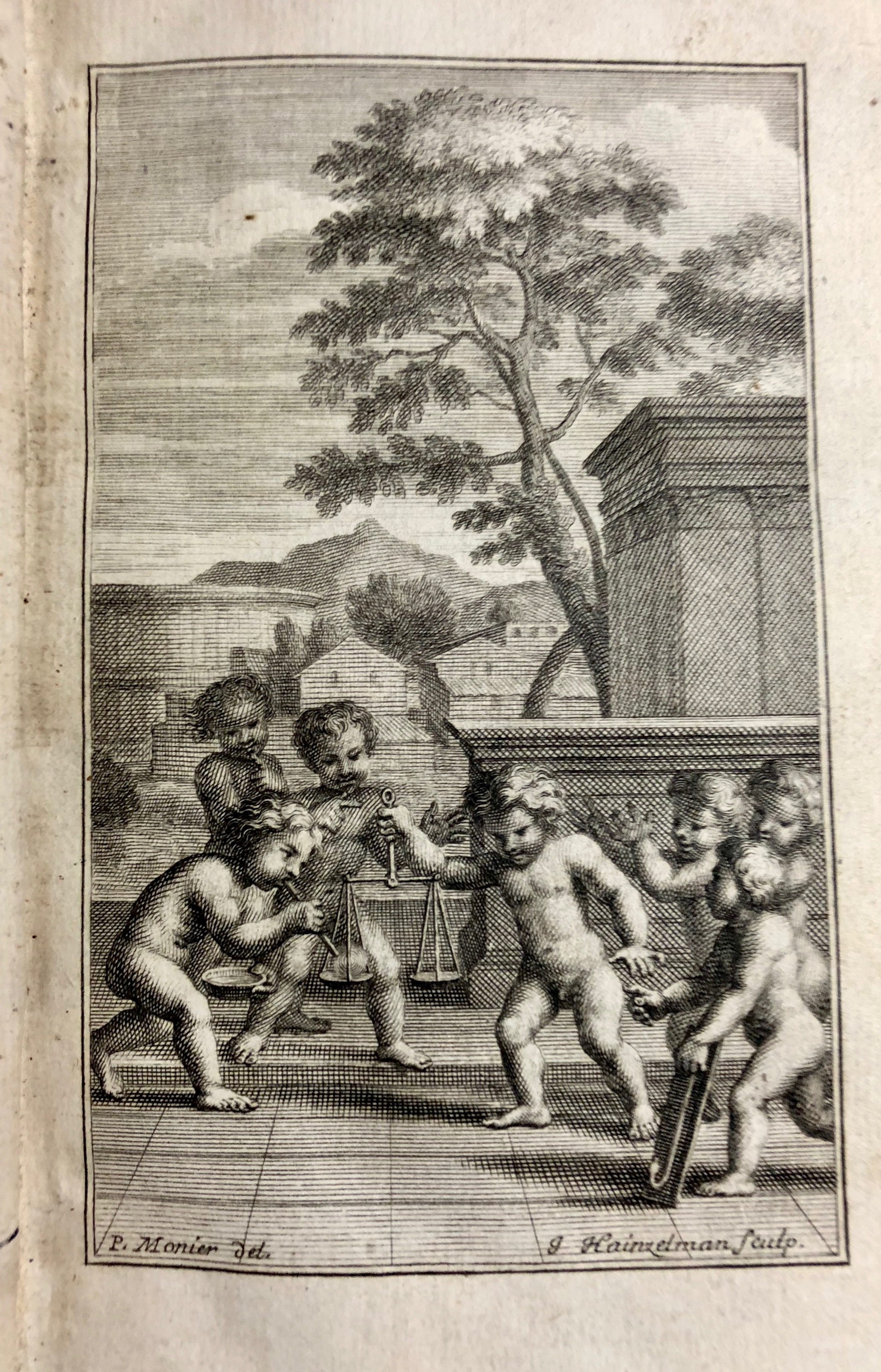
Illustration from 'Chimia : in artis formam redacta ubi praeter methodum addiscendi ... chimicas facilimam, disquisitio curata de ... praeparatione, auri potabilis instituitur' by Zacharias Brendel, 1671, Leiden. (Maddison Collection 2A16, F10466900)

Illustration from ‘Chimia : in artis formam redacta ubi praeter methodum addiscendi … chimicas facilimam, disquisitio curata de … praeparatione, auri potabilis instituitur’ by Zacharias Brendel, 1671, Leiden. (Maddison Collection 2A16, F10466900)

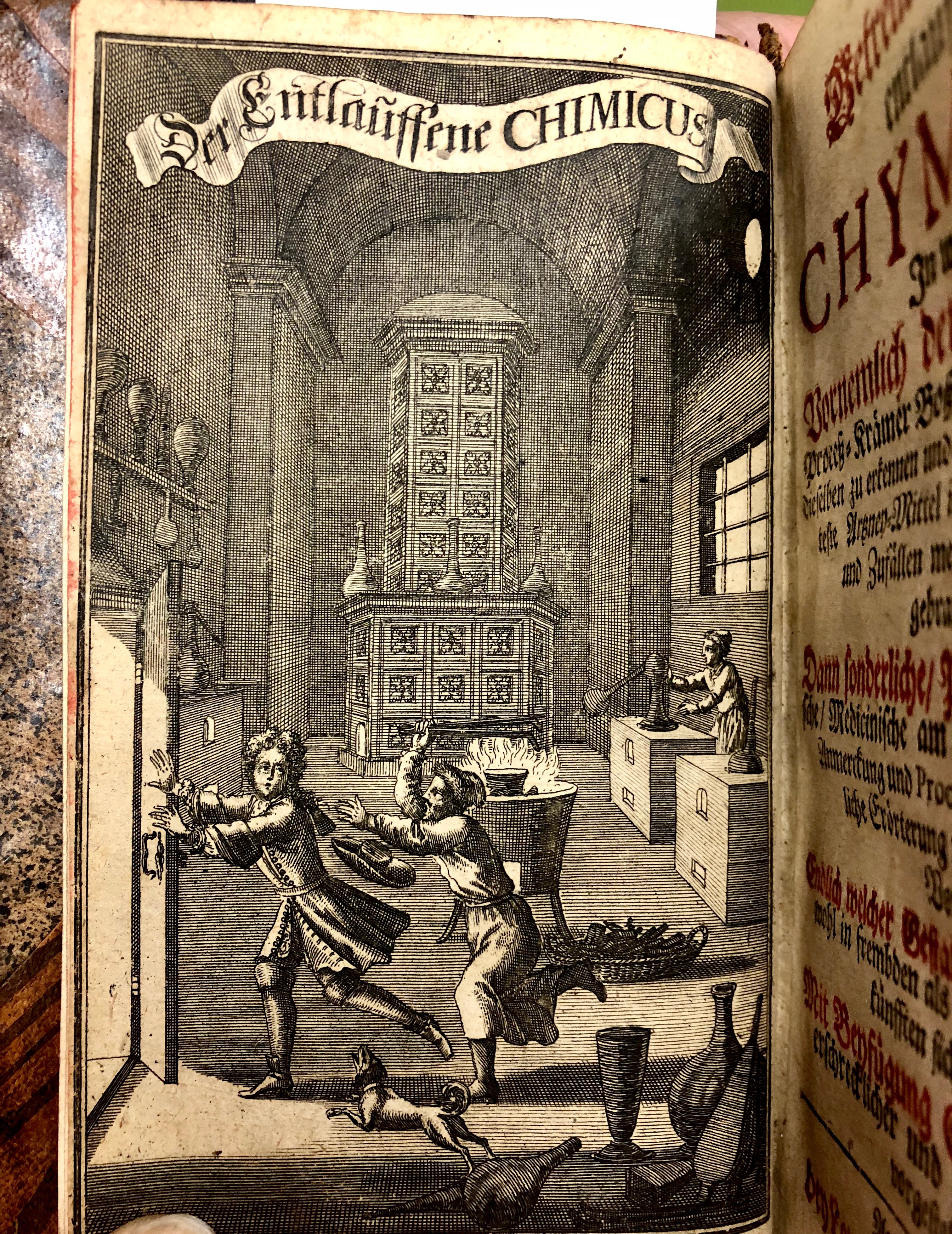
Illustration from 'Des getreuen Eckharts entlauffener Chymicus : ... der Laboranten und Process-Krämer Bossheit und Betrügerey ...' by Johann Christoph Ettner, 1697, Augsberg and Leipzig. (Maddison Collection 2A24, F10610300)

Illustration from ‘Des getreuen Eckharts entlauffener Chymicus : … der Laboranten und Process-Krämer Bossheit und Betrügerey …’ by Johann Christoph Ettner, 1697, Augsberg and Leipzig. (Maddison Collection 2A24, F10610300)

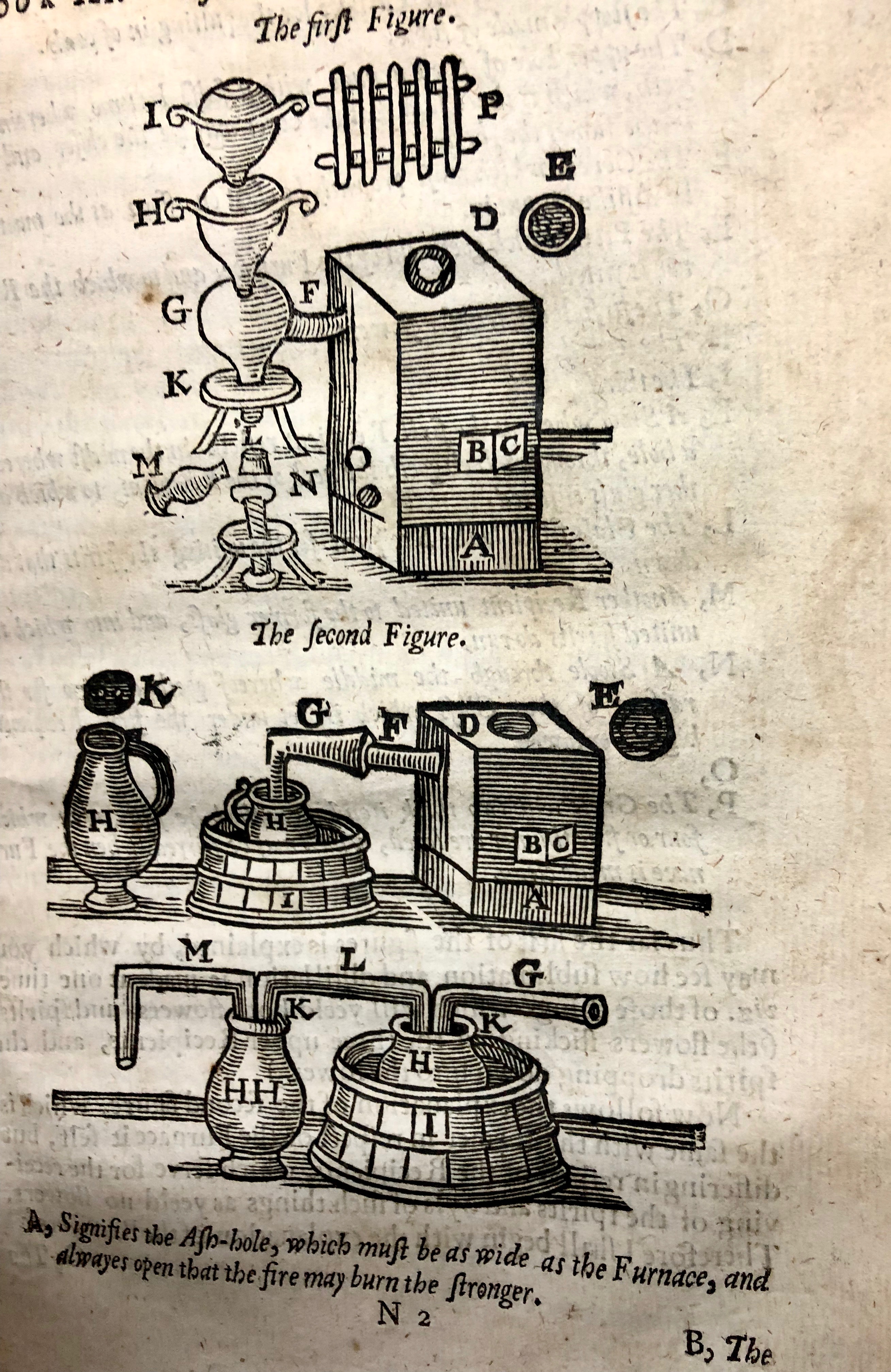
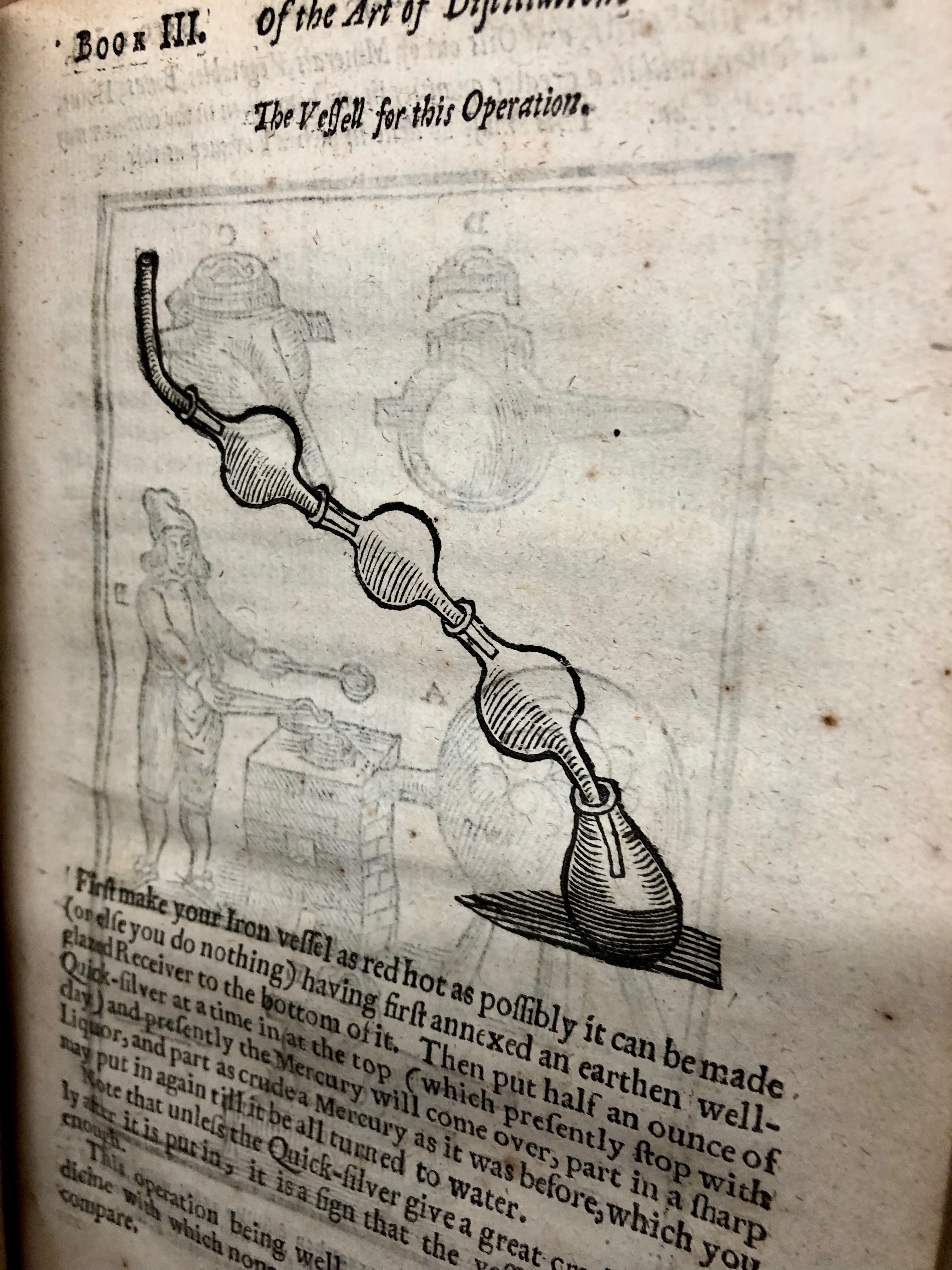
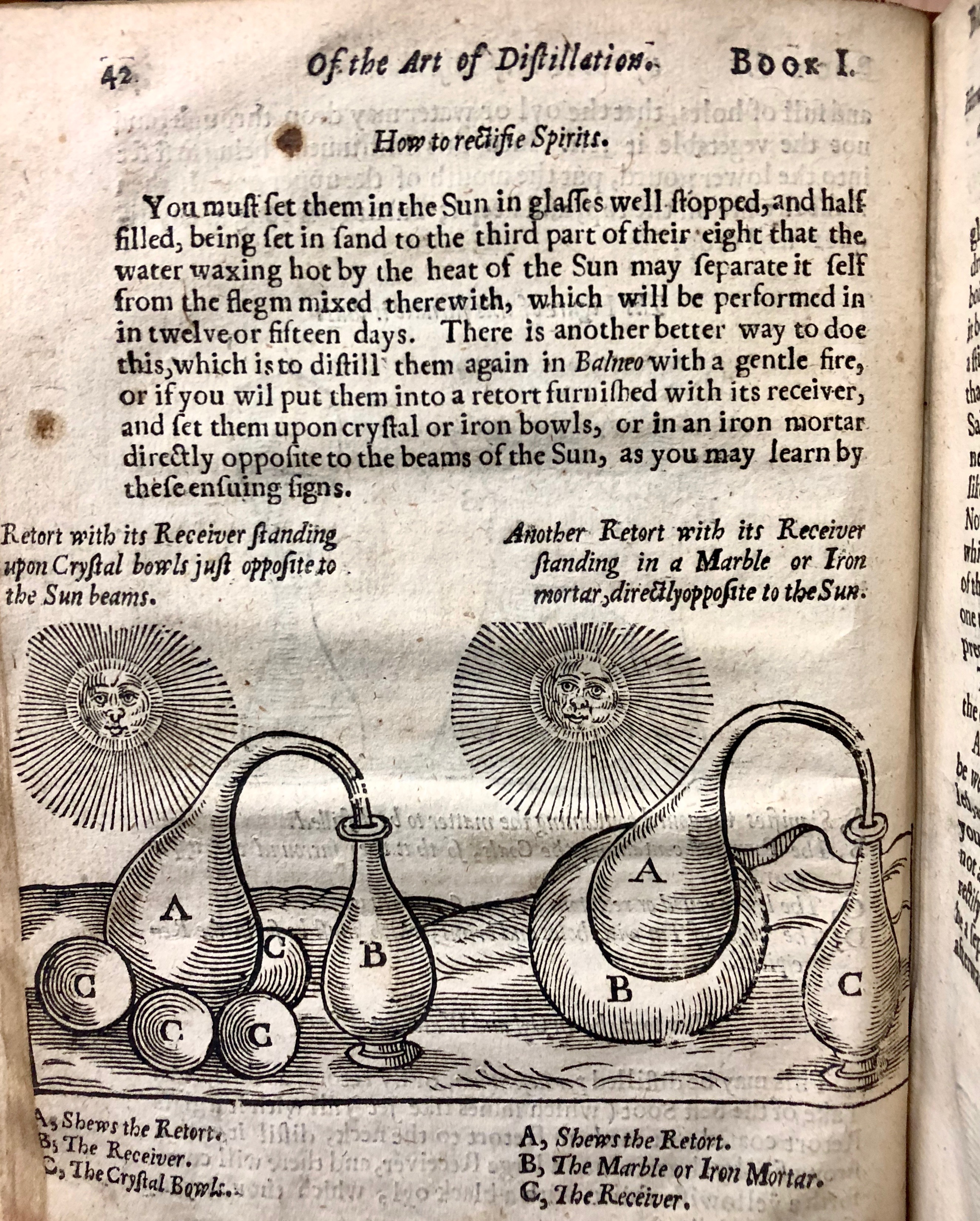
Diagram from ' The art of distillation : or, a treatise of the choicest spagiricall preparations ... furnaces & vessels ... experiments and curiosities ...anatomy of gold and silver' by John French, 1653, London. (Maddison Collection 2A25, F10505800)

Diagram from ‘The art of distillation : or, a treatise of the choicest spagiricall preparations … furnaces & vessels … experiments and curiosities …anatomy of gold and silver’ by John French, 1653, London. (Maddison Collection 2A25, F10505800)

Diagram from ' The art of distillation : or, a treatise of the choicest spagiricall preparations ... furnaces & vessels ... experiments and curiosities ...anatomy of gold and silver' by John French, 1653, London. (Maddison Collection 2A25, F10505800)

Diagram from ‘The art of distillation : or, a treatise of the choicest spagiricall preparations … furnaces & vessels … experiments and curiosities …anatomy of gold and silver’ by John French, 1653, London. (Maddison Collection 2A25, F10505800)

Diagram from ‘The art of distillation : or, a treatise of the choicest spagiricall preparations … furnaces & vessels … experiments and curiosities …anatomy of gold and silver’ by John French, 1653, London. (Maddison Collection 2A25, F10505800)

Diagram from ' The art of distillation : or, a treatise of the choicest spagiricall preparations ... furnaces & vessels ... experiments and curiosities ...anatomy of gold and silver' by John French, 1653, London. (Maddison Collection 2A25, F10505800)

Diagram from ‘The art of distillation : or, a treatise of the choicest spagiricall preparations … furnaces & vessels … experiments and curiosities …anatomy of gold and silver’ by John French, 1653, London. (Maddison Collection 2A25, F10505800)

Like what you see here? Books from the Maddison Collection can be requested through LibrarySearch (for internal University of Kent members only) or by contacting us (for everyone).

This blog post is part three of an ongoing summer series exploring our Maddison Collection; more in depth posts will be coming soon. See here for part one and here for part two!

Introduction: or, how do you solve a problem like the Maddison collection?

A big hello and welcome from Philip and Janée to the first in our series of blog posts. We are the interns working in the University of Kent’s Special Collections and Archives and are spending this scorching summer holed up in the cool, dark basement underneath the main library, poring over the books within the Maddison collection. This collection is one in need of a little love and we are privileged to be able to work with it thanks to the support of the Work Study programme at the University of Kent. This is a scheme championed by the University’s Development Office to provide opportunities for students to gain work experience alongside their studies.

Who are we?

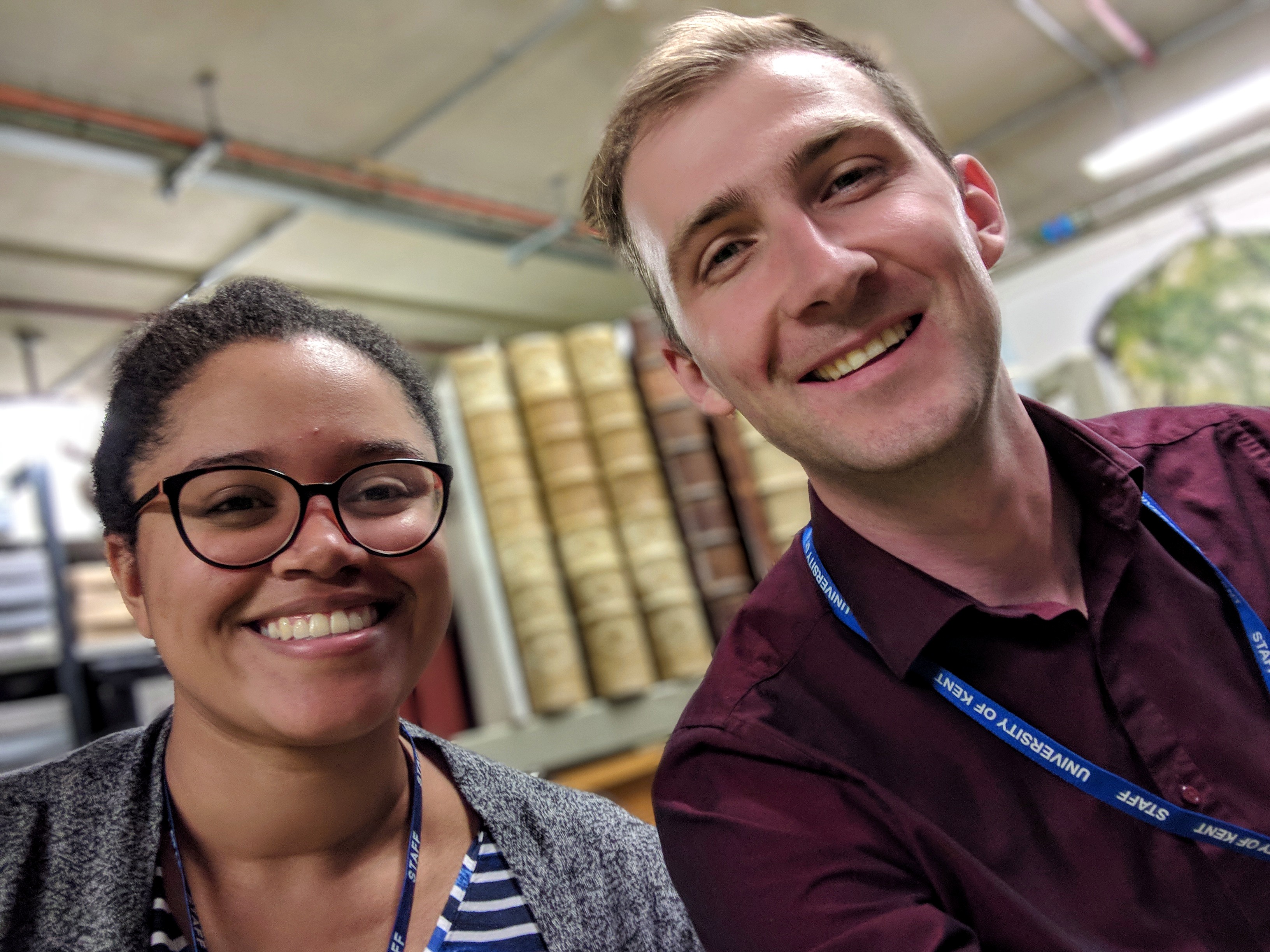
Selfie of interns with rare books in background

We prefer the job title ‘book gremlins’

I am Philip, a recent graduate in English Literature from the University of Kent. My research interests are early modern literature and drama, eco-criticism and queer theory and somewhat surprisingly, I have been able to use the Maddison collection to indulge all three.

My name is Janee and I am a second year undergraduate at the University of Kent. Whilst I am currently studying Asian Studies and Classical and Archaeological Studies, I have a previous academic background in Biology and Chemistry. My research interests are diverse and still developing, so watch this space for future developments!

What is the Maddison collection?

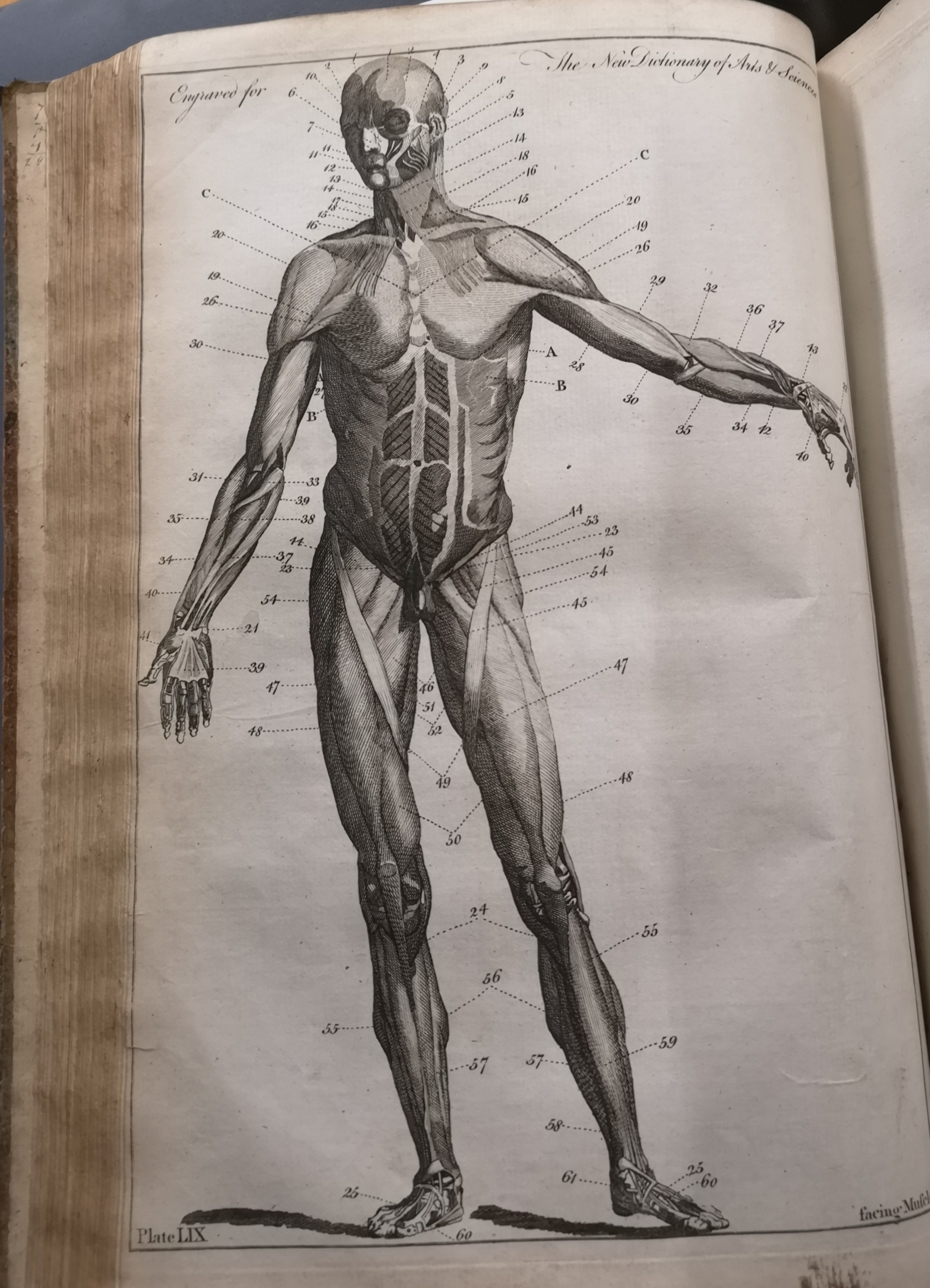
Anatomical drawing of man

Mysteries of man and Maddison (4A10)

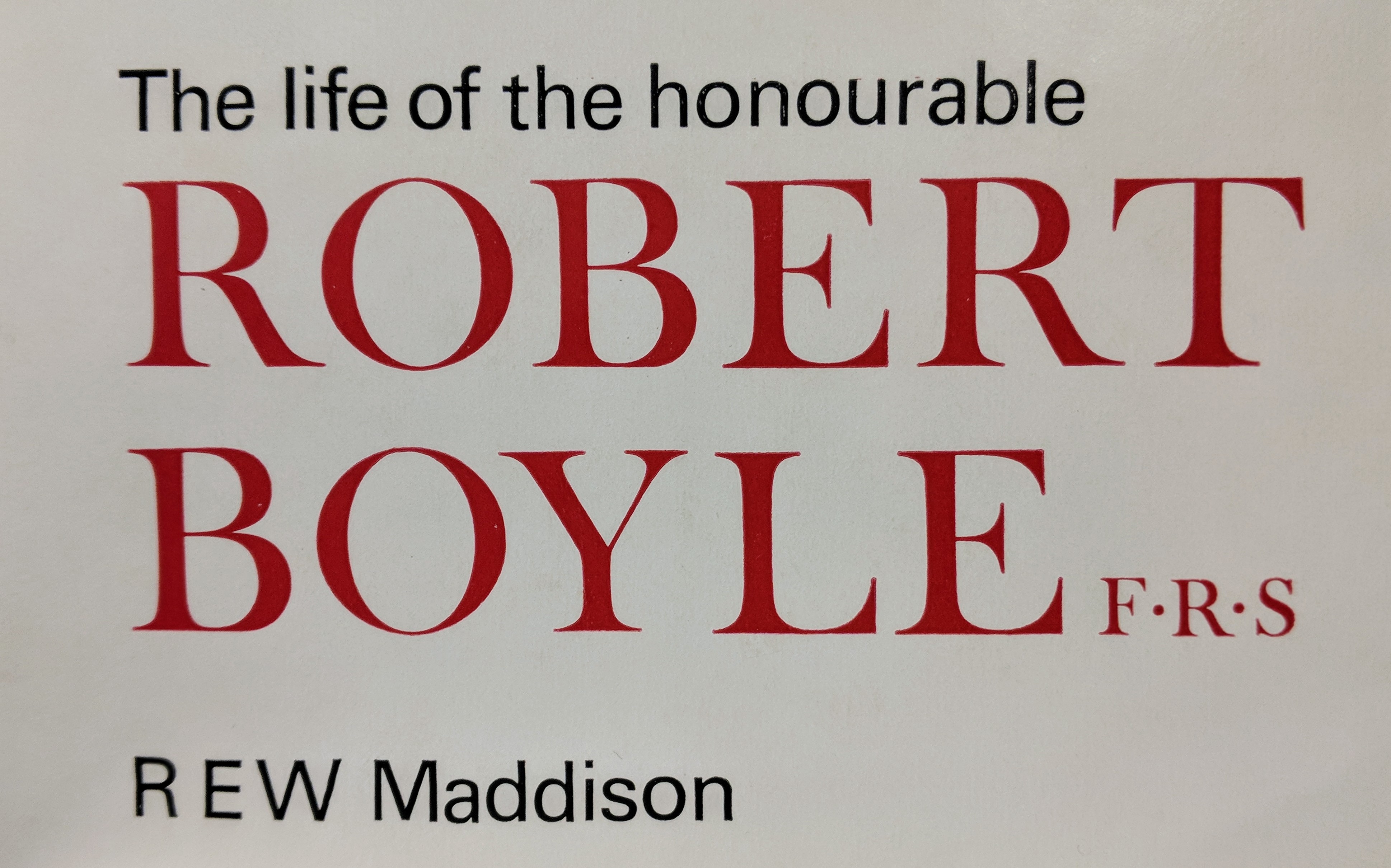
Consisting of books and documents gathered through a lifetime of study, the Maddison collection focuses on the history of science and was deposited in the library by Dr Robert E. W. Maddison, with more content following after his death in 1993. The collection includes rare printings of early modern and enlightenment texts, with scientists Joseph Priestley and Robert Boyle, (on whom Maddison wrote an authoritative biography which can be found in the collection) being particularly well represented.

Title page of Maddison's biography of Robert Boyle

Here’s your boy Robert Boyle!

What are we doing and why are we doing it?

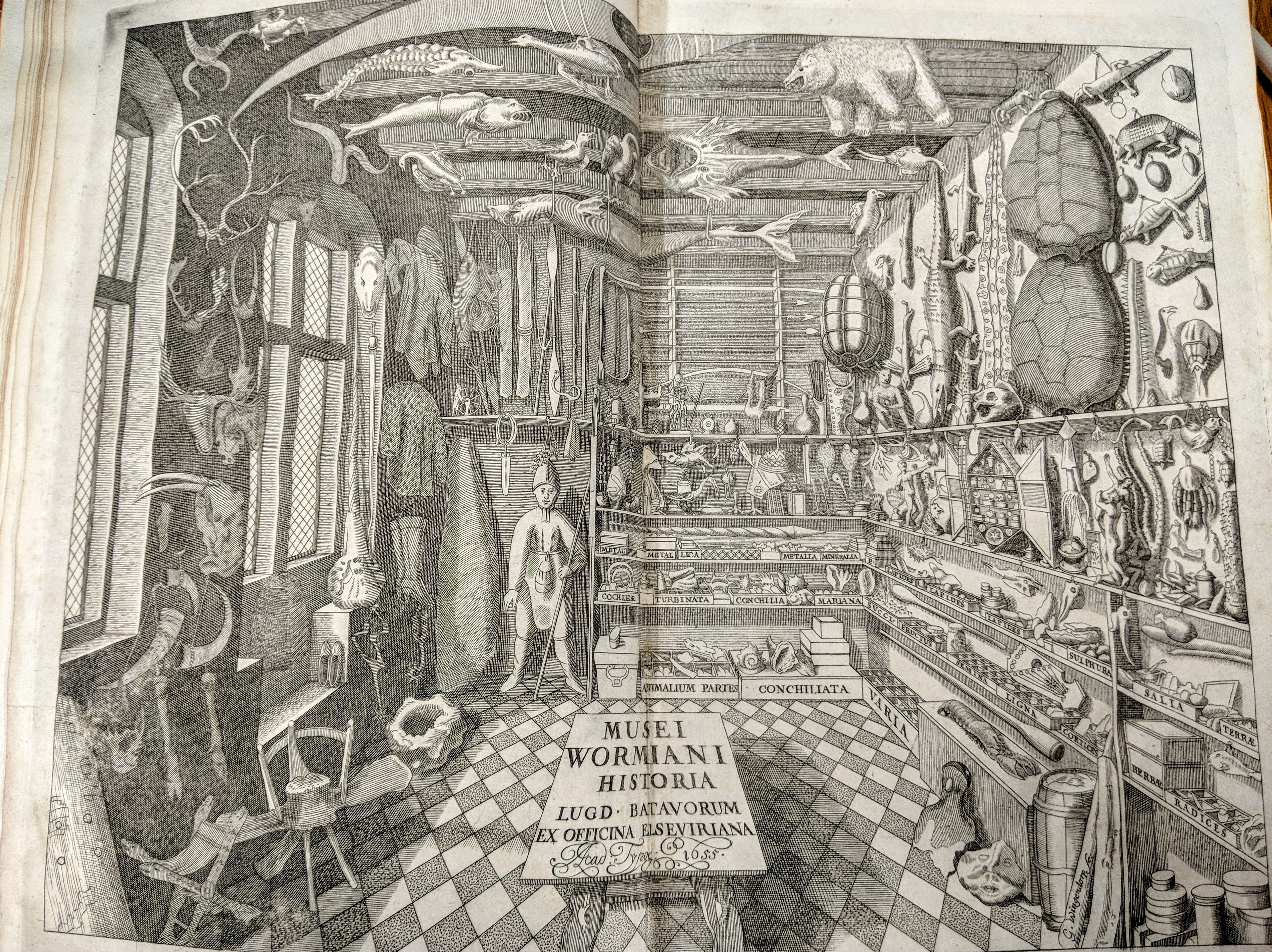
Illustration of curiosity shop from Museum Wormarium

The Maddison collection: Like an attic, but more organised

We are entering this internship with two overarching, but linked, goals. The first is the more straightforward of the two; undertaking collections care work to aid in the maintenance and welfare of the collection. Our second goal is to make the collection more accessible. Over the past week and a half both of us have fallen in love with this collection and we are keen to see it put to further use. As we sort through the materials, we will be looking to make connections between this collection and others in the library’s care in order to expand the possible uses for it. There are a plethora of documents and books that could be useful for dissertations, academic articles and essays. We hope that our work to make these connections and improve public awareness will be useful to future scholars of all levels and will develop potential links and ideas for teaching across a broad range of subjects at the university. Our work will culminate in a pop-up display to be shown in the Special Collections & Archives Reading Room at the end of August.

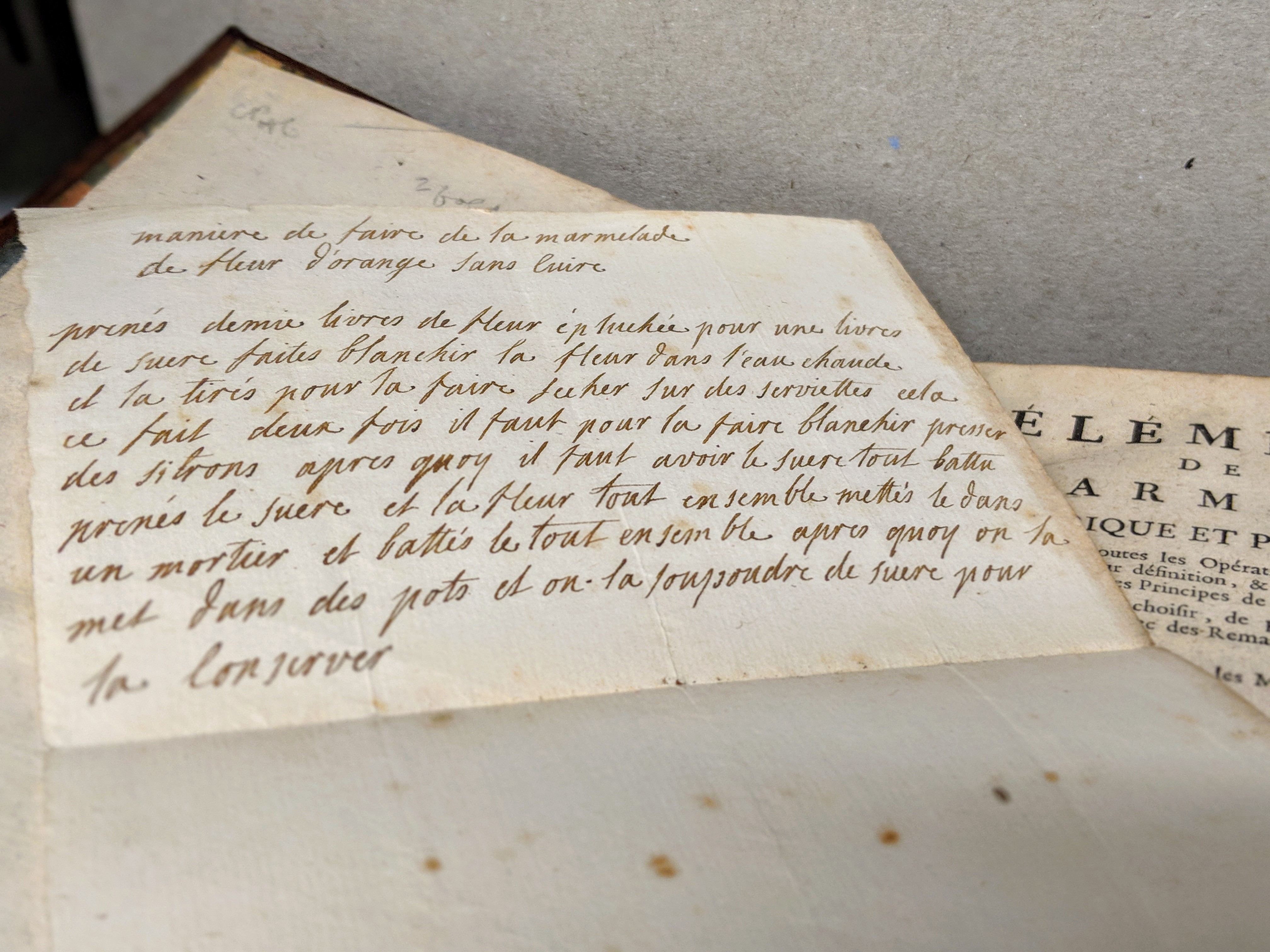
Marmalade recipe

We are 100% making this. Will report back.

What are the challenges of this work?

The care of these books is a challenge, but a fun one. The state that the books are in varies wildly. Whilst some are in excellent condition, others require a little more attention and careful handling such as the texts from sixteenth and seventeenth centuries. This challenge, however, pales in comparison to the linguistic difficulties we have encountered on a daily basis.

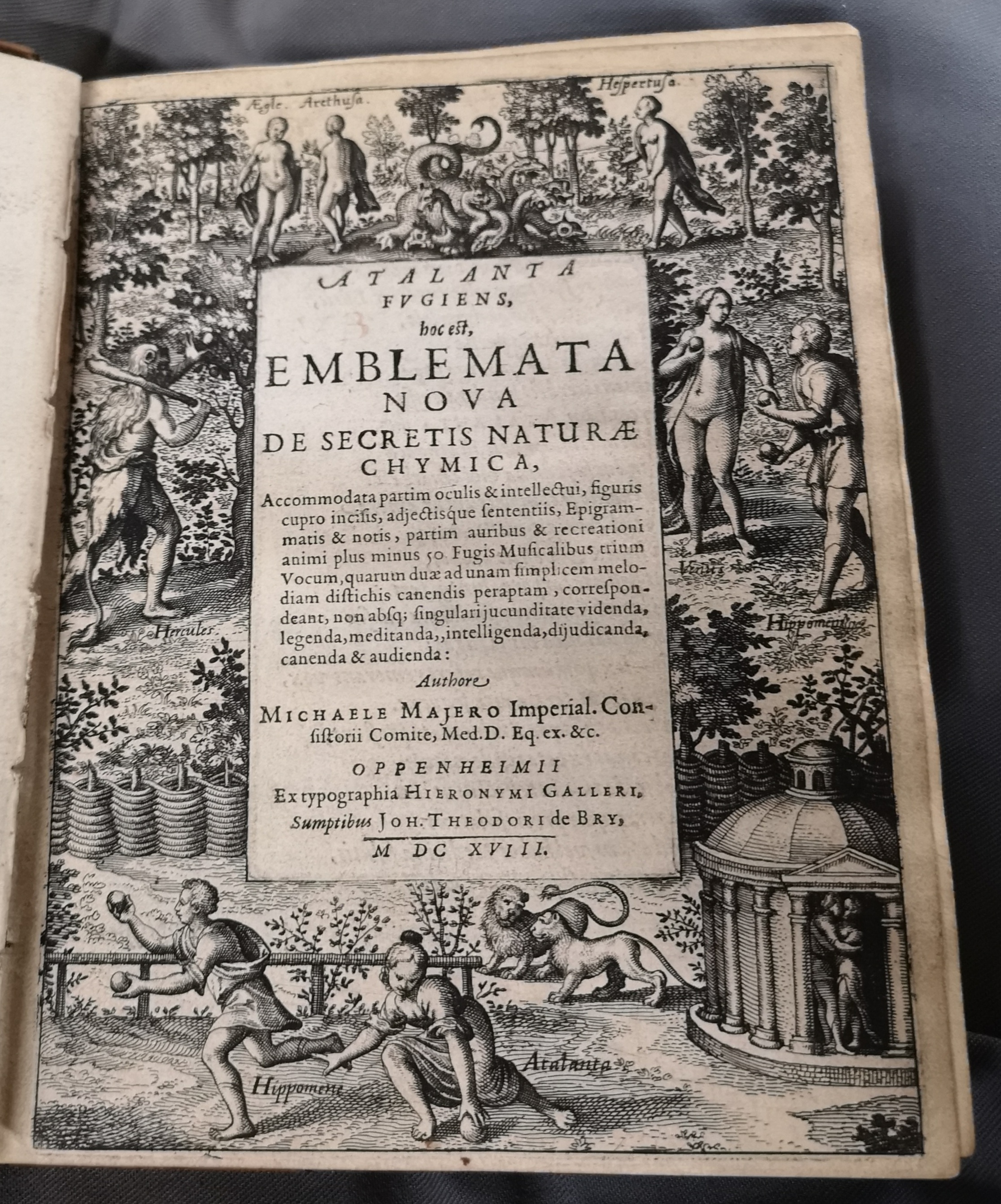
Title page from 'Emblemata Nova'

98% sure this is Latin, aka Philip wishes he could read this

Many of the books in the collection are not in English which presents a major stumbling block for us in its exploration. Besides English, Latin is the most common language found within the collection, but French is also very well represented, as is German. While both of us are able to read the French texts to a high enough standard to understand their subject matter, neither of us feels confident enough to offer anything more than a brief summary as to the content of these texts. The less said about our Latin and German skills, the better. Philip’s most common refrain is “I really need to learn Latin.” As a result of this, making this collection accessible to a wider audience is proved more complex than we originally thought. Our lack of ability to read some of the texts means that we cannot write about them with authority in these blog posts, nor can we make strong links that could be beneficial with the wider content of the special collections. This language barrier could also impede those visiting the archives, unless they are confident enough in the aforementioned languages. As one of our main goals is to promote the public outreach of this collection we are struggling to find a way to overcome this obstacle as many may find these books to be limited in their usefulness at this time.

Stay tuned for more

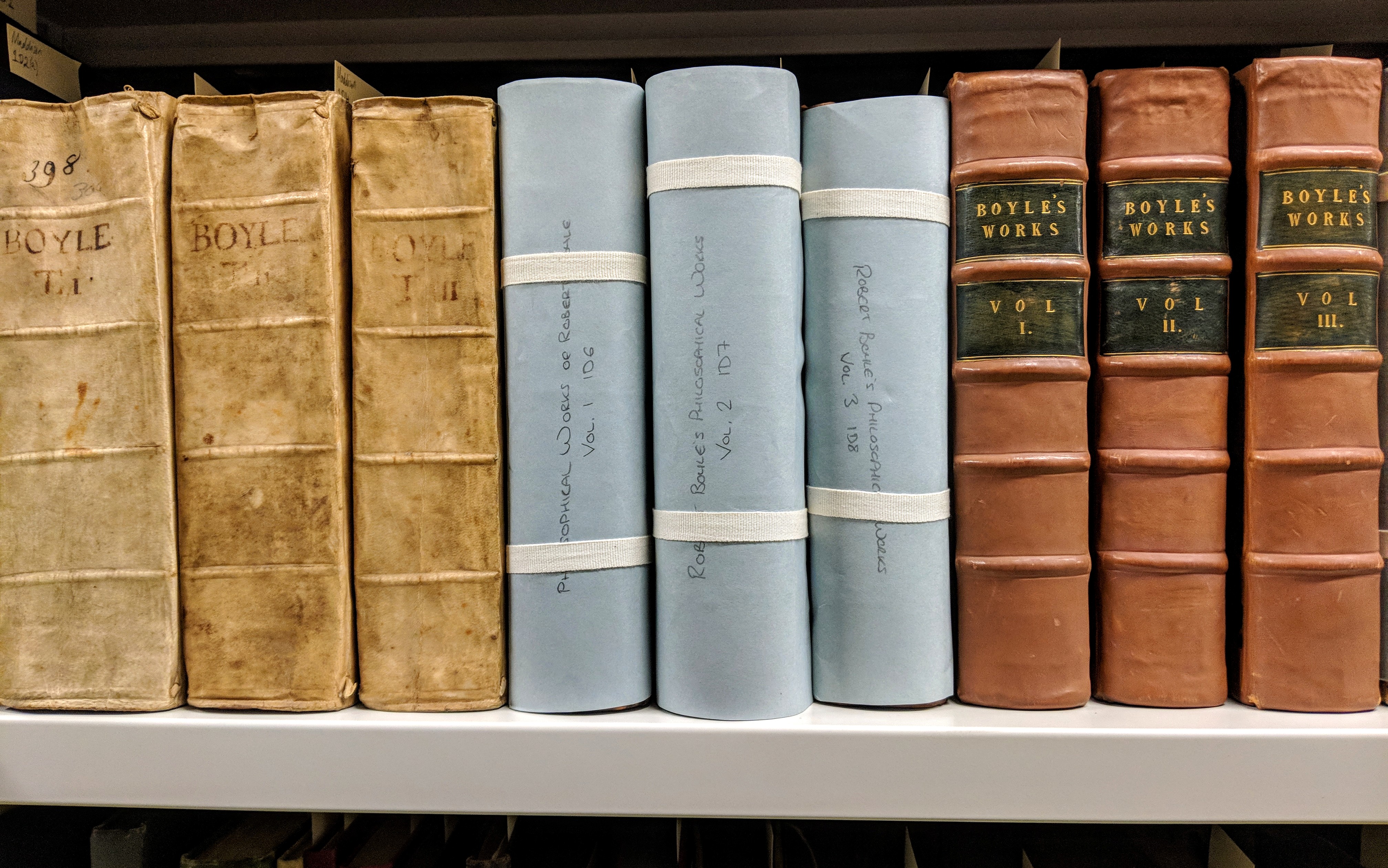
Row of books in the Maddison collection

5 of too many

You can find more of the treasures we unearth in the Adventures of our 2018 interns blog series posted by Senior Library Assistant Joanna every Friday. Also each week we will be taking a deep dive into a topic related to the Maddison collection, starting next week with Robert Boyle. As the summer goes on, we hope to introduce more and more of this collection to you, so stay tuned for more updates!

Adventures of our 2018 interns part one

Happy July, all! It may be quiet on campus at the moment as our lovely students have gone home for the summer, but as ever Special Collections & Archives is a hive of activity.

This year, we have interns for the first time in ages! Philip and Janee (pictured below) are working with our Maddison collection, cleaning the books and delving into the wonderful world of all things history of science related.

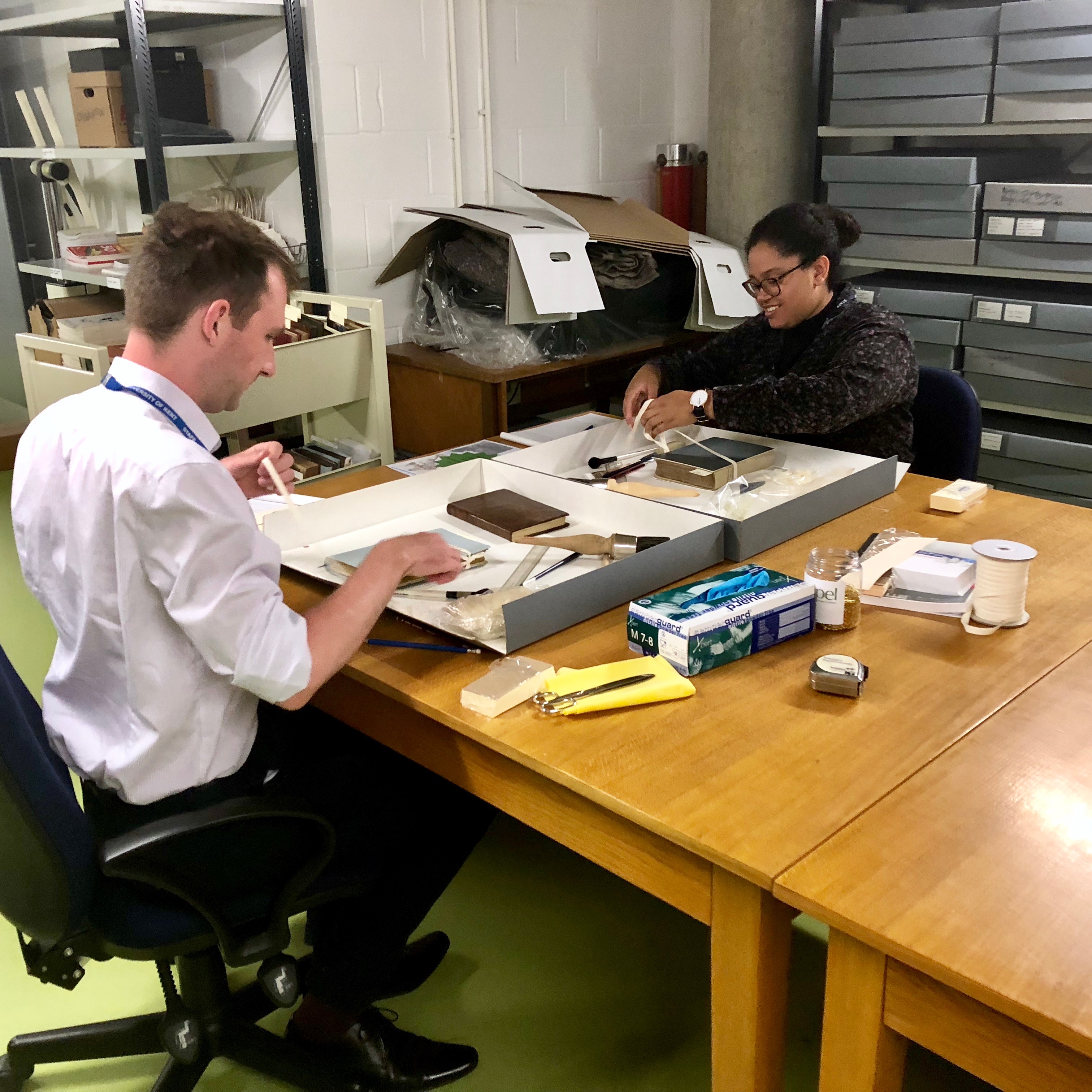
Philip and Janee, our summer 2018 interns, hard at work looking after our Maddison Collection.

Philip and Janee, our summer 2018 interns, hard at work looking after our Maddison Collection.

You’ll be hearing more from Philip and Janee soon, but in the meantime we’ll be showcasing some of their discoveries here! Each week, we’ll summarise some of their favourite things from the Maddison collection – so let’s get stuck in:

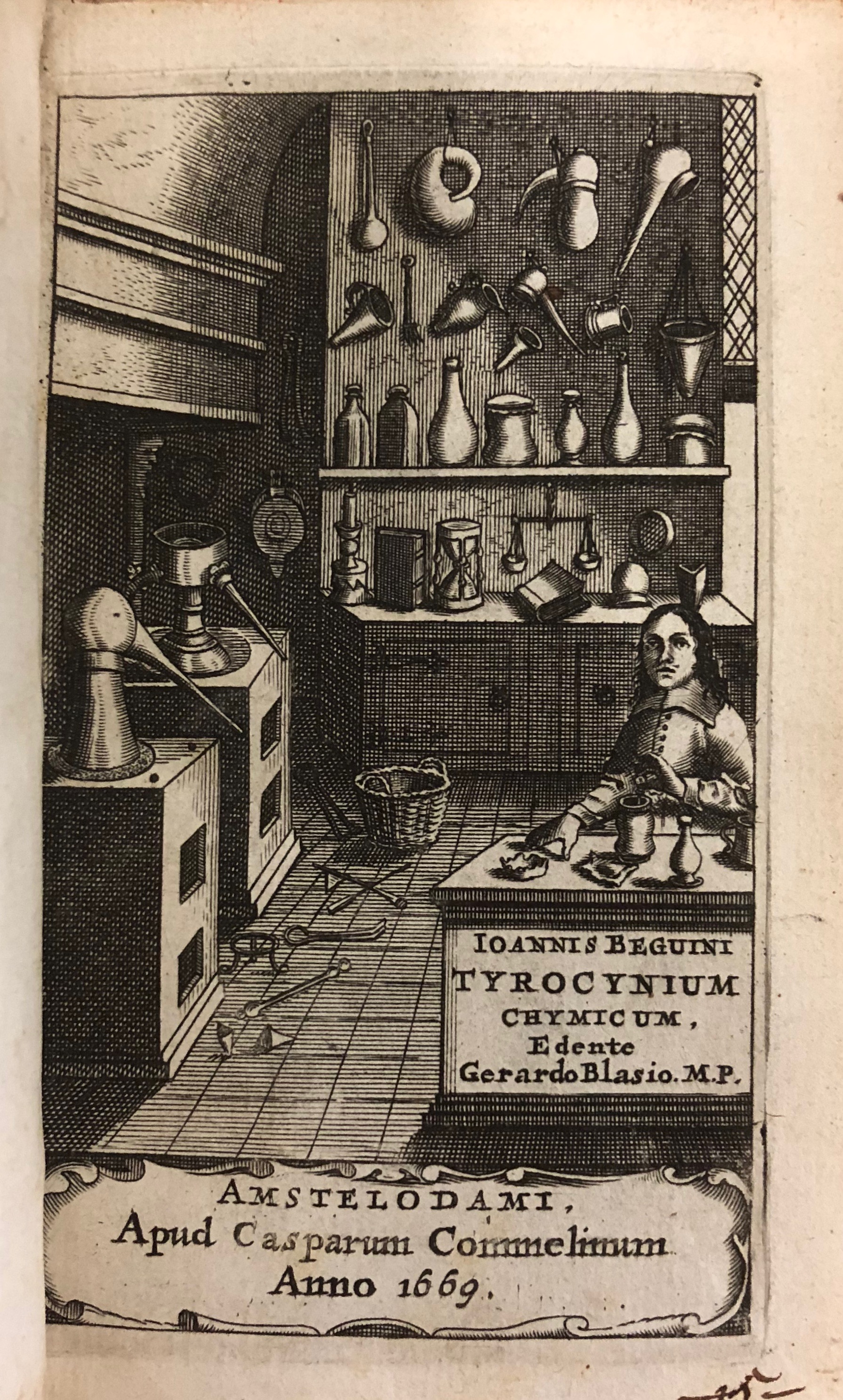
Illustration from 'Tyrocinium chymicum' by Jean Beguin, 1669, Amsterdam. (Maddison Collection 1A21, F10448000)

Illustration from ‘Tyrocinium chymicum’ by Jean Beguin, 1669, Amsterdam. (Maddison Collection 1A21, F10448000)

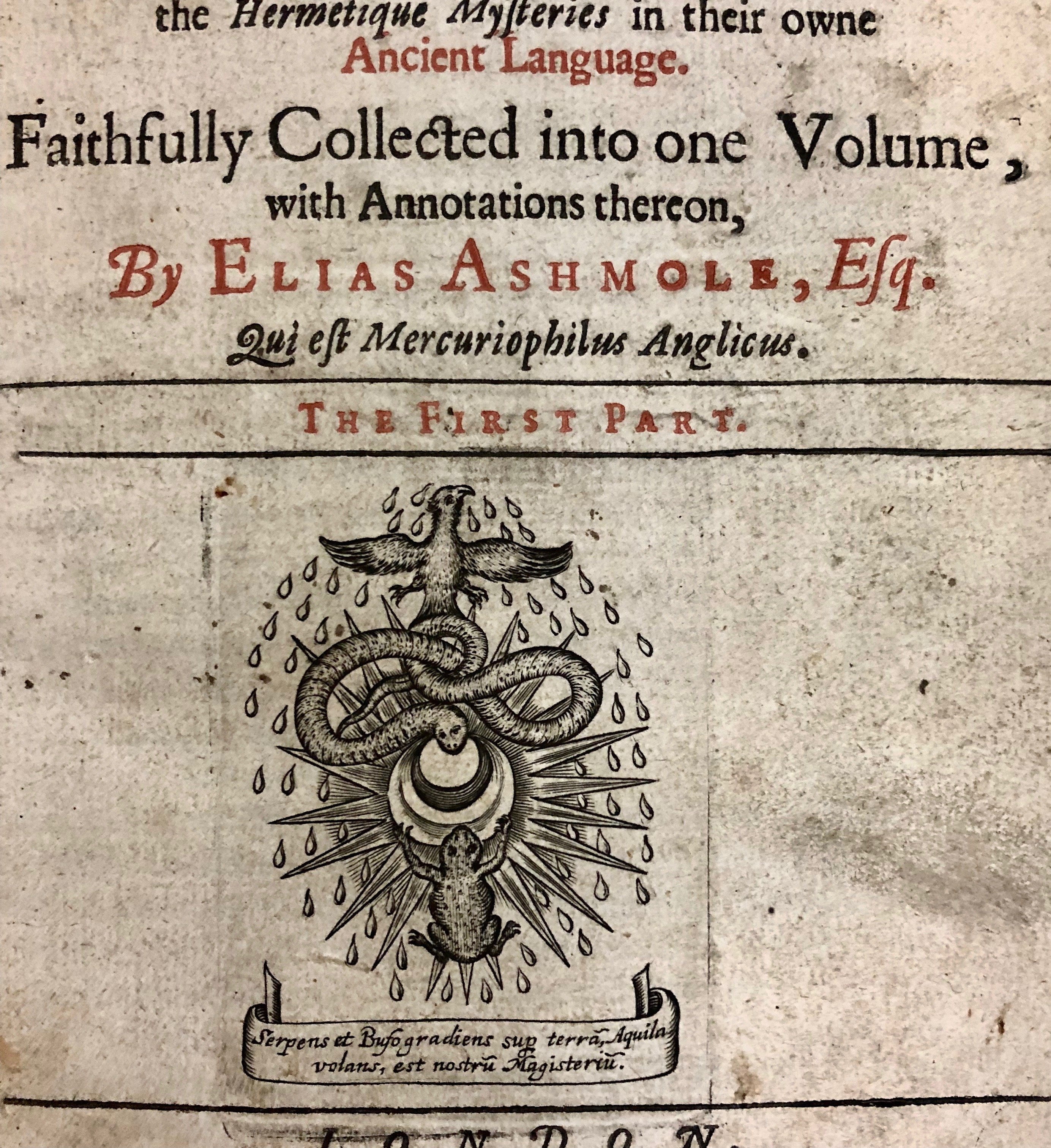
Printer's device from 'Theatrum chemicum Britannicum' by Elias Ashmole, 1652, London. (Maddison Collection 1A11, F10444300)

Printer’s device from ‘Theatrum chemicum Britannicum’ by Elias Ashmole, 1652, London. (Maddison Collection 1A11, F10444300)

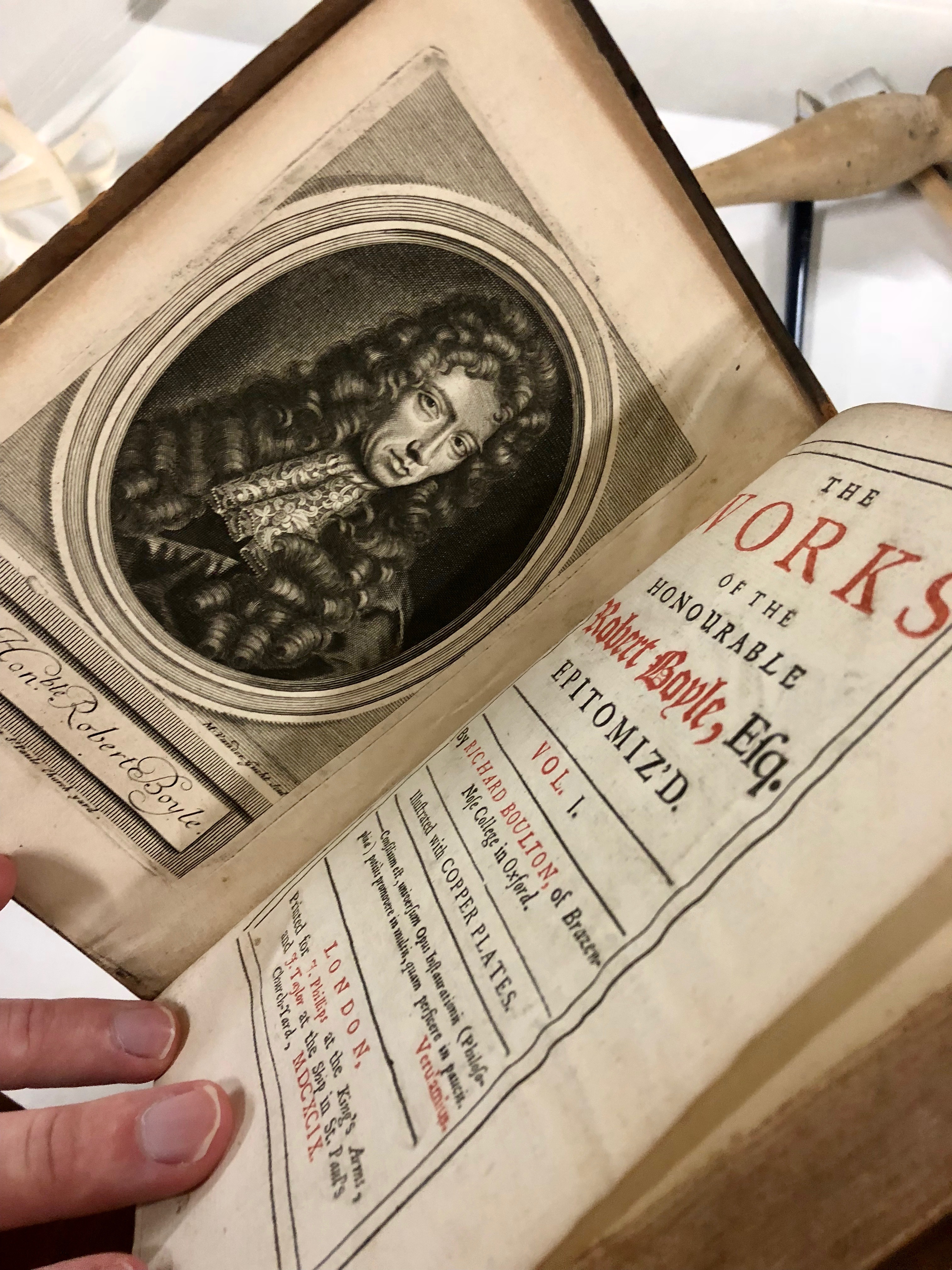
Robert Boyle - Maddison's primary research subject. From ' The works of the Honourable Robert Boyle : ... epitomiz'd by Richard Boulton', 1699, London. (Maddison Collection 1A25, F10463200)

Robert Boyle – Maddison’s primary research subject. From ‘The works of the Honourable Robert Boyle : … epitomiz’d by Richard Boulton’, 1699, London. (Maddison Collection 1A25, F10463200)

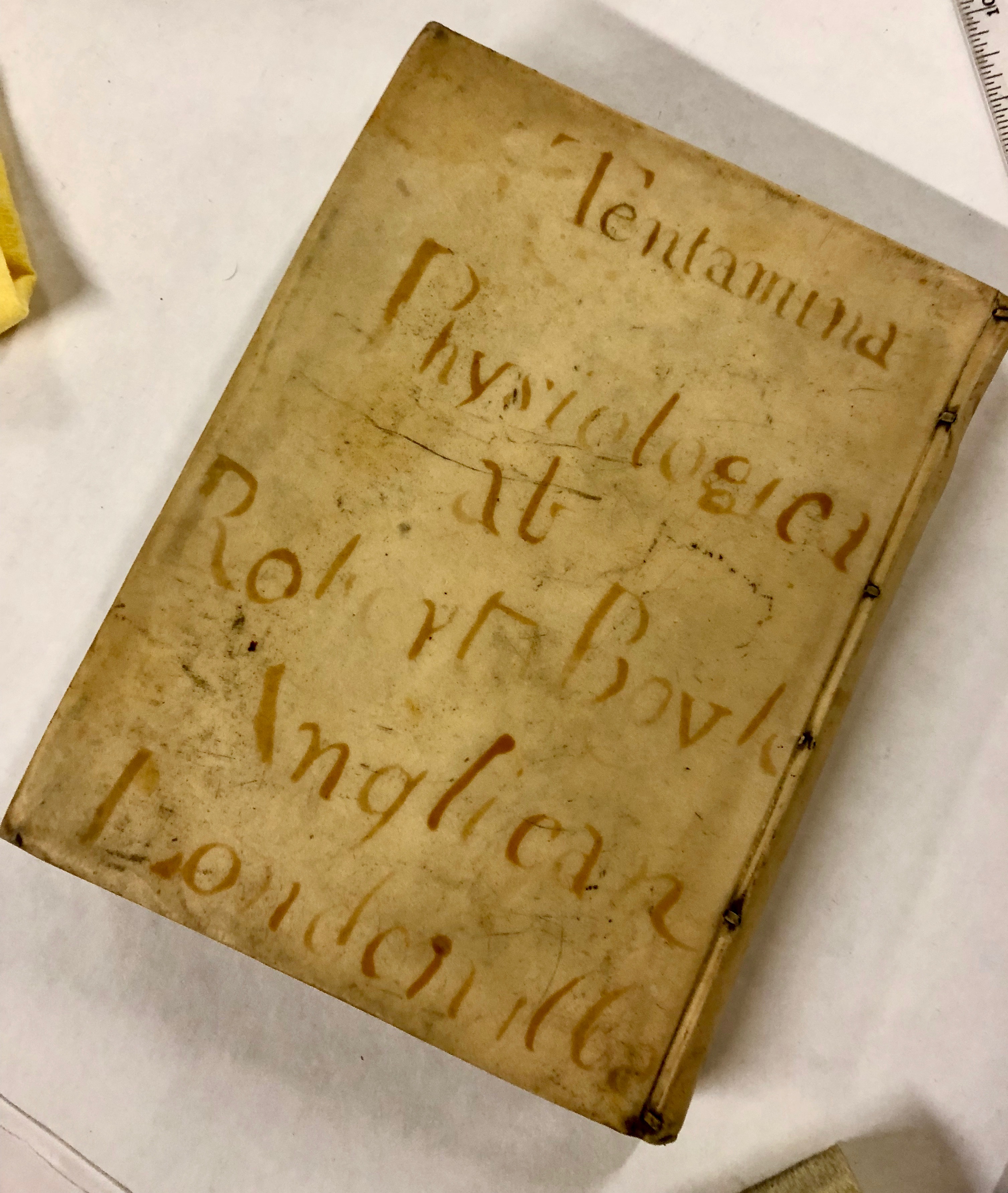
Writing on vellum! ' Tentamina quaedam physiologica : ... conscripta a Roberto Boyle .... Historia fluiditatis et firmitatis', 1668, London. (Maddison Collection 1B4, F10458600)

Writing on vellum! ‘Tentamina quaedam physiologica : … conscripta a Roberto Boyle …. Historia fluiditatis et firmitatis’, 1668, London. (Maddison Collection 1B4, F10458600)

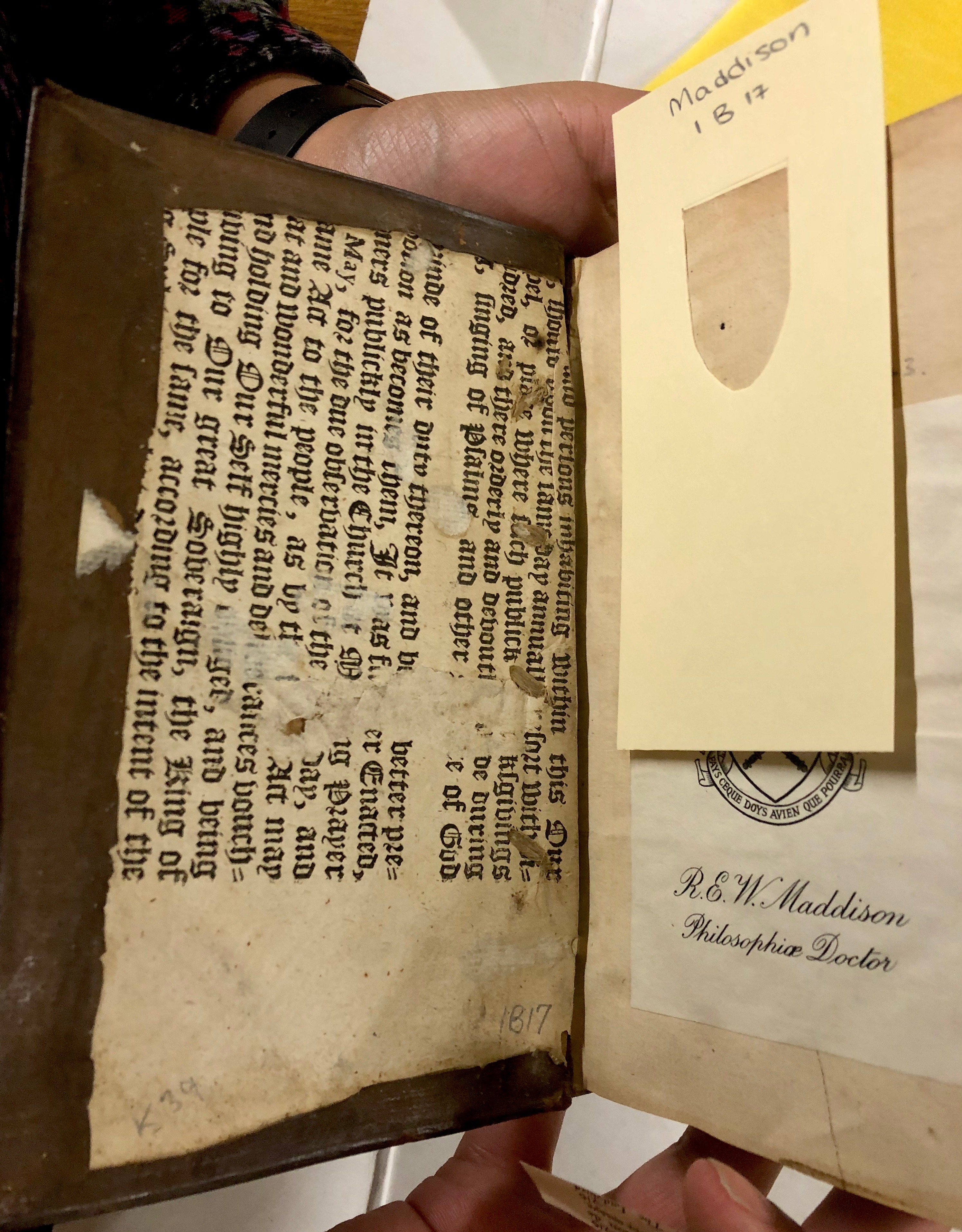
Rebound typescript alert! 'The martyrdom of Theodora, and of Didymus' by Robert Boyle, 1687, London. (Maddison Collection 1B17, F10461600)

Rebound typescript alert! ‘The martyrdom of Theodora, and of Didymus’ by Robert Boyle, 1687, London. (Maddison Collection 1B17, F10461600)

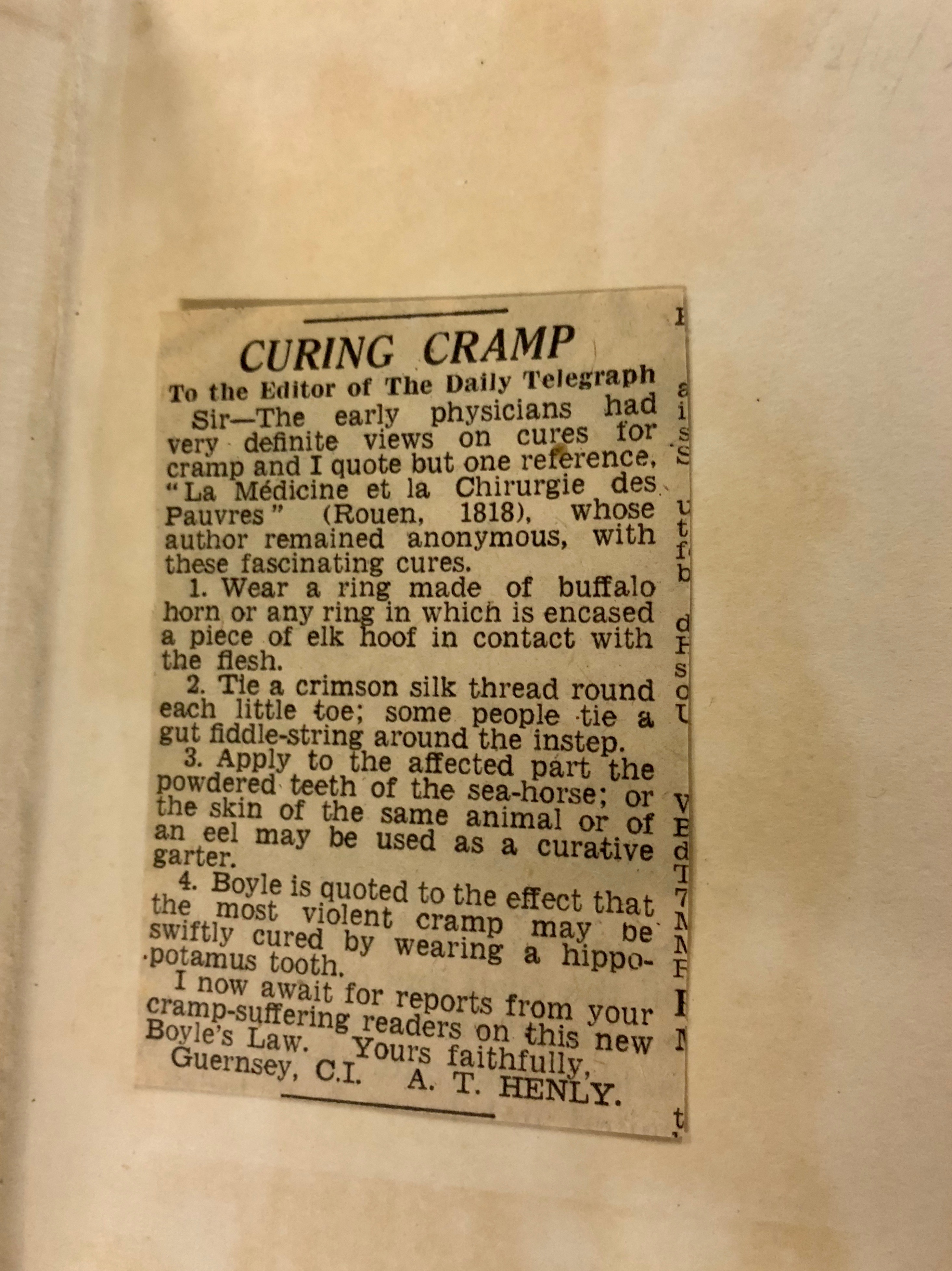
Suggested cures for cramps from ' Medicinal experiments : or, a collection of choice and safe remedies' by Robert Boyle, 1712, London. (Maddison Collection, F10463800)

Suggested cures for cramps from ‘Medicinal experiments : or, a collection of choice and safe remedies’ by Robert Boyle, 1712, London. (Maddison Collection, F10463800)

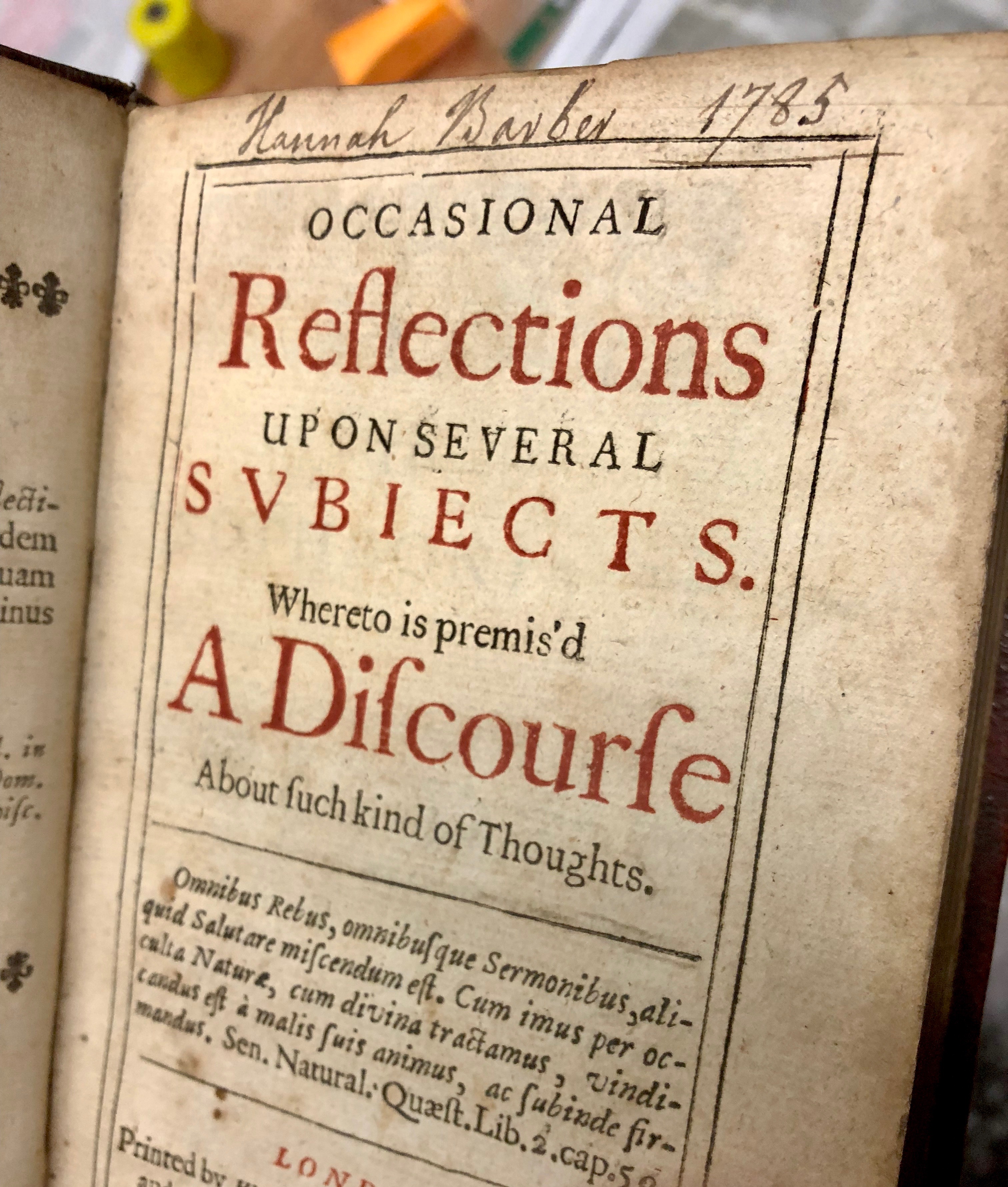
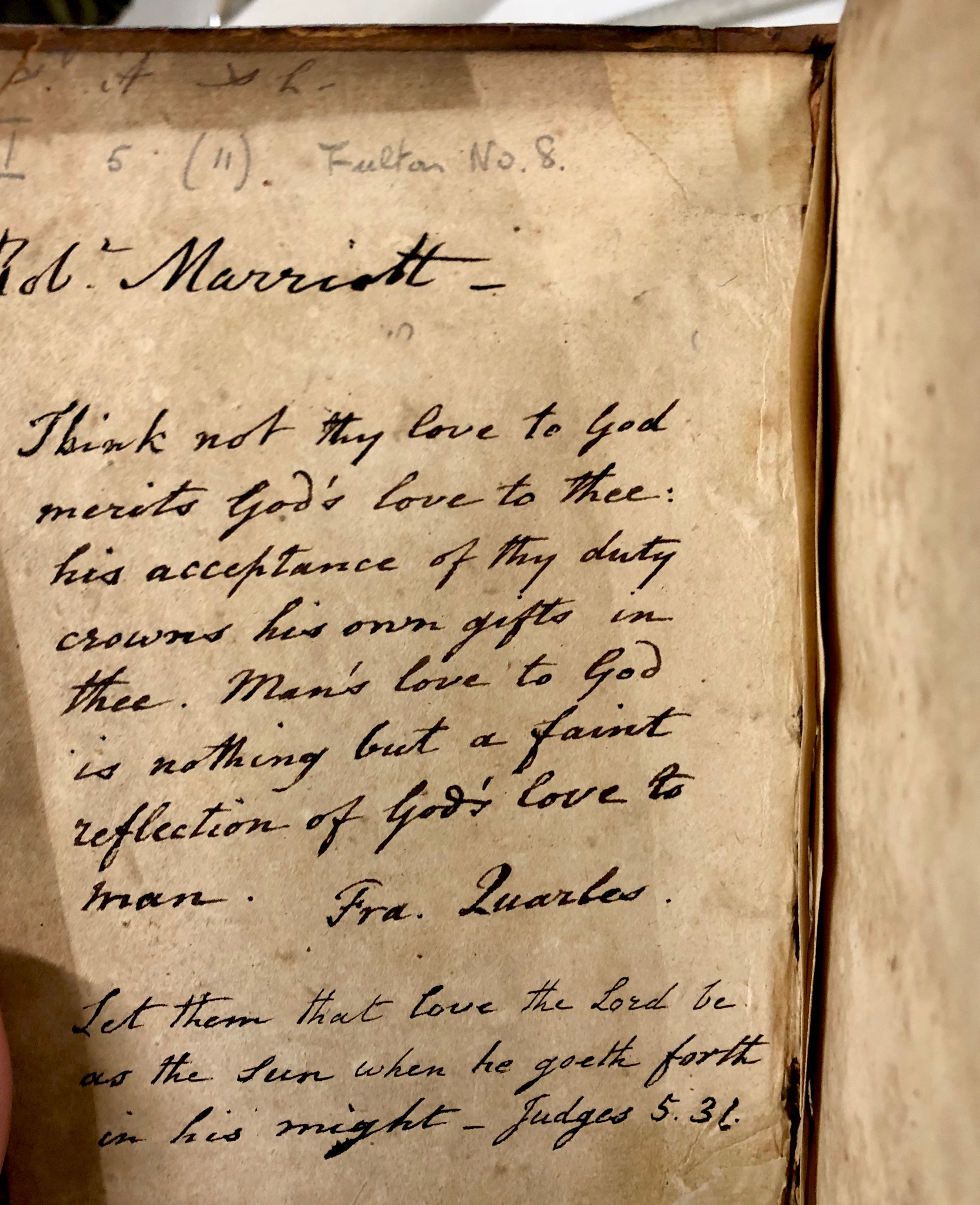
Ownership marks in 'Occasional reflections : upon several subjects' by Robert Boyle, 1848, Oxford and London. (Maddison Collection, F10465800)

Ownership marks in ‘Occasional reflections : upon several subjects’ by Robert Boyle, 1848, Oxford and London. (Maddison Collection, F10465800)

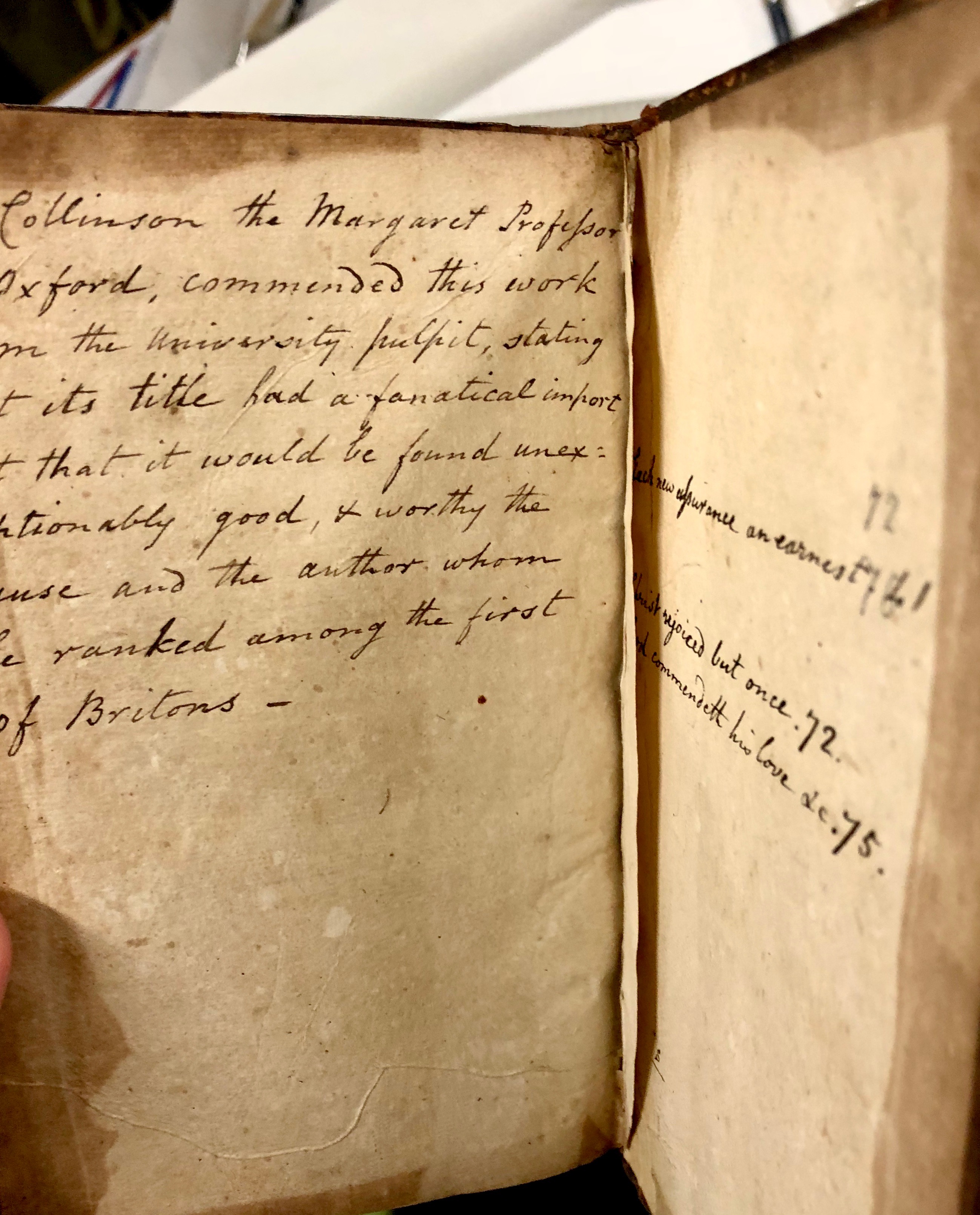
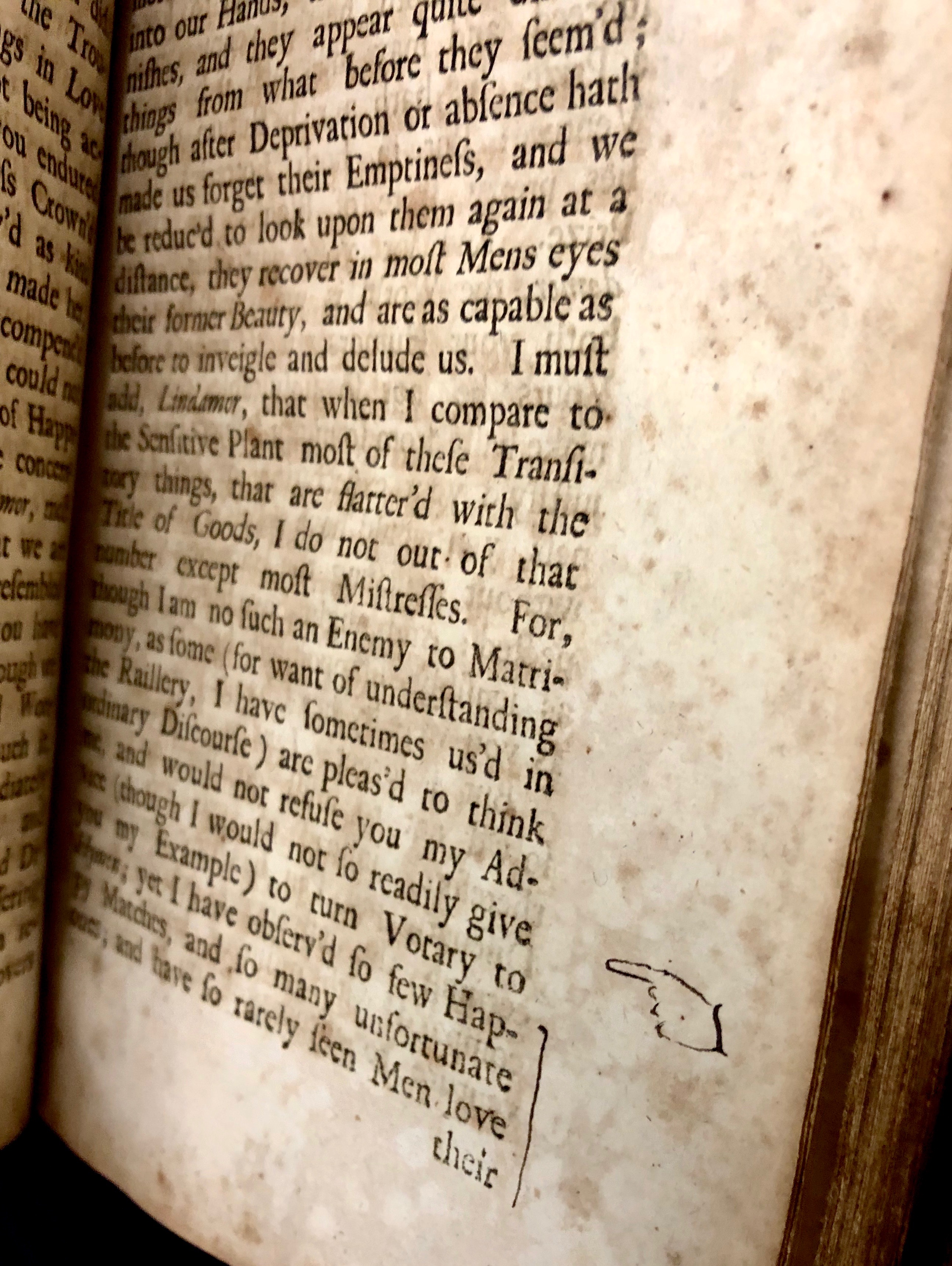
Book recommendation in 'Occasional reflections : upon several subjects' by Robert Boyle, 1848, Oxford and London. (Maddison Collection, F10465800)

Book recommendation in ‘Occasional reflections : upon several subjects’ by Robert Boyle, 1848, Oxford and London. (Maddison Collection, F10465800)

Quotation in 'Occasional reflections : upon several subjects' by Robert Boyle, 1848, Oxford and London. (Maddison Collection, F10465800)

Quotation in ‘Occasional reflections : upon several subjects’ by Robert Boyle, 1848, Oxford and London. (Maddison Collection, F10465800)

Manuscript hand in 'Occasional reflections : upon several subjects' by Robert Boyle, 1848, Oxford and London. (Maddison Collection, F10465800)

Manuscript hand in ‘Occasional reflections : upon several subjects’ by Robert Boyle, 1848, Oxford and London. (Maddison Collection, F10465800)

Check back here regularly for more Maddison Collection exploration!

A Farewell to our Gallery

This summer is going to our last in our current location and as you probably know, we’re gearing up for plenty of changes! As I type, we’re in the process of taking down our last exhibition in the Level 1 Gallery space (just outside the Level 1 office and the cafe). This exhibition focussed on Sir Howard Kingsley Wood, and you can learn more about him from the blog post ‘Wood would: the forgotten campaigner‘. In due course, we’ll provide a digital version of this exhibition on the website, so keep your eyes peeled for that.

The reason for all these changes is the ongoing Templeman Redevelopment work which will be gathering pace over the summer. Early next year, we’re due to move into the new suite of Special Collections & Archives rooms, in the extension, which is a very exciting prospect. We hope to launch the new location with an exhibition in the new gallery, which will front the office area on the new Level 2. In the meantime, the social learning space will be moving into the gallery to make sure there’s enough room while the Core Text Collection moves into the other side of the social learning space. Confused? Check out the Templeman Development webpages to have it all explained!

A lot of our work over the summer is going to be aimed at planning the Big Underground Move to get our materials into the extension, and finding ways of keeping you all informed about what we’re doing. Equally, we’re putting in place plans for teaching over the next academic year and thinking about funding and projects to keep our collections work ticking over. No doubt it will be busy, but I’ll try to keep you updated as we go.

Manuscript notes about the coronation of George IV

Manuscript notes about the coronation of George IV

The reading room is still open, so do just request items if you’d like to see anything. I thought I might just share a little gem which came out of a request yesterday. A routine request for a book in the Maddison Collection, A treatise of Oswaldus Crollius of signatures of internal things (1669), proved to contain some lovely annotations on contemporary events. In two almost page-long manuscript notes, a clergyman has written accounts of the coronation of George IV, possibly taken from newspapers at the time. The coronation, on Thursday 19th July 1821, was notable for the ommision of the Queen on the guest list. One of these accounts notes:

His Majesty was crowned without the Queen, owing to her bad conduct, at home and abroad, she came to the Abbey in the time of Service, to be admitted, but was denied entrance at either of the doors

It is, perhaps, a matter of historical debate as to whose conduct was worse, George IV’s or his Queen Caroline’s, but it’s interesting to compare this to a contemporary account from my old friend William Harris, who heard about events while on his travels around Europe.

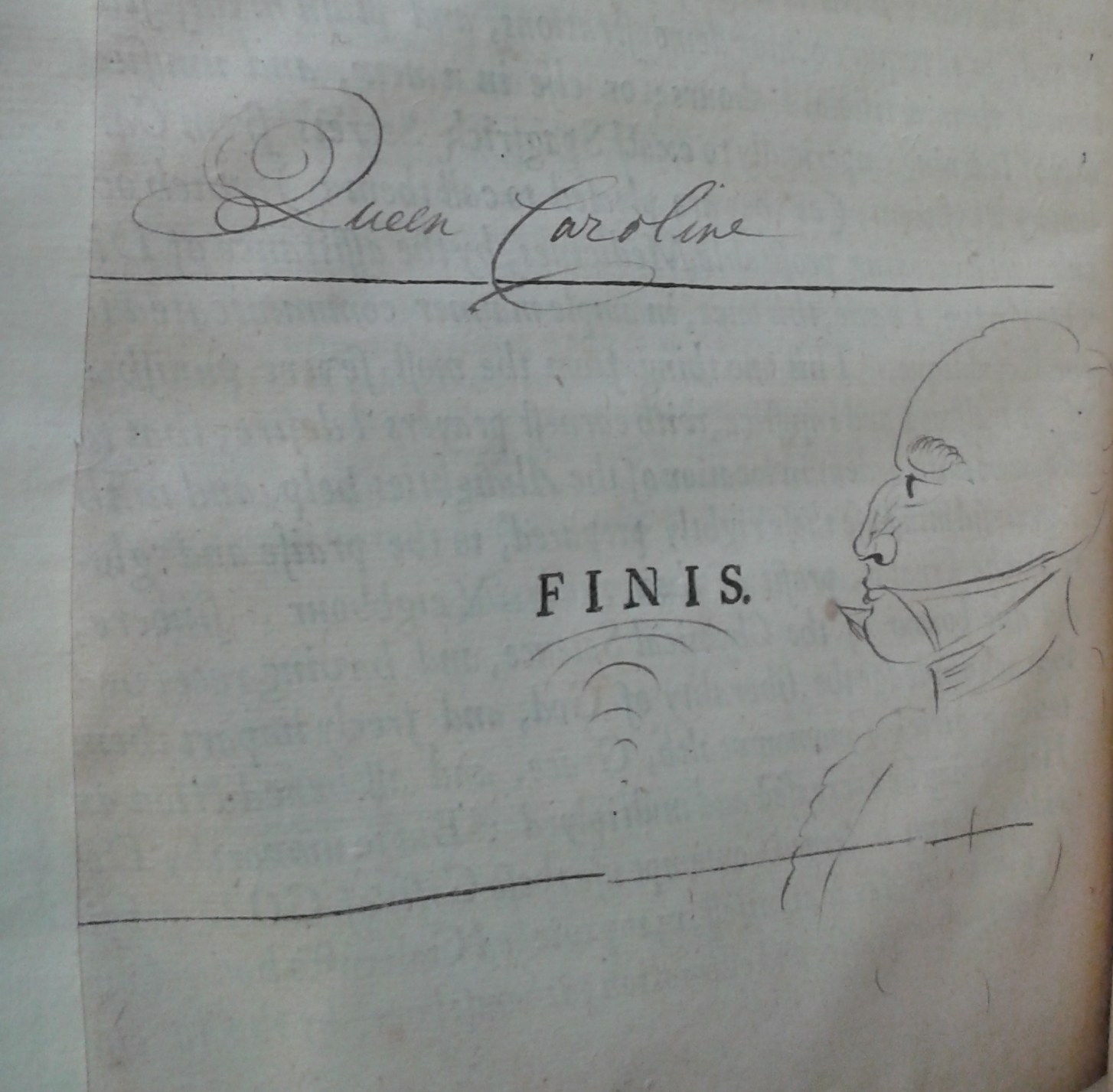
A004208As well as the notes, the facing page has the words ‘Queen Caroline’ and an ink caricature penned after the text, perhaps drawn by the same man who wrote the accounts, one Adam Johnson. In the second account, he names himself clearly and adds:

…son of the Reverend Doctor Johnson at the Rectory of St Ruan[?] near Penzance in the county of Cornwall (England)

with ‘God Save the King’ for good measure. In the margin of the previous page, he writes: ‘For Posterity’. I don’t suppose he ever imagined that his notes would make it onto the Special Collections blog!