National Gardening Week: Cultivating a green space at home or in your office

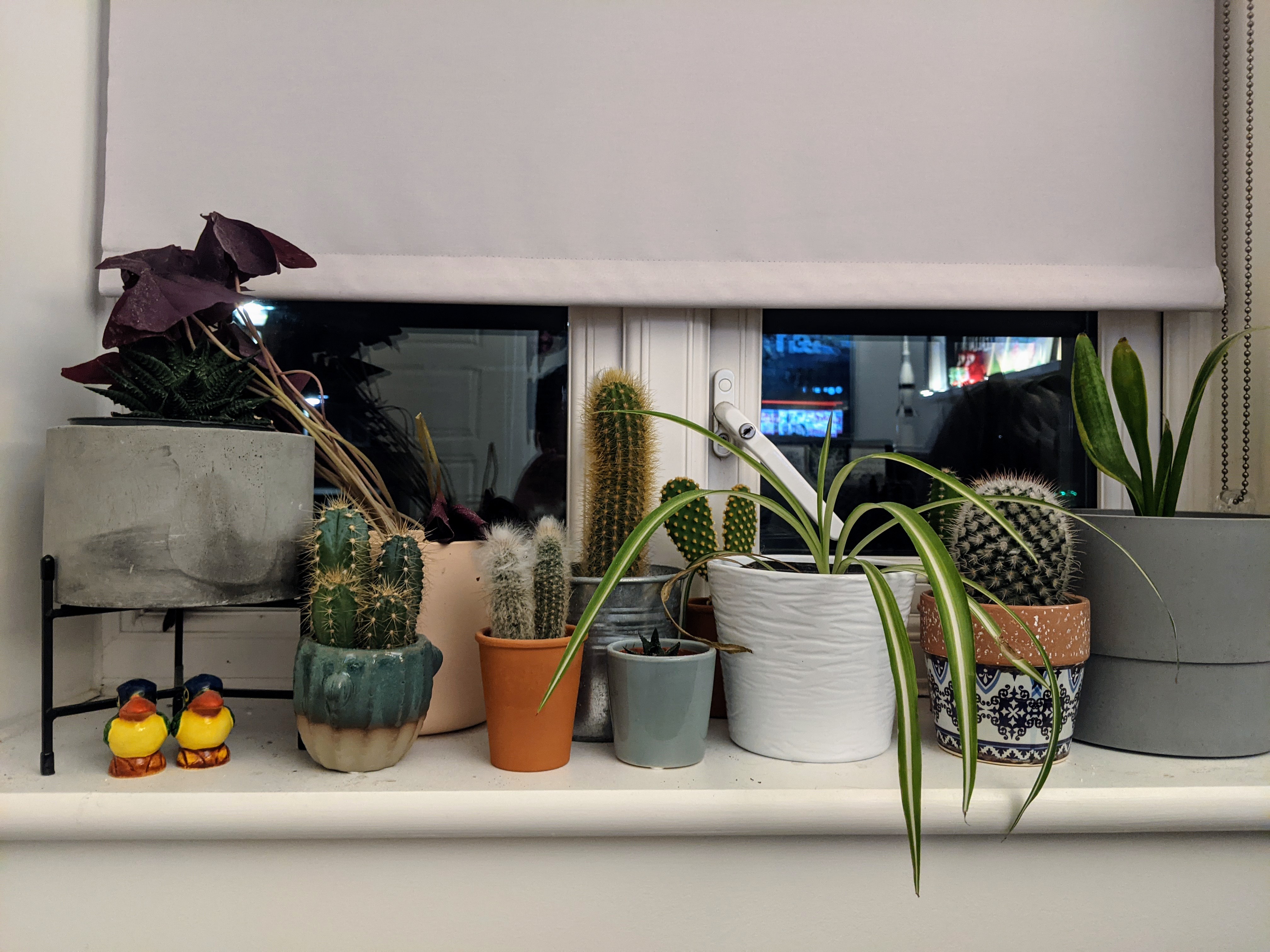
Whether you are working from home, studying remotely or back on campus, there is a simple way of improving your space and creating a routine that is good for you and good for your plants, without the requirement of a garden.

The benefits of having plants indoors are numerous. They do not just look good, there are proven benefits for your health by having house plants around your working environment.

Plants can reduce stress and anxiety and data from scientists, including NASA, has confirmed that many houseplants can purify the air around us. Just the sight of greenery or the sense that you are surrounded by natural things can foster calmness, improved memory and a reduction in stress.

However, some people find the thought of caring for houseplants a bit stressful in itself, and some have seen many former houseplants make their way to the compost heap after struggling to survive in their homes or offices.

Below are some of the easiest plants to keep alive no matter what your office/desk space is like. Hopefully, these will convert even the most hesitant of would-be plant keepers!

Peace Lily (Spathiphyllum)
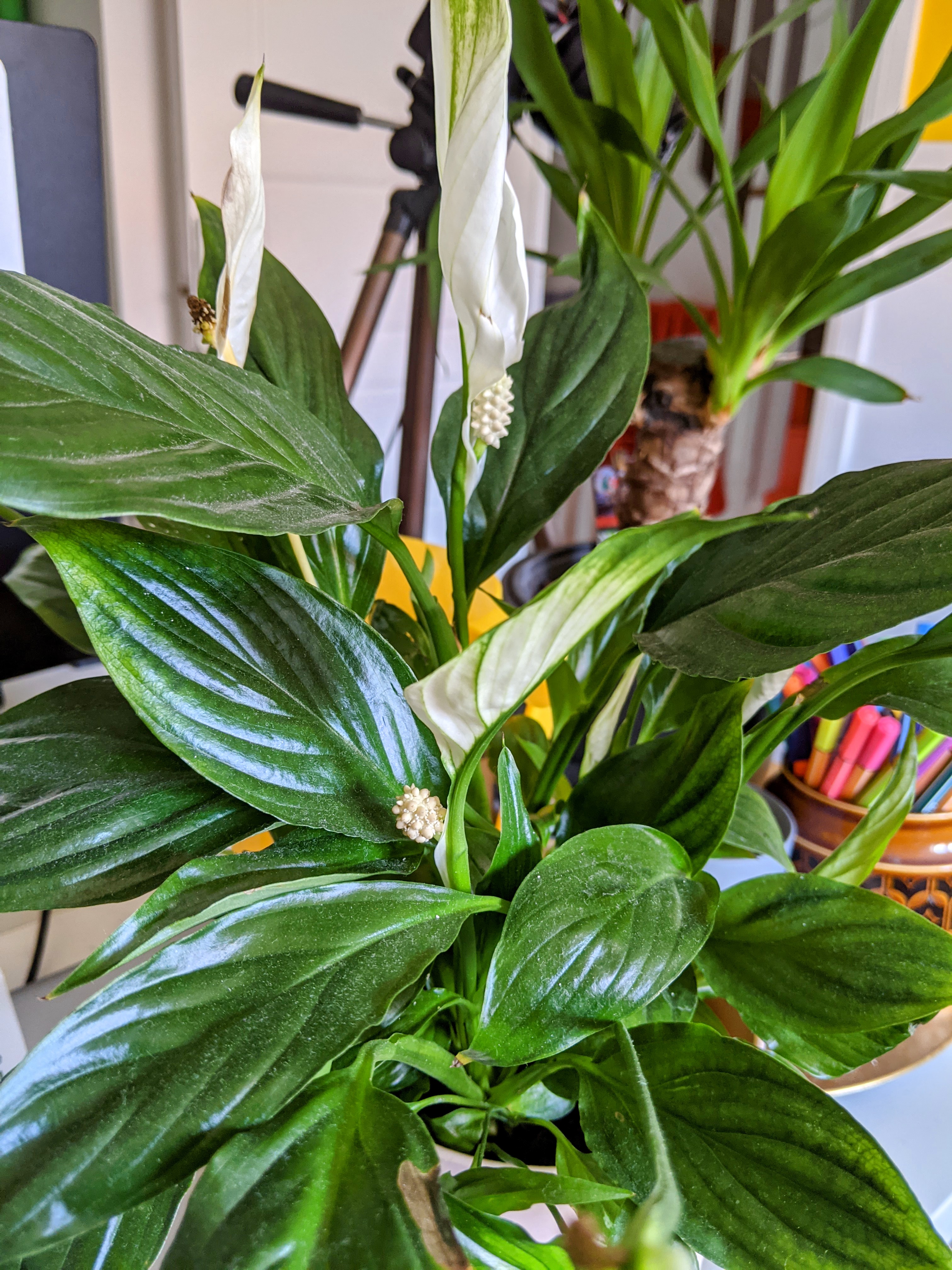
Can survive very well in low light and will tell you when it needs water by drooping its leaves – perfect for people who tend to over water their plants. Peace lilies just need some food during the summer and deadheading of flowers that have faded – chop those brown flowers off!

Peace lilies are great at removing ammonia, benzene and formaldehyde from the air but careful if you have pets about. Lilies are incredibly poisonous!

Snake Plant (Sanseveieria)
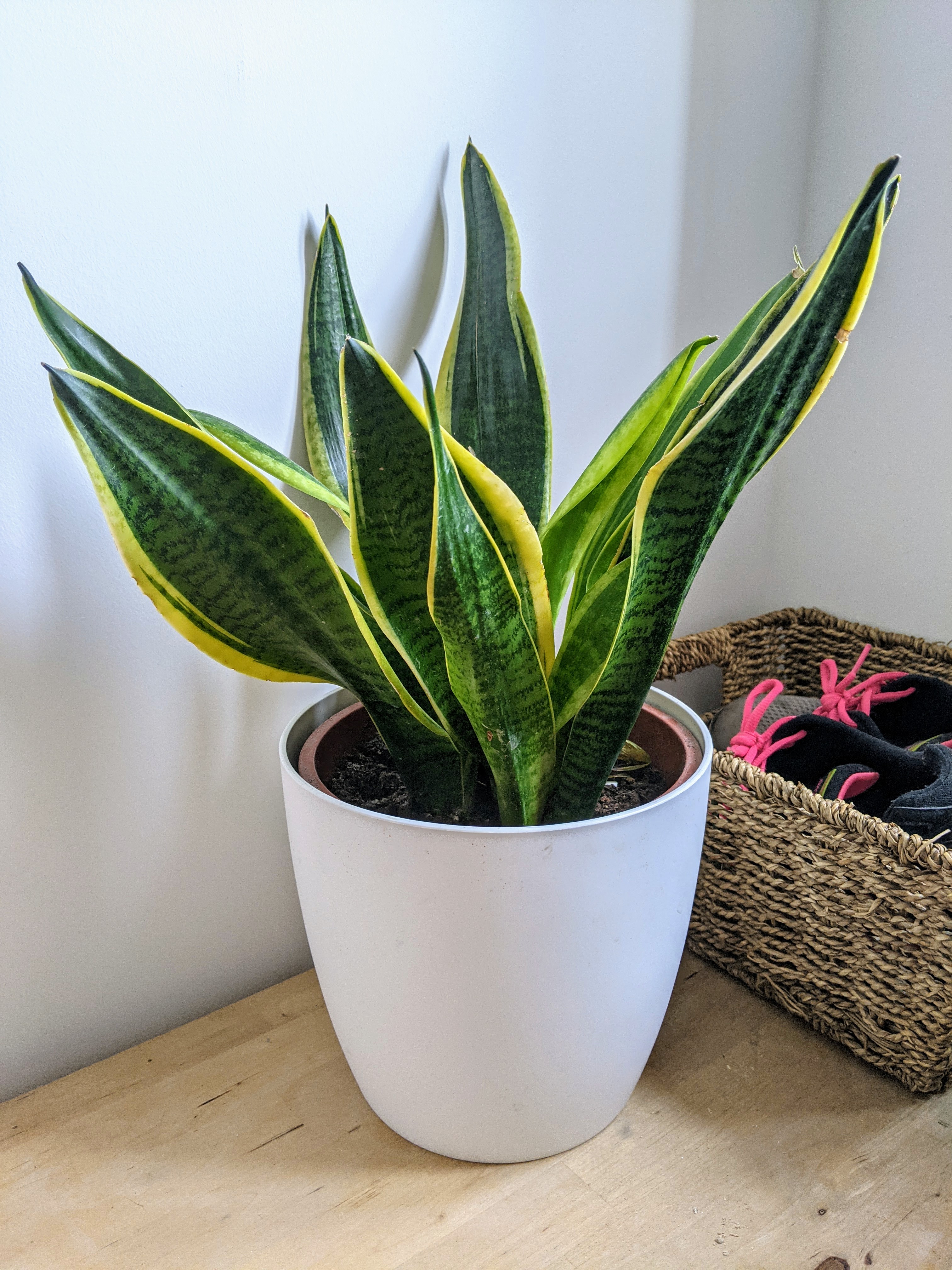
Will survive happily in barely any light but will also flourish in bright indirect sunlight. They thrive on neglect so if that is your style of plant parenting, then this is the plant for you! Snake plants tend to grow slowly so are not going to suddenly take up a lot of space and will actively remove benzene, formaldehyde, trichloroethylene, and xylene from the air.

Devil’s Ivy (Pothos)
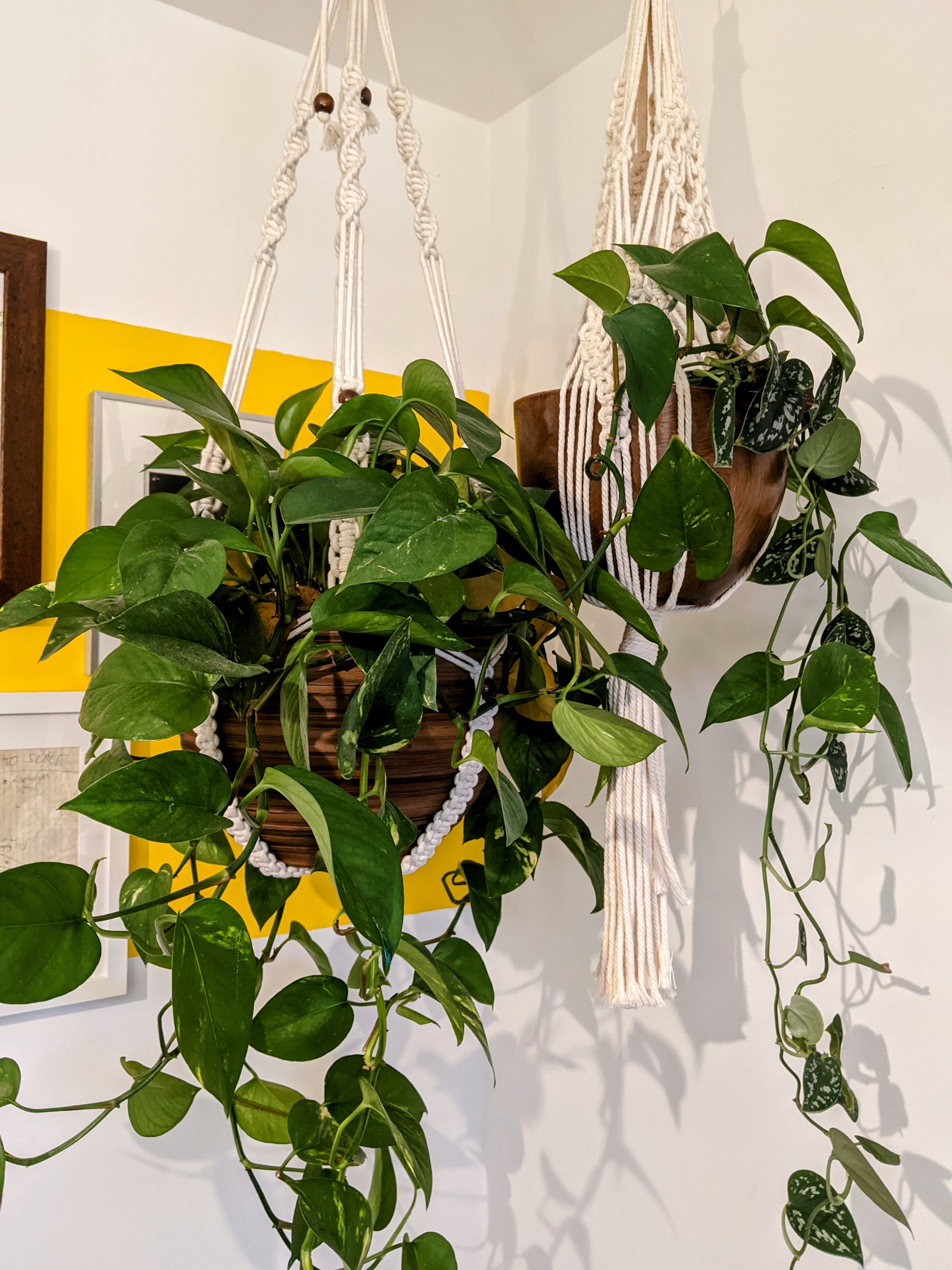
Pothos plants are dramatic, fast growing and virtually indestructible! They are great for people that want an instant lift to their space and can be brought back from the dead by creating cuttings from the plant and starting again. Pothos’ like some humidity, so get a cheap mister or spray bottle and she will appreciate a light mist a couple of times a week.

There are some wonderful youtube channels and other resources that will help you find the right plant for your space and give you advice on how to help the plant flourish. Some of my favourites include:

  • Crazy Plant Guy
  • Planterina
  • And Christopher Griffin (aka Plant Kween) who if you search for, is in lots of other videos and also has a great Skillshare class that includes cultivating a routine

Cultivating a routine

Once you have a plant, or many plants, in your space it is important to create a stress free plant care routine that works for you and your plant. Your plant will need watering as well as occasional feeding, checking for pests and problems, misting where needed and pruning and repotting when the time is right.

By creating a routine to care for your plants, not only are you giving them the care they need, but I find, the time I spend weekly carrying out their basic maintenance is a great time for my own mindfulness and relaxation. At last count I have 37 houseplants and so it takes me about 45mins a week to get round them all, checking their soil, watering them and making sure they are happy. That is 45 minutes where I am completely focused on a simple task that brings me joy for the whole week being surrounded by healthy plants. 45 minutes where I am completely in the moment and not worrying about anything else.

Your routine could be as simple as Monday morning, when you make that first cup of tea, spending 5 minutes whilst you wait for your tea to cool, checking how your snake plant is getting on and giving it a drink.

Best place to find house plants

If you have a friend or colleagues that loves houseplants, chances are they are cultivating new plants from cuttings/propagation. You may be able to get some starter plants for free or a small charge. There are lots of great websites for plants but these can be quite pricey so I would recommend some smaller independent shops. Two that I like in East Kent are Marmarmargate and the Plantlet Shop. If you have any other recommendations, please do let me know, especially if you know of any places in the Medway area.

I would suggest avoiding some of the larger garden centres/DIY stores for houseplants as often they are root bound and where they have been allowed to sit water are often suffering the beginnings of root rot which is setting you up for failure if you are not confident in dealing with this.

I hope that this National Gardening Week gives you the inspiration and motivation to start creating your own cultivated green corner, even if it is on your desk.

University sets new zero carbon target

By 

The University has set a target of achieving net zero carbon emissions by 2040 but is already planning how to engage students, staff and other stakeholders to achieve this target earlier – by 2035.

Our Executive Group has agreed the new target following a review of our current emissions, building performance, financial resources and available technologies.

The target applies to scope 1 and 2 emissions (gas, electricity and University-owned vehicles) by 2040 at the latest, with scope 3 emissions (including business travel, emissions from waste and water) targeted for net zero by 2050.

The new target will be a key objective in the University Sustainability Strategy currently being developed by our Sustainability Steering Group. It builds on a carbon emissions reduction target set in 2010, which aimed to reduce emissions by 23% by 2020 and was achieved a year early.

Next steps

A Carbon Management Plan will set out the roadmap for achieving the new target, stating how we will reduce carbon emission across the whole institution, from buildings and operations to teaching and research. Progress will be monitored by our Sustainability Steering Group, chaired by Richard Reece, DVC Education and Student Experience.

Catherine Morris, Environmental Adviser at Kent, comments: While technologies such as renewable energy generation and decarbonised heating systems will play a large part in achieving the target, ultimately, it is people’s behaviours’ and activities that drive the demand for energy. By adopting a whole-institution approach to carbon management, we hope to reduce demand alongside supporting our staff and students to adopt low-carbon lifestyles and to contribute to local, national and global sustainability efforts.’

Getting involved

The Sustainability Team is keen to hear what you think about its sustainability plans. Have your say now via our sustainability consultation, which is open until the end of April.

Staff can also get involved by becoming Futureproof sustainability champions and students have the option to become sustainability ambassadors.

Further information is available on our Sustainability webpages.

Picture shows: John Kingsland, Energy Engineer, Estates Department.

Kent People: Landscape and Sustainability teams

By Alice Allwright

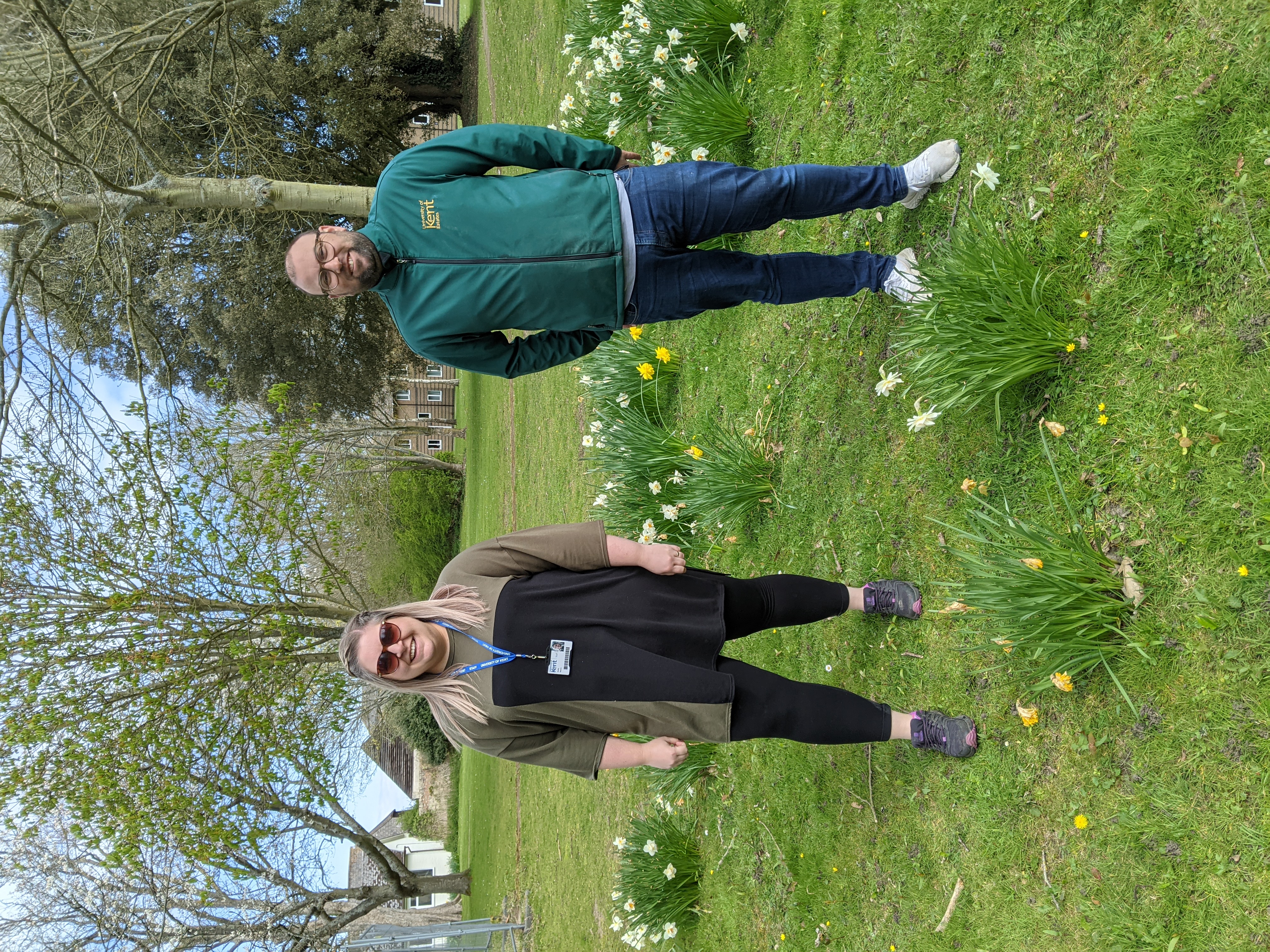
Ahead of National Gardening Week 2021 (26 April-2 May 2021) we talk to Chris Wright, the University’s Landscape and Grounds Supervisor, and Emily Mason, Sustainability Coordinator.


Tell us about your roles and a typical day?  

Chris: I coordinate maintenance of the University’s natural spaces – everything from grass-cutting, bed and shrub maintenance, to woodland and pond management and looking after memorial trees and benches. I also oversee management of our sports facilities, working with staff and students on projects that use our green spaces.

A typical day starts with briefing my ten-person team on what needs doing across our 300-acre Canterbury campus. My responsibilities include overseeing planning for future works and developing our new Landscape and Biodiversity Strategy. We work alongside the sustainability team to ensure our management plans align with biodiversity enhancement and support natural space for wildlife as well as people.

Emily: I support sustainability projects across our campuses and provide expertise on specific sustainability topics like biodiversity management and behaviour change solutions. One of my projects is the Kent Community Oasis Garden, which I oversee in partnership with East Kent Mind.

Because my role is so varied, I don’t have a typical day, but I often work with our Sustainability Champions, who embed sustainability into their work. Both Chris and I recognise how lucky Kent is to have beautiful campuses for staff and students to enjoy.

Who else is involved in looking after our green campus?

There are many volunteers and sub-contractors who help look after our campus.

Subcontractors support our woodland management by carrying out coppicing rotations on our behalf. Students and staff help with litter picking, biodiversity monitoring, supporting our Hedgehog Friendly Campus project and using the green spaces for educational purposes. Student societies provide feedback and ideas of how we can improve the site alongside the Staff Sustainability Champions network.

We also work with Grounds teams from other universities sharing best practice on sustainable management techniques.

What can you tell us about the Kent Community Oasis Garden (KentCOG)?

KentCOG is a partnership community garden run by East Kent Mind and the University. It recognises the important role outdoor spaces play in supporting good mental health. KentCOG provides a space for students, staff and the community to learn about growing sustainable food in a calming outdoors environment. It runs practical and digital workshops on ecotherapy, dealing with low mood and anxiety.

The partnership ensures continuity throughout the year with community members keeping the garden going when students aren’t on site.

How has the pandemic affected your work?

All Landscape and Grounds staff were stood down during the first lockdown to reduce numbers on campus. This coincided with the start of the growing season, so when we returned we prioritised restoration of central areas.

During lockdown 2, we were partially furloughed again, meaning our usual winter management didn’t happen, but we’ve planned our Winter 2021 programme to catch up by the end of year. Our contractors were able to continue coppicing, so our woodland and tree management plans are still on track.

It’s been hard, but the team have coped very well. We hope people have come to value outdoor spaces even more during the pandemic and will enjoy the campuses’ beautiful landscape when they return.

KentCOG has been closed for most of the pandemic. However, volunteers are now working to restore the site, so we can reopen for events this summer and, hopefully, permanently in September. We have run digital sessions in lieu of practical gardening and will be shortly launching a series of wellbeing workshops for students during the exam term.

As more of us start returning to campus, what can we expect to see?

We’re keen to emphasise the use of outdoor spaces as safe places for staff and students.

We’re collaborating with Kent Sport in restoring the nature trail at Canterbury, which they’ve publicised alongside their marked-out running routes. We’ve also recently installed a new walking trail from the Canterbury campus to the KentCOG following the 17 Sustainable Development Goals, and are developing walking tours led by staff from Landscape and Grounds and the Sustainability Team.

Areas on campus have been marked to be developed as wildflower meadows over the next year. We’ve also commissioned the building of new hibernaculas, providing shelter for important pollinators and other insects. We’ve planted bulbs across 1,000 sq m so people can enjoy seeing new plants popping up over the seasons. Alliums are due next!

We are also hoping to work with the University of Greenwich to enhance green spaces at Medway and create a walking route linking both ends of the campus

How can staff help look after our campus green spaces and the KentCOG?

Staff are invited to complete our consultation on the Landscape and Biodiversity of our campuses – we’re keen to have lots of ideas for our new Landscape and Biodiversity strategy.

Volunteers are welcome at our open sessions at KentCOG. We’ll let you know as soon as we re-open – in the meantime, you can join our mailing list by emailing kentcog@kent.ac.uk.

You can also find out more about what we do and get in touch via our social media accounts:

Sustainability Instagram/Twitter

Landscape and Grounds Instagram/Twitter

This is a repurposed version of a blog post and may differ from the original. View the original blog post.