Lionel Shriver

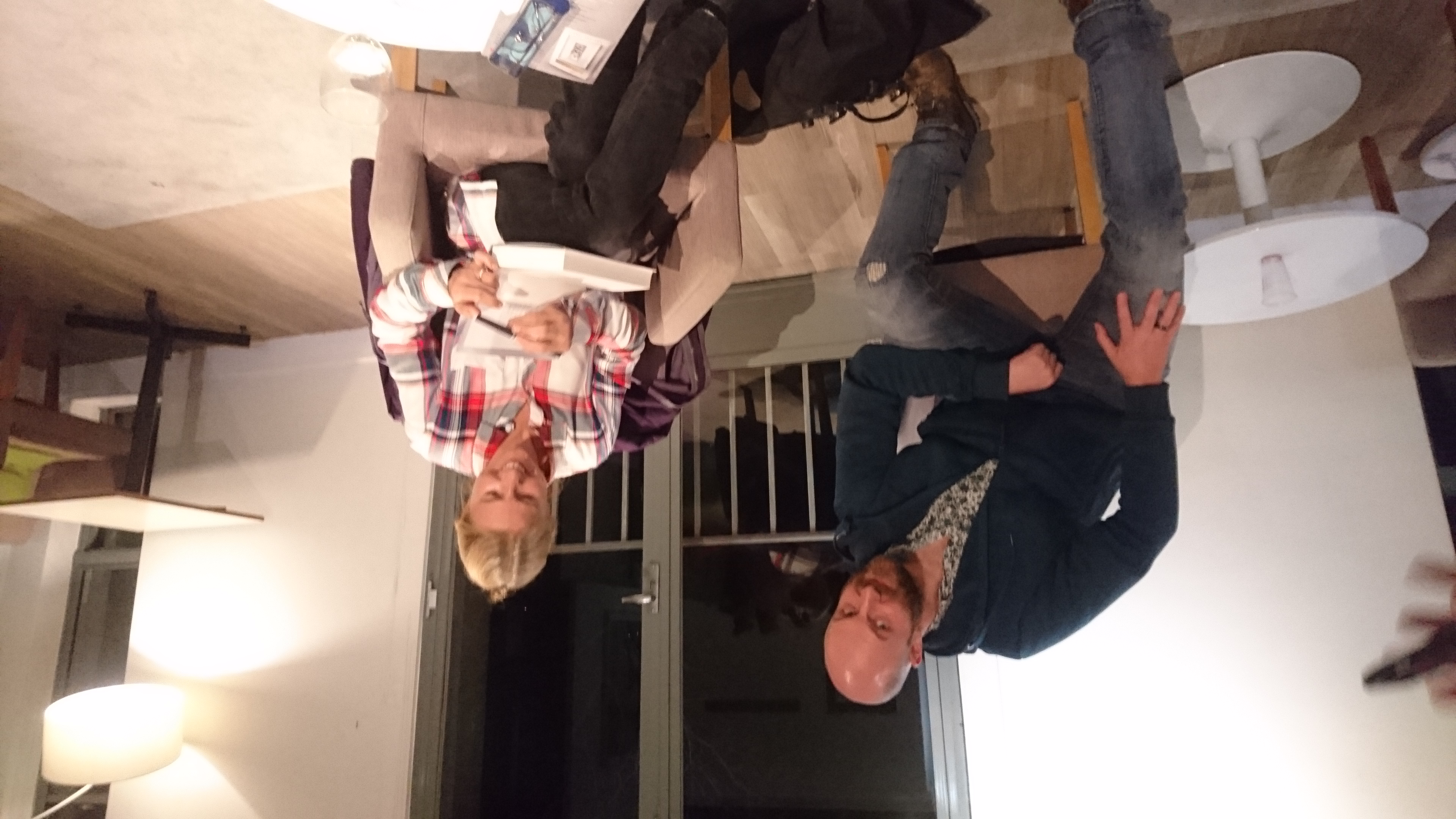
dsc_0027Award-winning novelist and journalist, Lionel Shriver joined the Creative Writing Reading Series to talk about her latest novel, The Mandibles, politics, the economy, and writing fiction. When asked if she’d worried about relevancy issues while working on the novel, Shriver answered, “If you feel as if you’re obliged to predict the future, you’ll seize up. It doesn’t matter if you’re right or wrong; you just have to tell a plausible story.” Inspired by the 2007-08 recession, the novel deals with what happens when currency no longer works. “Everything that made things a little wonky [in 2008] still exists,” Shriver said, adding that, in regards to the current economic state, currency only still works “because we need it to work.”


When the discussion turned to the current state of American political affairs, Shriver observed, “The difference between what [the United States] is and what it thinks it is hasn’t been a huge chasm. And not it’s becoming a chasm, and that makes people nervous.” She also went on to say, as a possible catalyst to the election result, that while the left is already celebrating an egalitarian society, “we’re not there yet, and these people are not going to go quietly. And that’s what happened in the election.”


The evening finished with a lively Q&A, and a reading from The Mandibles which illustrated both the humour and tragedy woven into its plot.


Standard

In Conversation: Brian Catling with Iain Sinclair

“It is a book that catches you off guard in every way,” said Iain Sinclair of The Vorrh as he introduced the head of the Ruskin School of Art, poet novelist and sculptor, Brian Catling. Sinclair also commented that the novel “seemed to emerge from novel, but was there all along.”

img-20161116-wa0001Catling began with a reading from the novel to get “the atmosphere of it” before telling us a bit about how The Vorrh had come to be. He related his experience visiting museums as a child, and how he’d had to make up the meaning behind the artefacts because there hadn’t been descriptions. “I really believe in the power of not understanding,” he said.

When asked about the question of genre, particularly having now written what could be called a fantasy novel, he explained, “Fantasy has the same response, to me, in writing as surrealism does in art. I’m attracted to its core, but I don’t always like its manifestations.” He went on to talk about his creative process, explaining how writing fiction had allowed him to create things that wouldn’t be possible in sculpture, joking that he wished he’d known that sooner. Catling described the process as being like “things unfold, and I just observe it and write it down.”

The evening finished with a reading from the upcoming second instalment of the  trilogy, The Erstwhile, which will be published in spring of 2017.

Standard

Jean “Binta” Breeze

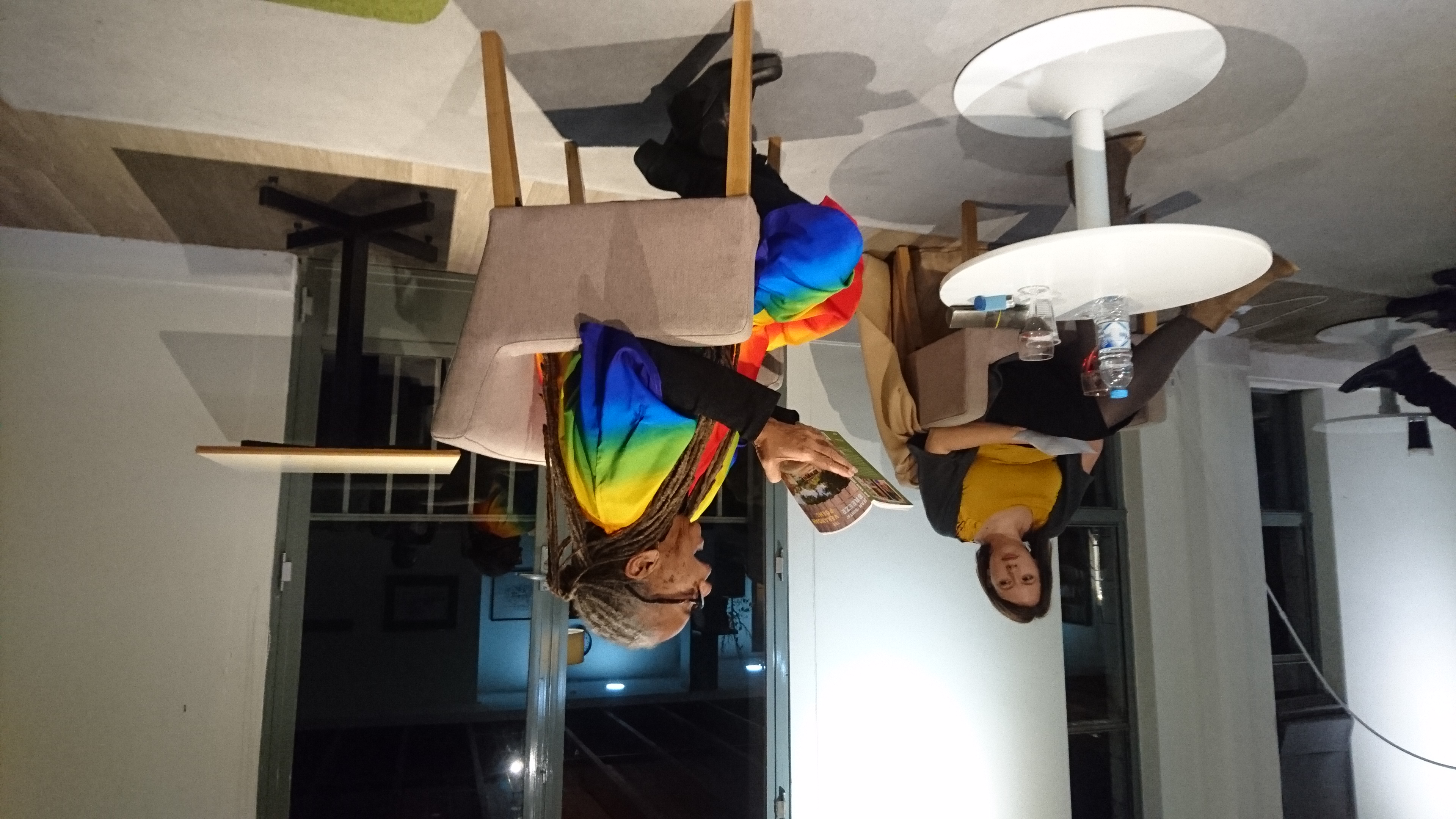
Today at Creative Writing Reading Series we welcomed the most charismatic speaker yet, a Jamaican Dub poet and storyteller, Jean “Binta” Breeze. She arrived at the university to discuss her new collection of prose poems, The Verandah Poems. It is a touching and intimate look at Jean’s life in rural Jamaica, a book of coming home and coming to terms with the choices we make throughout our lives. The poems revolve around the physical space of a verandah, where the speaker spends her time contemplating the departures and arrivals, her past, present and future. The Verandah Poems were published on the author’s 60th birthday and were written in impressively short period of time.

dsc_0009dsc_0016

It’s impossible to discuss Jean “Binta” Breeze’s work without mentioning her reading of them. Without a doubt, she was the best reader we had welcomed to the series. Recited with passion, engagement and often, humour, the poems touched the most fragile parts of our souls. We would love to see Jean “Binta” Breeze coming back to Kent in the future. As for now, you can see her during her tour in the UK.


Standard