“What actually is Fairtrade?”

It is the start of Fairtrade Fortnight today and this year’s theme is ‘Take a Break for Farmers.’ To find out more about this year’s fortnight please visit the Fairtrade Foundation’s website.

To kick things off at Kent we thought we would answer the question that we hear a lot from students:

“What actually is Fairtrade?”

The Fairtrade Mark
 “When you buy products with the FAIRTRADE Mark, you support farmers and workers as they work to improve their lives and their communities.

The Mark means that the Fairtrade ingredients in the product have been produced by small-scale farmer organisations or plantations that meet Fairtrade social, economic and environmental standards.

The standards include protection of workers’ rights and the environment, payment of the Fairtrade Minimum Price and an additional Fairtrade Premium to invest in business or community projects.” The Fairtrade Foundation

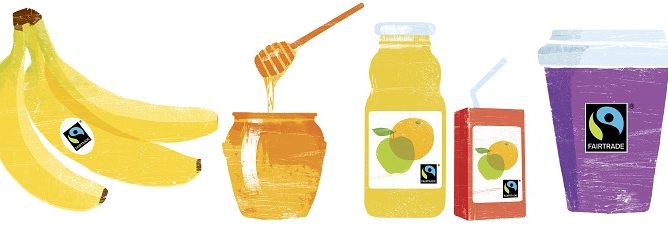
Most people are used to seeing these marks on some common food items such as: tea, coffee, sugar and of course chocolate and bananas. It does not end there though, cotton, beauty products, flowers and gold are all available as Fairtrade options.

The Fairtrade Premium

Fairtrade goods you buy will usually cost a little more than you are used to when buying non-fairtade alternatives. This is because an additional sum of money is added – the fairtrade premium. This premium goes directly to the workers and farmers for them to use to improve social, economic and environmental conditions.

Now, not everyone can afford to swap to every available fairtrade product so where you can, make one or two swaps and see where your money goes…


Fair Trade

There is of course fair trade outside of the Fairtrade branded mark. Traidcraft provide this simple explanation here:
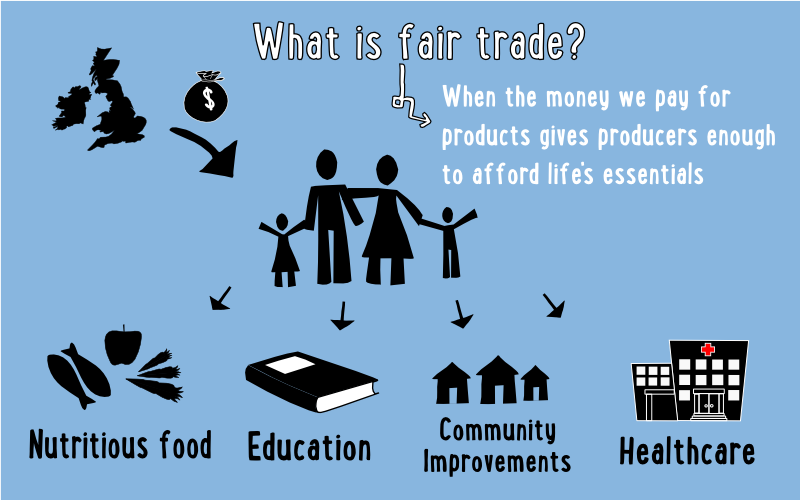
The definition is not so different but there are differences in trade that is defined as fair and those who are under the Fairtrade Mark.

Controversy

The Fairtrade label has been criticized and that by buying into free market forces it is inherently unfair. By sticking with the same market system it cannot help every farmer and therefore some will remain in severe poverty, especially those who cannot afford to pay the labeling schemes fee.

As a Fairtrade University we are encouraged to stock an increasing range of Fairtrade labelled products which we do and which sell well. However, is this to the detriment of other stock items such as more sustainable local produce or other labelled scheme items such as Rainforest Alliance?

Wherever you sit on this issue it is clear that there is not a one label fits all approach to ensuring producers of our favourite food, drink and other items get a fair price for the work.

If you have any thoughts please comment below or alternatively, submit your own blog to be published here by following the instructions on the Write For Us page.

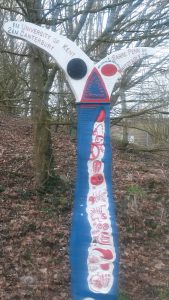
Happy Valentine’s Day to the lunchtime walk

On this chilly February afternoon I took a walk.

I am an advocate for the lunchtime walk. I love a lunchtime walk.

I walk alone, or with a friend. I walk listening to music, in silence, chatting. I have been know to attempt to walk whilst reading a book (not advisable). Ideally I would walk with a dog.

I like to use my whole lunch break to roam the campus and surrounding area then quickly stuff some food in my mouth at my desk. Now this is not ideal for everyone and probably not the best for my digestive system but whether you take a quick 15 popping to the shop and back, or use the full hour like me to explore you are doing wonders for yourself.

The physical and mental health benefits of walking are well documented – from helping your posture, getting your heart beating a little quicker, improving your concentration and reducing stress.

On many a walk I have solved a problem where the solution has alluded me all morning; I have also planned a whole party on a walk; and had one or two (self-proclaimed) bright ideas!  Being away from my desk and more importantly my computer seems to gives my brain room to come up with a more creative approach to a challenge.

Walking during lunch with a friend and colleague means we can catch up on all the non-related work business of the day, put the worlds to right and on this Valentine’s Day probably bemoan or celebrate our love lives (or lack off – delete as appropriate!).

But, with all that said, my favourite walks are the one where I have nothing on my mind and therefore get to spend more time noticing what is actually around me.

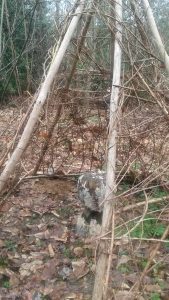
You never really know what you will stumble upon. A wigwam in the woods. A fierce battle between two male robins fighting over resources. A lost visitor who is at the completely wrong end of campus!

This is my love letter to the lunchtime walk. Leave your desk, go outside. take a deep breath and go. You do not have to go far for the chance to fall in love with nature everyday.


The Global Goals

“193 world leaders [have] agreed to 17 Global Goals for Sustainable Development. If these Goals are completed, it would mean an end to extreme poverty, inequality and climate change by 2030. Our governments have a plan to save our planet…it’s our job to make sure they stick to it. The Global Goals are only going to work if we fight for them and you can’t fight for your rights if you don’t know what they are. We believe the Goals are only going to be completed if we can make them famous.” The United Nations

Many a summit has passed for climate change, biodiversity, sustainable development etc. and often I have been left feeling a little underwhelmed. I have seen targets agreed by powerful leaders who almost seem to forget them as soon as they leave the chamber. So when the United Nation’s Sustainable Development Summit came and went I was pleasantly surprised.

Here were 17 easily identifiable goals that normal people were talking about. Young people were tweeting about them, the radio show that I listen to that is not at all focused on current affairs held a discussion on them, students at Fresher’s Fairs were using them to promote their societies aims. This Global Goals seemed to capture people’s imagination and spur them into action.

Over a year on the message is still going although perhaps not as loudly as it was when they had just launched. This is where we come in. As part of my role as sustainability assistant I will be looking at how we can use the Global Goals as a tool to help students and staff engage in sustainability and how the University of Kent is contributing to help realise these goals.

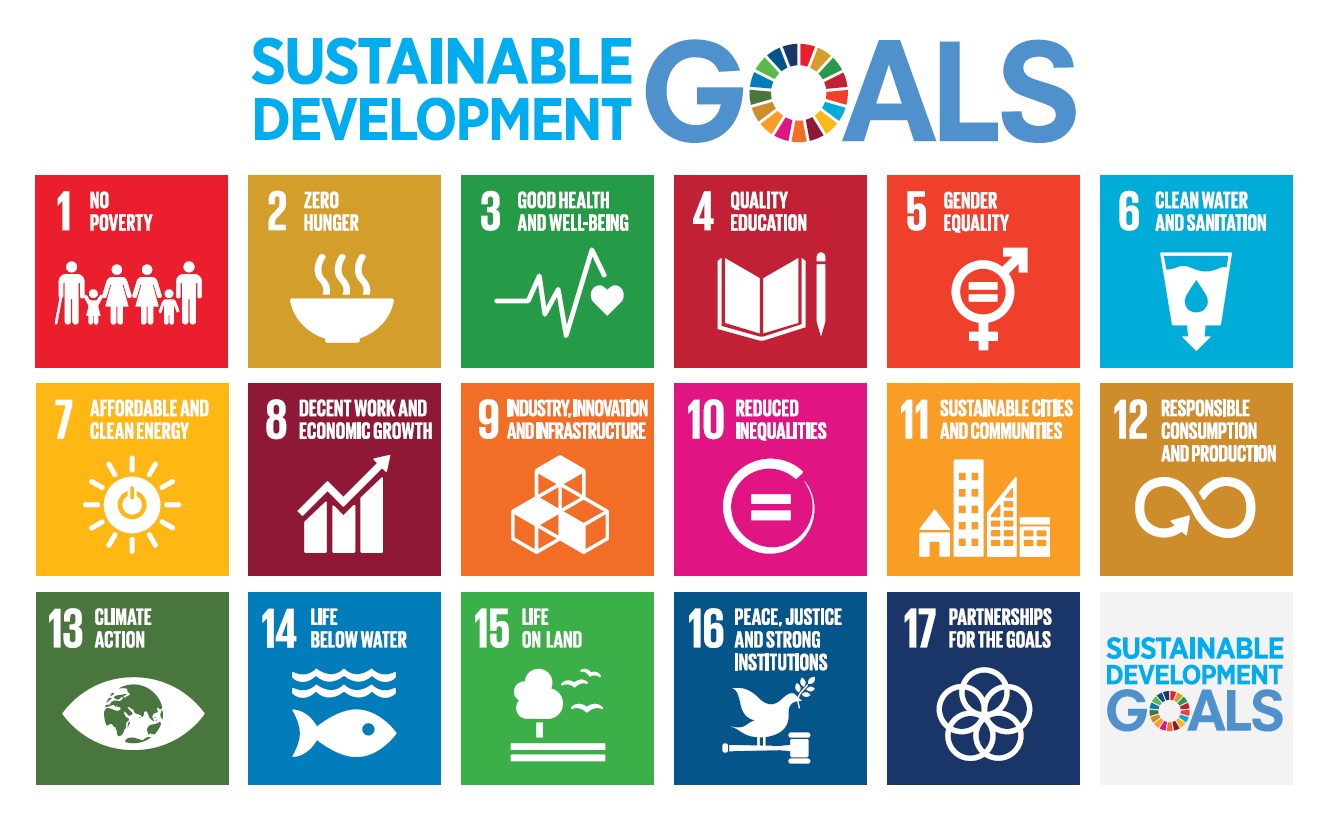
So, what are the goals?

 sdgs

To raise awareness of the UN Global Goals we would like you to join in by taking a simple photograph.

As an individual there may be a goal you particularly want to support. As a group there may be a goal that you can contribute to.

Be as creative as you like and send your photos to em552@kent.ac.uk. The photos will be added to this blog and on twitter under #UniKentGlobalGoals

I am coming up with some ideas to support Goal 6!


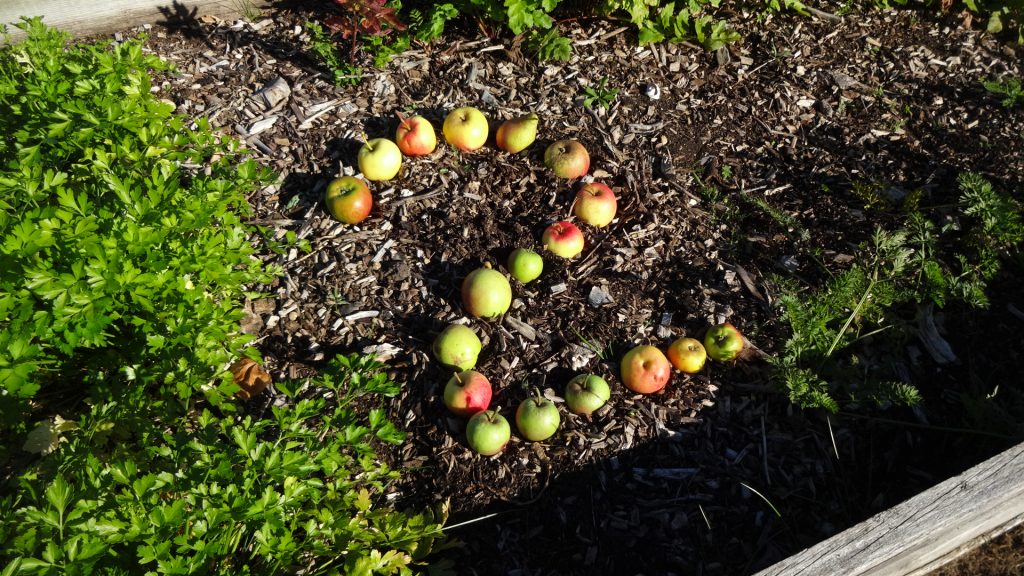
The Edible Garden at Avery Hill (University of Greenwich) are supporting and helping to realise Goal 2.