In recent days, we have been following, within the limits of available and verifiable information, the events unfolding in Iran. Images and reports reaching the outside world show citizens gathering to express aspirations for change that are widely regarded in many societies as fundamental. These moments remind us that the desire for freedom, human dignity, and unity is a deeply human impulse that has historically shaped both collective and individual life across cultures.
By Professor George Saridakis
This reality resonates not only with those inside Iran but also with the many Iranians living abroad. For members of the diaspora, such periods are often marked by distance, uncertainty, and emotional strain. Separation from family, difficulties in travel and reunification, and long intervals without communication can make moments of unrest especially distressing. Watching developments from afar while waiting for signs that loved ones are safe carries a quiet, often invisible, but deeply felt burden.
Iran is a nation rich in natural resources and, above all, in history, culture, and civilisation. Over time, internal governance challenges and approaches, along with complex international relations, including policy decisions and institutional constraints, have contributed to economic pressure and social tension. These factors have also restricted civil freedoms and opportunities for many citizens. External factors, including sanctions and limited access to global markets, together with domestic policy choices, have been widely cited by economists and international institutions as influencing economic performance and long-term development. One consequence has been the outward migration of skilled individuals, often described in academic literature as “brain drain”, representing not only an economic cost but also a loss of cultural and generational continuity.
The voices calling for change within Iran are significant yet expressing them often comes at great personal risk. While demonstrations of solidarity appear in different parts of the world, they can feel modest when compared with the risks faced by those who speak out at home. International organisations, including the United Nations, have acknowledged the situation through statements calling for restraint and respect for human rights, though their capacity to influence internal developments remains limited. Expressions of support and encouragement matter, but their impact ultimately depends on consistency, responsibility, and meaningful action.
I am not Iranian, yet I have many Iranian friends, colleagues, students, and co-authors. Through them, I witness concern, uncertainty, and resilience. I listen to their voices, observe their silences, and recognise the emotional weight such moments carry. Silence in times like these is not indifference; it is often the quiet space where worry, care, and hope coexist.
Democracy is not defined by language, culture, or geography, even though the term itself originates from my homeland. Its enduring value lies in the principle that citizens are central to shaping their collective future. Across different political systems and historical contexts, long-term stability and legitimacy depend on people’s ability to express views peacefully, to dissent without fear, and to participate in public life under the rule of law while safeguarding human life and dignity.
The future of Iran, like that of any nation, ultimately belongs to its people. Ensuring that they can shape that future freely and safely is not only a political responsibility but also a moral one. In a world often divided by competing interests, global actors bear a duty to act with consistency and integrity, demonstrating that constructive change is possible and that progress toward a better future remains a shared global aspiration rather than an abstract ideal.
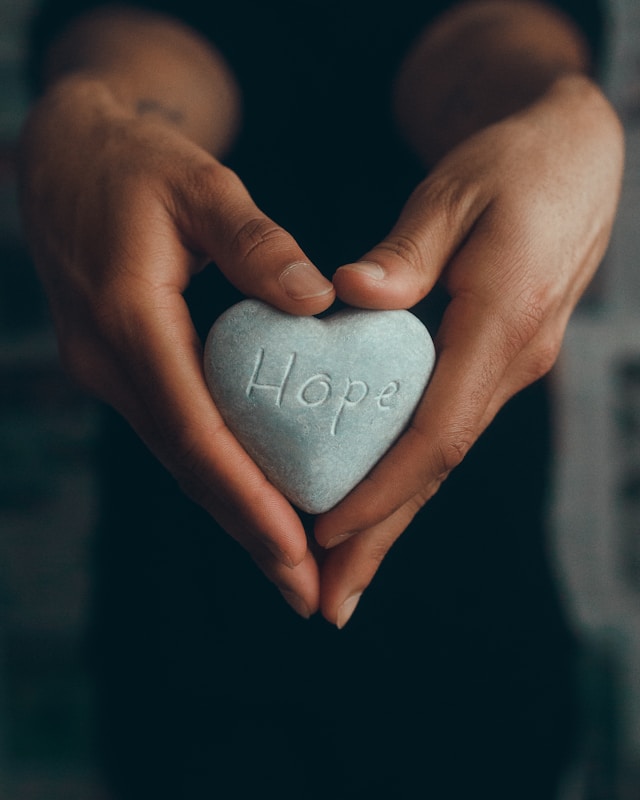
Photo by Ronak Valobobhai on Unsplash