Climate Action Week Round-up

The last week has been full of exciting activities as a part of Climate Action Week in the run-up to COP26, the 26th UN Climate Change Conference of the Parties. The Sustainability Team have hosted a number of events at the University and it was fantastic to see so many people getting involved and voicing their opinions.
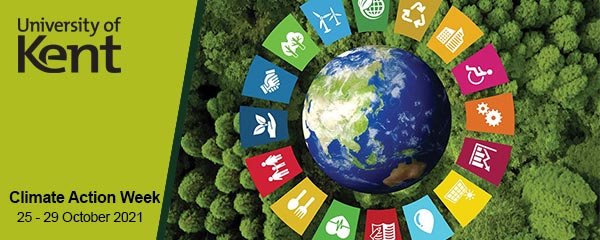
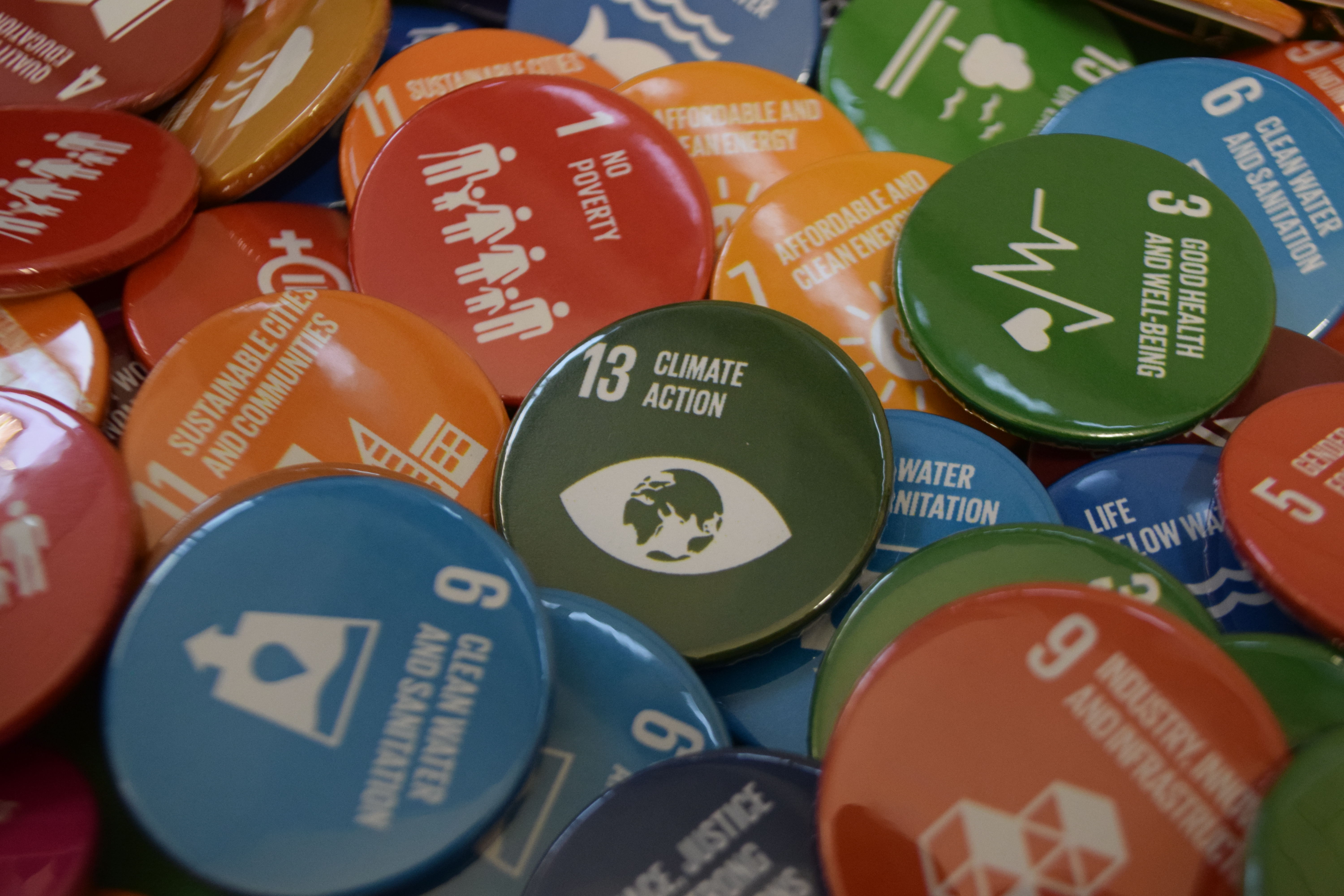
The week began with an online session hosted by Sustainability Coordinator Emily Mason, called ‘SDG and a Cup of Tea: Climate Action – a COP26 Discussion’, where staff came together to discuss the UN Sustainable Development Goals (SDGs). There was a particular focus on Goal 13, Climate Action, and we discussed the ways that staff can directly support rapid carbon reduction at the University and beyond. Together, we discussed key sustainability topics and came up with lots of new exciting suggestions and ideas.
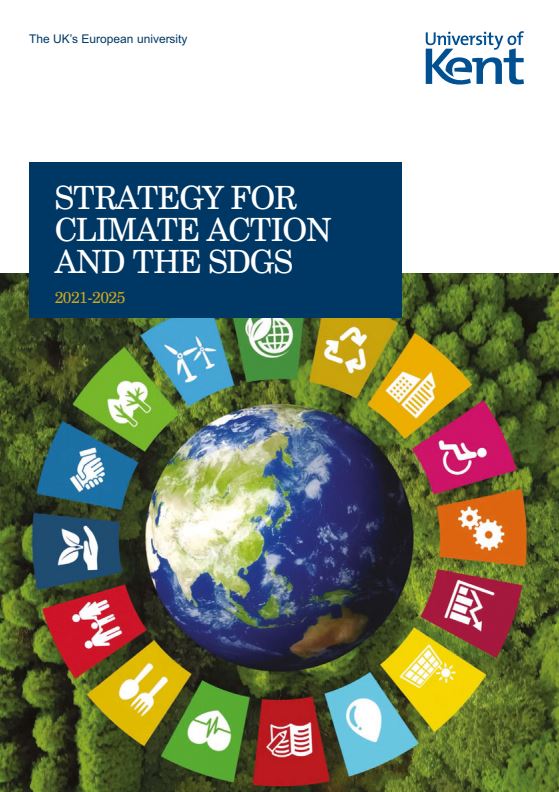
On Tuesday, we celebrated the launch of the University of Kent’s Sustainability Strategy. The online launch was introduced by Professor Richard Reece, Deputy Vice-Chancellor Education and Student Experience, and then Dr Catherine Morris, Environmental Adviser, presented the main four themes that run through the strategy. This was followed by a panel discussion on the future of Sustainability at Kent, chaired by Dr Anthony Manning, Dean for Internationalisation, allowing us to discuss how the strategy will be implemented across the University. This provided the opportunity to share different views and opinions, and to discuss a variety of important topics. We are looking forward to continuing these important conversations, so please contact the Sustainability Team at: sustainability@kent.ac.uk if you want to talk further.
Dr William Rowlandson, Senior Lecturer in Hispanic Studies, took us on a Sustainability Tour following the SDG trail around the Canterbury campus on Wednesday. The sun was shining as we walked around our beautiful campus, discussing topics such as sustainable innovation, campus biodiversity, and responsible consumption. Our tour ended with an introduction to the Kent Community Oasis Garden (Kent COG) from Emily Mason where we talked about SDG 17 – Partnerships for the Goals, learnt about the work that volunteers are doing in the garden, and signed up to become volunteers ourselves!
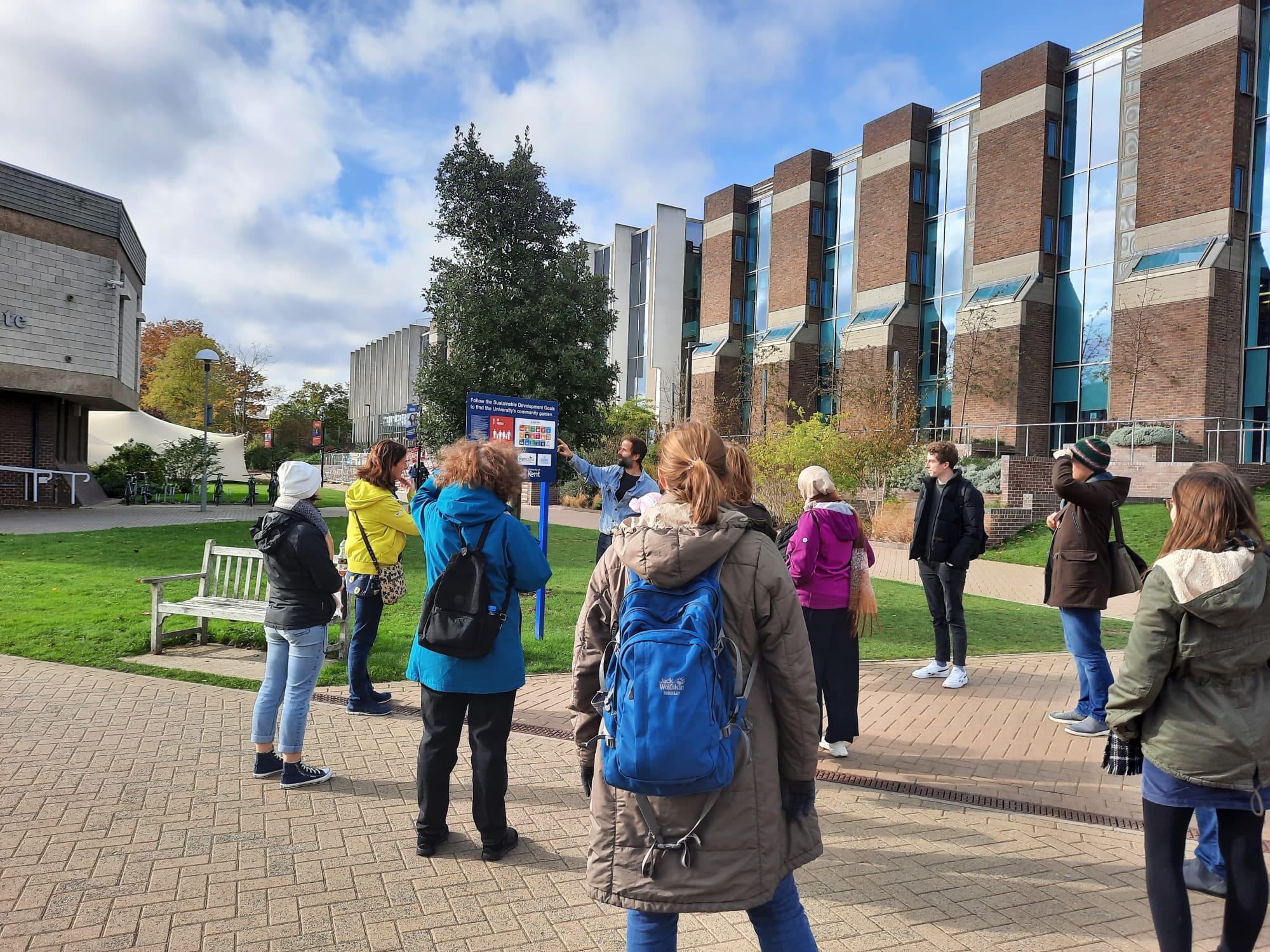
Sustainability Tour

COP26@Kent: Co-create your campus of the future, held at the Gulbenkian yesterday, brought the many different areas of sustainability together allowing us the opportunity to talk about the challenges and successes of sustainability at Kent. The areas that were represented included: Waste and Procurement, Energy and Buildings, Curriculum and Research, Sustainable Food, Biodiversity and Grounds, Transport (including representatives from Stagecoach and Bird), and Student Action (including representatives from the SAC Sustainability Working Group, and the ECS Society). The Sustainability Ideas Factory was also launched, giving students the chance to win up to £500 by submitting their best ideas about how we can make the University of Kent more sustainable. We received lots of input from staff, students, and the public at the Gulbenkian on Thursday and we are looking forward to implementing your ideas and working together to make change across the different areas of sustainability within the University.
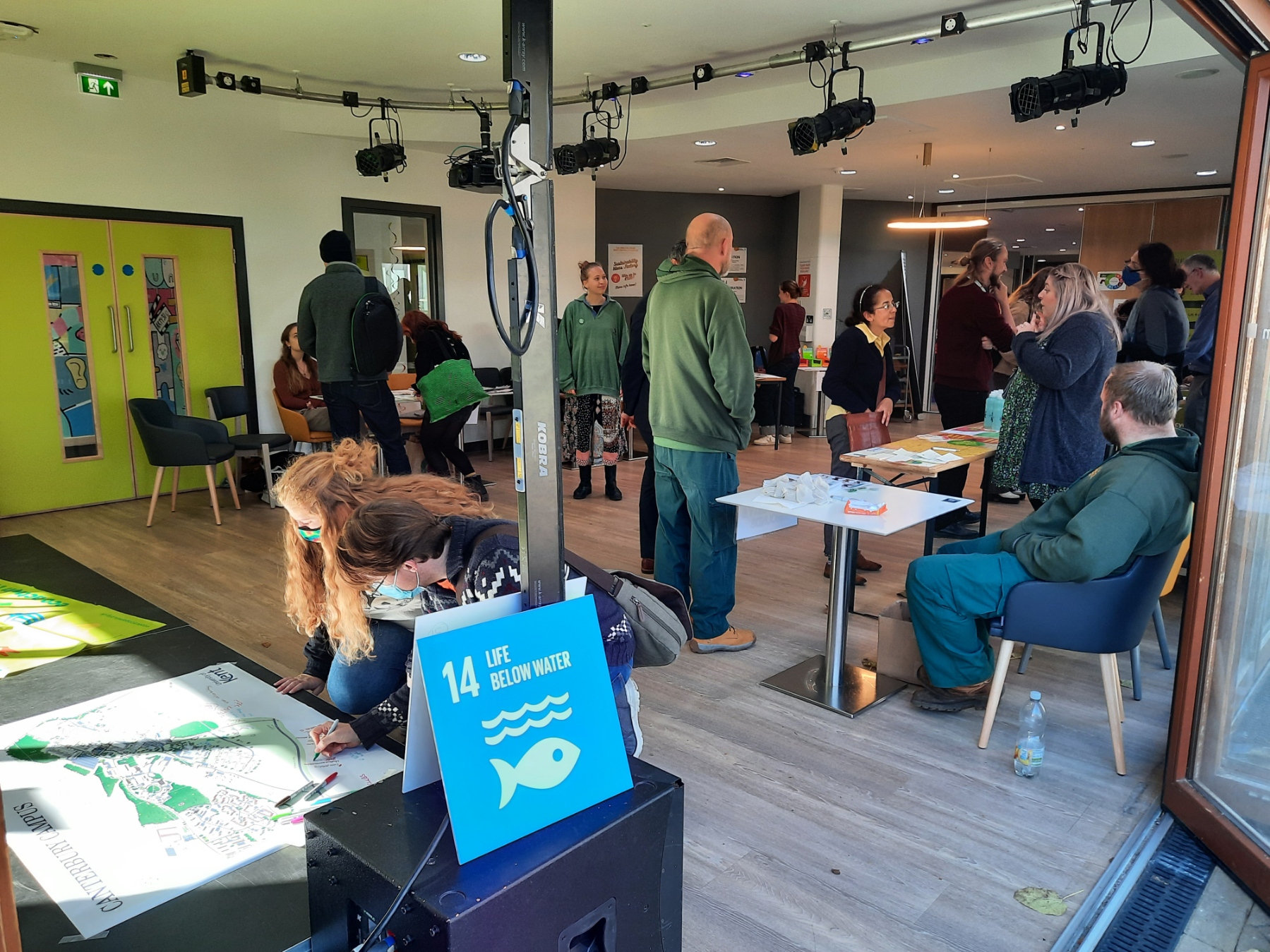
Group of people at the Co-create your sustainable campus event

We want to thank everyone that took part in Climate Action Week this year, and also those that made holding these exciting events possible. With the new Sustainability Strategy published, we are looking forward to connecting and collaborating with others to make the Sustainable University of the Future that we aspire to create a reality.
Celebrating Black Environmentalists #BlackHistoryMonth

Sustainability has always been based off of equity. Equity for the planet and people. Without social equality and justice we cannot have environmental sustainability.

The sustainability/environmental movement must be more vocal against systemic racial violence, injustice and inequalities, committing to listen, learn and take action. It is also a time to reflect on issues within the sustainability community.

We know that those most affected by climate change are the poorest and tend to be from the Global South and black and minority ethnic communities, so why does the environmentalist movement lack diversity?

These conversations can be uncomfortable, but we should feel uncomfortable about the current situation. As people who care about the world we live in, we should be actively engaging with this issues and seeking to dismantle the systems that have led to such injustice and inequality for our fellow humans and the environment we rely on.

To mark Black History Month we wanted to share the voices of black environmentalists and celebrate their work. In all the work we do we will continue to seek out more representative voices and sources to provide a fuller picture of delivering sustainability globally.

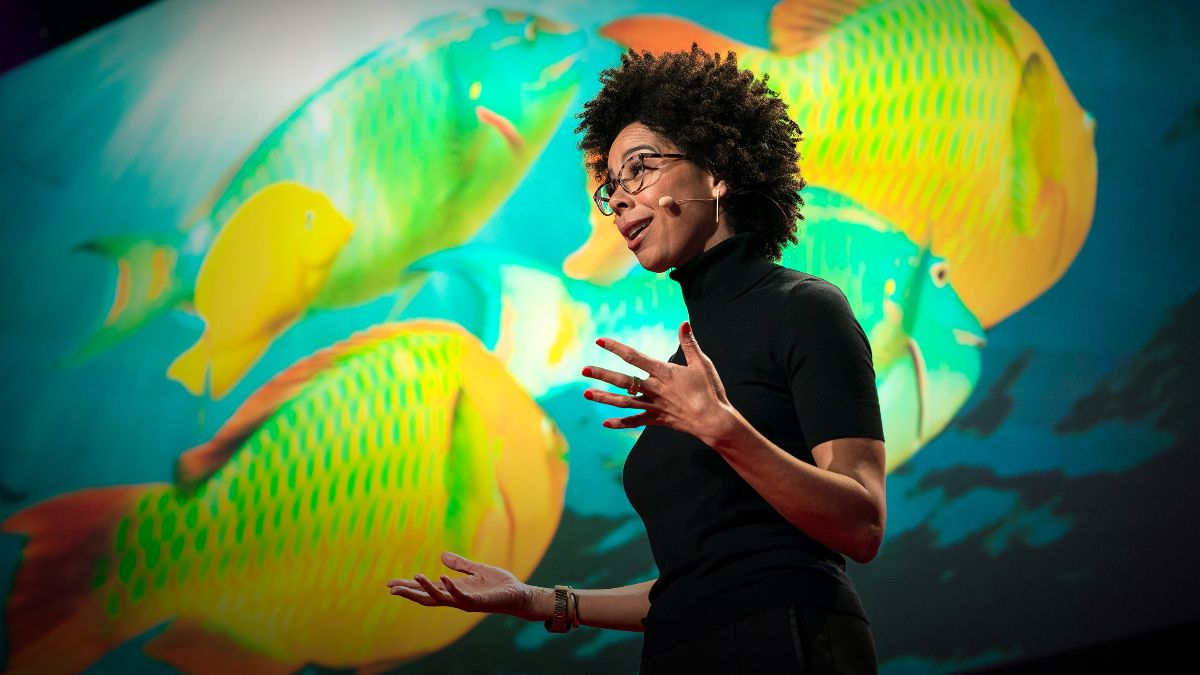
Ayana Elizabeth Johnson – marine biologist and conservation strategists, founder of Ocean Collectiv and is an adjunct professor at New York University


“Here is an incomplete list of things I left unfinished last week because America’s boiling racism and militarization are deadly for black people: a policy memo to members of Congress on accelerating offshore wind energy development in U.S. waters; the introduction to my book on climate solutions; a presentation for a powerful corporation on how technology can advance ocean-climate solutions; a grant proposal to fund a network of women climate leaders; a fact check of a big-budget film script about ocean-climate themes, planting vegetables with my mother in our climate victory garden.”
Read Ayana’s piece for the Washington Post on how racism is derailing environmental action here – https://www.washingtonpost.com/outlook/2020/06/03/im-black-climate-scientist-racism-derails-our-efforts-save-planet/

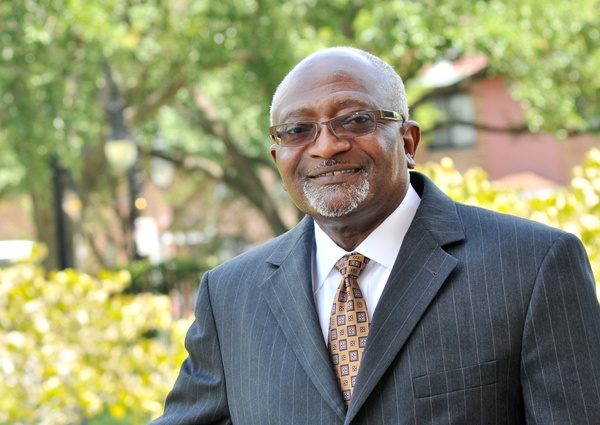
Dr Robert Bullard – described as the father of environmental justice, he is a Distinguished Professor of Urban Planning and Environment Policy at Texas Southern University.


“America is segregated and so is pollution. Race and class still matter and map closely with pollution, unequal protection, and vulnerability.  Today, zip code is still the most potent predictor of an individual’s health and well-being.  Individuals who physically live on the “wrong side of the tracks” are subjected to elevated environmental health threats and more than their fair share of preventable diseases. Still, too many people and communities have the “wrong complexion for protection.” Reducing environmental, health, economic and racial disparities is a major priority of the Environmental Justice Movement.”

Read more about Robert and his work at https://drrobertbullard.com/

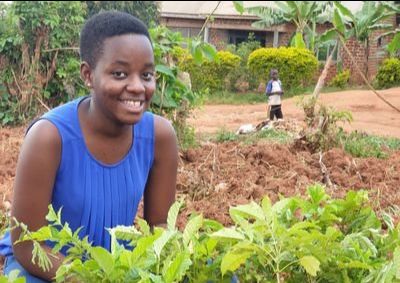
Leah Namugerwa – 15 year old climate change activist and Fridays for Future striker

“Today I was moving door to door distributing food I found these children very tired with jerrycans full of water on their heads. They walk two kms to fetch water. They barely have food. I followed them to their home and donated 15kgs of maize flour. They were happy.”
Read more about Leah here https://therising.co/2020/01/02/leah-namugerwa-climate-activism/ and follow her on twitter @NamugerwaLeah

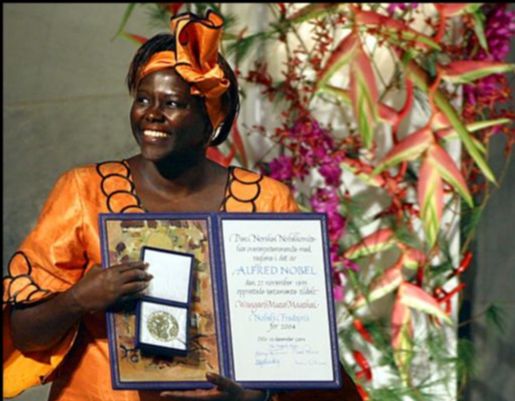
Wangari Maathai  (1940 – 2011) – author of “Unbowed” Professor Maathai was awarded the Nobel Peace Prize in 2004 for her contributions to sustainable development and peace. She founded the Green Belt Movement in Kenya.


“Education, if it means anything, should not take people away from the land, but instill in them even more respect for it, because educated people are in a position to understand what is being lost. The future of the planet concerns all of us, and all of us should do what we can to protect it. As I told the foresters, and the women, you don’t need a diploma to plant a tree.”
Find out more about Wangari’s work and legacy here: https://www.greenbeltmovement.org/wangari-maathai

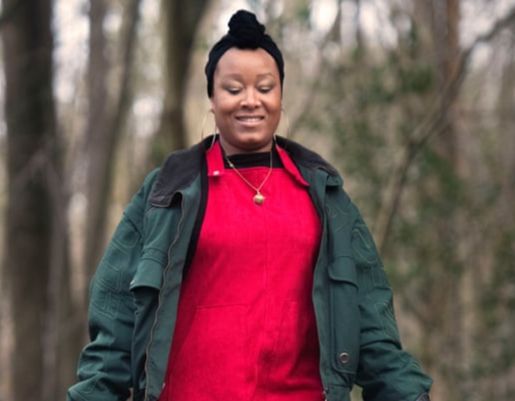
Zakiya McKenzie – PhD candidate with the Leverhulme Trust-supported Caribbean Literary Heritage project at the University of Exeter researching Black British journalism in the post-war period. Zakiya is a writer and storyteller and was the 2019 writer-in-residence for Forestry England during its centenary year. In Bristol, she was 2017 Black and Green Ambassador

By choosing me for the role, Forestry England have explicitly shown that they are committed to hearing and sharing marginalised voicesBy extending the pen and platform to me they have actively validated my voice to the nature and nature writing public. It’s easy for people to think I’ve got here just because I’m black, that’s fine for now but, holla at me when you’ve actually read what I produce and say that with a straight face. The ‘sharing’ is really important here; Forestry England have a huge operation and are an authority on British nature.”
Read her beautiful poems for the Forestry Commission here: https://www.forestryengland.uk/zakiya-mckenzie

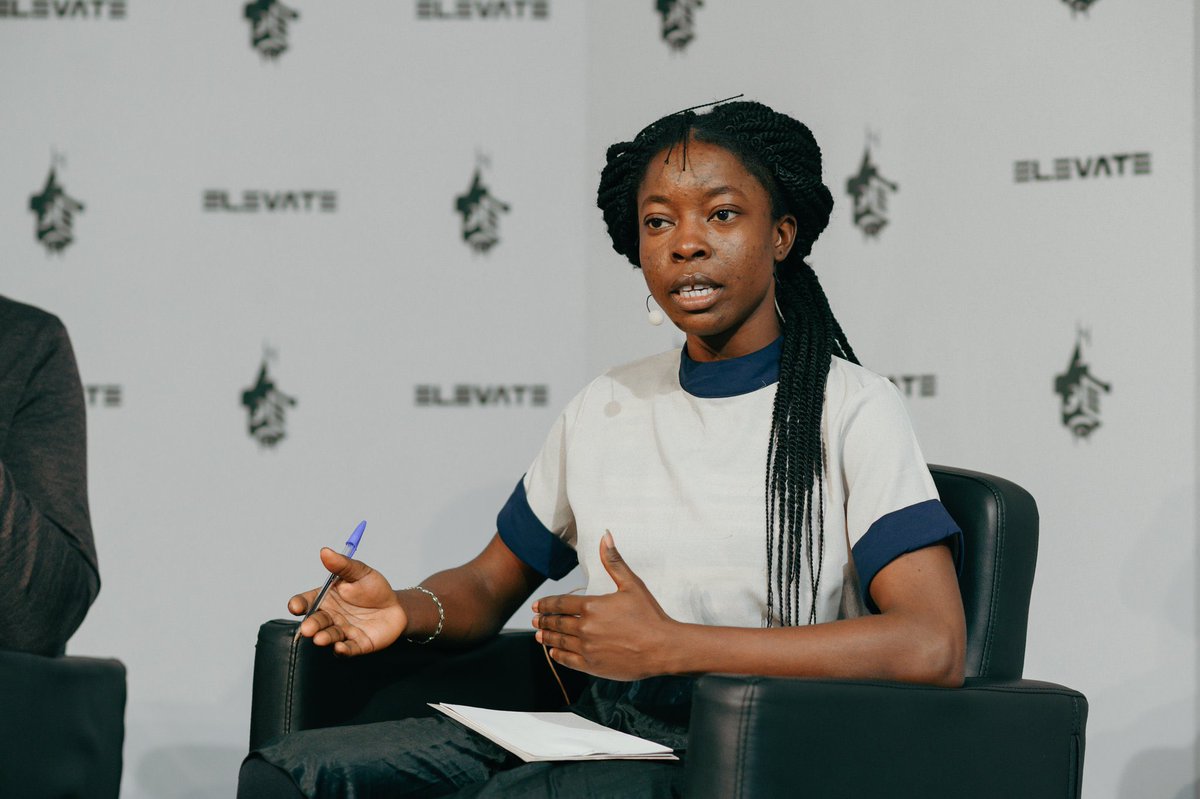
Oladosu Adenike – Ecofeminist and leading Nigerian Climate Activist who heads the “ILeadClimate” movement for peace, security and equality in Africa

“In Africa, climate change is no longer a threat but a reality. Invariably climate change is now a global reality. I’m not only worried about the future but the present because any action we take will bind us all. The hope therein is that the climate movement has the face of young people because the youth are tomorrow’s adults. Remarkably, women and girls are at the forefront of the fight for climate justice.”

Read more from her speech during Ecocide, a performance art event in Stuttgart, Germany here: https://www.environewsnigeria.com/climate-change-nowhere-is-safe-if-africa-isnt-adenike-oladosu-warns/