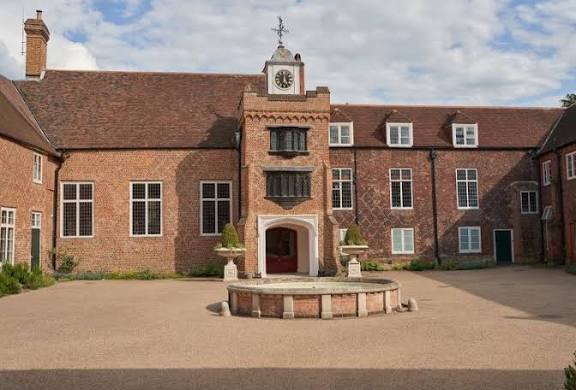
This exhibition explores the hidden histories of the Church of England, colonialism and transatlantic slavery through archival material, film, poetry and creative work by young people and builds on the work of MEMS PhD Candidate, Eleanor Hex. The upcoming exhibition launches at Fulham Palace on 26th October and has come from the thesis work of Eleanor Hex.
Writing back to power, 26 October – 29 November (Bishop Terrick’s drawing room, Fulham Palace)
Fulham Palace has worked with Parents Action and Resource Centre (PARC) to review archival material held in the ‘Fulham Papers’ at Lambeth Palace Library, to reflect on what that material says about the role of the Church of England and the Bishop of London, culminating in a temporary exhibition in autumn 2026. A group of young people from PARC worked with PhD student Eleanor Hex, storyteller Grace Quansah and filmmaker Jair Tavares to explore the involvement of the Church of England in colonialism and transatlantic slavery, but also to give voice to the enslaved people through a mix of interpretation and imagination by the group.
This exhibition has been co-curated with the young people of PARC. The exhibition will include a project film, the young people’s work and poetry, alongside images and analysis of the archival sources they interrogated.
For many of the young people, this was their first encounter with the Fulham Papers and the history of the Bishops of London. Through Writing Back to Power, the history was brought to life through storytelling and performance. They explored enslavement, freedom, faith, power and voice, including John Punch and the 1723 “Secrets” letter. Although we know little about its writers, the letter shows how they used their voice to question power and ask for freedom.
The young people responded creatively and chose three themes for the exhibition: Power, Freedom, and Voice – Standing Up for What Is Right.
Read more about the exhibition here.