Next month, I will leave the University of Kent after eight happy and formative years. Eight years may not sound especially long until one reflects that it encompasses teaching students who have since graduated, built careers of their own, and in some cases returned as postgraduate researchers, collaborators and even colleagues. Much has changed since I arrived in 2018. A significant part of my time at Kent was shaped by the Covid-19 pandemic, and the entire Higher Education sector has been shaken by serious challenges that sadly show little sign of abating.

One thing that has remained constant, however, has been MEMS, which has been as welcoming and intellectually generous a home as any medieval historian could wish for. It has inspired and sustained me throughout my time at Kent. I will miss teaching – and learning from – our MA students, whose critical and creative engagement never failed to impress me. Supervising PhD students of my own and watching their projects develop has been one of the most rewarding parts of my career. The MEMS research seminar has been a fixture of my academic calendar, while student-led initiatives such as MEMSLib and the annual MEMSFest have been wonderful examples of a community that continually renews itself. It has been a privilege to work alongside so many outstanding scholars and to count many of them as good friends.
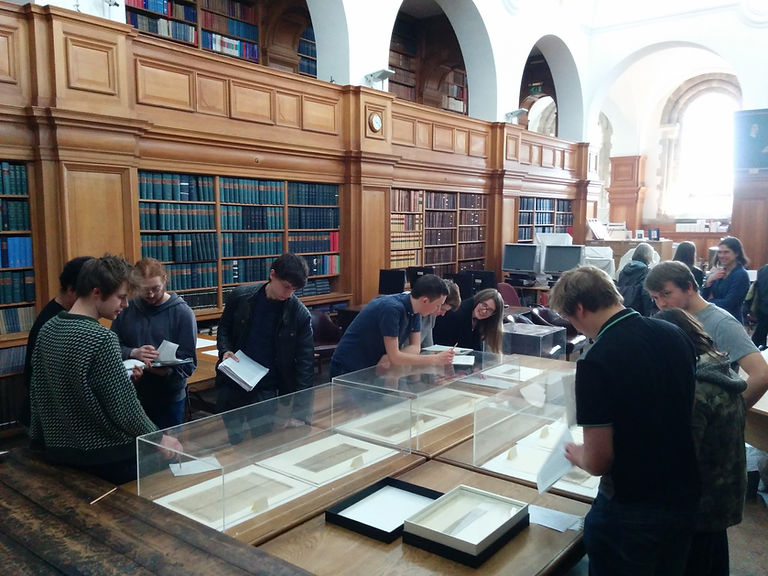
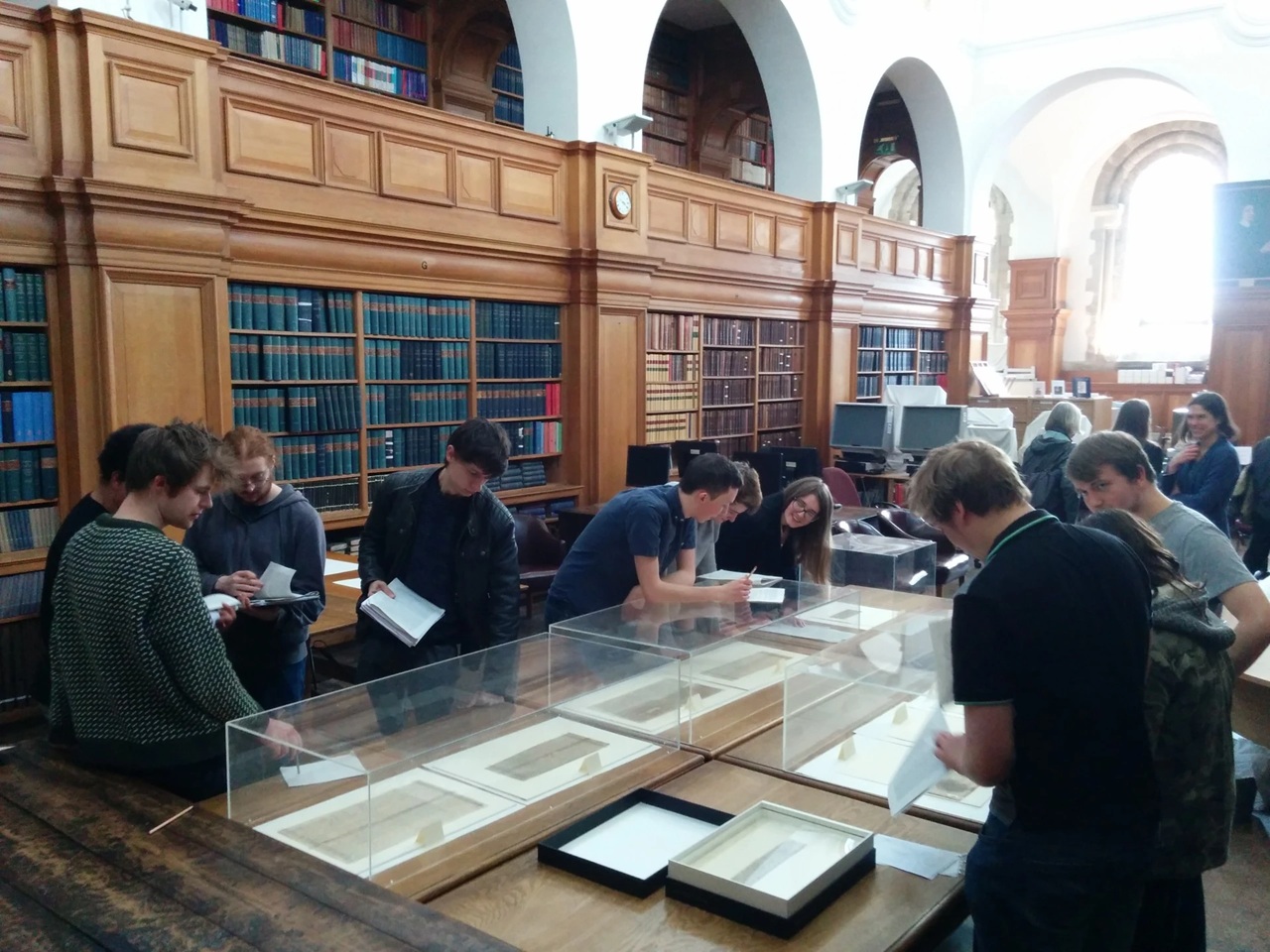
The chronological breadth and interdisciplinary ethos of MEMS broadened my intellectual horizons. At the same time, MEMS taught me to appreciate the value of the local. As a historian of medieval continental Europe, I had long assumed that meaningful public engagement would always lie elsewhere. Working in Canterbury changed that perspective. It encouraged me to think differently about my own research and to forge new connections between it and the environment in which I taught. Canterbury is an extraordinary place to be a medieval historian. We are surrounded by the medieval past, and there remains an enduring public appetite to engage with it. The opportunities to work with students in Canterbury Cathedral Archives & Library, examining medieval manuscripts and documents firsthand, are experiences I will always treasure. Few places demonstrate the continuing vitality and importance of premodern studies so vividly.
At Kent I learned how to be an academic. But through MEMS I learned what kind of academic I wanted to become. Its collaborative, generous and intellectually adventurous spirit is something I will carry with me throughout the rest of my career.
This is reposted from the MEMSLib blog. Check it out for more digital resources and blog posts.