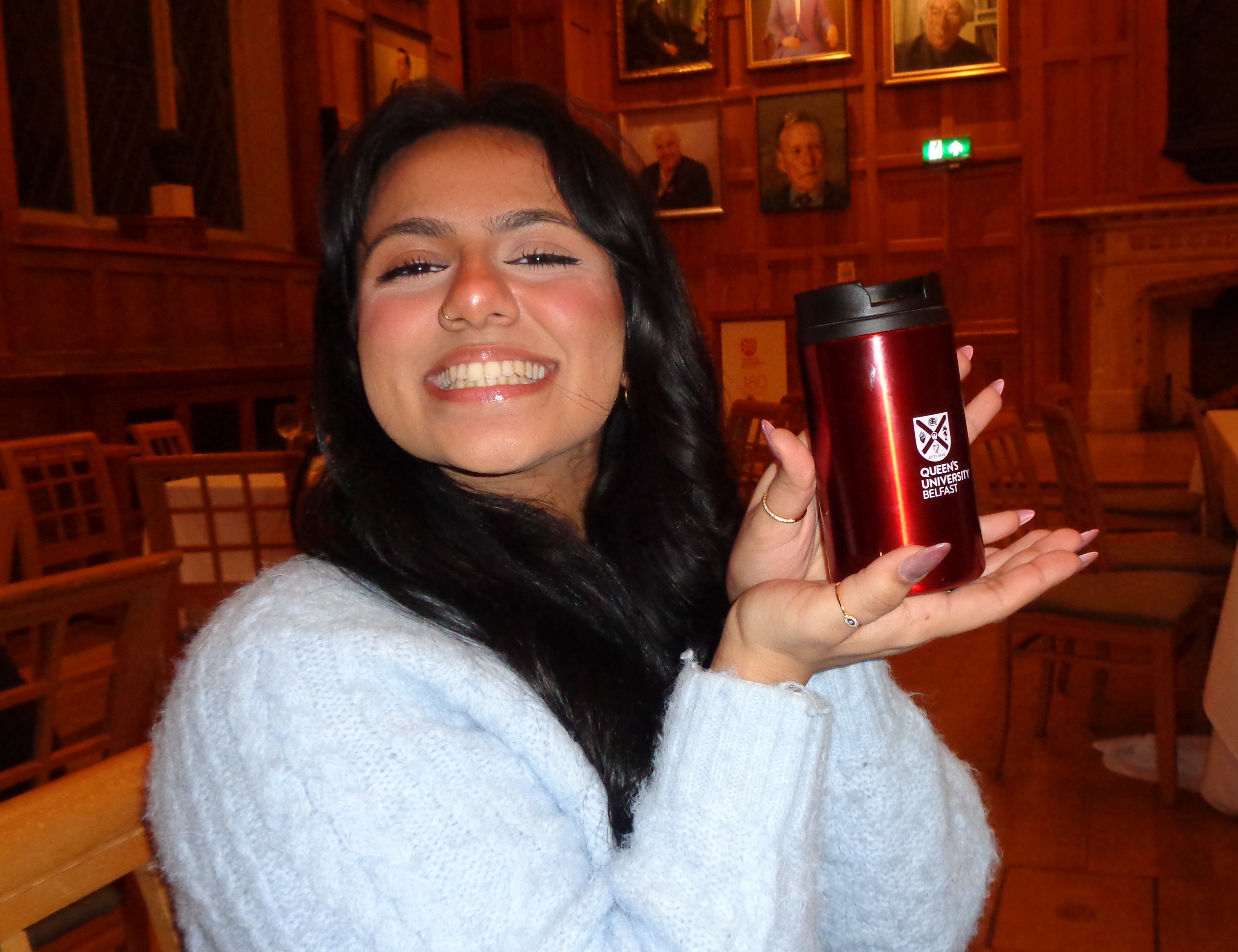
In her final year of an undergraduate law degree at the University of Kent, Jayati Sood was recently selected as part of a three student team to represent Kent Law School at the UK National Student Mediation Competition in Belfast. Chosen following her completion of the Mediation module, Jayati not only helped showcase Kent’s practical lawyering skills on a national stage, but also went on to win Best Individual Mediator at the competition. Here, she reflects on the experience and what it taught her about mediation, confidence, and real-world problem solving:-
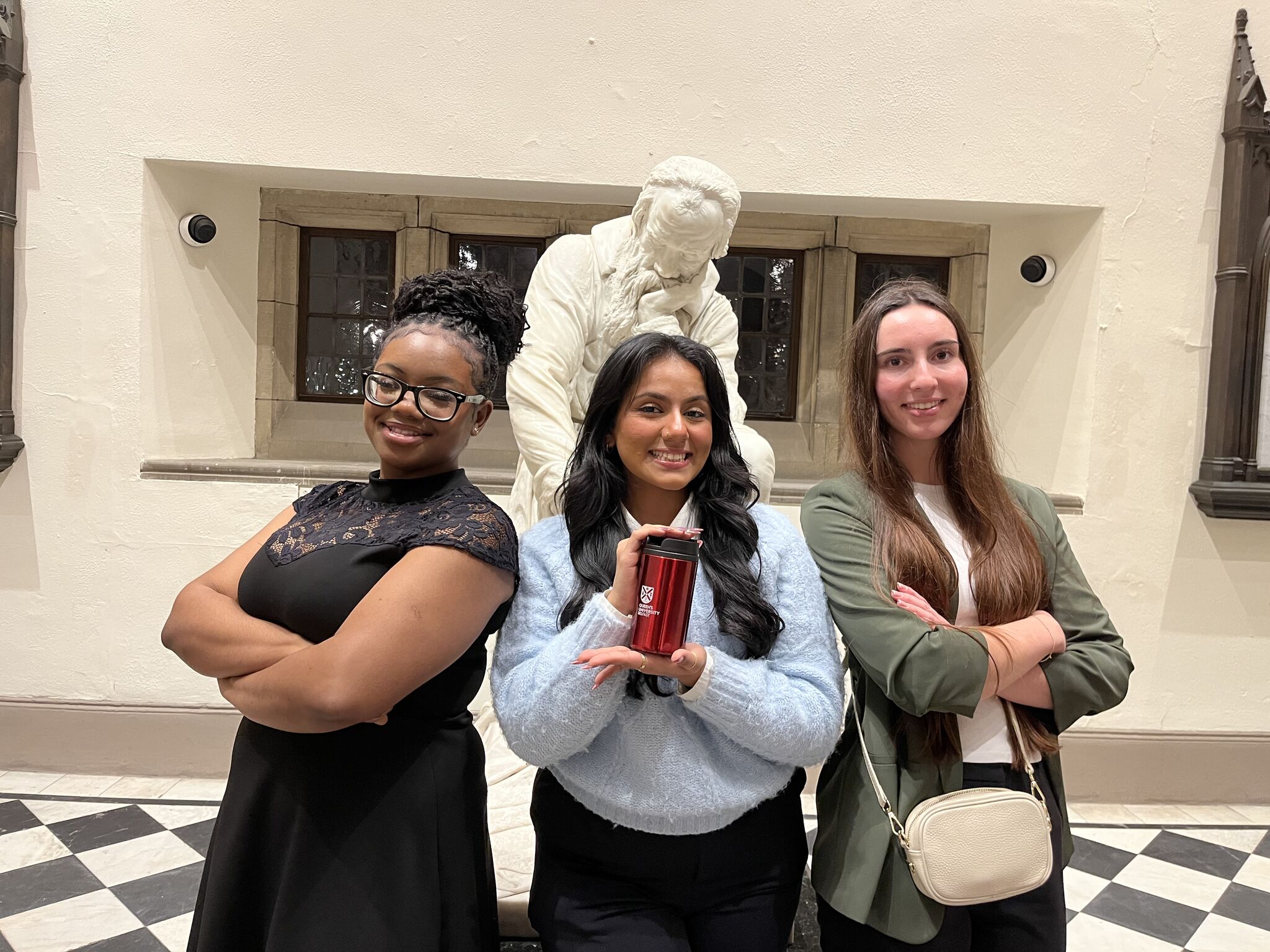 “I’m a Stage 4 Law with Spanish student at the University of Kent. I grew up in London and developed an interest in practical legal skills through the Lawyering Skills modules, particularly the mediation block. I enjoyed the idea of dispute resolution that doesn’t rely on litigation and instead focuses on helping people reach a solution that works for everyone.
The competition I took part in was the UK National Student Mediation Competition. It involves facilitating parties to come to an agreement without going to court, focusing on understanding each side’s interests and working toward a resolution that is fair and realistic. It’s a team-based competition, with students working in pairs to mediate complex scenarios.
I entered the competition because I really liked the mediation block in Lawyering Skills, and I couldn’t say no when the chance came up. It was also a fantastic CV opportunity, but honestly, I never expected to win. I’d never done anything like this before, so I saw it as a chance to try something completely new and see how I’d cope in a high-pressure, practical setting.
During the event, we worked in pairs to resolve different scenarios. This meant building rapport with both participants in each mediation and guiding everyone towards a reasonable understanding and outcome. The issues could be financial, emotional, or a mix of both, so you had to stay neutral while keeping the conversation productive and focused.
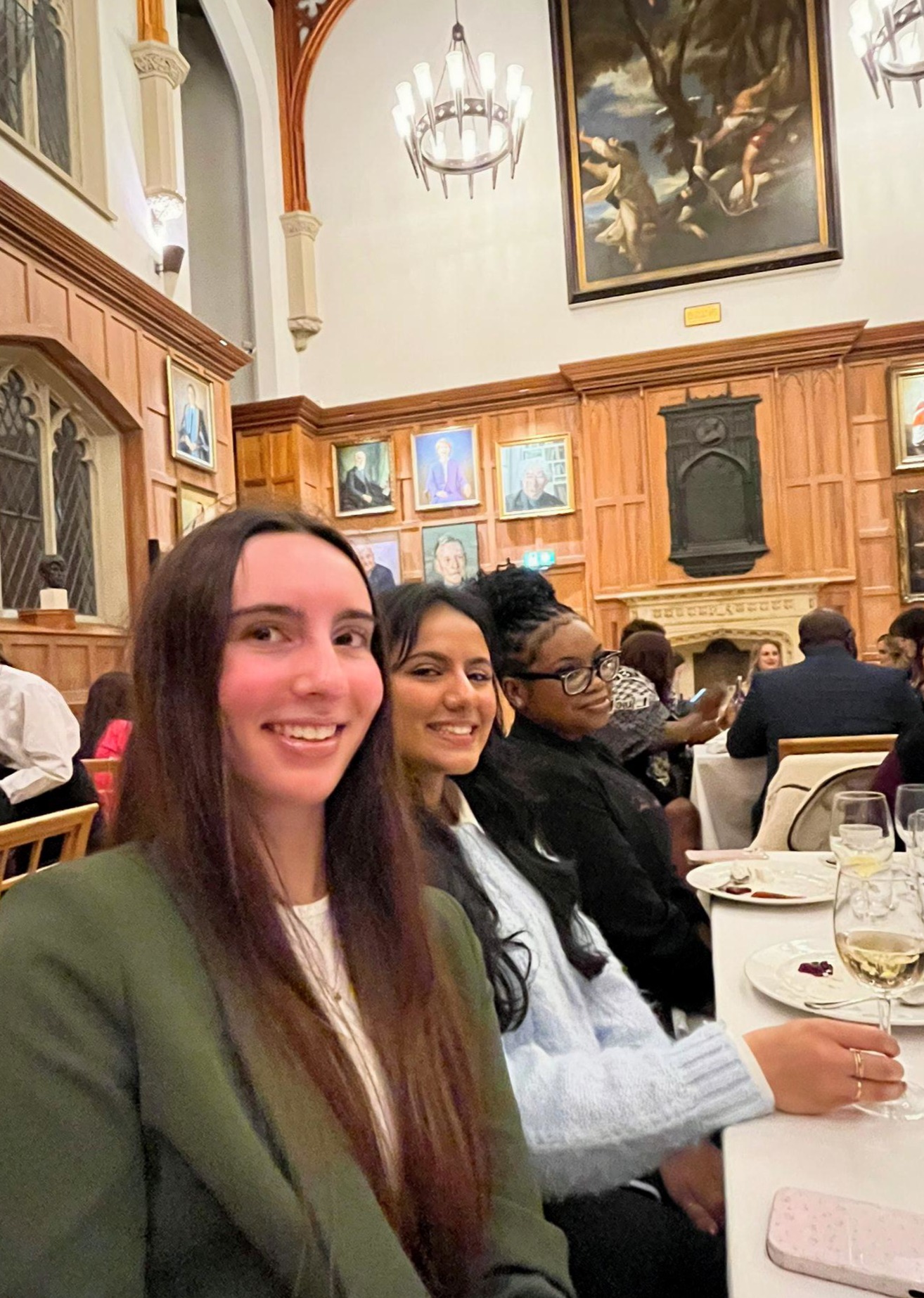 One of the biggest challenges came in my first mediation, where the participants were from Ireland and Scotland. On top of dealing with a complex scenario, we had to adjust to understanding different accents under pressure. It was tough at first, but we handled it well. The final dinner was also a highlight—it was genuinely lovely and gave us the chance to socialise and network with students from universities across the country.
I ended up winning Best Individual Mediator at the competition, which was completely unexpected. The experience really helped me build my confidence and rapport-building skills. As a mediator, you’re not there as legal representation—you’re there to be a voice of reason and keep the conversation constructive. That balance is harder than it looks, and learning to manage it was huge for me.
I was surprised by how effective my questioning became. Asking participants to view the situation from the other person’s perspective led to real moments of reflection and brought us closer to reaching agreement. That felt like a turning point in a lot of the mediations.
One of the harder parts was that mediation is subjective. Every judge has their own preferences and techniques they like to see, so you don’t always know what they’re looking for. We had to explain our approach to several judges, which made the reflection part challenging as well—you’re constantly justifying why you chose one method over another.
I’d happily do it again. I loved exploring a new city, meeting new people, and getting to mediate in a real competitive setting. Acting as a participant in other people’s mediations was also a lot of fun and helped me understand the process from the other side.
My advice to other students is simple: if you’re even slightly interested in mediation, do it. It’s a completely different process from most of what you learn in your modules—and even different from the other Lawyering Skills blocks. It’s far removed from academics because you’re not allowed to give legal advice, but that’s what makes it feel real. It forces you to focus on people, communication, and problem-solving rather than black-letter law.
This experience connected strongly to my studies at Kent because it showed me the real-world application of the skills we practise in Lawyering Skills, even though the competition itself was non-legal in nature. Darren Weir was an excellent mentor throughout; he teaches mediation in a really practical way, and we had loads of opportunities to practice, both during the module and before the competition with trial runs. That preparation made a massive difference on the day.”
Darren Weir, Director of Lawyering Skills and Lead for Mediation said, ‘Jayati and the rest of the Kent team did an amazing job. For Jayati to win best mediator in the competition was an amazing achievement – especially because she was up against some many postgraduate students’.
Kent’s Mediation module is accredited as an introductory course by the College of Mediators and is one of five lawyering skills that students can undertake as part of our Co-curricular Lawyering Skills Programme.