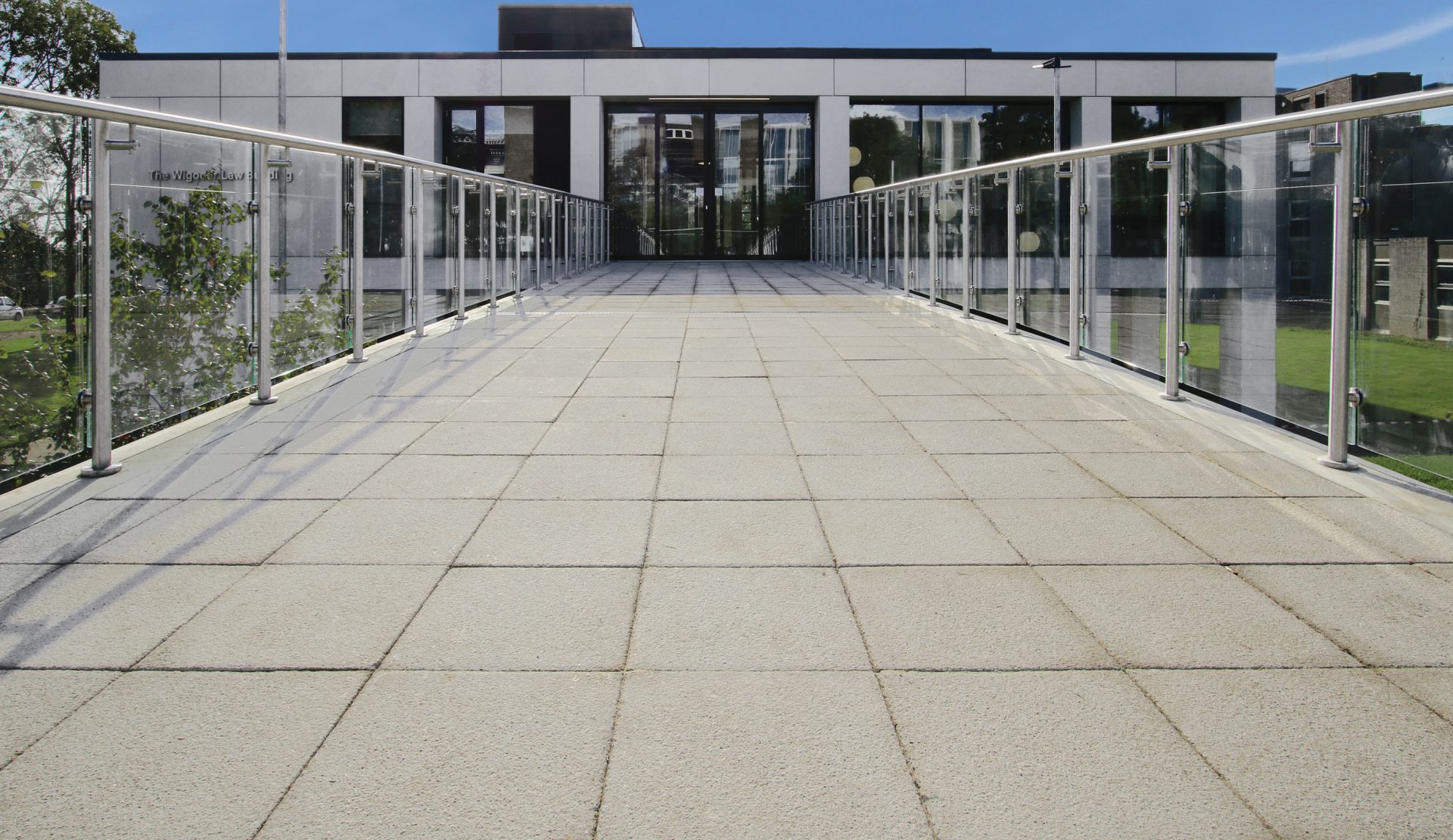

Inspired by Gibraltar’s history and his experiences studying law at the University of Kent, Aiman shares how his heritage and education motivated him to enter Gibraltar’s National Day Essay Competition.
“Growing up in Gibraltar, I have always been enthralled by the role of the law and how it helped shape Gibraltar as well as provide a voice for Gibraltarians to have their voices heard on the international stage. It was therefore an inevitability that during my education at Bayside School Gibraltar and Gibraltar College, I truly felt that law was the profession for me. When it came time to choose a university, the University of Kent stood out to me for its reputation not solely for it’s academic excellence but also its international outlook. As a Gibraltarian, whilst British on paper,
our cultural and social behaviour is far different than that of the British contingent, and it is for that exact reason that Kent stood out to me because I knew that at a university which prides itself on welcoming and fostering international students, I would have the best chance to not solely succeed academically but also meet and discover new cultures, people and learn from these experiences.
Earlier this year, I decided to enter the Self-Determination for Gibraltar Group’s national celebrations 2025 essay competition which invited students from Gibraltar to write about the meaning of the right to self-determination to Gibraltar. The competition was an extremely exciting opportunity to not solely combine the academic and legal research skills I had garnered from studying at the University of Kent. It was also an opportunity to express and articulate my own personal insight into the historical role that the right to self-determination has played to Gibraltar and how it is enshrined within the cultural and social behaviour of Gibraltarians today.
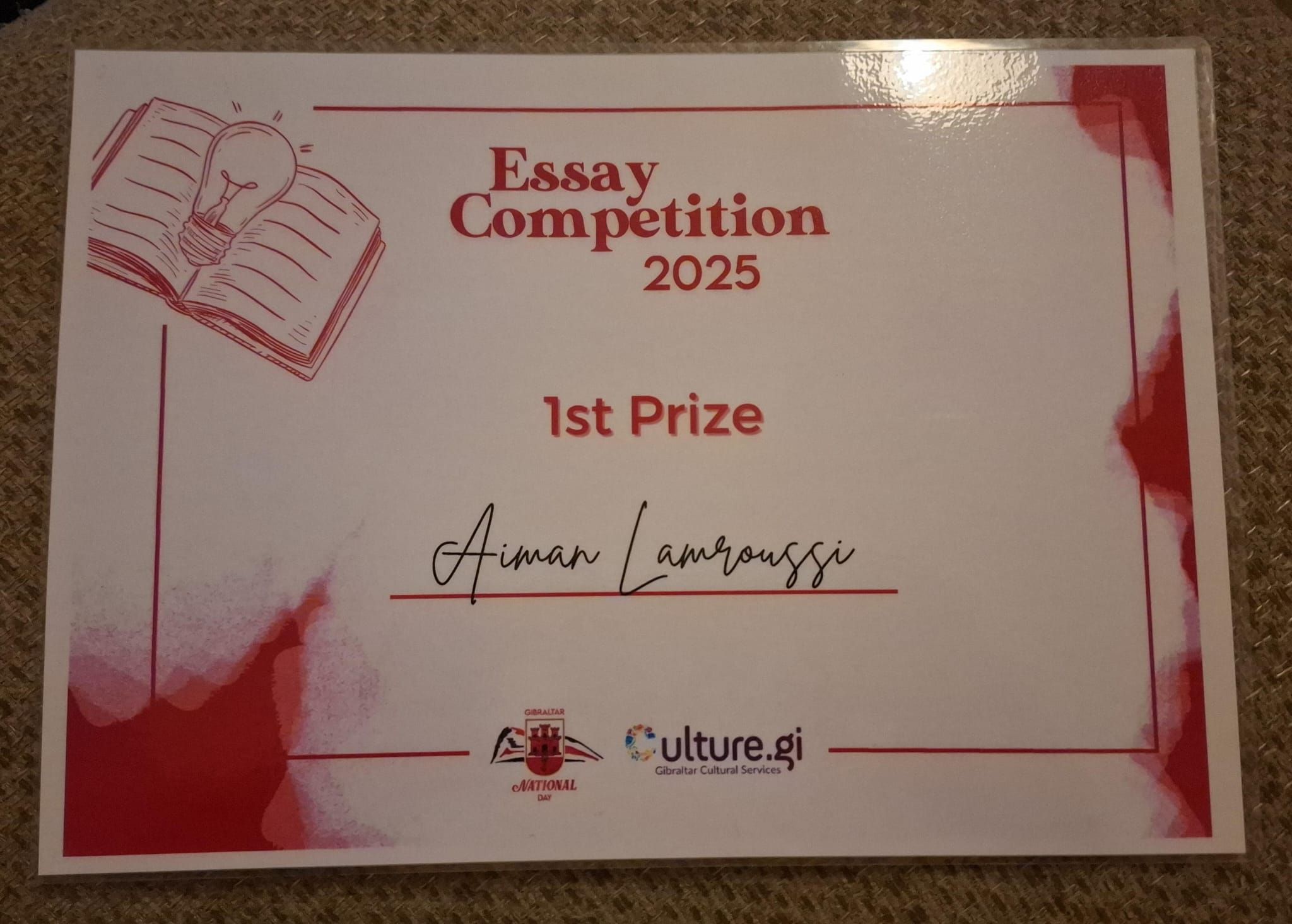 My essay began by exploring how the wartime evacuations of Gibraltarians to French Morocco, then to Madeira and London exposed the Gibraltarians’ vulnerability and the disregard shown by British authorities at the time. The experience, however, became the foundation of a collective determination never again to be powerless in decisions affecting their lives. I traced this spirit through Gibraltar’s biggest political milestones: the 1967 Referendum, in which an overwhelming majority chose to remain British, the adoption of the 1969 Constitution which garnered Gibraltarians the right to self-govern and the Gibraltarians’ remarkable unity in the face of 16-year closure of the border by Franco’s Spain.
The argument throughout the essay was that Gibraltar’s right to self-determination is not an abstract legal principle to be defined and articulated by distant committee rooms or debated by diplomats and officials at institutions like the UN. It is a lived and hard-earned reality, which was forged through shared hardship, unity and resilience. For Gibraltarians, the meaning of the right to self-determination is both the shield to defend who we are and the sword to decide who we
wish to be.
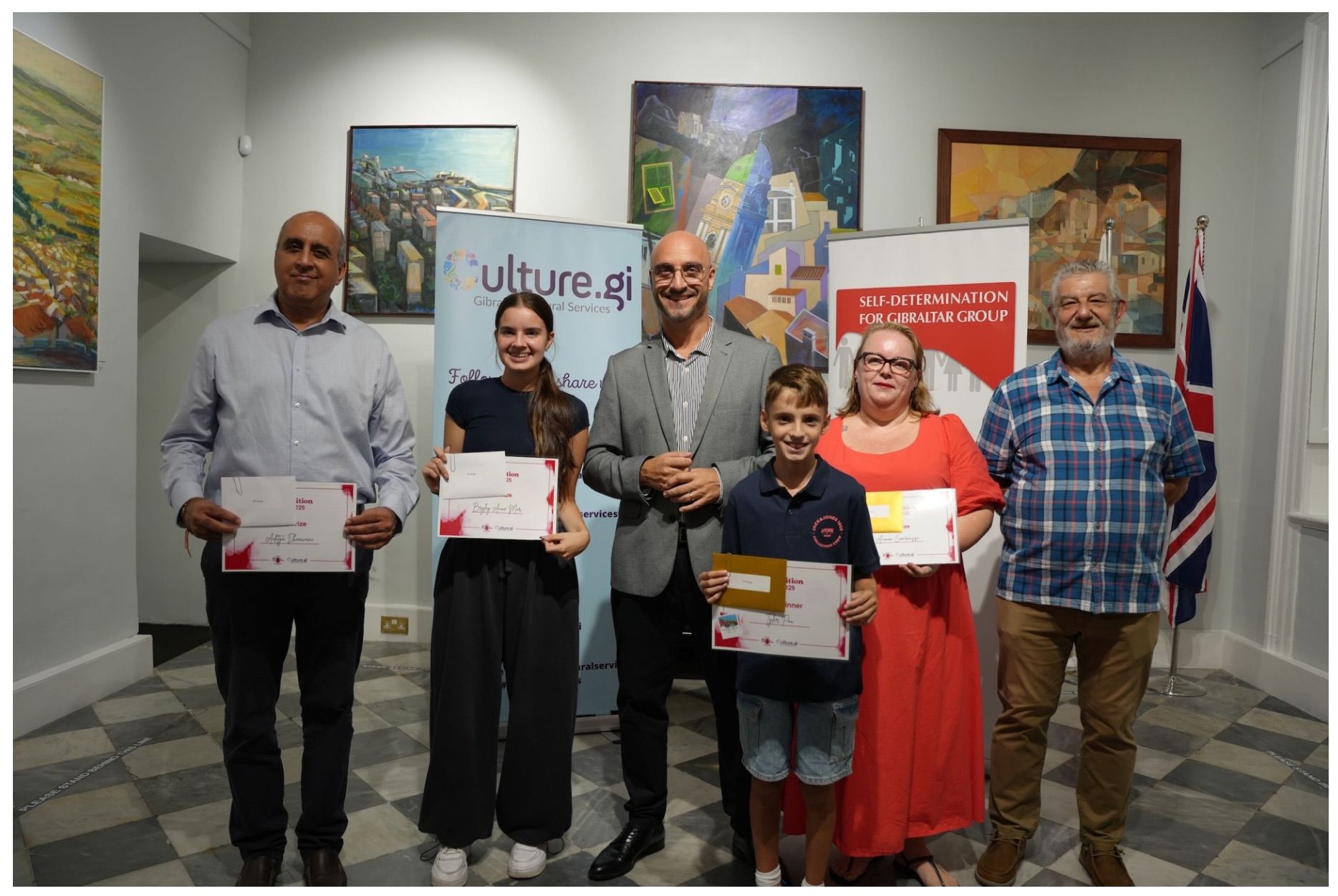 The presentation ceremony, held at the Mario Finlayson Gallery, City Hall was a moment of immense pride. While I received the award in absentia, I felt deeply honoured that my work had been recognised. To me, winning this award represents more than an academic achievement but an affirmation of the power of history, identity and law and the impact they all had on the development of my people and my homeland.
Looking ahead, I hope to graduate this year and then begin Bar school after which I aim to take pupillage in Gibraltar and begin my legal career.”