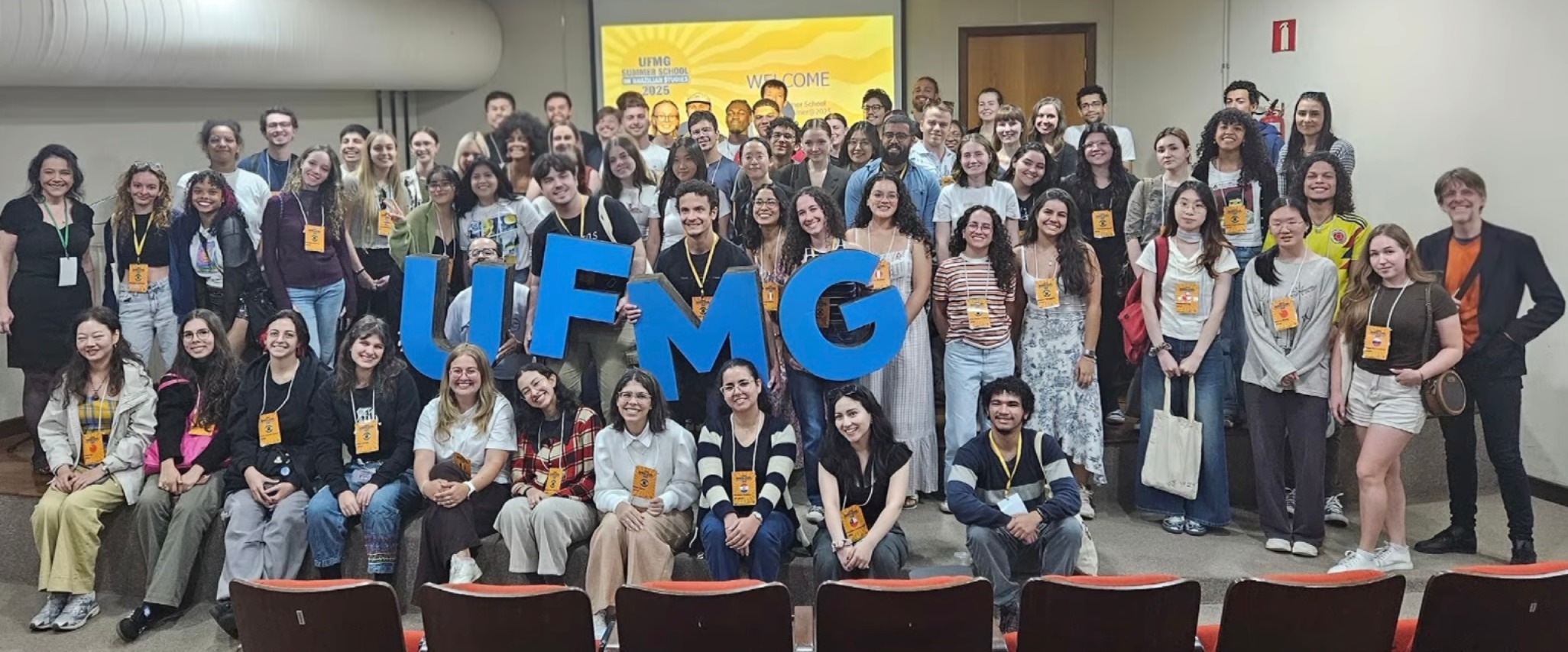
Last month, a long-standing research collaboration between academics at Kent Law School (KLS) and the Universidade Federal de Minas Gerais (UFMG) in Brazil enabled first year Kent undergraduate law student, Maria Belen Buonocore, to attend the UFMG Summer School on Brazilian Studies (SSBS). The Summer School offers students from all over the world an understanding of key aspects of Brazil from distinct perspectives.
Students from KLS have had the opportunity to attend the Summer School virtually and then in person at UFMG’s main campus in Belo Horizonte – the capital city of Brazil’s federal state of Minas Gerais – for the past four years.
Read Maria’s account of the opportunity below:
 ‘My name is Maria Belen Buonocore. I’m from Argentina and currently studying for my Law LLB at the University of Kent. I’ll be progressing to my second year this September.
When I first applied for the Summer School at UFMG, I was drawn to the chance to explore the international side of law and see how legal systems interact across borders. My studies at Kent Law School had already encouraged me to think about law in an interdisciplinary and critical way, questioning not just how it works, but why it works that way and whose interests it serves. I felt the Summer School would be the perfect opportunity to take that curiosity further, especially in a global context where law intersects so closely with politics, culture, and history.
Coming from Argentina, I was also excited by the idea of connecting what I know about South American legal systems with what I’ve learned here in the UK. I wanted to see those differences up close, understand how political contexts shape the law in different countries, and reflect on how my own background shapes the way I think about legal issues. The Summer School promised exactly that: a space to share perspectives with people from all over the world, to compare experiences, and to see the law through fresh eyes.
The application process for the Summer School was competitive and involved two stages. First, Kent Law School selected students based on our academic performance and a personal statement explaining our motivation for attending. Once Kent had chosen their candidates, our applications were sent to the Federal University of Minas Gerais (UFMG) in Brazil, who then had to review and accept us. It was exciting to know that both institutions were involved in the selection process, it made the opportunity feel even more special when I received the confirmation.
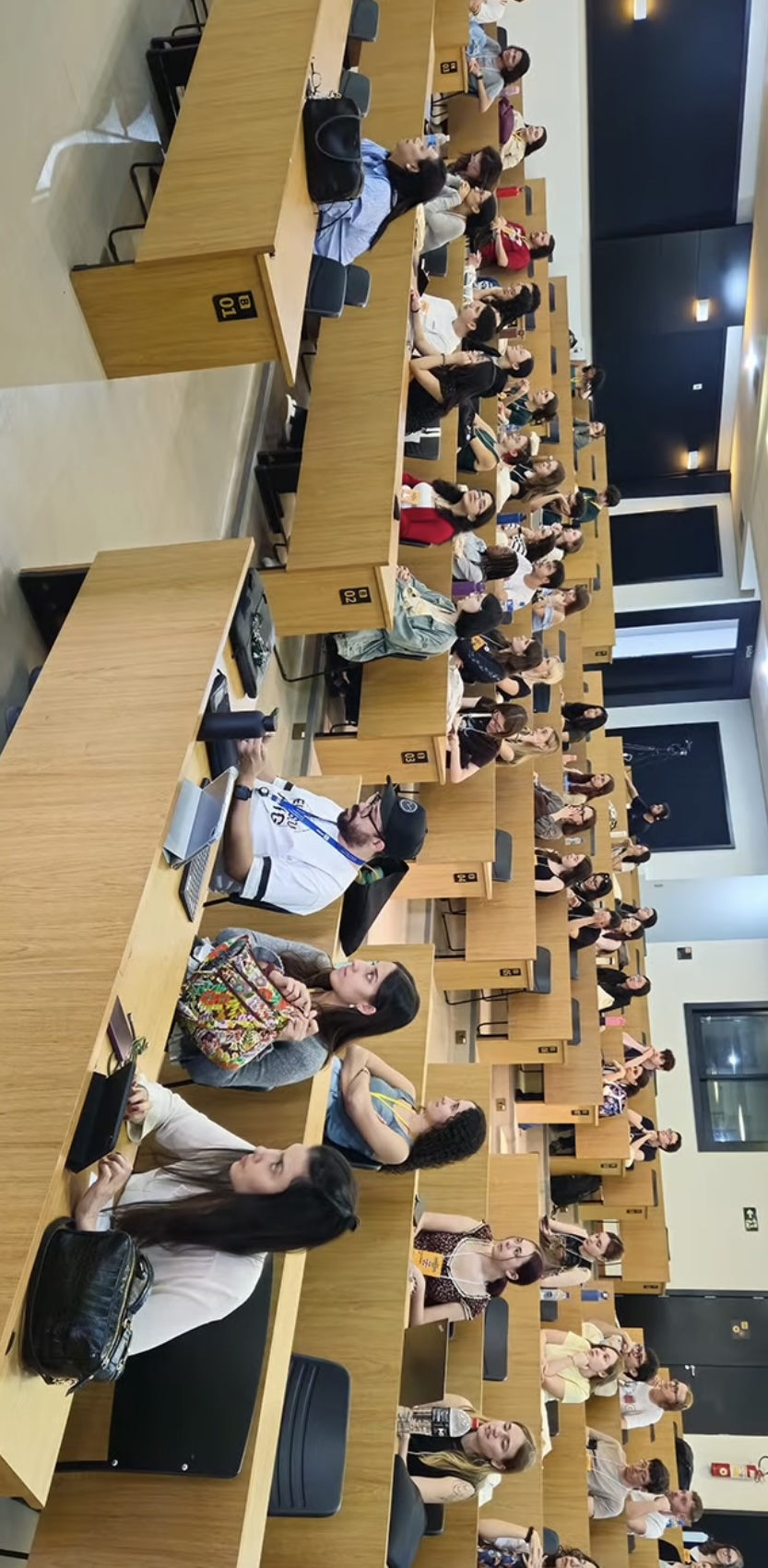 The Summer School was an intense and fascinating two weeks, with each day bringing a new perspective on Brazil’s history, society, and legal system. Alongside the daily lectures, we also had Portuguese language classes every morning, which not only helped us navigate day-to-day life in Belo Horizonte but also deepened our understanding of the culture behind the words. There was also a special session on international law, which tied directly to my interest in the global dimension of legal systems. Apart from that, we were able to interact with students from all across the globe, making the experience very enriching.
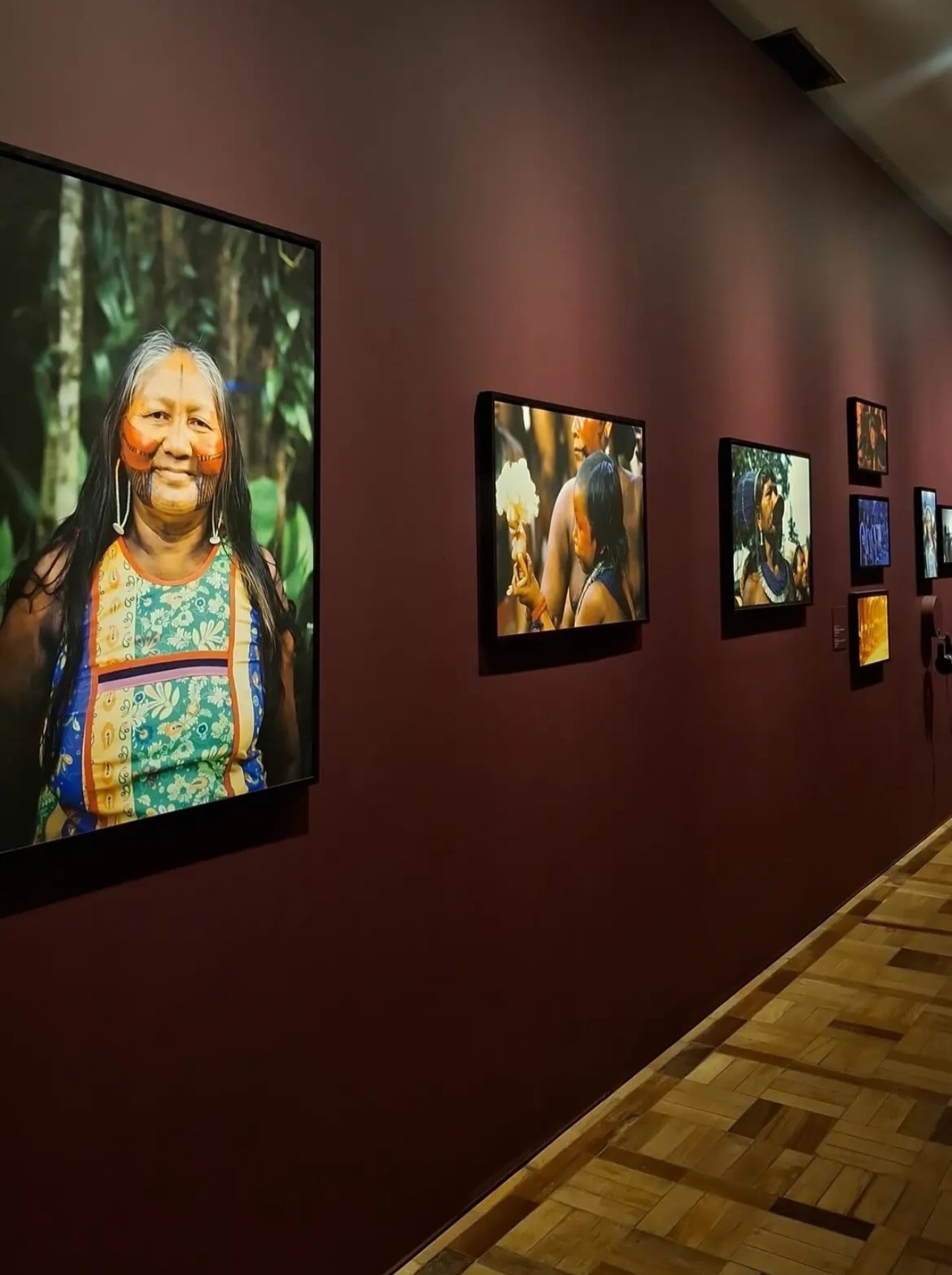 Day 1 began with a lecture on Brazilian History by Professor Rafael Scopacasa. Understanding the historical background of a country is essential for any legal study, as law is deeply shaped by its past. Learning about Brazil’s colonial era, independence, and political transformations helped me see how its legal institutions evolved over time.
Day 2 focused on Brazilian Law, led by Professor Juliana Alvim. This session was particularly relevant to my studies, as it gave insight into the structure of Brazil’s legal system, its constitution, and its approach to rights and democracy. Comparing this to the UK system highlighted how different constitutional traditions shape the role of the judiciary and legislature.
Day 3 was Brazilian Geography with Professor Heloisa Costa. At first, geography might seem distant from law, but it quickly became clear how deeply they intersect, from land disputes and environmental legislation to resource management and regional inequalities.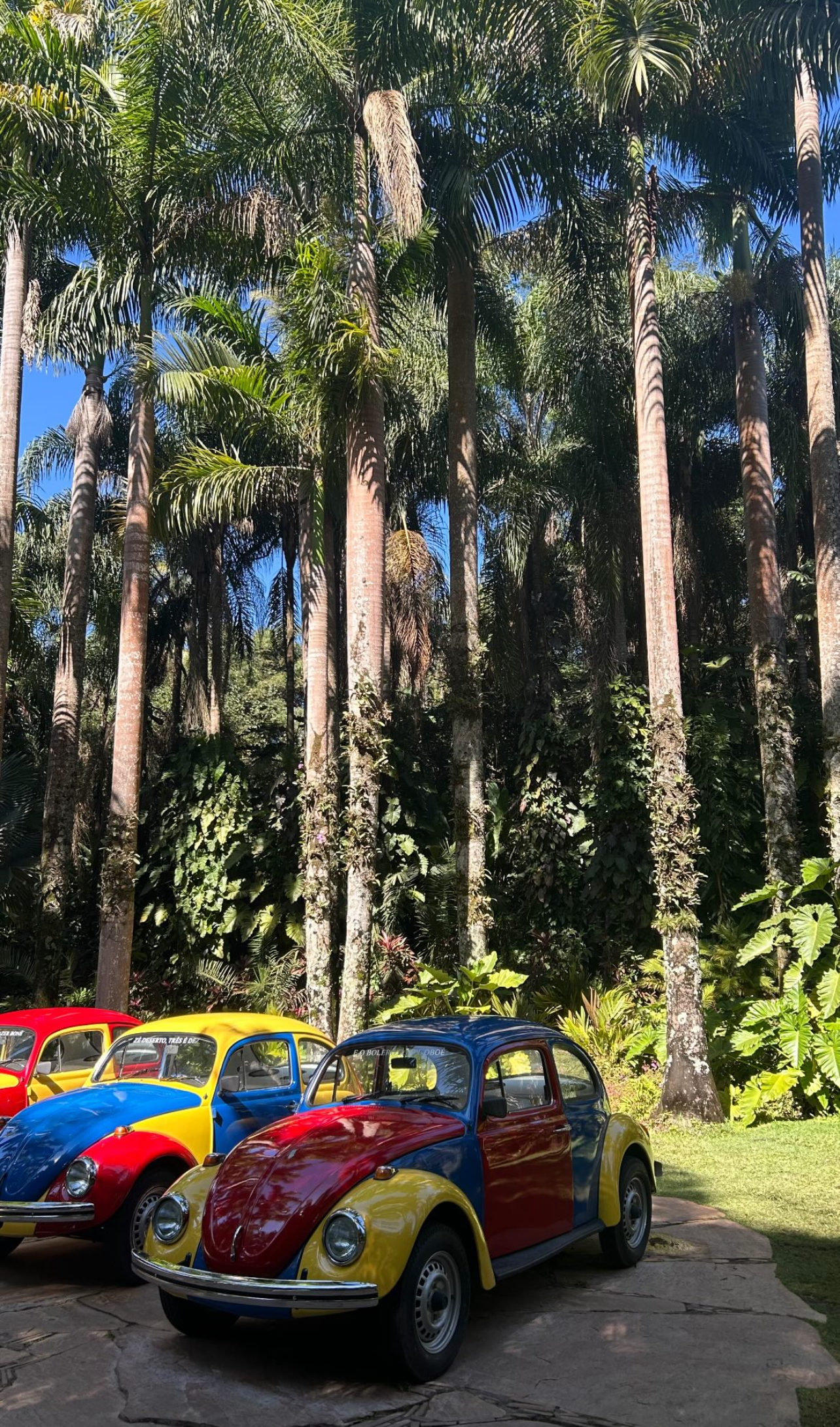
Day 4 explored the Brazilian Economy with Professor Luis Felipe Bruzzi. Economic conditions are often the backdrop to major legal reforms, and this lecture showed how Brazil’s economic history has influenced its labour laws, trade policies, and social programs.
Day 5 brought us to Brazilian Architecture with Professor Vanessa Brasileiro, which unexpectedly connected to law through urban planning, heritage protection, and housing regulations. That day’s cultural activity, Ainda Estou Aqui with Leonardo Vidigal, was deeply moving. He spoke about the military dictatorship and its impact on freedom of expression and human rights, a reminder of how fragile legal protections can be without strong democratic safeguards.
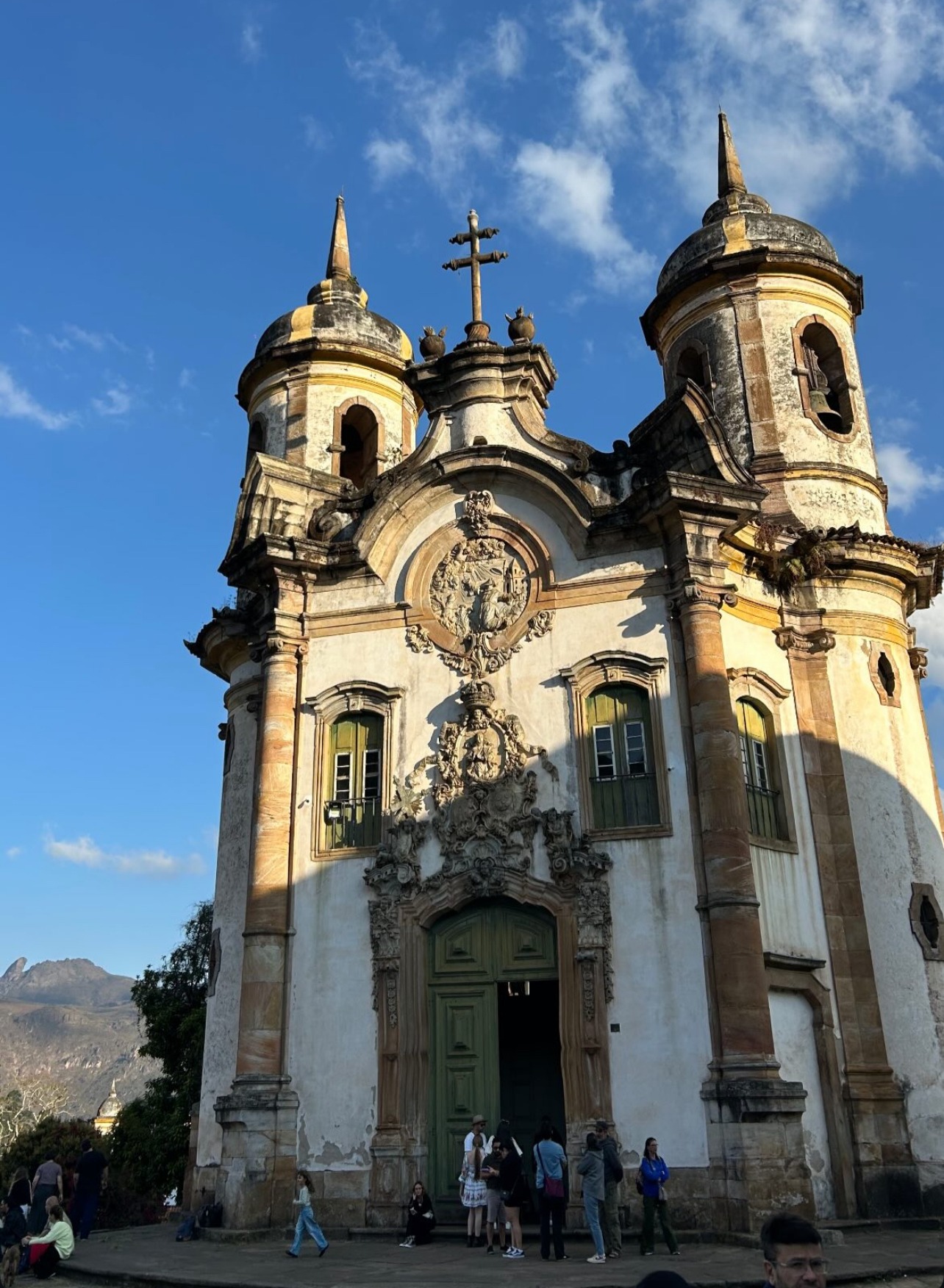
Day 6 was a field trip to Ouro Preto, a historic colonial city. Walking through its streets was like stepping into Brazil’s legal past, with its mining laws, slavery history, and preserved heritage sites.
Day 7 was a city tour of Belo Horizonte, giving context to how modern Brazilian society functions and how the law operates in everyday life.
Day 8 featured Foreign Affairs with Professor Lucas Lima, an international law expert. This session tied directly to my studies and reinforced my interest in how states interact within the global legal framework.
 Day 9 was on Brazilian Politics with Professor Danilo Medeiros. Law and politics are inseparable, and this lecture highlighted how Brazil’s political climate shapes legal reforms and judicial independence.
Day 10 explored Society and Race with Professor Clarice Menezes. We discussed racial inequality, anti-discrimination laws, and social justice movements, which made me reflect on how legal systems can both perpetuate and challenge systemic inequalities.
Day 11 was a field trip to the Inhotim Museum, where art, culture, and environmental law intertwined in thought-provoking ways.
Day 12 closed with Brazilian Culture by Professor Lucia Campos, offering a rich look at how cultural identity influences legislation, from intellectual property to cultural heritage protection.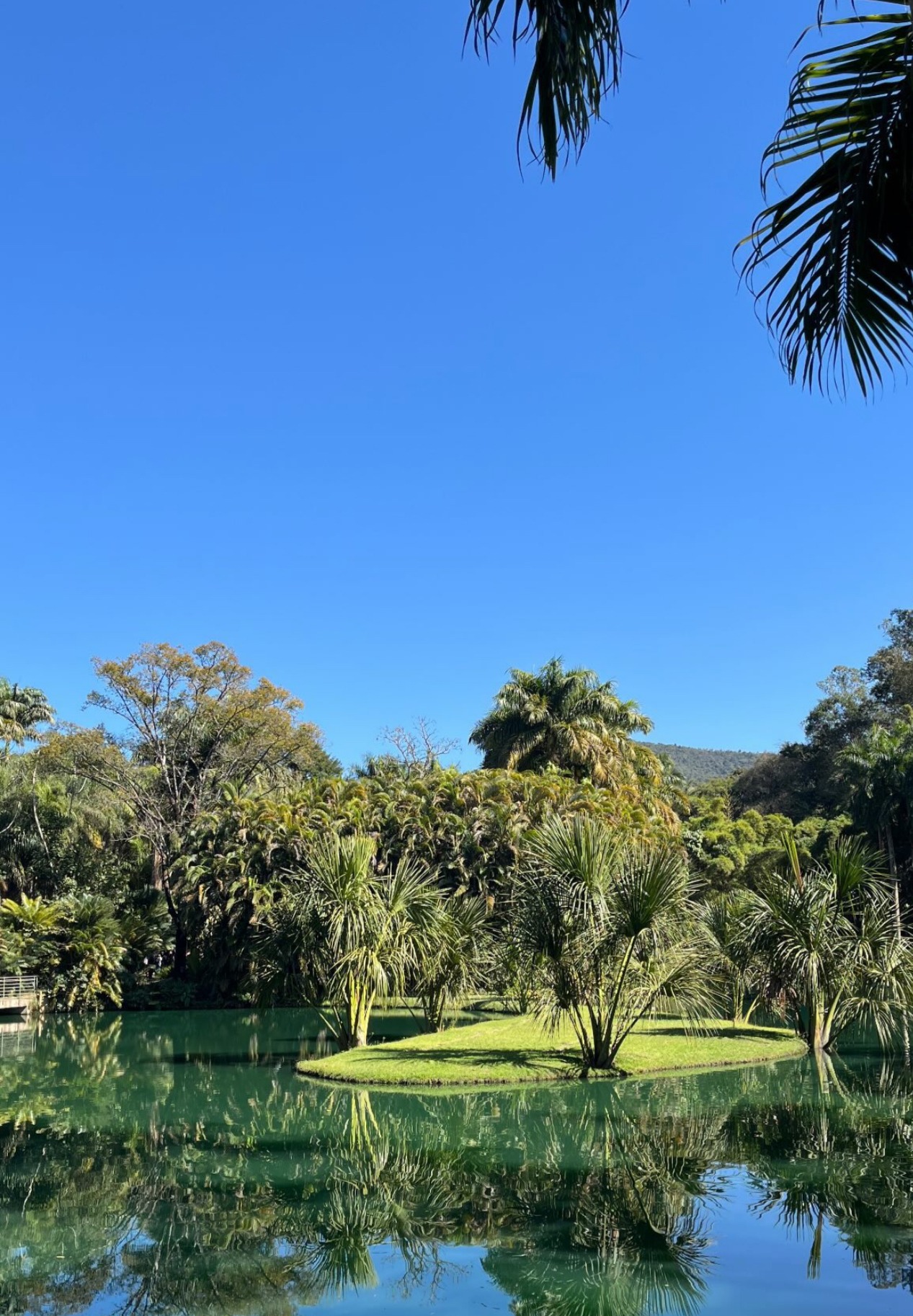
By the end of the Summer School, I could see clearly how each lecture (whether historical, economic, political, or cultural) connected back to the law. It reminded me that legal systems do not exist in isolation, but are living, evolving frameworks shaped by the history, society, and politics around them.
Overall, the Summer School was an unforgettable experience that combined academic learning, cultural immersion, and personal growth. I loved how each lecture and activity connected back to my studies, giving me a richer and more holistic understanding of how law interacts with history, politics, economics, and culture. It was fascinating to step outside the UK context and view legal systems through a completely different lens, especially in a country with such a unique history and diverse society.
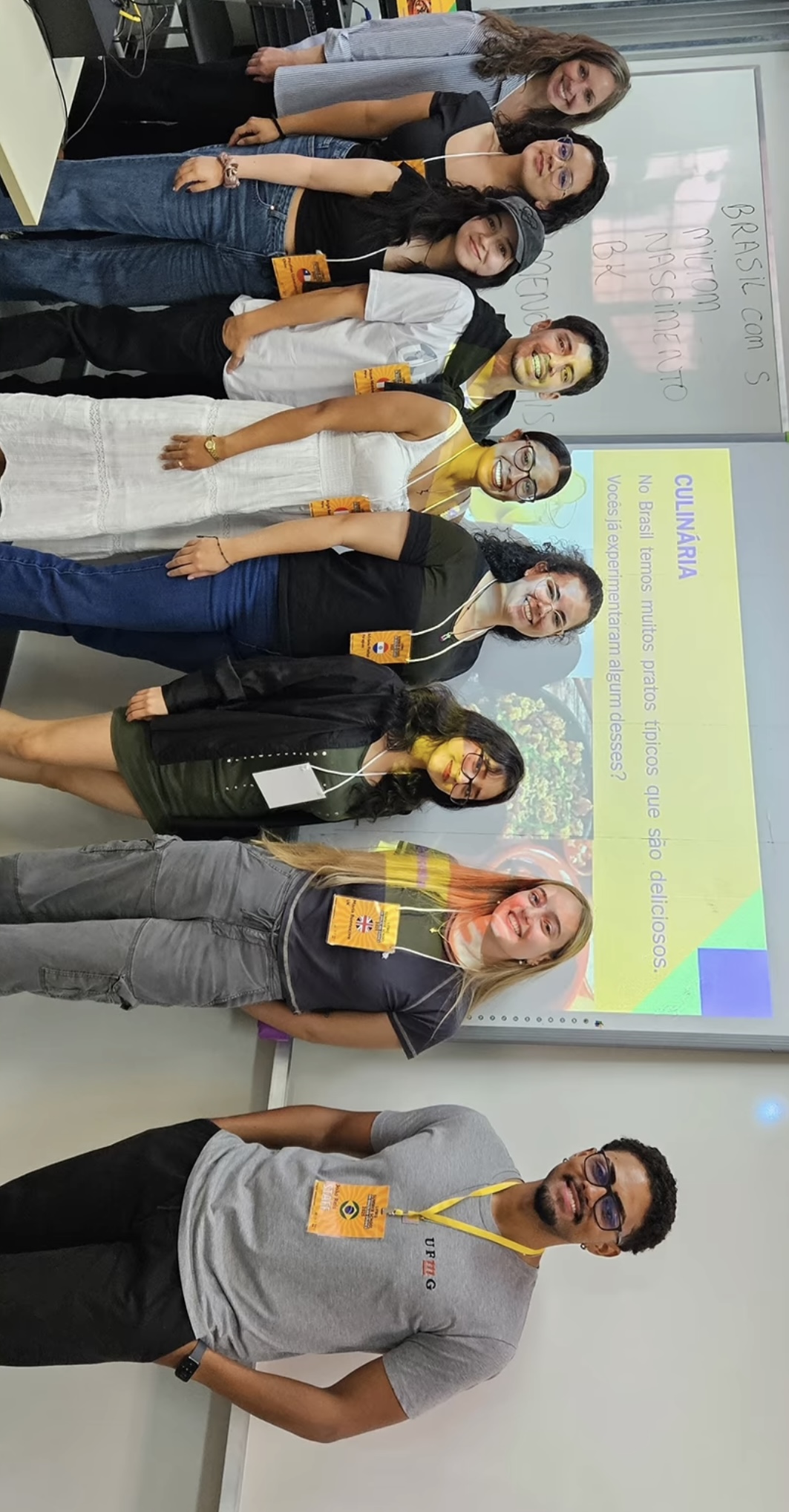 My favourite part of the experience was the cultural activity Ainda Estou Aqui with Leonardo Vidigal. Hearing first-hand about life under the dictatorship and the fight for democracy was both powerful and moving. It made me reflect deeply on the importance of legal protections for human rights, and how quickly they can be eroded without strong democratic institutions. That moment really brought home the human impact of the concepts I study in the classroom.
 Beyond the academic content, I also valued the friendships and connections made during the Summer School. Learning alongside students from different backgrounds created a space for meaningful discussions and broadened my perspective even further. It was an experience I will carry with me throughout my degree and into my future career.
What I am taking from the Summer School into the rest of my studies is a much broader, more interconnected way of thinking about law. The experience reminded me that legal systems are never isolated, they are constantly shaped by the political climate, historical events, cultural values, and economic realities of the societies they serve. This perspective will stay with me as I approach my future modules, encouraging me to look beyond the letter of the law and consider the wider context in which it operates.
It also reinforced my interest in the international side of law. Engaging with professors and students from Brazil and beyond has made me more determined to pursue opportunities that allow me to work across borders, whether that’s in international law, human rights, or comparative legal research. In my future career, I hope to be involved in work that bridges legal systems and fosters cross-cultural understanding, using the insights I gained in Brazil to approach global legal challenges with both nuance and empathy.
If you want to learn more about the Summer School and see some of the activities and places I experienced, there’s an official Instagram page where they share photos and updates. It’s a great way to get a real sense of the vibrant community and academic life (@ufmgssbs).
I would definitely recommend this Summer School experience to any law student interested in broadening their horizons. It’s a unique opportunity to explore a different legal system, engage with new ideas, and connect with people from all over the world.
One thing that made the experience even better was having a Brazilian buddy assigned to me. Having someone from the local community to guide me through the city, explain cultural nuances, and share insider tips really helped me settle in and feel part of the group from day one.’
Many thanks to Maria for sharing her experiences and fantastic photos. Special thanks to our colleagues at UFMG for their continued generosity in enabling students from Kent to attend their Summer School.