Professor Ray Laurence from the Department of Classical & Archaeological Studies has produced an animated film about a Roman figurine, which aims to help museum visitors learn about historical objects in a new and engaging way.
Produced in collaboration with Folkestone-based animation studio Cognitive, the 60-second film is an innovative approach which will explain the origin of museum artefacts to the public.
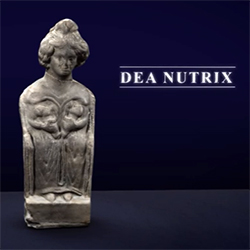
The film, which focuses on the breastfeeding goddess Dea Nutrix is currently displayed at Canterbury Roman Museum. It presents key information about the figurine, where it was found and what it is thought to represent.
The new format could become an alternative to traditional written museum labels, especially as it can be accessed via a smartphone and can also appear on a museum’s website.
The animation started as a 3D laser-scanned virtual image of the figurine (accurate to the micron) which was undertaken using specialist facilities at the University. Animators at Cognitive then placed this image at the centre of the film and designed a virtual museum cabinet around it. They finalised the information in the film by gathering inspiration from illustrations and line-drawings found in traditional academic publications.
This is the third animation film produced by Professor Ray Laurence. The latest film can be viewed here: www.youtube.com/watch?v=fC0WL-tNZjs
Further details about his other films, ‘A Glimpse of Teenage Life in Ancient Rome’ and ‘Four Sisters in Ancient Rome’, is available here:
www.kent.ac.uk/secl/news/index.html?view=834