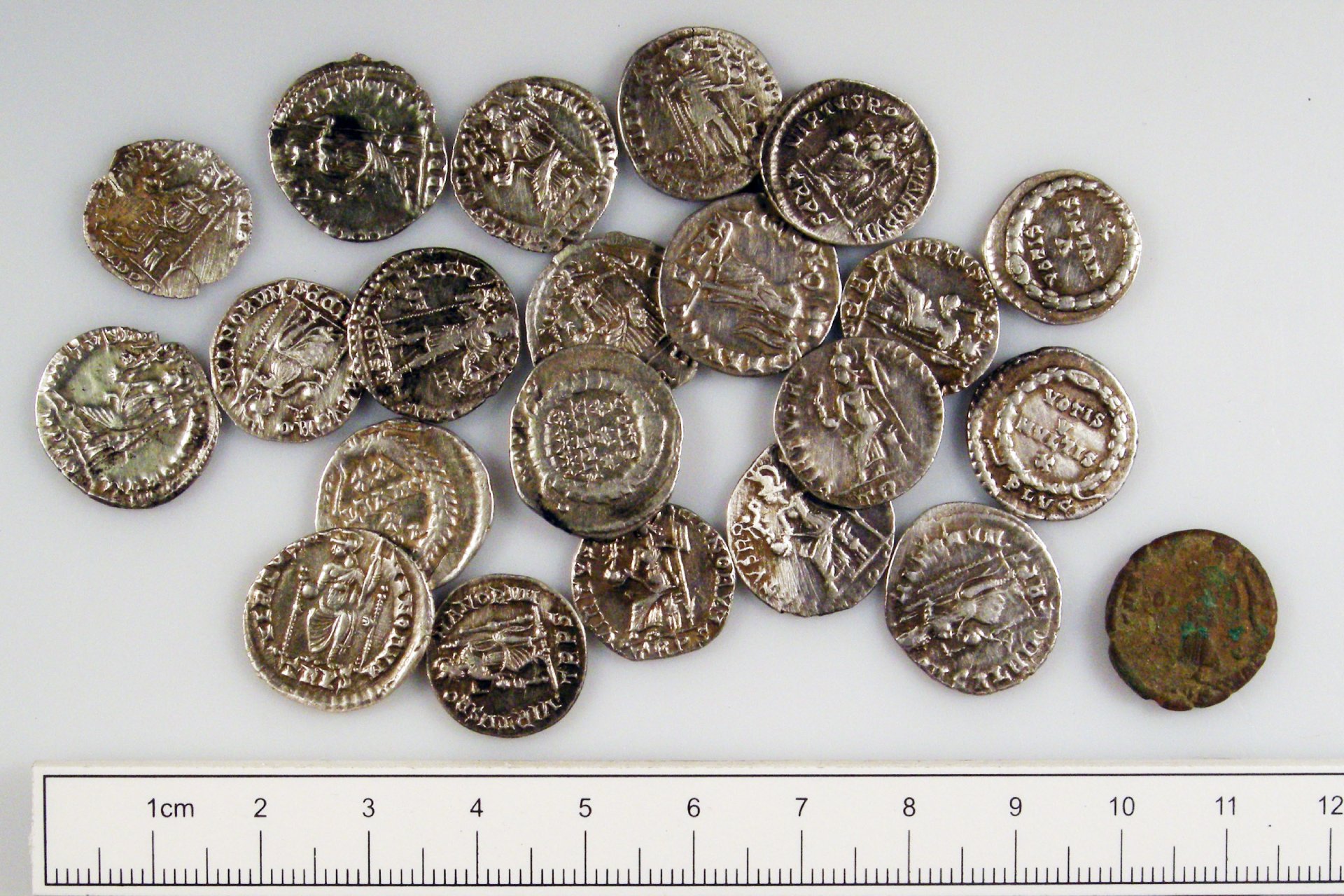
The hoards we’re studying were valuable to their owners – the coins, jewellery and other objects they contained were made from precious materials. But how much were they worth exactly? To help us understand this we can look at contemporary texts from the late Roman period that give us an idea of what you could purchase with different amounts of money. Late Roman law codes are particularly useful for this, as they sometimes tell us about everyday expenses, such as payments for goods and services, fines, or how much annual tax people of a certain status had to pay.
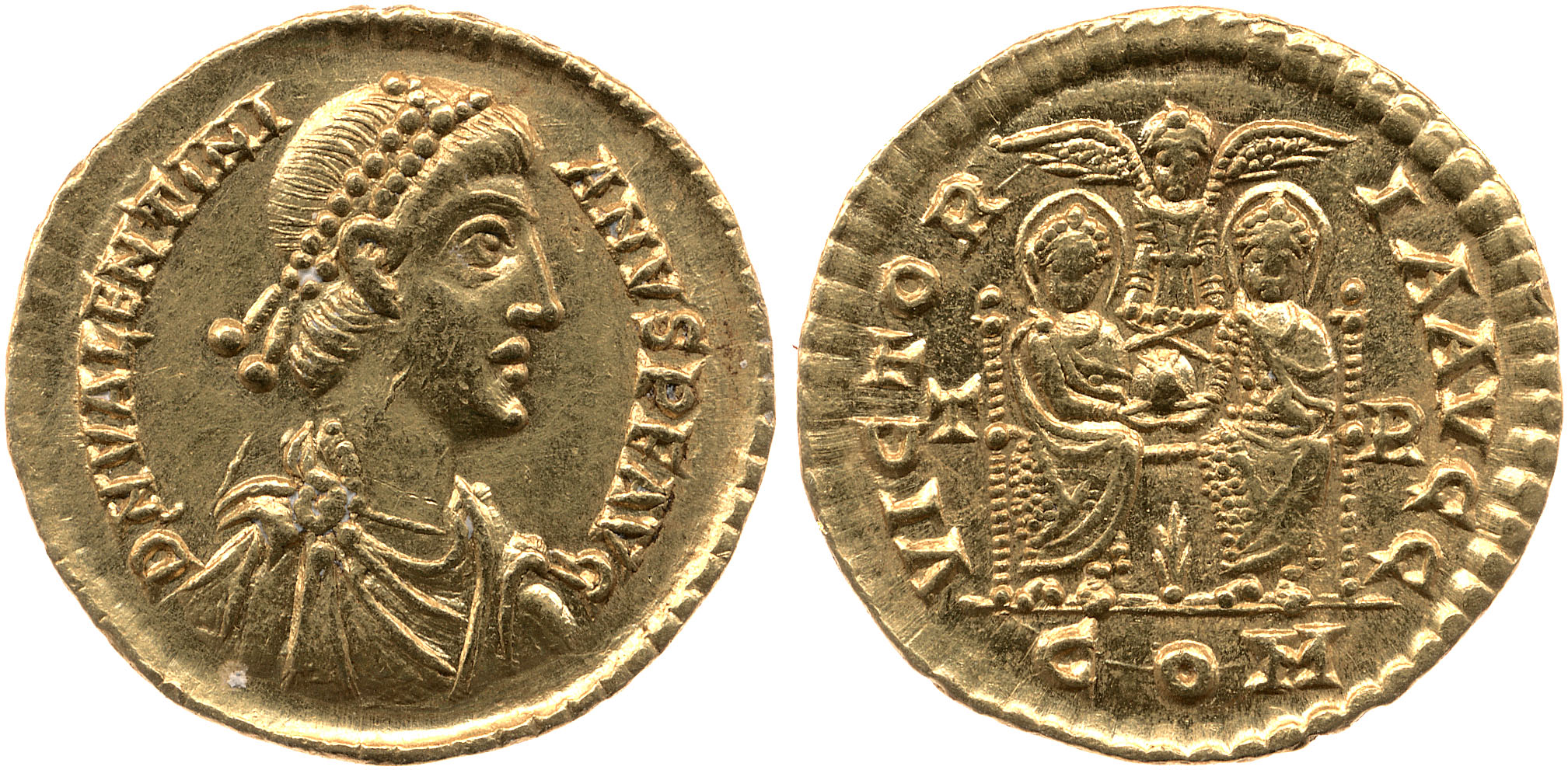
The Boscombe Down hoard, for example, consists of eight gold coins, called solidi, and their container, a pottery vessel. That amount of money wouldn’t be enough to buy a horse, which would typically cost about 15 to 20 solidi, but you could buy eight donkeys with it. Alternatively, it would pay your rent for a year or longer – but only if you didn’t expect more than basic accommodation.
This gives us an idea of the hoards owner’s status. It’s unlikely to be someone very rich, unless they’d stored portions of their assets in quite small individual parcels for a specific purpose. Such people counted their assets in pounds of gold, not in individual gold coins weighing a tiny fraction of this. A poor person, meanwhile, would have great difficulty gathering together this much surplus wealth. More likely, it would be a person of middling status, and even for them, it would represent a considerable amount of money.