Words by Hilary Edridge, Lady Melville DL, Head of Development and Alumni Engagement
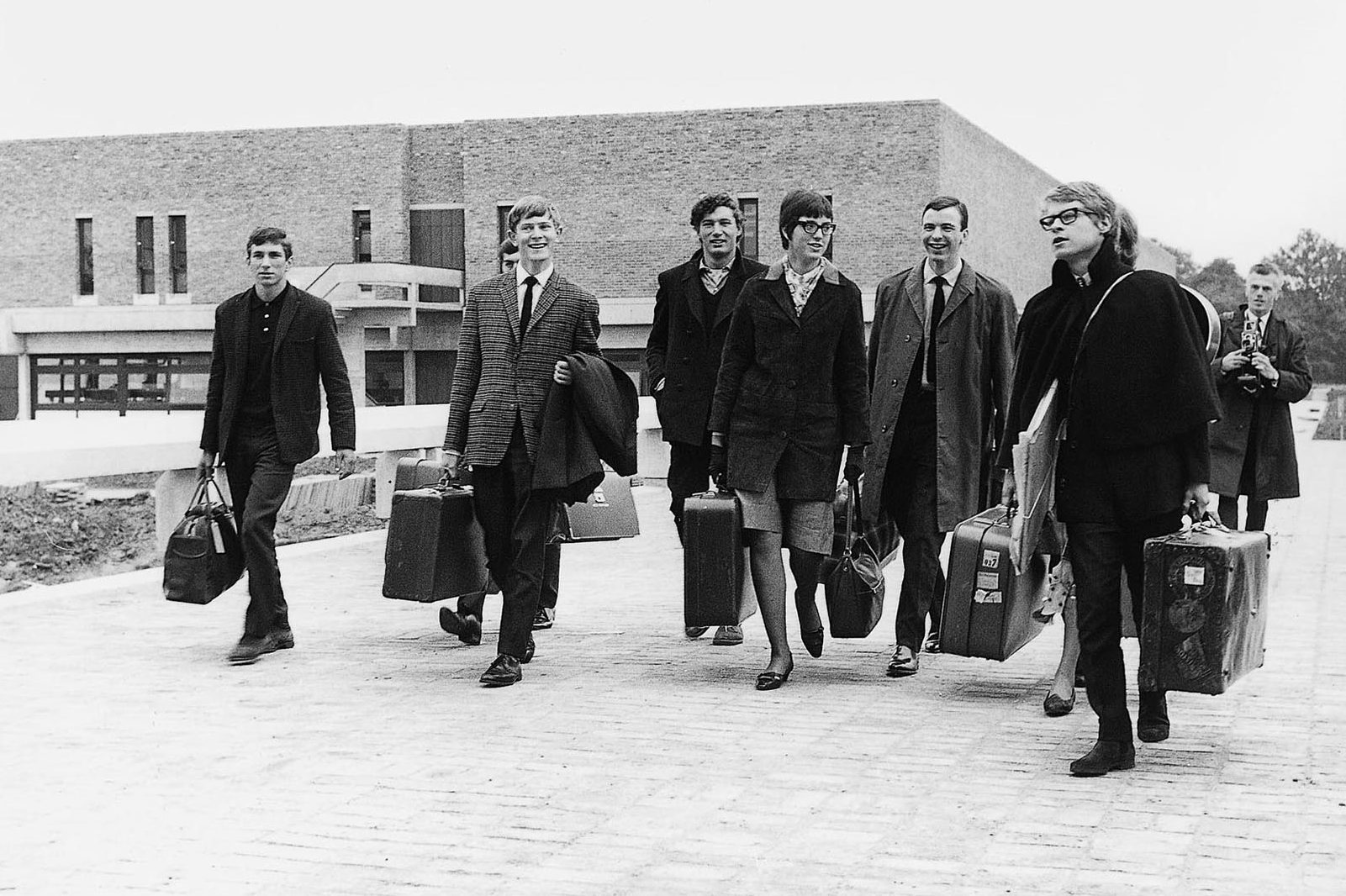
In October, 1965 something quietly remarkable happened on a hill just outside Canterbury. Five hundred students arrived at a brand-new institution, the University of Kent, not yet shaped by tradition, expectation or reputation. They would later become known, simply and fondly as “the First 500”.
They did not join an established university; they created one.
A University without a past
When the First 500 arrived on 11 October, 1965 the university itself had only just received its Royal Charter earlier that year.
There was just one college, Eliot, and a campus still emerging from mud and scaffolding. The vision was bold: a collegiate university with an interdisciplinary spirit, reflecting the optimism of 1960s Britain and a national push to widen access to higher education.
But vision alone doesn’t build culture, people do.
And that is what the First 500 became: not just students but pioneers. They chose Kent over older, more established universities precisely because it was new, because it was uncertain, and because it offered the rare chance to shape something from the ground up.
They started societies from scratch, defined academic norms and helped establish the character of a university that now services tens of thousands of students.

Life at the Beginning
Accounts from those early years describe a unique blend of improvisation and excitement. Facilities were limited and the infrastructure was sometimes catching up with reality. Famously accessibility features had to be rapidly introduced when one of the first students arrived using a wheelchair.
Yet what might have been seen as shortcoming became part of the shared experience. There was a sense of ownership: this was their university.
Friendships formed quickly and in many cases, permanently. As one early student later reflected, being there at the beginning meant more than just attending lectures, it meant being part of a collective experiment in education and community.
From 500 to Thousands
From that modest intake of 500 students and around 150 staff, the university has grown into a major institution with international reach.
What began as a single college has expanded yet the DNA of the institution, the openness, the willingness to innovate, the sense of family can still be traced back to those first arrivals.
The First 500 didn’t just witness this transformation, they made it possible.

Lunch in Covent Garden
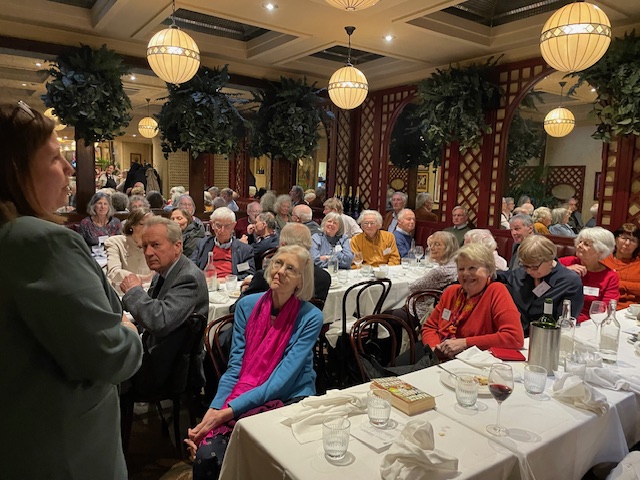
Recently, in Covent Garden, a group of these original pioneers gathered once again, decades after that first autumn in 1965.
The setting may have changed, from a muddy campus to a polished London dining room, but the spirit, by all accounts had not.
There was laughter, of course. Stories resurfaced of early lectures, makeshift facilities, and the thrill of being somewhere entirely new. Names were remembered, friendships rekindled and a for a few hours, time folded back on itself.
What stood out most was not nostalgia alone, but perspective. The First 500 could look back and see not just their own lives but the extraordinary growth of the institution they helped found. What had once been uncertain and experimental is now established and respected.
And yet, in their telling, the essence of those early days, the camaraderie, the curiosity, the sense of possibility remains unchanged.

A Lasting Legacy
Over the years the First 500 have met regularly in London for lunch and today many remain actively connected to the university community. Through initiatives like scholarships and their alumni group, they continue to support new generations of students ensuring that the opportunities they once embraced as passed on.
Their legacy is not only historical it is ongoing because universities are not just buildings or rankings, they are communities, shaped by the people who pass through them. And in the case of Kent, everything begins with those original 500.
It was a huge privilege for Professor Randsley de Moura, Acting Vice-Chancellor, and me to attend the lunch and hear first hand the wonderful stories, memories and achievements that have helped shape the community we see today.
In closing, the lunch in Covent Garden was more than a reunion. It was a reminder that history is not only recorded in archives but carried in conversations, friendships and shared memory.
The First 500 arrived at a university with no past.
Sixty years later, they are its foundation.
