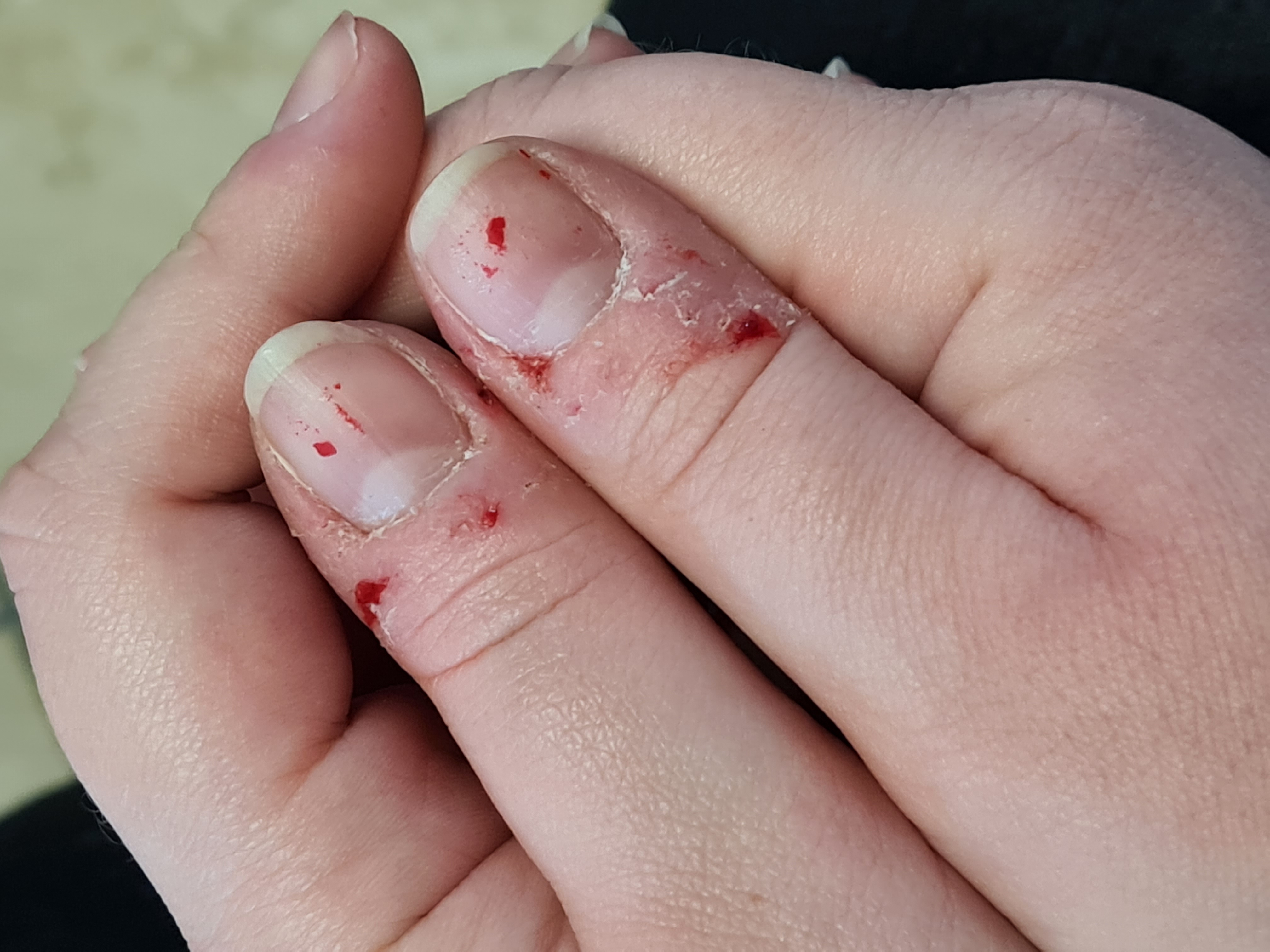
As a response to the developing Covid-19 pandemic on the 23rd March 2020 the United Kingdom government introduced lockdown legislation across society, instigating some of the most restrictive measures of social control since the second world war (HM Cabinet Office, 2021). Laws restricting movement and urging households to stay at home, only going out for food shopping and exercise for one hour daily. Businesses, schools and retail outlets were closed with few exceptions. Whilst feeling significant amounts of anxiety and worry the general population had to adapt to new ways of socialising, learning and working. Such was the UK Governments concern much research was commissioned to understand in detail how they were coping (Vizard, 2020). With much time spent at home new experiences were forged creating new ways of doing previously familiar things, reviving family and community experiences in a wide variety of new and often exciting ways. At the same time some were left isolated and alone, struggling to cope. Additionally, people had more time to reflect on their lives and what was important to them. This exhibition attempts to capture some of those thoughts, reflections and experiences, even as lockdown continues……..
Exhibit 1. Walking Boots
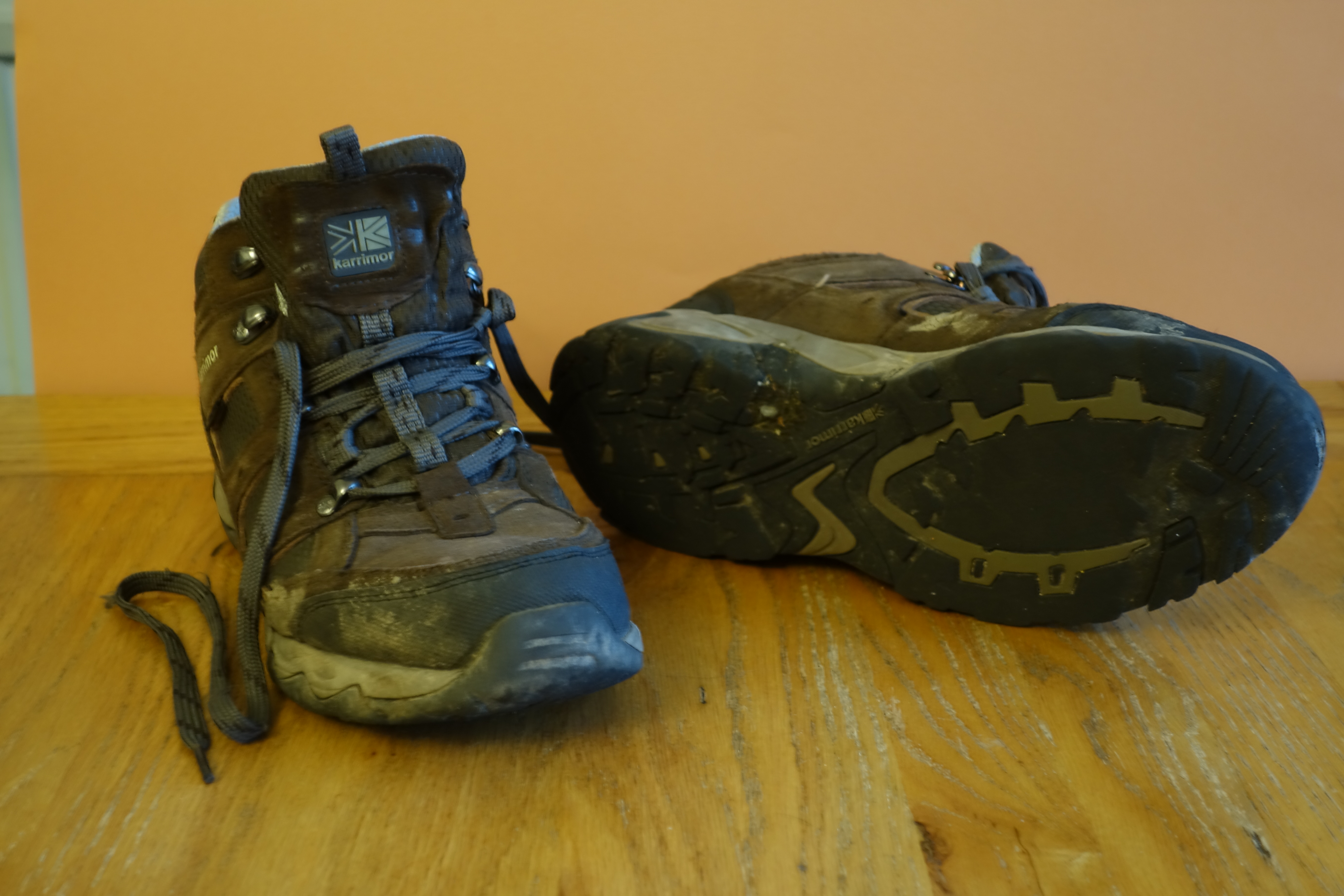
“You don’t know what you’ve got until you’ve lost it” was a slightly cryptic phrase my mother would sometimes use. With lockdown urging just one hour of exercise a day the simple act of walking became suddenly valuable beyond any previous consideration. An entire population now had to think about how they would use that hour. Walk, run, skate plus any number of alternatives. For me the boots now meant a practical freedom, but they were also a link to better times. Walks cursed when lost, revelled in when at their best. But also, a promise of better times ahead, maps spread across the dining table, future adventures to be planned. Seeing the boots so worn, I realised that replacement would have to wait until lockdown was lifted if I was to avoid buying online. That sparked the interesting thought, “what would have happened if the pandemic had arrived prior to the internet”?
Exhibit 2. Teacup
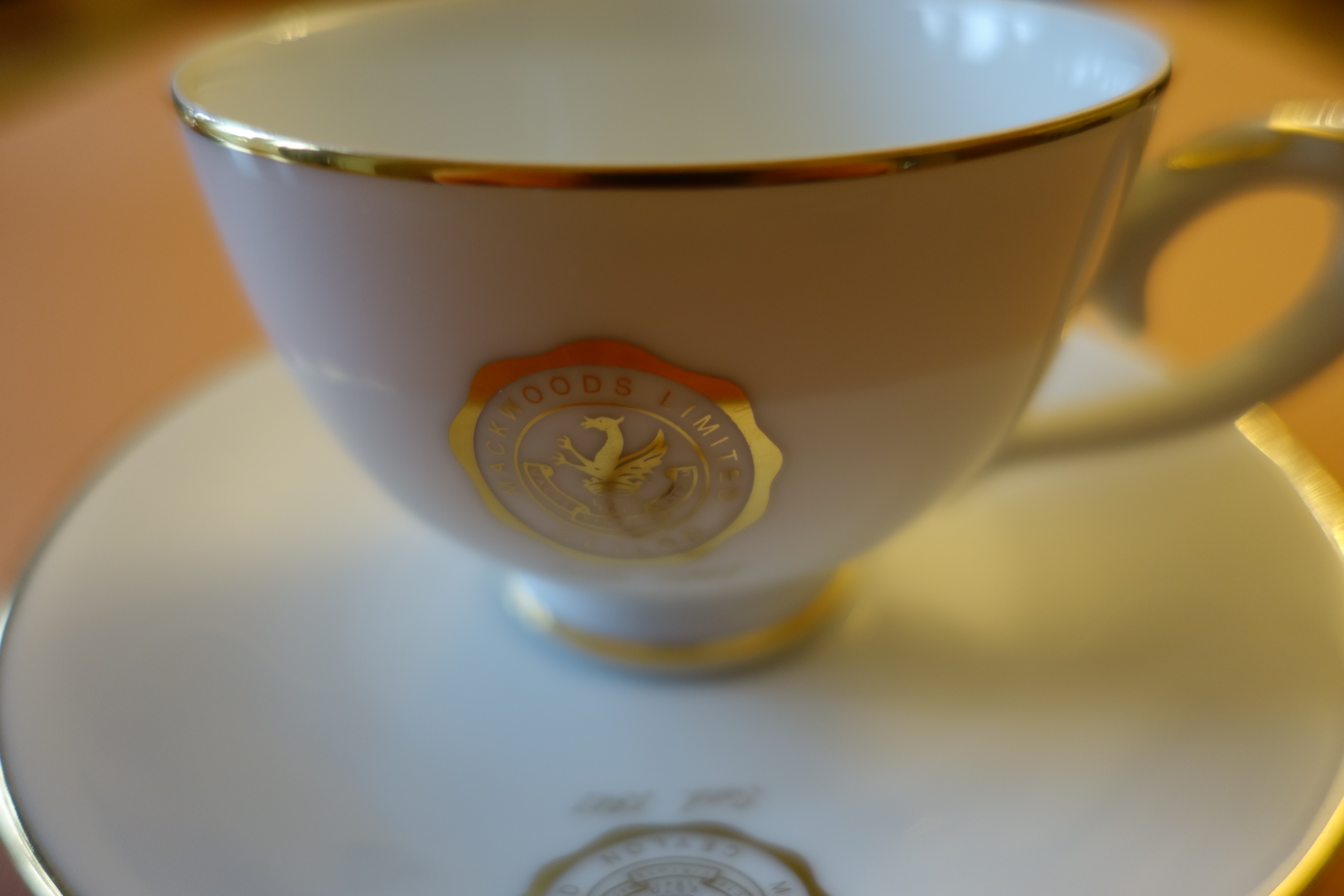
Unable to find new experiences outside the search for novelty at home began to take increasingly strange turns. Some started to bake and focus in the kitchen, family mealtimes returning to regular events that had previously been lost to fast food and tv dinners. Others took up knitting, sewing and a variety of creative home crafts. For me the simple act of making tea developed into an increasingly varied and complex custom. Different types of tea, bag or loose leaves, variety of cups and pots all became increasingly fun and significant to me for reasons I couldn’t begin to understand. It was almost a desperation to find some fulfilment in even the most everyday tasks as the world had become reduced to such a small and narrow footprint. It was also an act of community, coming together every now and then for some tea and a chat in ways that had been taken for granted previously.
Exhibit 3. Silver Pen
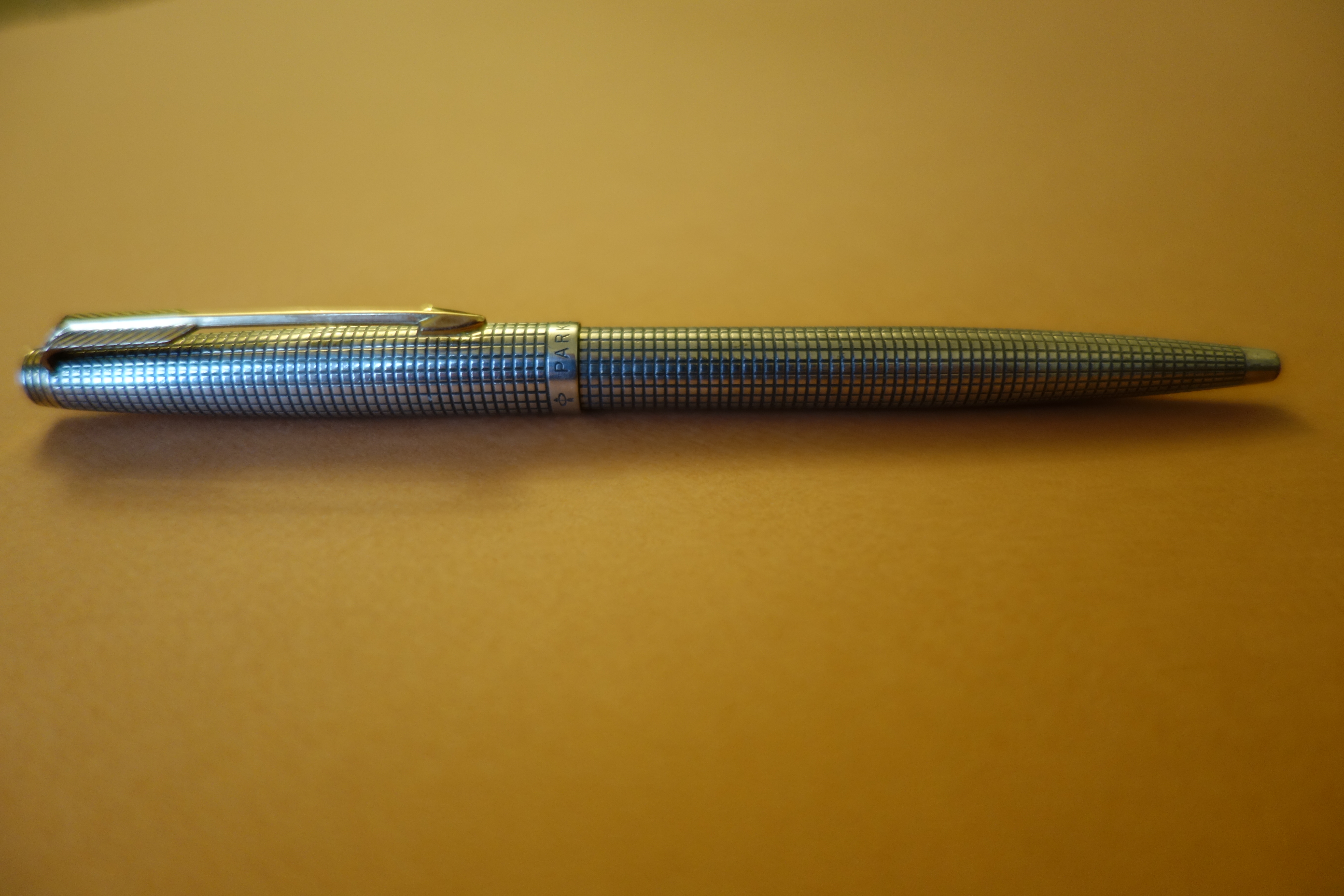
A strange phenomenon of life under Covid was the way routine actions could become more ritualised and take on a significance previously unrealised. Whilst writing daily for study I took to writing poetry for the first time in years, exploring thoughts and feelings almost in meditation. Unable to go out freely my mind increasingly turned inwards, and writing provided a positive outlet. Unsure of the motivation the act of writing became a ritual. At the same time of day, using a silver pen my father had given to me, feeling closer to him as I explored my experiences of the day or fumed against some perceived frustrations or injustices. Almost feeling that with the pen in my hand I was holding his hand and facing the realities of the day together. Beyond the words on the page the ritual itself became important, time with my father rather than simply missing him.
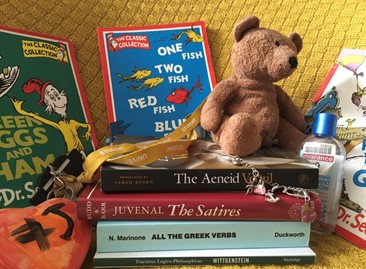
Exhibit 4. Books
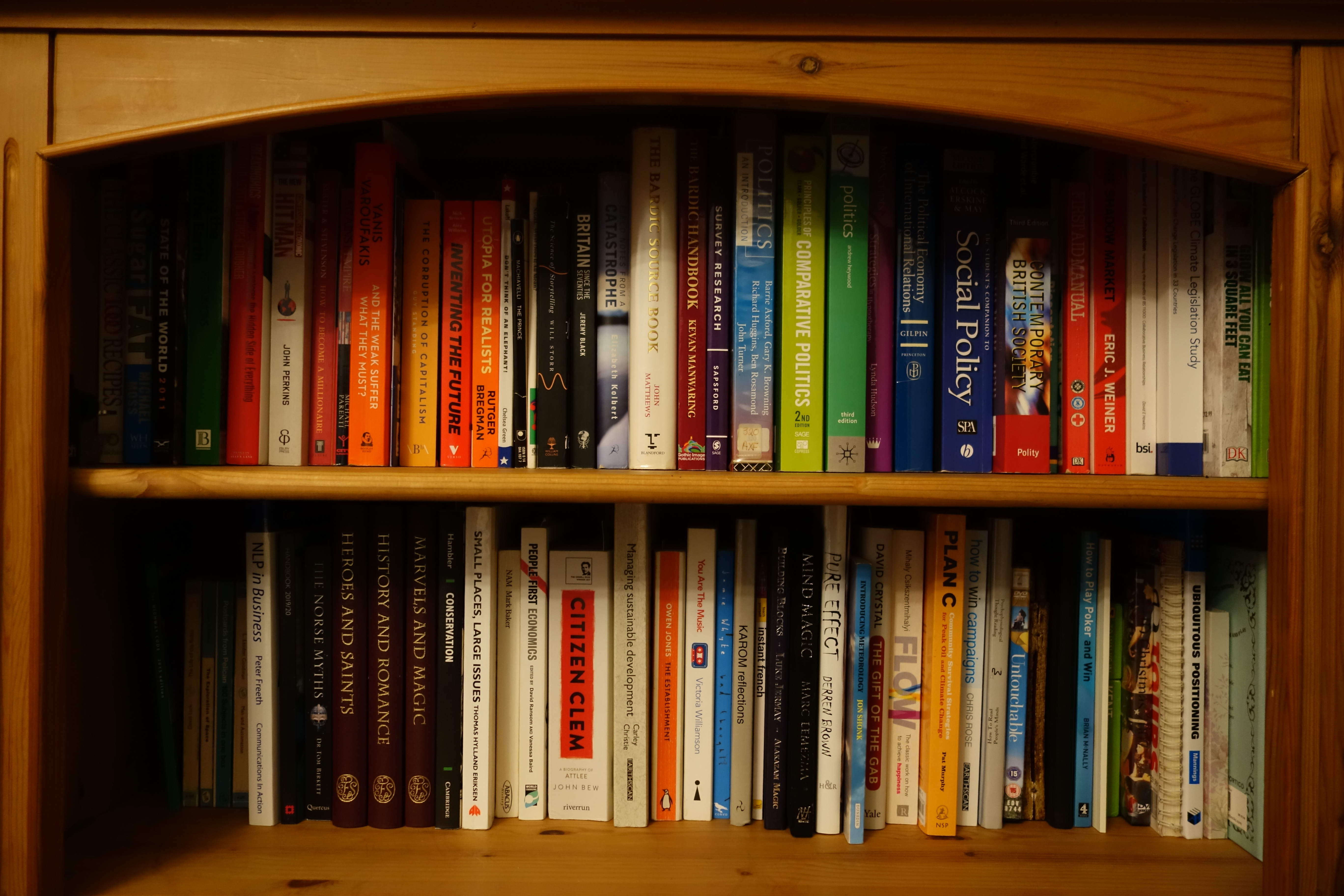
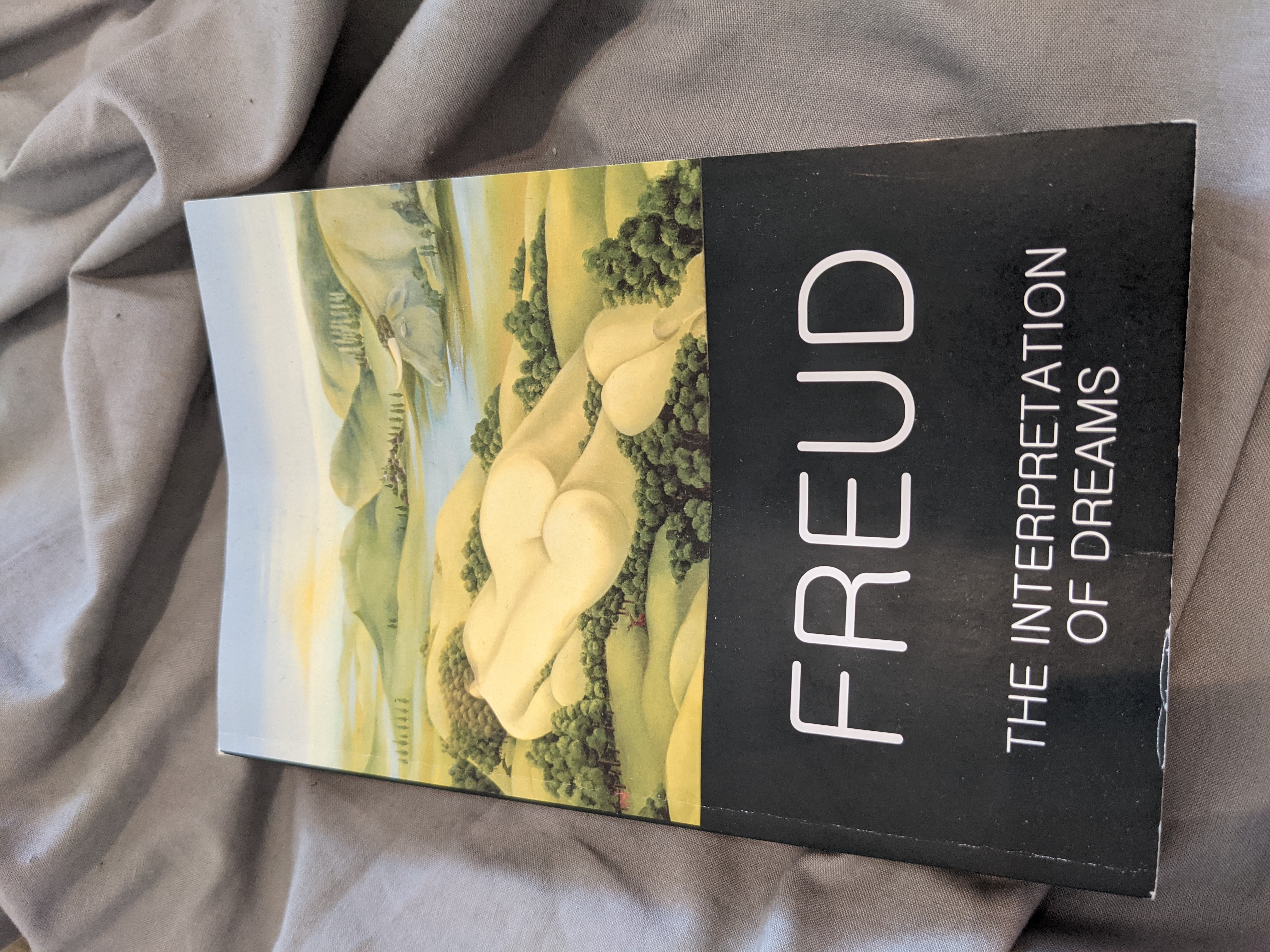
Unable to venture out books became the road to other worlds. Whether factual, explaining the workings of politics or DIY or fiction, or providing escape to more exciting lands. Books became the tickets to alternative realities, beyond the fears and uncertainties of the Covid pandemic. However, the experience was bitter-sweet. Just as they provided the means of escape books also served to remind just what was being missed in the wider world. Where the books contained pictures, all were captured in a world before Covid, forcing the realisation that the very same pictures would now be pock marked with facemasks or socially distanced. Almost regardless of time or place the world had quickly come to share a common fate in the most visible of ways. This begged the important question; “when would the world return to normality”?
Exhibit 5. Chess Set
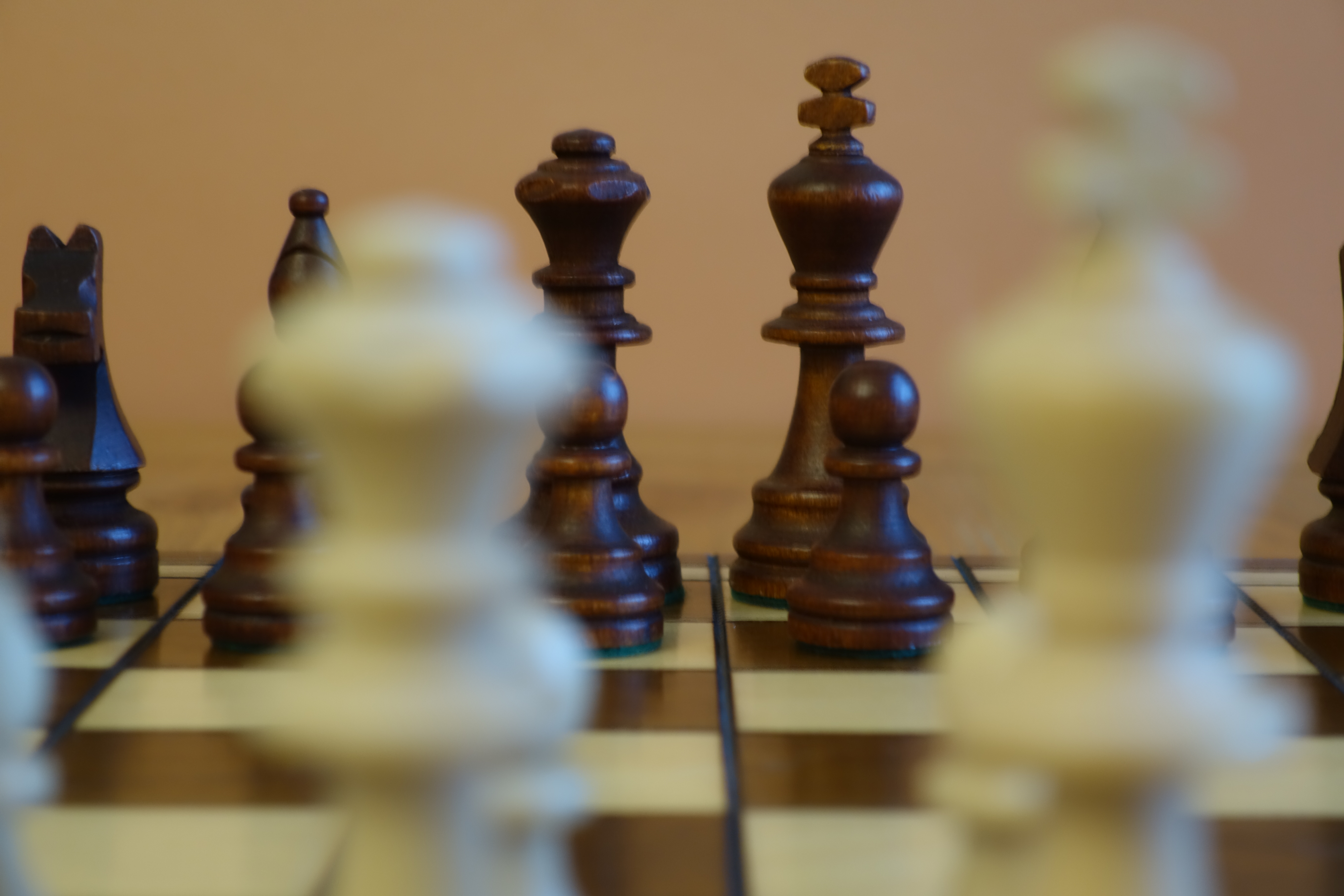
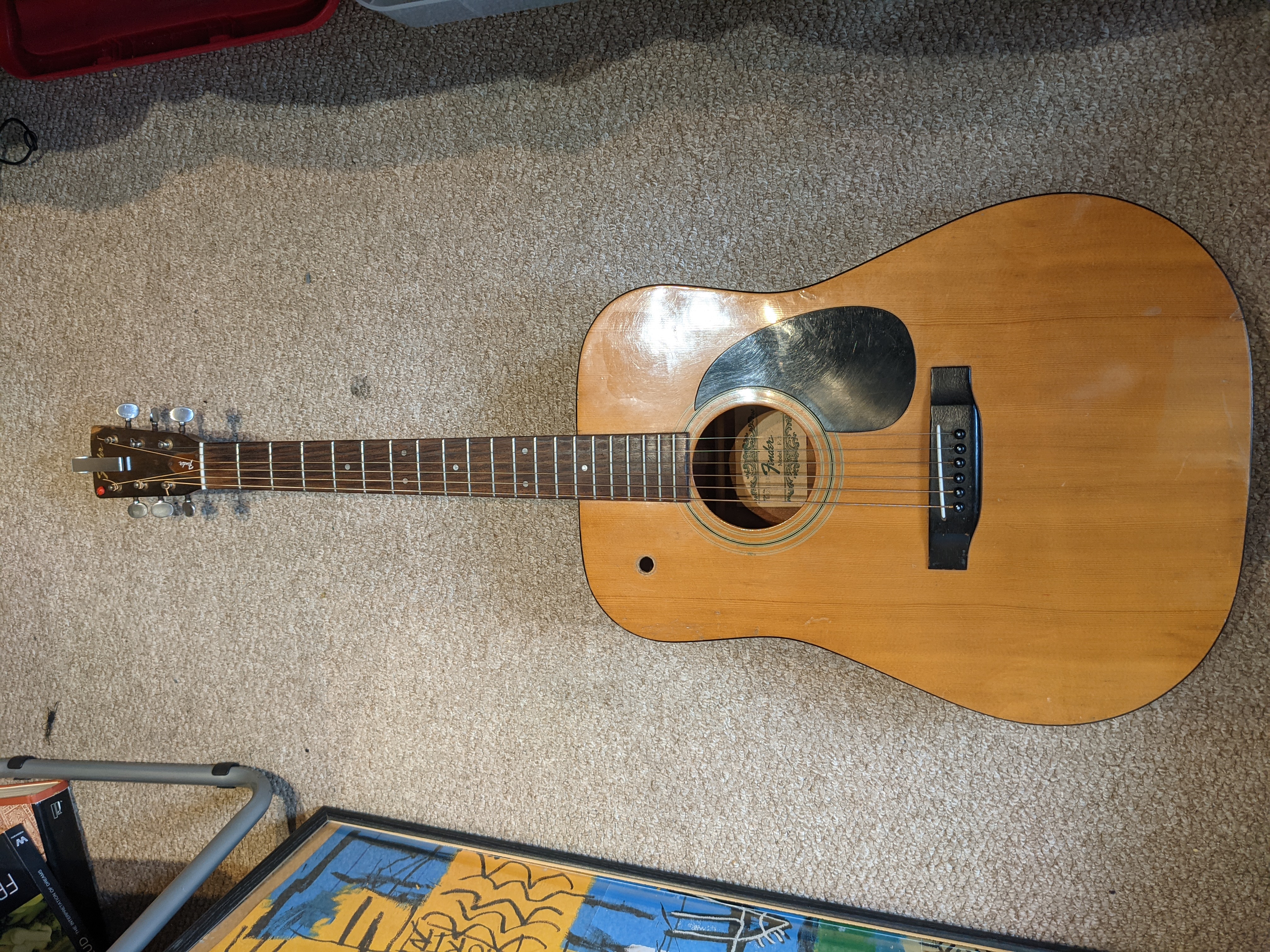
The search for entertainment quickly extended beyond Television. Interestingly, game consoles were ever popular, but lockdown sparked a renaissance in home entertainment with alternate forms of leisure being reawakened. Online Zoom quizzes became a weekly occurrence for many, whilst the price and availability of jigsaws briefly matched that of a housing boom. Board games were dug out of lofts as families returned to an almost Victorian enjoyment of pastimes. In some ways this seemed to capture the experience of the pandemic, a return to family traditions providing some degree of warmth and certainty in what had become a scary and rapidly changing world. Personally, a return to chess provided a wonderful balance between competition and socialising. Gentle conversation sometimes developing into argument, while trying to focus on the board and the detail of different moves, regardless of the outcome, a chance to get lost in thoughts and forget the outside world.
Visitor Challenge: If you could contribute one exhibit from your own life, to reflect your own experience of the pandemic, what would it be? What thoughts and feelings does it raise and why? Please do feel free to leave your comments.
Bibliography:
HM Cabinet Office (2021) National lockdown: Stay at Home.
Vizard, T. (2020) Coronavirus and the Social Impacts on Great Britain.
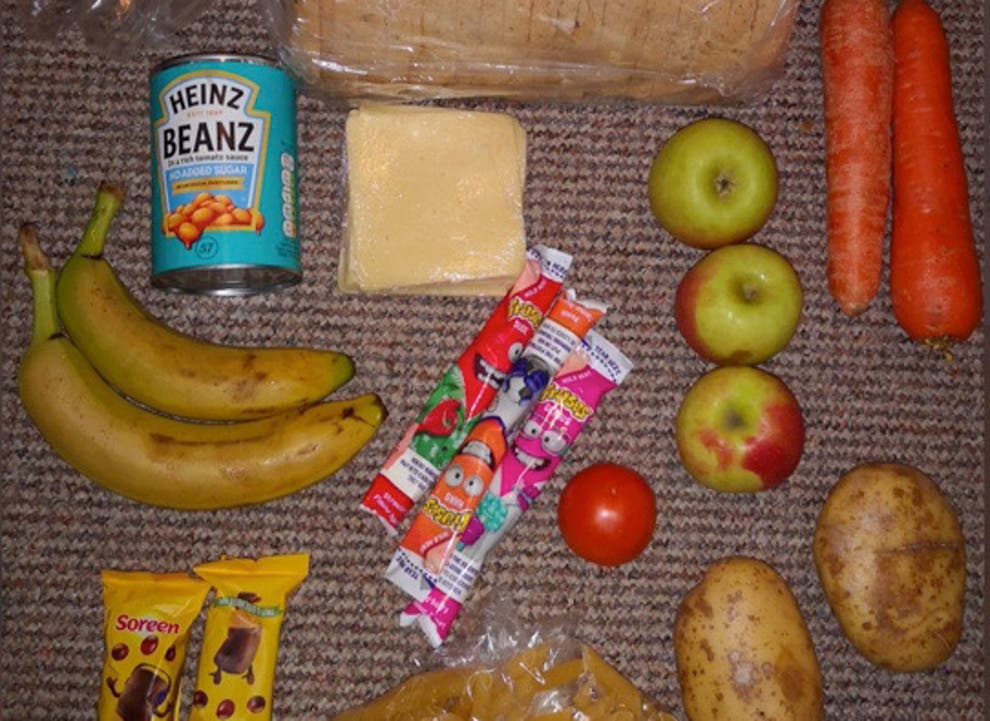 [A food parcel received by one parent during lockdown (Twitter/Roadside Mum)]
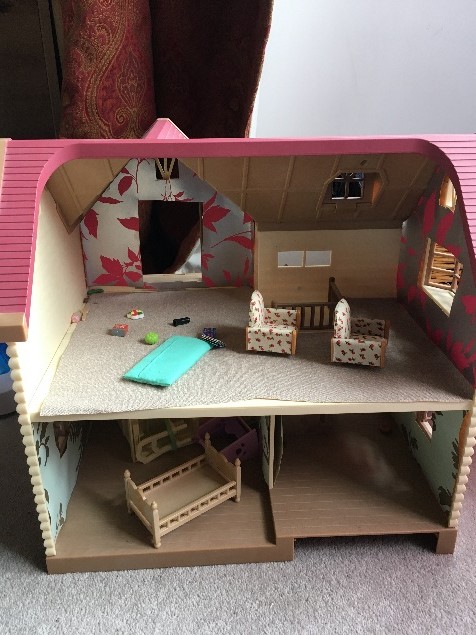
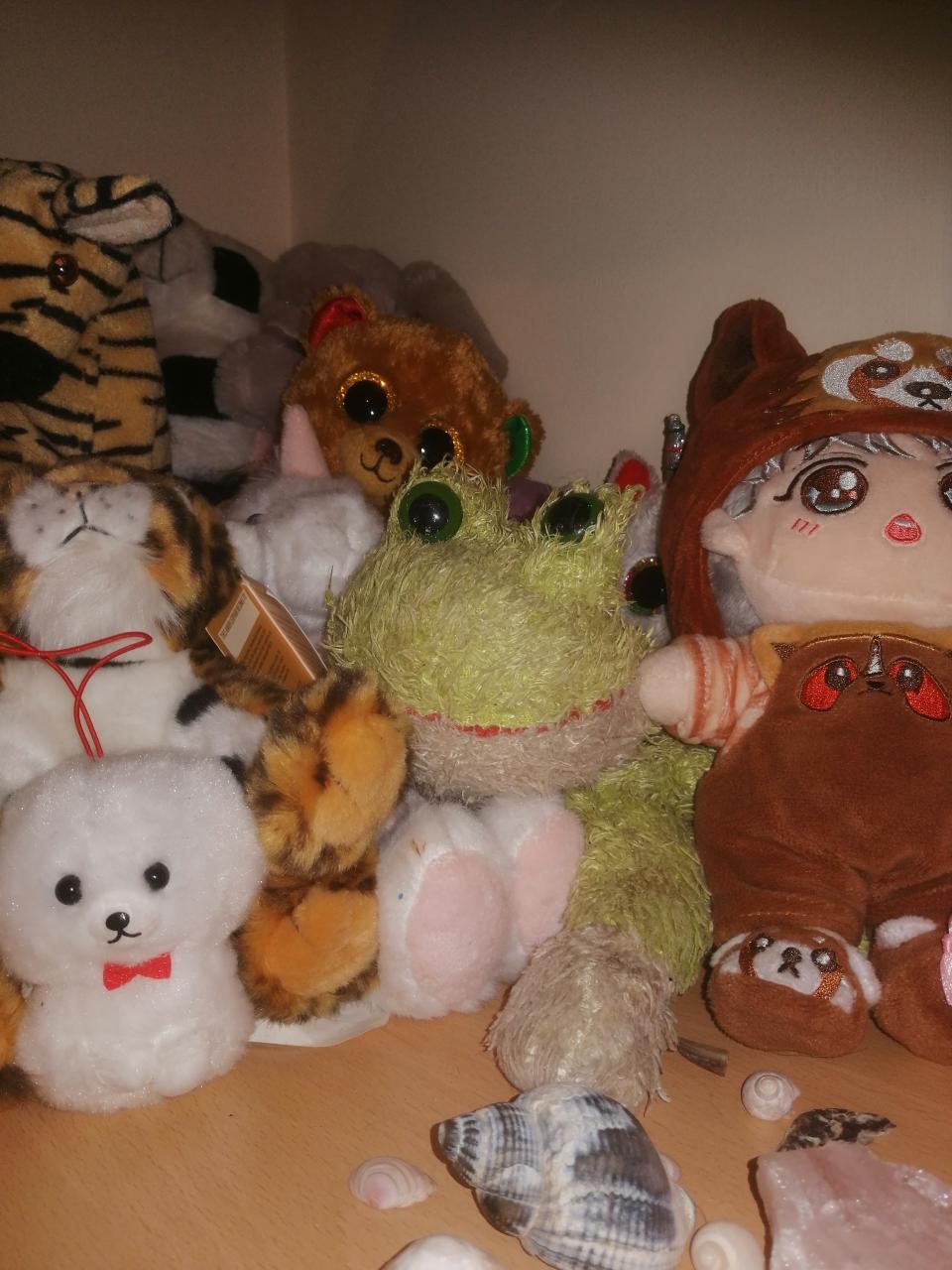 Returning home during the pandemic was an experience which I hold mixed feelings for. As the youngest of my family, my household was quick to treat me like a child again which felt rather demeaning as an adult who had already moved out and started work. However, I also see that experience as somewhat positive. I found myself quickly delving back into the interests I so deeply loved when I was young, such as anime and plushies, which I had turned away from when I first came to university as society make me believe that these interests were somewhat childish and ‘cringey’. The pandemic truly had a positive impact on my mindset and reminded me that I shouldn’t care what people think if they don’t agree with my interests, as long as they make me happy in the moment, that is essentially all that matters; especially during such a depressing and isolating period of the pandemic.
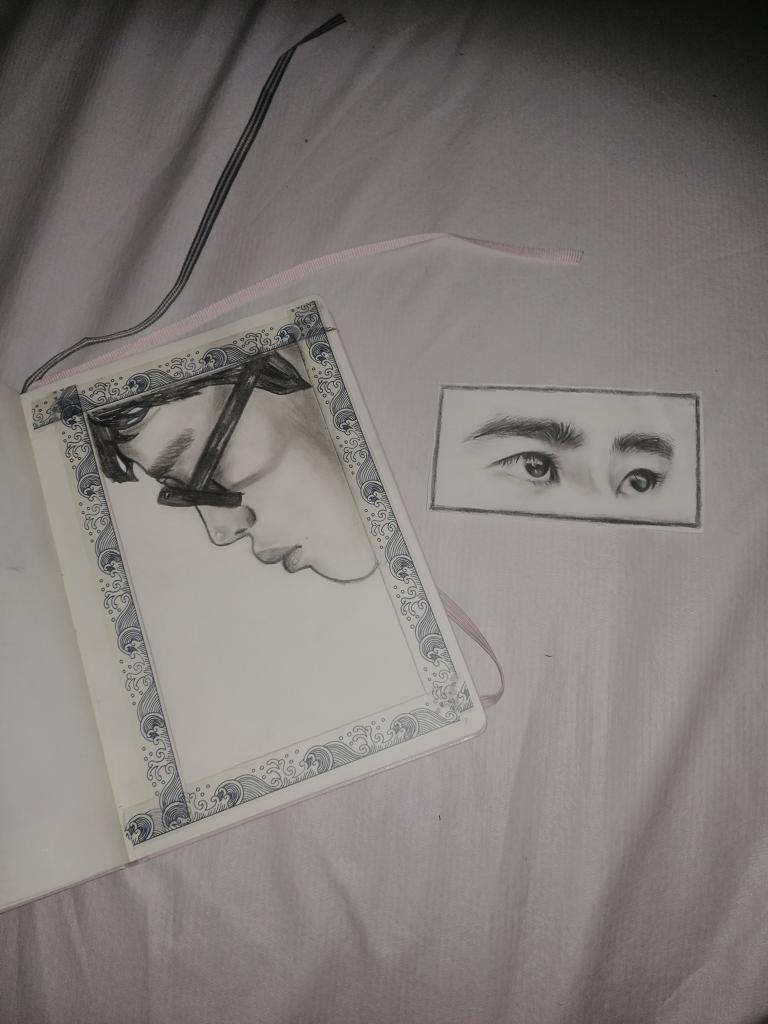 With all the new extra time that I had on my hands, I was finally able to take a break from my work and university studies. This allowed me creative freedom and time and I was able to draw again for the first time in over a year, something that I used to enjoy considerably but had mostly given up after high school due to its time-consuming nature. I was also able to pick up new hobbies that I had been wanting to try for a long time, such as needle felting and sculpting clay. I will admit, both were quickly dropped once the work piled up again, however, I am still immeasurably glad that I was able to at least practise and use mediums which I had been dying to try for years. It also taught me to use my time well in order to keep my hobbies alive, and perhaps practise more this summer even after the pandemic has lifted most of its restrictions.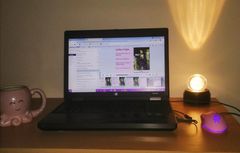
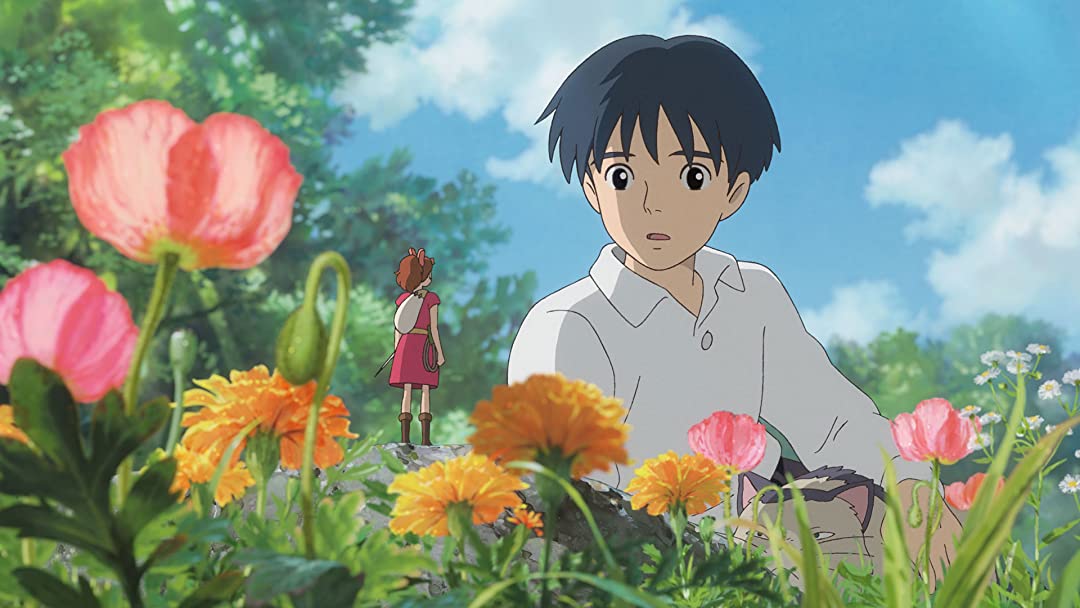 [The Secret World of Arrietty 2010]
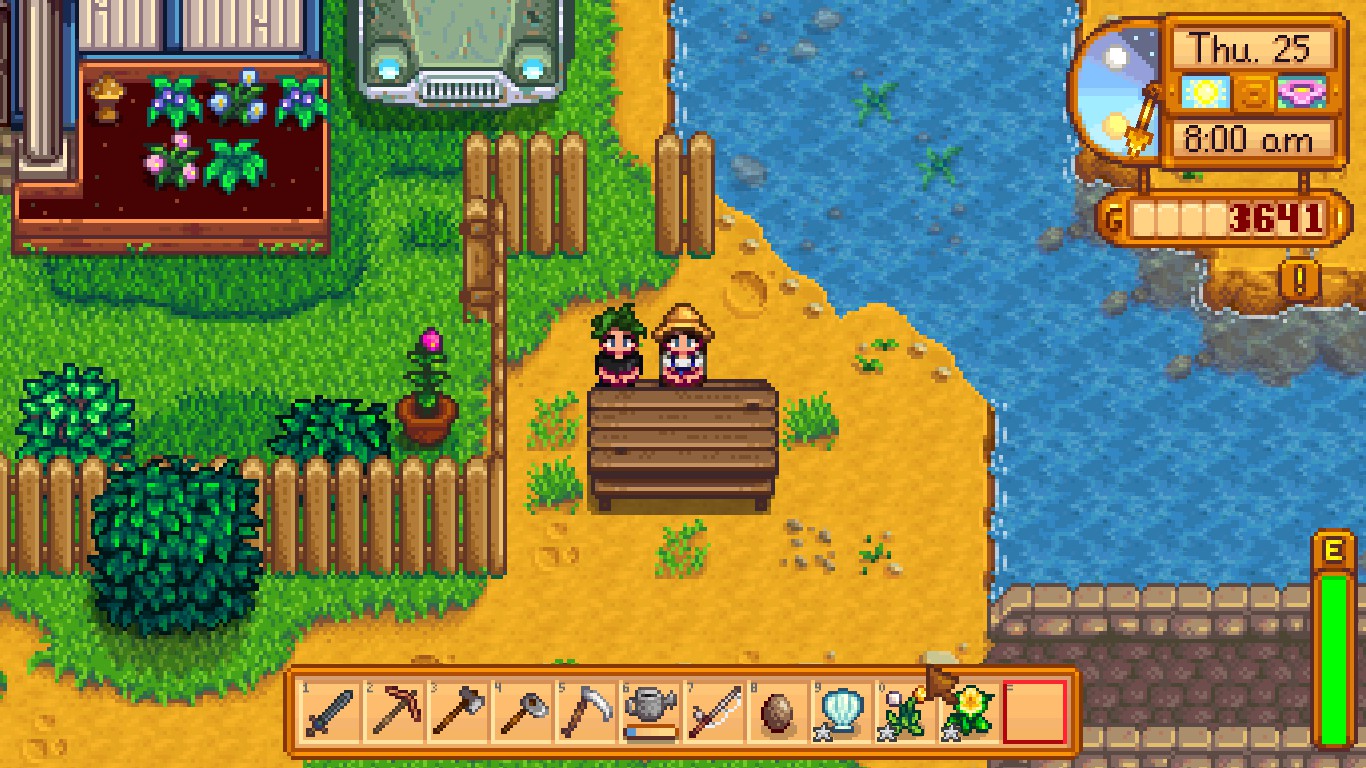 Keeping in contact with my friends was something I also struggled with due to my depleting mental health, however, through the power of the internet, I was able to keep my sanity and spend my nights on video calls with them. Sometimes even just mindlessly sending random pictures to each other as we had nothing to say but still needed the company. Some of my fondest memories that I made while at home during the pandemic were playing games with my friends, in particular Stardew Valley. However, on days when we felt unmotivated to even play a game as simple and wholesome as Stardew Valley, we opted to watching childhood comforts like Adventure Time together on Teleparty, a site where we could comment and react on the scenes together. It was almost as if we were watching and talking about it in person like we used to pre-pandemic.

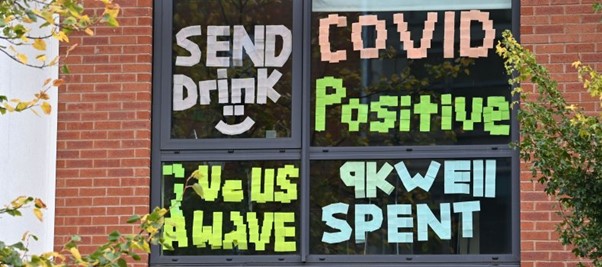
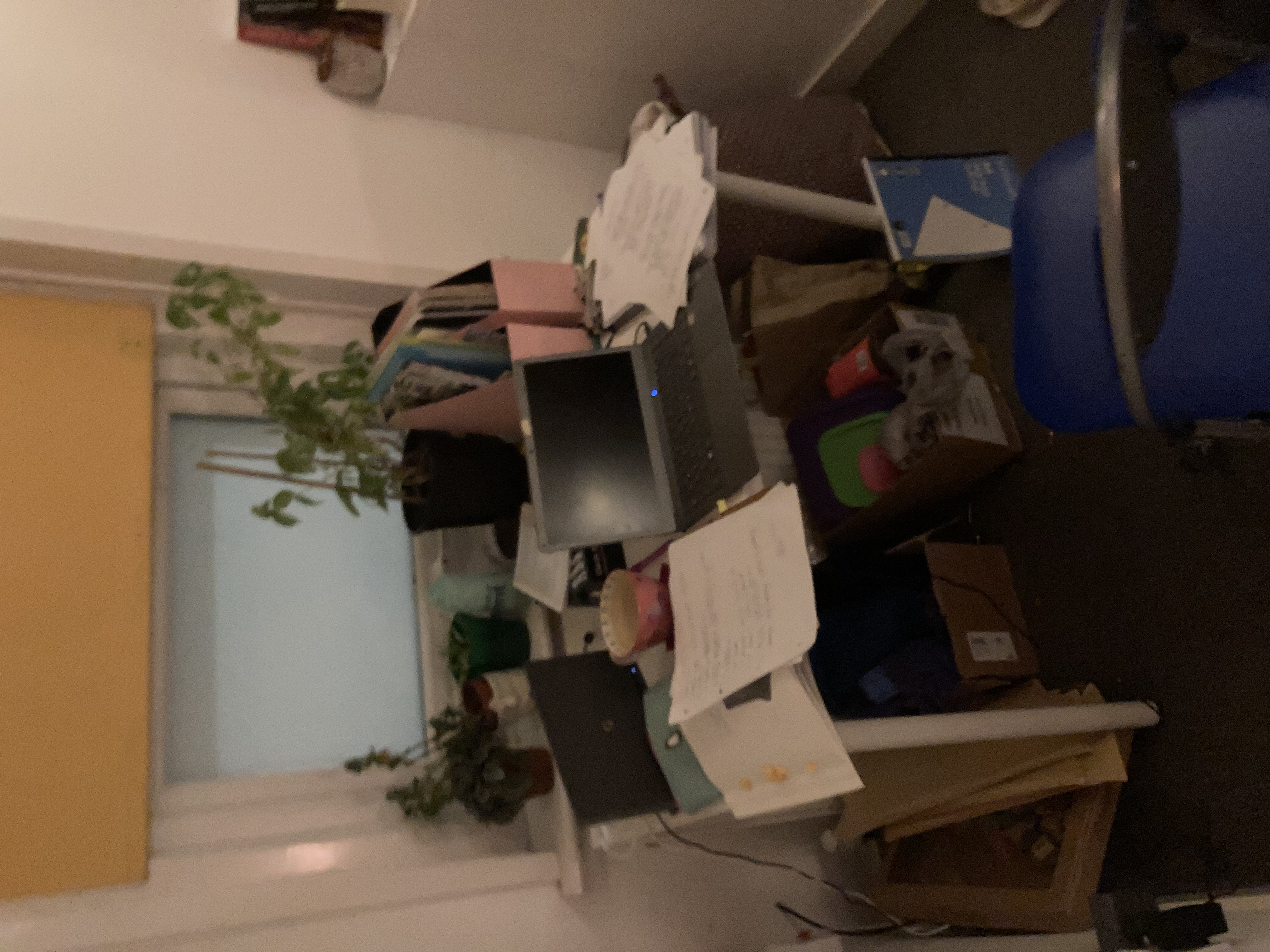
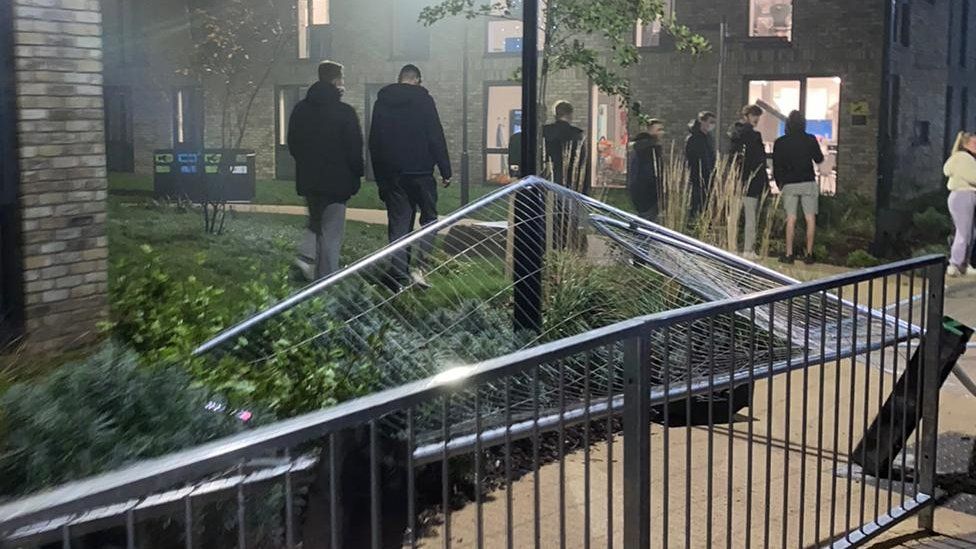 Perhaps one of the most shocking and definitive stories of campus during COVID 19 is the putting up of metal barriers around halls at the University of Manchester in November 2020. Students who already felt isolated in their campus accommodation now were being fenced in by the university. Pictures of these fences shocked people across the country. Here, students are being treated as untrustworthy people that need to be controlled rather than vulnerable people who are in an unfamiliar city, many of them far from home, who are just trying to access the place they are living in and make the most of their first year of university. The university itself maintains that these fences were put up not to keep students from entering or exiting their accommodation, but instead prevent passers by from entering. However, students were not informed of these measures before they were put into place, and report feeling trapped.
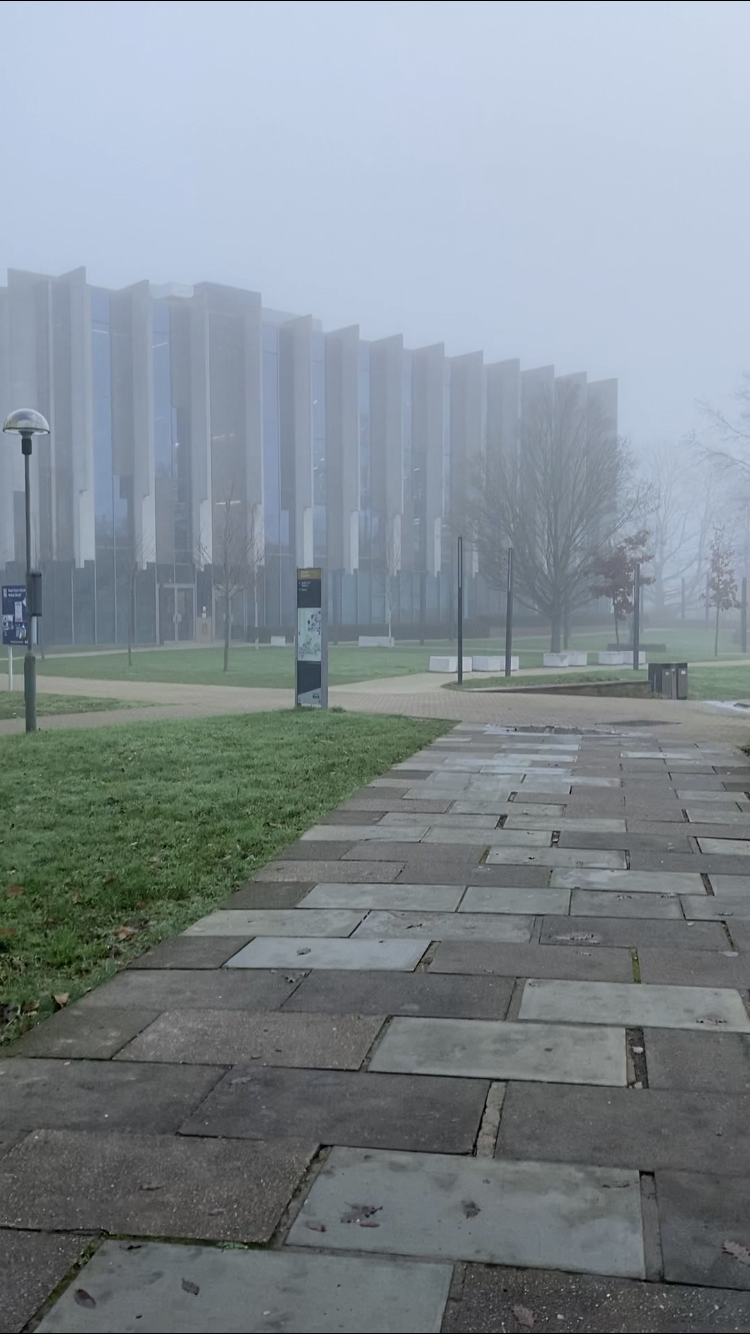 This is a picture from the last time I have been to my university campus, at the start of December 2020. My housemates and I had walked up to get a Covid-19 test so we could go home safely for the Christmas break. The campus which had just earlier that year been buzzing with activity was eerily quiet and has stayed that way for months.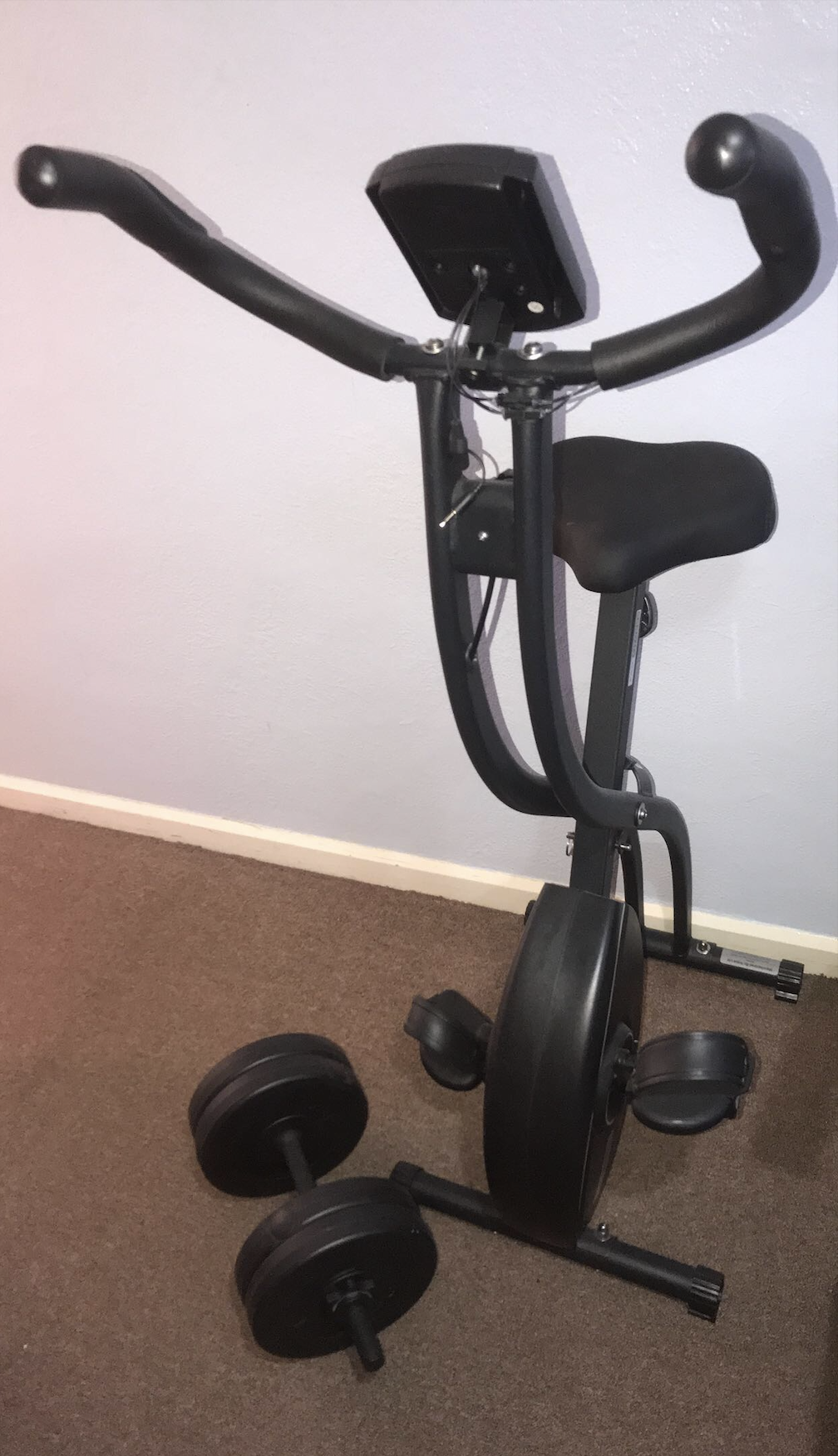
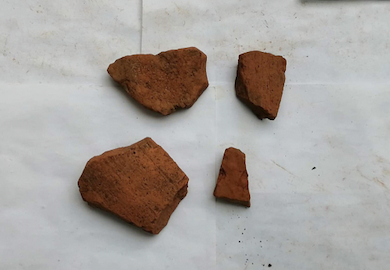
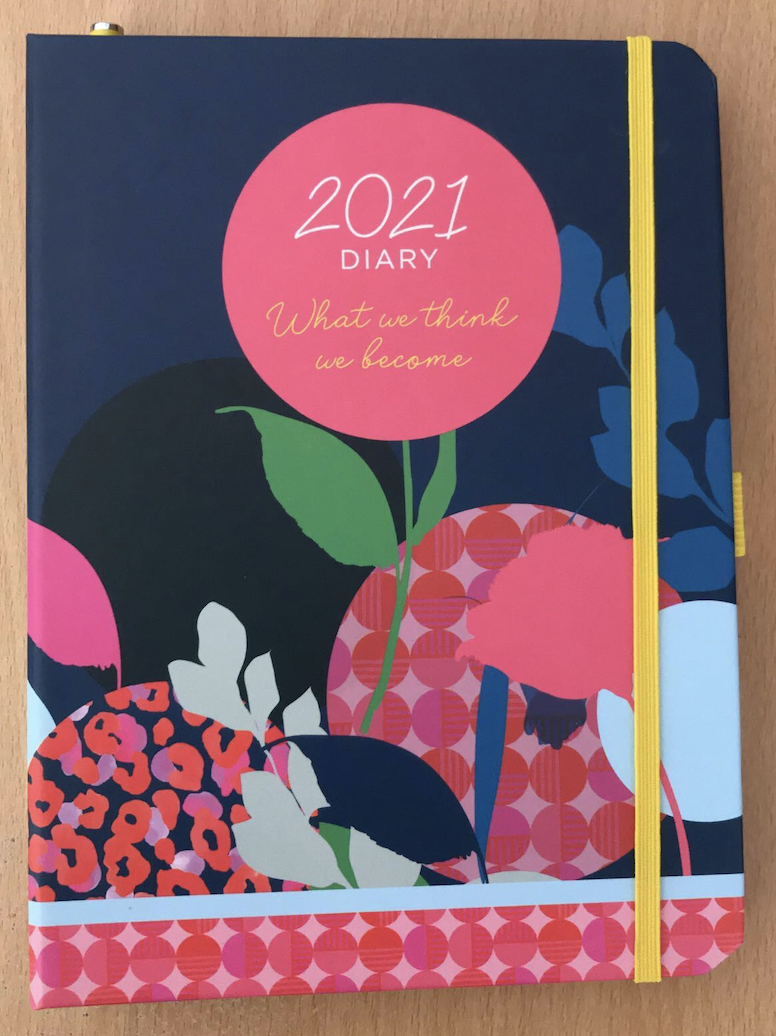
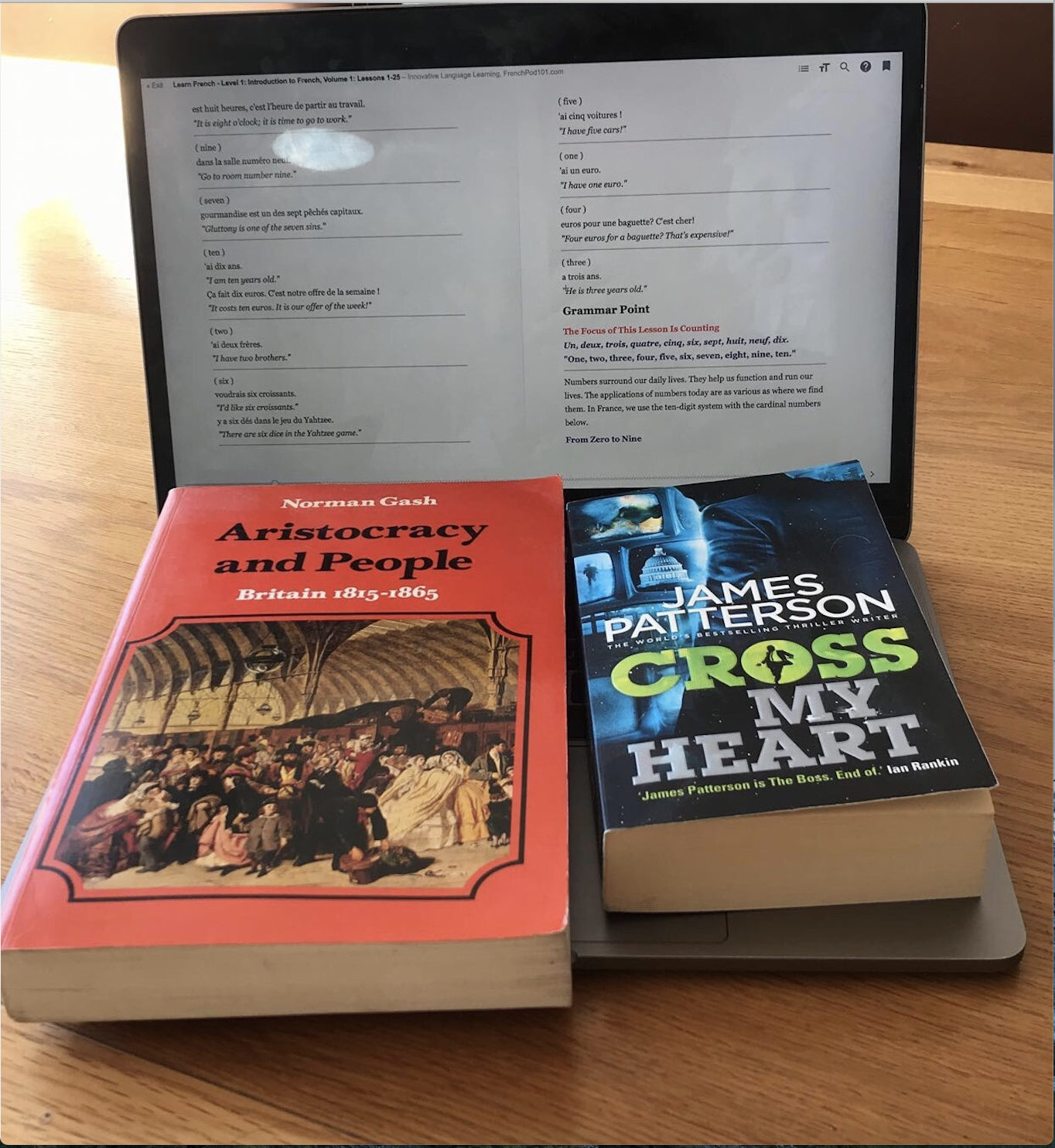
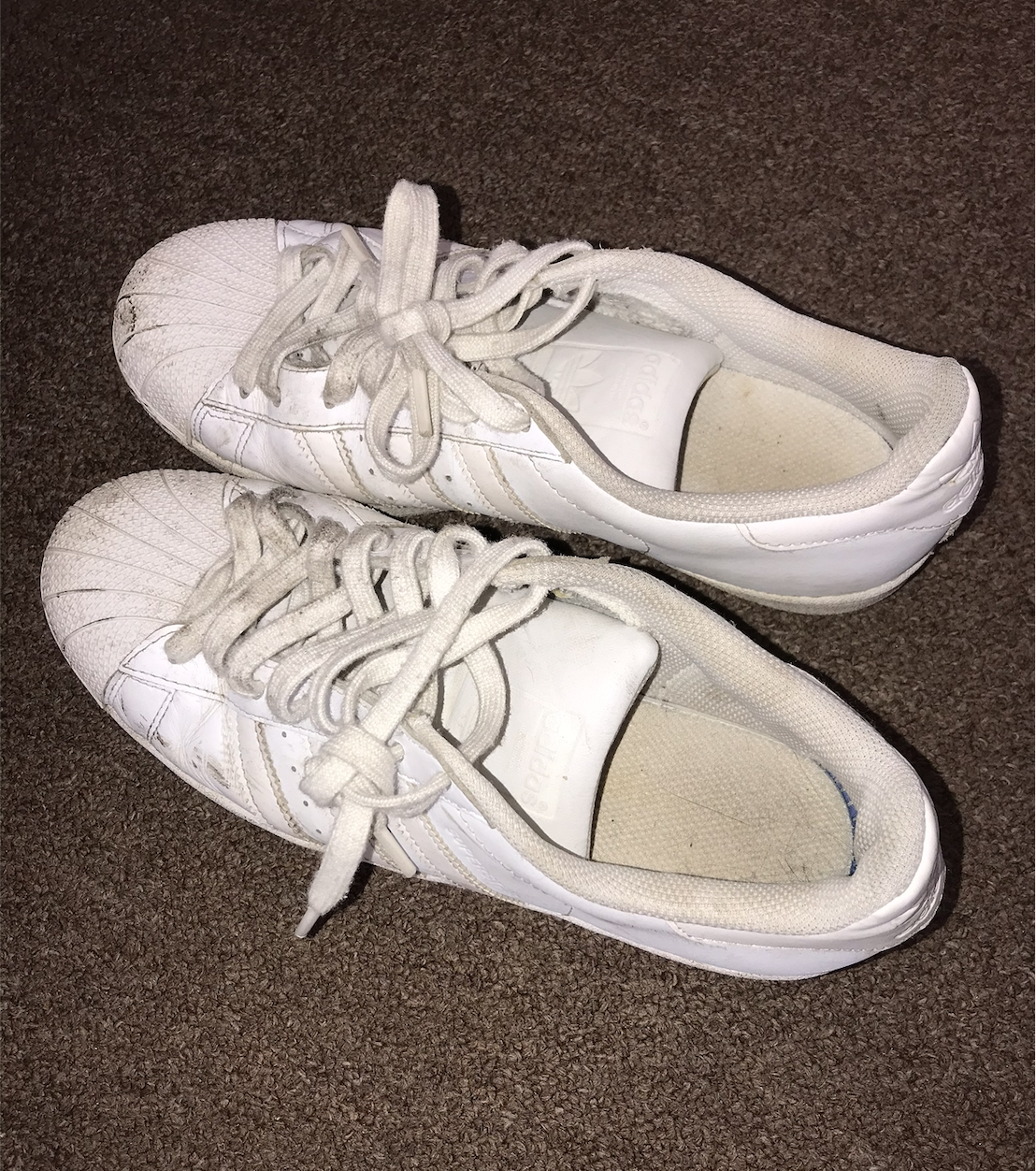
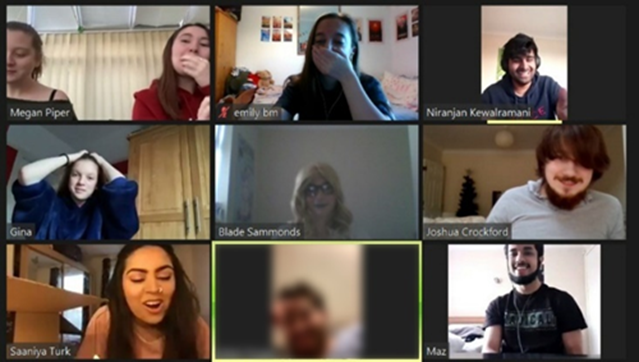
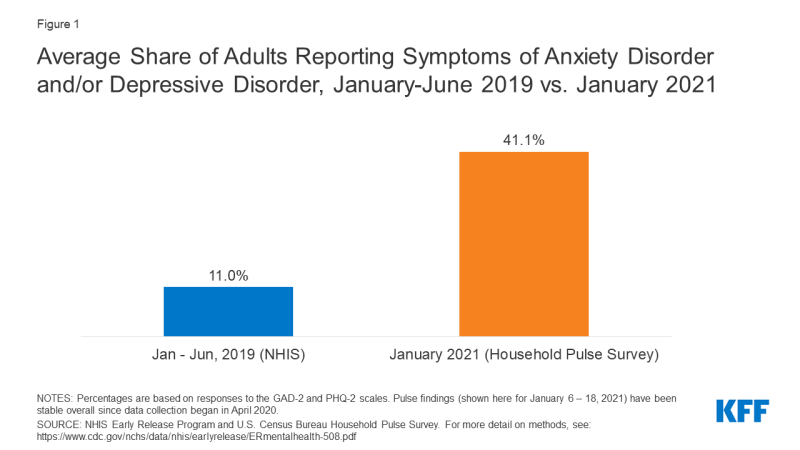
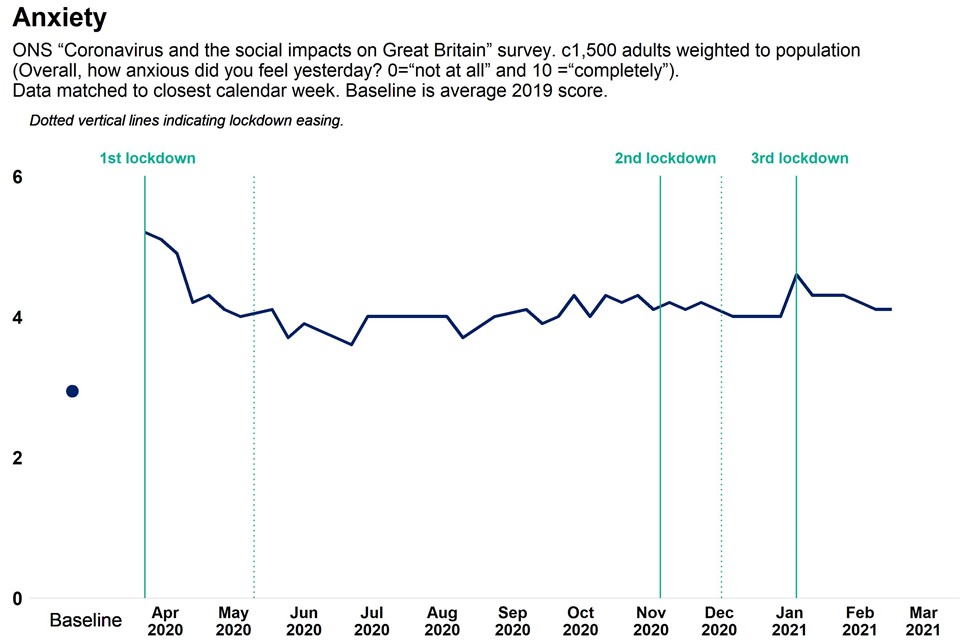 Figure 1: A chart detailing the increase of anxiety in the general public during the Coronavirus pandemic in the UK 2020-2021, credit to Public Health England
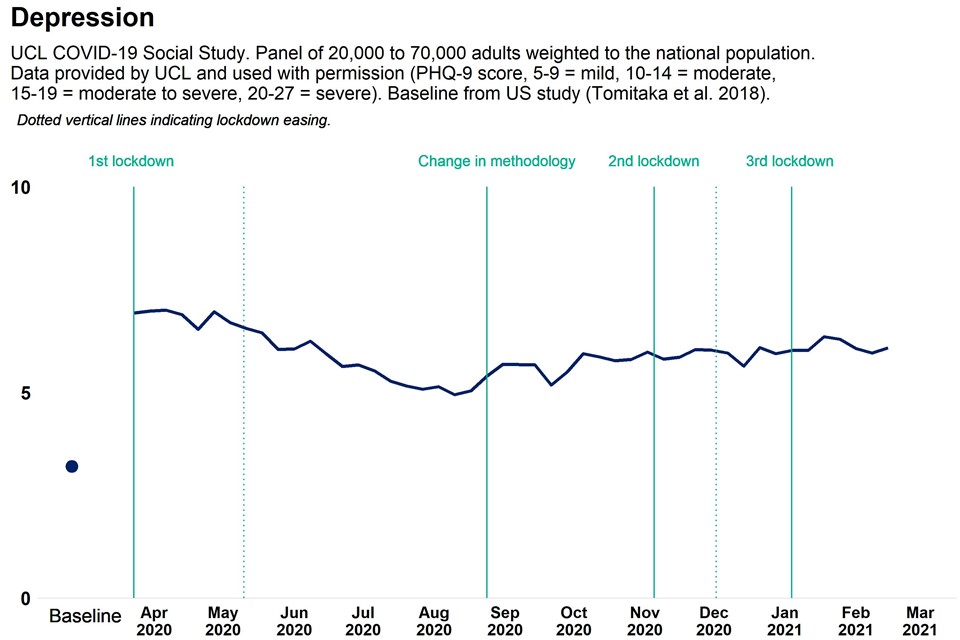 Figure 2: A chart detailing the increase of depression in the general public during the Coronavirus pandemic in the UK 2020-2021, credit to Public Health England
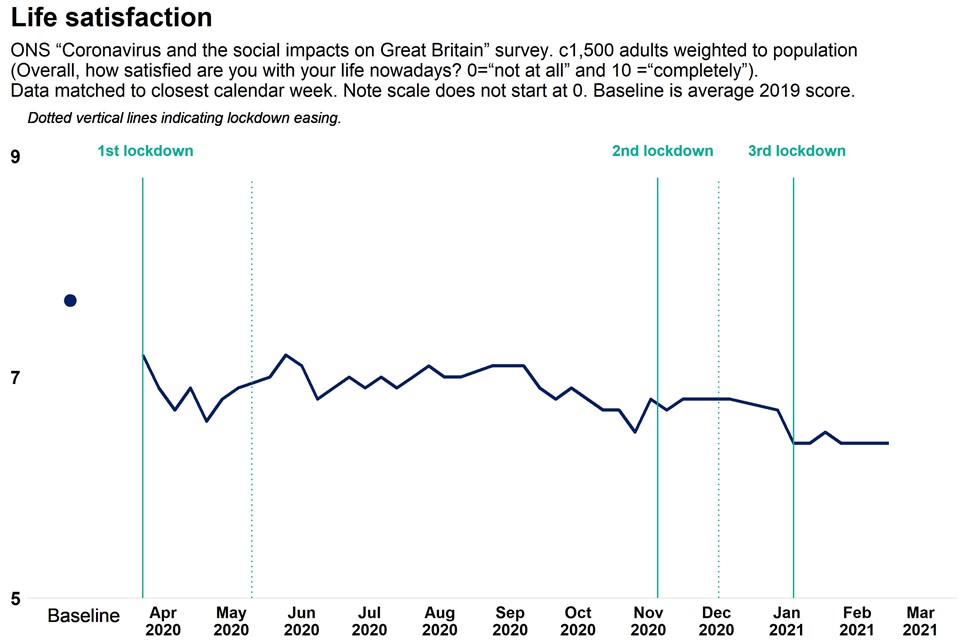 Figure 3: A chart detailing the decrease of life satisfaction in the general public during the Coronavirus pandemic in the UK 2020-2021, credit to Public Health England
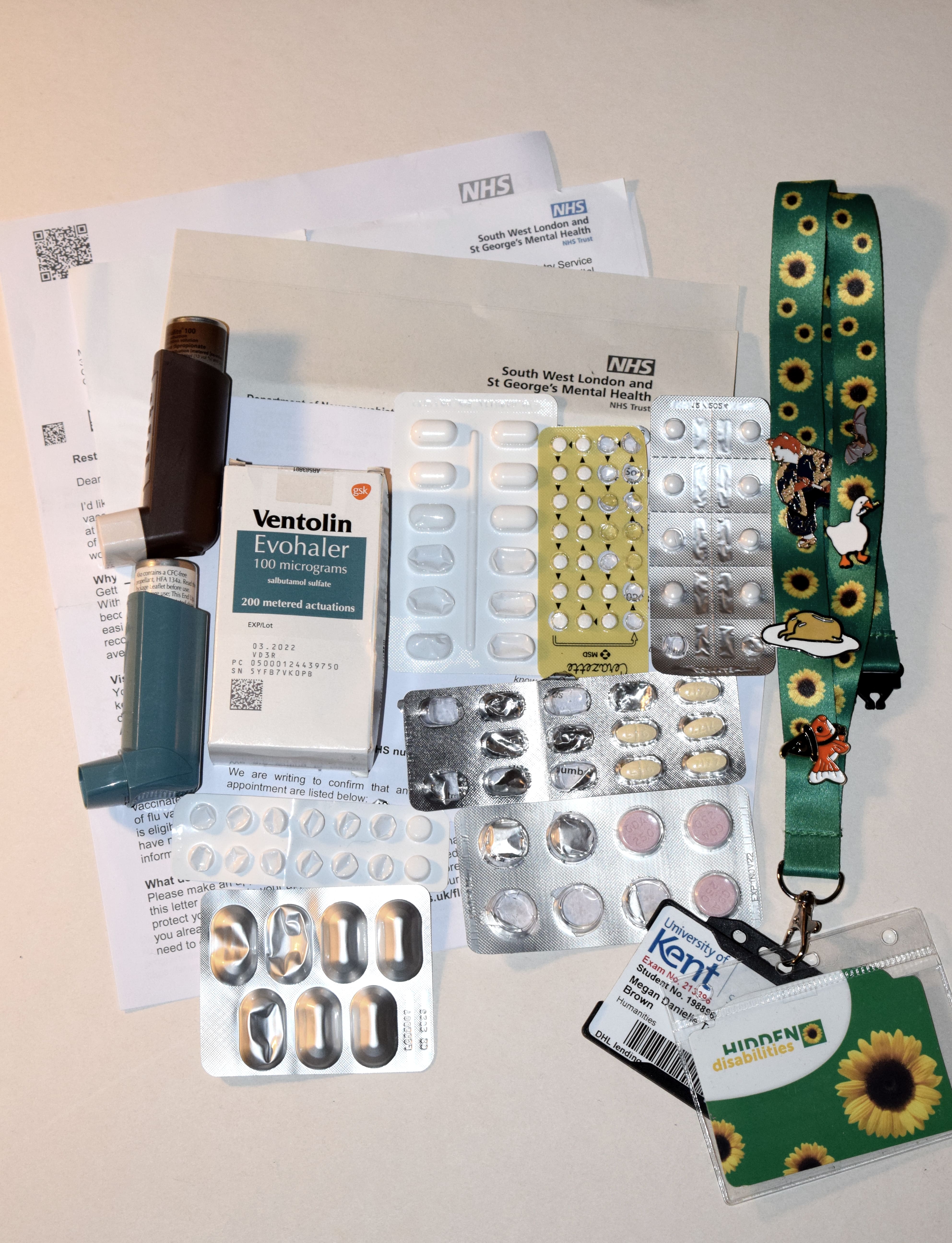 My worries about covid are another set of anxieties to be added to my growing list of medical fears. As a chronically ill person, one who is so very vulnerable to the virus, I have pretty much constant fear that someone will give it to me accidentally. During the first lockdown, I found myself dreading going outside, any more than ten people, and I feel like I’d panic; it is a horrible feeling. This fear of going outside and potentially getting the virus is shared amongst the chronically ill and disabled community, especially when figures from The Health Foundation suggest that out of every ten who die of covid, six of them are disabled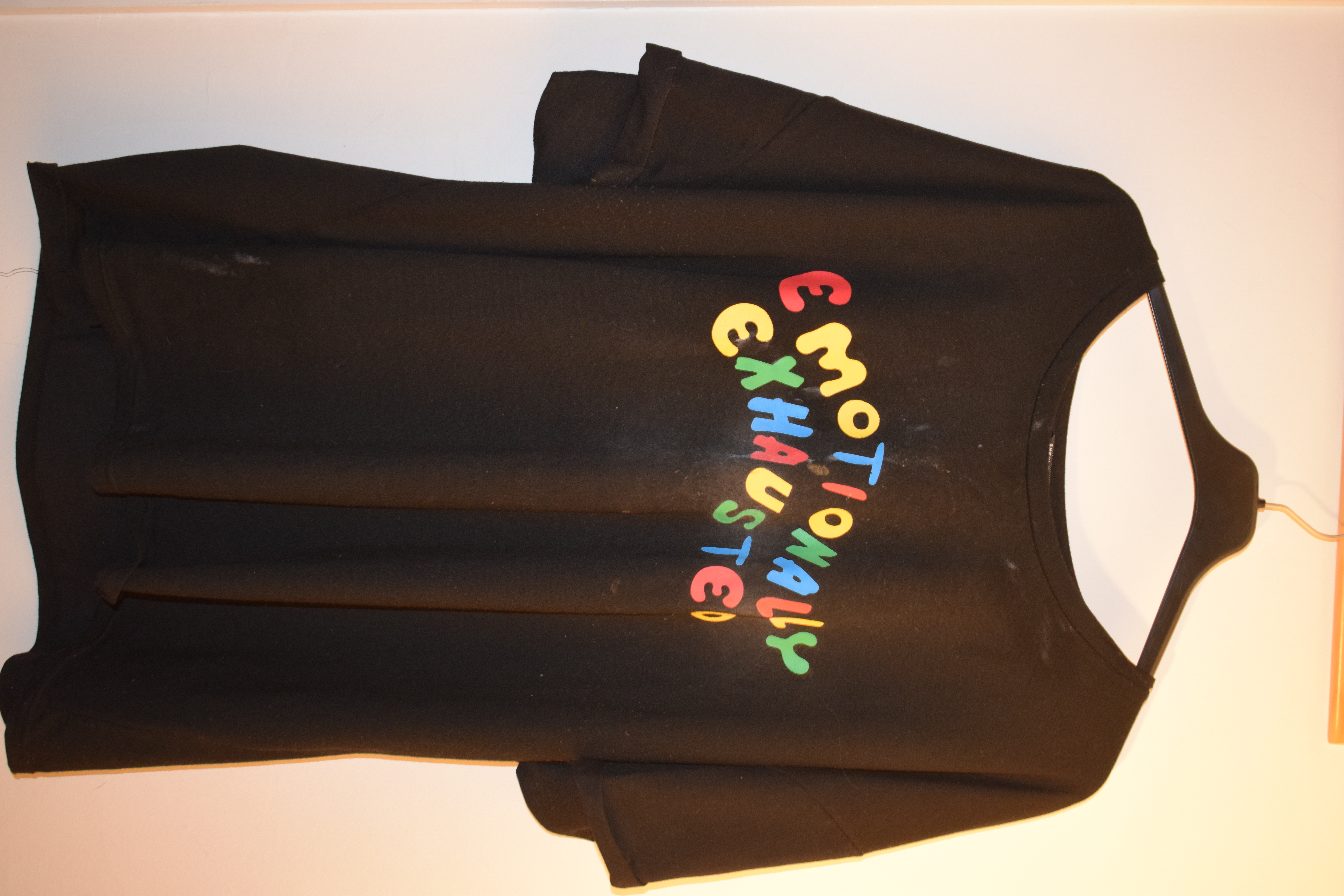
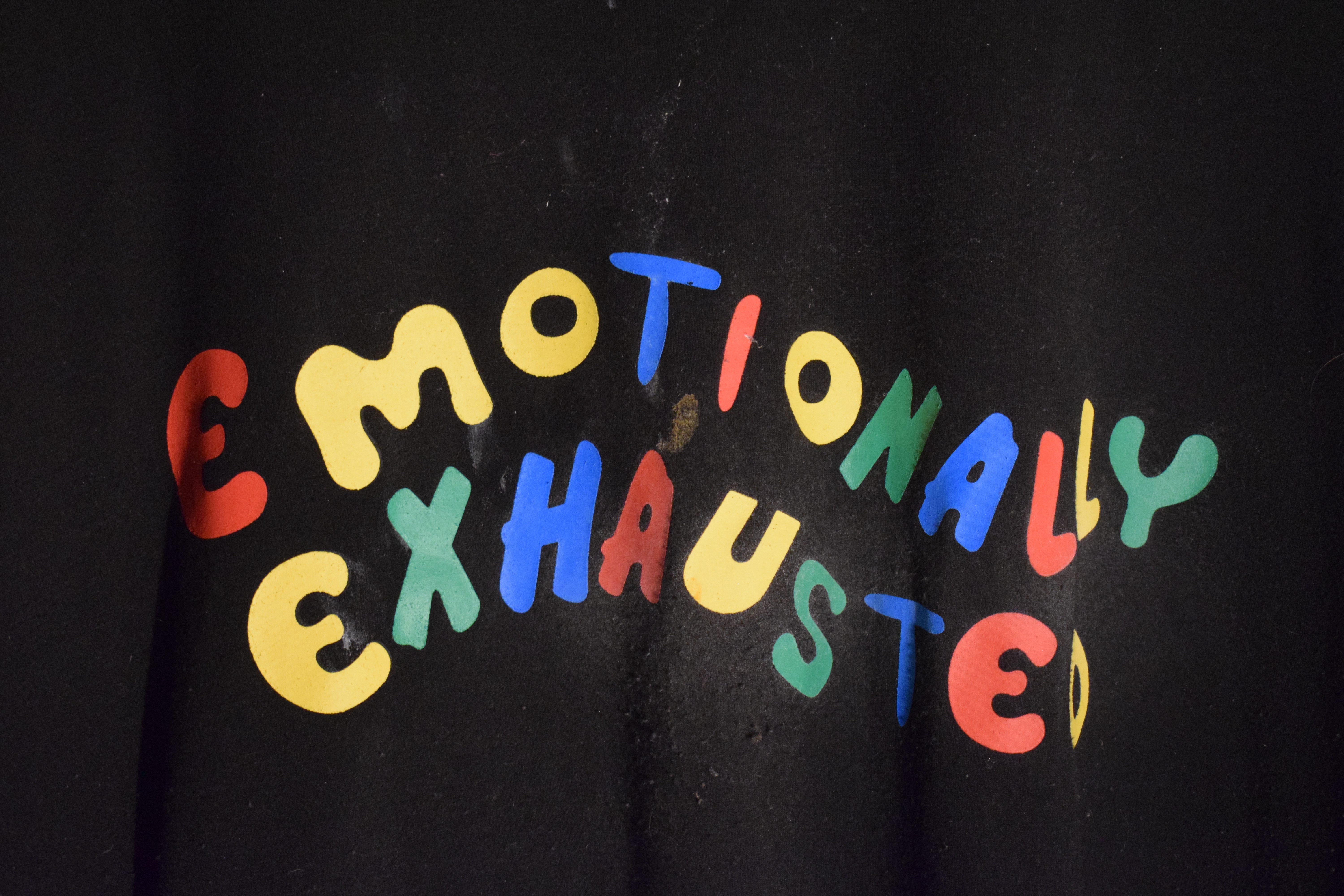
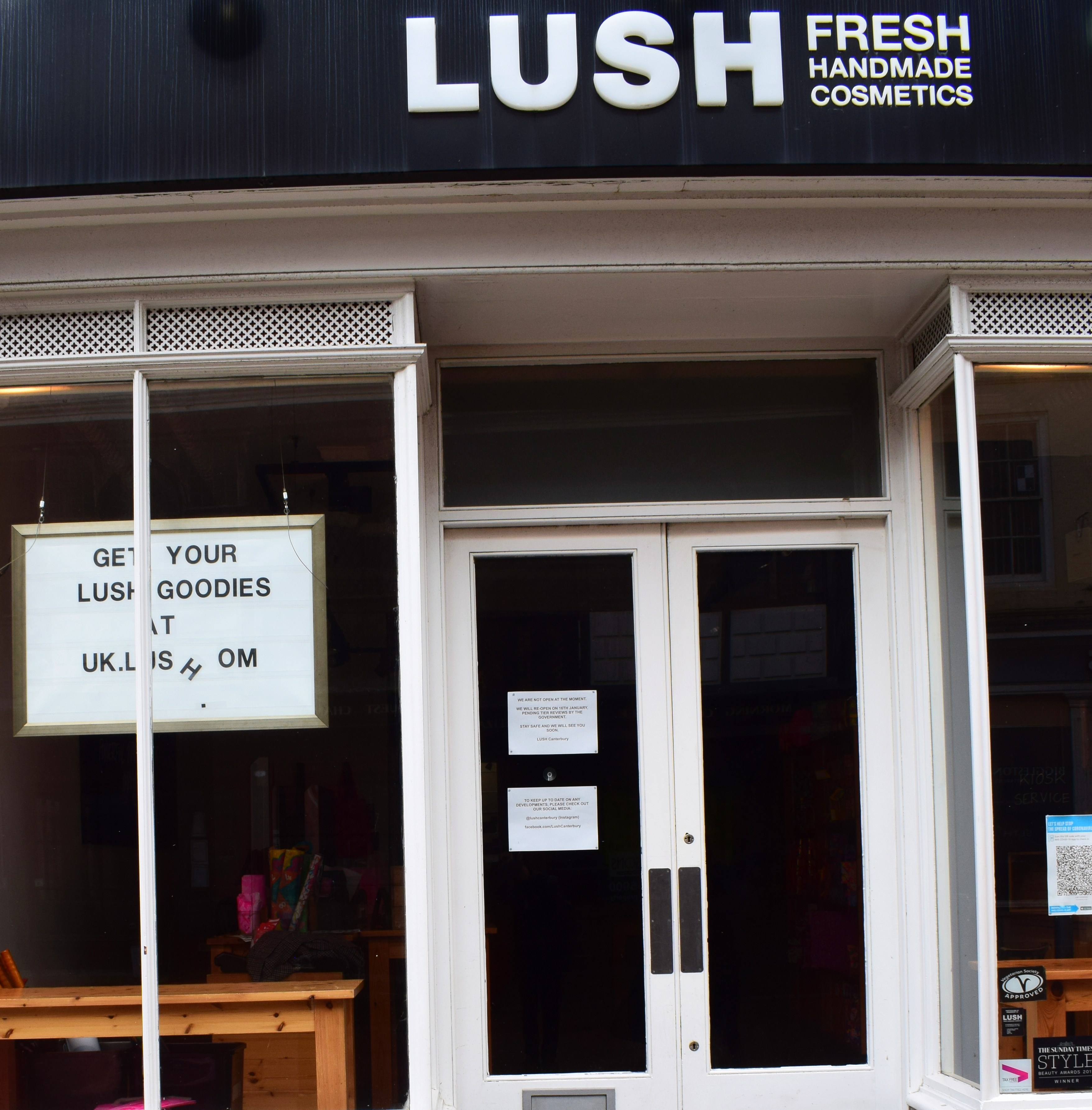
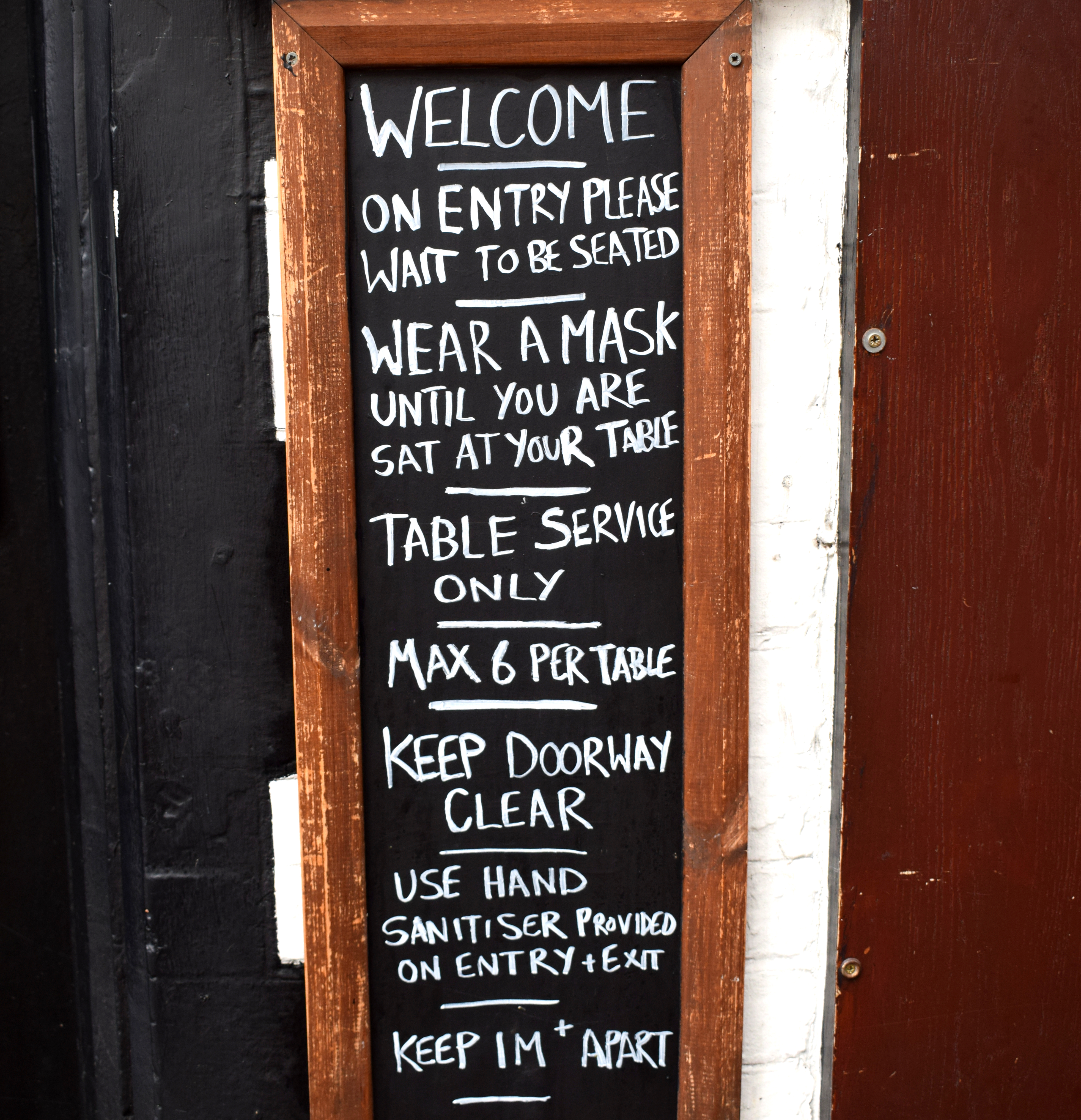
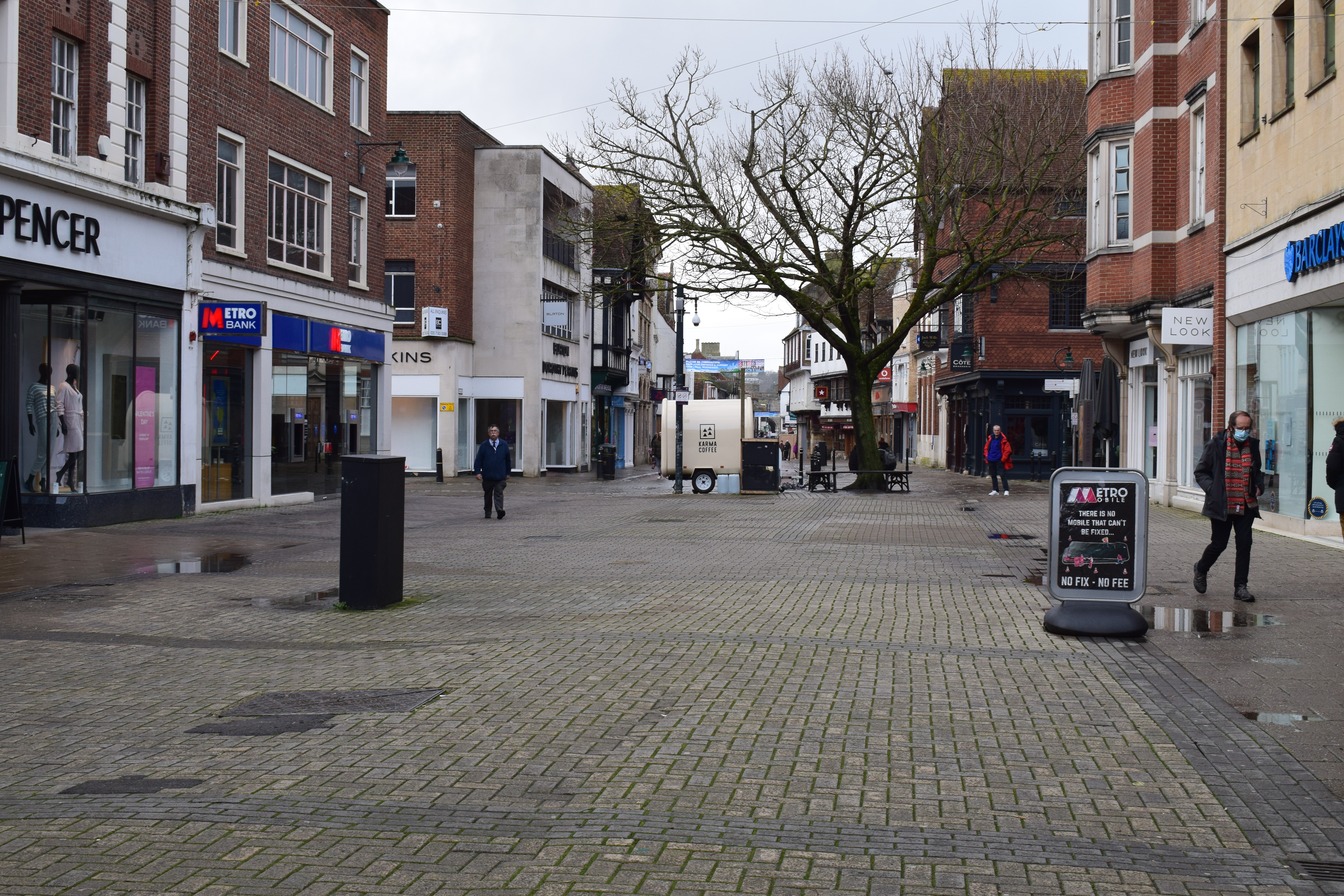 The rules enforced by the government when Canterbury was in tier 2 are still on display outside of The Lady Luck. All the rules about not mixing households, keeping at least 1+ metre apart, really made socialising freely incredibly difficult. There is a constant reminder that you need to be careful, follow the rules, and be wary of even your friends if they are carriers of the virus. It is entirely correct to do so. However, I miss how things used to be. While it is incredible that shops are opening again as lockdown restrictions ease, that sense of being carefree has vanished. I’m so weary of going out that it takes away the fun of mindlessly browsing the shops or going to grab a coffee. These activities used to be one of my favourite ways to meet friends, and now they fill me with underlying anxiety: what if it all goes wrong? These worries are not individual to me. In a recent poll from IPSOS Mori
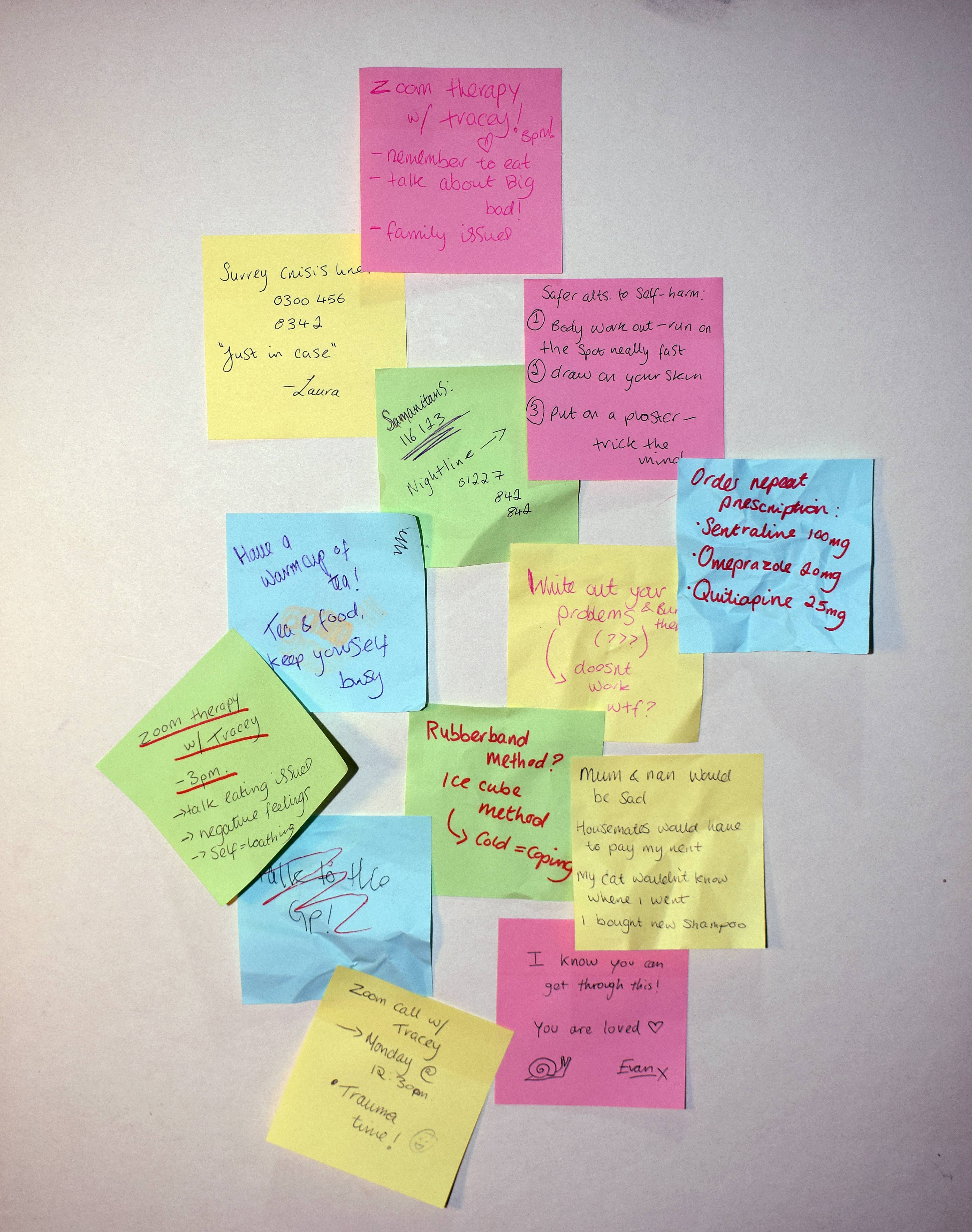 These are a collection of notes I’ve made during the lockdown. They show the advice I was given from helplines, reminders from my boyfriend, and why I should stay here. Coping methods, a mix of ones I knew previously and one’s volunteers from mental health helplines have given me. I’m not the only one who has sought help in this manner. According to The British Journal of Psychiatry’s research paper, ‘Mental Health and Wellbeing During the Covid-19 Pandemic