
Living in shared accommodation is a big part of uni life – you’ll meet new people, have fun, and share experiences, but you’ll also need to get used to different habits and routines. The good news is that a few simple house rules can make it much easier, so here are some tips to help.
When to decide house rules?
The best time to agree on house rules is in the first couple of weeks after moving in. The first week is all about settling in – unpacking, finding your way around campus, meeting new people, and making the most of events and nights out. It’s better to let friendships form a little before jumping straight into rules.
Week two is the sweet spot. By then, you’ve started to notice little things (like who leaves mugs in the sink or who takes ages in the shower), but it’s still early enough to set expectations before habits get too fixed.
How to go about establishing house rules?
No one likes awkward conversations or being seen as bossy, so keep it casual. Instead of calling a formal “meeting,” bring it up over dinner, a takeaway, or even in the group chat. That way it feels friendly and collaborative, not strict.
For example, you could suggest:
“How about a pizza and planning night? We could set up a cleaning rota and agree a few house rules, just to make life easier. Plus, I’ll take any excuse to design a rota!”
Framing it as a way to keep things smooth (rather than laying down rules) makes everyone more likely to join in.

Cleaning rota
Cleaning isn’t anyone’s favourite task, but it has to be done. A rota is the fairest way to make sure everyone does their bit with jobs like hoovering, emptying the bins, or cleaning the bathroom. This avoids one person always doing the hard work – or worse, nobody doing it at all.
If cleaning a whole room feels like too much, try breaking it down. Make a list of chores for each room (kitchen, bathroom, living room, etc.) and give each person two or three small jobs a week. This way, the cleaning gets done in small, manageable steps throughout the week.
It’s also worth agreeing on small things outside of the rota. For example, if the bin is full, take it out straight away rather than leaving it for “the next person.” Rubbish can build up fast (especially during Welcome Week), and small actions like this keep things running smoothly.
Example rules:
- Kitchen counters and hob must be wiped down after cooking.
- Rubbish must be taken out as soon as the bin is full.
Shared spaces
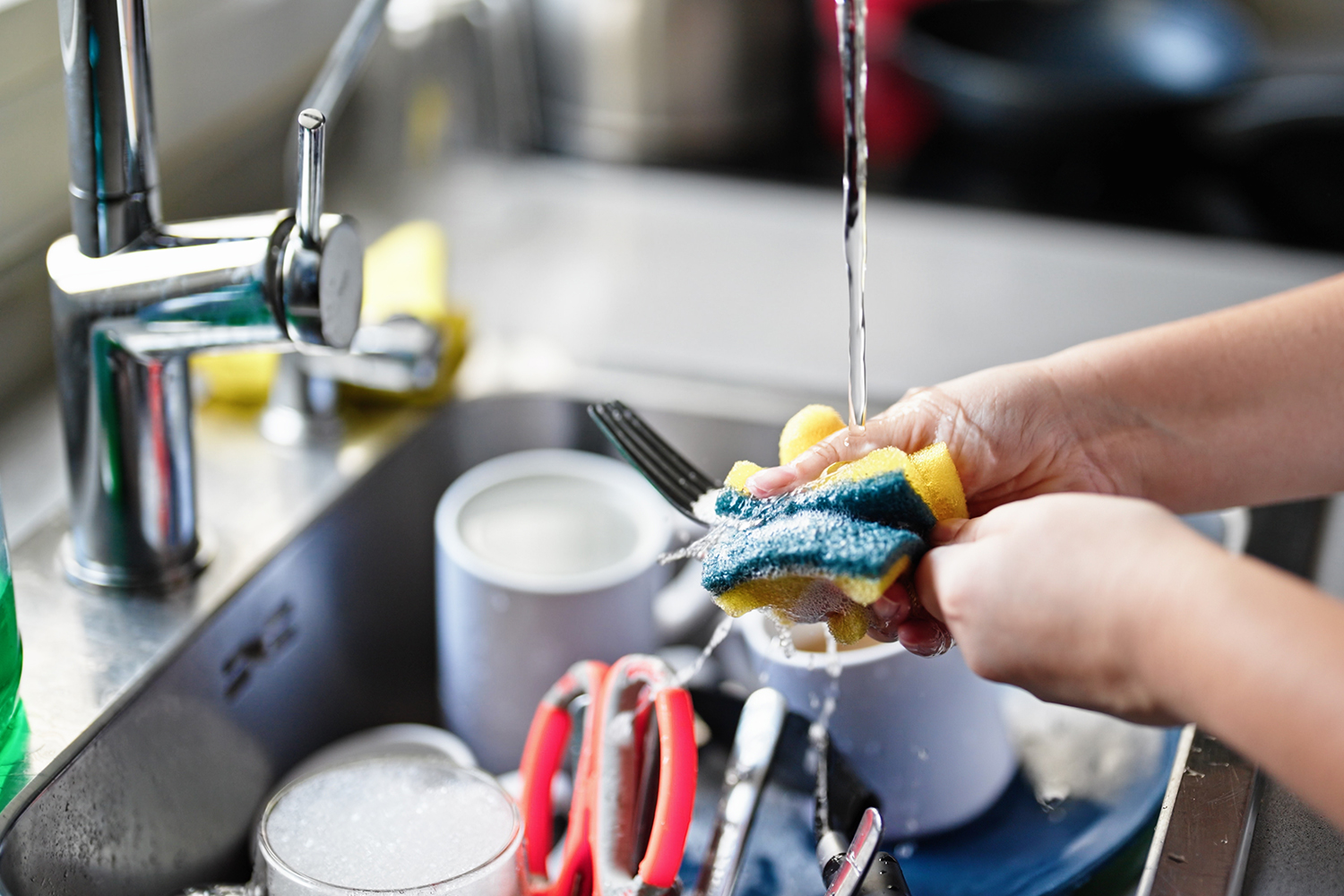
Shared areas like the kitchen, bathroom, and living room are for everyone, so it’s only fair to keep them tidy. Washing up soon after eating, wiping down the hob, or putting takeaway boxes in the bin might sound obvious, but it makes a huge difference.
Bathrooms can easily become a frustration point too. Keep showers to a reasonable length if people are waiting, and don’t leave empty shampoo bottles or loo rolls lying around.
Example rules:
- Dishes must be washed within 2 hours of eating.
- Max shower time: 15 minutes in the morning if someone else is waiting.

Noise
What feels like “normal” volume to you might feel loud to someone else. You’ll probably all have different schedules – one person might have 9 am lectures while another is working late shifts. To keep the peace, agree on quiet hours (usually late evenings, overnight, and early in the morning).
That doesn’t mean you can’t have fun. You might decide on certain times when music and socialising are fine – just make sure everyone’s happy with it. And if you’re blasting your favourite playlist, gaming, or on a long phone call, it’s always worth checking if housemates can hear it through the walls
Example rules:
- Quiet hours: 10 pm – 9 am (Sunday – Thursday).
- Music, TV, and gaming after 10 pm must be through headphones.
- Parties must be agreed on at least 5 days in advance with all housemates.
Visitors
Having friends or partners stay over is a normal part of student life, but it helps to set some boundaries. Check with your housemates first, let your college reception know, and remember you can’t leave guests alone in the house or give them a key. It’s best to avoid overnight guests during Welcome Week so everyone has time to get to know each other.
You might also agree on a limit for overnight stays and use your group chat to let housemates know when someone’s coming over. And don’t forget – your housemates live there too, so don’t expect them to leave the living room every time you have visitors, and try not to invite big groups without notice. A little consideration makes things easier for everyone.
In addition, the university offers bed-and-breakfast guest accommodation all year-round – perfect for friends, family, or partners visiting campus, so you don’t have to squeeze everyone into your room.
Example rules:
- Let everyone know in the group chat at least 24 hours in advance if a guest is staying.
- Guests must not be left alone in the house.
- Guests cannot stay more than 3 consecutive nights without group agreement.

Food and drink
Food is one of the biggest causes of arguments in shared houses. Decide early whether you’ll shop separately or share basics like milk, bread, tea, and coffee. If things are separate, use different shelves and cupboards to avoid confusion.
A golden rule: if you didn’t buy it, don’t eat it. Accidentally finish someone’s milk? Replace it quickly. Small gestures like that stop bigger fallouts.
Example rules:
- Each person gets one fridge shelf, one freezer drawer, and one cupboard.
- Shared items: milk, tea, coffee, oil, salt, pepper. Everyone contributes £2 per week.
- Borrowing food without asking is not allowed. If it happens by accident, replace within 24 hours.
Personal belongings
Respecting personal space is key to happy living. Keep your things in your room – no one wants to trip over someone else’s laundry basket or shoes in the hallway!
If you want to borrow something, always ask. Most people don’t mind sharing, but they will mind if things go missing or get damaged.
Example rules:
- Personal items (chargers, coats, books, laundry baskets) must be kept in your own room.
- Do not borrow clothes, headphones, or kitchen equipment without asking first.
- If you borrow something, return it in the condition you found it.

Safety
Everyone plays a part in keeping the house secure. Lock doors and shut windows whenever you leave, and double-check that appliances are switched off.
A good habit is for the last person leaving to do a quick check before locking up. It only takes a minute but makes all the difference.
Example rules:
- Last person to leave the house must lock all doors and check all windows are shut.
- Never share keys or fobs with non-housemates.
Communication is key
The most important rule of all: talk to each other. If something’s bothering you, bring it up politely and respectfully before it turns into resentment – a quick chat is much easier than days of passive-aggressive silence.
If confrontation feels tricky, frame it as a shared problem, not a personal attack. For example:
“Hey, I’ve noticed your chores haven’t been done lately – is everything okay? Do you want to switch things up or make it easier somehow?”
Also, pick your timing. Don’t bring up issues in the heat of the moment or in front of everyone – choose a calm, private moment when people aren’t distracted. You could even have a casual “house check-in” now and then to make sure things are running smoothly.
And remember: your housemates aren’t mind readers, so speak up when something’s bothering you, and always treat them the way you’d like to be treated.

Living in a shared house isn’t always perfect, but a little effort goes a long way. By agreeing on simple house rules, being considerate, and keeping communication open, you can avoid most arguments and make your flat a happier, more relaxed place to live. Remember, everyone’s just trying to enjoy uni life, so treat each other with respect, be flexible when needed, and don’t forget to have fun along the way!