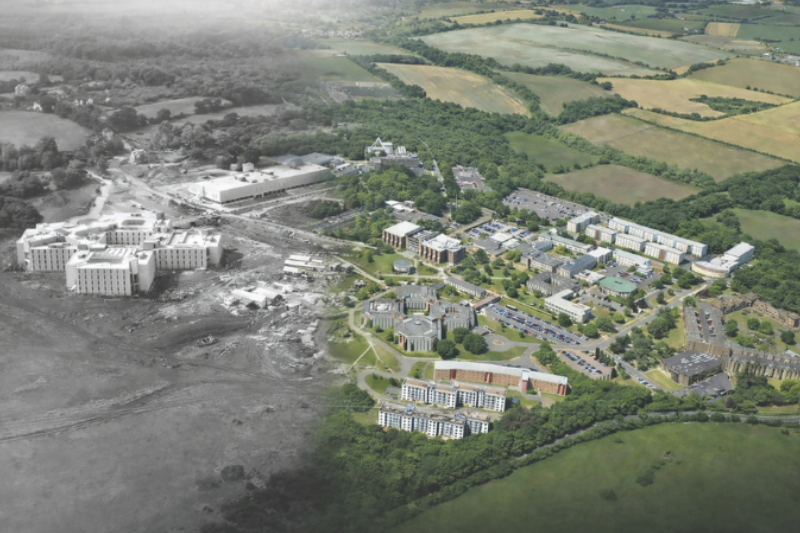
Our buildings and pathways sit within landscapes shaped by centuries of human activity. This autumn, uncover the surprising stories hidden around campus, from ancient settlements to vanished railways and local mysteries.
Bronze Age
A landscape shaped over thousands of years
Finds around Canterbury campus range from Palaeolithic handaxes to medieval pottery and a tile kiln. Excavations at Turing College uncovered Late Bronze Age pits, flint tools and a cremation burial, as well as later remains including an Iron Age enclosure, burials and a gold coin.
Explore our latest exhibition to discover more about the people and ideas that have shaped the University.
1870s
‘Bomb crater’ mystery
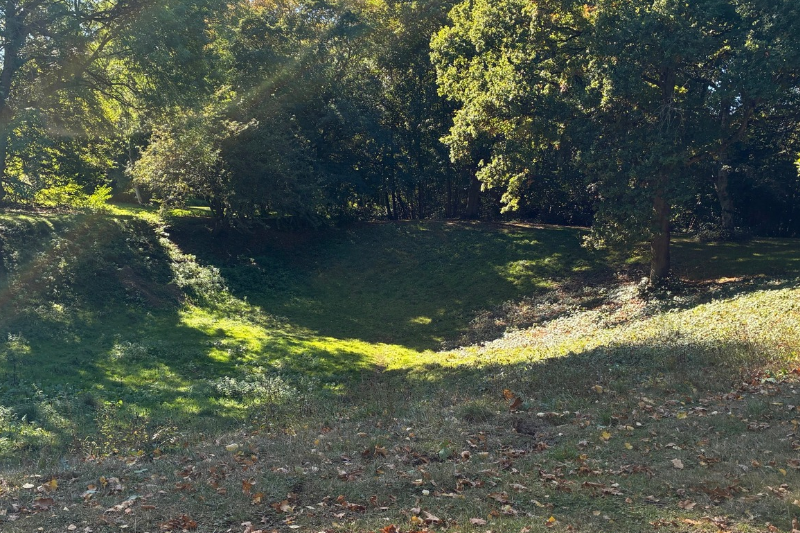
If you’ve ever walked up or down the Eliot footpath on the Canterbury campus, you may have seen the large crater. Many believe this to have been a bomb crater, however the hollow is shown on the earliest Ordnance Survey maps, dating from the 1870s, and was probably originally excavated to extract sand.
Since then, it’s even been used for drama events by the first students at Kent in the 1960s and of course lots of sledging!
1960s
Graduation Ceremony
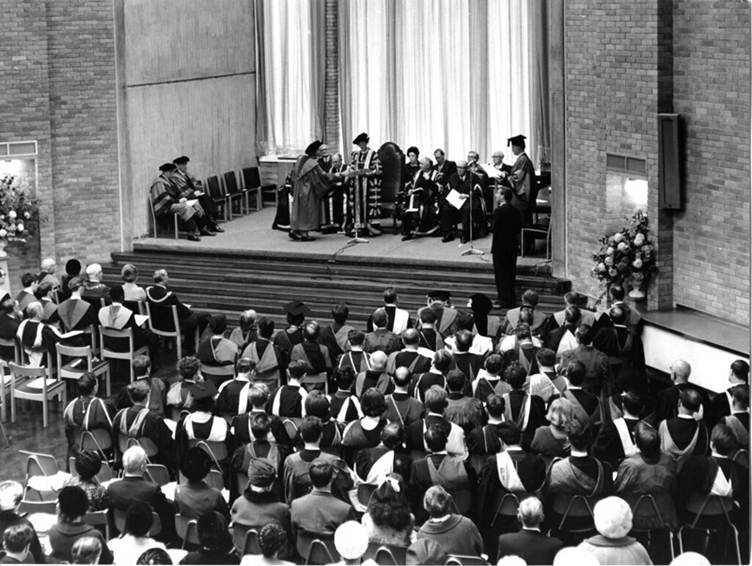
In 1968, Princess Marina, Duchess of Kent, attended a degree ceremony in Eliot Hall, as the newly opened University established its place among the country’s new universities.
Medway Royal Naval Barracks
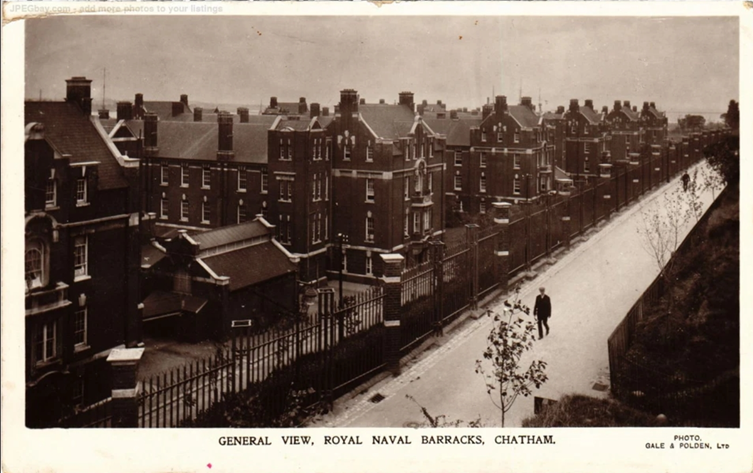
The Royal Naval Barracks at Chatham, now part of the University of Greenwich’s Medway campus, were a major centre for naval training and accommodation throughout the 20th century. During the 1960s, the site remained an important part of Britain’s naval infrastructure, supporting personnel during the reshaping of the post-war Royal Navy.
1970s
A hidden railway tunnel on campus
The Crab and Winkle Way follows the former Canterbury and Whitstable Railway through ancient woodland and countryside and opened in 1830. Explore the route on foot or by bike.
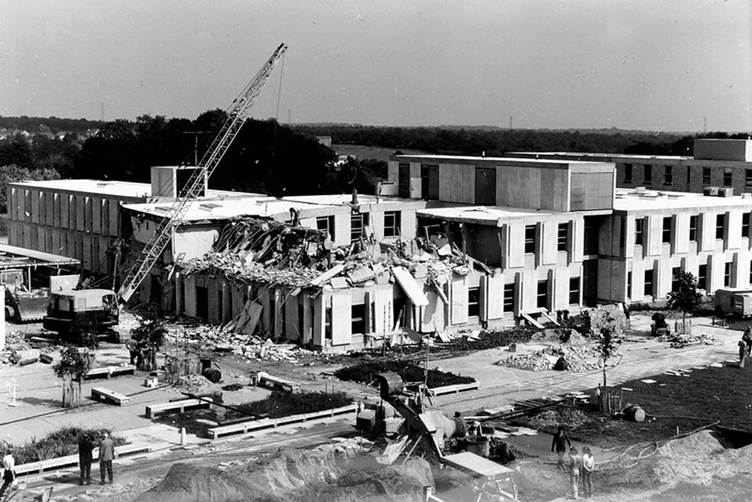
Its half-mile tunnel, completed in 1826, was the world’s first passenger railway tunnel. It carried goods, including wartime munitions, to Whitstable and later ran beneath what is now the University. In 1974, part of Cornwallis building collapsed into it, prompting major rebuilding work.
Darwin College rose garden
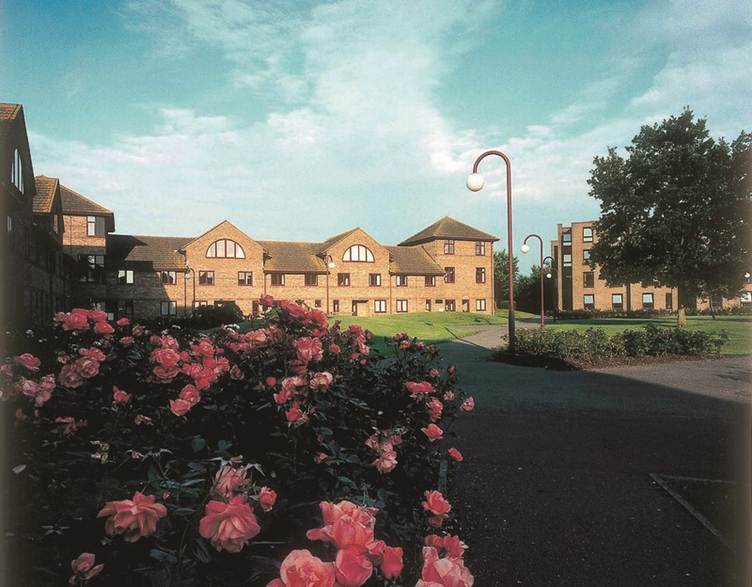
Officially opened in 1970, the rose garden outside Darwin College became a popular spot for students and staff.
1990s
Outside of Rutherford College
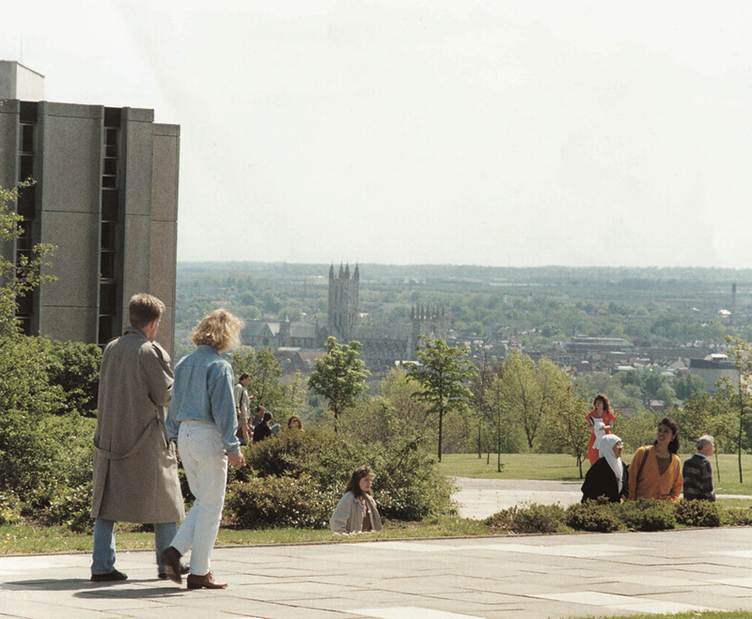
A snapshot of everyday campus life: students pass Rutherford College, named after scientist Ernest Rutherford.
2000s
Kent Union campus shop
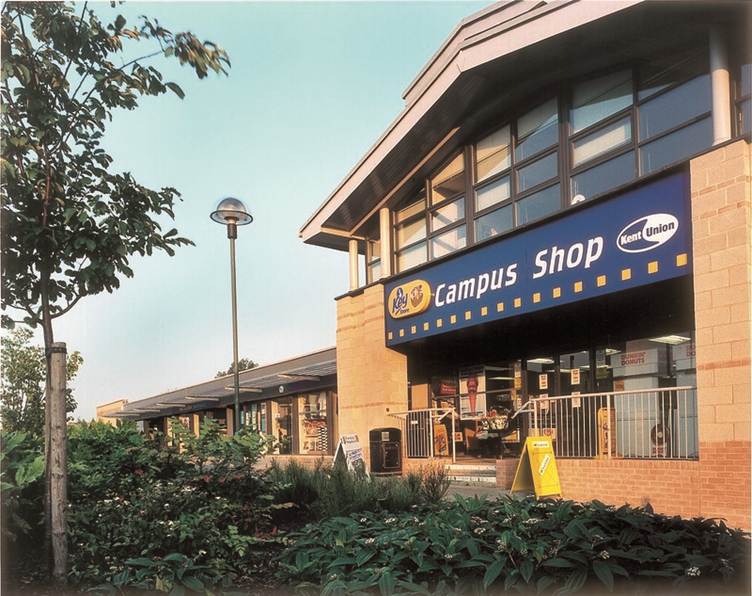
The Kent Union campus shop formed part of the everyday student experience in the early 2000s, providing essential services and a convenient hub at the heart of campus life.
As you walk through our campuses, you’ll find centuries of stories, discoveries and unanswered questions everywhere you look. The past is often closer than it seems.