
What is Ramadan?
Ramadan is the ninth month of the Islamic calendar, commemorating when the Quran was revealed to Prophet Muhammad. It is observed by Muslims worldwide as a holy time for fasting, prayer, reflection, spiritual rejuvenation, and community. During Ramadan, Muslims abstain from food, drink, and other physical needs from dawn until sunset as a spiritual discipline, focusing on self-control, empathy for the less fortunate, and drawing closer to God. They may also be undergoing an altered sleep pattern. Ramadan is a significant pillar of Islam, ending with the joyous festival of Eid al-Fitr.
When is Ramdan?
This year, Ramadan takes place from the evening of Tuesday 17 February until Wednesday 18 March. However, many Muslims may start observing Ramdan on the Wednesday following 17 February. The Islamic calendar follows the lunar cycle, so Ramdan shifts approximately 10-11 days earlier each year. Ramadan will be observed twice in 2030 because the Islamic lunar calendar is roughly 10-11 days shorter than the Gregorian solar calendar and this annual drift causes the month of fasting to start earlier each year, allowing it to complete two full cycles within a single Gregorian year. In 2030, Ramadan is expected around 4 or 5 January (covering the end of the Hijri year) and 26 December (marking the beginning of the Hijri year).
A typical day during Ramdan
Muslim staff and students’ practices and experiences will vary as everyone is unique, and if Ramdan falls during a particular season, routines will likely vary further. However, a typical day may involve waking up around 5am for a meal, Fajr (dawn prayer), and a nap before the working day. The morning may involve attending taught sessions or meetings and having higher energy levels for concentration, before leaving lectures or the workplace to engage in Dhuhr (midday prayer). Energy levels may decline in the afternoon, with Muslims participating in Asr (afternoon prayer) and having a nap. Just before sunset, Muslims may prepare for Iftar (a meal to break fasting) and Maghrib (sunset prayer). Traditional food and drink include dates and water, followed by a larger meal. Muslims may gather for communal Iftar events on campus or in the local mosque. During the evening, Isha (night prayer) takes place after the evening meal, and many Muslims engage in Taraweeh (an extended nightly prayer). Students/staff may use nighttime hours to complete assignments, study, or work duties, whilst others may prioritise rest.
Spaces available on the Canterbury and Medway campus
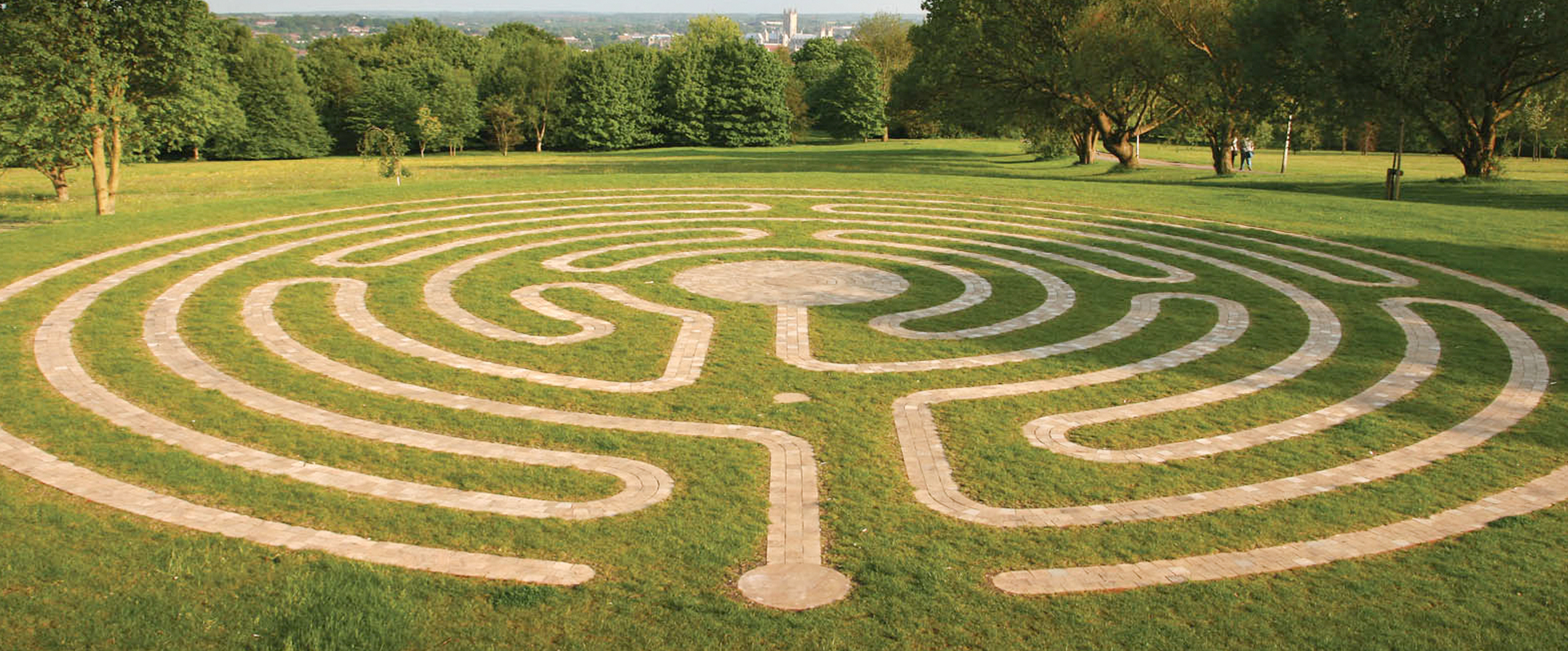
If students would like to find a quiet space on the Canterbury campus during Ramadan, they can visit Templeman’s A block silent study space, and Templeman’s study carrels can be booked. There is a quiet room in Keynes (LG.07) and students can visit our website to find out how to book a room elsewhere. Staff can also book rooms on our website. There are external peaceful areas such as the Darwin Rose Garden, the Labyrinth, and the Oasis Garden. We have a multi-faith prayer room which is Rutherford seminar room 18. This can be accessed using your KentOne card. To enquire about faith spaces on the Canterbury campus, you can contact Revd Dr Stephen Laird (s.c.e.laird@kent.ac.uk) with enquiries/bookings. We also have the Canterbury Mosque on Giles Lane (independent of the University of Kent).
On our Medway campus, there is a multi-faith room located in Pilkington 039 and the Oasis Lounge has a group room which could be used for reflection. To enquire about faith spaces at the Medway campus, you can contact Lynne Martin (medwayinternationals@gmail.com) with enquiries/bookings. There are also a number of mosques in Medway, including the Jamia Gillingham Mosque, the Nasir Mosque, and the Chatham Hill Mosque & Kent Islamic Centre. You can book quieter study spaces at the Drill Hall Library.
Supporting students during Ramadan
If you are a Muslim student, it is possible that observing Ramadan may impact some aspects of your studies. We would like to support you so that you can continue studying during this time and would like to highlight to academic staff what your needs may involve. We understand that:
- You may need to leave part of a teaching session to pray.
- You may find it harder to concentrate in the afternoons.
- You may prefer to study some of the course material independently rather than within taught sessions.
- You may need to leave early from a teaching session to break your fast.
- You may need to request alternative arrangements for assessment deadlines, particularly if these have been scheduled during Eid.
If you are observing Ramadan, any of these points apply to you, and you have concerns about how it may impact your studies or want to know what academic support may be available to you, please speak to your academic advisor or teaching staff and the Student Engagement Team to discuss your needs. For emotional and wellbeing support, please contact Student Support and Wellbeing and for faith support or enquiries, please contact the Chaplaincy. The kind of support suggested cannot always be guaranteed and will be made on a case-by-case basis.
Other ways of providing support
- You can send well-wishes to your Muslim peers during Ramadan. These could include “Ramadan Mubarak” (meaning “Blessed Ramadan”) or “Ramadan Kareem” (meaning “Generous/Noble Ramadan”).
- Join the Ramadan spirit of giving charity. The essence of Ramadan involves recognising the blessings one has and showing gratitude by supporting those who are in need. Whilst this is a prescription for Muslims, Ramadan could also be an excellent time for non-Muslims to offer their support.
- Consider hosting an Iftar (break fast) or dinner at your place and inviting your Muslim peers or bringing them over a dish so that they do not have to cook.
- Try to schedule meetings in the morning to early afternoon when many Muslims still have energy from the dawn meal (Suhoor), and preferably meetings that do not revolve around food and drink.
Things to avoid doing
- Offering food or drink during Ramadan. If this happens accidentally the best thing to do is briefly acknowledge this and move on rather than draw attention to the mistake.
- Feeling sorry for Muslims fasting and assuming they are suffering. Ramadan is often a time Muslims look forward to.
- Not eating or drinking in front of Muslims as this could create unnecessary awkwardness. Many Muslims do not expect others to change their routine.
- Asking whether someone is fasting as there may be personal, health or religious reasons why some people are not fasting. Having to explain this may put people in an awkward or pressured situation.
- Assuming what Muslims need as all individuals are different. It is more respectful to offer choice rather than assume the support someone needs.
- Expecting Muslims to educate others. Many Muslims are happy to share their experiences and knowledge, particularly if there is an existing relationship based on trust. However, this should not be assumed as it places emotional and educational burden on others and there are lots of resources to help people educate themselves.
- Trivialising fasting and linking it to being a good way to lose weight. Ramadan is a deep and highly important religious practice, during which Muslims sacrifice their time, appetite, and energy because they are committed to their faith.
Further resources
- A Guide to Religious Observances (Ramadan)
- Fasting, Faith and Flexibility: Supporting Muslim students and staff during Ramadan in higher education
- How to support Muslims at work during Ramadan
- How to stay healthy during fasting
- Ramadan: Communications Toolkit
- Ramadan guidance
- University of Kent Religious Observance Guide