The project
As part of the University’s 60th Anniversary, many events are being planned to celebrate the intellectual and cultural history of our institution. Edward Said (1935-2003) was a hugely influential thinker whose work crosses multiple disciplines. We are looking for four enthusiastic student volunteers to work with the audio recordings of lectures that Said gave at the University of Kent in December 1985 as part of the T.S. Eliot Memorial Lecture Series. The aim of this project is to create accessible transcripts of the lectures and facilitate new critical engagement with Said’s work.
Context
The University of Kent was granted its royal charter on 4th January 1965, the same day that T.S. Eliot died. In tribute, the University named its first college in memory of the poet. Eliot’s second wife and widow Valerie Eliot developed a good relationship with the University over many years, and she provided funding, together with Eliot’s publisher and former employer Faber and Faber, to establish the T.S. Eliot Memorial Lectures.
The T.S. Eliot Memorial Lectures took the form of a series of four lectures over four consecutive nights, with a supper hosted in Eliot College on the first night of the lectures. The lectures ran as a lecture series every year from 1967 to 1996, when after a short break they were relaunched as a singular lecture in 2000 and 2001, and subsequently revived again in 2013.
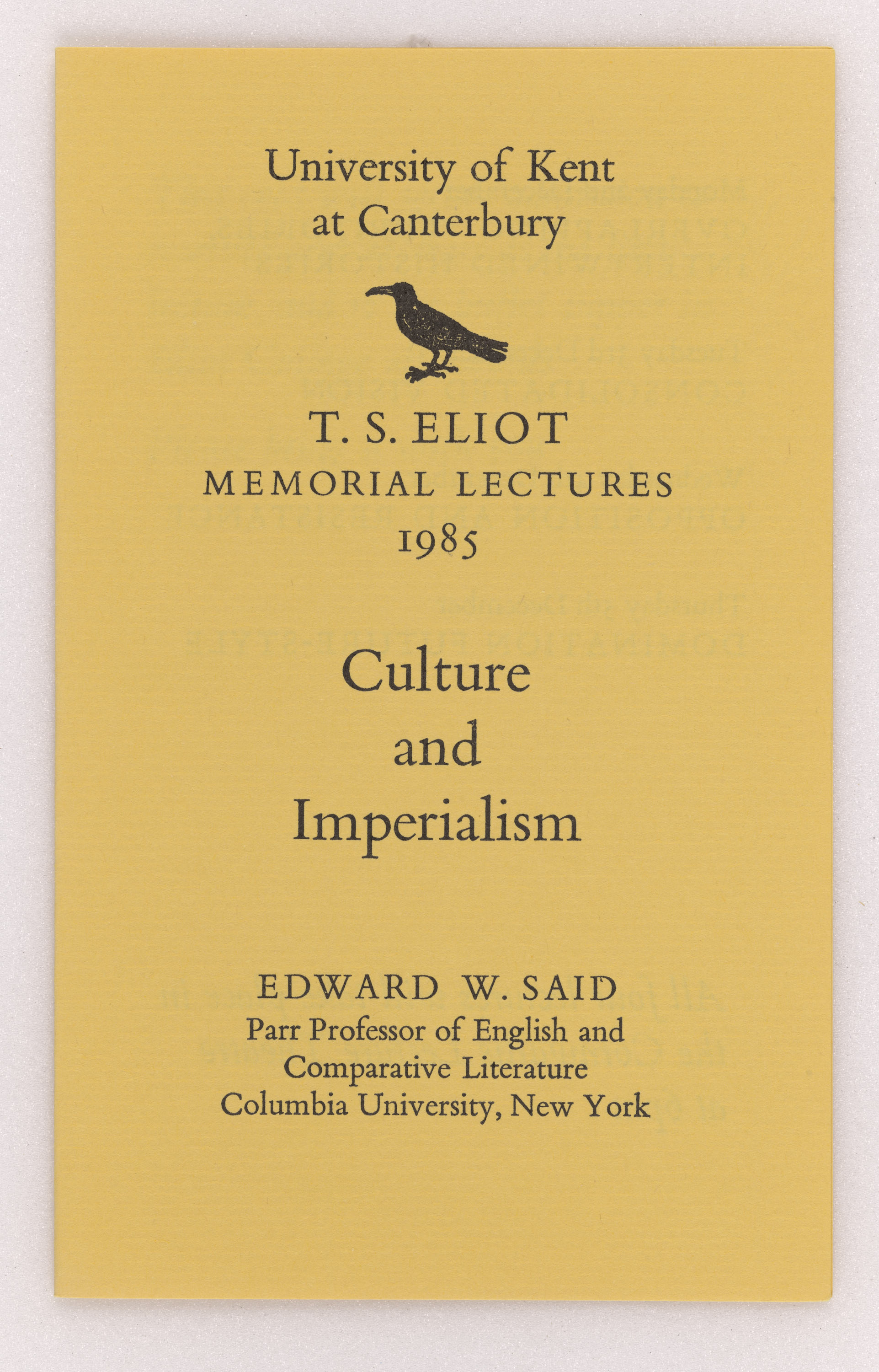
The inaugural series took place in 1967, delivered by W. H. Auden, who was followed over the next several decades by other highly significant and influential poets, writers, historians and thinkers. Edward Said delivered his ‘Culture and Imperialism’ lectures at the University of Kent as part of this series in 1985, eight years before his book of the same title was published.
Requirements
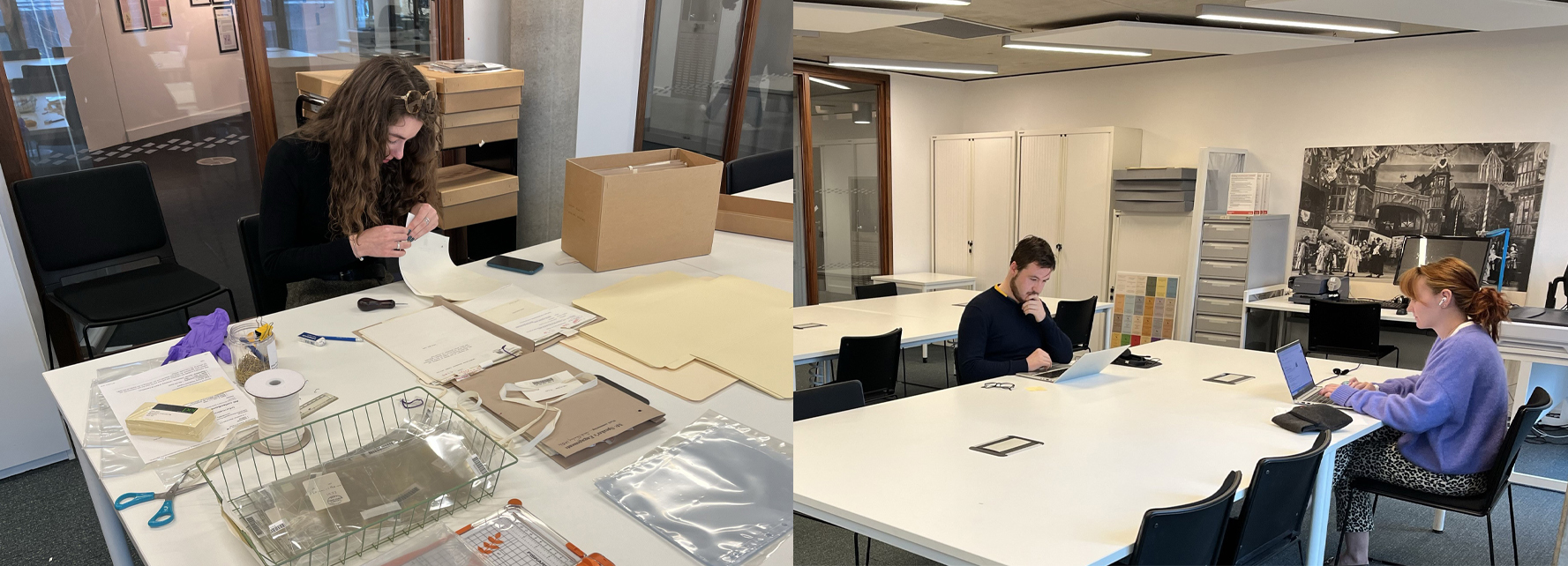
The project will be conducted in person in the Special Collections and Archives reading room (Templeman Library A|1) on Friday afternoons 1-4pm, commencing 6th February 2026 and running throughout the Spring Term.
The first session will include introductory training, and you will have access to staff supervision throughout the project as well as opportunities to socialise and support each other.
Familiarity with Said’s work is desirable but not essential. A laptop and headphones will be needed and can be supplied by Special Collections and Archives on request, though numbers are limited so we encourage volunteers to bring their own devices where possible. A Google account will be needed to access the relevant files and volunteers are welcome to also work remotely on the project should they wish to.
Besides engaging critically with this unique archive material, volunteers will have the opportunity to learn more about archival preservation and receive careers advice in this sector.