
Keynote Presentations
Dr Agnes Woolley
(Associate Professor in World Literatures, University of Southampton)
Documenting the Hostile Environment in Recent British Film
Monday 23 June, 10.00 – 11.15am
Grimond Lecture Theatre 3
Many of the controls laid out in the Immigration Act of 2014 – the ‘hostile environment’ policy – have been in place for those seeking asylum since the late 1990s. Now, the illegalisation of migrant groups within Britain extends well beyond those who are seeking sanctuary. Through an analysis of recent film and moving image work documenting the Hostile Environment, I explore how Britain’s punitive immigration and asylum policy broadens what it means to be made stateless. An extended conception of statelessness takes in not only the prototypical ‘Displaced Person’ that first emerged after the twentieth century world wars, but also those whose citizenship status is rendered partial and precarious. Recent film and moving image work exploring migrant narratives in Britain reconfigures national space, bringing into view the unseen topographies of twenty-first century statelessness. The filmmakers I look at here engage with the Hostile Environment both as a set of policies that instantiate the ‘everyday, everywhere’ border, and as an enduring legacy of anti-immigrant sentiment in Britain. With reference to a series of recent documentaries, docudramas and fiction, I will explore how these films have successfully spatialised the hostile environment; that is, how they have exposed the topography of exclusion and containment that determines migrant subjectivities in contemporary Britain.
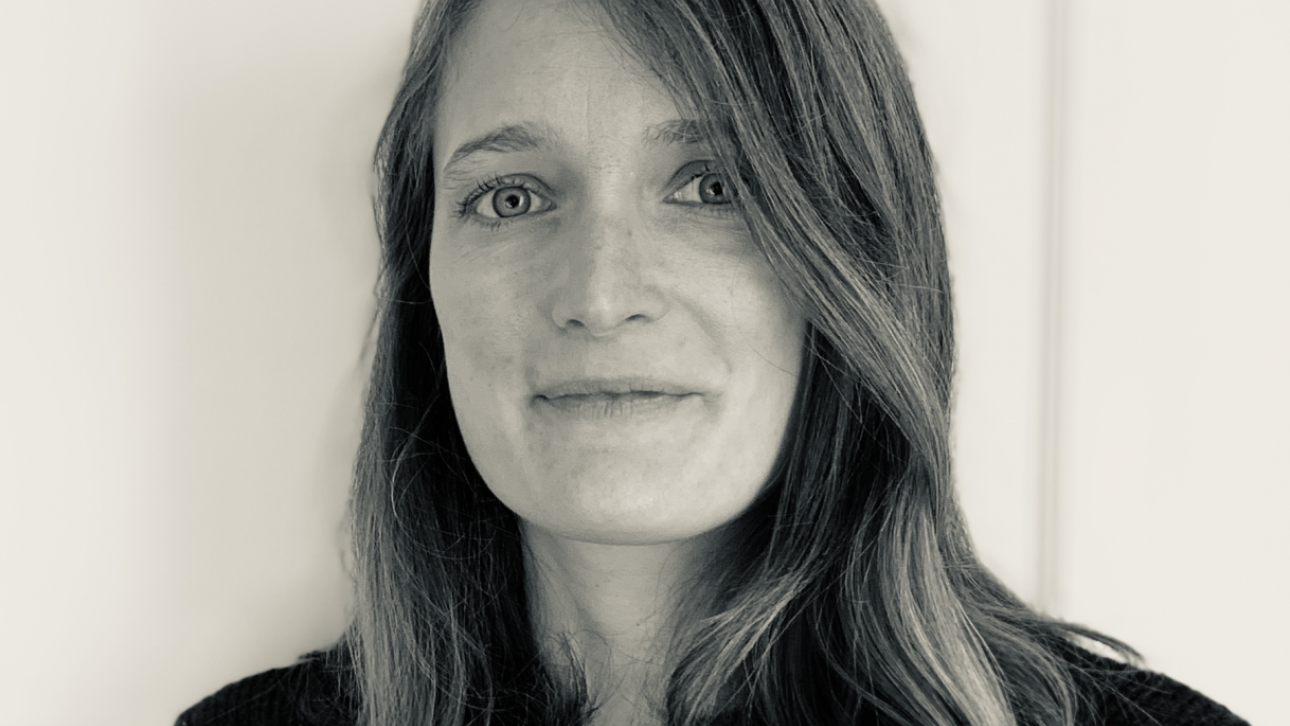
Agnes Woolley’s research makes the case nationally and internationally for the emergent, multi-disciplinary field of Critical Migration Studies, focusing on literature, theatre and film. She is the author of Contemporary Asylum Narratives: Representing Refugees in the Twenty-First Century (Palgrave Macmillan, 2014) and has published extensively on asylum, refugee arts, climate change and contemporary literature. She is currently working on two interrelated projects. The first is an examination of the interrelationship between contemporary screen cultures and geopolitical refugee discourses in the forthcoming book Stateless Cinema (Bloomsbury). The second focuses on the idea of ‘migrant documentality’, examining how legal, bureaucratic, and legislative texts that determine contemporary migrant life constitute a neglected social ontology. She is a regular blogger on migration issues and works with grassroots refugee organisations.
Leah Cowan
‘They will never know what we know’: Death and resistance within the border regime
Tuesday 24 June, 9.45 – 11.00am
Grimond Lecture Theatre 3
In this keynote, I will explore the emergence of everyday borders, including the No Recourse to Public Funds condition as a specifically necropolitical project: the way in which, as the historian Achille Mbembe writes, governments decide who will live and who will die. I will begin by looking back to the colonial exploits of the British empire, and will plot my family’s own roots in this history, which brought my grandparents from Jamaica to England. I will then join the dots between the origins of racial capitalism, and the present-day hostile environment. Crucial along this pathway are tools for our survival: sabotage, resistance, non-compliance and struggles for worker’s rights, which multi-national corporations and states adhering to the neoliberal world order seek to crush.
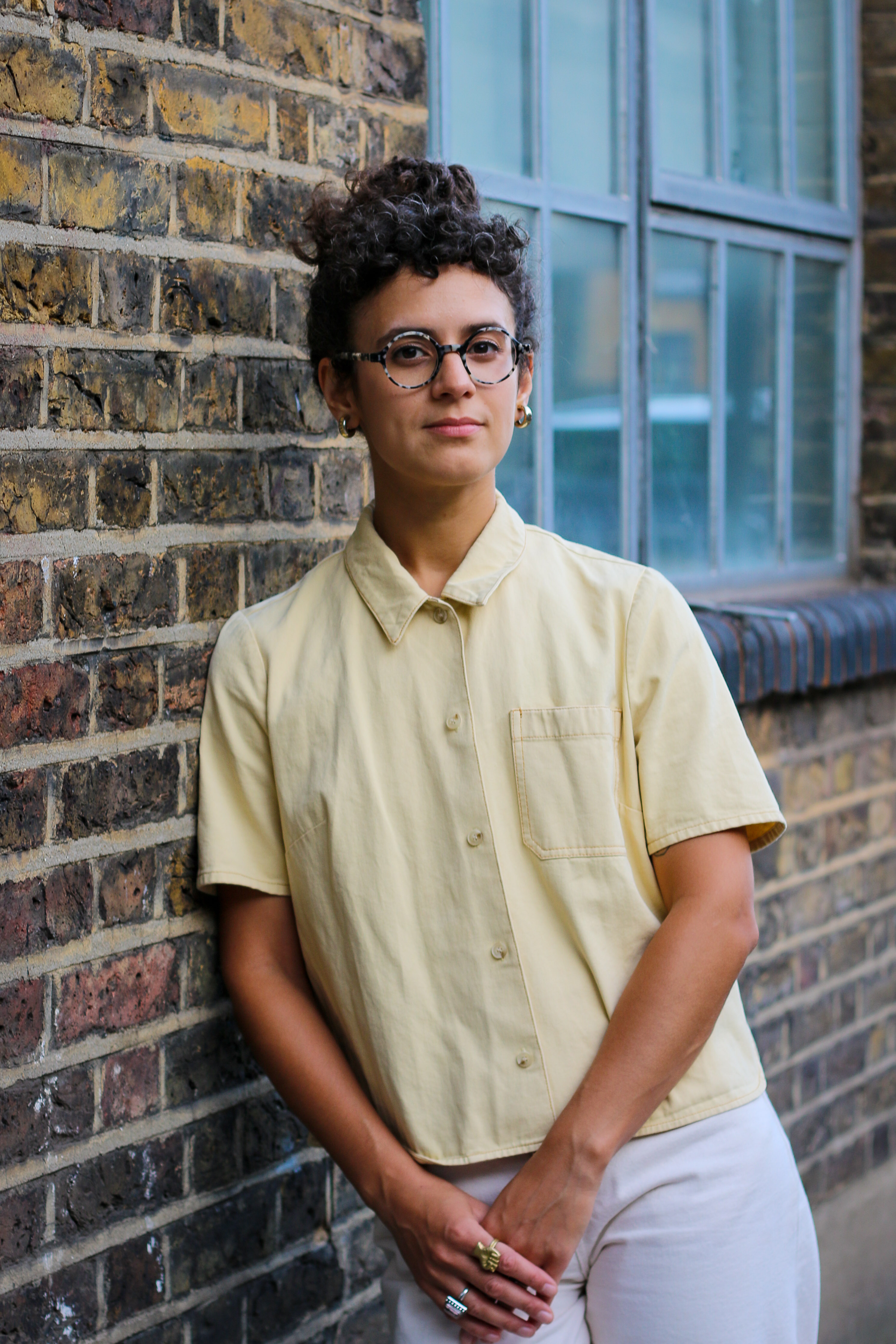
Leah Cowan is a writer and editor on race, gender, migration, state violence and their intersections. She is the former Politics Editor at gal-dem, an online magazine and media platform run by women and non-binary people of colour. Leah also works at Project 17, an advice centre for migrant families who have No Recourse to Public Funds and are facing homelessness and destitution. Leah has written for publications including Vice UK, Huck, DOPE magazine, and the Guardian and in October 2018 delivered a TEDxTalk presenting an intersectional analysis of emotional labour. Her first book, Border Nation: A Story of Migration (Pluto Press, 2021) has just been followed by Why Would Feminists Trust the Police? (Verso Books, 2024).