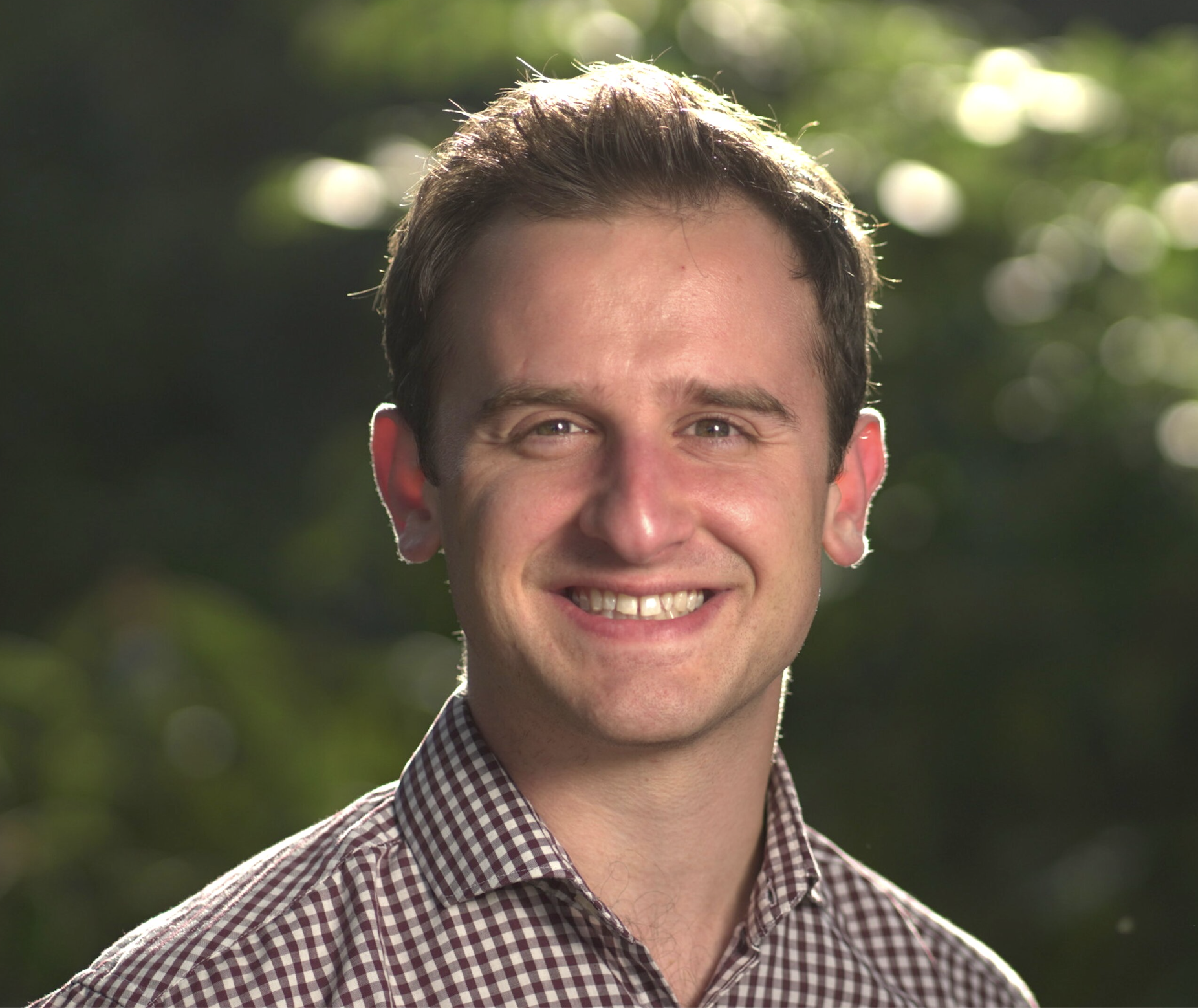

KMTV offered three of our students an excellent opportunity to be involved with TV production around Kent. This year, they took on Angelina, Alma and Lewis to be video producers to work on news and commercial content. I caught up with Cam to find out more about what they were up to and how it went.
What were they doing while working with you?
A range of things really. No two days are the same, but we really want them to experience a whole breadth of what we do at the station.
We have the news division. That is the standard news and current affairs department. We have a nightly news show which is an hour long, but we have specialist shows which we dot throughout the schedule during the week – all of them being live. We have a sports show, a politics show, a film show, and an environmental programme. That is especially great when we have the work experience and Year-In students because it is guaranteed that they will be working on something going out later in the day.
It’s a heightened news room experience. They’ll help with researching news stories, something all three EP students did, they’ll help with going out and being a runner/ camera operator for the reporters, because they typically go out individually. It’s great having work experience because they can see the mechanics of putting the package (we call news reports packages) then coming back and helping with the edit. During the first few days, it’s a lot of observation and then that second week we can give this to you, go and do this. That is the news side, they can see the program come together from conception to delivery. This starts from 10am when they come in to when the show goes out at 5:30 pm.
We had our first season of Kent Morning Show start when the EP students were here. This was a new venture for us. That was a different kind of show, but still news and current affairs. This ran from 6am to 9am and the students came in for that at some point or other during their time with us, so they got to see the different mechanics of that as it was more guest based, and they would be helping with booking guests for that. The Morning Show was more observational due to the nature of it. The Kent Tonight was more hands on, doing the research, booking the guests, helping our reporters putting pieces together.
The creative side is a bit more ad hoc, as you would appreciate with an independent production company. It’s dependant on the jobs you have. We did have some when the students were with us, however it wasn’t as busy as it was now. There wasn’t as many creative projects for them to go out on, which is a shame as this was the area the students wanted to go into.
Alma and Angelina had guest slots where they came on, we gave them a story to discuss and helped them prep for it. It was massively helpful for their portfolio being on an OFCOM PSB (Public Service Broadcast) going out to 300,000 people. To have that as a part of their portfolio for what they want to go and do as well as to see behind and in front of the camera is amazing.
With the creative projects they came out on, Angelina came out and recorded a conference event which was at the Gulbenkian on a Saturday. Lewis and Alma joined me on a couple of shoots for a promo for the Kent Media subscription service. They wanted a nice swish promo to say what Kent Media does and get people to subscribe, so they came out with me to get some interviews at the Canterbury office, to talk to the reporters what they do as well as going to Margate and the centre of Canterbury to get some drone footage, which they enjoyed because they got to see different parts of the county.
Alma wanted to go into documentary work, so valued the news side more and she gained a lot from that experience, I would say. Alma helped on one of the days as Lewis was ill, so we got some drone shots around Medway and went to Priestfield Stadium and got some cool shots there too. We had a project with Maidstone Borough Council which is going into primary schools to talk about culture in Maidstone and where primary school pupils see themselves in the community and Angelina helped on a couple of shoots with that. She arrived at the office and 20 minutes later, I said, “alright, we’re going on this shoot then”, so she was thrown in at the deep end on that one.
How were Alma, Angelina and Lewis?
I think they were all great in different ways. All three were incredibly enthusiastic and gung-ho.
Angelina was in particular incredibly enthusiastic and not perturbed by anything we threw at her. Like the example of where she came out on a shoot after 20 minutes in the office.
For Alma, it was very interesting to watch, because I think she very much knows what she wants to be in terms of job, and an idea of where she wants to get to. I’m hoping the experience with us shows her another avenue of how to get there.
Lewis was good because he was very experienced already – he’s done student films and from his interview he was clearly very capable with the equipment. I think for him it was good to see how it was done with the next level up, with a proper broadcaster. We are in the middle ground as we don’t have the same budget as BBC and ITV, with massive crews, and top of the range kit, but we have good and nimble kit that a reporter can turn a piece around in a day. We can go and shoot in 4K so that it will still be able to put on ITVx or BBC who we work with. It wasn’t just with the use of the kit, but also the whole process. He was telling me about his experiences of filming where people had not turned up or there were disagreements within the crew. While stuff would go wrong and people did disagree, it was hopefully valuable to see how solutions were met in that professional working environment. I think that was valuable for him as it shows him the next step to get to.
It’s unfortunate with the timing but I was keen to get them in early, the shuttle bus between Canterbury and Medway ends, students get to graduation and their accommodation ends, so it becomes much more complicated. I was on the other side of it trying to get work experience and we really appreciate the fact it is off their own back, so I wanted to facilitate that as easy as possible which is why we turned it around quite quickly.
Can you tell us about the work experience experience that you provide?
The environment is already in place for us to take work experience placements and students and we’re so used to having students and work experience placements around. Where we can we try to tailor the work experience to the person at the earliest possible stage. For the EP students, we were able to do this at the interview. Lewis wanted to be on a film shoot, Alma wanted to see some of the more creative side, and Angelina wanted more specific goals to branding. That is what changes with the work experience. We were able to tailor the experience to the student, one example is that there was one day where Alma and Lewis were in and we were able to send them on different jobs. Lewis went out on one of our News Nugget shoots (our equivalent to Newsround). For Alma, we kept her with the news team, because it was a more investigative-y piece and fit more to what she wanted to be doing.
I’ve worked at a lot of different companies here and abroad and those have been from work experience to staff. On the work experience side, so often you’ll be sitting there for two weeks. You want to get involved but because the operation is a bit of a behemoth, and journalists are very rushed people due to the nature of the industry. You can have quite an unsatisfactory experience, where you don’t feel like you’ve gained a lot, and you haven’t taken many valuable skills from it, other than just a big brand name for your CV. This is something we really try and counter because we are a small operation as well, that lends itself to being able to give more responsibilities during work experience, to work on something you will directly see with the guardrails we have put up and tweaks which our editorial team have suggested. Most of the time, there will be something you will work on at the start of the day, which will be on air at the end of the day.
With us, it’s so key because 75% of our team is 25 years old and under, and first jobs in the industry for a lot of them. It works both ways, for those who come on work experience or do the Year-In with us, they go on to do amazing things, one student we had with us is now freelance and doing an amazing job, we’re there to open doors, to get several rungs up the ladder, for work experience, for us it works because it teaches us that managerial, that nurturing, skillset because we are experienced at the ages we are, whereas if we had been a small cog in a big machine, we wouldn’t have got those experiences, so that’s really valuable for us to impart these skills to people like Alma, Angelina and Lewis. What they offer us is new perspectives.
What advice would you give a prospective EP student who wants to apply for one of your rewards?
I would say definitely apply! If you know you want to go into film making or news and current affairs, that’s great. This is perfect to build up that CV of experience. That’s something we can readily offer. We’ve had so many examples of work experience or Year-Ins who have come with us who were from different degree, and weren’t 100% what they were going to do after they graduated, or wanted a year to mull it over and work on those particular skill sets they wanted to hone in on. We’ve had students from formerly the School of Anthropology and Conservation. One of our members of staff now came from that school. We have had somebody who was doing a Criminology degree who is now working on one of the major broadcasters. It’s a great opportunity for anyone from all courses if they want to try out in this field or anyone with those particular skills that correlate with what we do to help enhance those skills.
Find out more about KMTV here!