
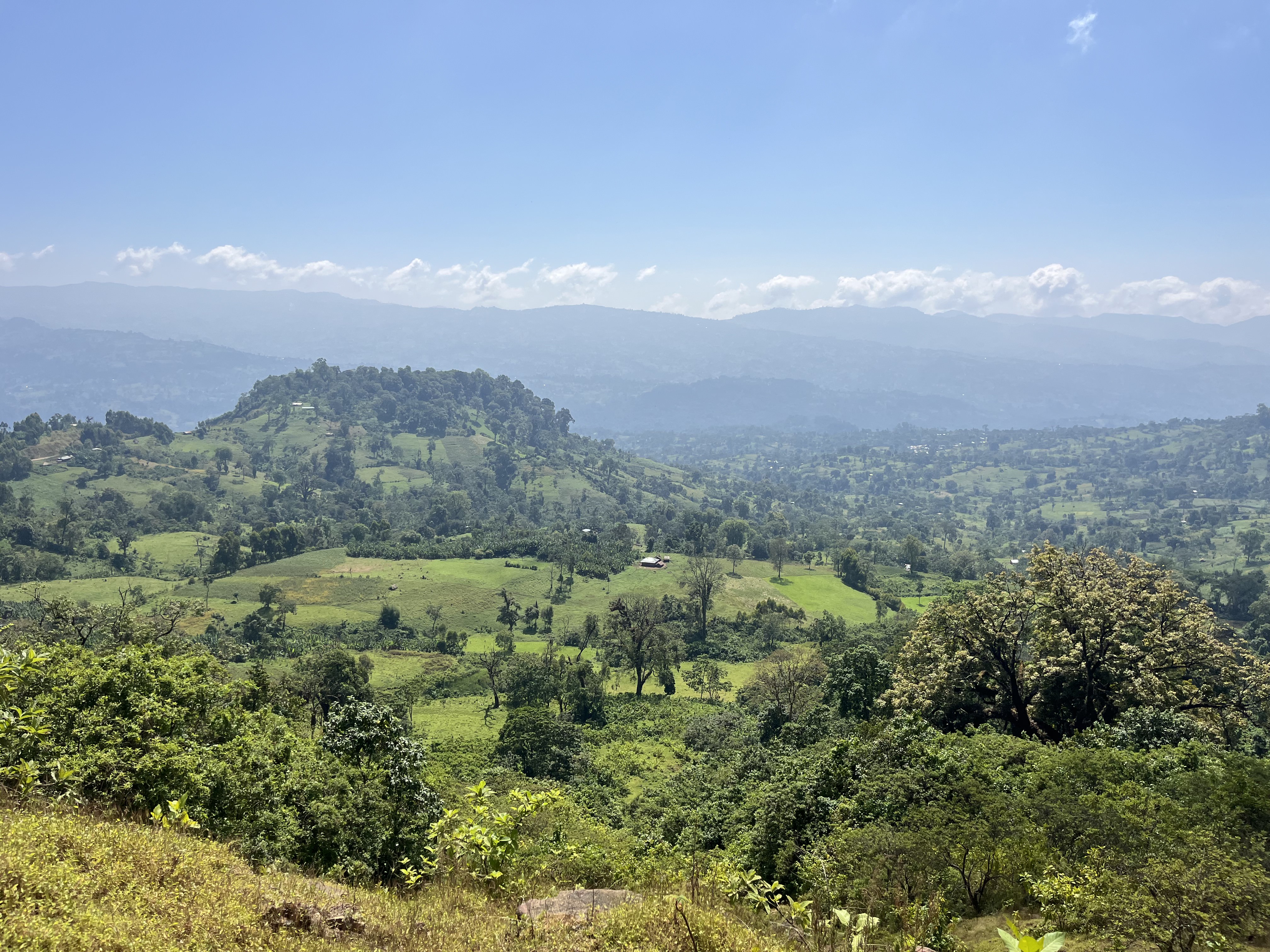
Ethiopia is globally important for both biodiversity conservation and food systems. Its varied climates and landscapes support many endemic species, placing the country within two global biodiversity hotspots: the Horn of Africa and the Eastern Afromontane. These same conditions, combined with a rich cultural diversity, have also made Ethiopia a centre of crop domestication, where indigenous crops and locally-adapted varieties remain central to resilient food systems and rural livelihoods. Agriculture underpins the national economy, with around two-thirds of the population engaged in farming, yet food insecurity remains widespread. As a result, Ethiopia faces a fundamental land-use challenge: how to conserve its exceptional wild biodiversity, sustain its unique crop diversity, and produce enough food on finite land. Addressing these interconnected challenges forms part of the E3 Sharing Space for Nature project, which focuses on how shared landscapes can support both nature and human livelihoods.
Why agrobiodiversity matters
Meeting Ethiopia’s growing food needs will require more productive agriculture. Intensification is essential to improve food security and reduce pressure of agricultural expansion on natural habitats. However, under uncertain future conditions, the crops that deliver the highest yields today may not perform best over time, potentially driving further agricultural expansion. Long-term food security depends not only on producing more food now, but on maintaining the crop and varietal diversity that will support future production.
In Ethiopia, agrobiodiversity underpins everyday food systems and cultural life. Smallholder farmers cultivate a wide range of locally adapted crops and varieties to cope with variable rainfall, pests and disease, drawing on generations of knowledge and active management. This diversity provides practical options for managing climatic uncertainty and shocks. Enset (Ensete ventricosum), domesticated only in Ethiopia and a staple for around 26 million people, illustrates this approach: farmers maintain hundreds of varieties with different traits, allowing them to manage risk while safeguarding future options. Without this diversity, the potential for adapting agriculture to future conditions is substantially reduced.
Although Ethiopia is a global centre of agrobiodiversity, this diversity is under increasing pressure. Climate stress and the spread of more uniform farming systems are contributing to the loss of crop and varietal diversity. As diversity declines, so do future options for adaptation and sustainable intensification. Conserving agrobiodiversity is therefore not only about preserving cultural heritage: it is central to sustaining long-term food security and reducing pressure to expand agriculture into remaining natural areas.
Evidence of trade-offs
Although biodiversity conservation, agrobiodiversity and food production are all national priorities in Ethiopia, they have often been planned separately. As in many countries, responsibility for each sits across different institutions, with limited coordination between them. As a result, land-use decisions are frequently made with only a partial view of their ecological and social consequences.
Research conducted with the Ethiopia Wildlife Conservation Authority, illustrates the trade-offs that can arise from this fragmented approach. Many of Ethiopia’s protected areas have been successful in slowing habitat loss and limiting agricultural expansion – one of the main drivers of biodiversity decline. However, these gains often come with significant social costs. Households living near protected areas often experience sharper declines in food security than comparable households elsewhere.
Additionally, Ethiopia’s protected area network does not fully represent the country’s ecological diversity. Some ecoregions remain poorly covered, and many species – particularly plants – have little or no protection. Expanding protected areas to address these gaps could increase existing tensions if trade-offs are not carefully managed.
Towards integrated land use planning
Balancing biodiversity conservation, agrobiodiversity and food production requires planning approaches that consider these goals together. Systematic conservation planning provides a useful framework for identifying what needs to be achieved, where, and at what cost, while making trade-offs transparent.
Traditional applications of systematic conservation planning often focus on meeting targets for wild biodiversity while minimising impacts on other land uses, such as food production. In Ethiopia, our approach will treat wild biodiversity conservation, agrobiodiversity conservation and food production as equal objectives from the outset. The aim is to meet species-level conservation targets for wild biodiversity and agrobiodiversity, alongside production targets for agriculture within the same planning process. Recognising agrobiodiversity as a conservation priority highlights its potential as a form of conservation area. The E3 Sharing Space for Nature project is exploring how such approaches can complement more conventional protected areas.
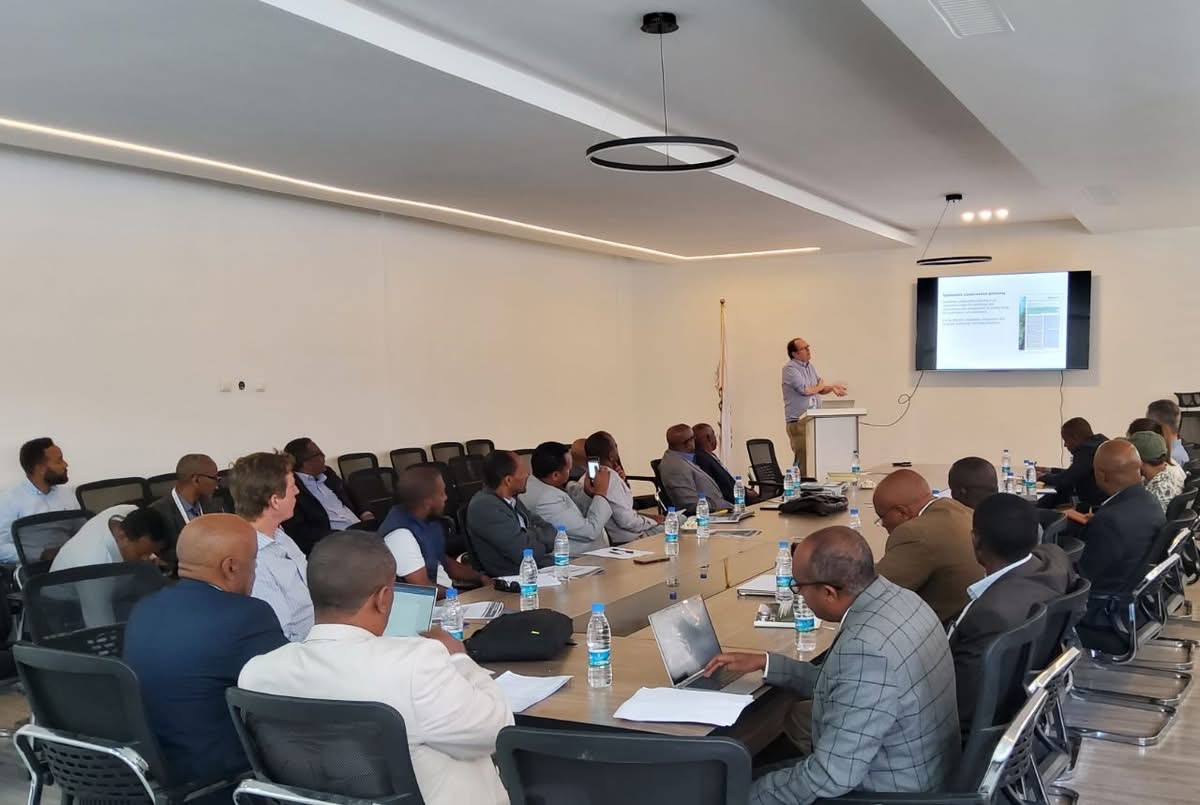
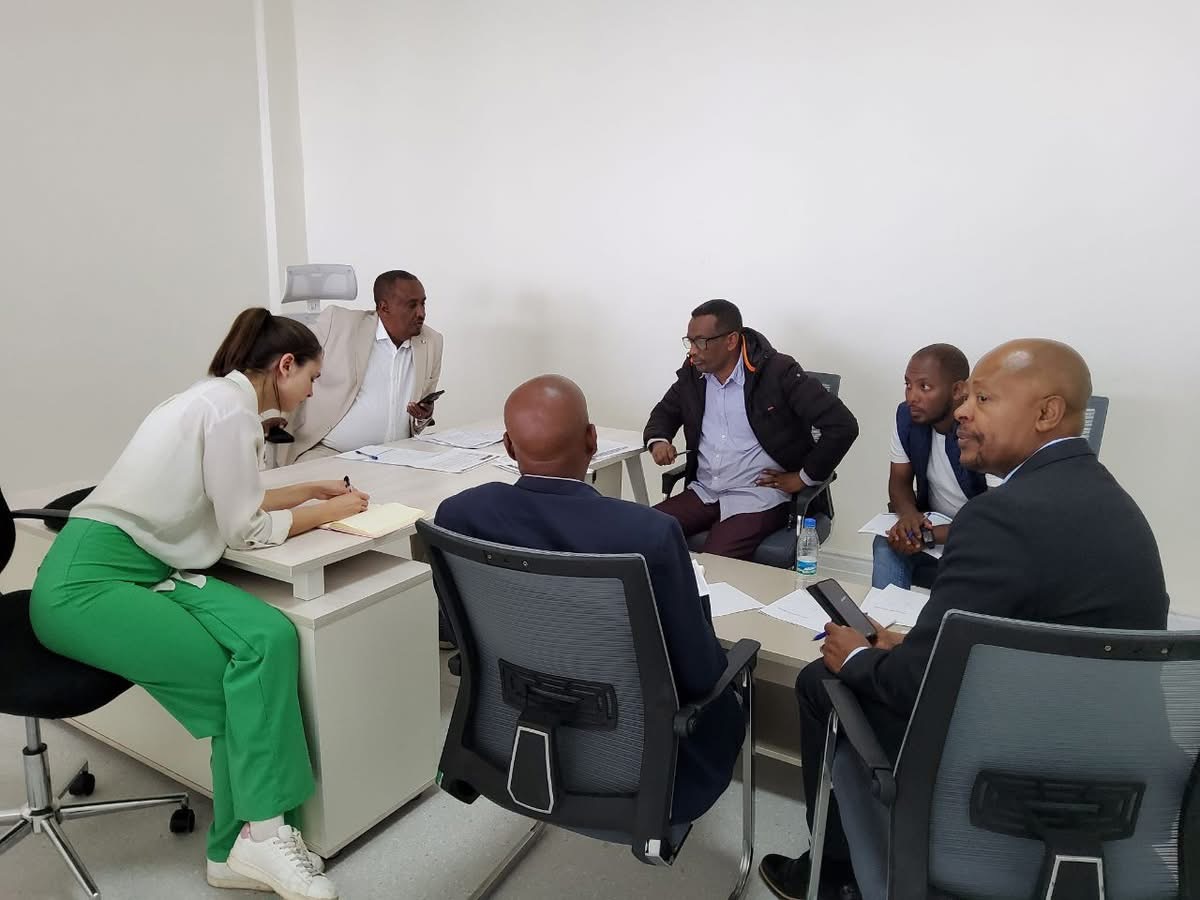
These ideas were recently explored at a workshop convened by the Ethiopian Biodiversity Institute, which brought together experts from different sectors of government, NGOs and research institutions. The workshop aimed to start building a framework for setting realistic targets for wild biodiversity, agrobiodiversity and food production. Through presentations and group discussions, participants worked to identify where goals align, where tensions are likely to arise, and how more coordinated planning could support biodiversity conservation, climate resilience and sustainable food systems in Ethiopia.
While Ethiopia’s context is unique, the underlying challenges are shared by many countries. As pressure on land increases worldwide, balancing biodiversity conservation with food security will become increasingly urgent. Insights from Ethiopia contribute to a wider international effort to understand how biodiversity conservation and human livelihoods can be supported together in multifunctional landscapes.
Sophie Jago is supervised by Professor Bob Smith and Dr Jake Bicknell.