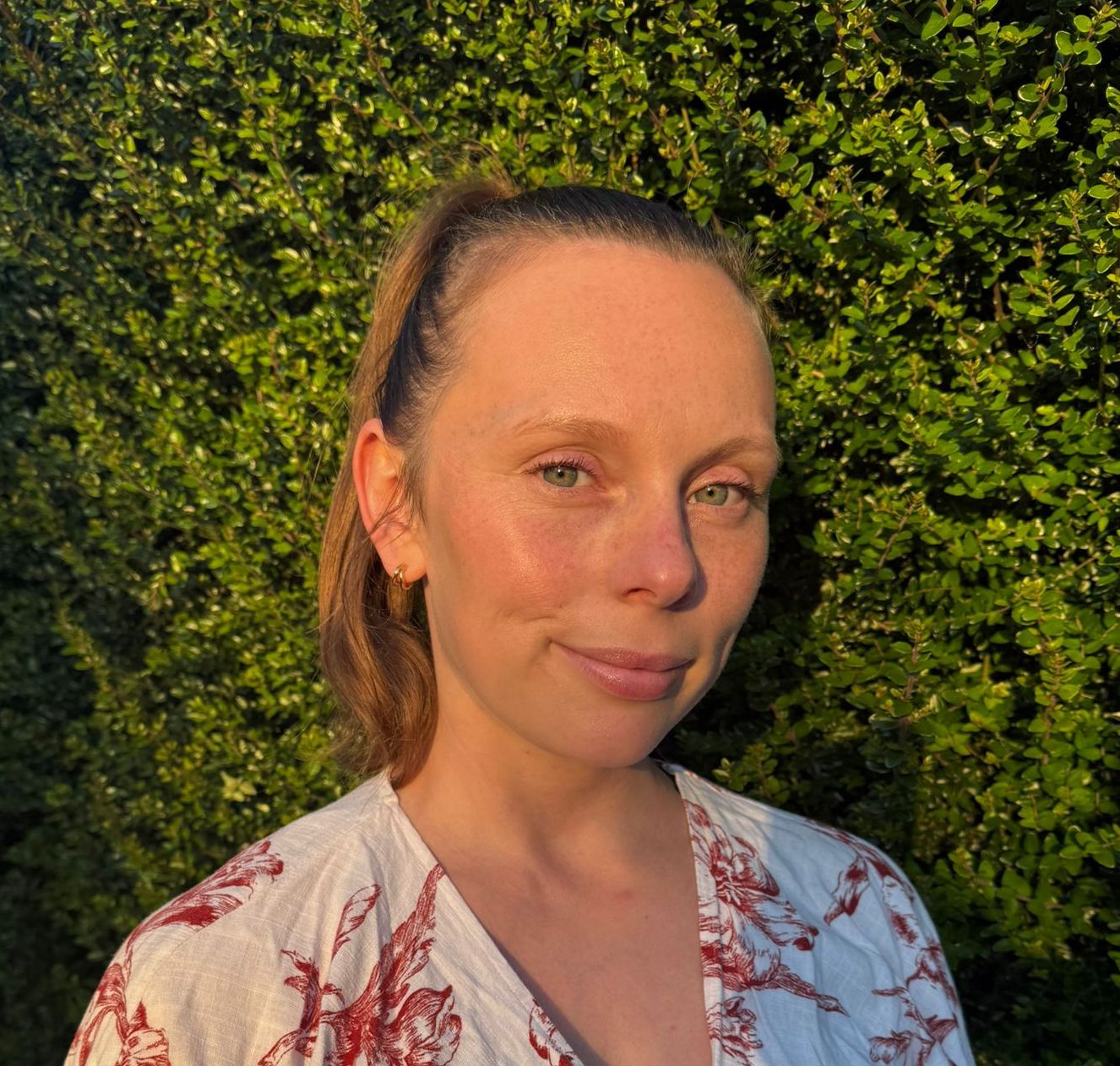
Hi Steph, thanks for being this month’s spotlight! Can you tell us a bit about yourself and your research interests?
I’m a lecturer in conservation science, and an interdisciplinary conservation scientist, which means I look at things through both a social and ecological lens. I’m especially interested in how indigenous and local communities contribute to conservation, either intentionally or through their traditional land management practices, and how conservation affects them.
At the moment, my research focuses on co-designing community-led biodiversity monitoring programmes, drawing on a combination of local ecological knowledge and more Western monitoring methods to try to improve the reliability of the monitoring data. I’m also really interested in the ethics of social research with communities in particular, and I’ve worked a fair bit on issues around wild meat hunting and consumption, looking at how social and cultural factors affect conservation outcomes.
What are you working on currently?
I’m working on a few different projects. My main work is on the Transformative Pathways project. This is a collaborative project, led by indigenous communities in five different countries across Asia, Africa, and the Americas. Its aim is to support and better embed and recognise contributions of indigenous and local communities to the conservation and sustainable use of biodiversity within the post-2020 Global Biodiversity Framework.
I also work on another Darwin Initiative-funded project. Through that, I offer support to the in-country teams in northern Ethiopia on social research methods, to research the impact of alternative livelihoods on the Ethiopian wolf.
I’m also the president of the SEB Social Science Working Group. Our mission is to improve the application of the social sciences in conservation practice. Overall I’m trying to build a picture and an evidence base of conservation that is effective and fair.
What drew you to this area of research?
Throughout my PhD, I noticed that there were kind of quite a lot of ethical issues where I was working, in Cameroon, particularly about how people interact with conservation. That led me to collaborate with some friends and colleagues on ethical issues that we encountered during our time in the field as early career researchers. Several conversations happened and I was introduced to my current colleagues on the Transformative Pathways project. This project has been a highlight of my career so far. It’s been a real privilege to collaborate with all these community groups and partners from around the world, and provide support to develop biodiversity monitoring protocols that meet their self-defined needs.
Watching the communities start to generate evidence and share their knowledge, then seeing that start to influence decision-makers and conservation actors, and improve relationships between communities and government actors, has been really rewarding. And the project isn’t over yet, so there’s loads more to come from it, I hope!
What made you want to work at DICE?
It’s funny, since I started my conservation trajectory, I’d always heard about DICE. I’d always known that it was an amazing place to work, that the researchers and the lecturers here were great, and that the work that was coming out of DICE was really exciting and brilliant. It seemed like a really collaborative, outward-facing place to work. There’s a high focus on impact, which is amazing. I get to work with amazing colleagues, I get to teach brilliant students, and continue to work on my research and collaborate, which is really exciting.
What is your favourite part of your job?
It’s been really nice over the last few years to engage more with students as a lecturer and as a supervisor to help guide them along the way. There are a lot of difficult questions in conservation, lots of trade-offs, and it’s not always clear what the right thing to do is, what the right approach is. Guiding students through that process and watching their confidence grow, watching them gain the tools they need to tackle challenging questions, is super rewarding. Obviously the research is a favourite part as well. I love doing my research and I love collaborating with people. I’m really grateful that I’m able to do that and pursue research questions that are important to the communities that we work with.
Can you share a fun fact about yourself?
It’s always a tricky question this, isn’t it? I used to sing a fair bit. Time nowadays is a bit more limited with two small kids, but throughout university, when I was younger and up until my mid-twenties, I sang in bands almost every weekend. And I still really like to write songs, which I very much keep to myself, but I enjoy the process. I’m hoping to find a bit more time to do that again at some point.
Read more about Steph and her work with DICE on her staff profile.